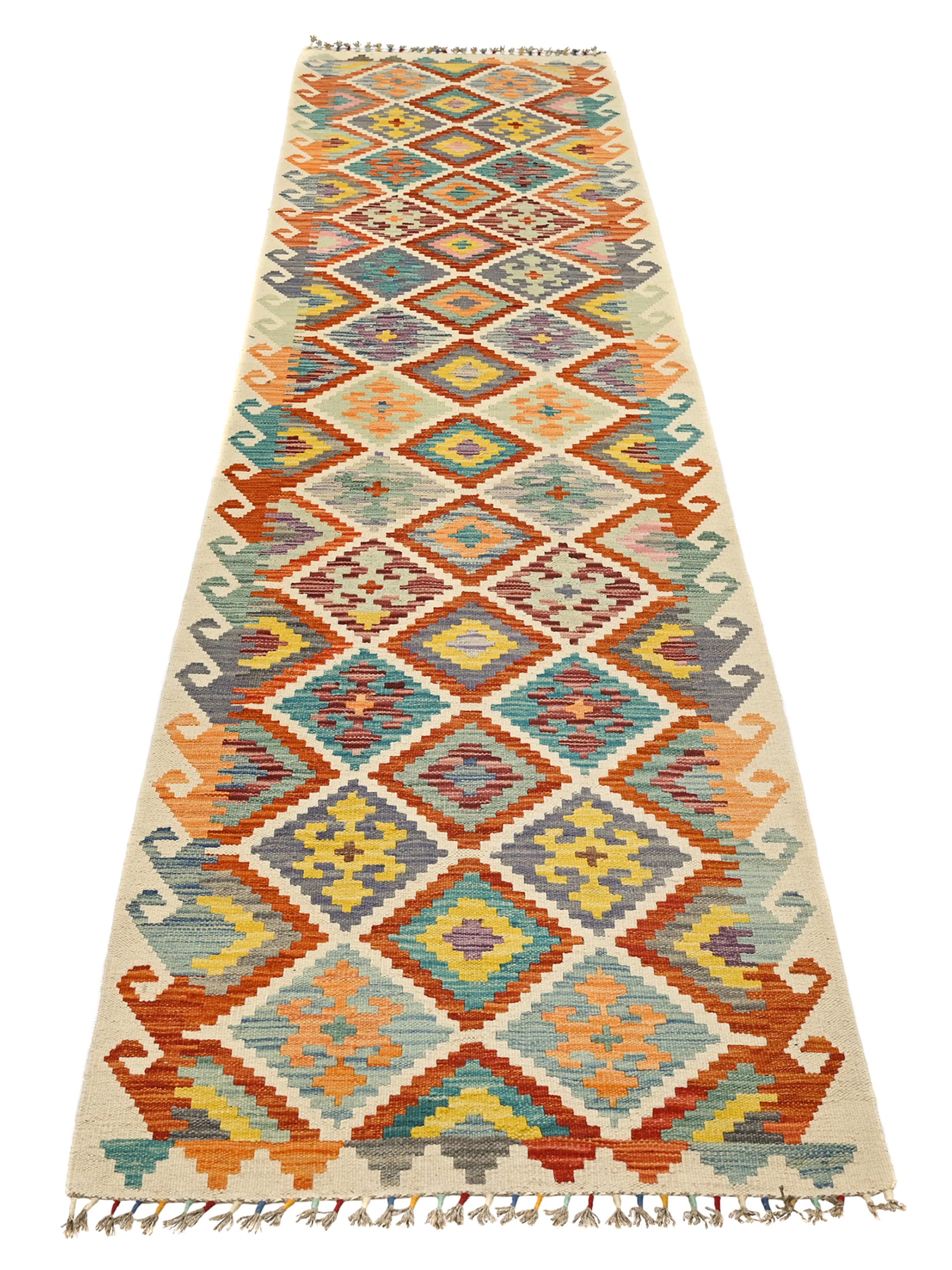
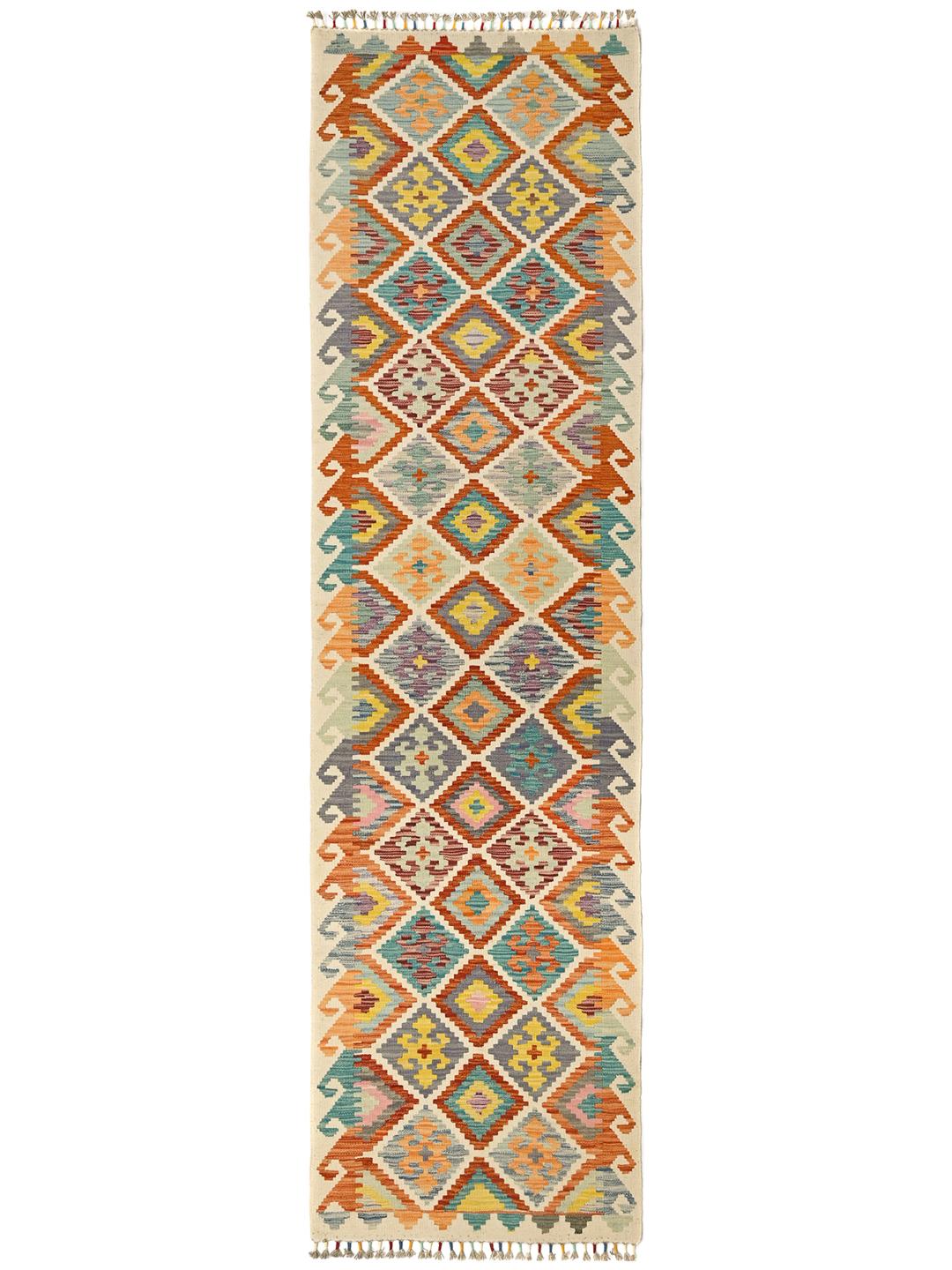
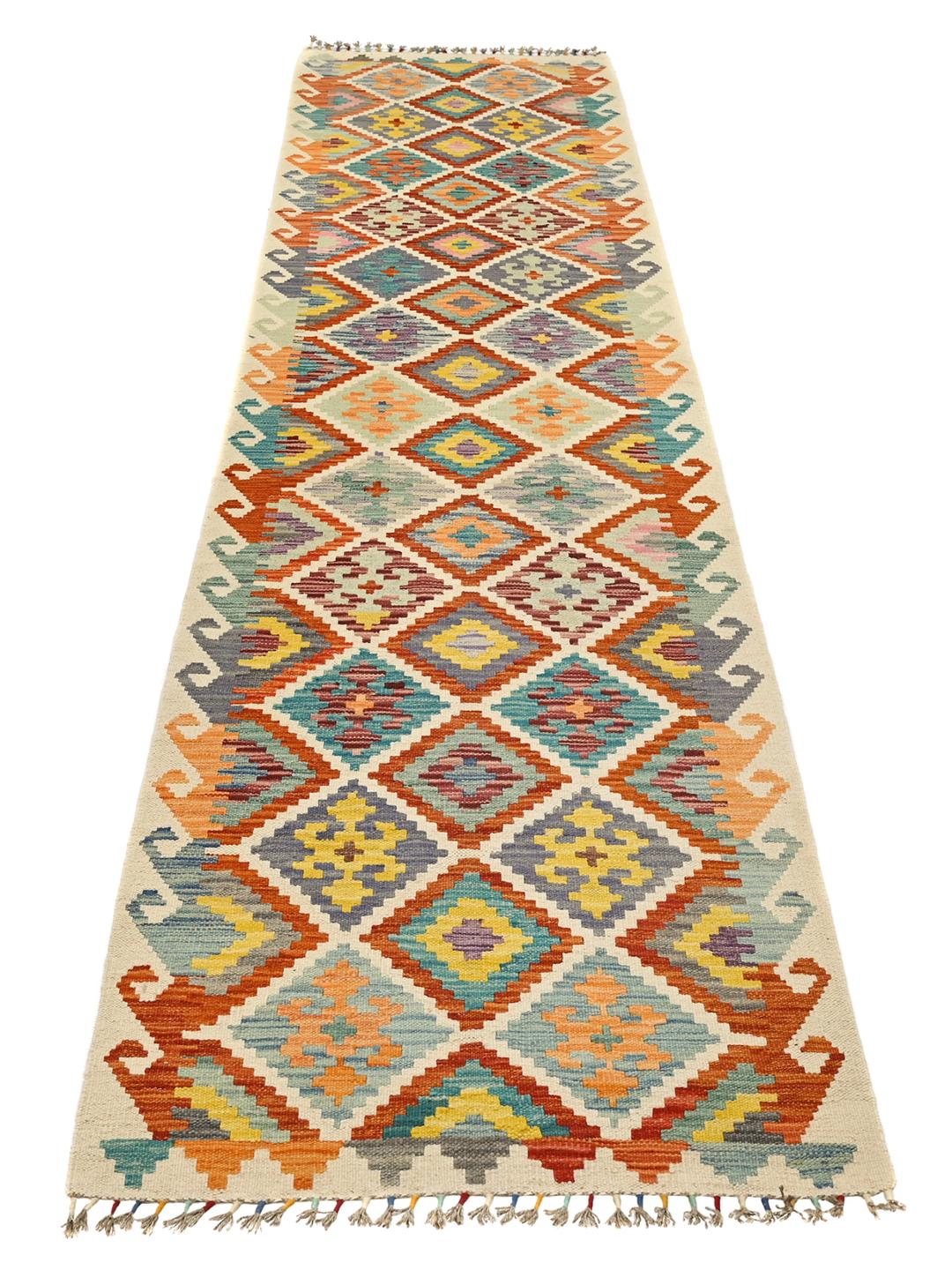
The tradition of weaving in the Middle East is deeply rooted in the nomadic and village life of the region, where rugs served as essential, portable furnishings. These flat-woven pieces, known as kelims, evolved from a practical need for floor coverings, blankets, and storage bags, eventually becoming a celebrated art form.
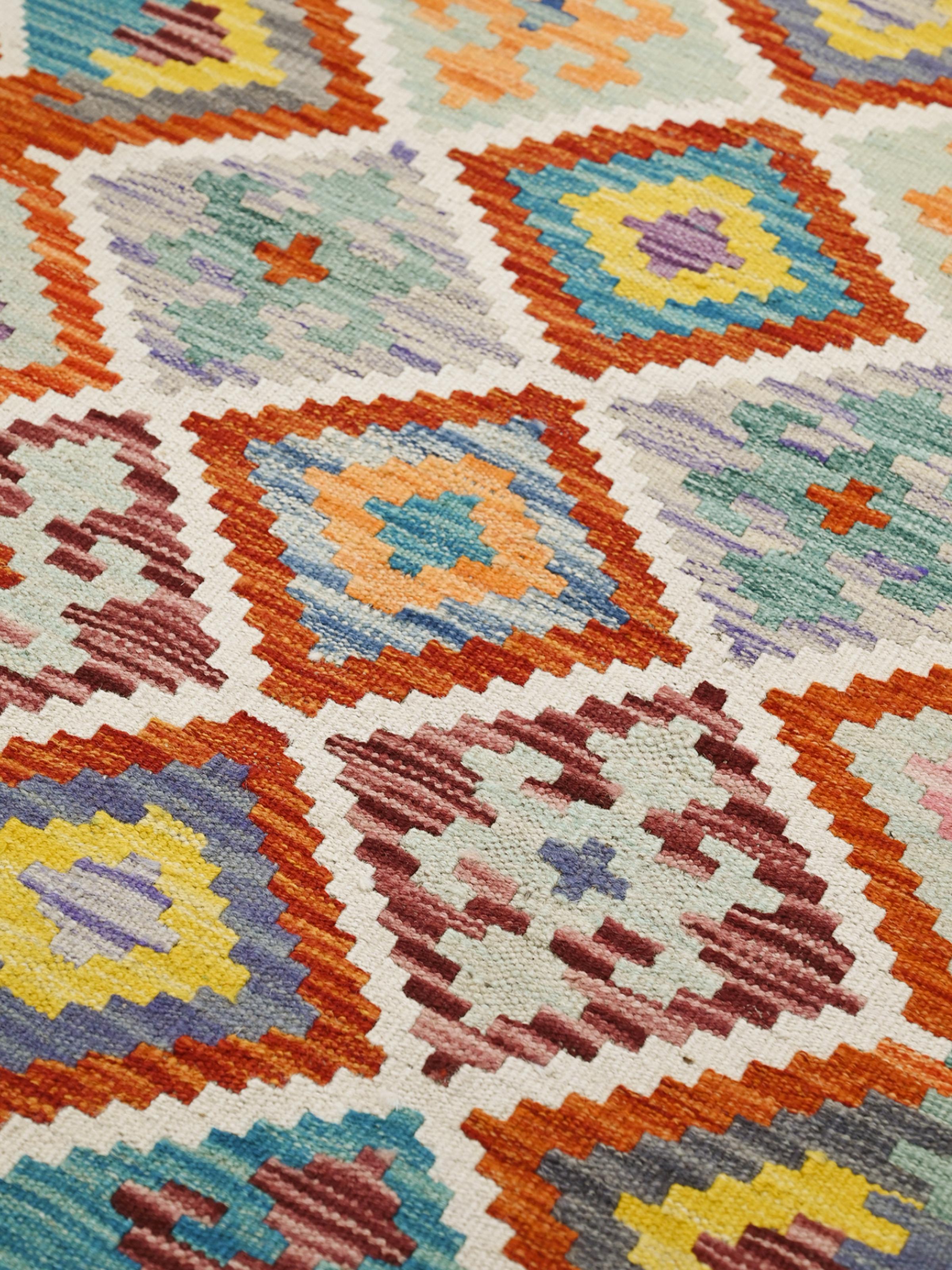
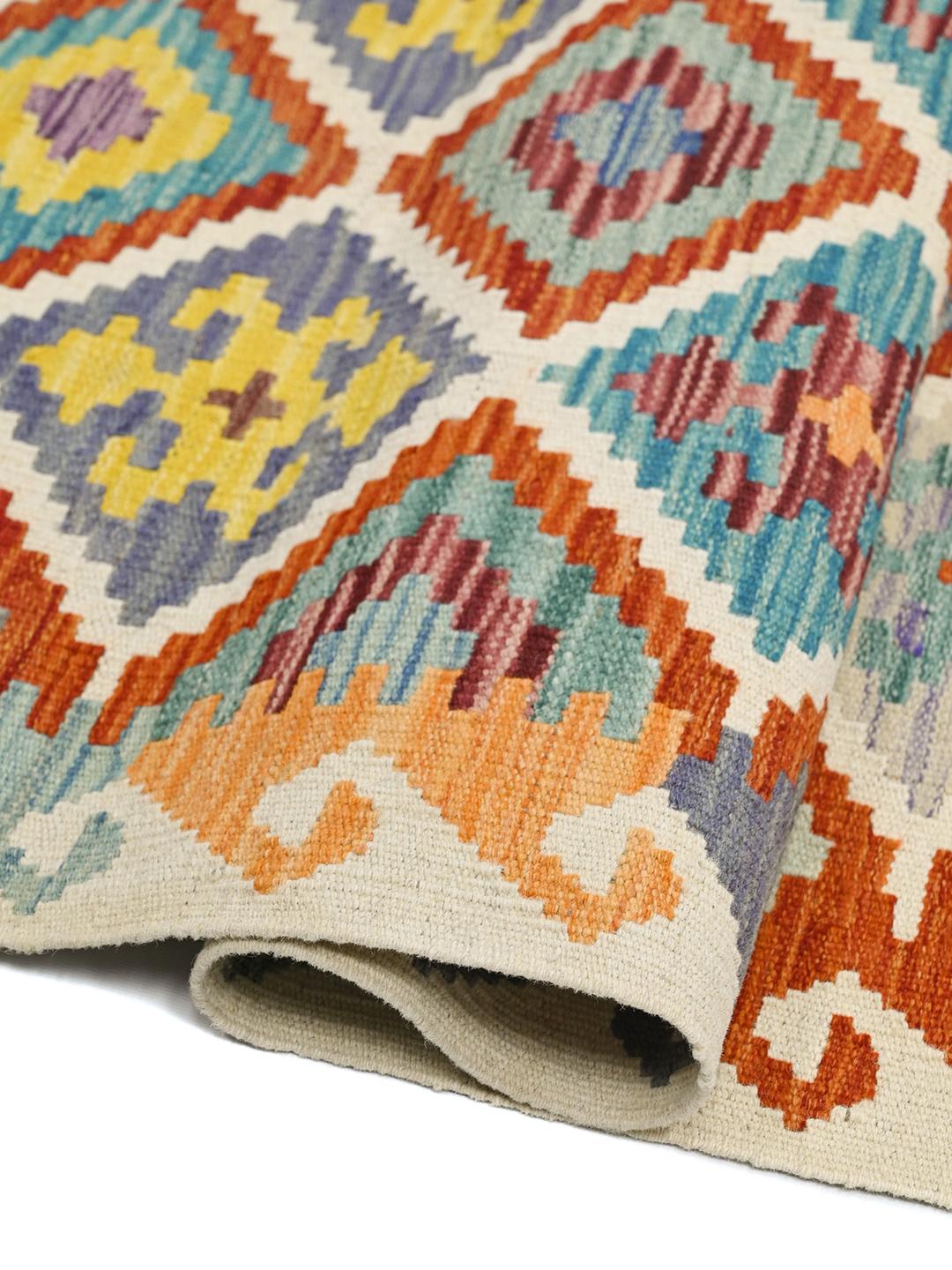
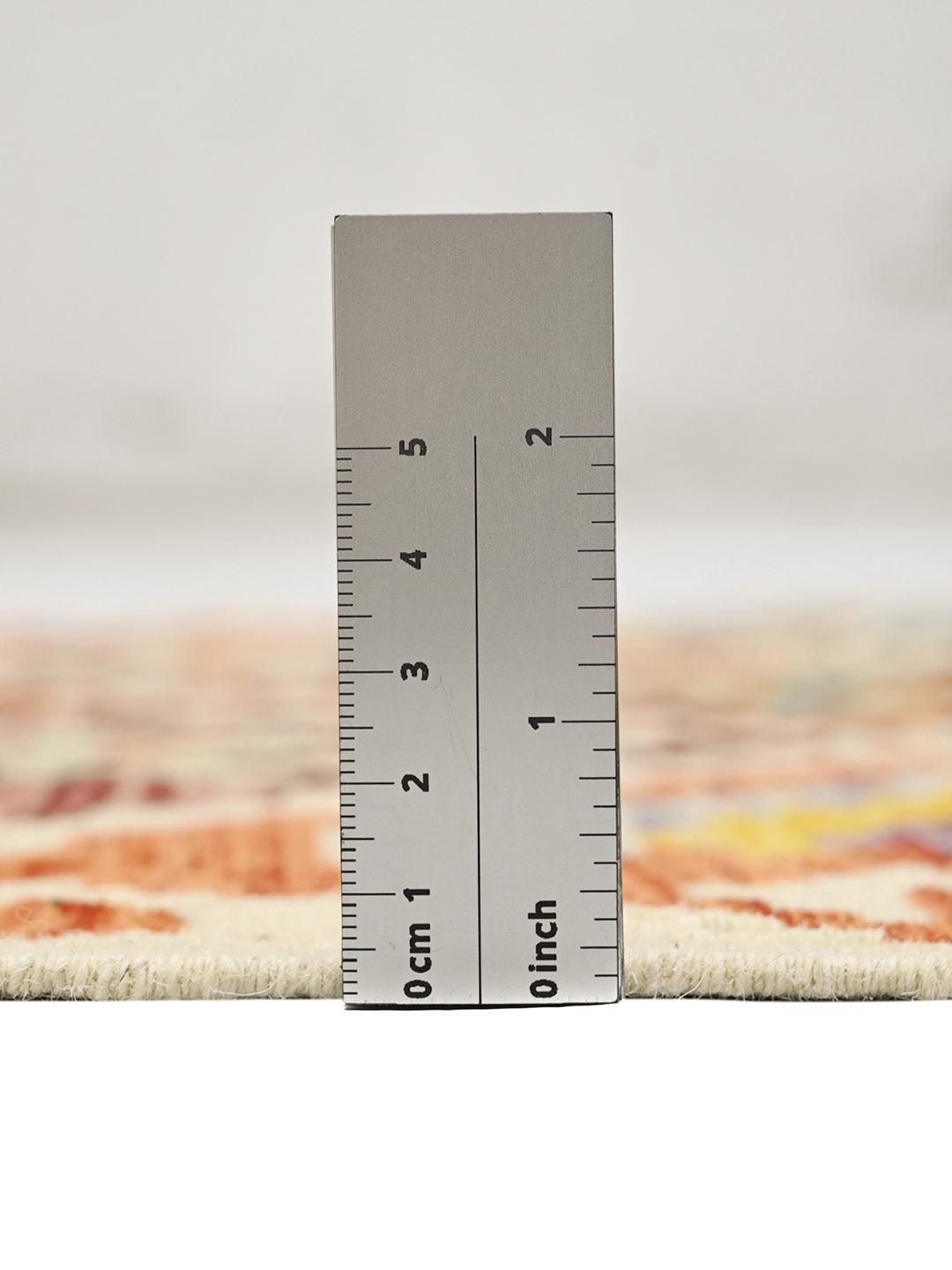
Kelim production is defined by a technique where the weft strands are tightly interwoven with the warp, creating a thin, pile-less surface. This method allows for sharp, crisp geometric designs and a reversible nature, making the final piece incredibly versatile and durable compared to thicker, knotted varieties.
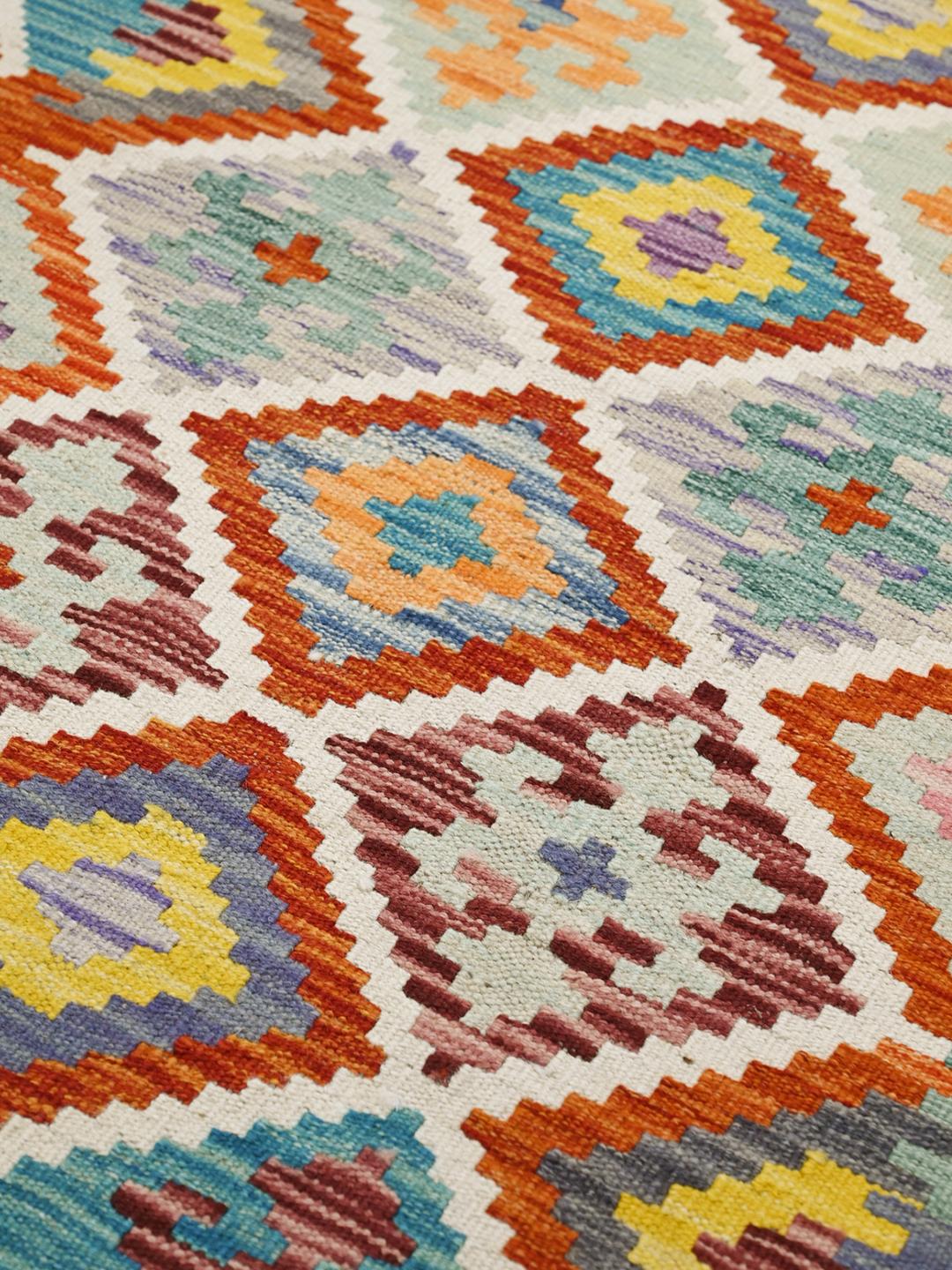
Signature design elements in these runners often include geometric shapes like diamonds, triangles, and stepped motifs. The colour palettes are typically derived from natural dyes, resulting in earthy, rich tones that are characteristic of the Middle Eastern aesthetic. The use of repeating motifs reflects a desire for symmetry and balance, which is a hallmark of this weaving tradition.
Today, these rugs are highly valued by collectors for their cultural significance and the personal touch of the weaver. Owning an authentic Middle Eastern kelim is an investment in heritage and skill, representing a bridge between ancient craftsmanship and contemporary home decor that adds character and depth to any room.