The tradition of flatweaving in Afghanistan is a centuries-old craft, deeply intertwined with the nomadic and village lifestyles of the region. Kilims were originally created as highly functional textiles, serving as floor coverings, blankets, and protective bags for travel. Over generations, these rugs have evolved from simple household items into highly respected expressions of regional art and cultural identity.
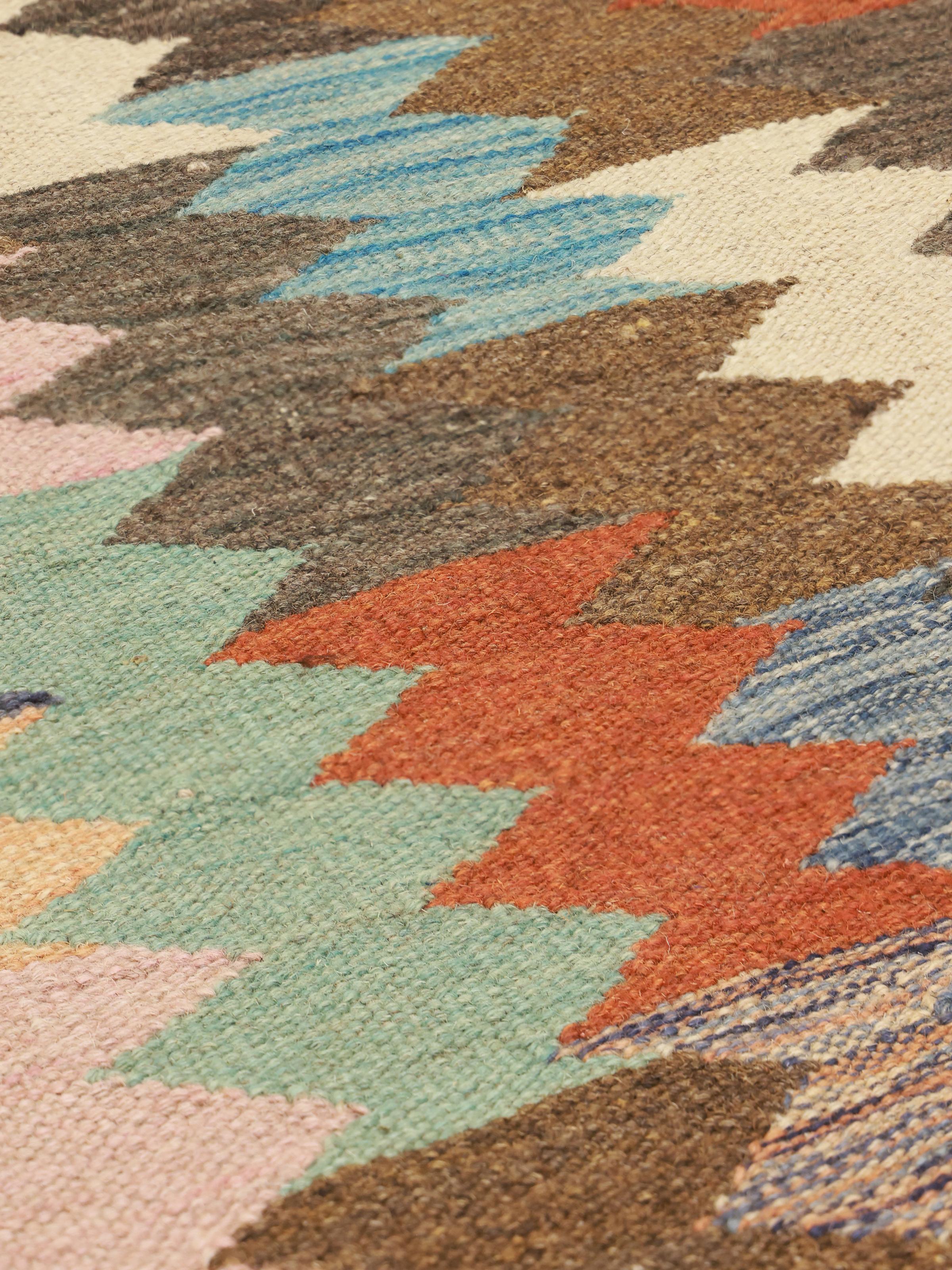
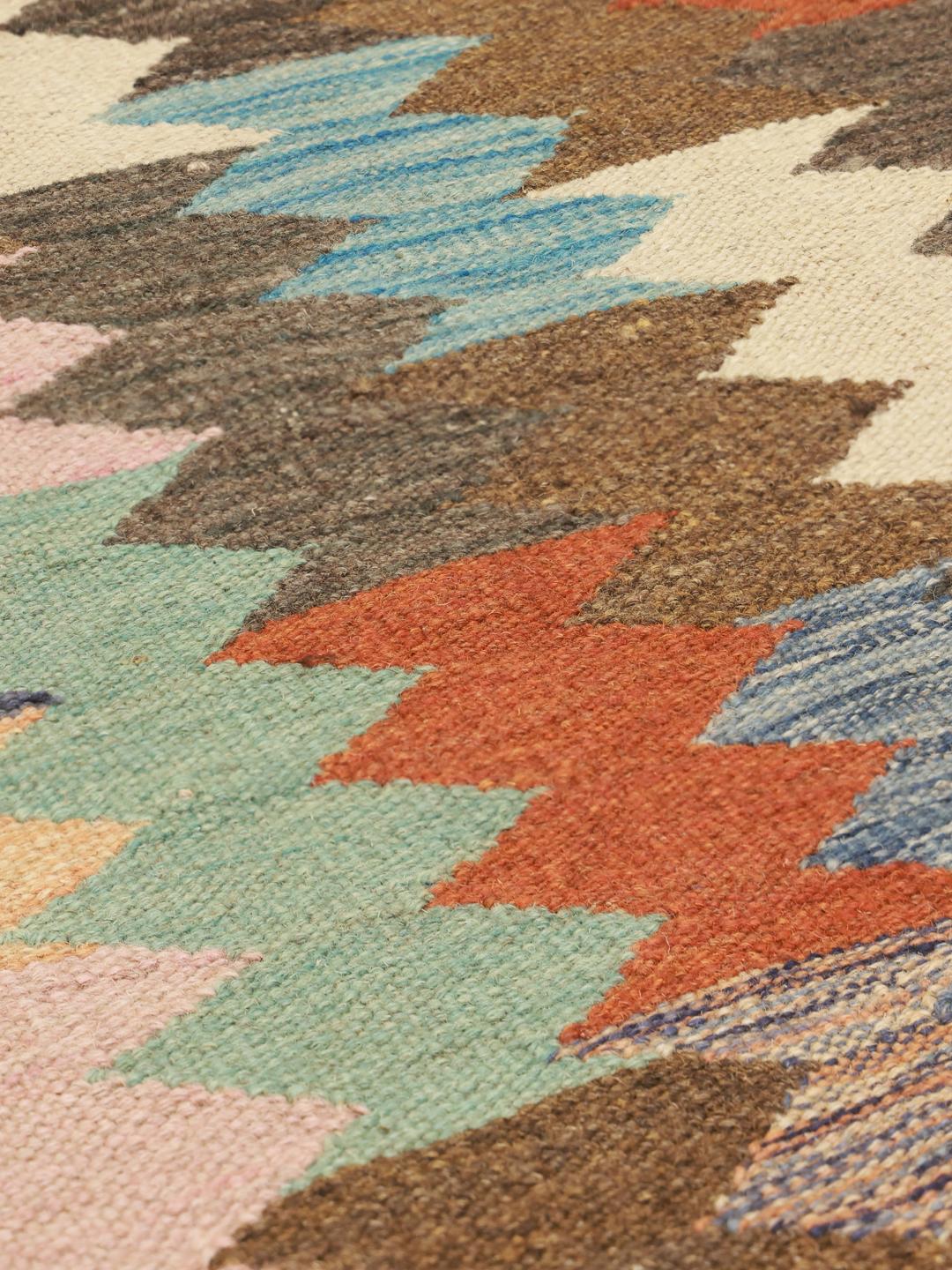
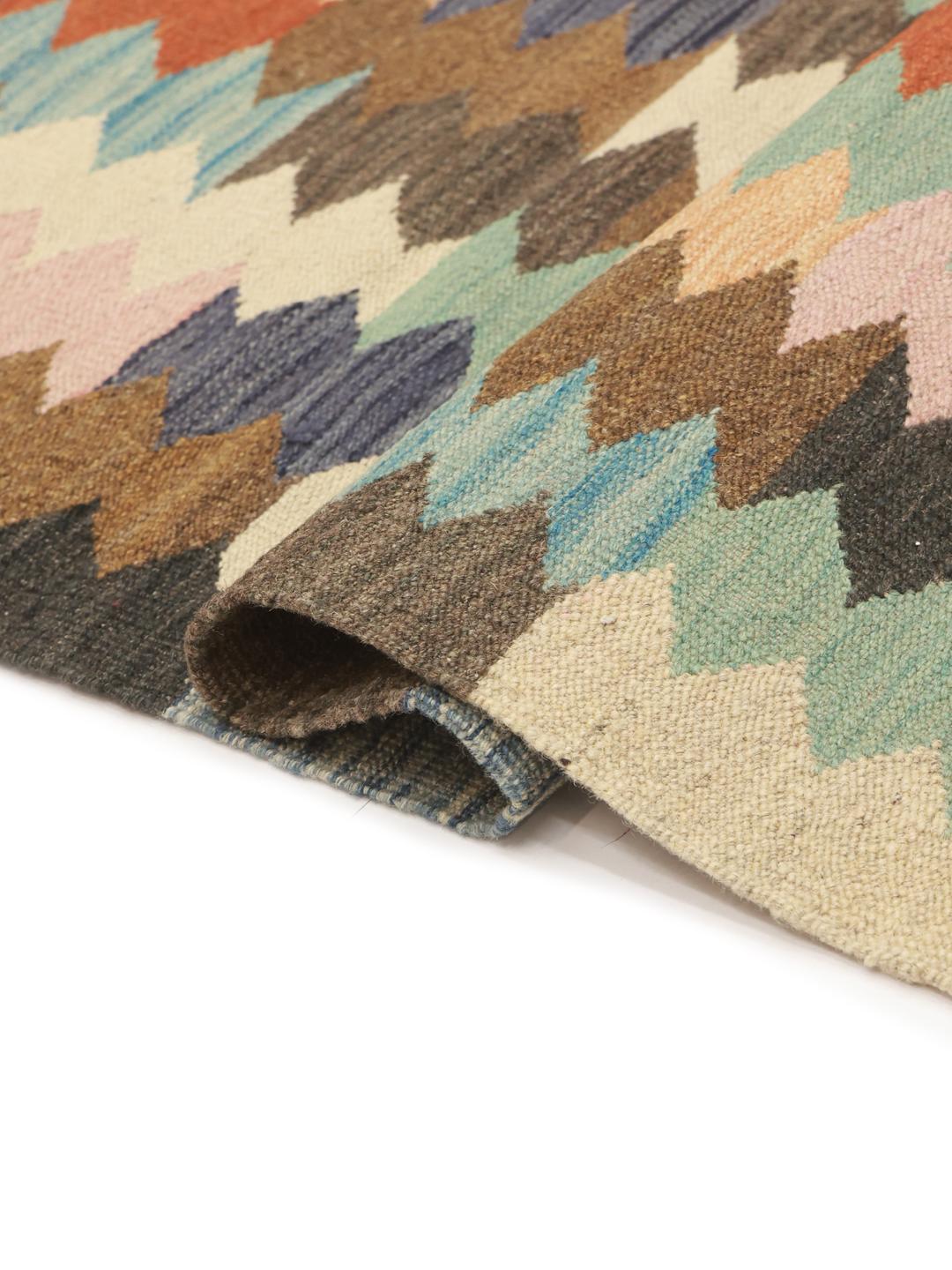
The term flatweave refers to a specific method of construction where the horizontal and vertical threads are woven tightly together without a pile. This technique produces a lightweight, flexible, and often reversible textile that is exceptionally durable. The flat surface allows the intricate geometric patterns to appear sharp and defined, showcasing the weaver's structural control.
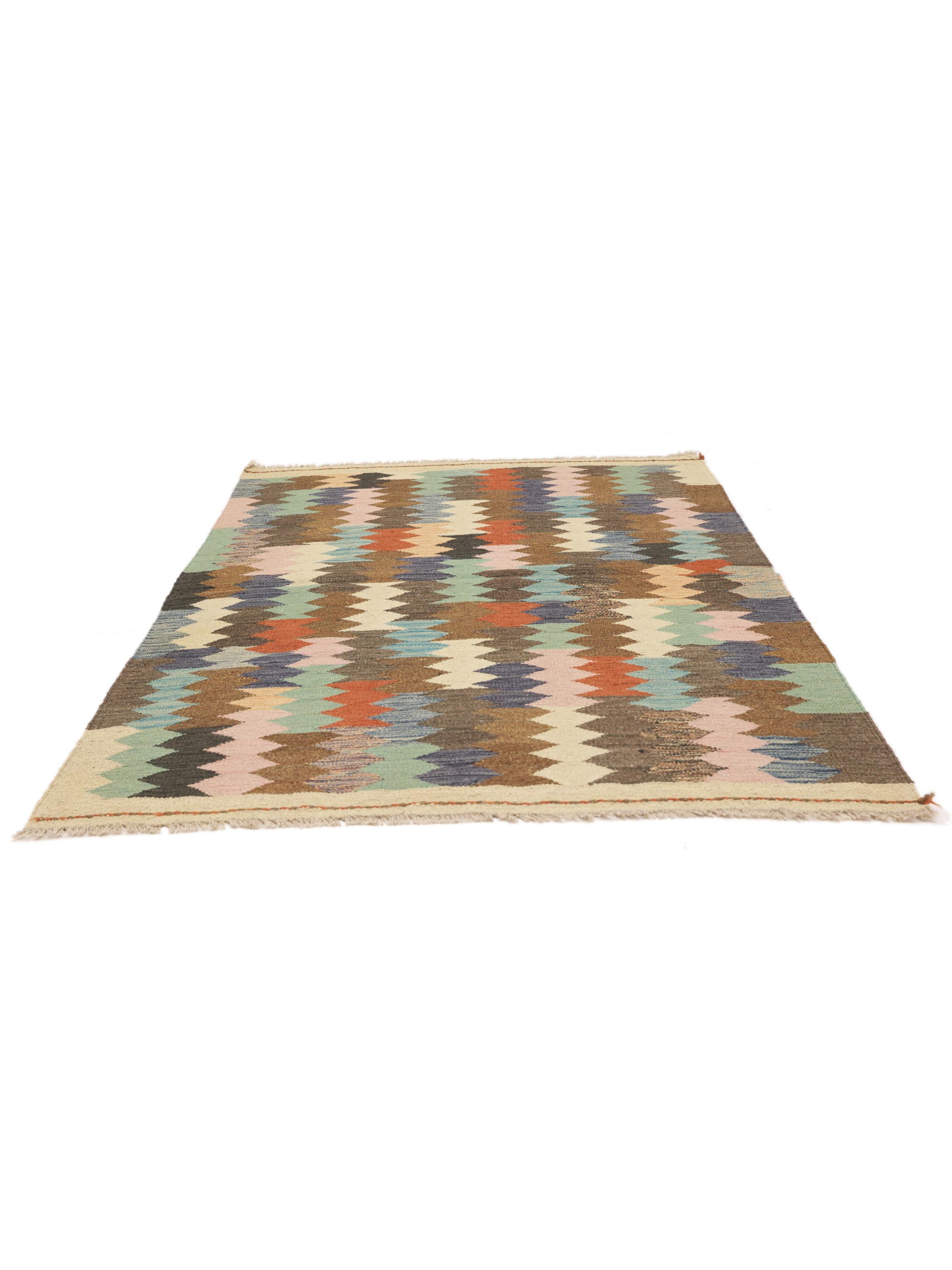
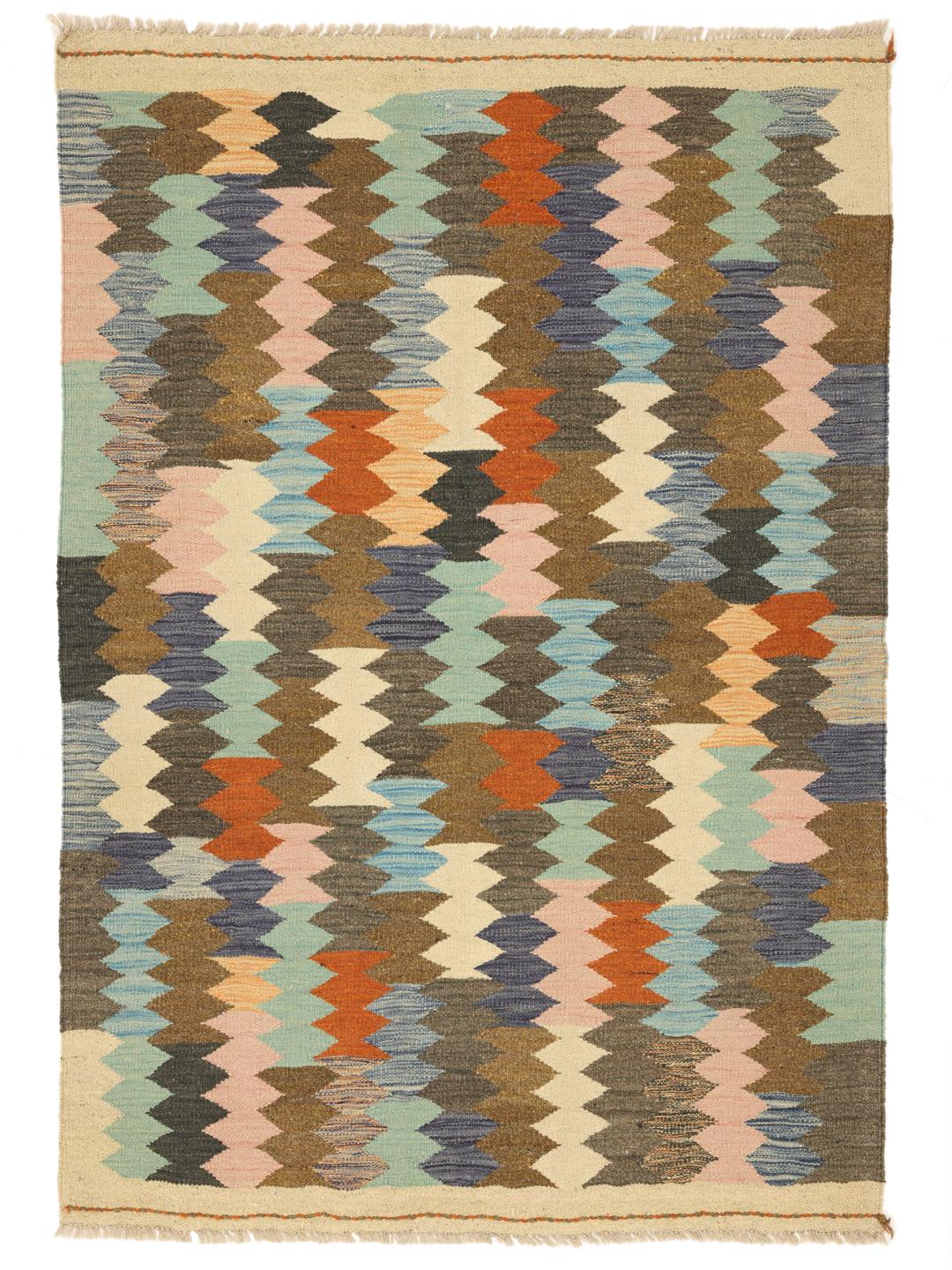
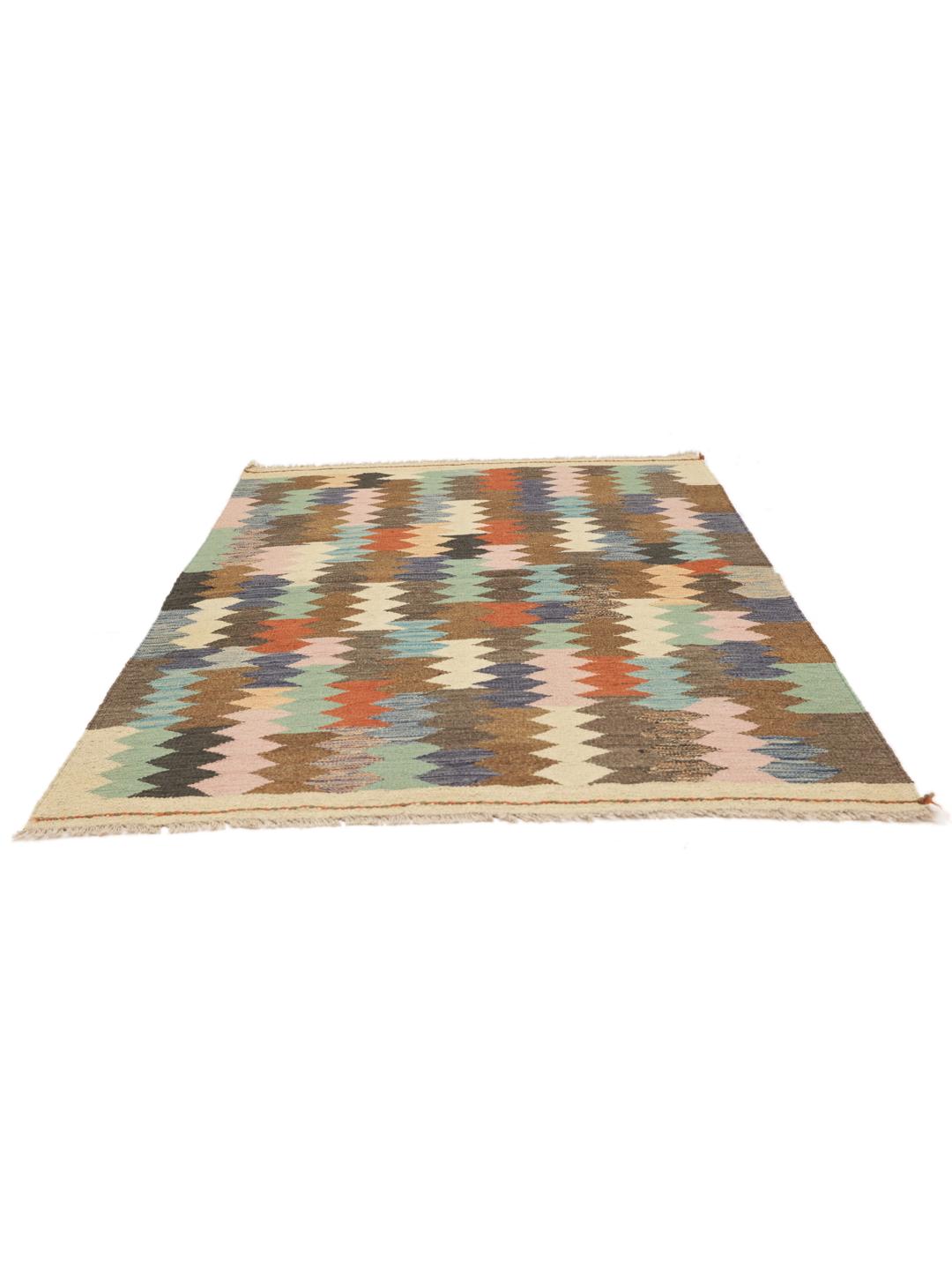
The Ariana Trend design is defined by its striking stepped diamond motifs, which create a rhythmic, energetic pattern across the surface. Traditionally, these geometric shapes carried symbolic meanings, representing protection, family, or the natural landscape. The modern interpretation uses a balanced mix of earthy browns, soft blues, and warm terracotta tones to create a look that is both traditional and contemporary.
Today, Afghan kilims are highly valued by collectors and design enthusiasts for their rustic charm and authentic construction. Acquiring a hand-woven piece from this region means supporting a living craft heritage, preserving weaving techniques that have been passed down through families for generations.