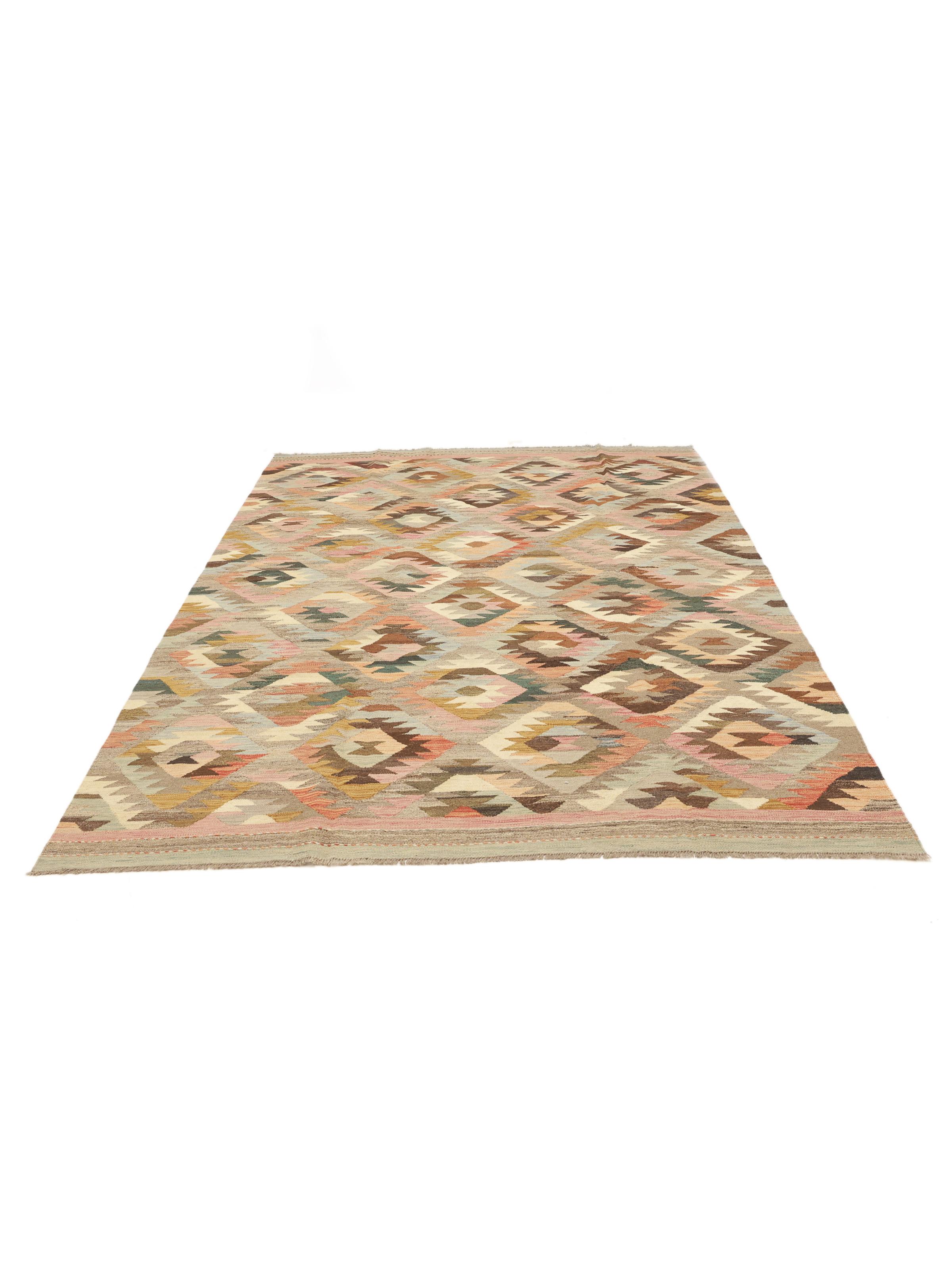
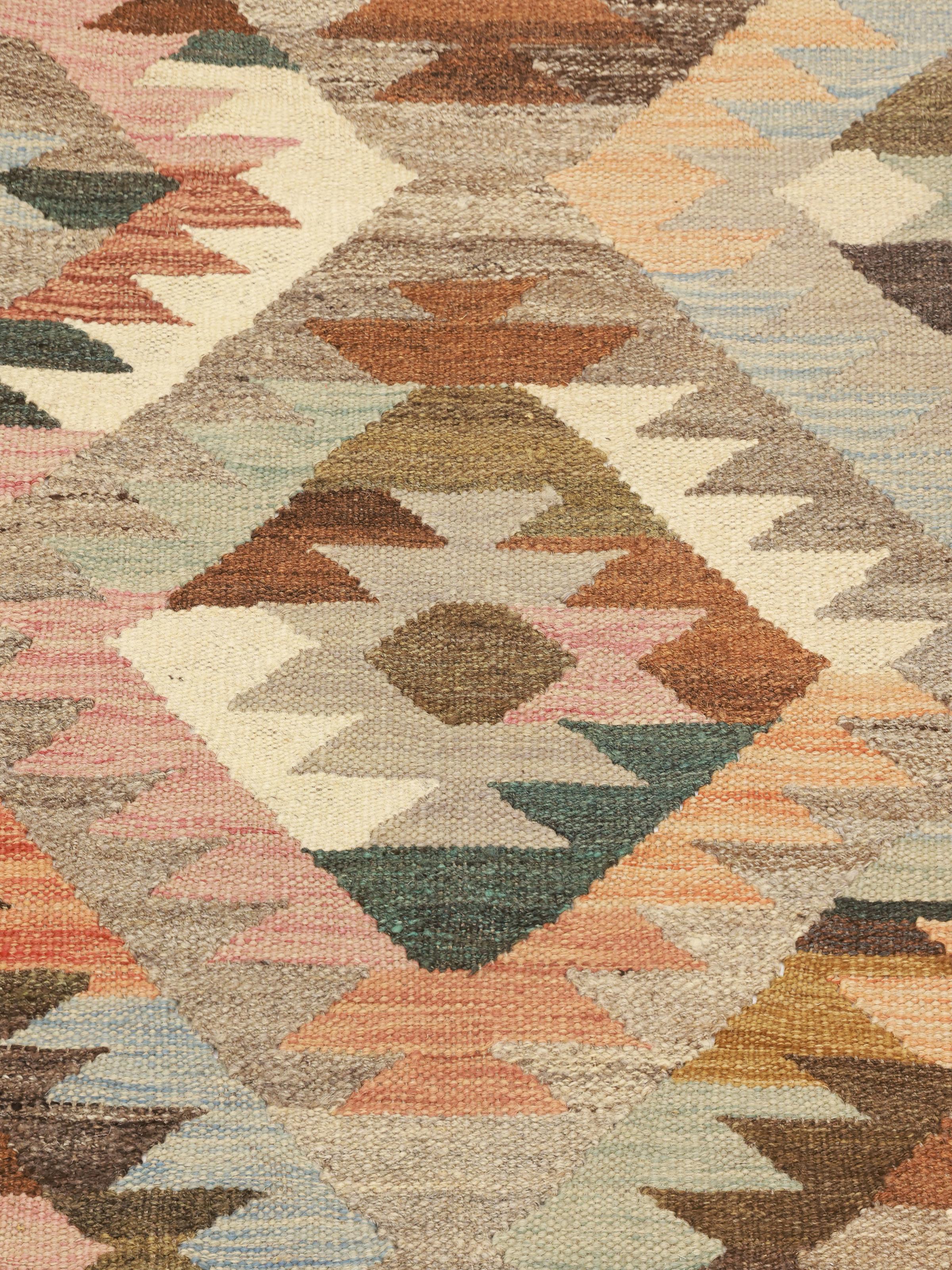
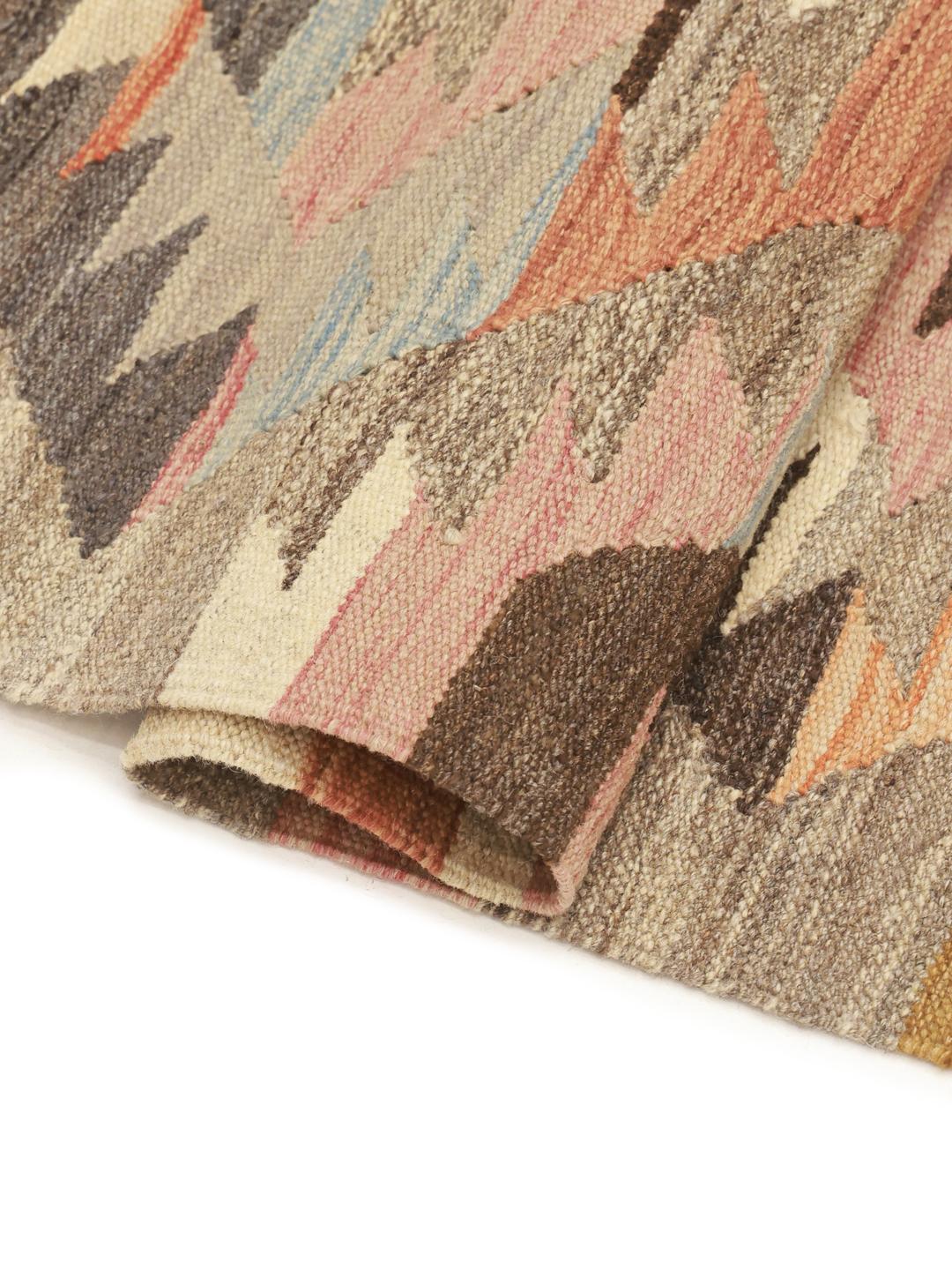
Kilim rugs are a central part of the cultural tapestry in the Middle East and Central Asia. The term Kilim refers to a specific flat-weaving technique that has been practised for centuries by nomadic and village communities. Unlike piled rugs, these are created by interlocking the weft threads with the warp, a method that results in a lightweight, reversible, and highly durable textile.
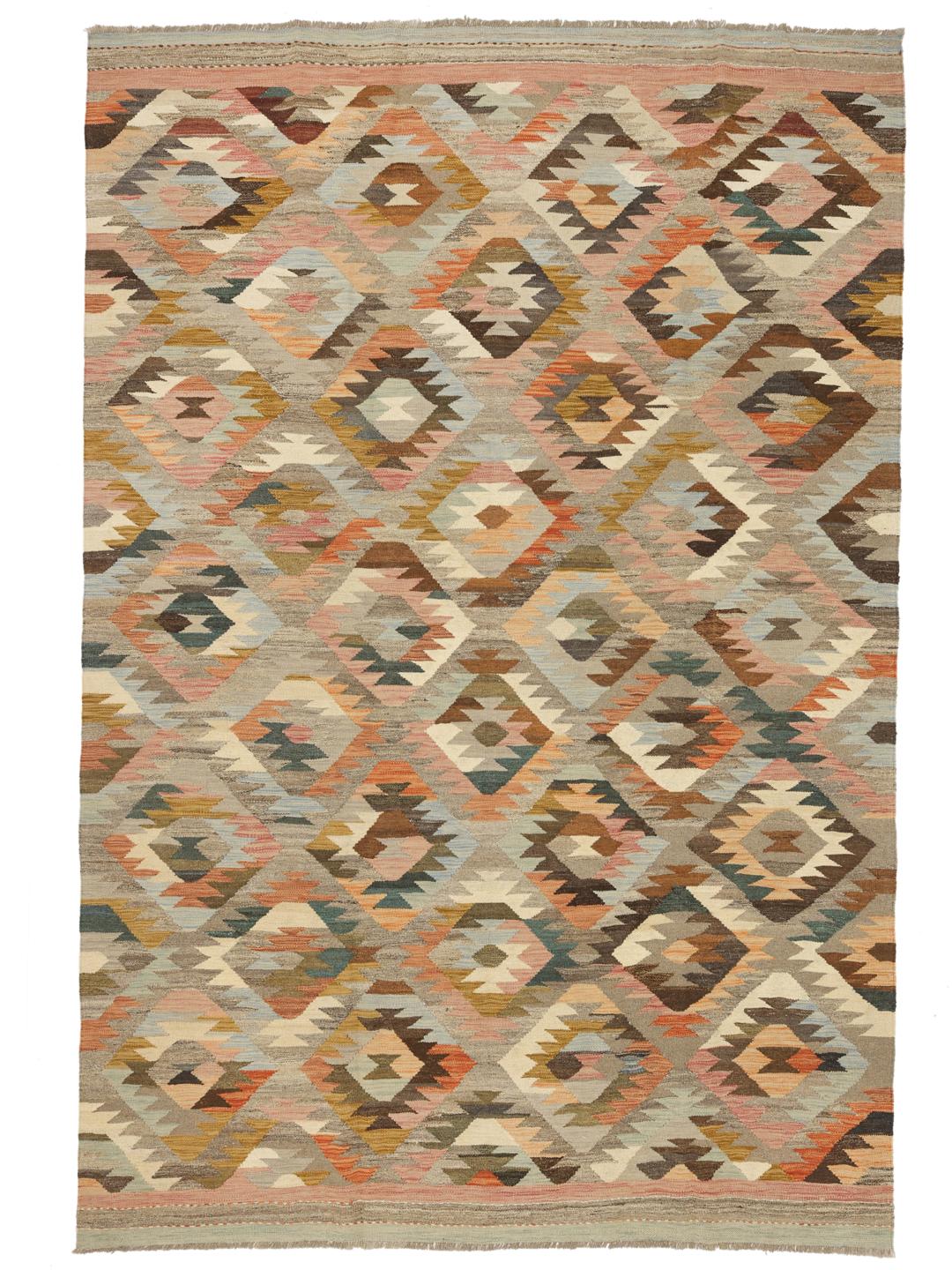
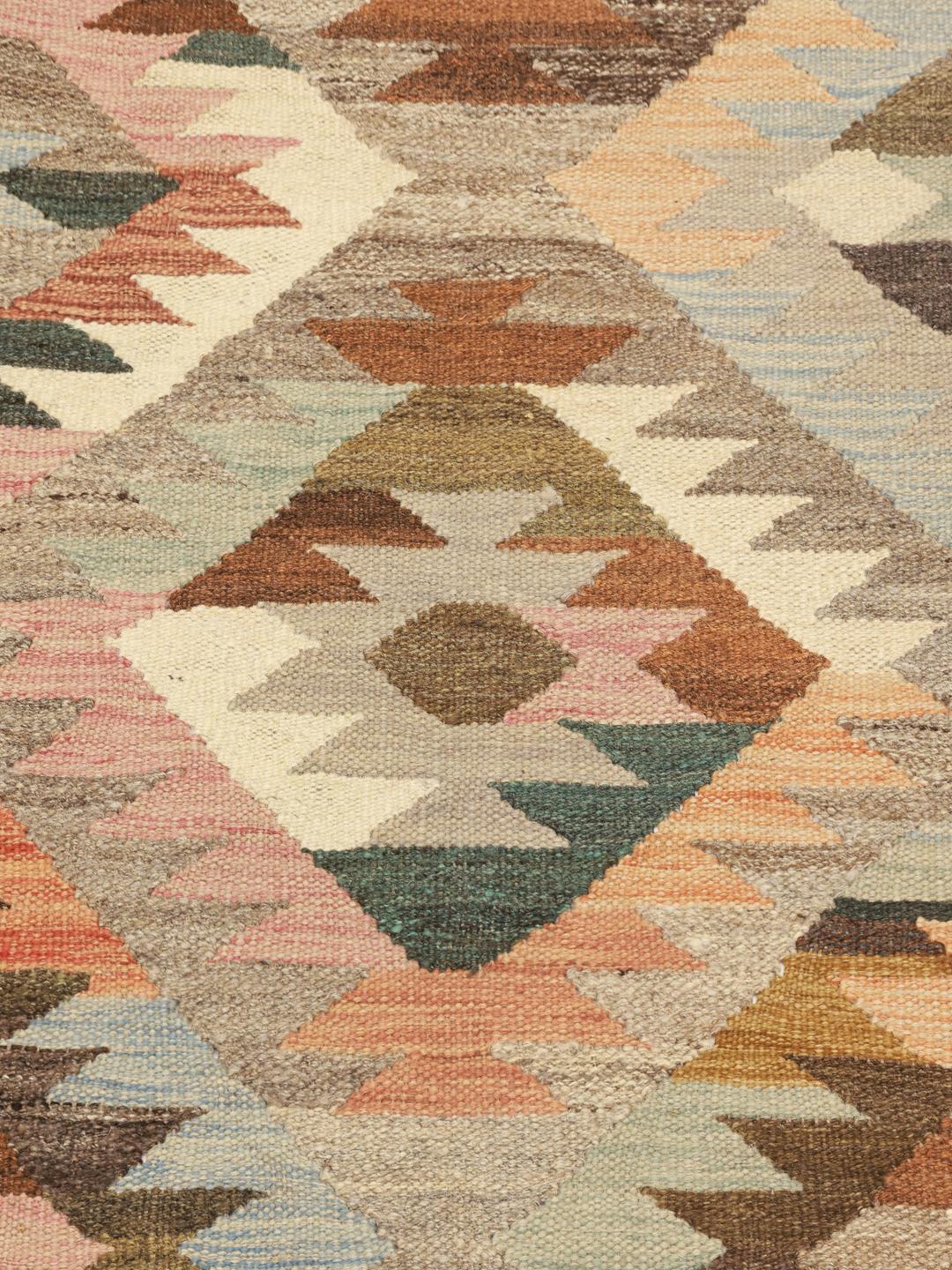
The Ariana style represents a contemporary evolution of these ancient traditions. While maintaining the core values of the flat-weave technique, the Ariana trend focuses on more muted, earthy tones and sophisticated, simplified geometric designs that fit seamlessly into modern homes. This evolution highlights how traditional craft adapts to remain relevant across generations.
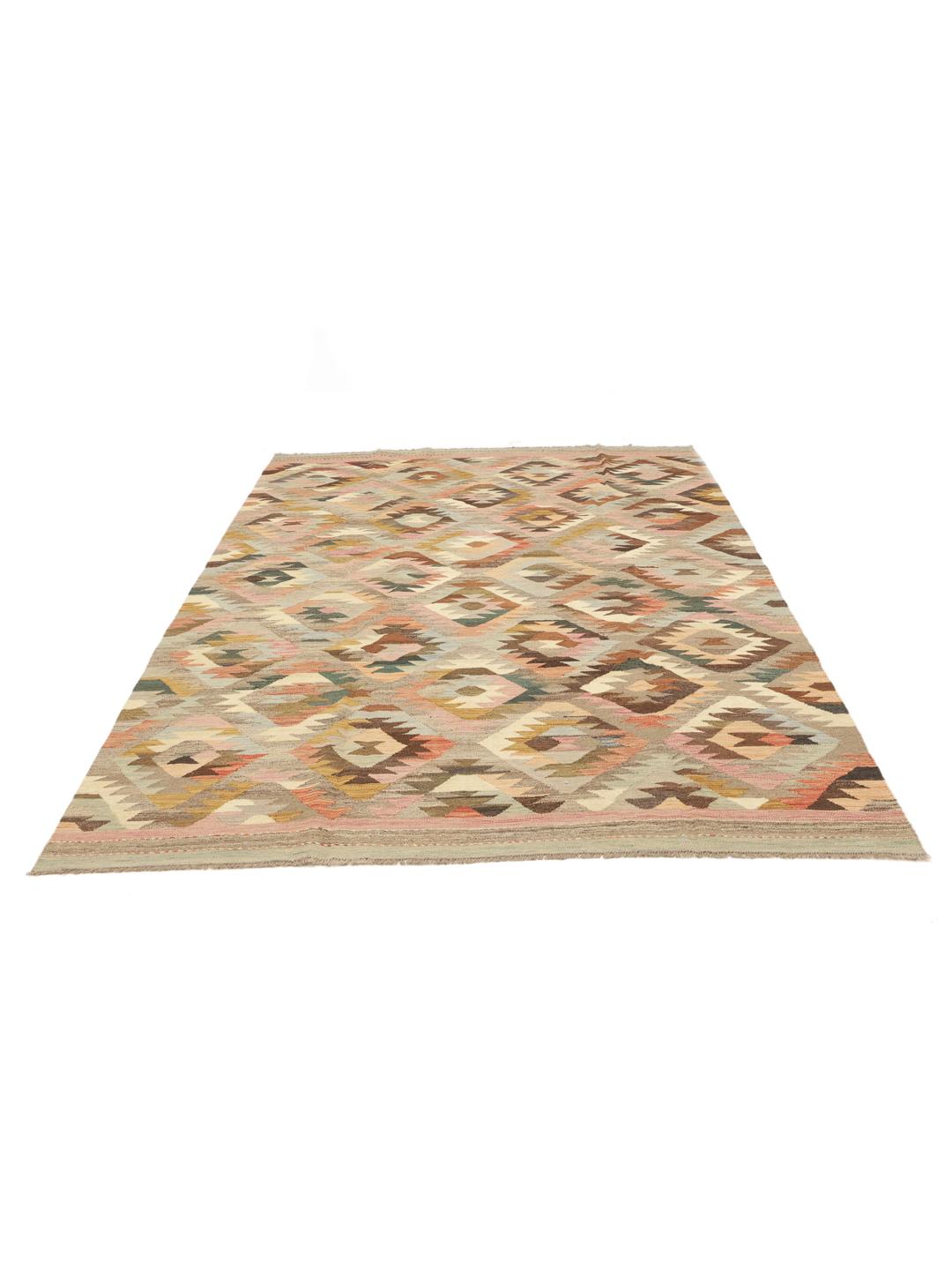
The signature design elements of these rugs often include bold, repeating diamond or geometric medallions. These motifs are frequently inspired by the natural surroundings of the weavers and the traditional symbols of their specific tribes. The use of natural wool, often sourced locally, gives each piece a unique character, with slight variations in colour that reflect the natural dyes and the weaver's personal touch.
Collecting a Kilim is an investment in cultural heritage and human skill. These pieces are valued for their ability to bring a sense of history and warmth into a room, serving as a bridge between ancient craft traditions and contemporary living. Owning one is a way to support the preservation of artisanal knowledge that has been passed down through centuries.