The rich tradition of weaving flatweave textiles has deep roots across the villages and nomadic settlements of Afghanistan and the wider Middle East. Historically, these versatile floor coverings and textiles were created for practical home use, serving as durable ground covers that could easily be rolled up, transported, or used as warmth-providing wall hangings. Over generations, local weaver families refined their techniques, passing down regional motifs and natural dye recipes from parents to children.
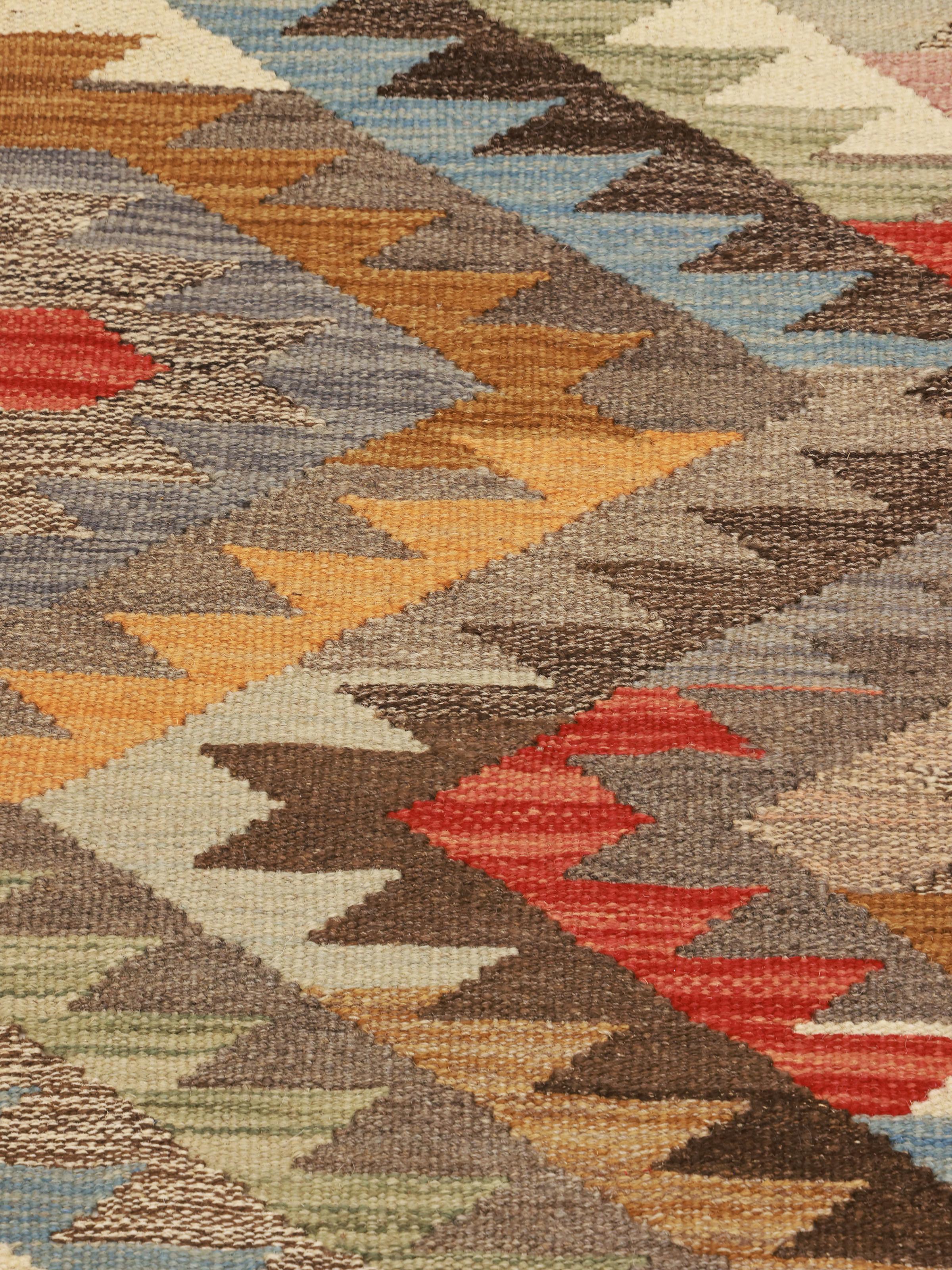
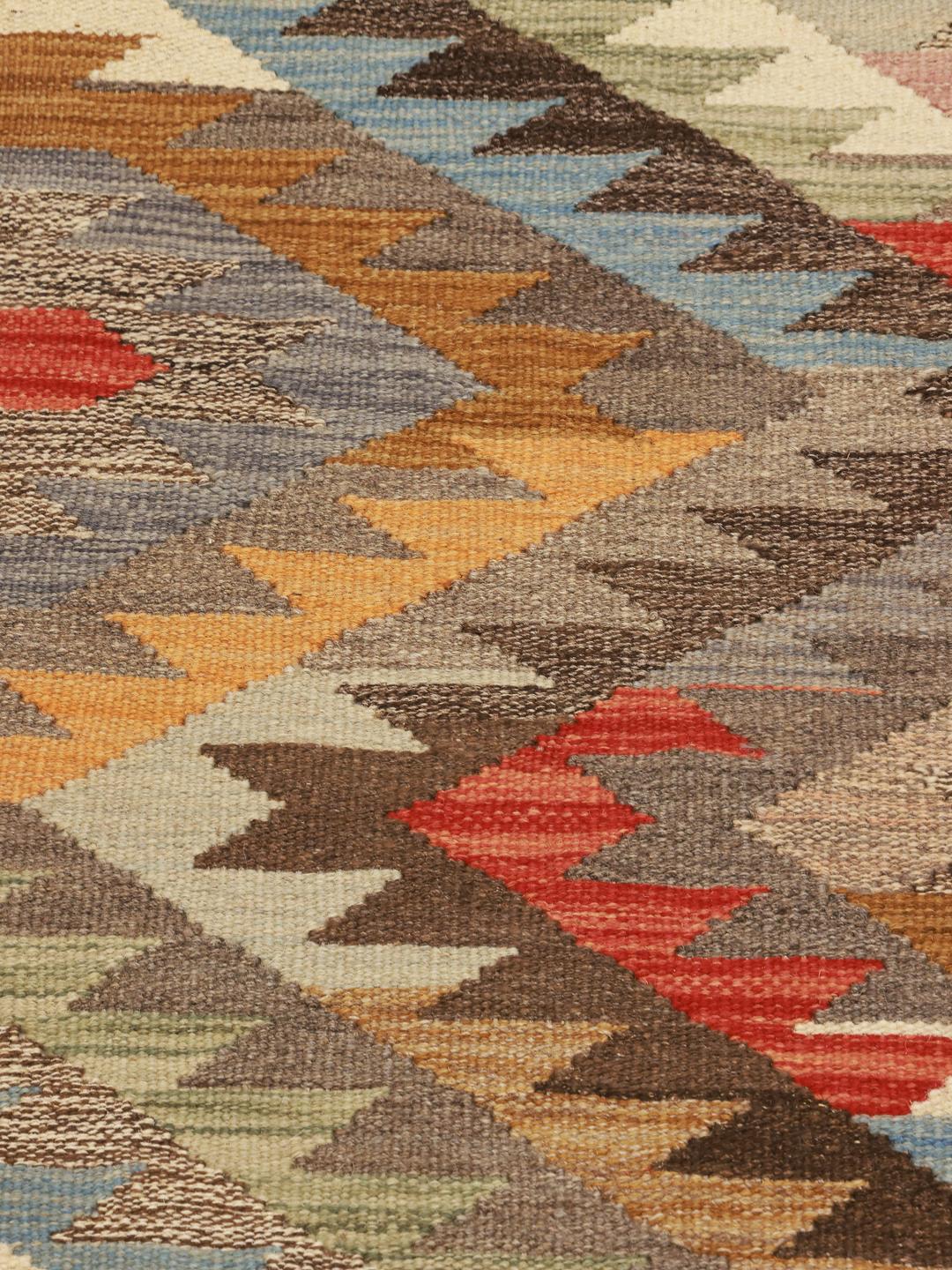
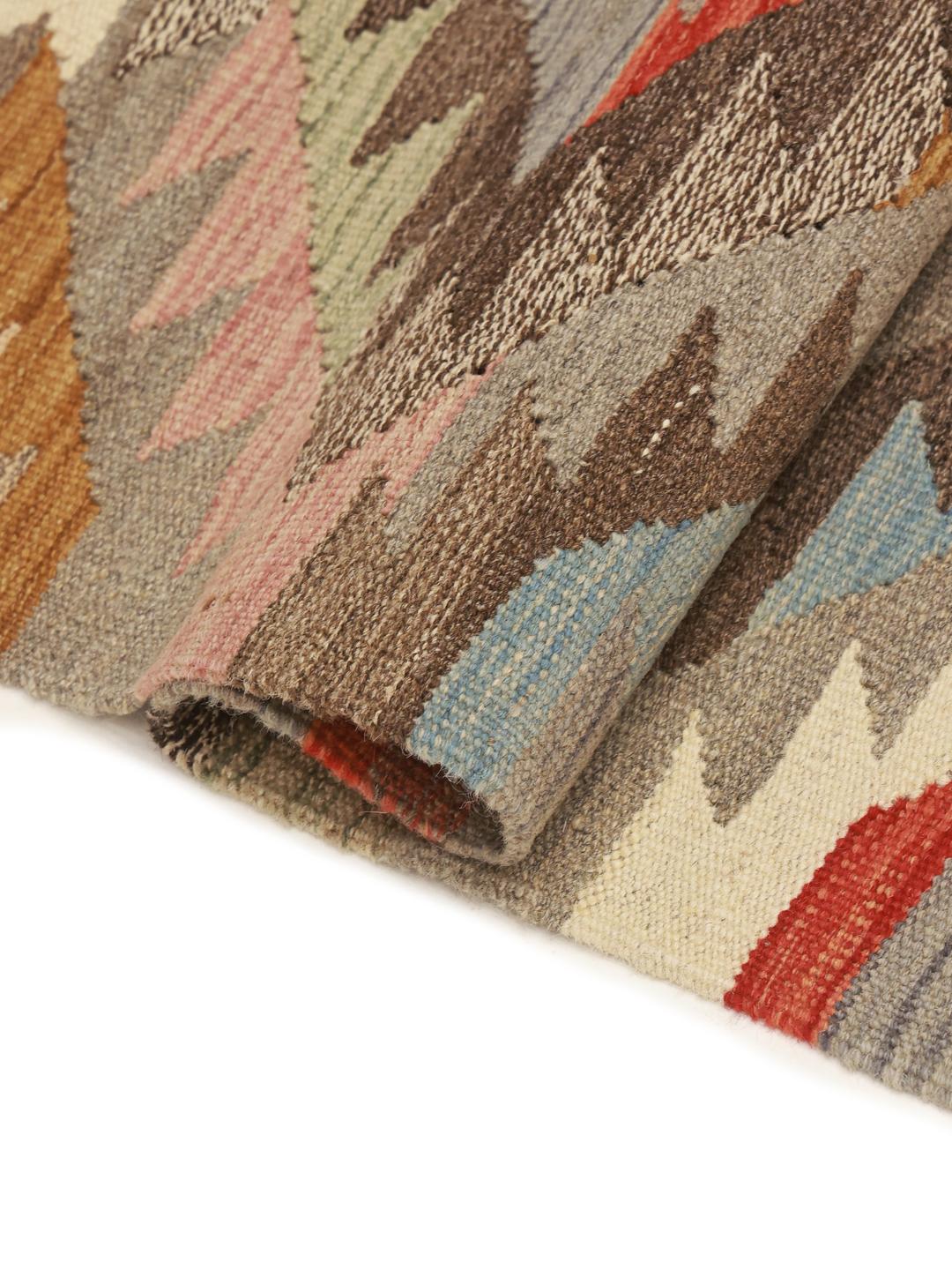
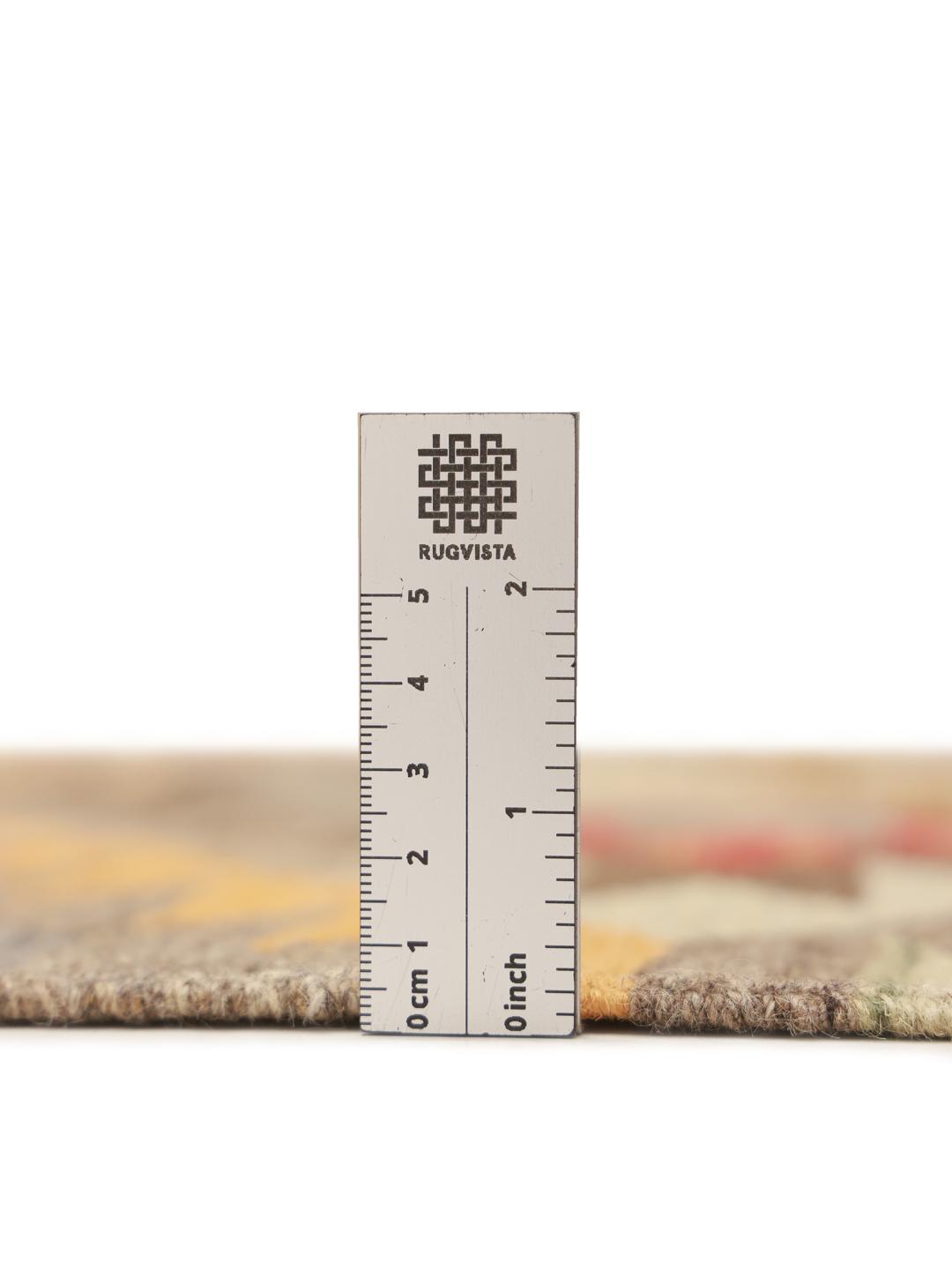
The term kelim refers specifically to a flatweave construction method where no pile knots are used. Instead, the pattern is formed by tightly interweaving the coloured weft threads horizontally through the vertical warp threads. This technique creates a smooth, reversible surface that is lightweight yet remarkably strong, making it ideal for high-traffic areas where a low profile is desired.
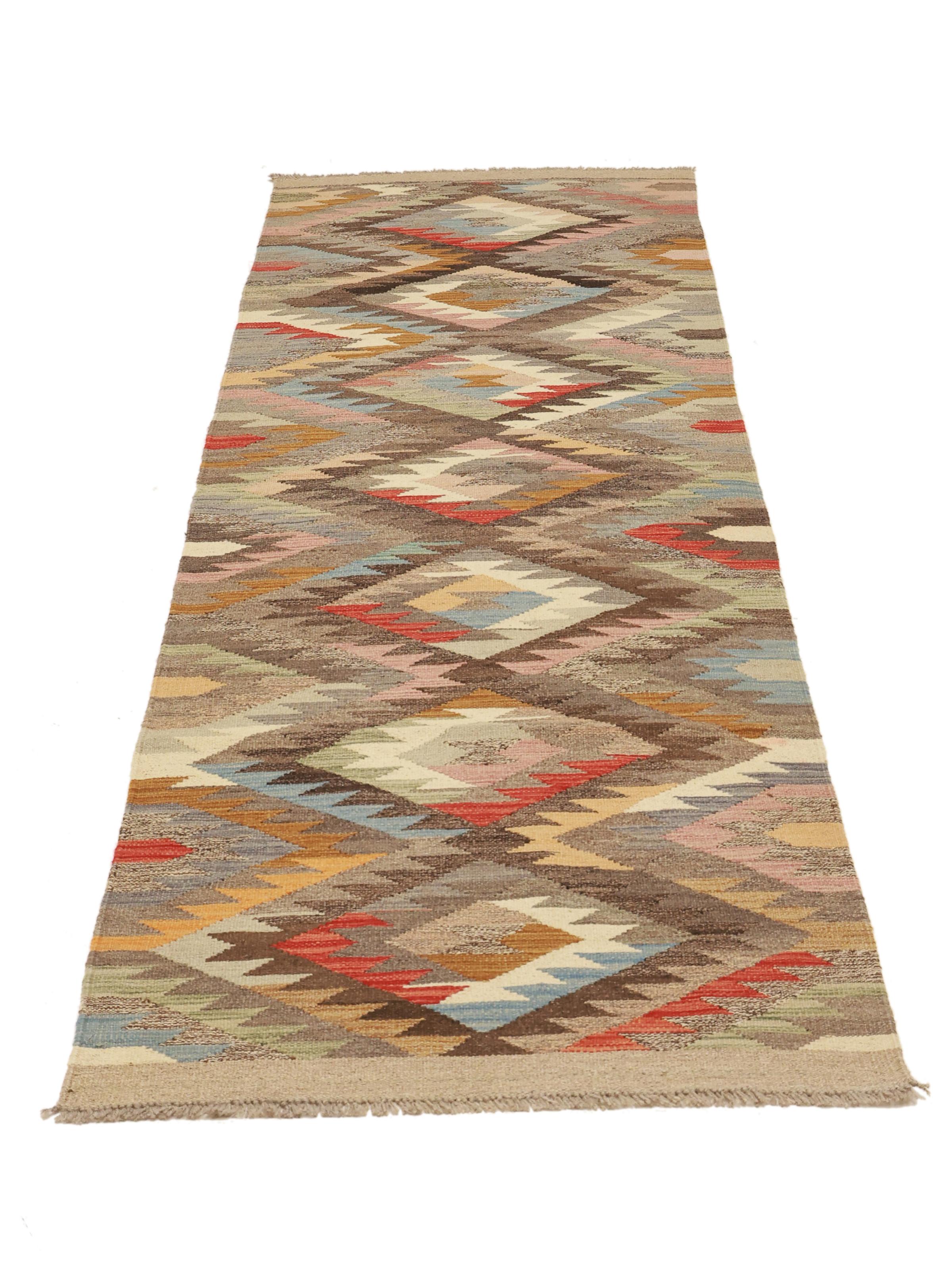
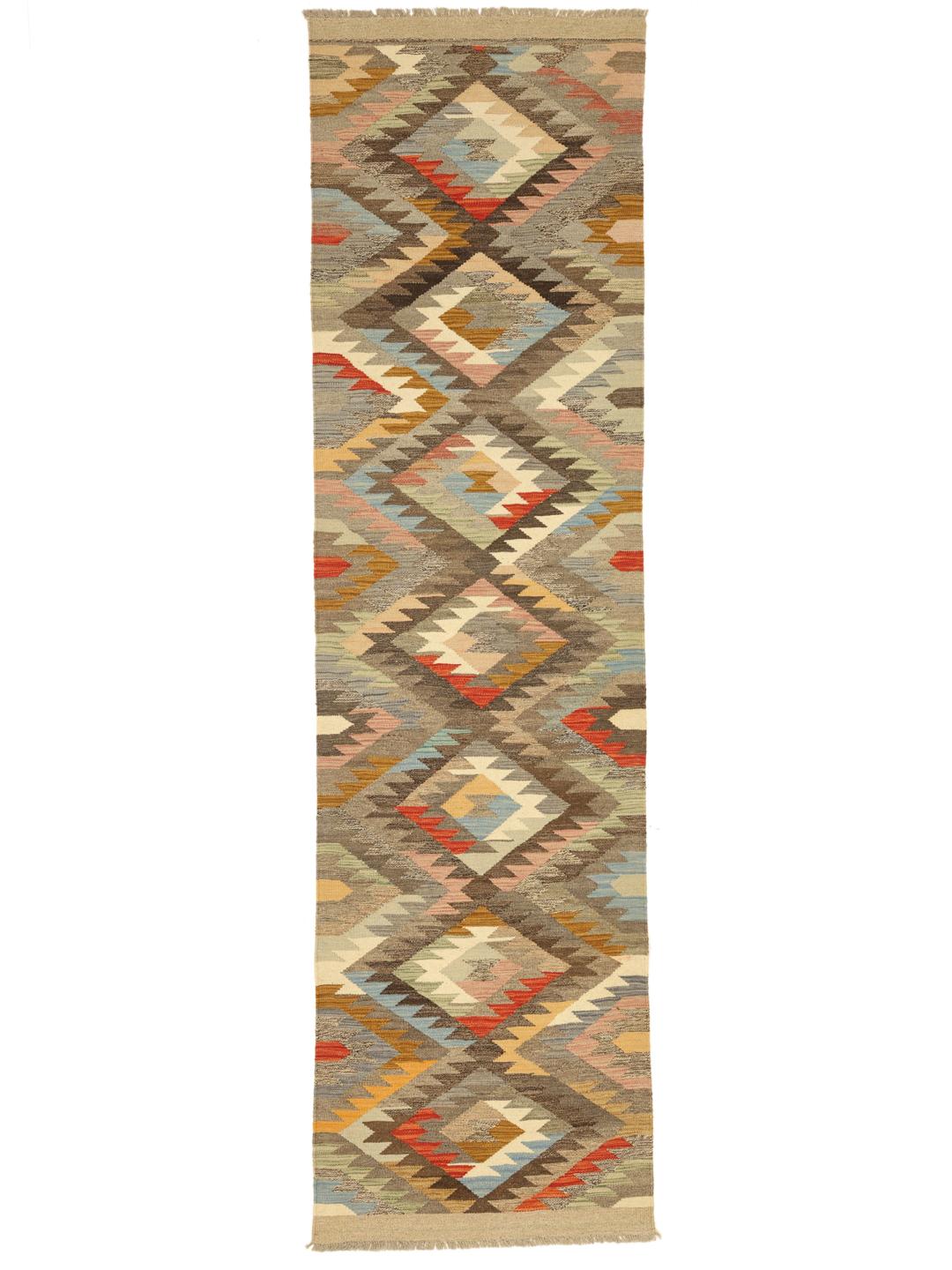
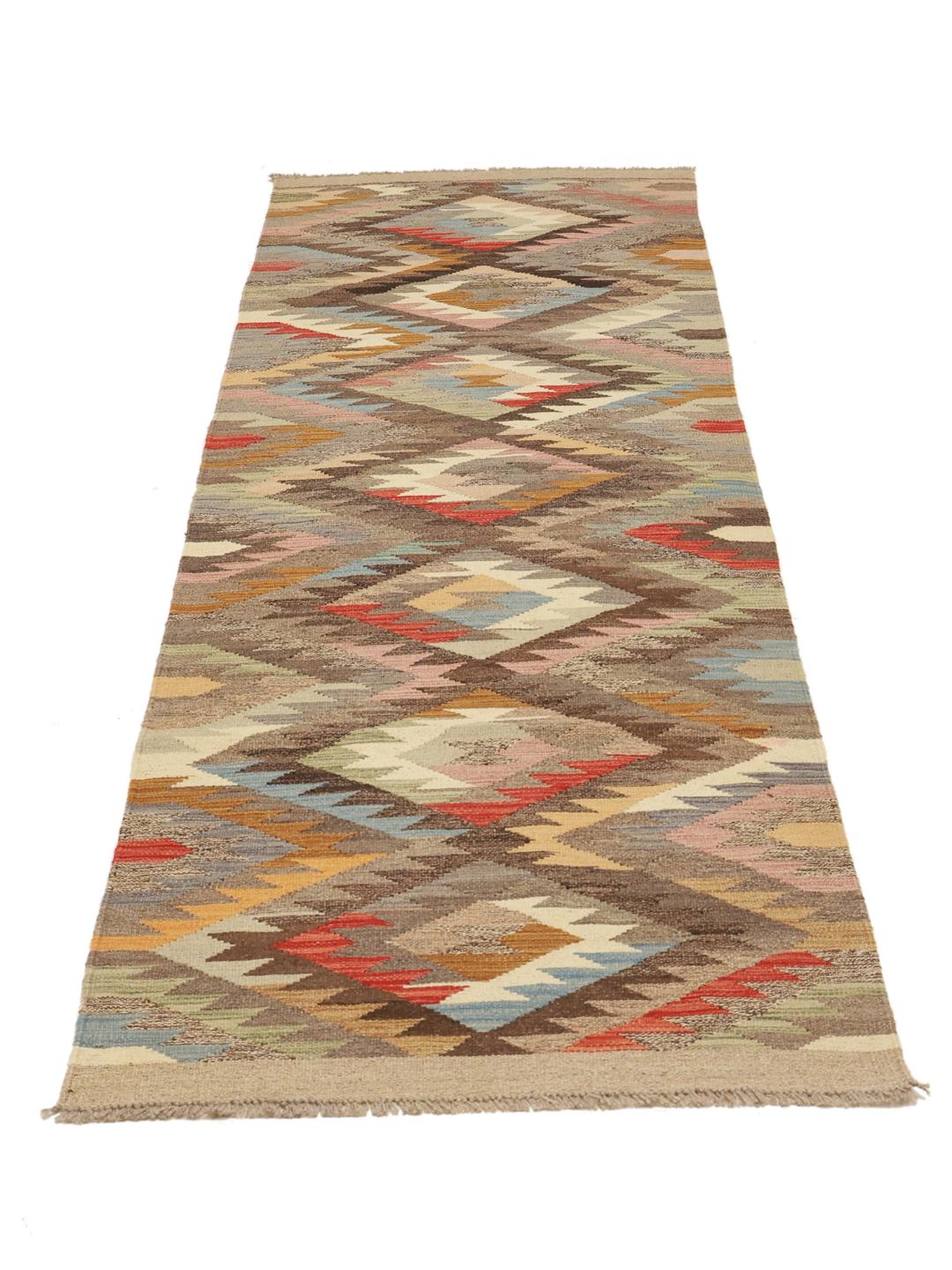
Design traditions within this region often centre around geometric frameworks, repeating diamonds, and carefully balanced border elements inspired by local surroundings and tribal heritage. The palette typically reflects natural earth tones alongside vibrant accents derived from regional plants and minerals, creating a harmonious balance between structure and rustic warmth.
Collecting these handmade pieces connects modern homes to a rich lineage of textile art and human craftsmanship. Owning a traditional flatweave means appreciating the patience and cultural history embedded in every thread, providing a lasting sense of authenticity and heritage that mass-produced alternatives simply cannot replicate.