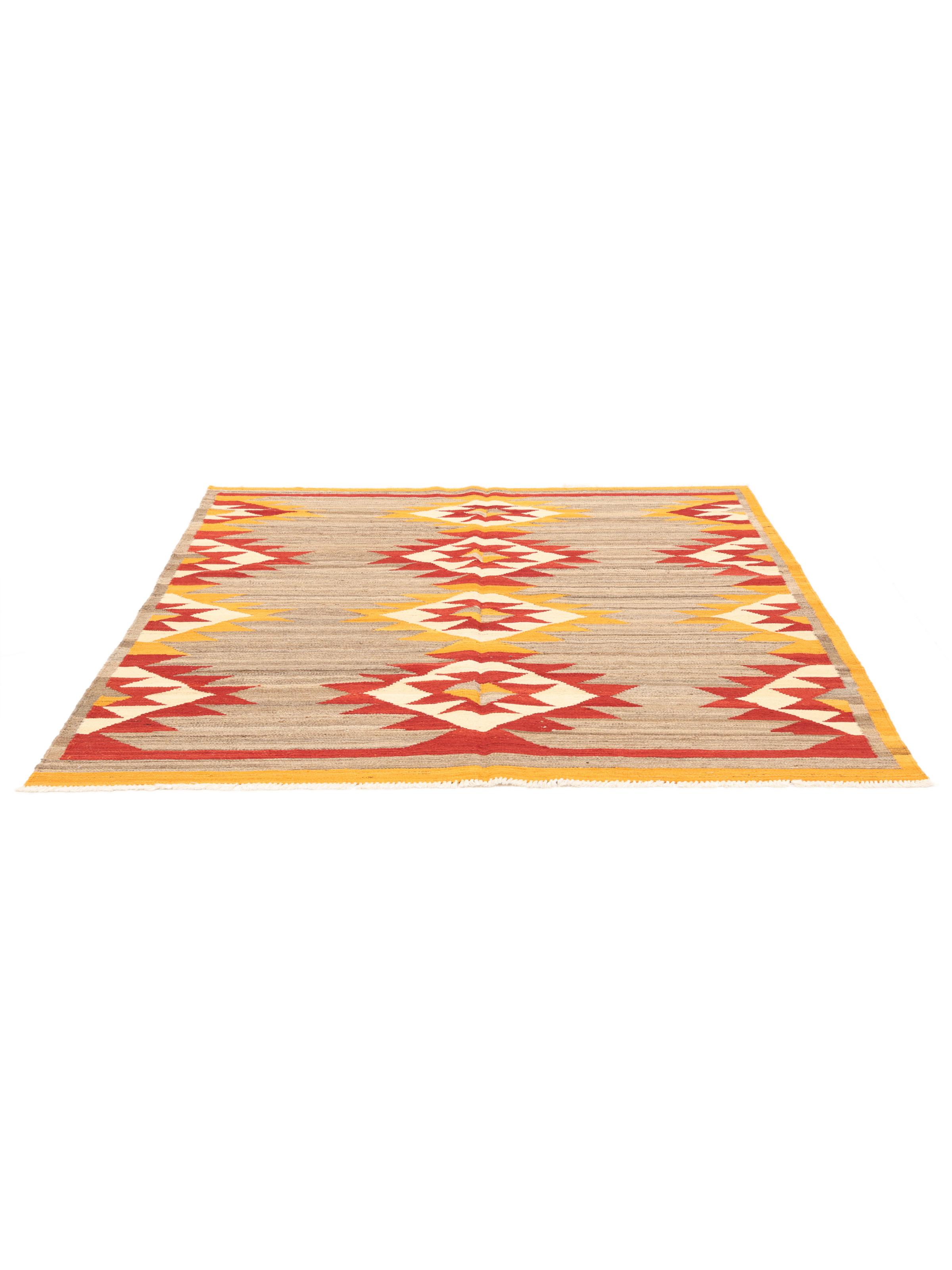
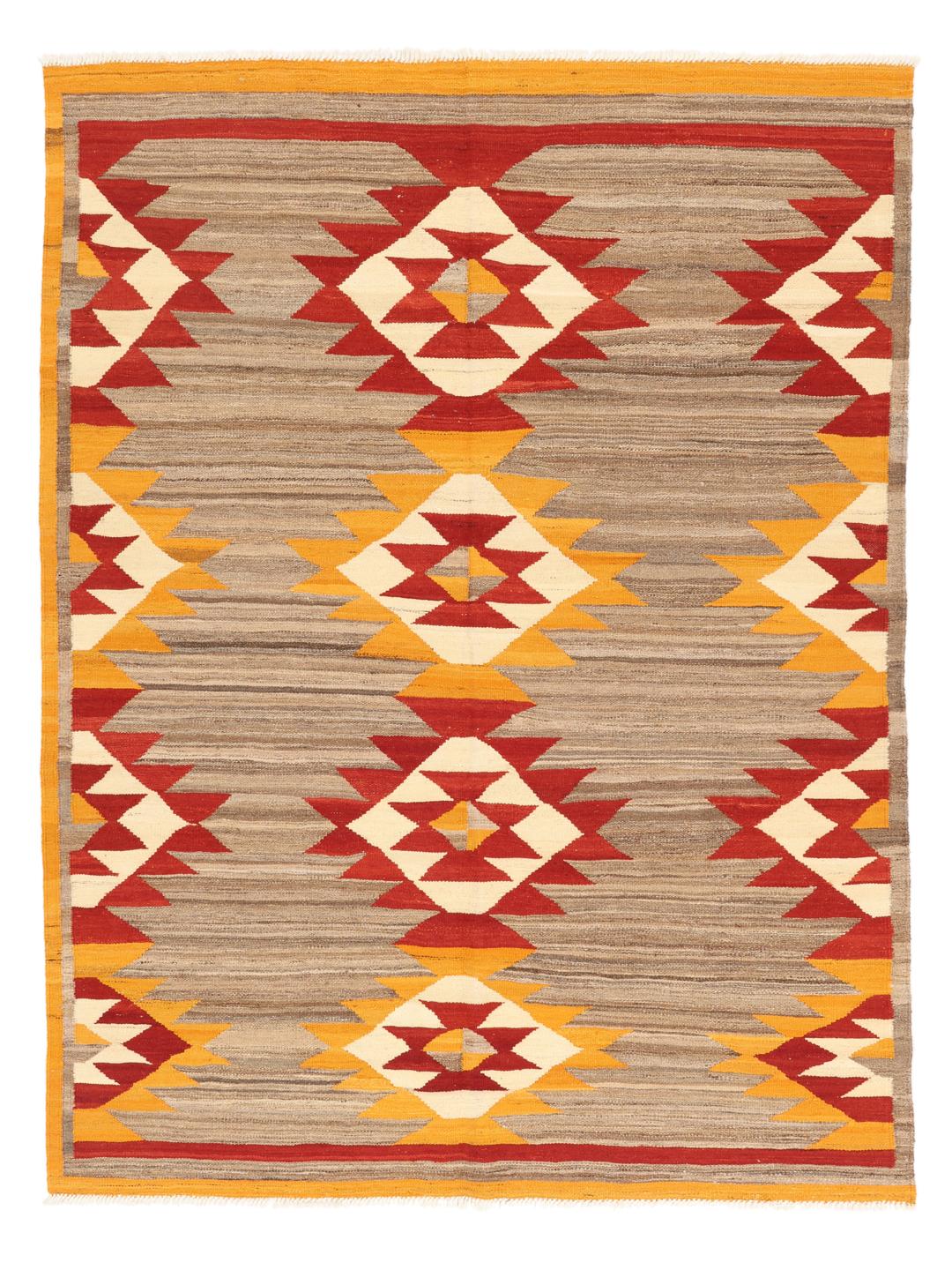
Kilim rugs are a testament to the enduring traditions of the Middle East and Central Asia. For centuries, these flat-woven textiles have served as essential functional items for nomadic and village communities, doubling as floor coverings, wall hangings, and storage bags. The tradition of weaving in Afghanistan is deeply rooted in this history, where families have passed down specific design motifs and techniques through generations.
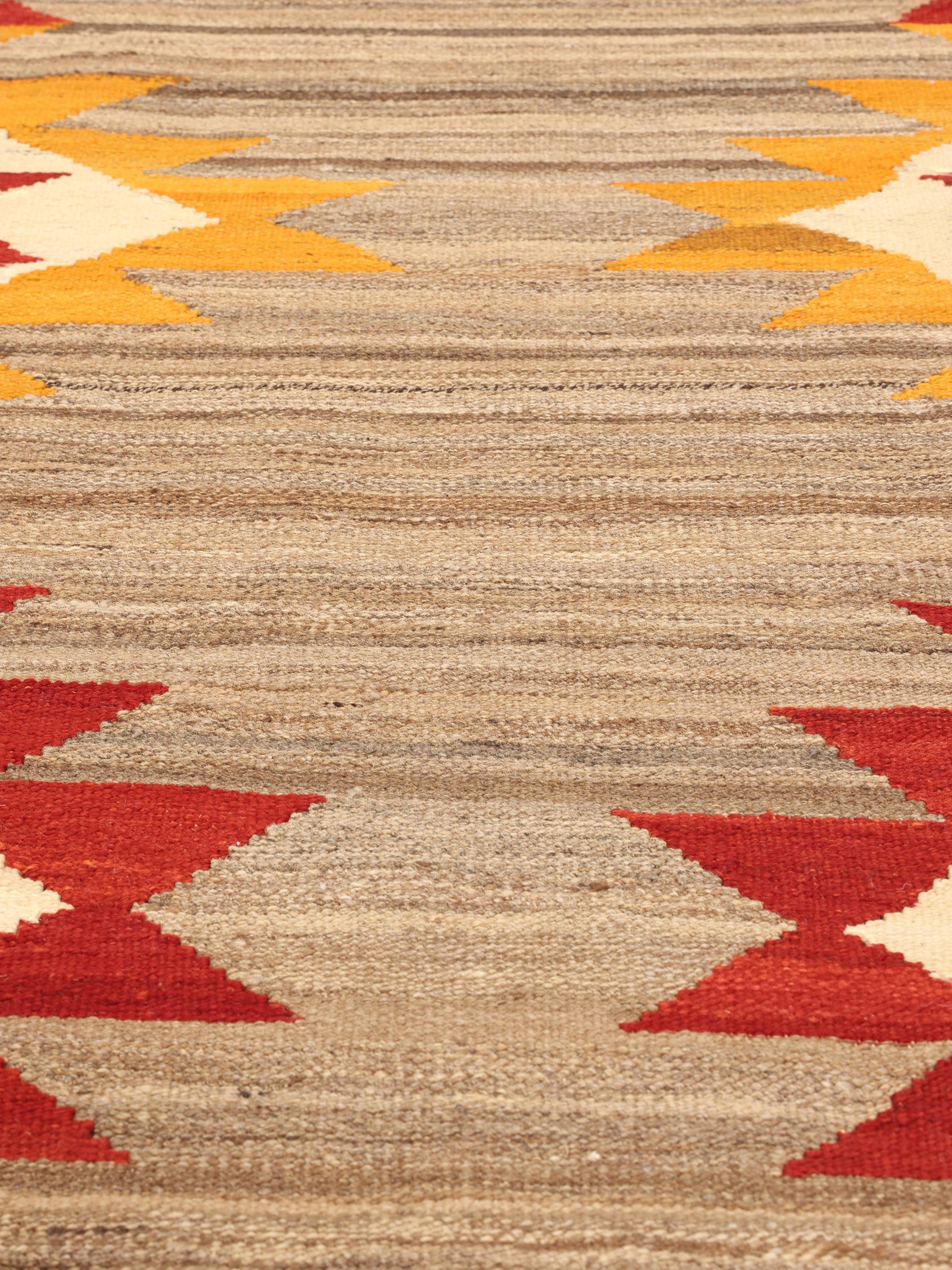
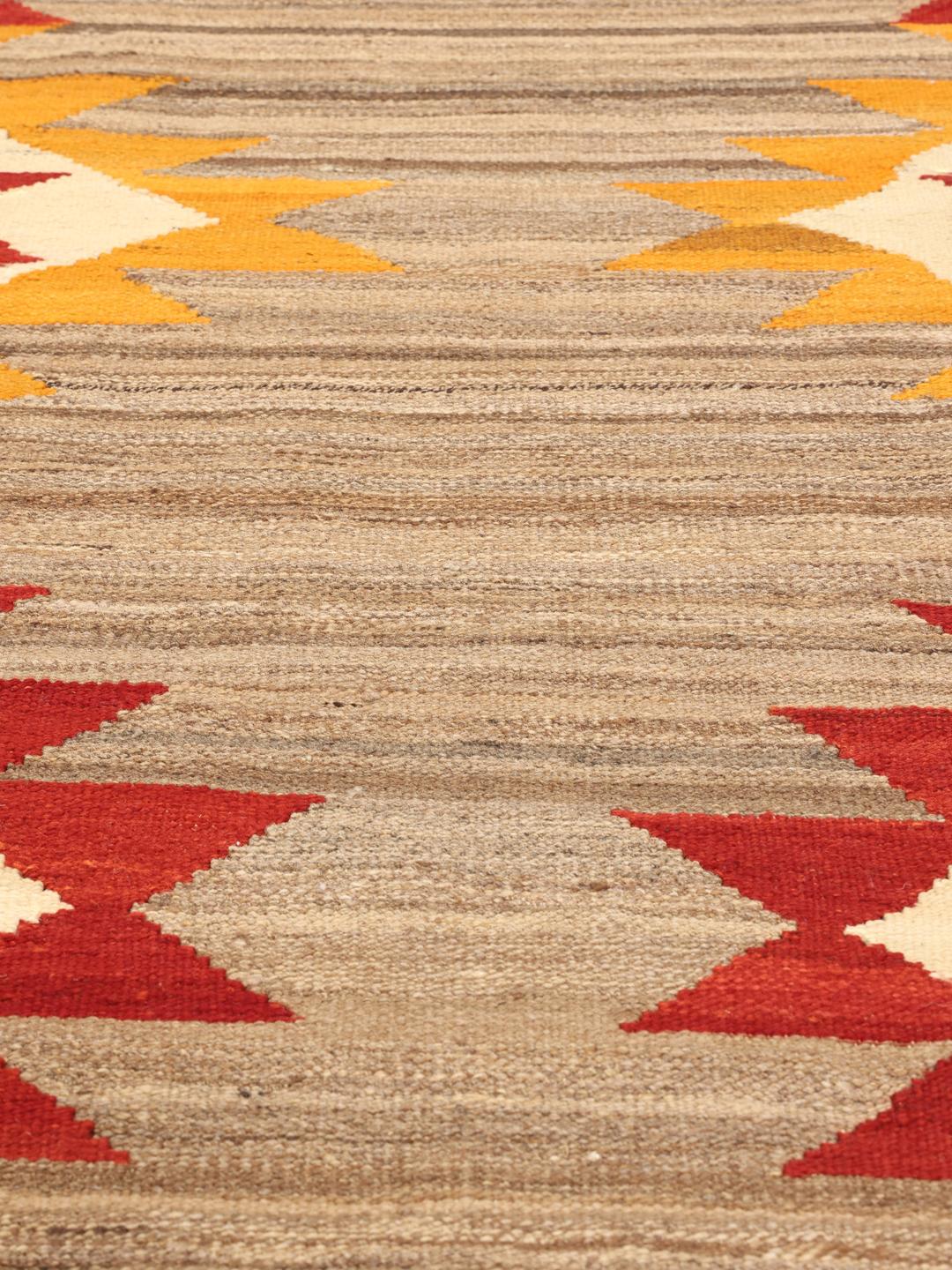
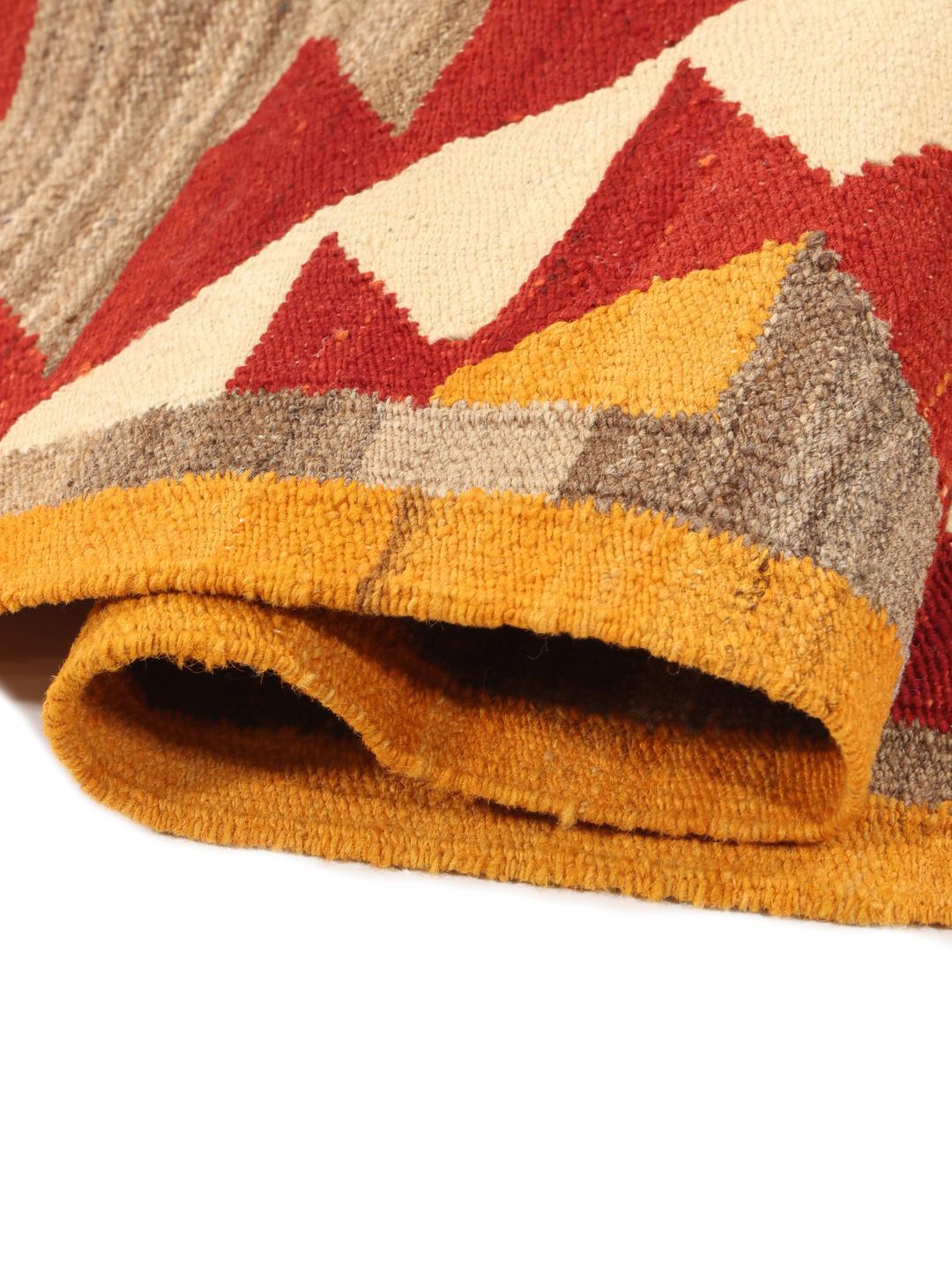
The term 'kilim' specifically refers to the flat-weaving technique where there is no pile. Instead of knotting individual strands to a foundation, the weft threads are woven over and under the warp threads to create the pattern directly. This method results in a reversible, lightweight, and incredibly versatile textile that has been perfected over hundreds of years to meet the demands of both utility and beauty.
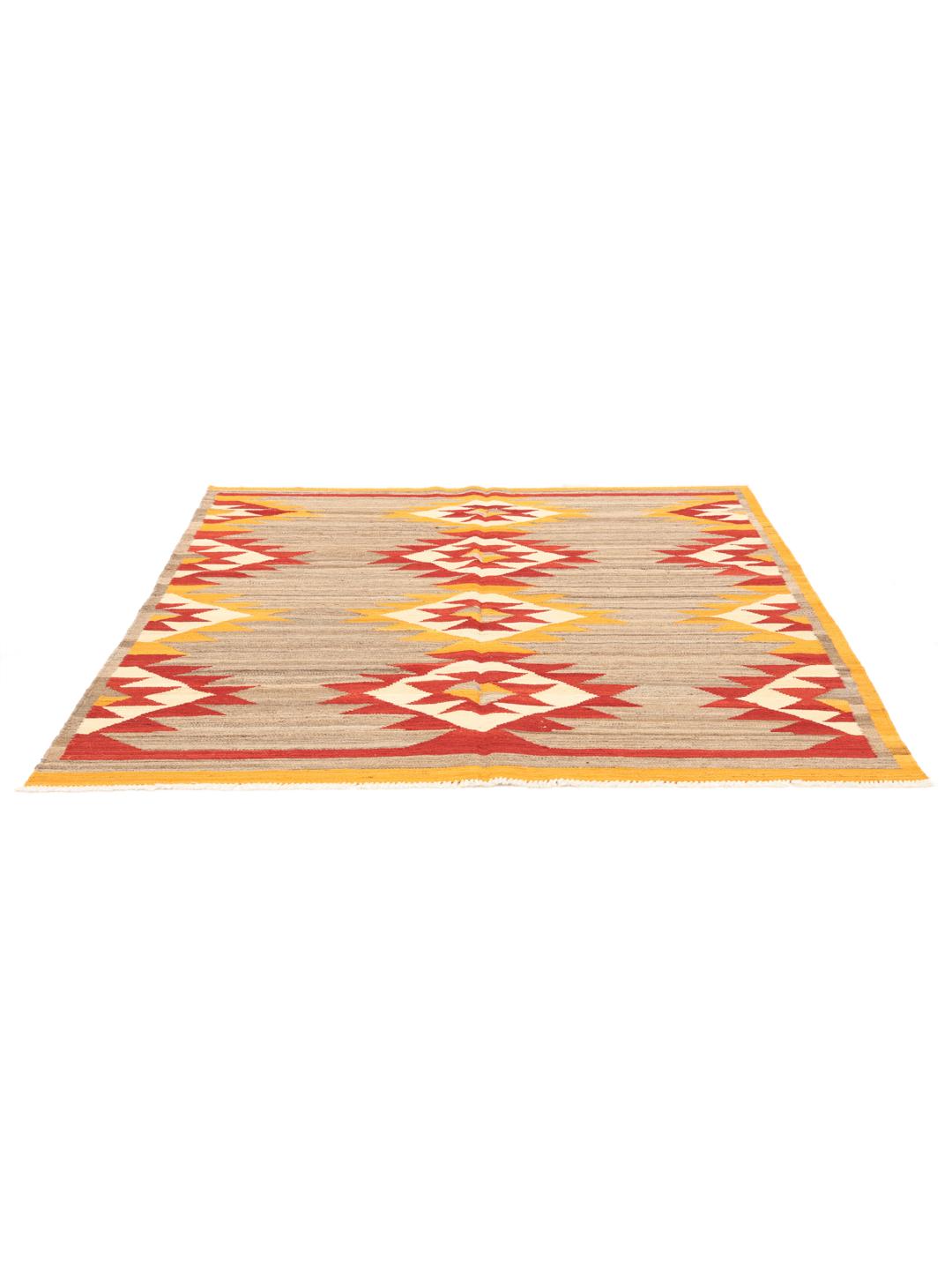
Design-wise, kilims are famous for their bold, angular aesthetics. The geometric motifs you see, such as the diamonds and stepped shapes, often carry symbolic meaning, representing elements like protection, fertility, or the natural landscape. The use of vibrant, natural-inspired colours is a hallmark of this tradition, designed to bring warmth and vitality into the home, even in the harshest environments.
Today, these rugs are highly sought after by collectors and interior designers alike for their authentic, soulful character. Owning a piece from this tradition is an act of preserving a heritage of skill and storytelling. Each rug acts as a bridge between the ancient traditions of the Silk Road and the needs of a contemporary home, offering a unique blend of historical weight and modern style.