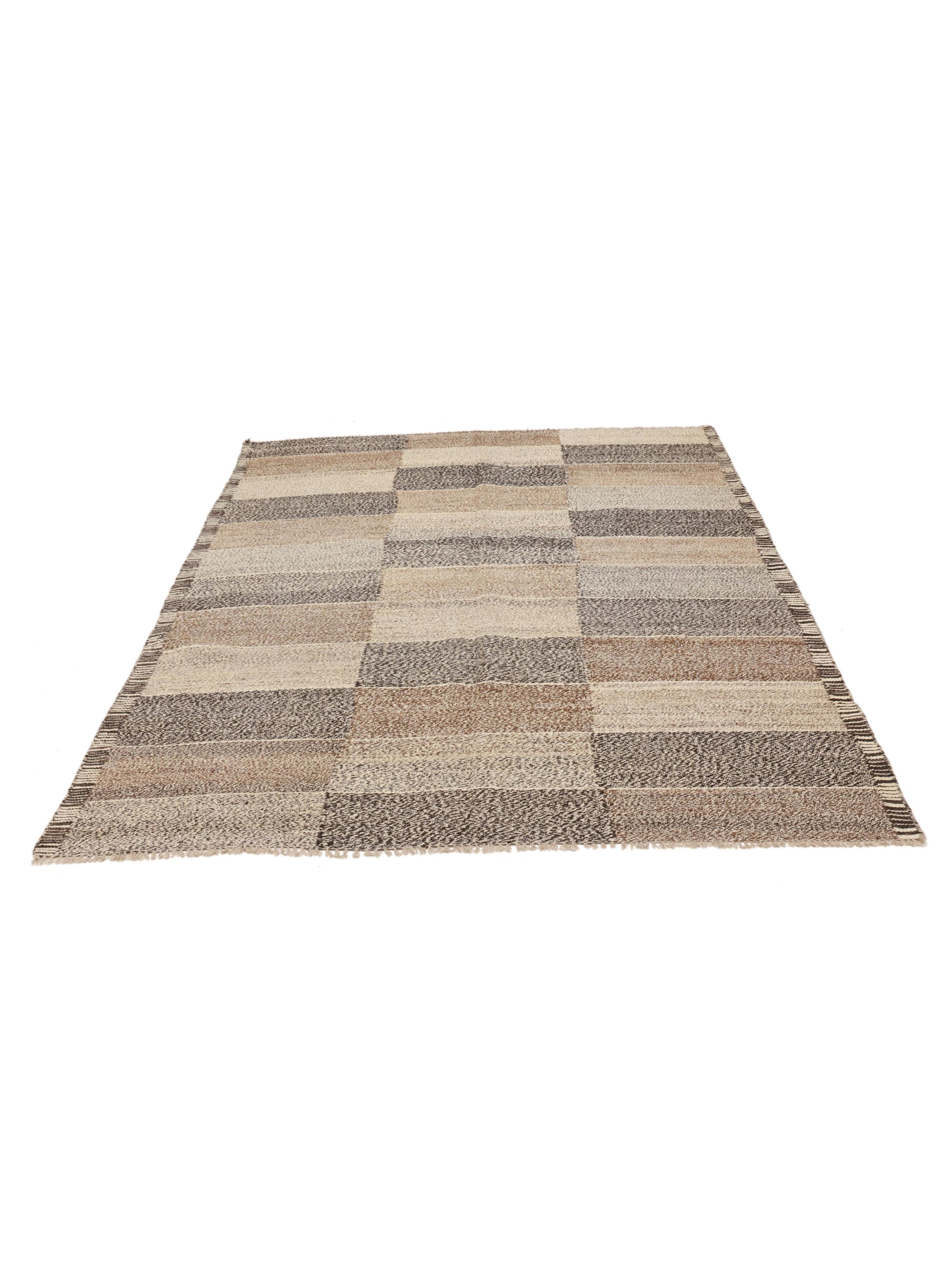
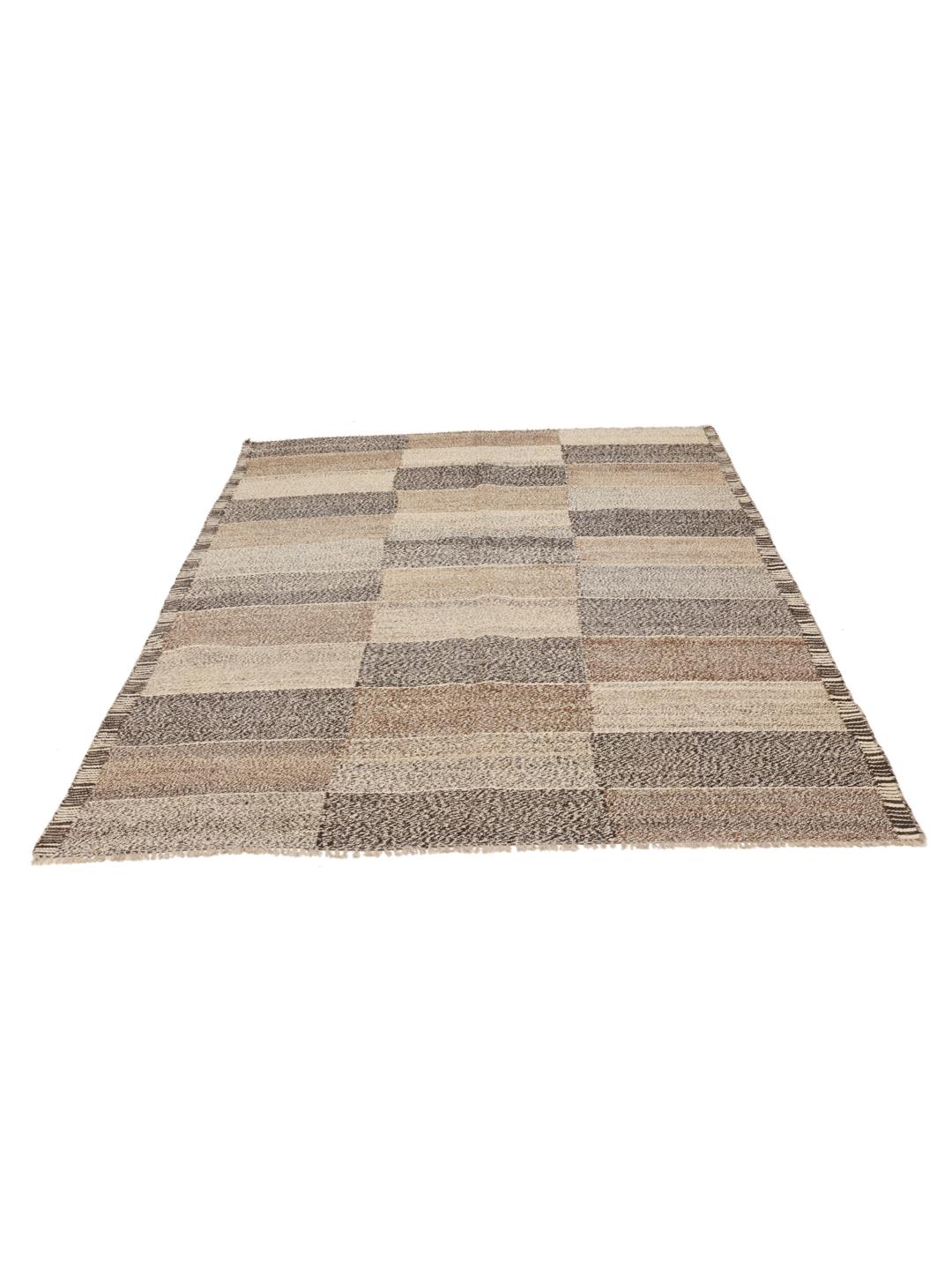
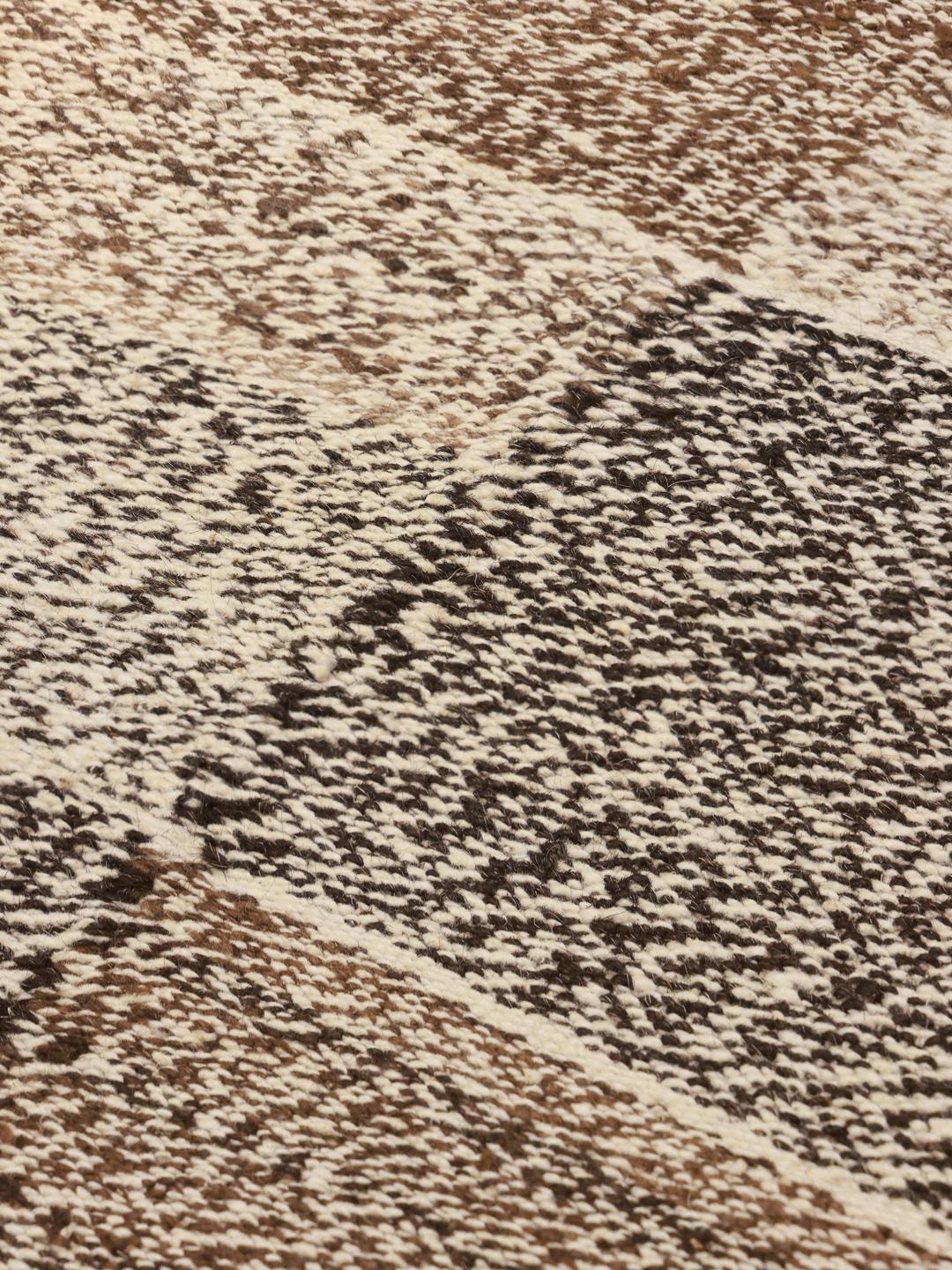
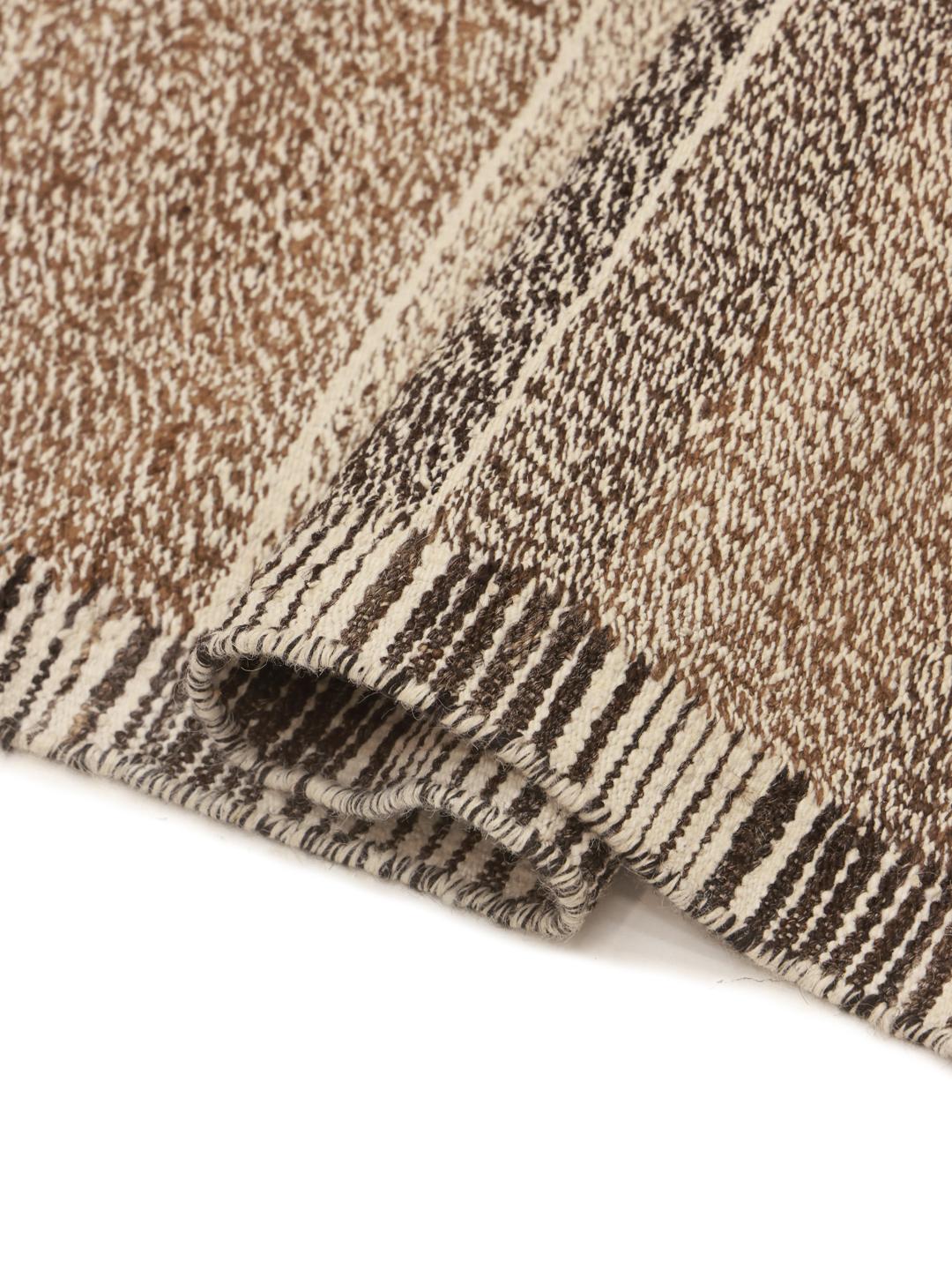
Kelim weaving has deep roots in the rich craft traditions of Afghanistan and the wider Middle Eastern region. Historically created by nomadic and village weavers, these flatwoven textiles were originally made for practical household use, serving as durable floor coverings, blankets, and storage bags tailored to daily life.
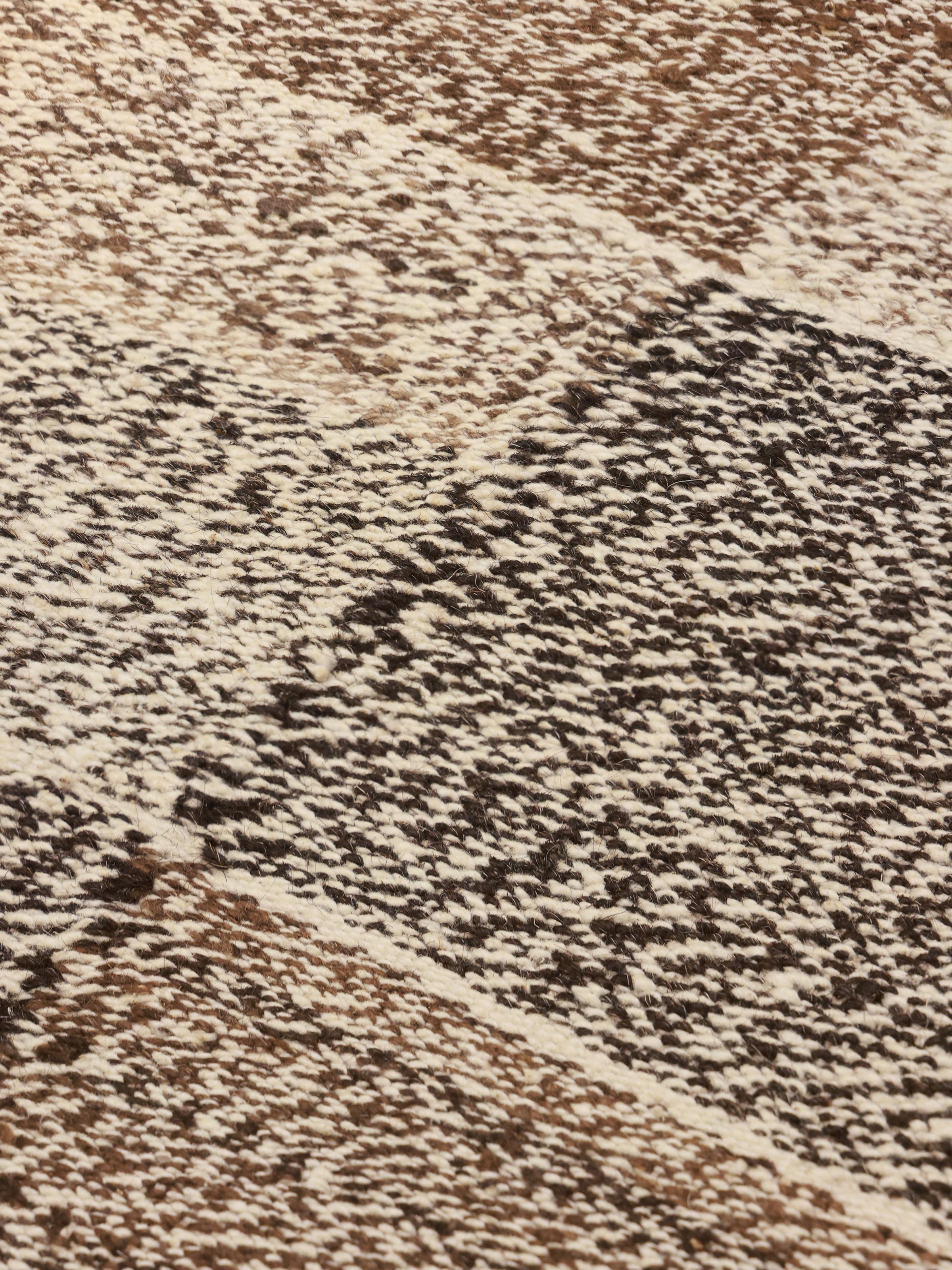
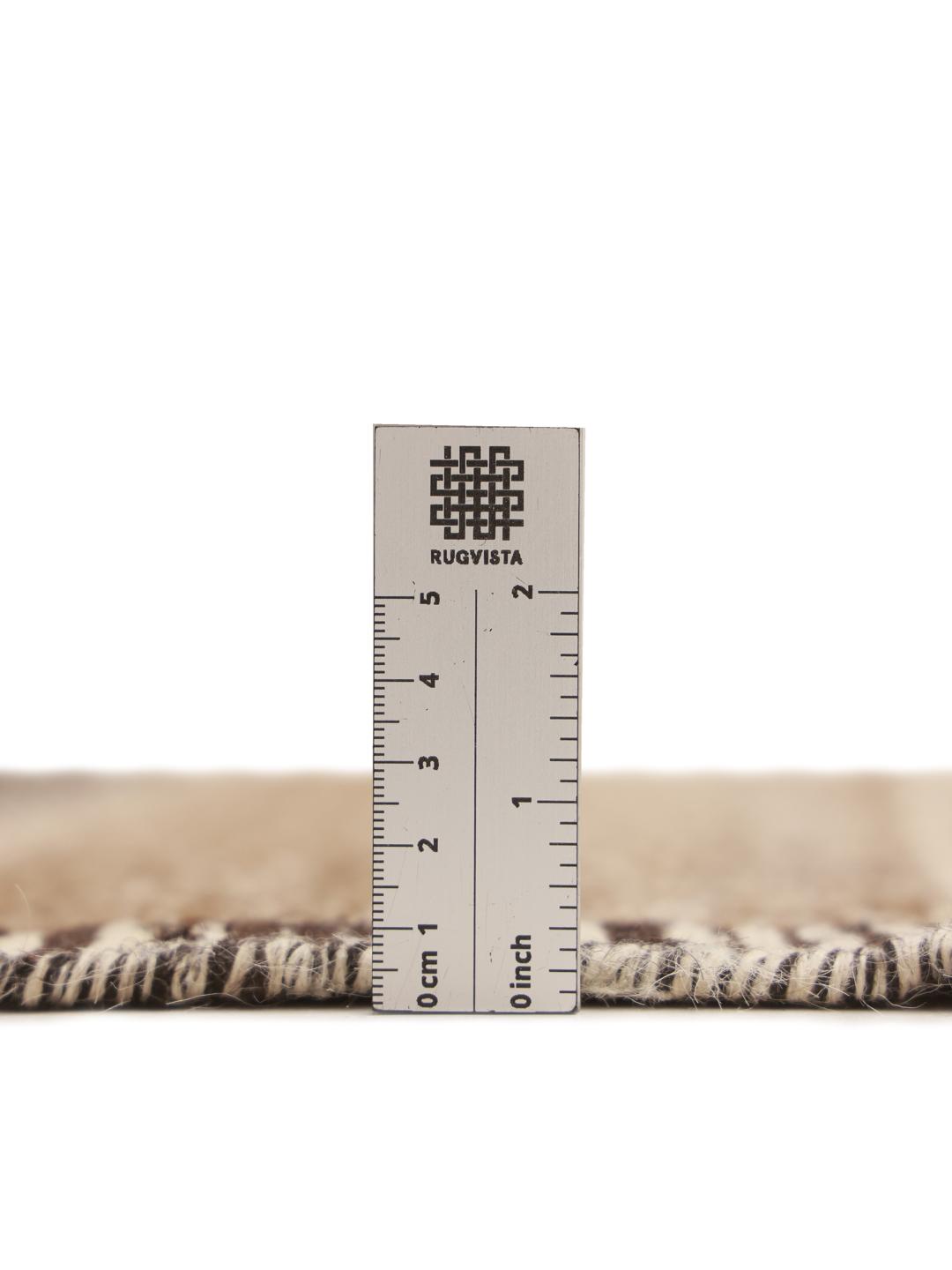
The flatwoven construction means this rug has no raised pile. Instead, the warp and weft threads are tightly interlaced by hand to produce a flat, durable textile. This traditional technique creates a sturdy structure that is reversible and well-suited to busy areas of the home.
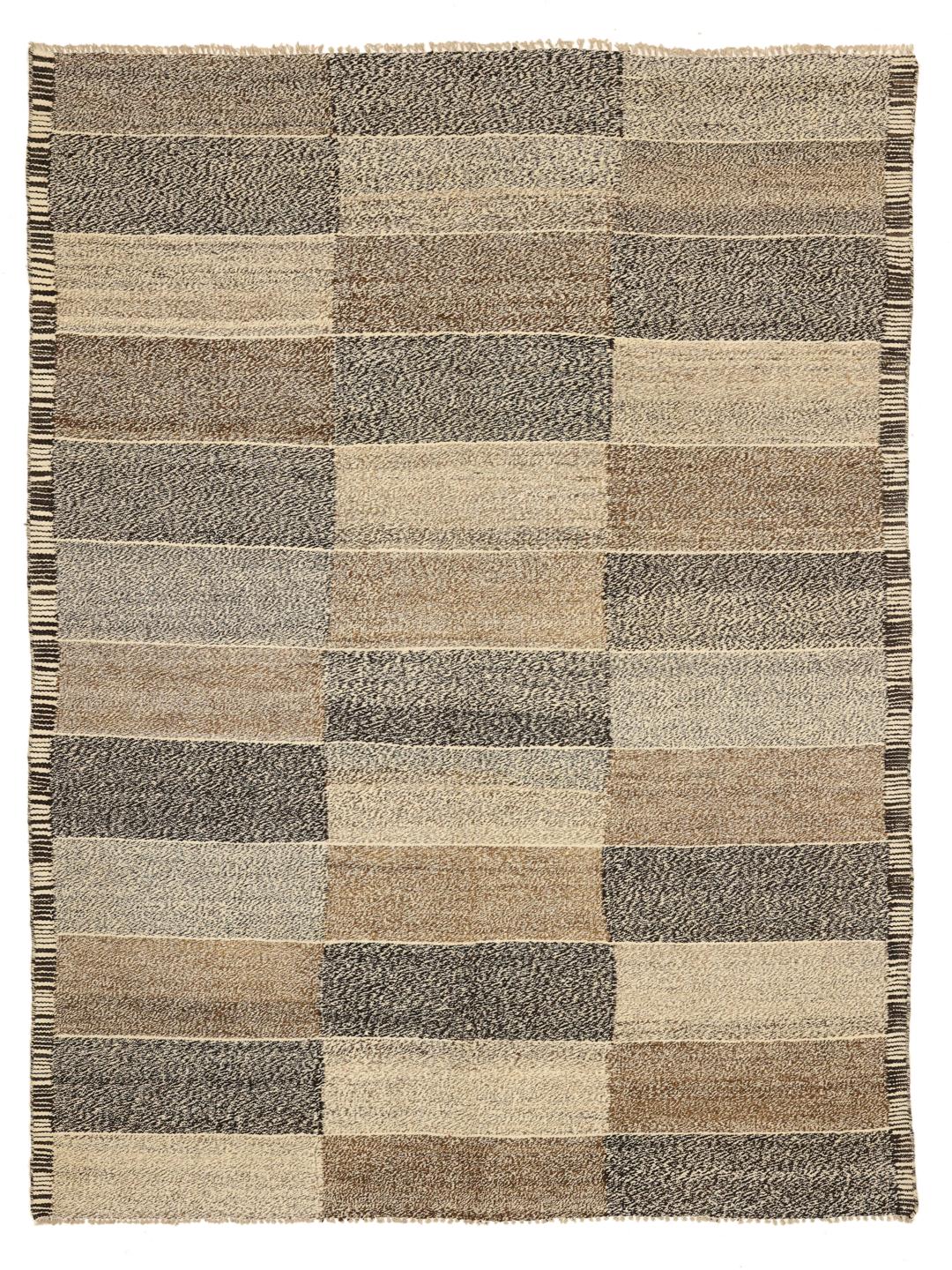
Design traditions in Kelim making often feature geometric motifs, blocks of colour, and linear patterns influenced by regional heritage and natural surroundings. In modern interpretations like this one, traditional weaving methods are adapted to contemporary aesthetics, blending heritage techniques with clean, versatile designs.
Owning a hand-woven Afghan Kelim connects your living space to generations of textile artistry. Each piece represents hours of human labour and a living cultural legacy, making it a meaningful choice for those who appreciate authentic craft and lasting quality.