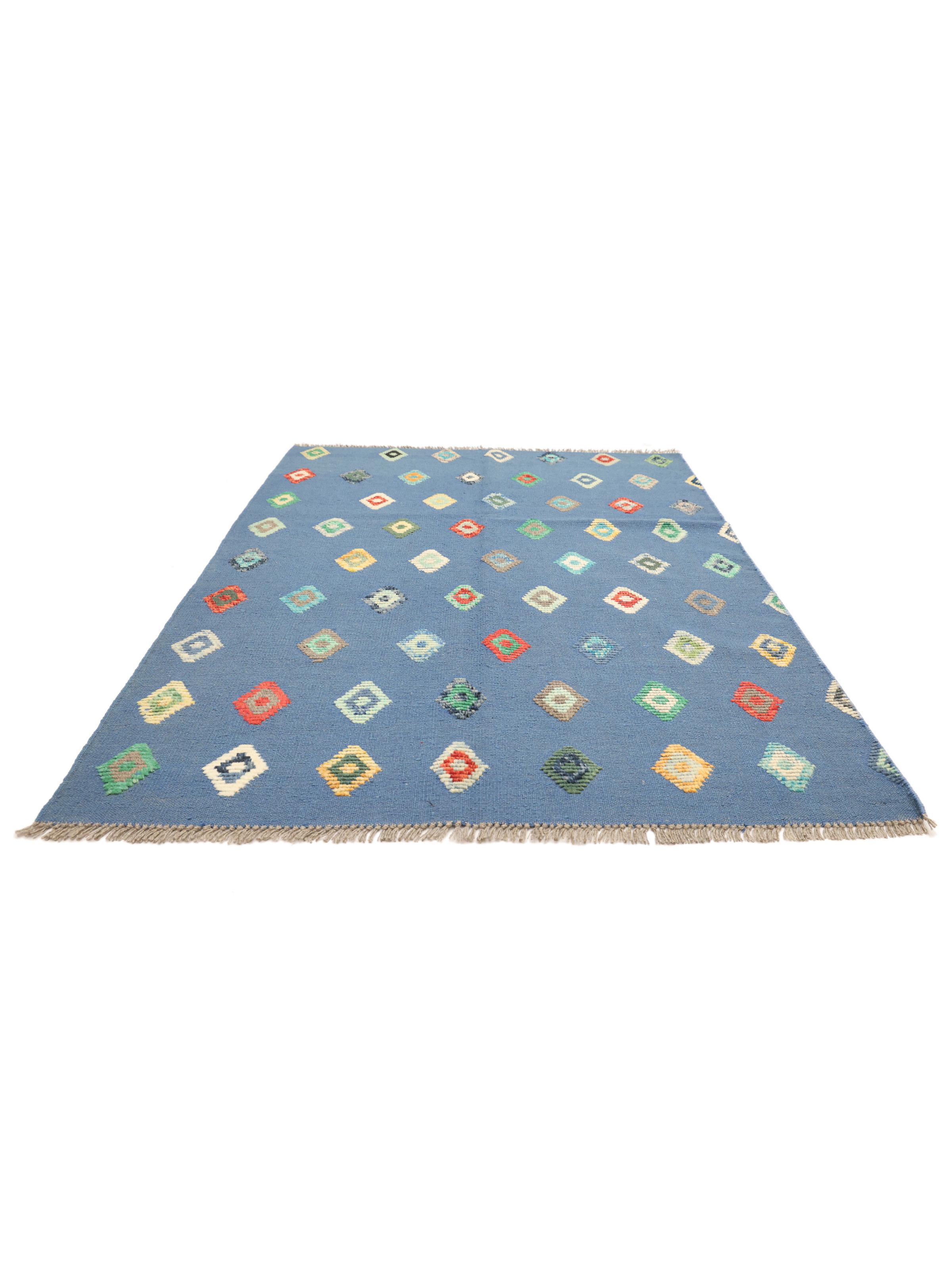
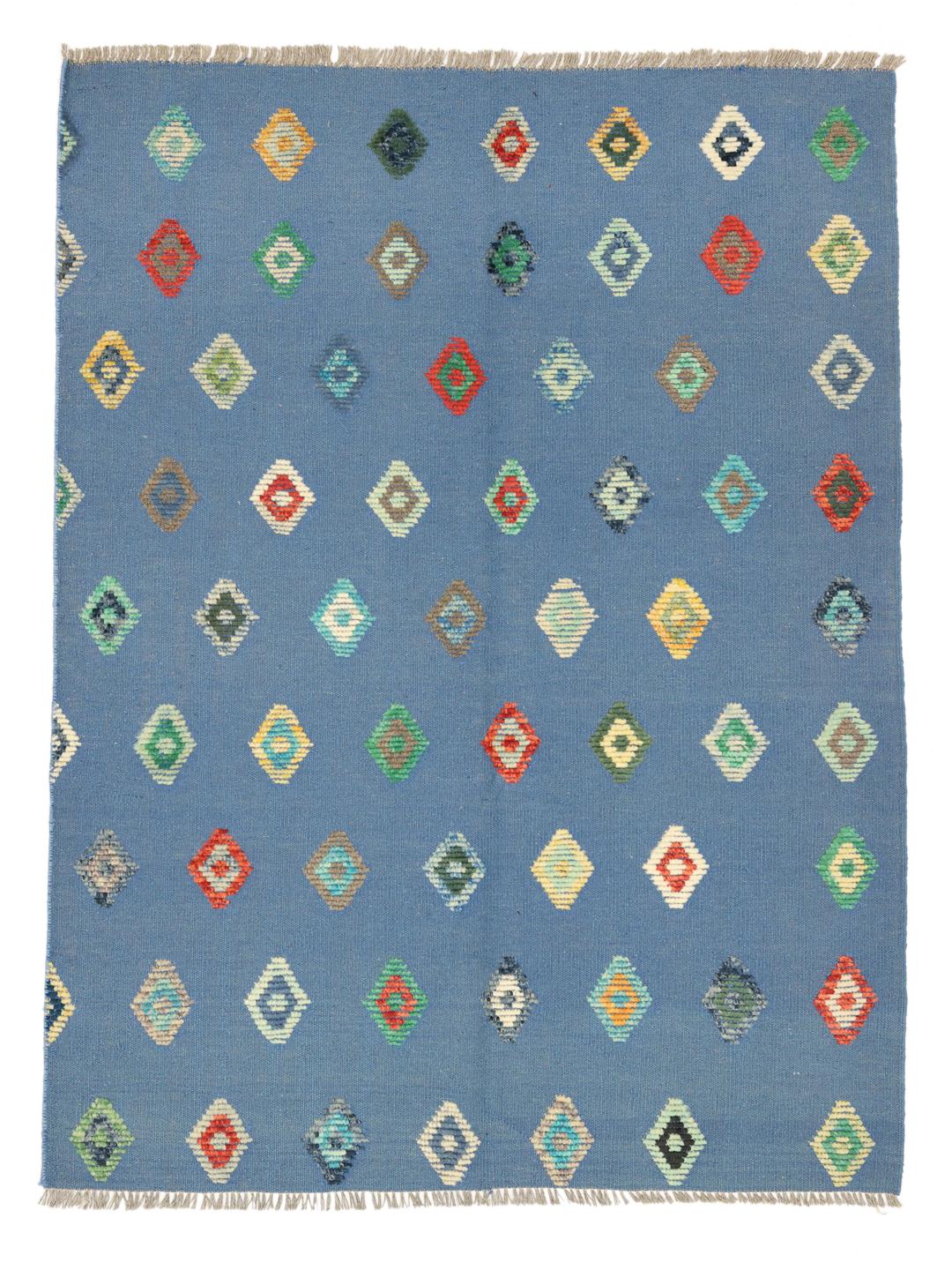
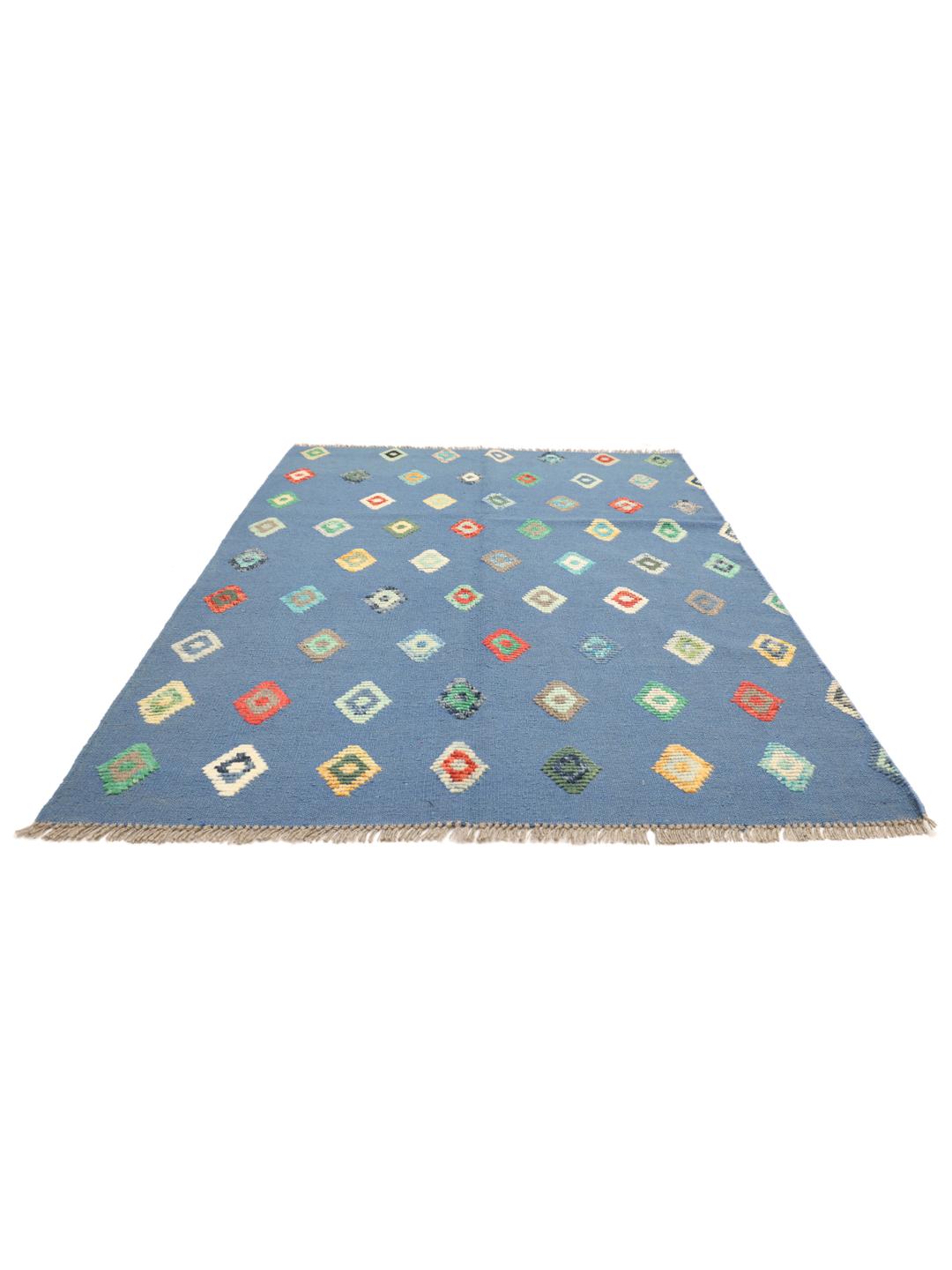
Kelim rugs have a rich history rooted in the nomadic traditions of the Middle East and Central Asia. Originally created by tribal groups for practical use as floor coverings, wall hangings, or storage bags, these flat-weave rugs were essential for life on the move. The Nimbaft tradition is a specific evolution of these techniques, known for its ability to produce intricate, clean-lined patterns without the use of a knotted pile.
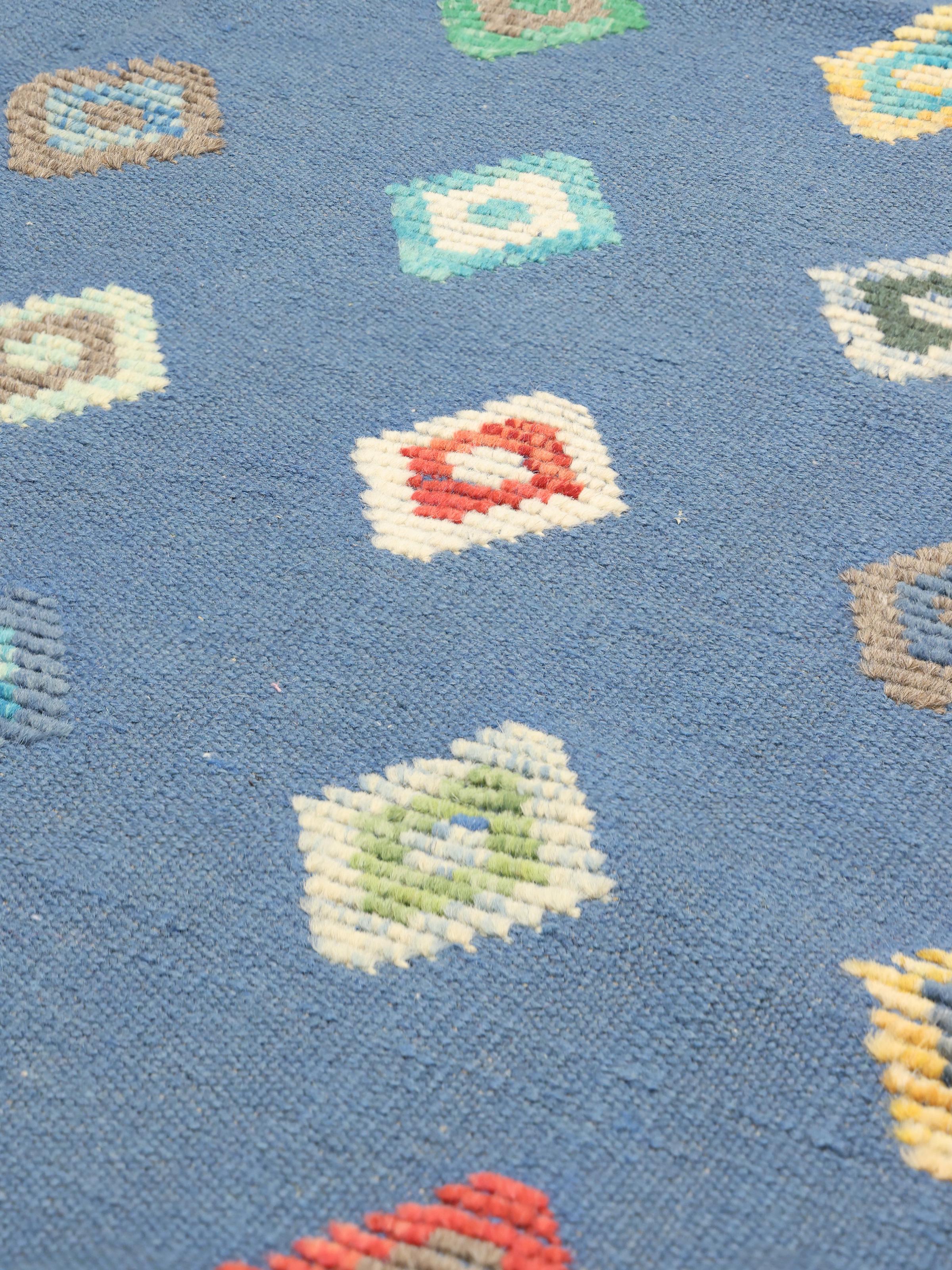
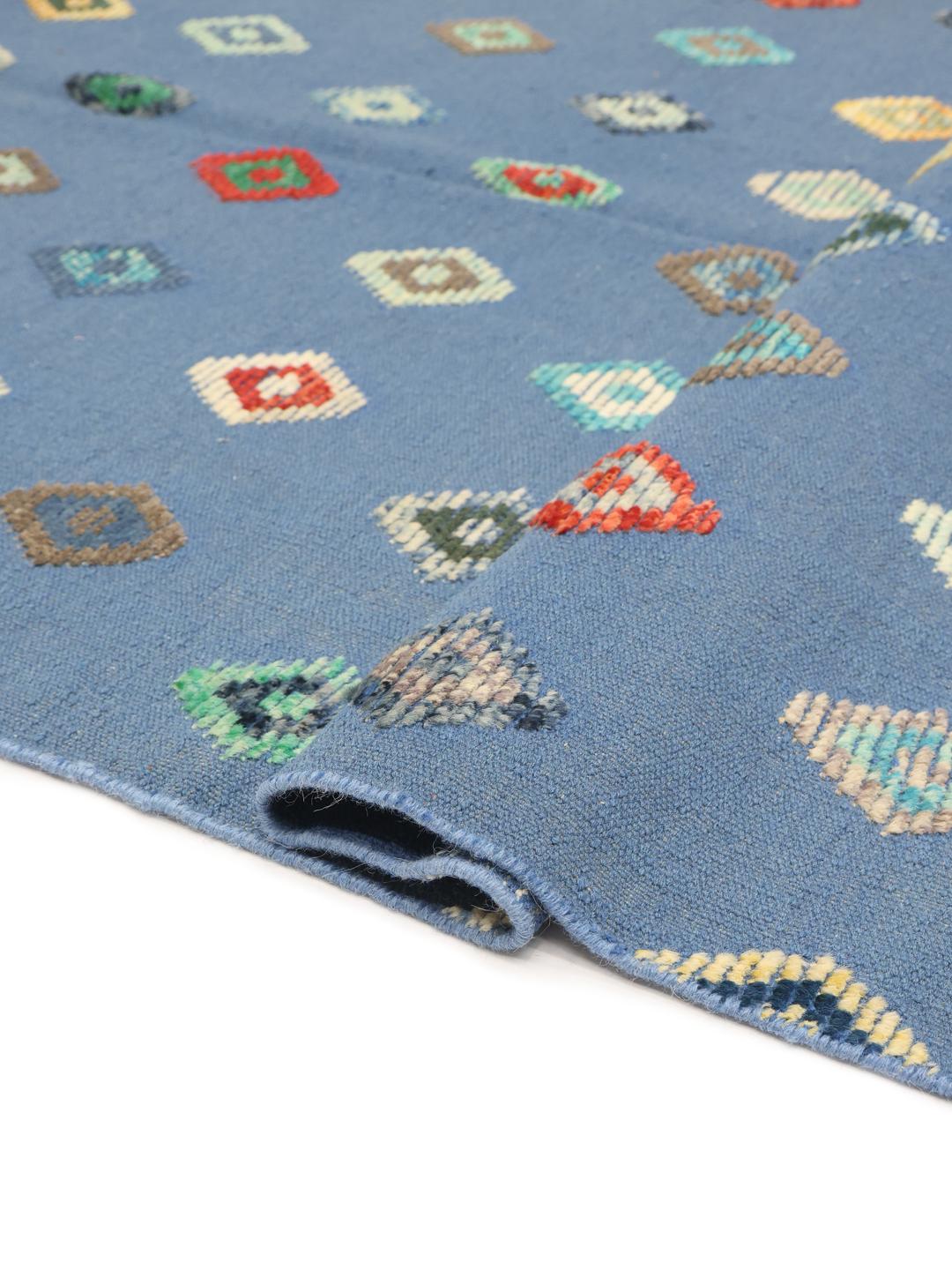
The term Kelim refers to the tapestry-weave construction, where the weft threads are woven tightly through the warp to create a smooth, pileless surface. This technique is highly valued for its durability and versatility. Because the design is woven directly into the structure of the rug rather than added as a pile, the patterns appear sharp and distinct on both sides, allowing for a reversible and long-lasting textile.
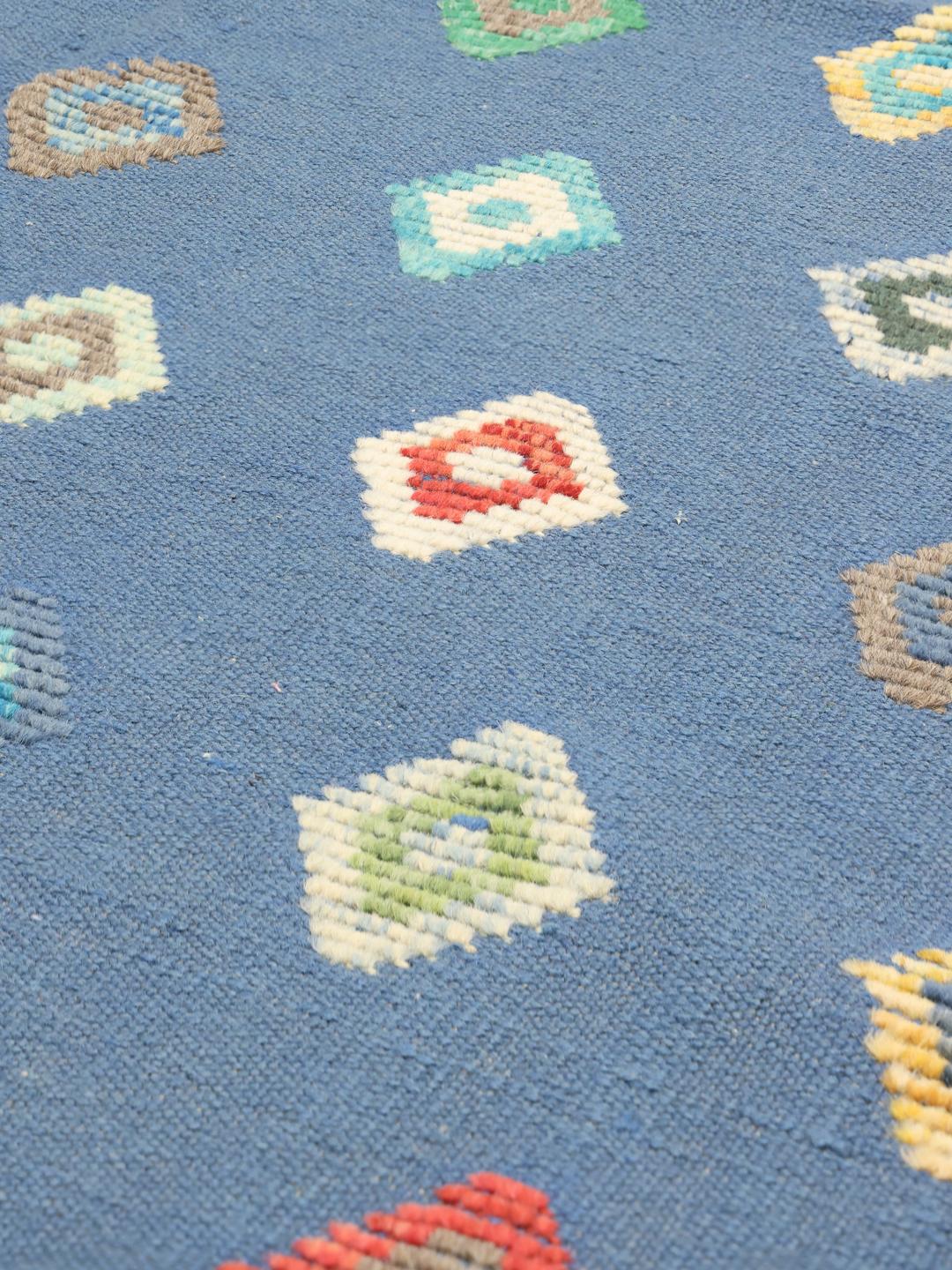
Signature design elements in Nimbaft rugs often revolve around geometric shapes like diamonds, triangles, and stylized floral motifs. These patterns are not merely decorative but often carry symbolic meanings related to protection, fertility, and the weaver's environment. The use of vibrant, contrasting colours against a solid field is a hallmark of this style, intended to bring brightness and energy to traditional nomadic tents and homes.
Owning a Kelim is more than just acquiring a rug; it is an investment in a storied craft tradition. These pieces are highly sought after by collectors for their authenticity and the human effort behind every thread. By bringing a Nimbaft into your home, you are preserving the skill of generations of artisans and adding a piece of cultural history that continues to remain relevant in modern interior design.