The tradition of weaving flat-weave rugs, known as Kelims, is deeply rooted in the nomadic and village cultures of the Middle East and Central Asia. These rugs were historically created as functional items for daily life, serving as floor coverings, wall hangings, or protective saddlebags during migration.
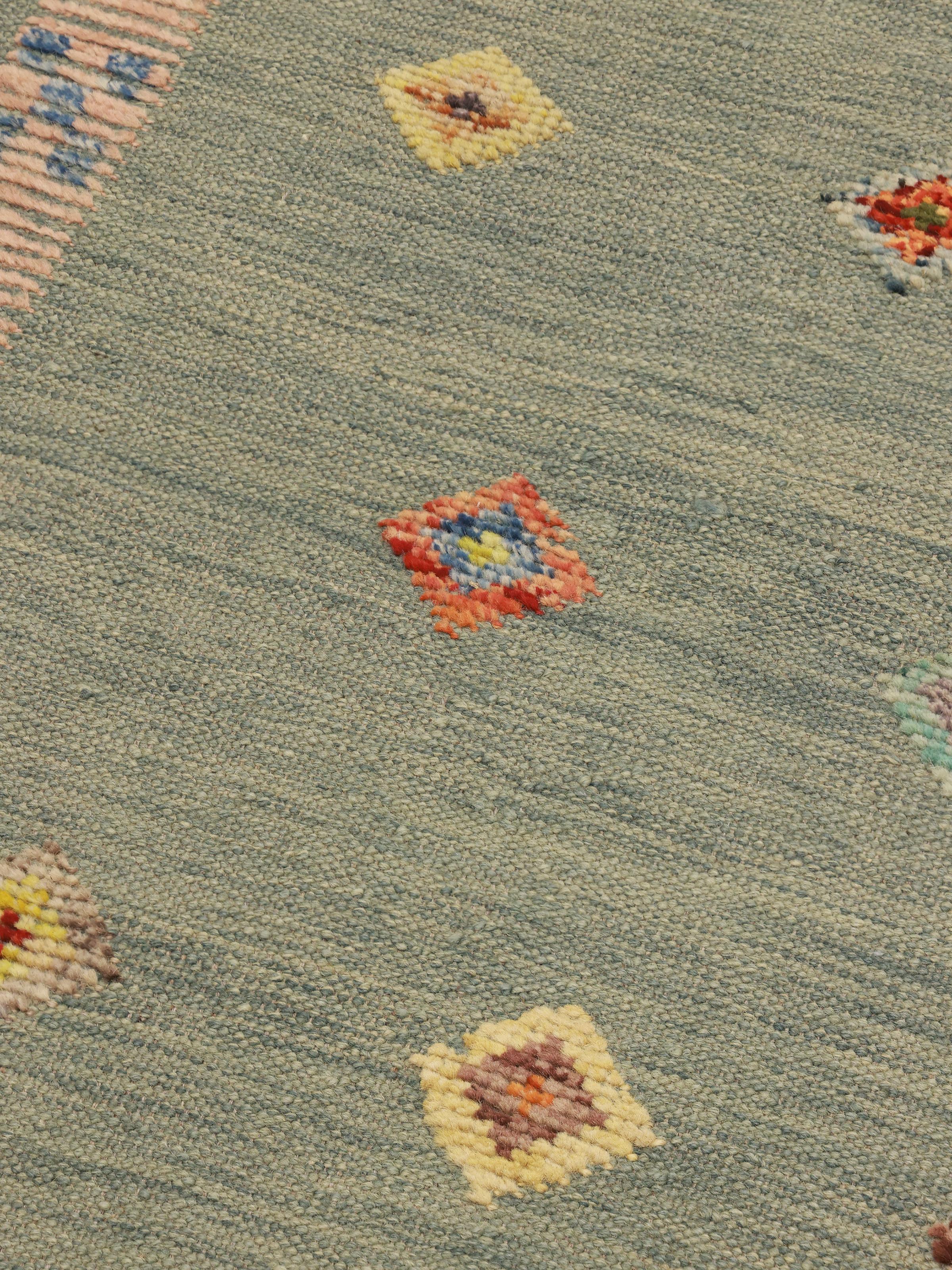
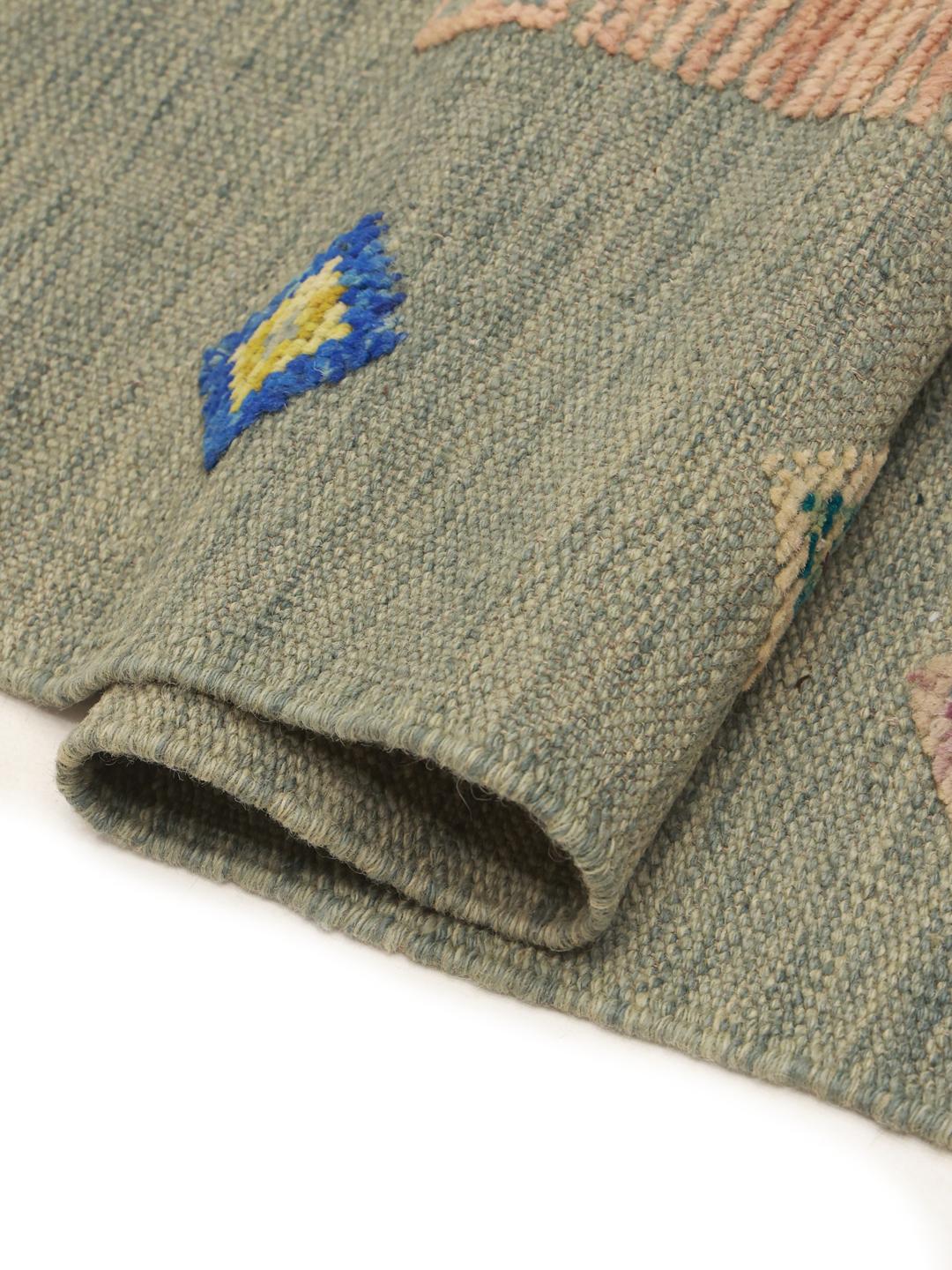
The term Nimbaft refers to a specific approach in the weaving tradition, where the focus is on creating a balanced, durable, and lightweight textile. By using traditional hand-weaving techniques, artisans produce a rug that is reversible and remarkably resilient, making it a staple in homes that value both utility and beauty.
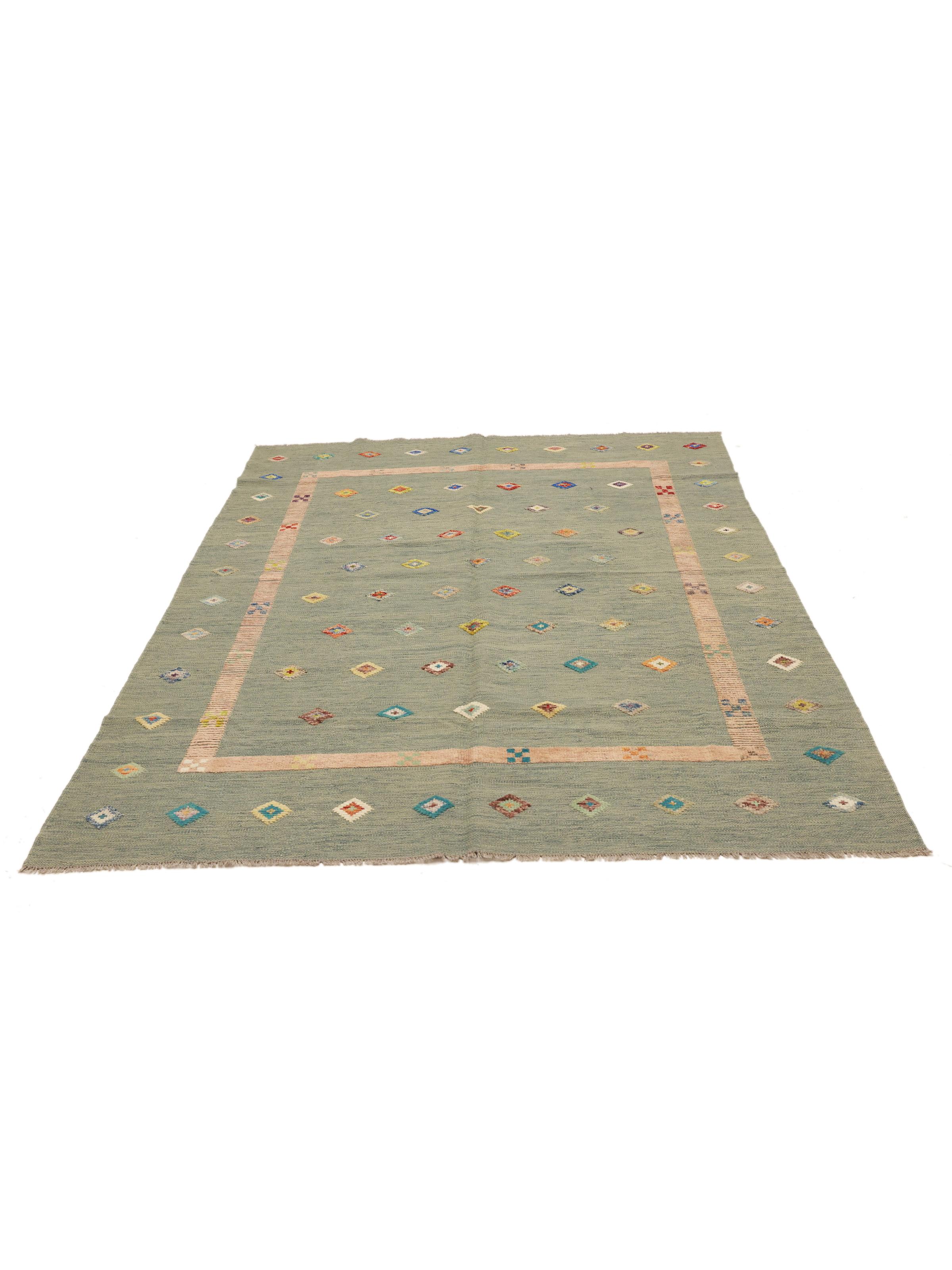
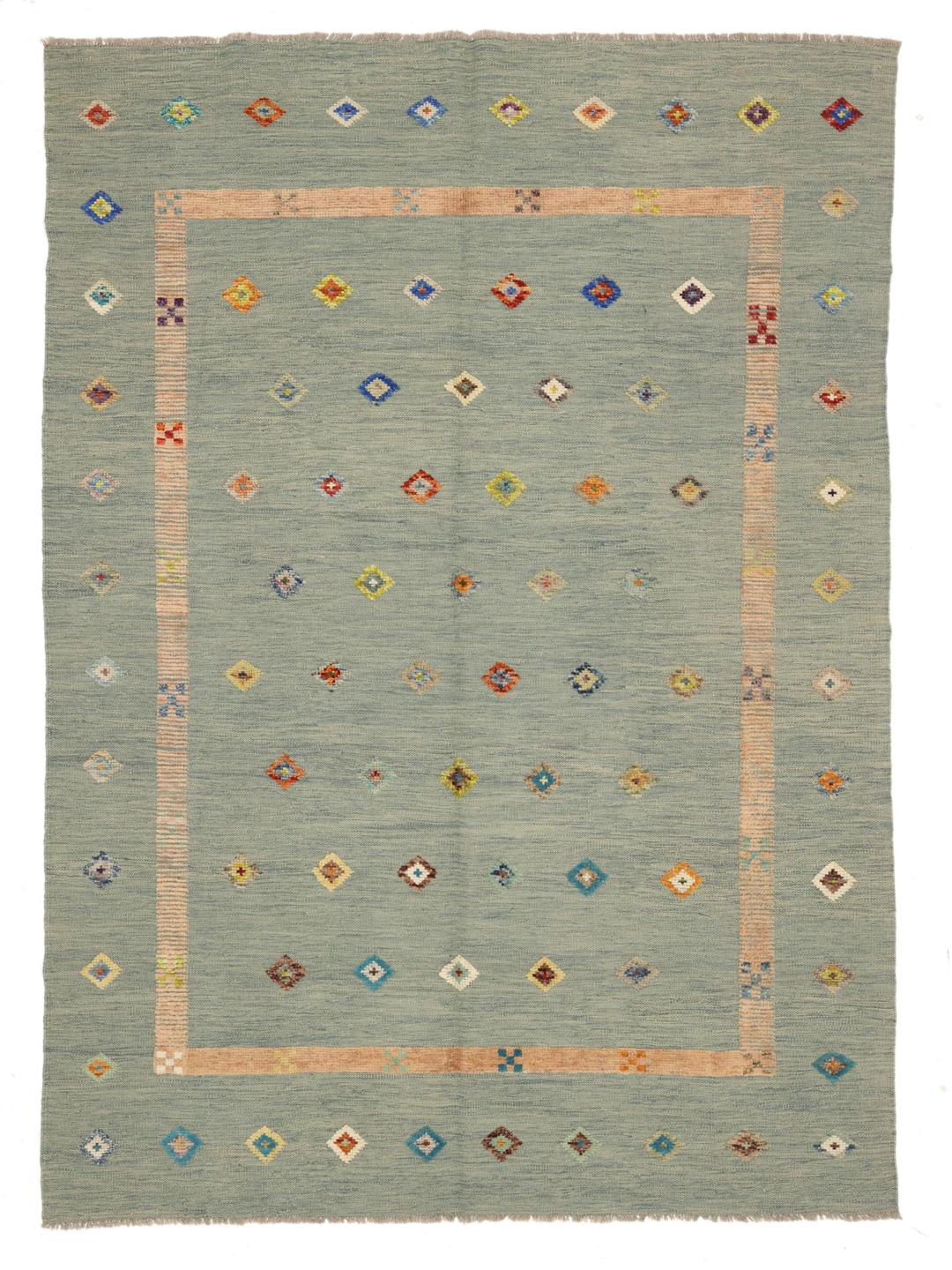
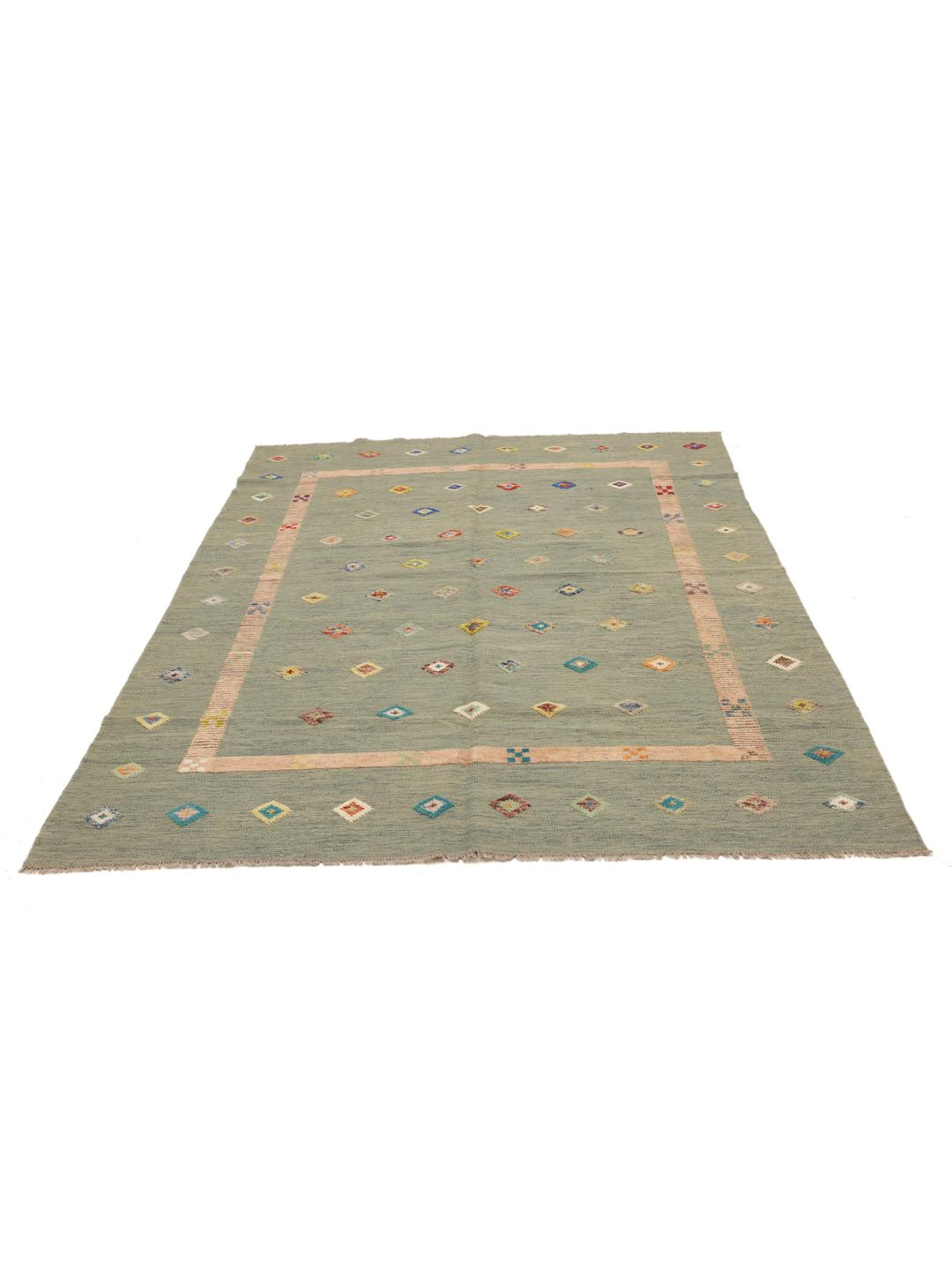
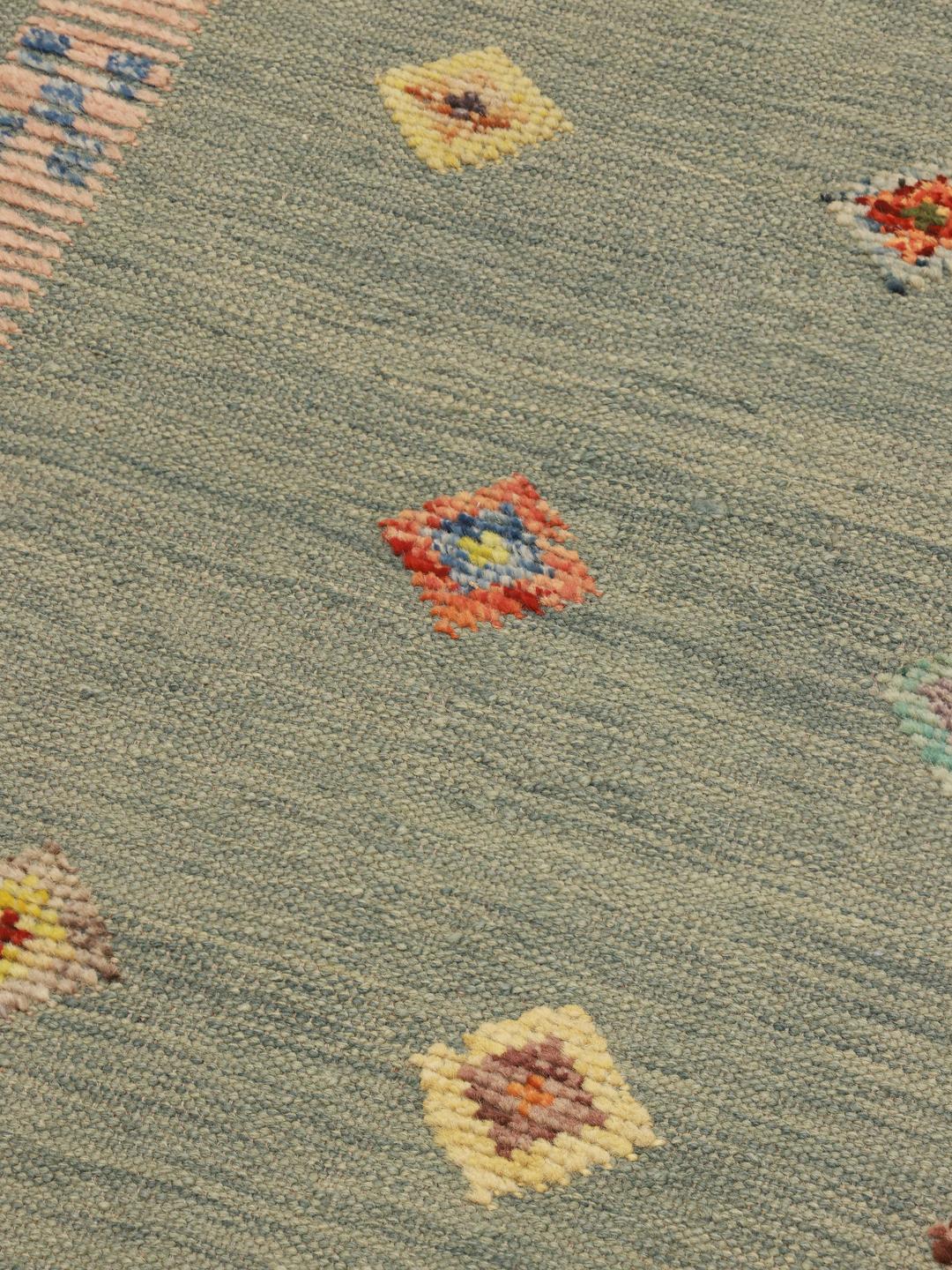
Visually, these rugs are defined by their geometric language. While the field often features a solid or subtly variegated colour, the inclusion of small, repeating motifs like diamonds or stars acts as a signature of the weaver's region and heritage. The use of natural dyes historically meant that colours would soften beautifully over time, creating a unique patina.
Today, these rugs are highly sought after by collectors who appreciate the blend of historical technique and contemporary interior sensibilities. Acquiring a piece like this is a way to preserve a centuries-old craft tradition, connecting your modern home to a long lineage of skilled artistry and cultural history.