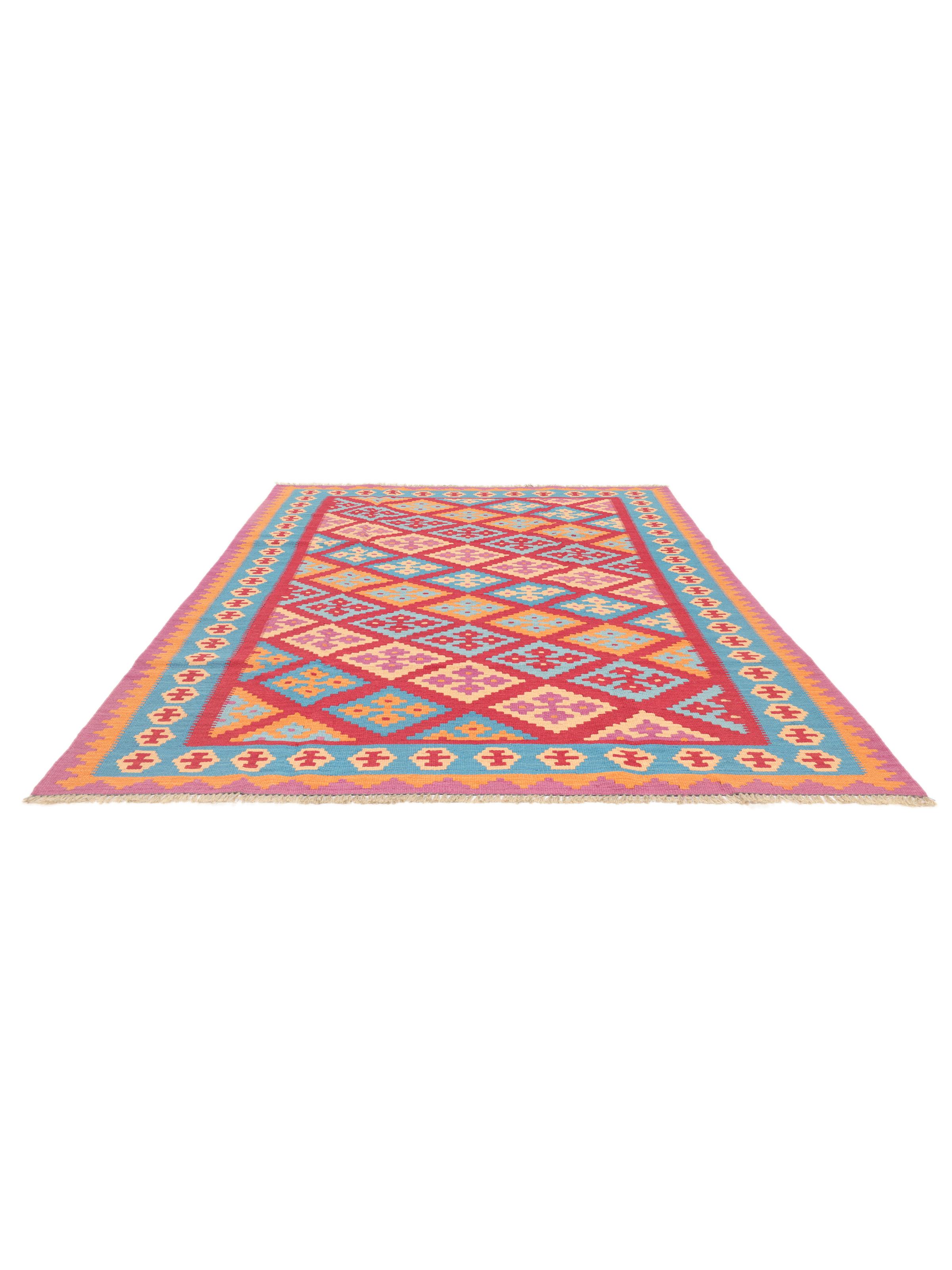
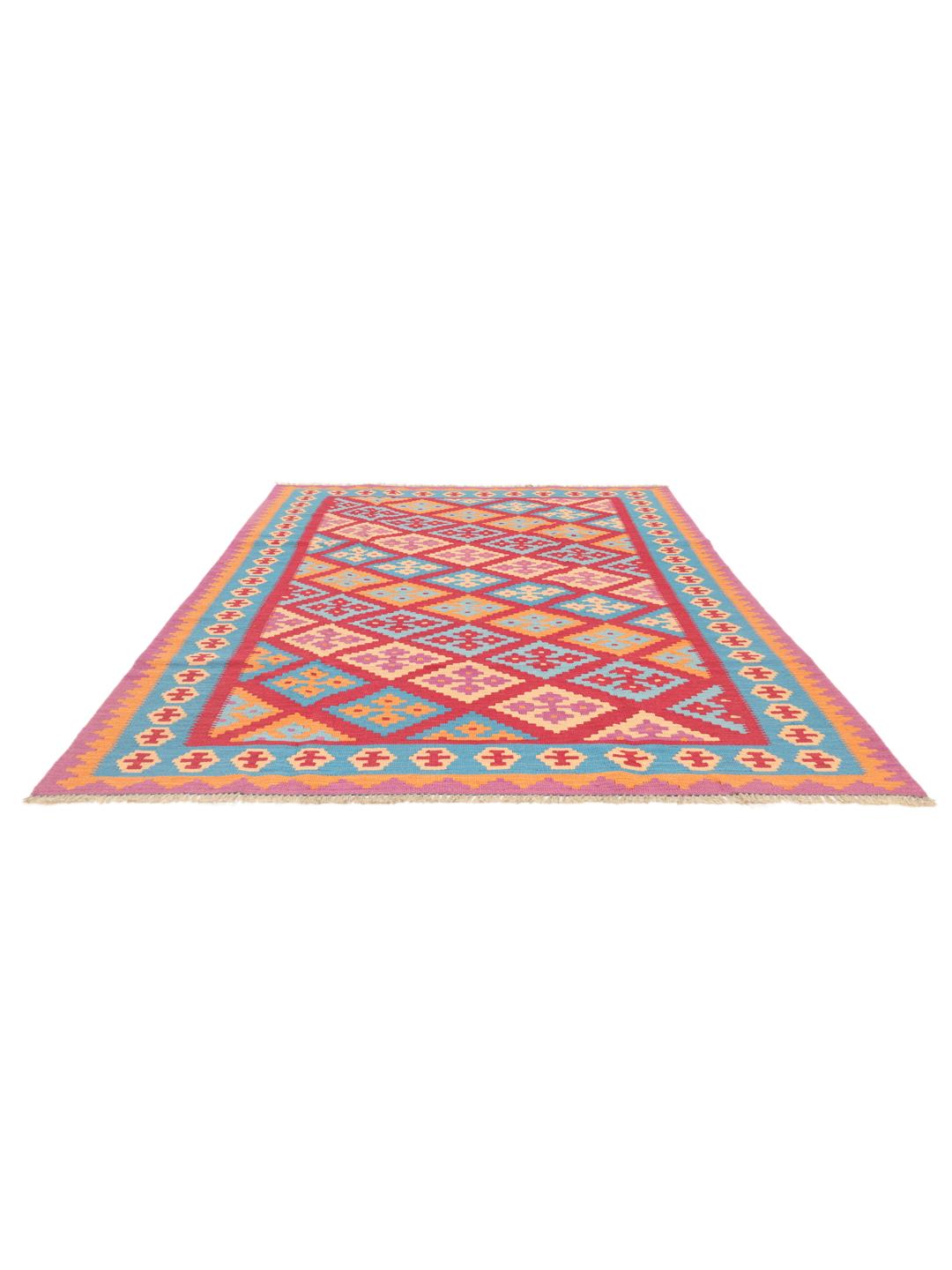
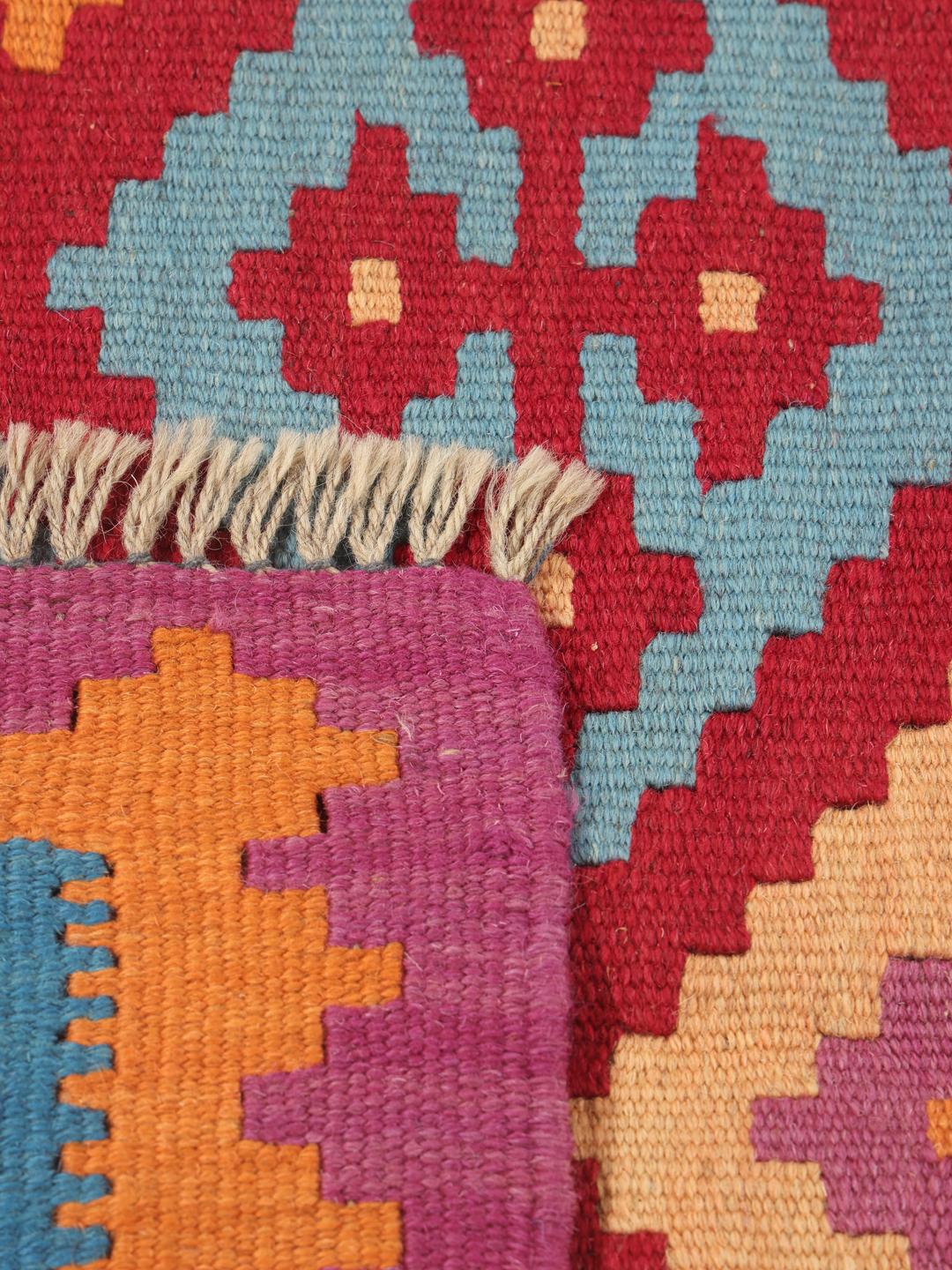
Kelim Ghashghai rugs originate from the nomadic tribes of the Middle East, specifically the Ghashghai people who have historically migrated through the rugged landscapes of the region. These textiles were originally designed to be functional, portable, and durable, serving as floor coverings, blankets, or saddlebags for nomadic life. They reflect a deep connection to the land and the cultural narratives of the tribes who weave them.
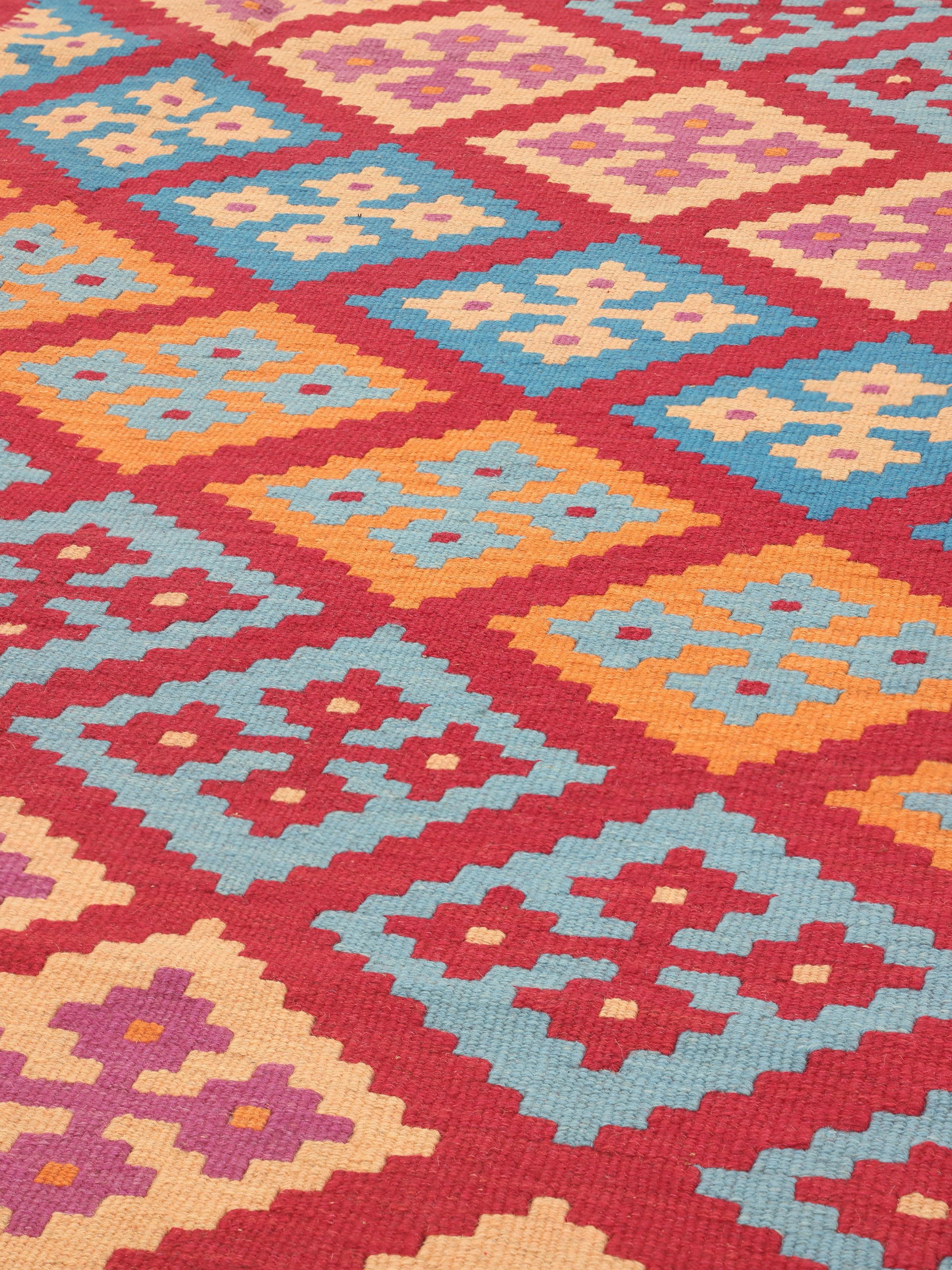
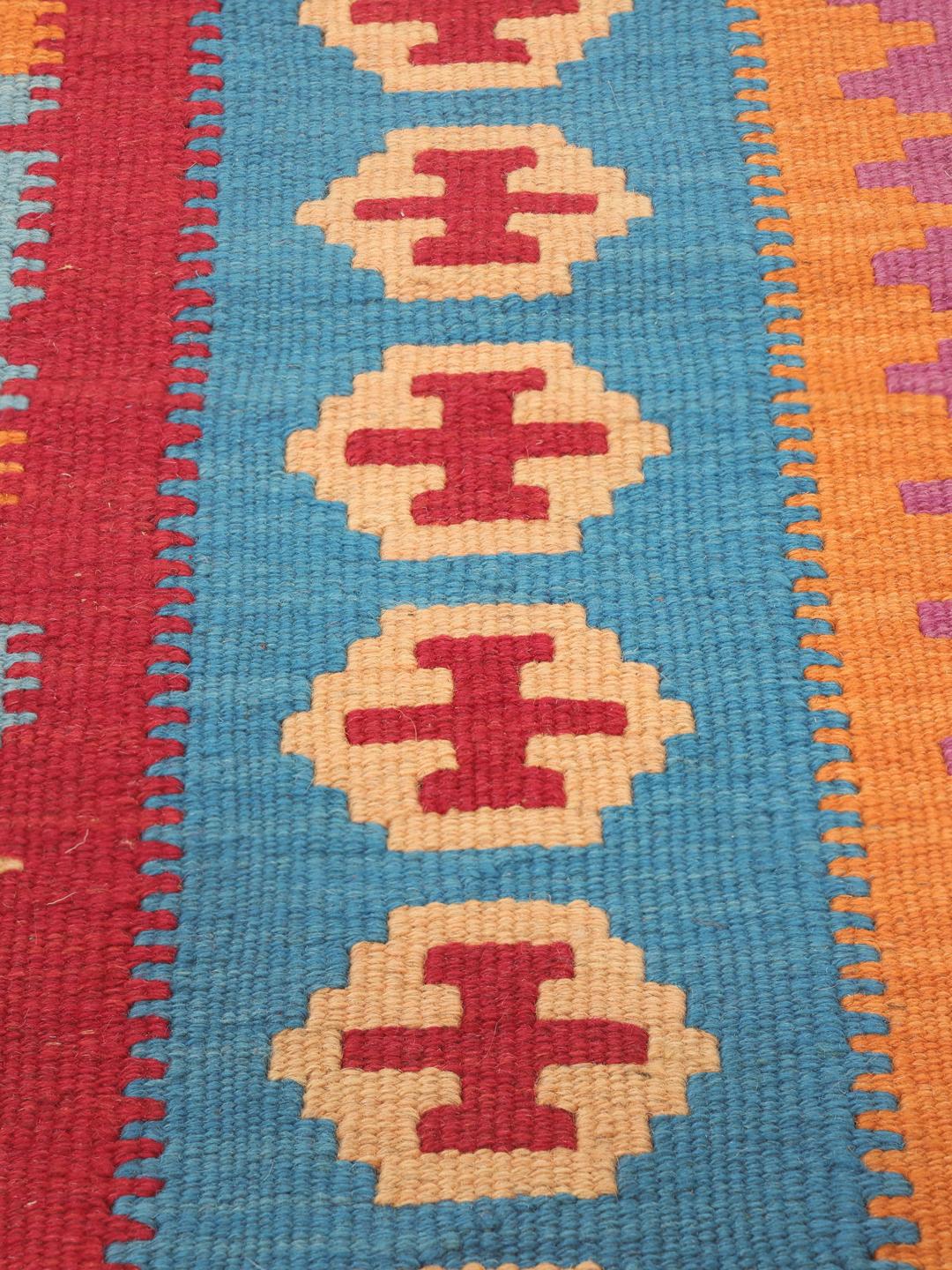
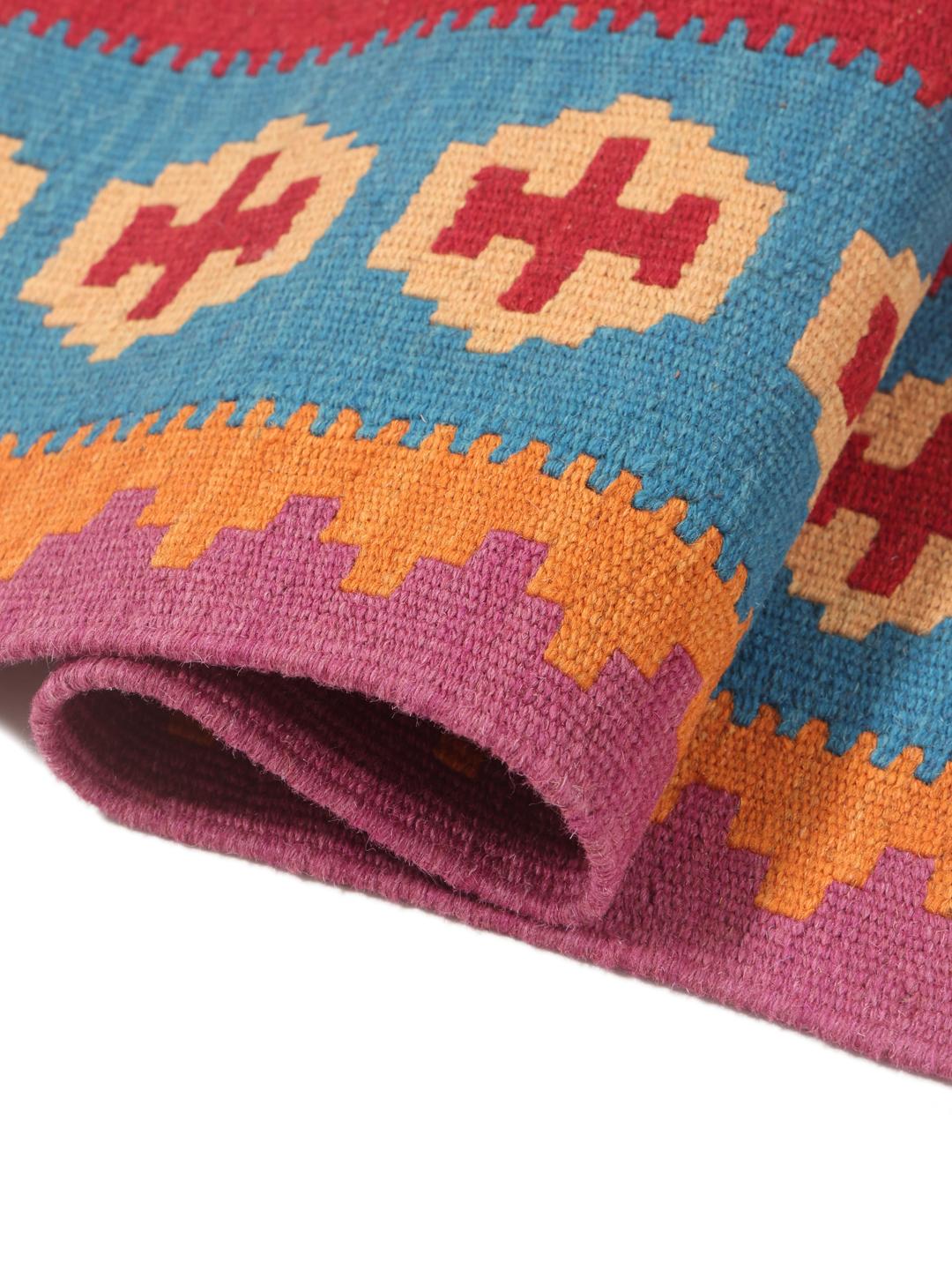
The term 'Kelim' refers to a flat-woven technique, meaning these rugs do not have a knotted pile. Instead, the weft threads are passed through the warp threads to create the pattern, resulting in a lightweight yet exceptionally strong textile. This technique allows for sharp, crisp geometric designs and a reversible nature, making them highly practical and prized for their intricate, clean lines.
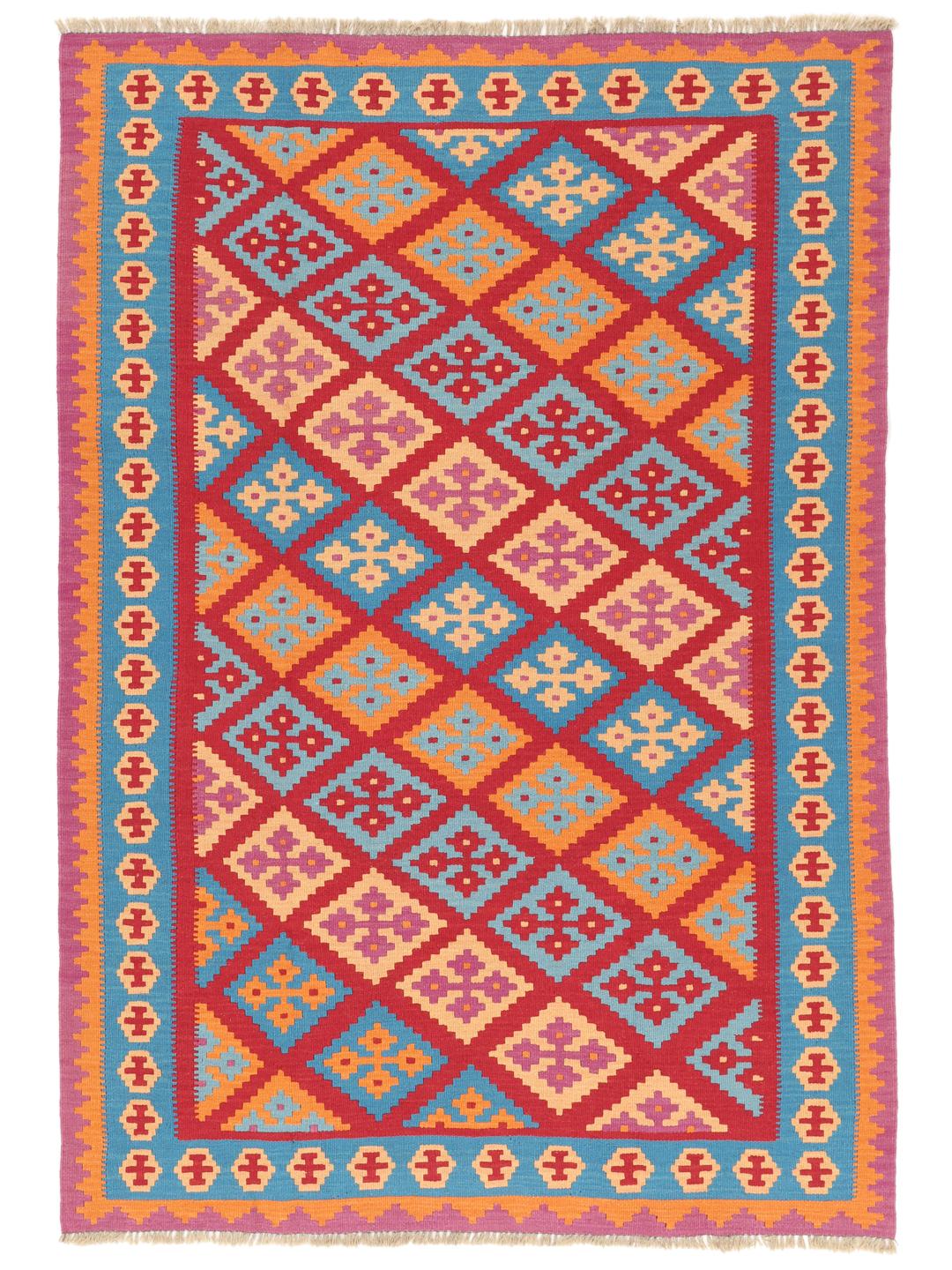
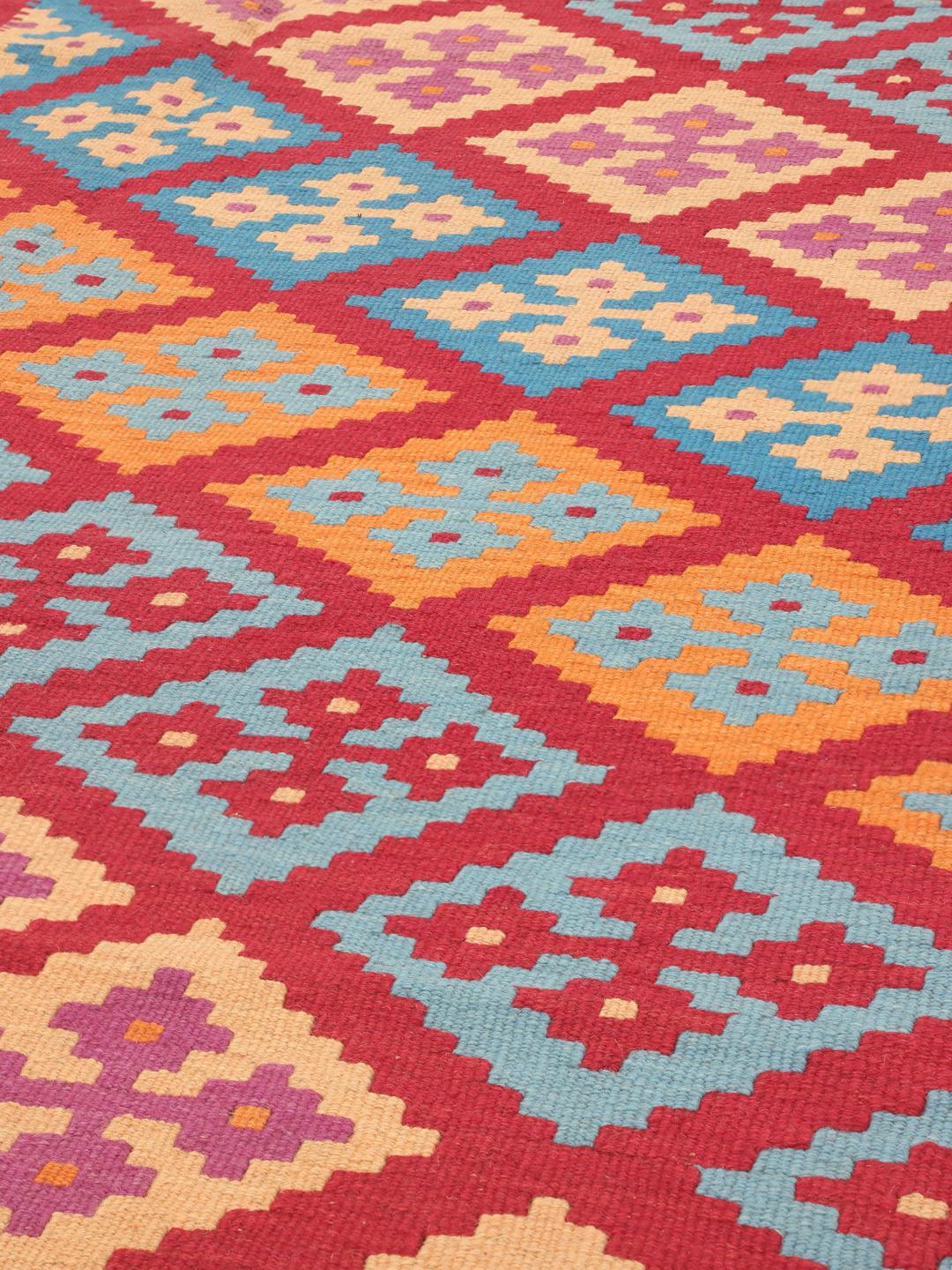
Signature design elements of the Ghashghai tradition often include bold geometric medallions, diamond motifs, and stylized floral or tribal symbols. The use of vibrant, saturated colours is a hallmark of this style, often derived from natural dyes that age beautifully over time. Each pattern is a visual language, often incorporating symbols that represent the weaver's environment, hopes, and tribal identity.
Today, these rugs are highly sought after by collectors who value the authenticity and human touch behind each piece. Owning a Kelim Ghashghai is an opportunity to preserve a living craft tradition. These rugs are not just decor but symbols of cultural heritage, representing a level of skill and artistic freedom that is increasingly rare in our modern world.