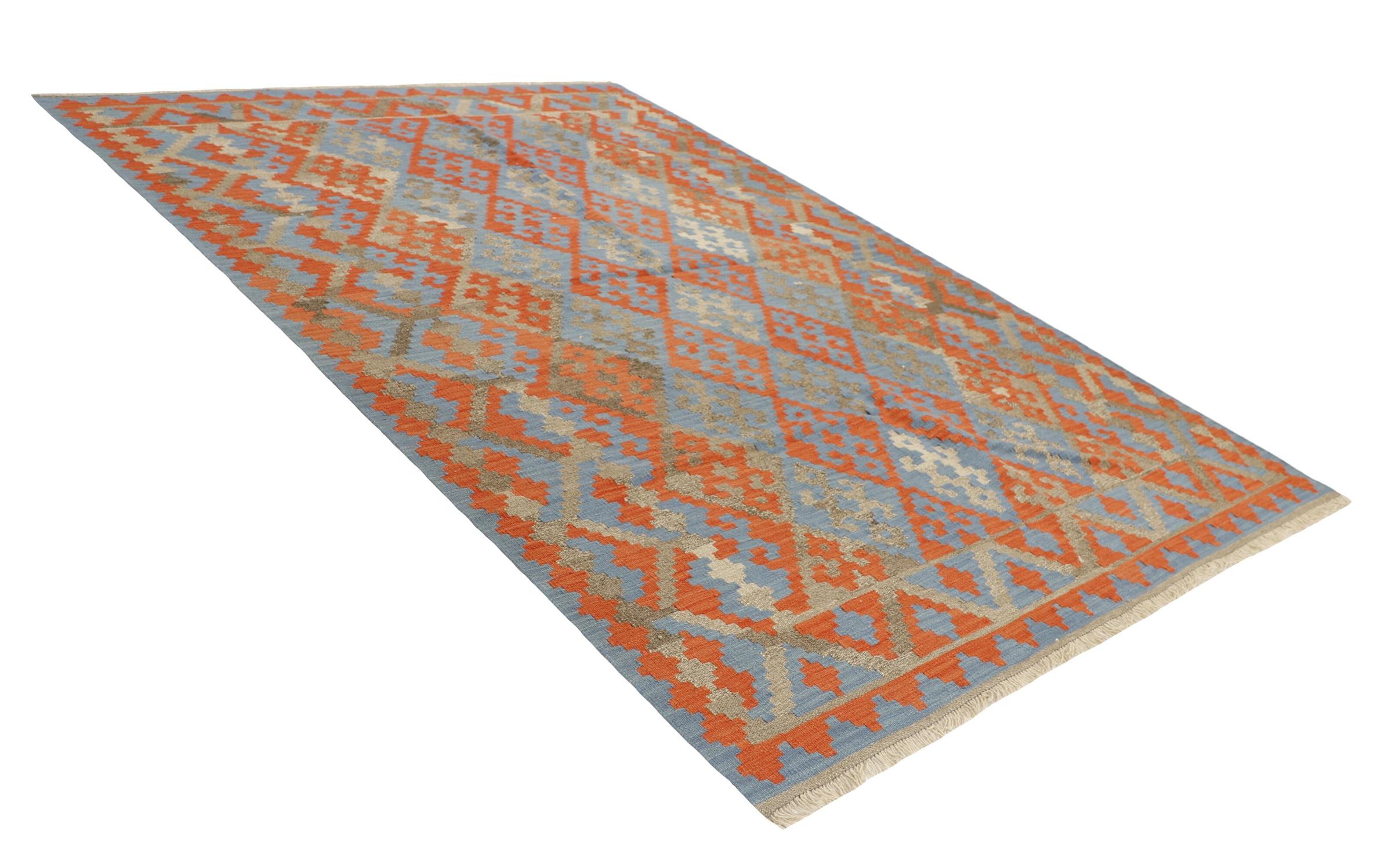
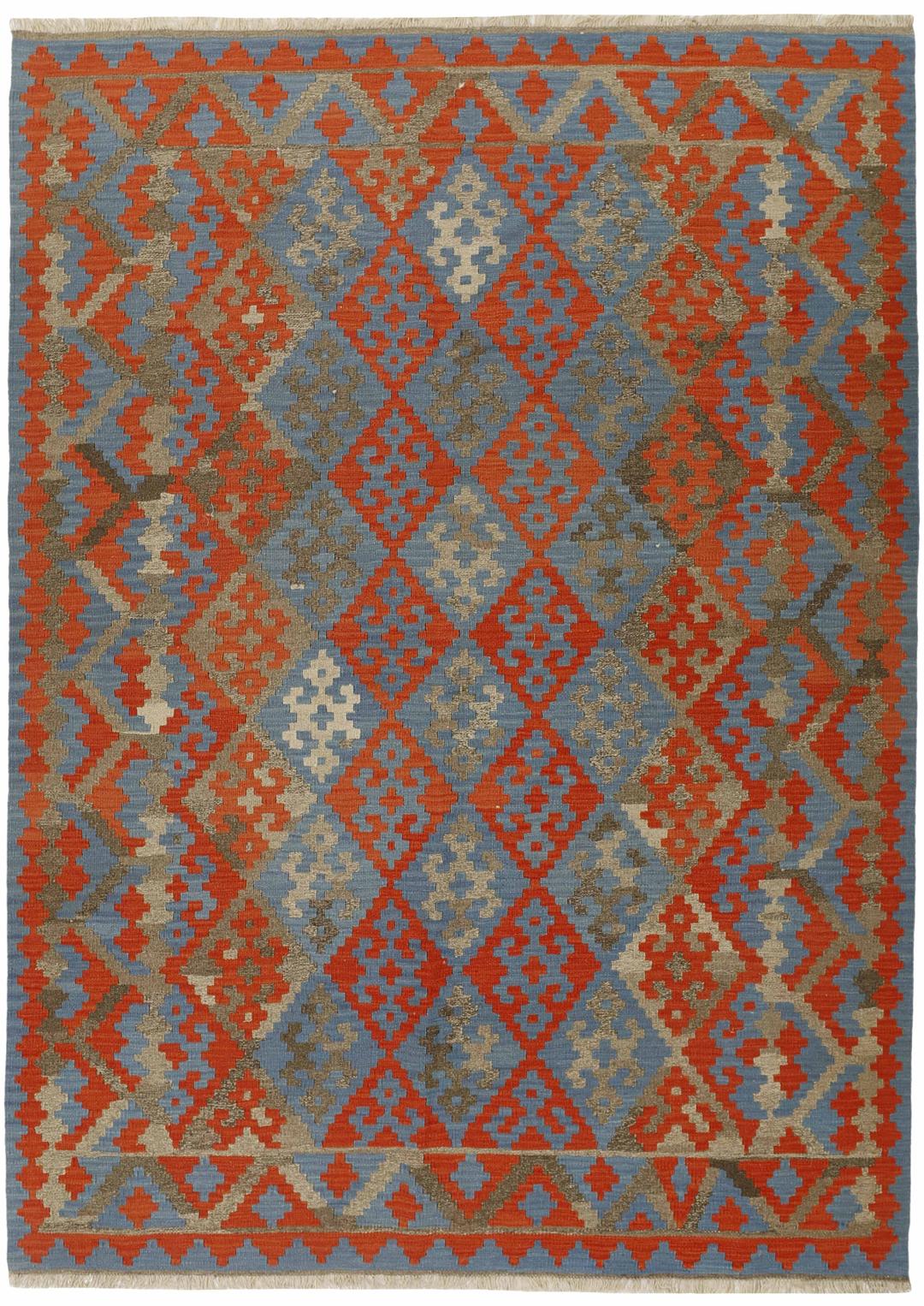
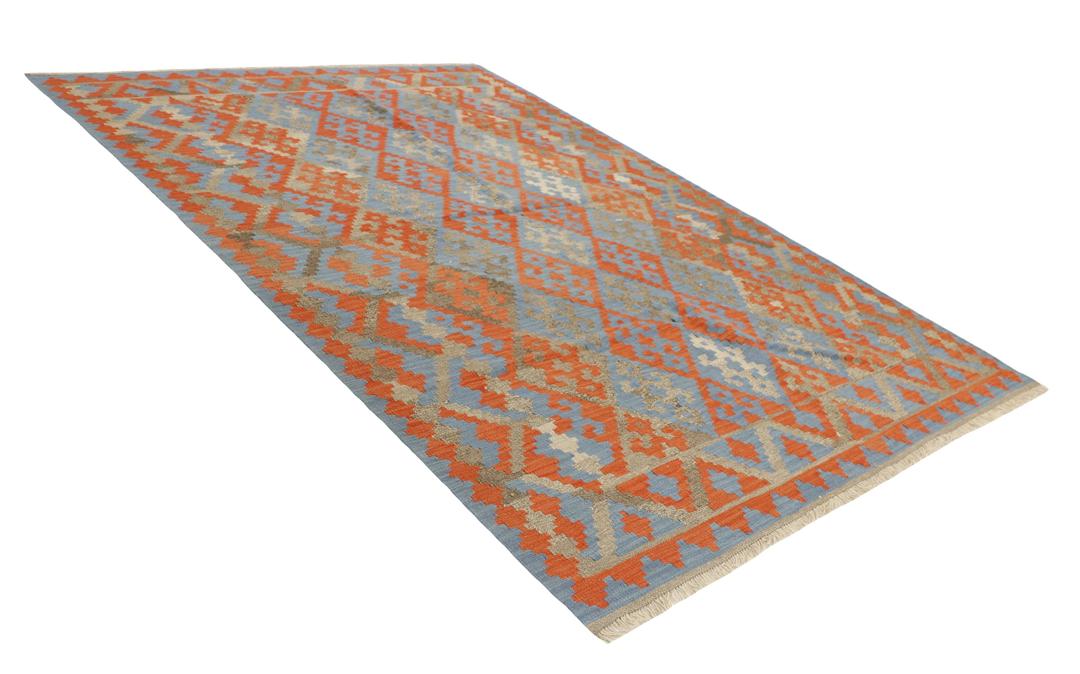
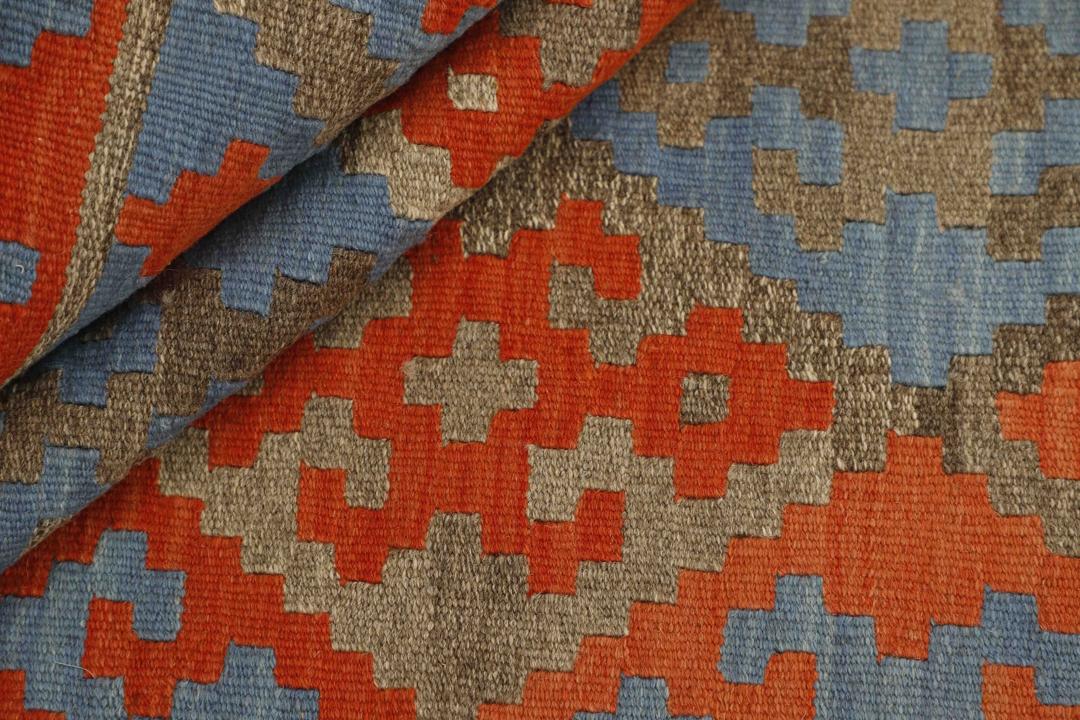
The Kilim Qashqai tradition originates from the nomadic tribes of the Middle East, a region with a deep-rooted history of textile artistry. For generations, these tribes have moved across the rugged landscapes, carrying their weaving looms with them. This nomadic lifestyle necessitated the creation of lightweight, durable, and functional textiles that could serve as floor coverings, blankets, or wall hangings, eventually evolving into the iconic flat-weave rugs we admire today.
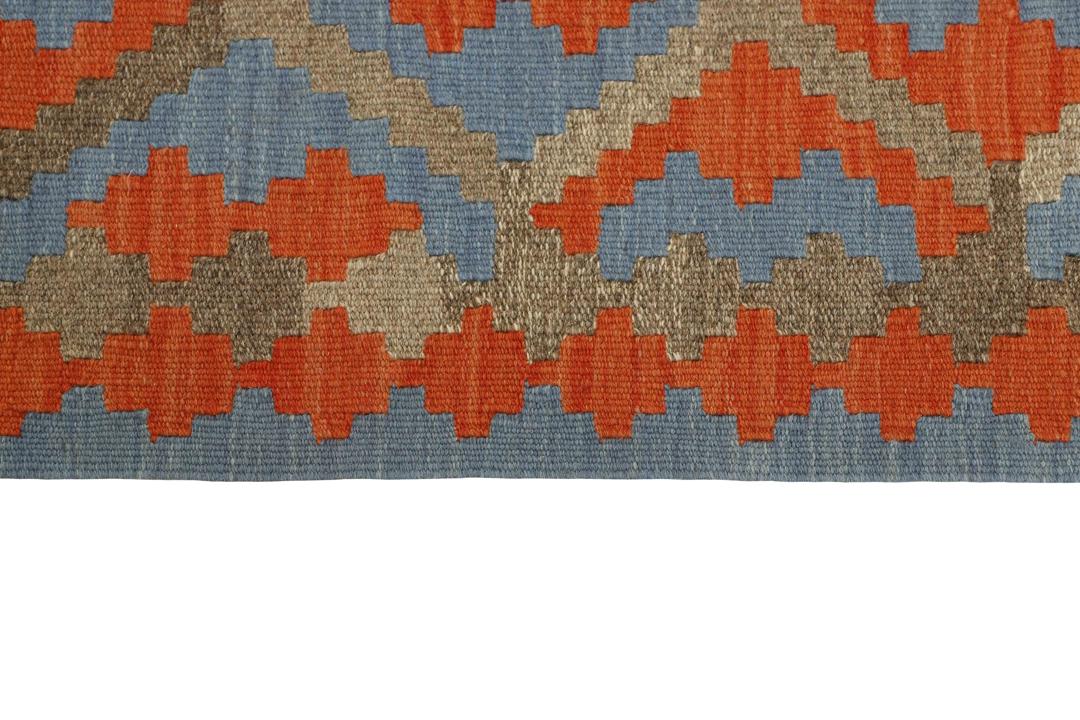
The term Kilim refers to a specific style of flat-weaving where no pile is created, resulting in a thin, reversible rug that is lightweight yet incredibly strong. This technique relies entirely on the interlocking of the horizontal threads with the vertical ones, creating a tapestry-like surface. The quality of a Kilim is often judged by the tightness of the weave and the precision of the pattern transitions, which require a high level of technical mastery to execute without gaps or irregularities.
Signature design elements of the Qashqai tradition often include bold geometric shapes, such as the repeating diamonds seen here, and a vibrant colour palette derived from natural dyes. These motifs are not merely decorative but are deeply symbolic, often reflecting the tribal identity, local landscapes, and the spiritual beliefs of the weavers. The use of repeating patterns creates a sense of rhythm and movement, which is a hallmark of the sophisticated visual language developed by these artisan communities.
Collecting a Kilim Qashqai is an investment in cultural heritage and human skill. These rugs are highly valued for their authenticity and the unique narrative each piece holds. By owning one, you are not just acquiring a floor covering but preserving a craft tradition that has survived for centuries. It is a testament to the enduring beauty of hand-wrought objects and the importance of supporting traditional artistry in the modern world.