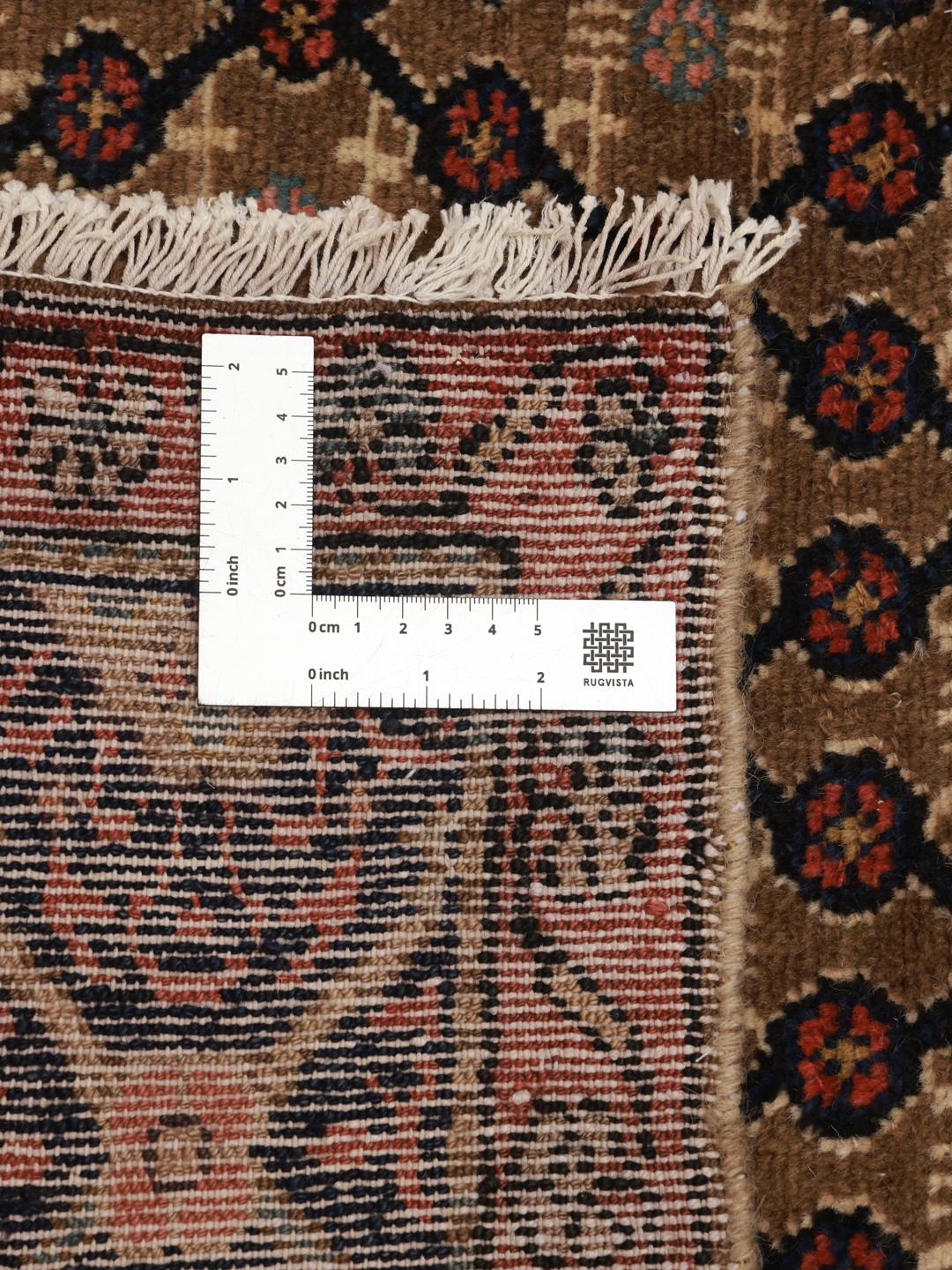
Koliai rugs originate from the mountainous regions of the Middle East, where they have been produced for generations by the Kurdish tribes. These rugs are deeply rooted in a culture that values both utility and artistic expression, with designs often passed down through families. The rugged landscape and nomadic history of these tribes have influenced the sturdy, reliable nature of these textiles, which were originally created to provide insulation and comfort in harsh climates.
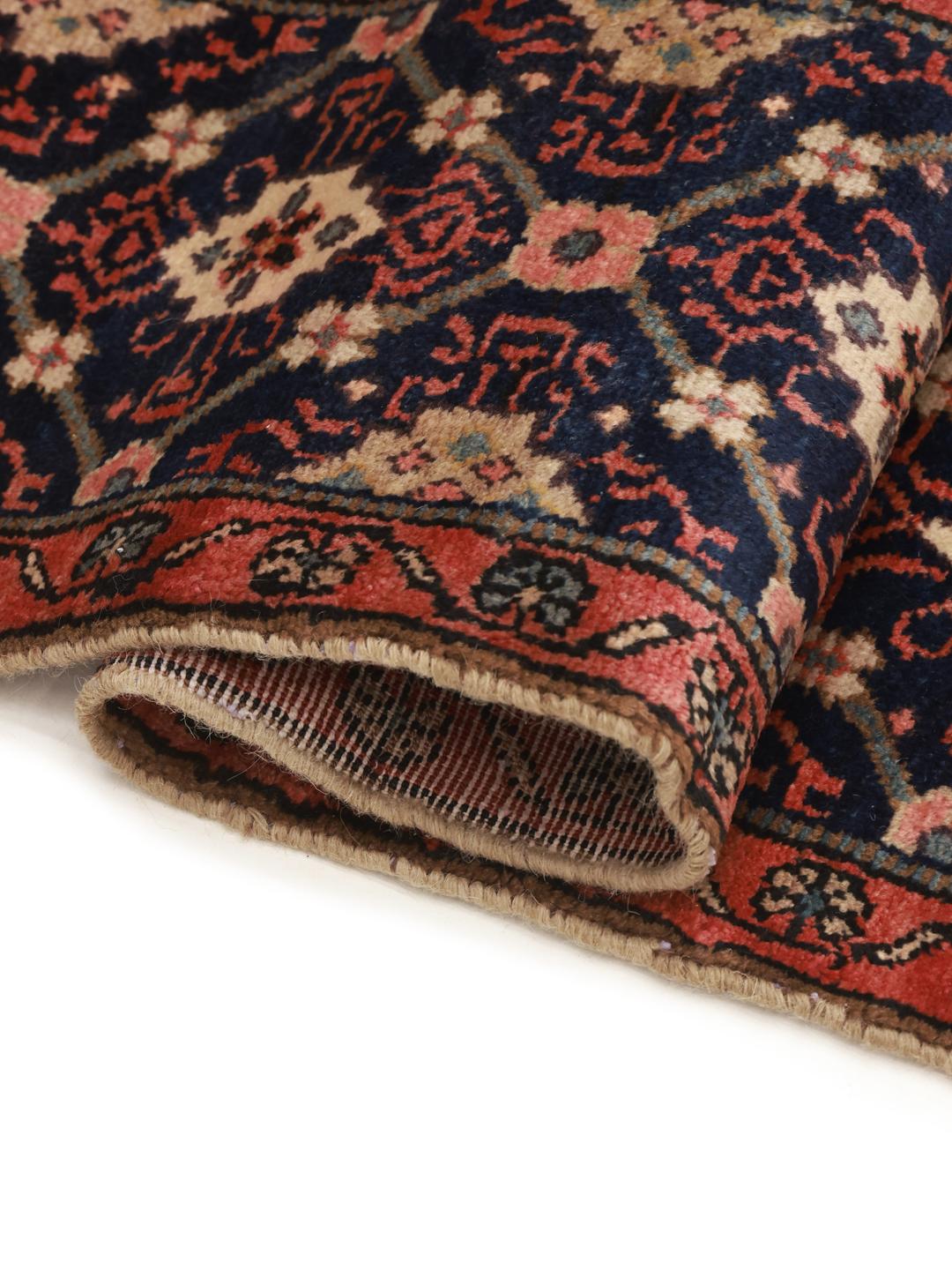
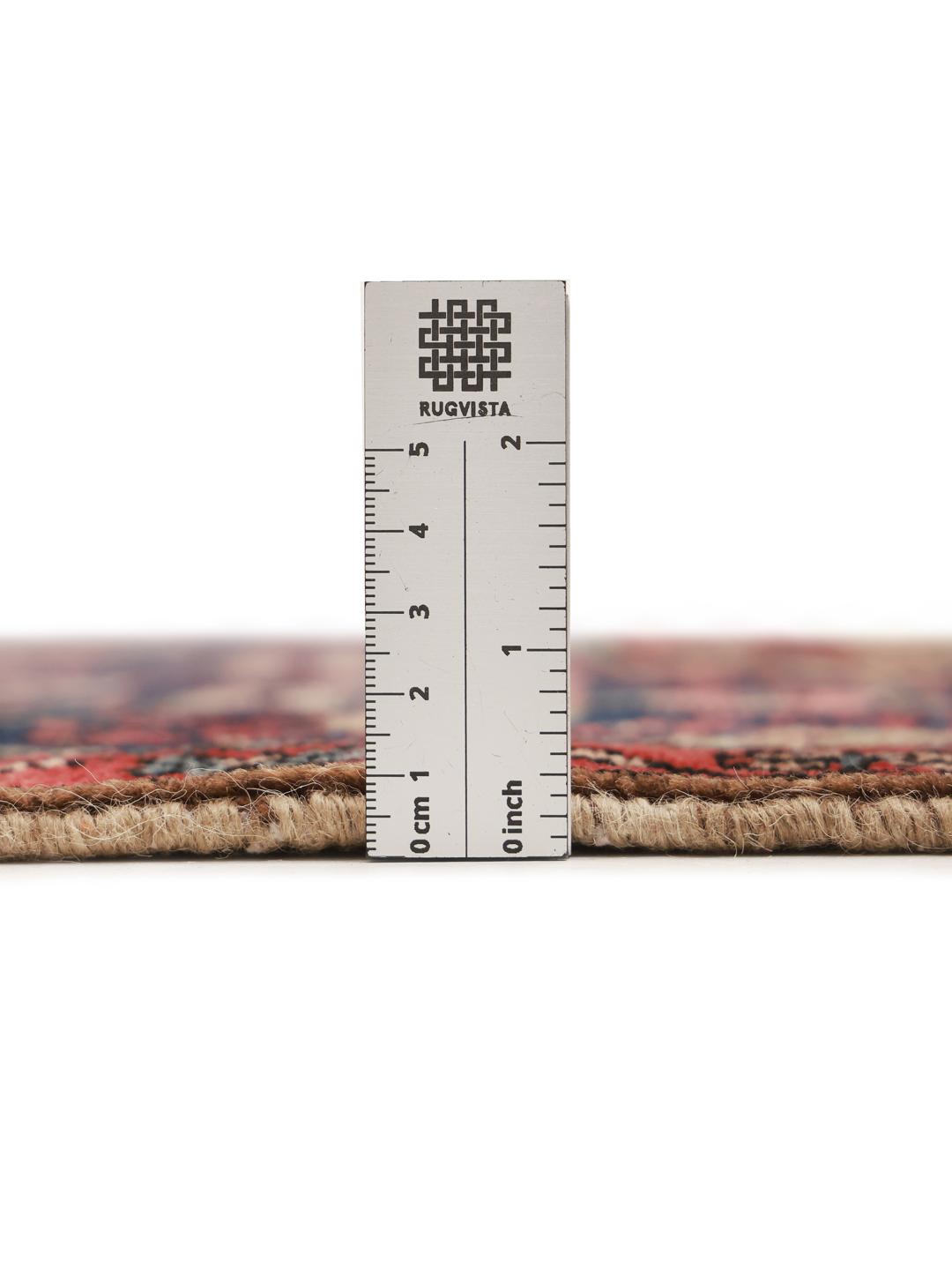
The term 'Koliai' refers to the specific tribal group responsible for this style, known for their distinct approach to weaving. These rugs are typically characterised by a robust construction that prioritises durability. The use of high-quality wool, often sourced from local flocks, creates a pile that is not only soft but also incredibly long-lasting. This focus on material quality is a defining feature of the tradition, ensuring that each piece can handle the rigours of daily life while retaining its character.
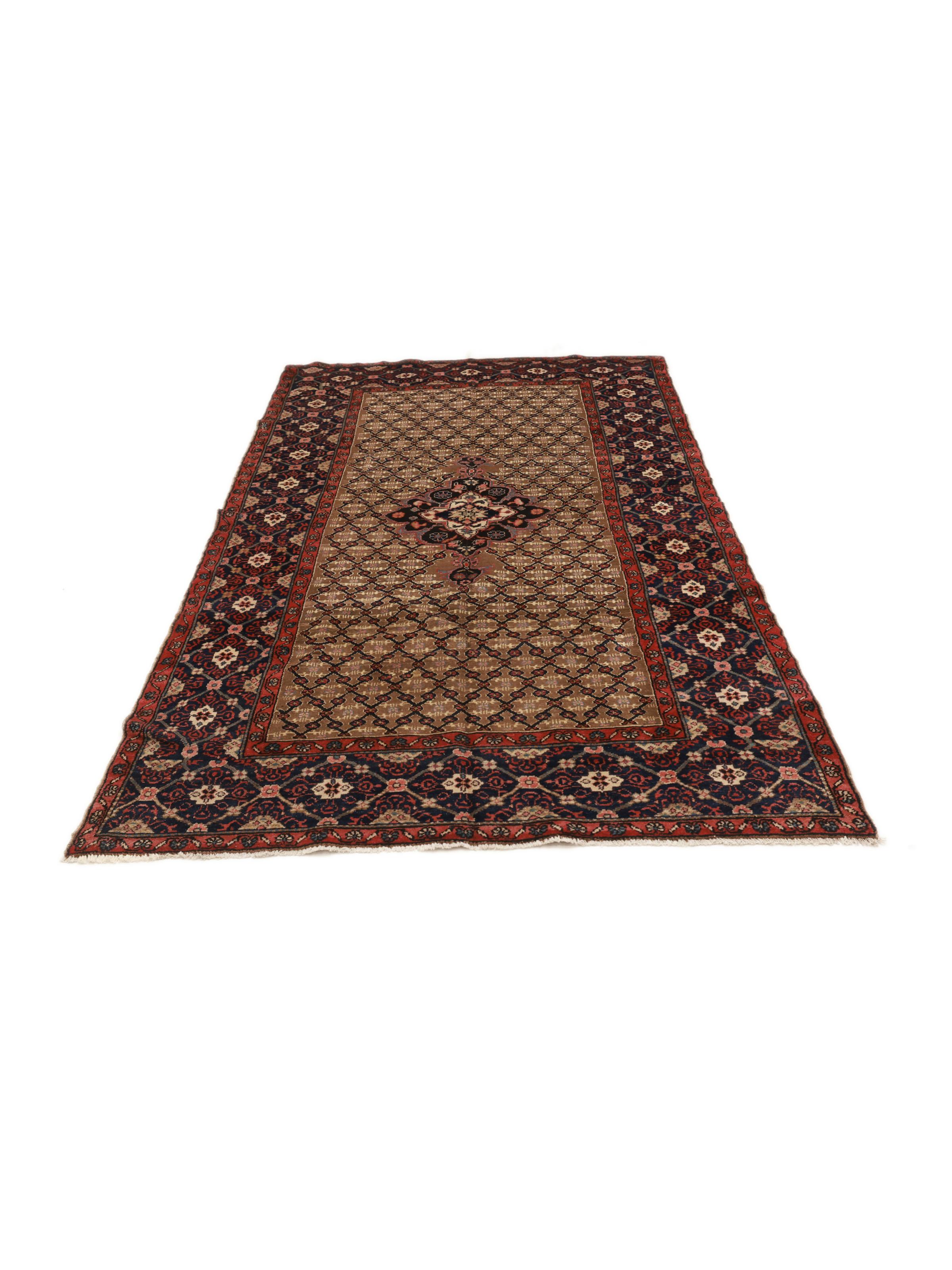
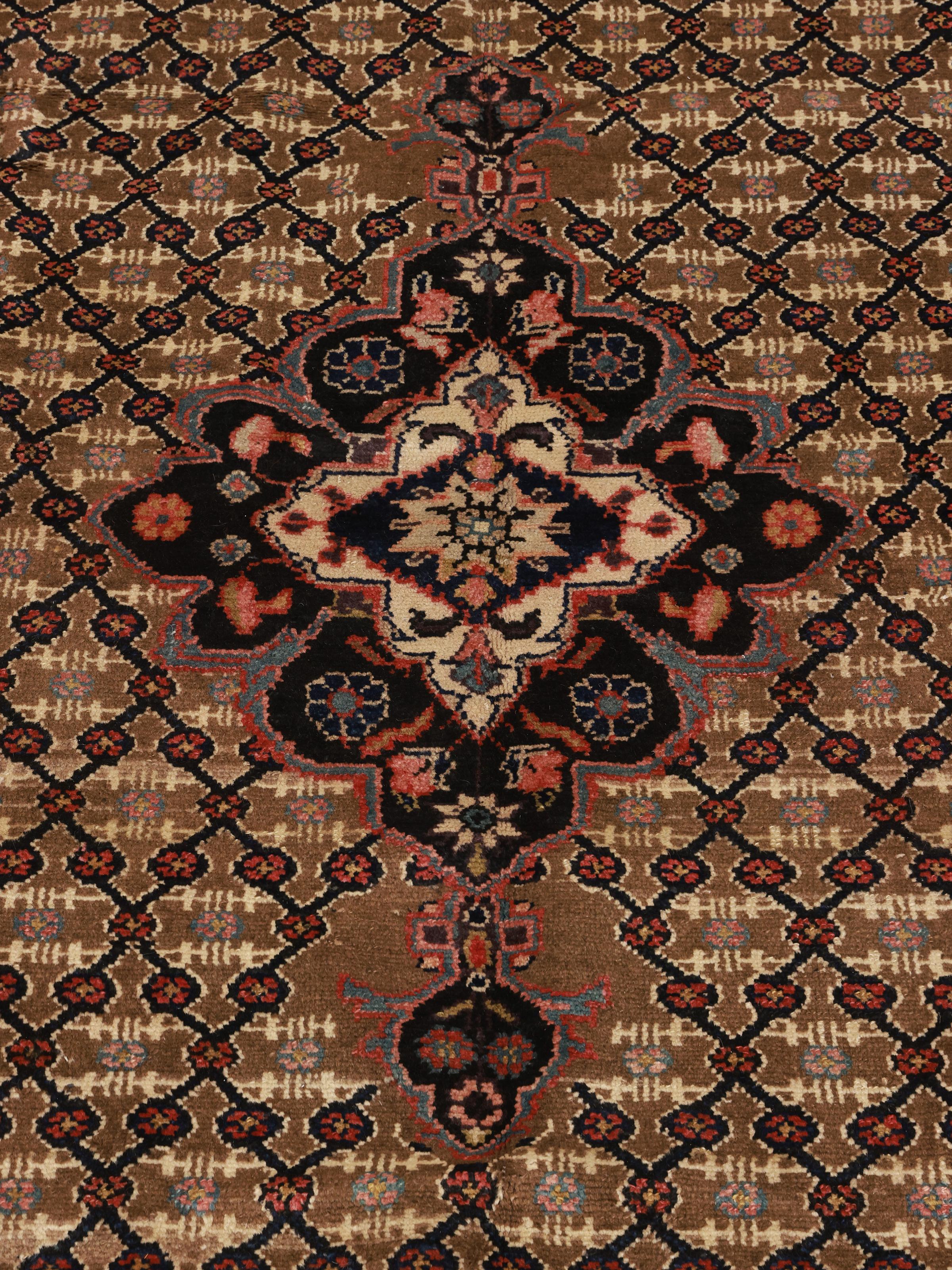
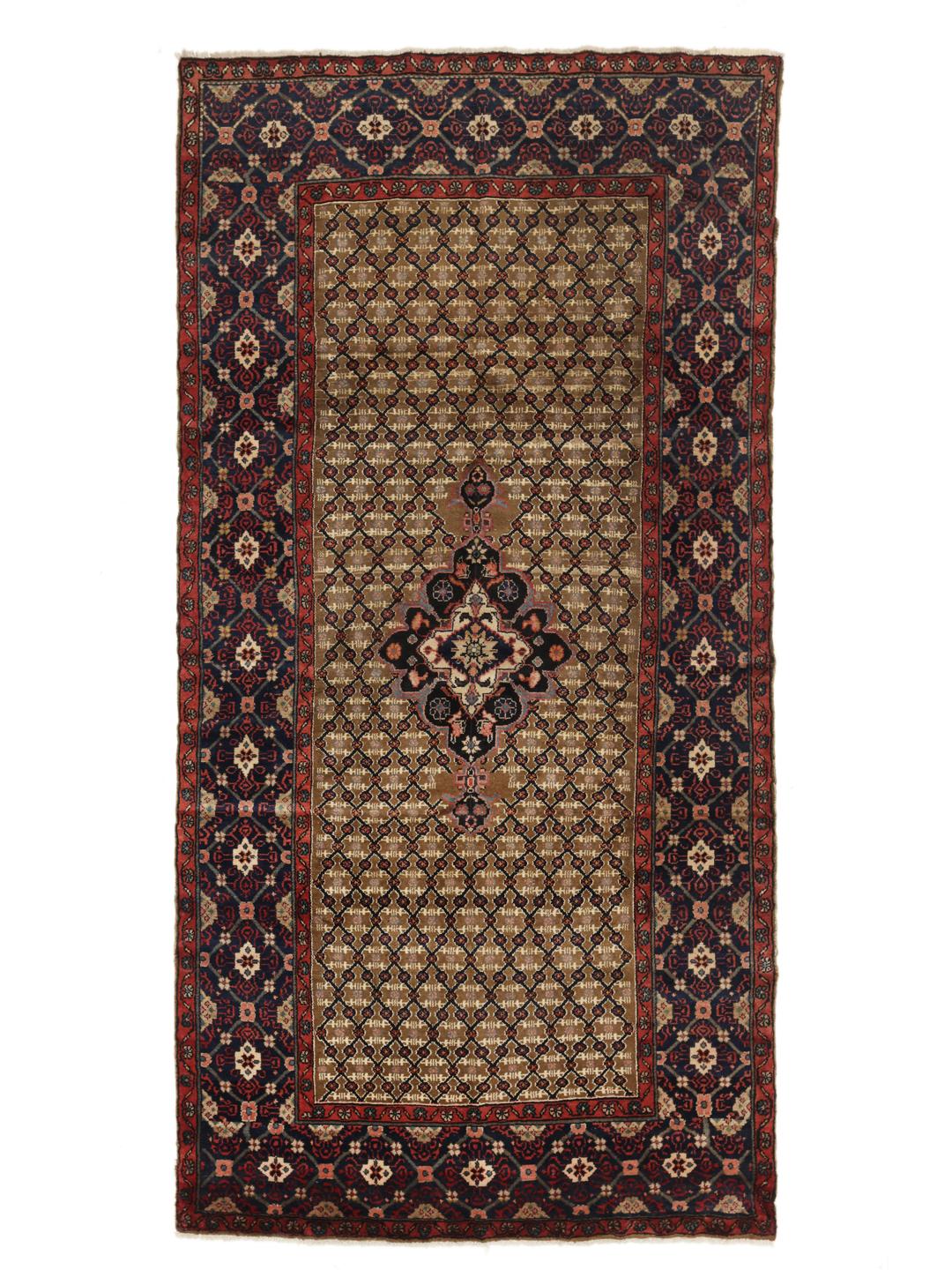
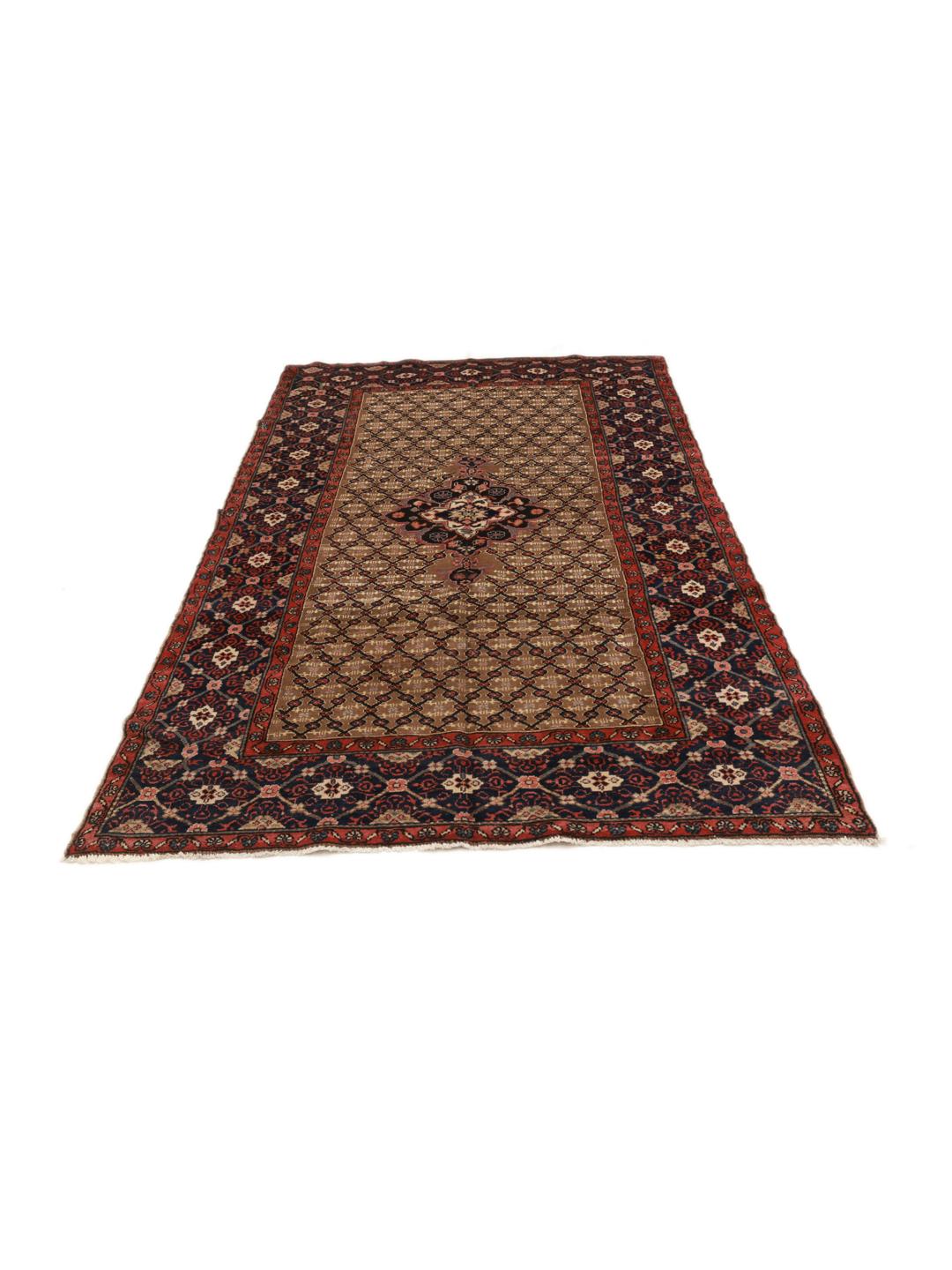
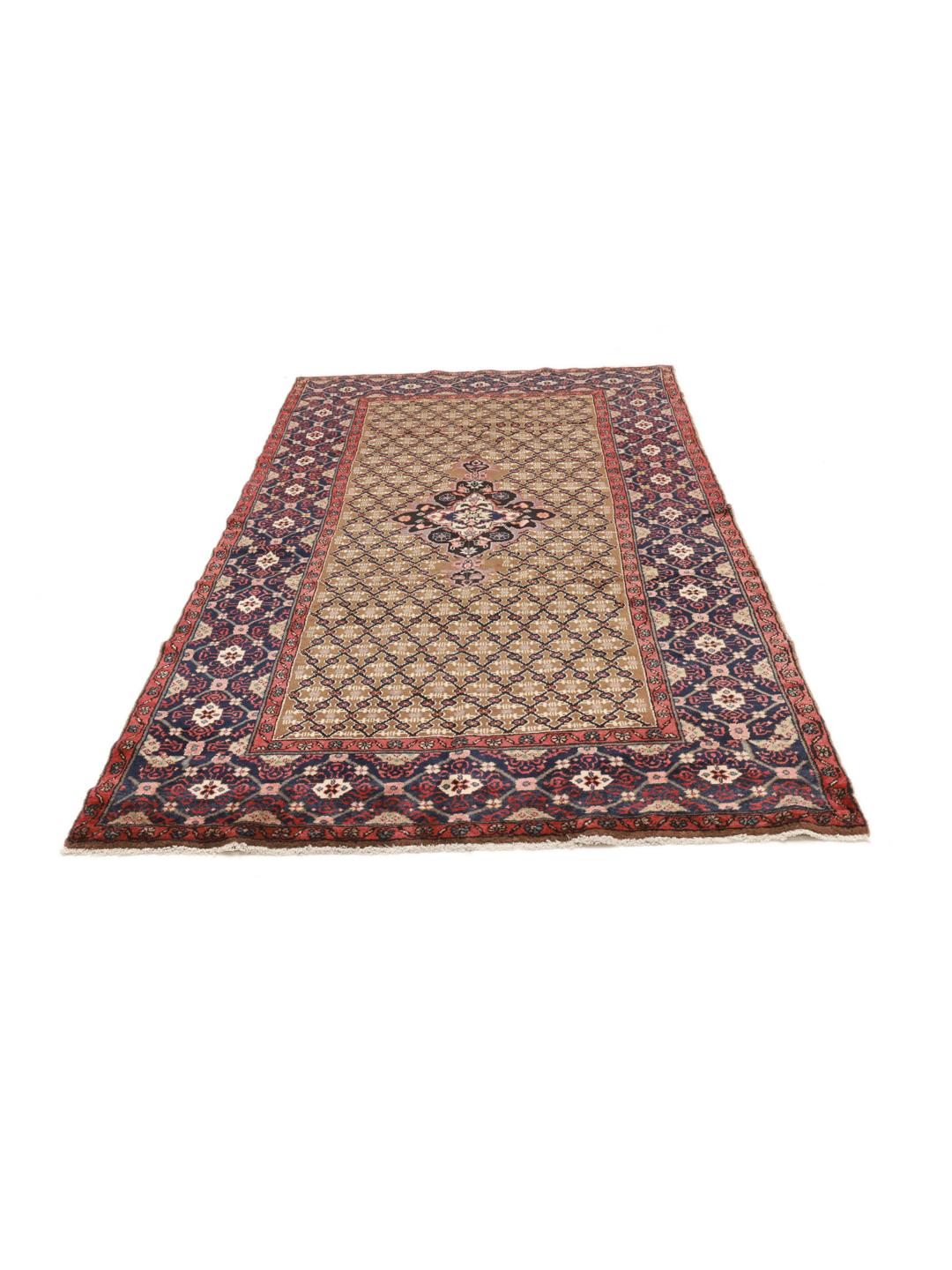
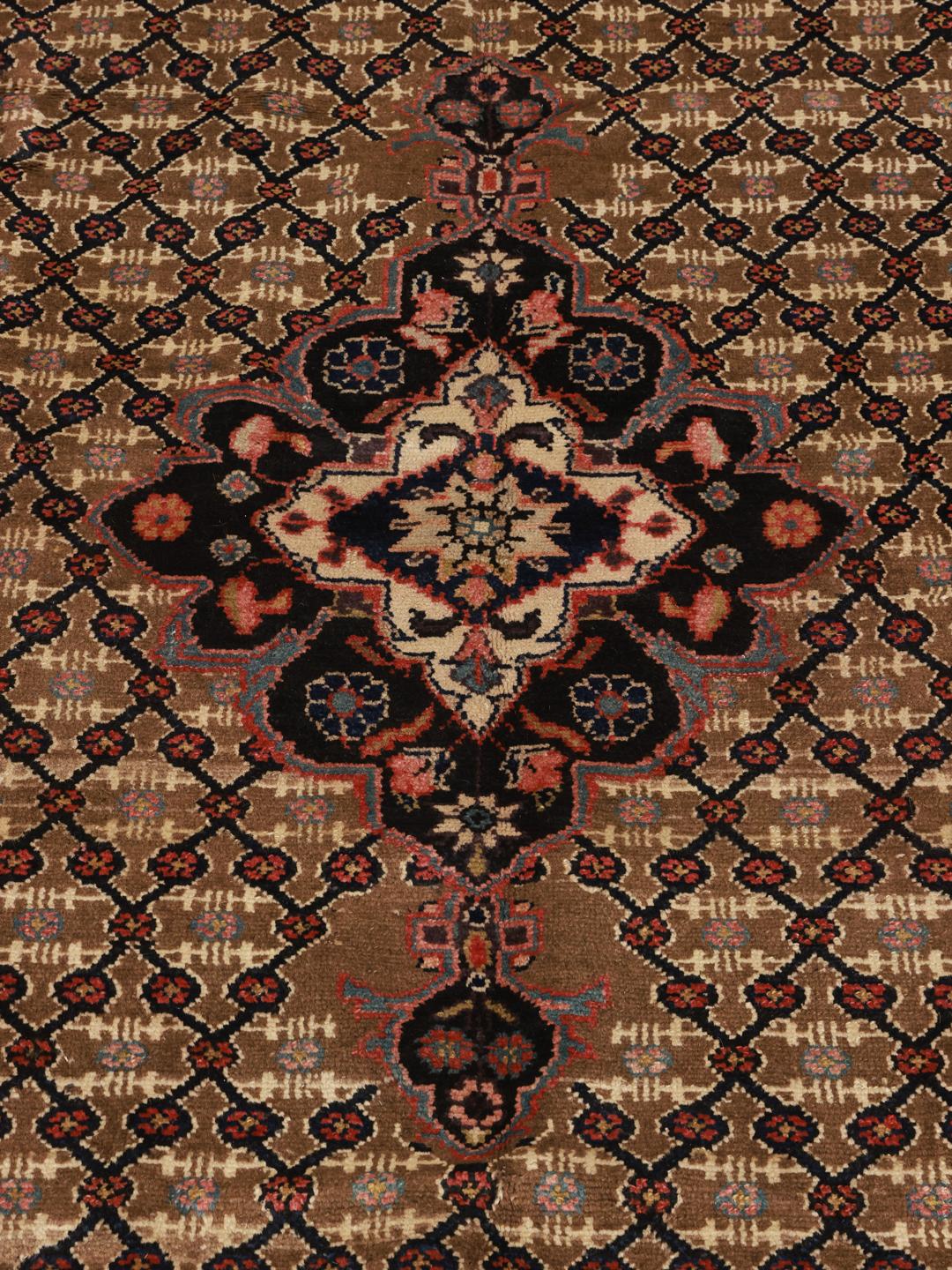
Visually, Koliai rugs are known for their bold, geometric motifs and rich, earthy colour palettes. The central medallion is a classic signature of the style, often surrounded by a field filled with repeating patterns that showcase the weaver's creativity. The borders are typically well-defined, framing the central design and adding a sense of structure to the overall composition. These designs are not merely decorative but often carry symbolic meanings related to tribal identity and the natural world.
Owning a Koliai rug is a way to preserve a piece of living history. These rugs are highly valued by collectors for their authenticity and the human effort required to create them. Because they are hand-knotted, they possess a unique character that reflects the individual weaver's interpretation of traditional motifs. By bringing such a piece into your home, you are not only enhancing your living space but also supporting a craft tradition that has remained largely unchanged for centuries.