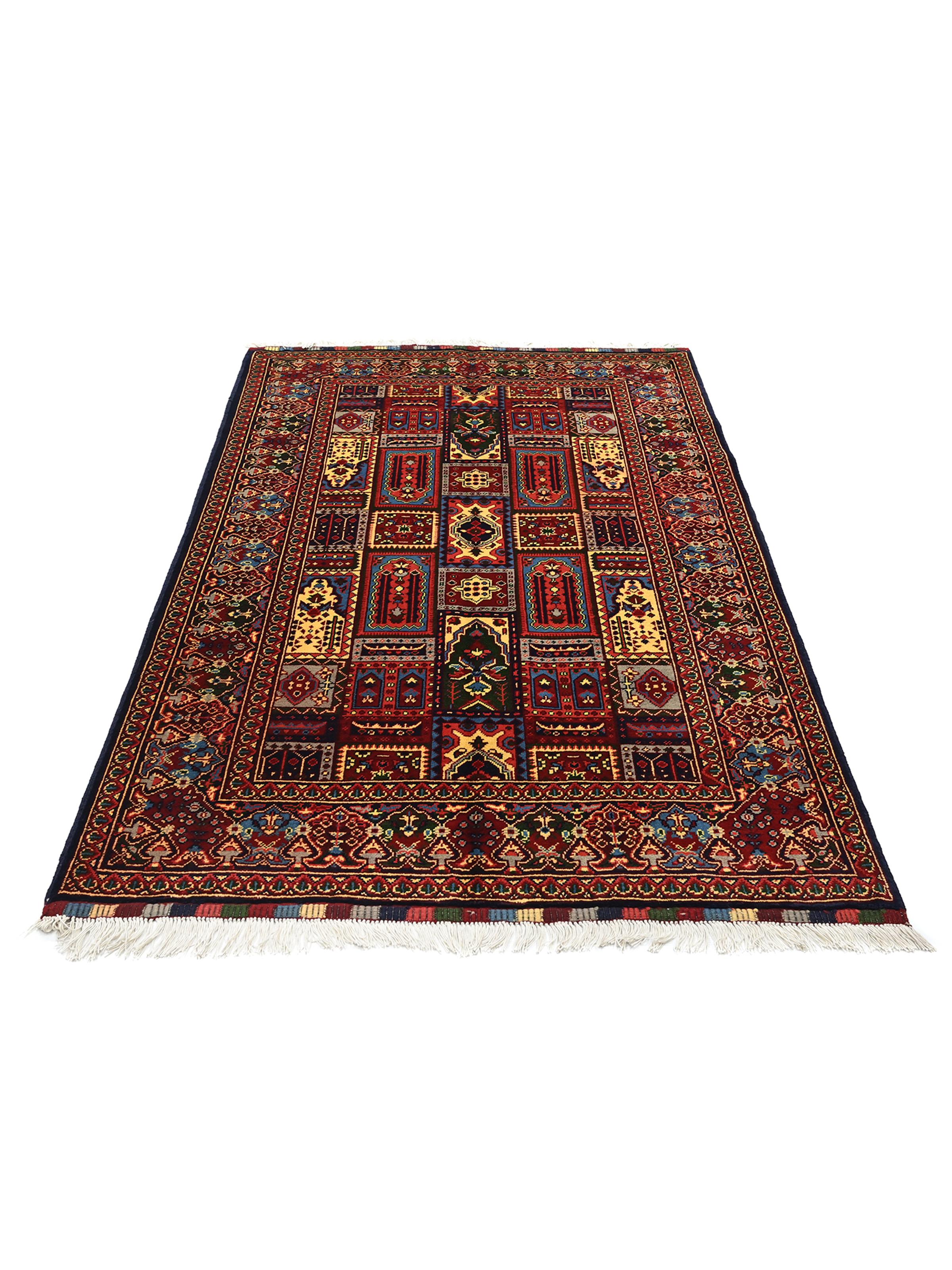
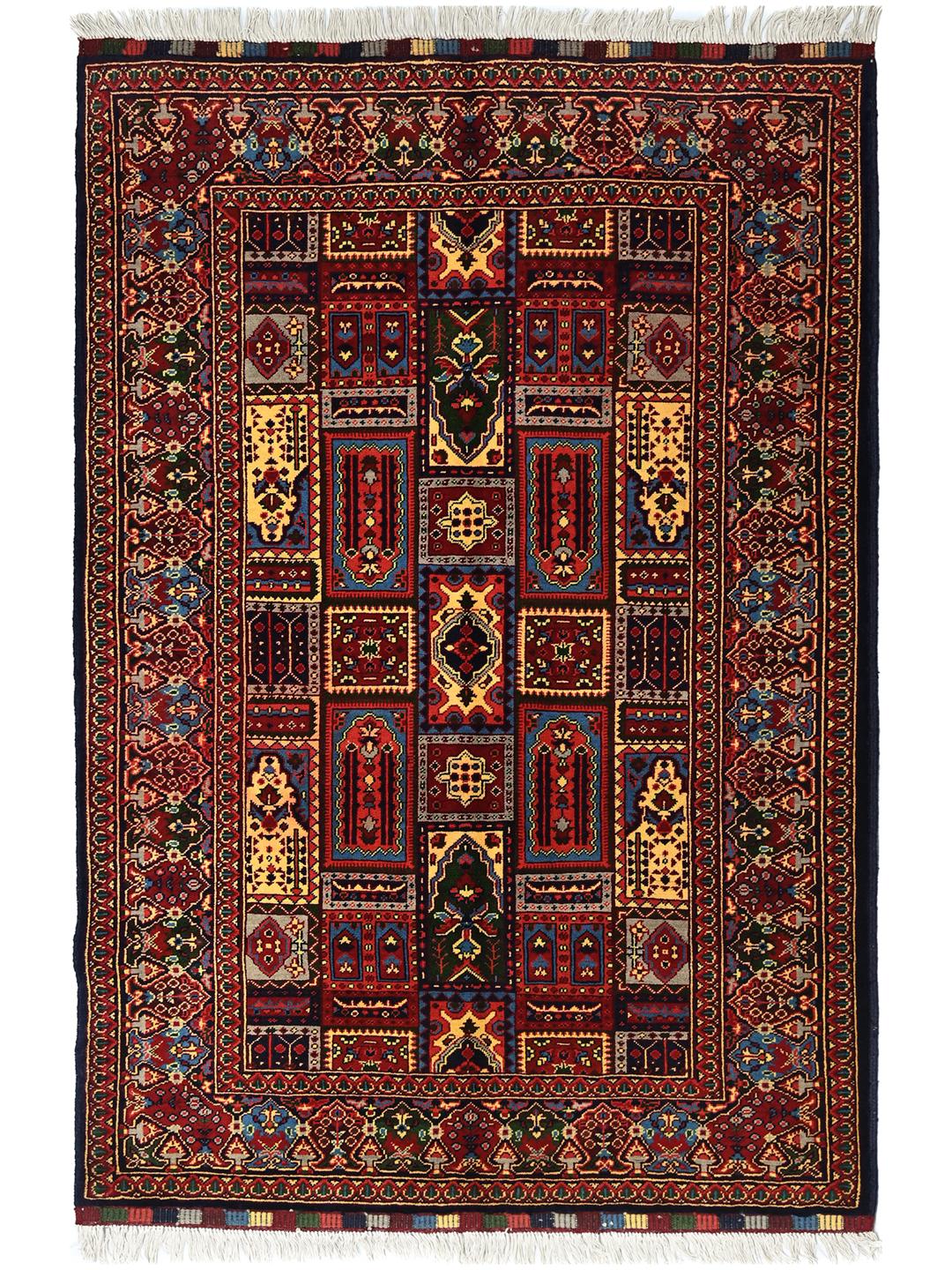
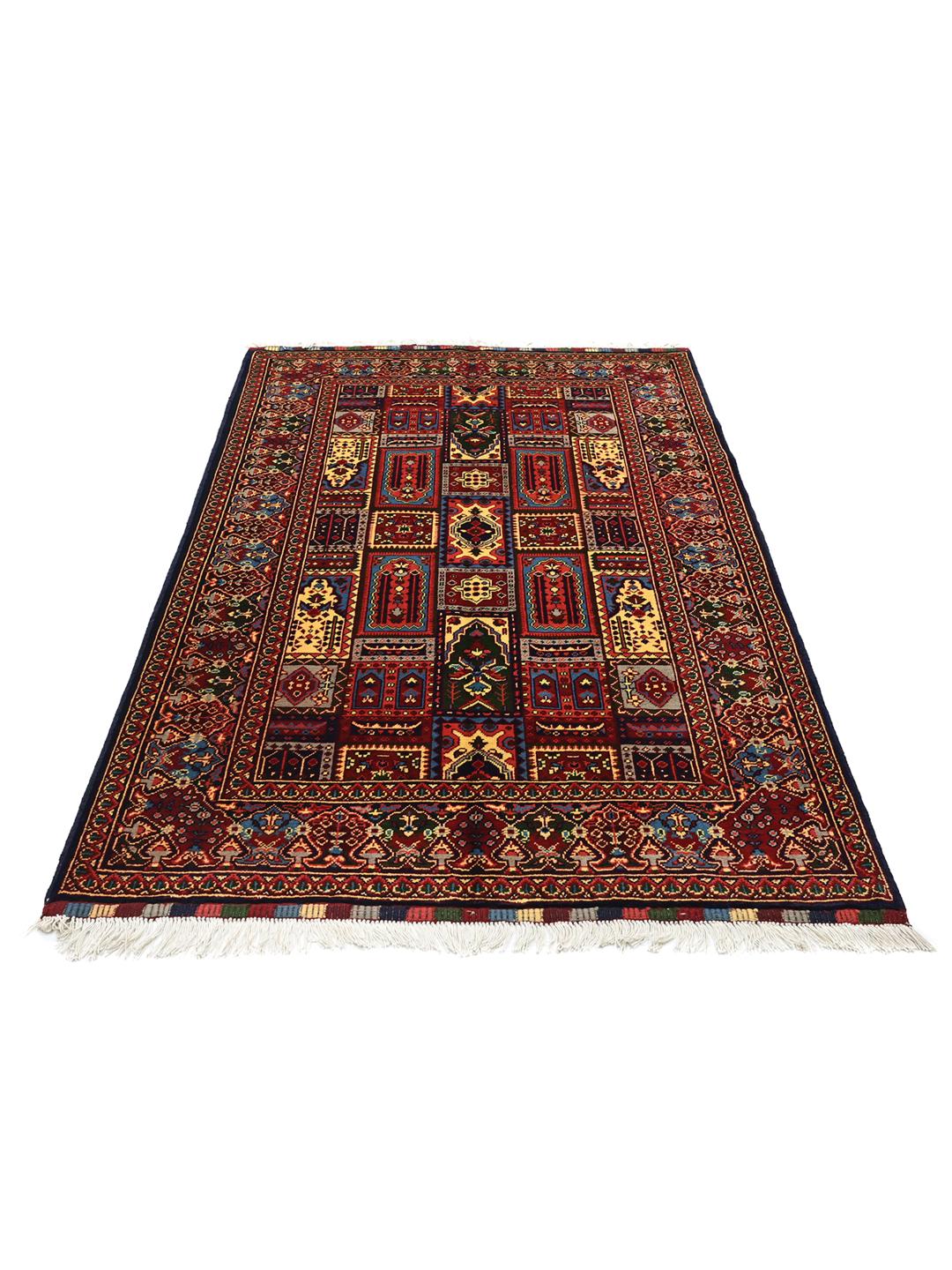
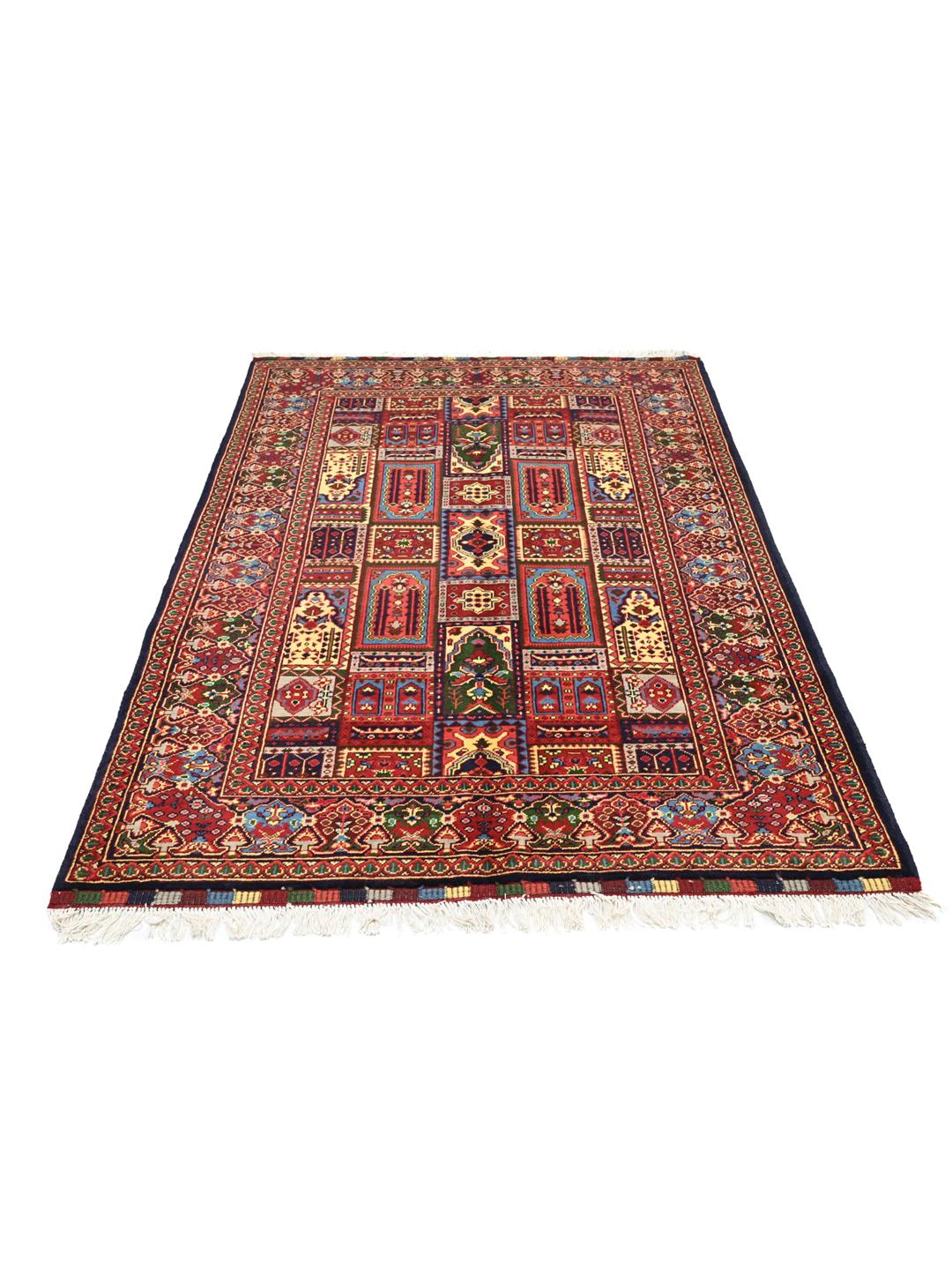
Kunduz rugs originate from the northern regions of Afghanistan, a territory with a long and storied history of nomadic and village weaving. These rugs are deeply influenced by the cultural crossroads of Central Asia, where various tribal traditions have merged over centuries to create a distinct, recognisable aesthetic. The region of Kunduz serves as a vital hub for this craft, where weavers continue to use age-old techniques that reflect their ancestral heritage.
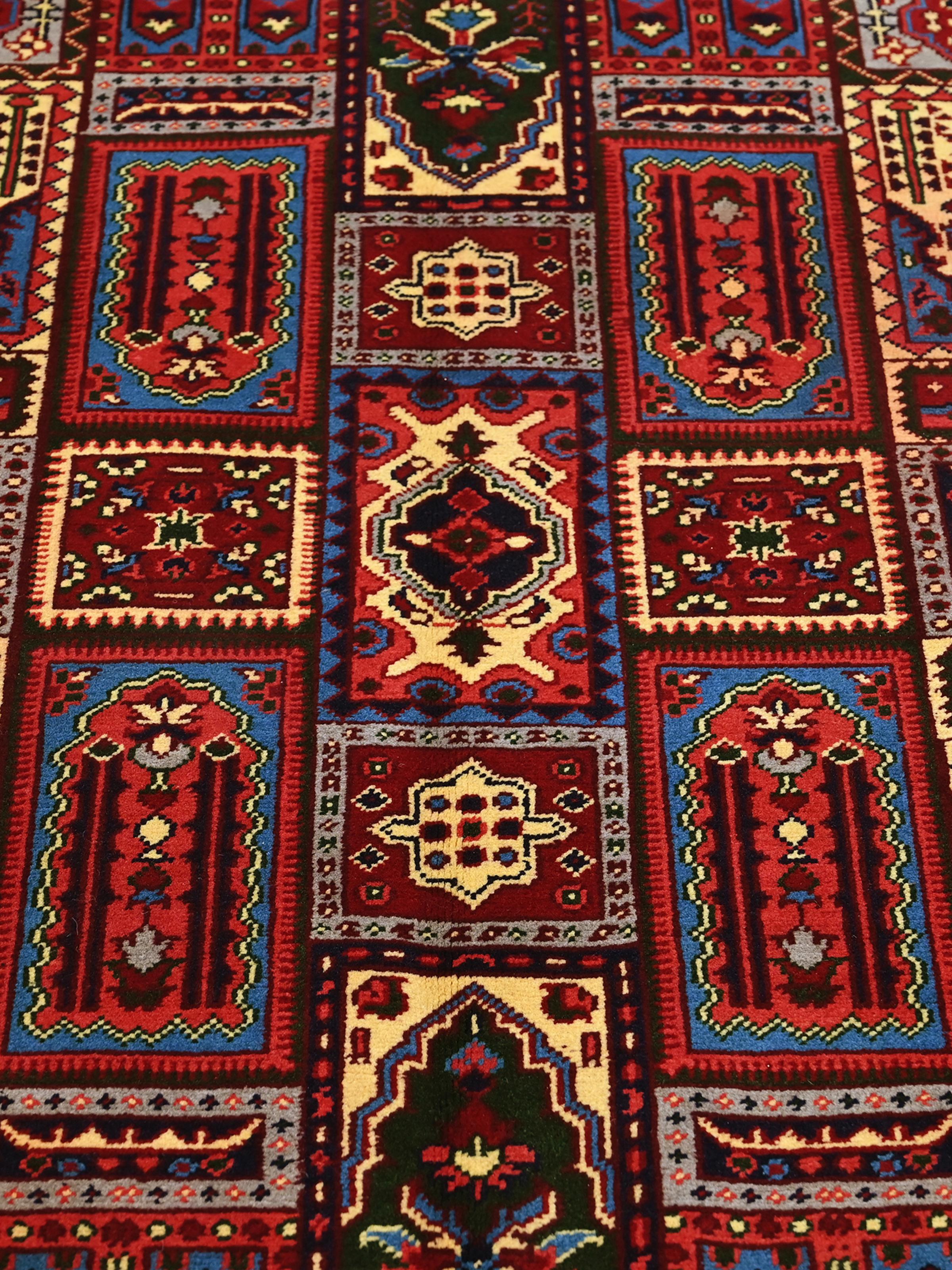
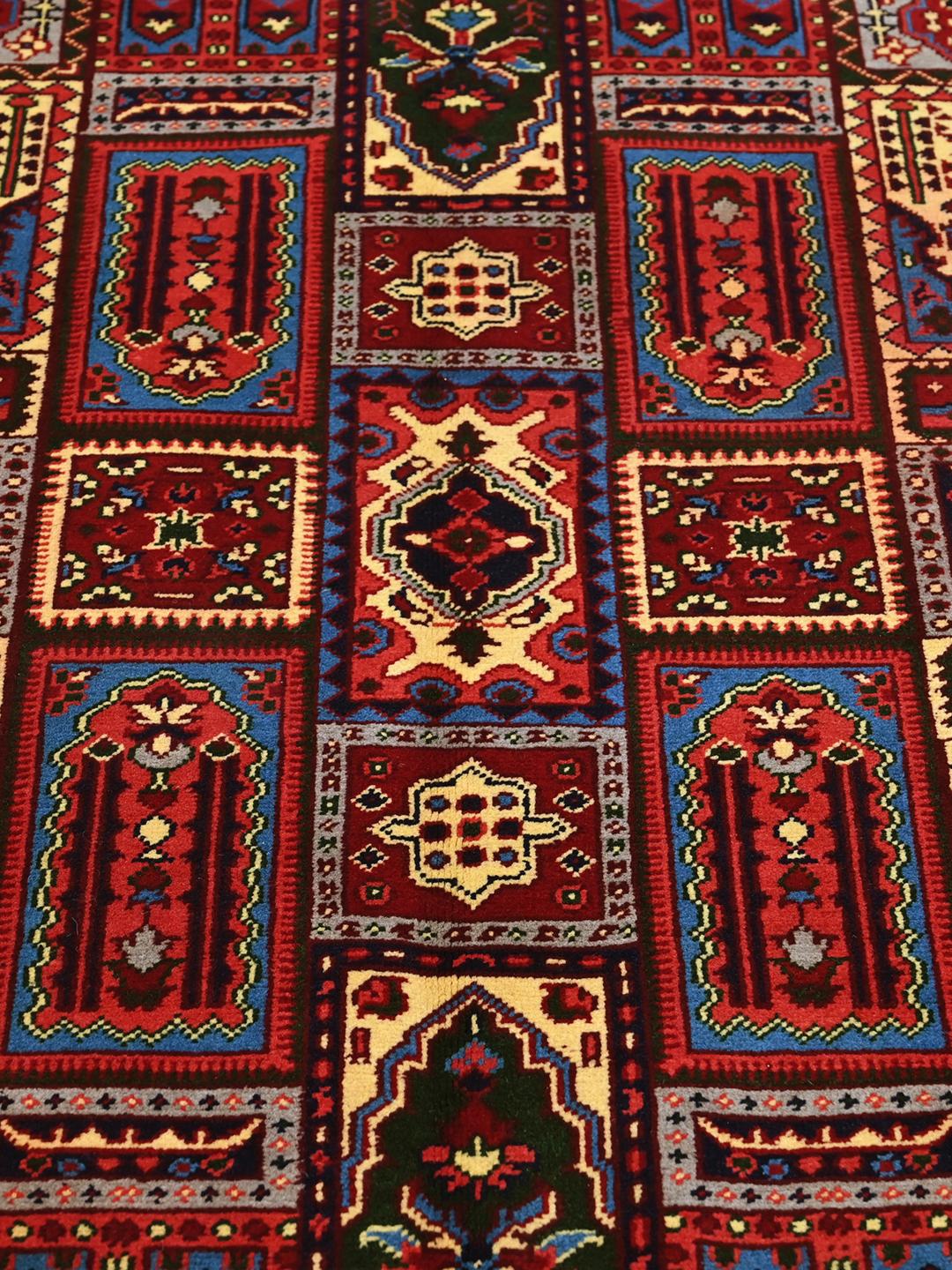
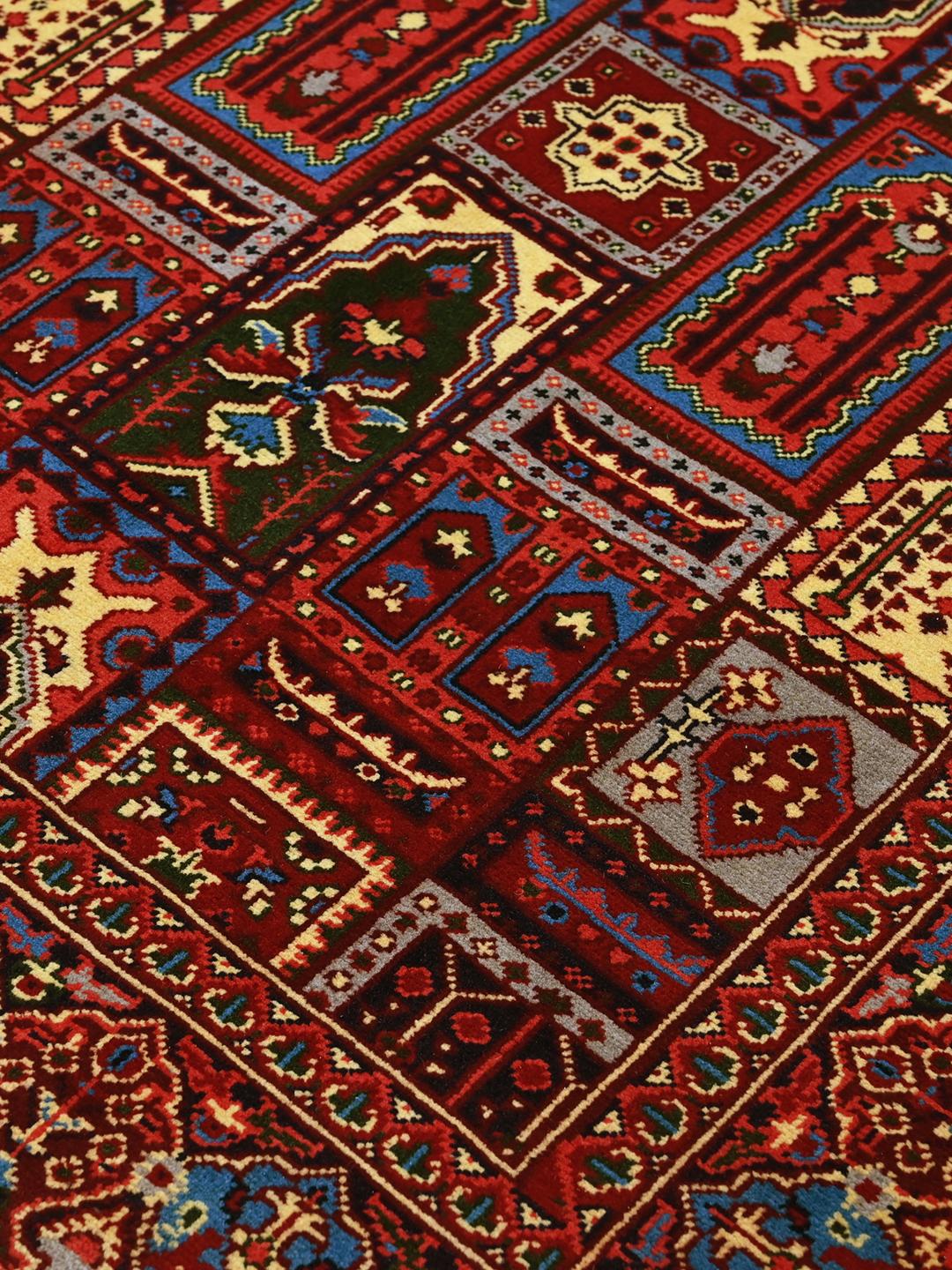
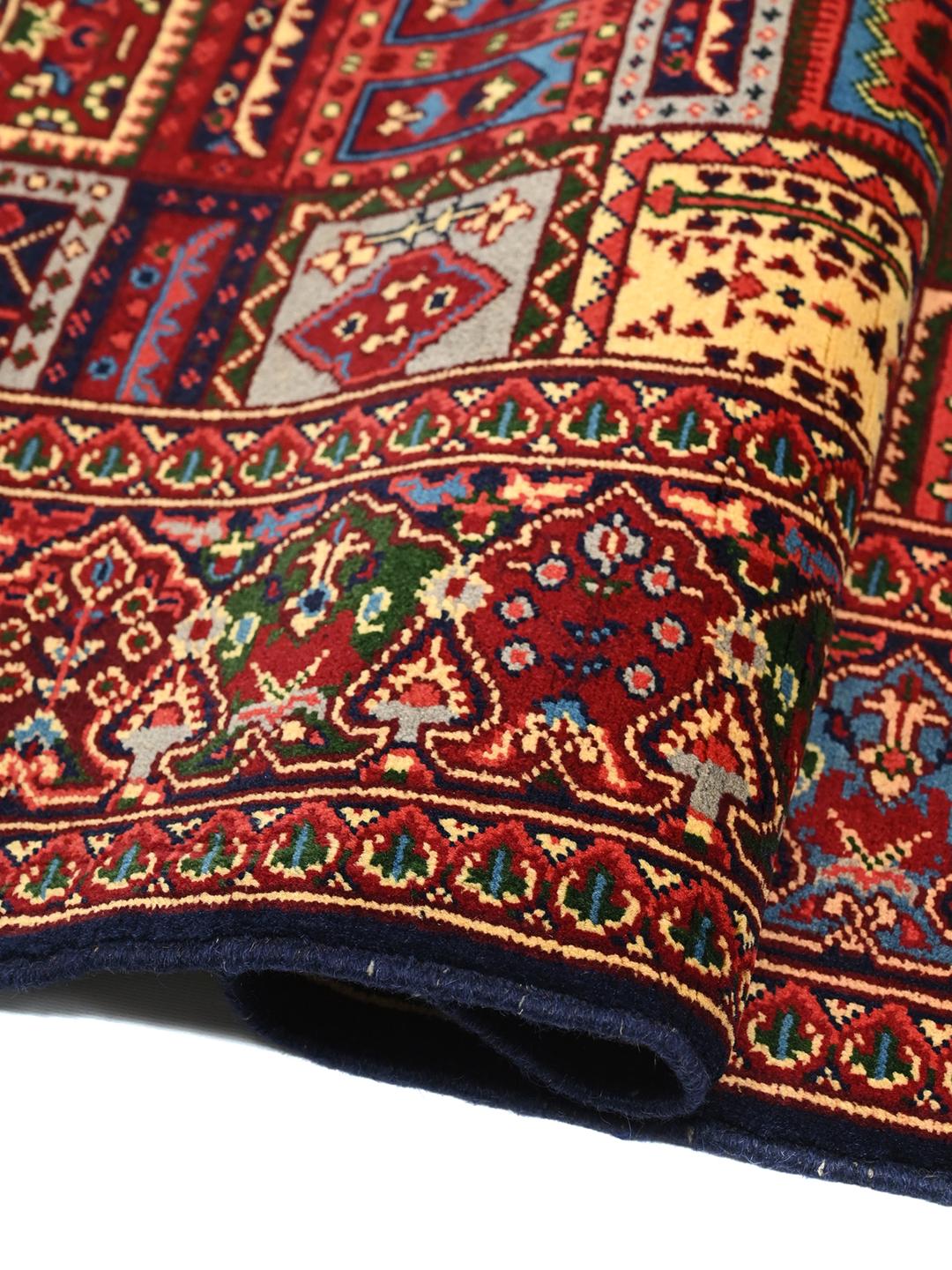
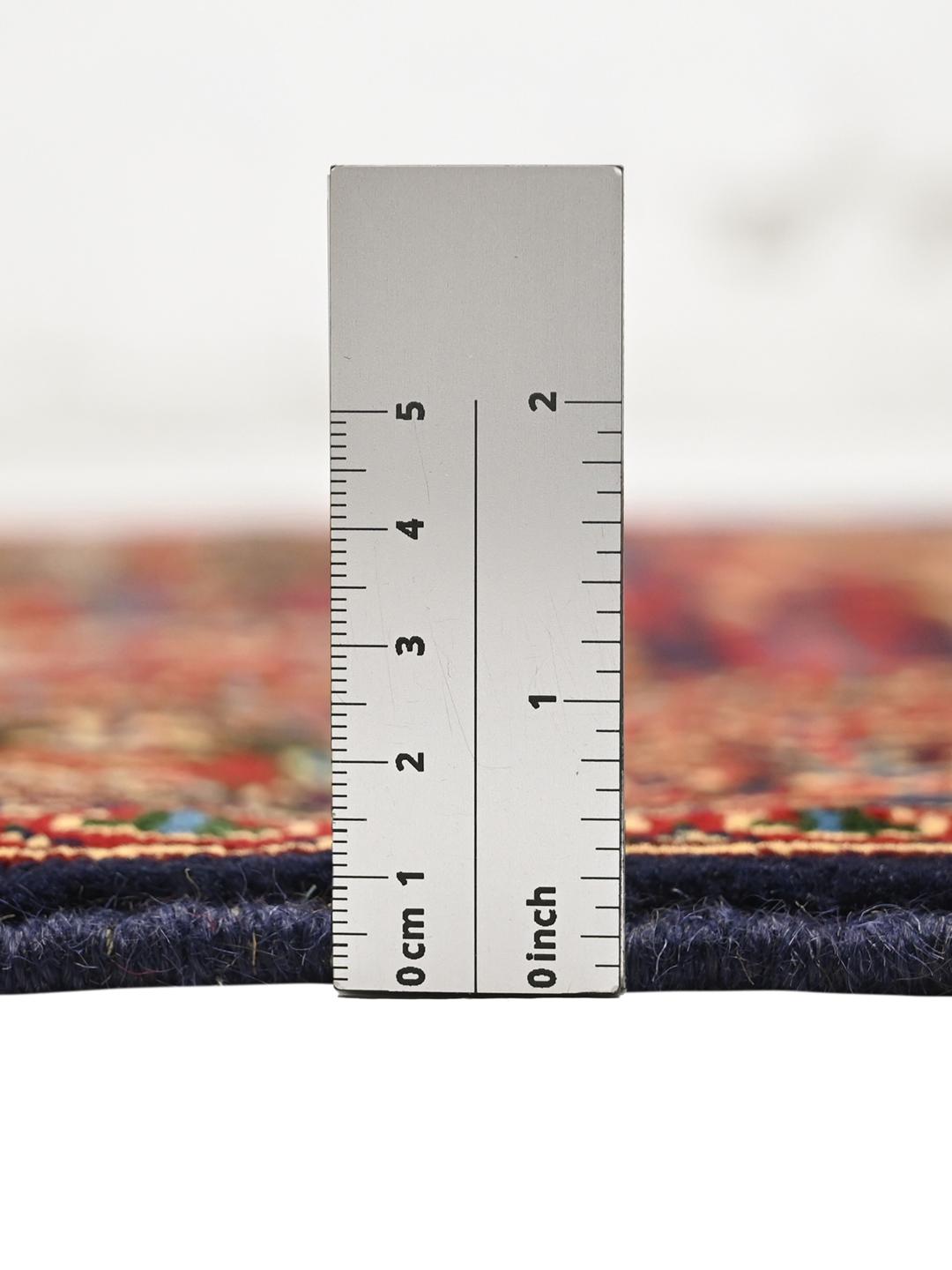
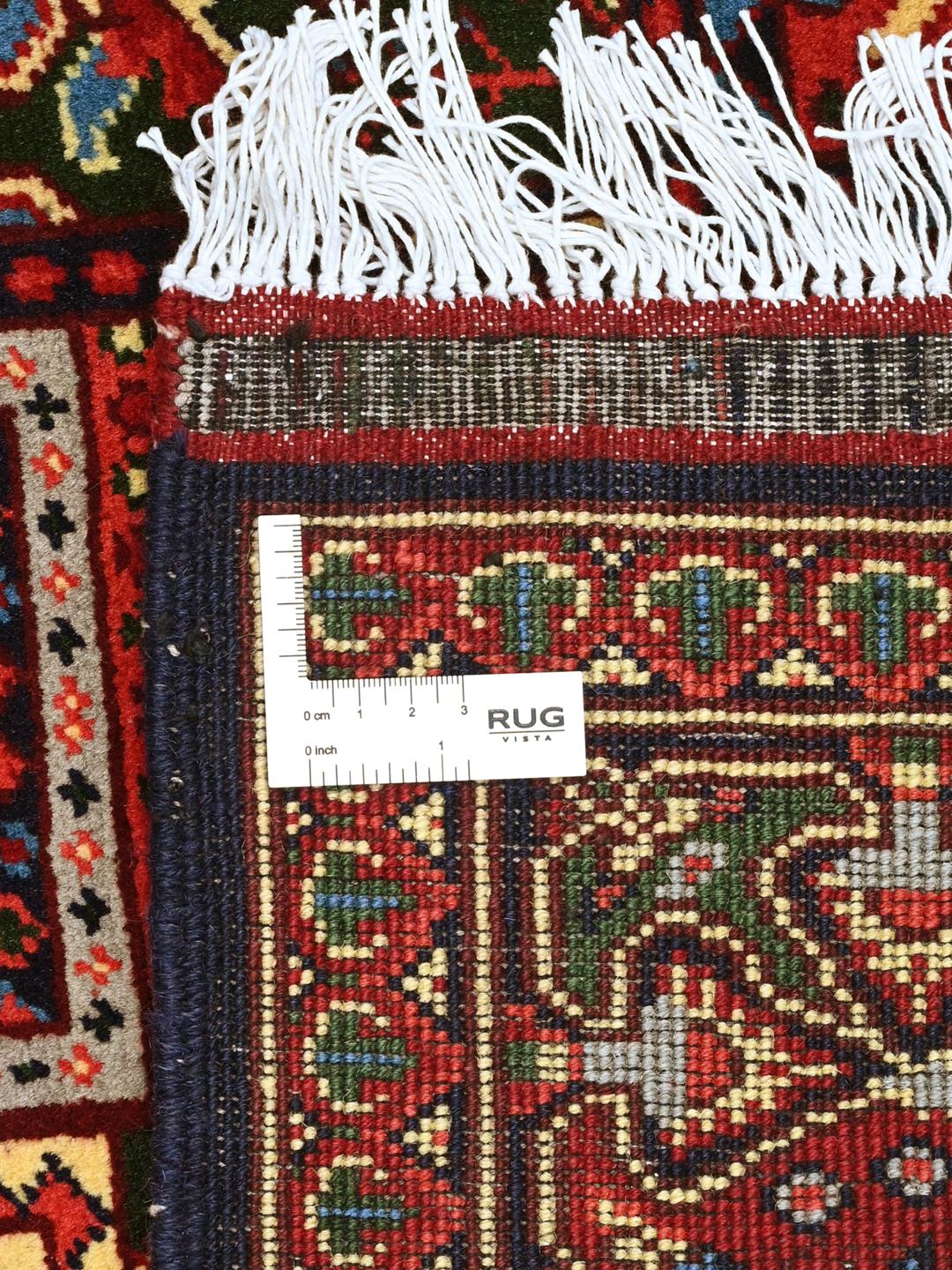
The construction of these rugs relies on a foundation that prioritises longevity and form. By using a wool pile on a cotton base, weavers create a structure that is both flexible and durable. This material choice is essential for the characteristic feel of the rug, which balances a soft, tactile surface with the necessary strength to withstand generations of use. The density of the knots is what allows for such crisp, clear geometric designs, showcasing the weaver's ability to maintain precision across the entire field.
Signature design elements of Kunduz rugs often include bold, repeating geometric shapes, medallions, and intricate borders that draw inspiration from the surrounding natural and tribal environment. The colour palettes are typically deep and earthy, dominated by rich reds and accented by blues, greens, and yellows derived from traditional dyes. These motifs are not merely decorative but serve as a visual language that communicates the history and identity of the weaving communities.
These rugs are highly valued by collectors and homeowners alike for their authenticity and the human story they carry. Owning a Kunduz rug is an investment in a living tradition, offering a sense of connection to the artisans whose skill has preserved these patterns throughout time. They are celebrated for their ability to bring warmth and a sense of place to any interior, standing as a testament to the enduring power of manual craft in an increasingly automated world.