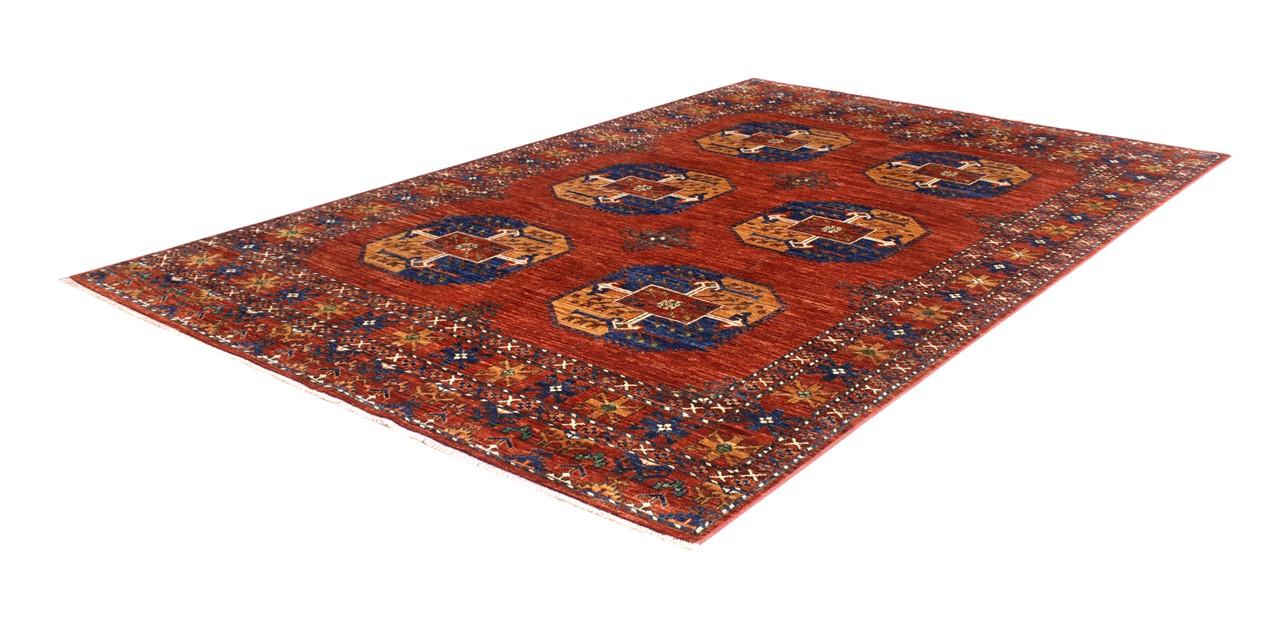
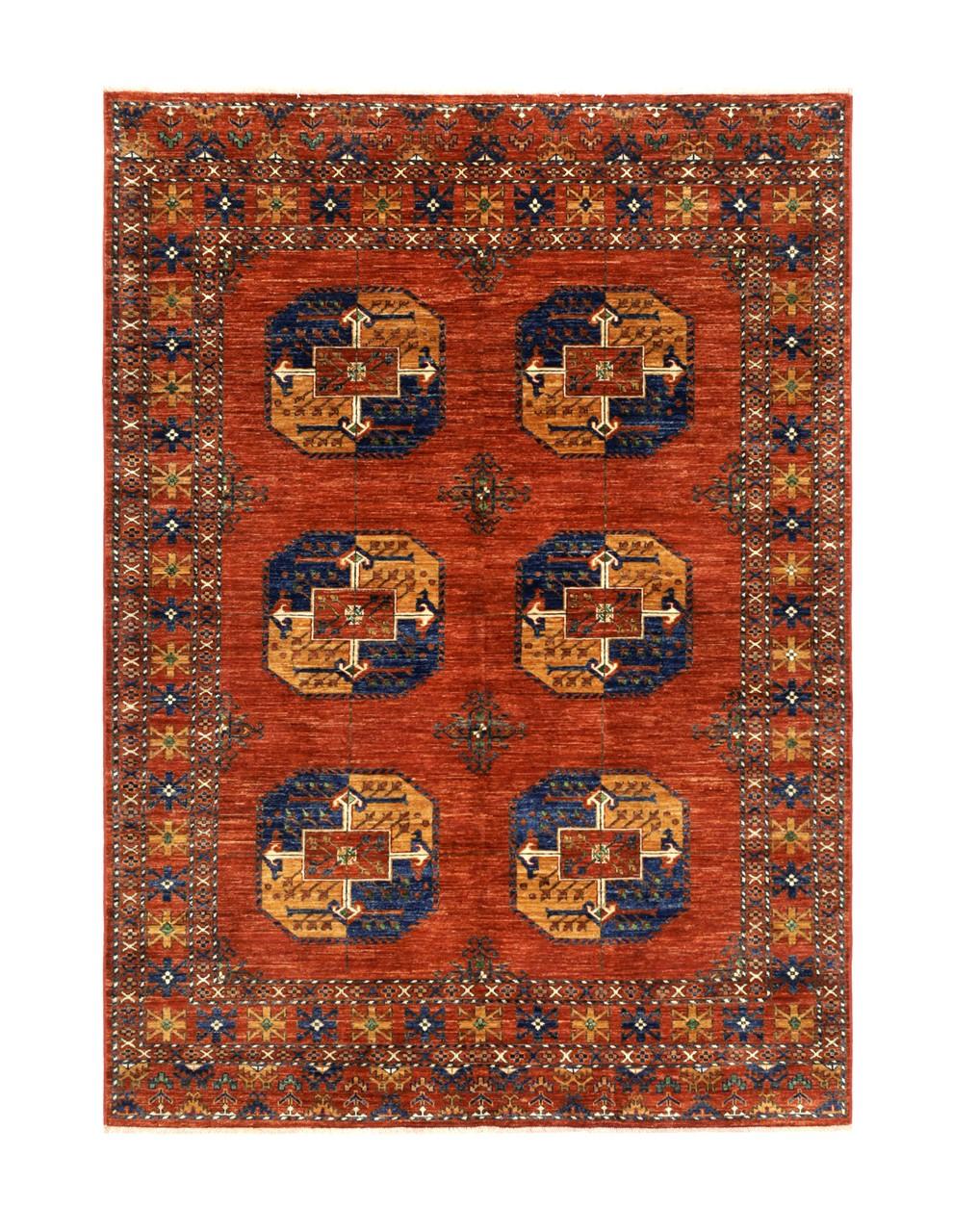
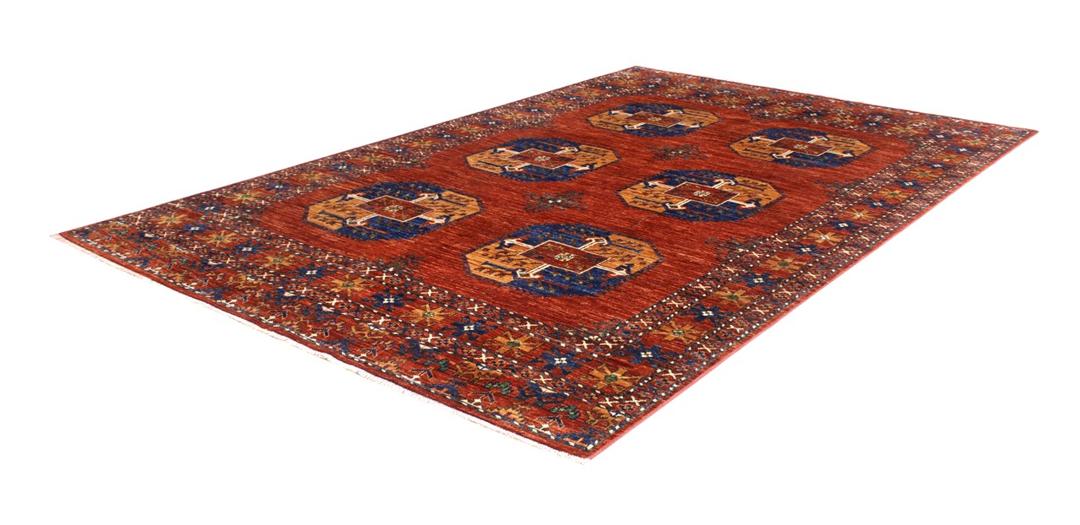
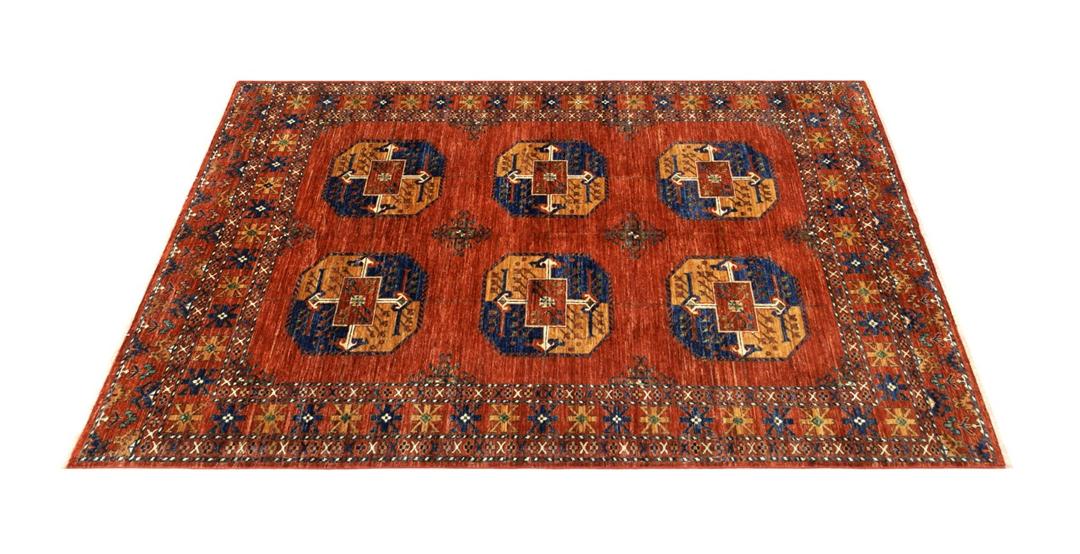
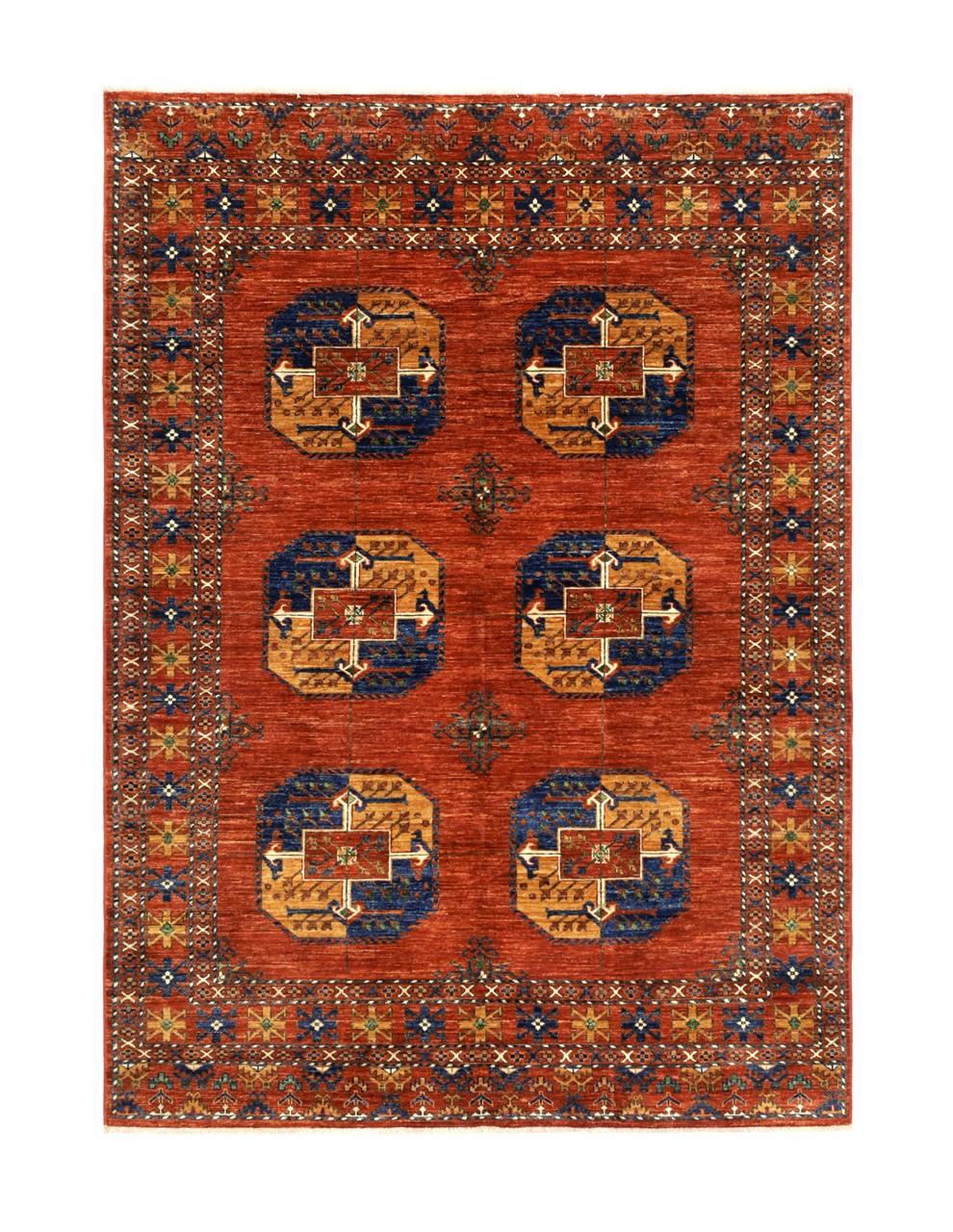
Kunduz rugs originate from the northern regions of the Middle East, a land with a deep-seated history of textile production that dates back centuries. These rugs are born out of a tradition that has survived migration, conflict, and the shifting borders of the region, evolving into a distinct style that is celebrated for its earthy tones and tribal motifs.
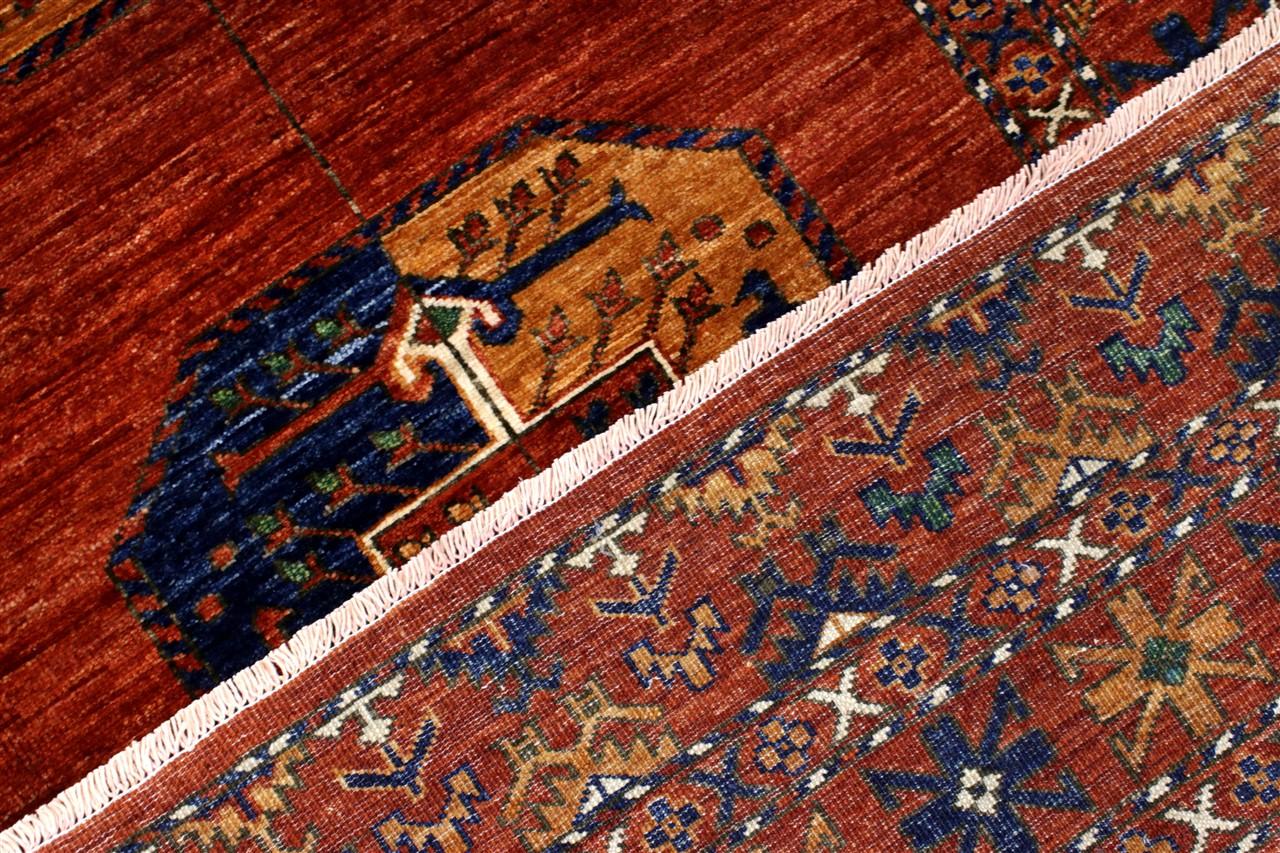
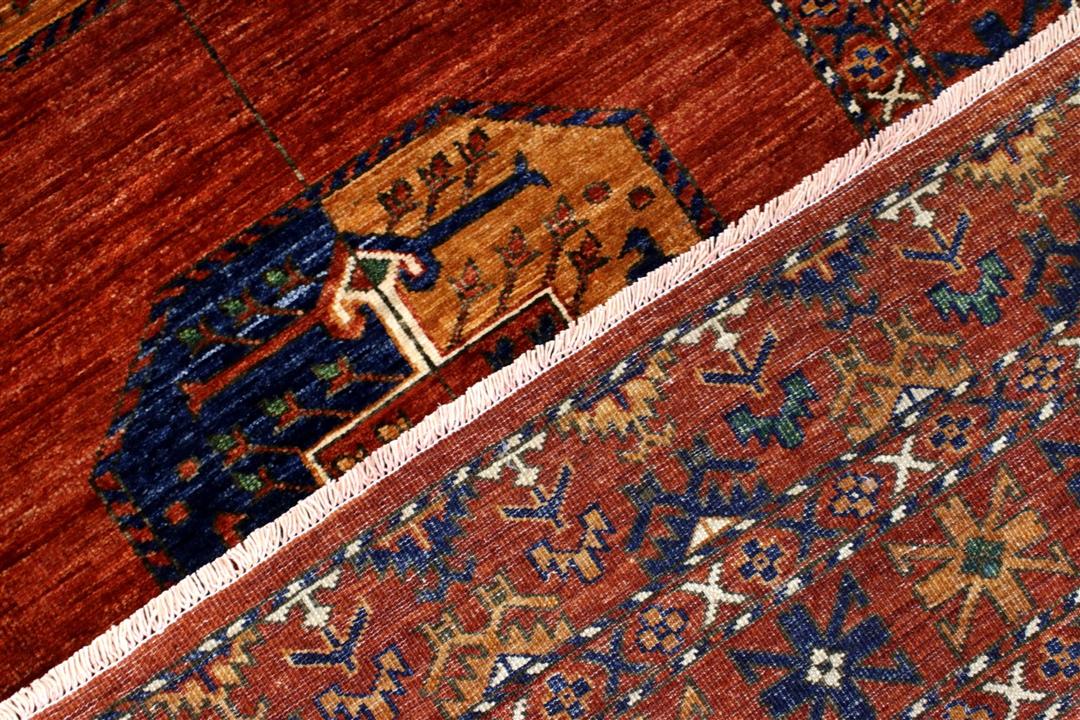
The term Kunduz refers to the specific regional style that emphasises a robust construction and a particular aesthetic language. The weaving process prioritises the use of high-quality, locally sourced Wool, which is known for its natural lanolin content, providing the finished rug with a soft sheen and impressive resilience against dirt and wear.
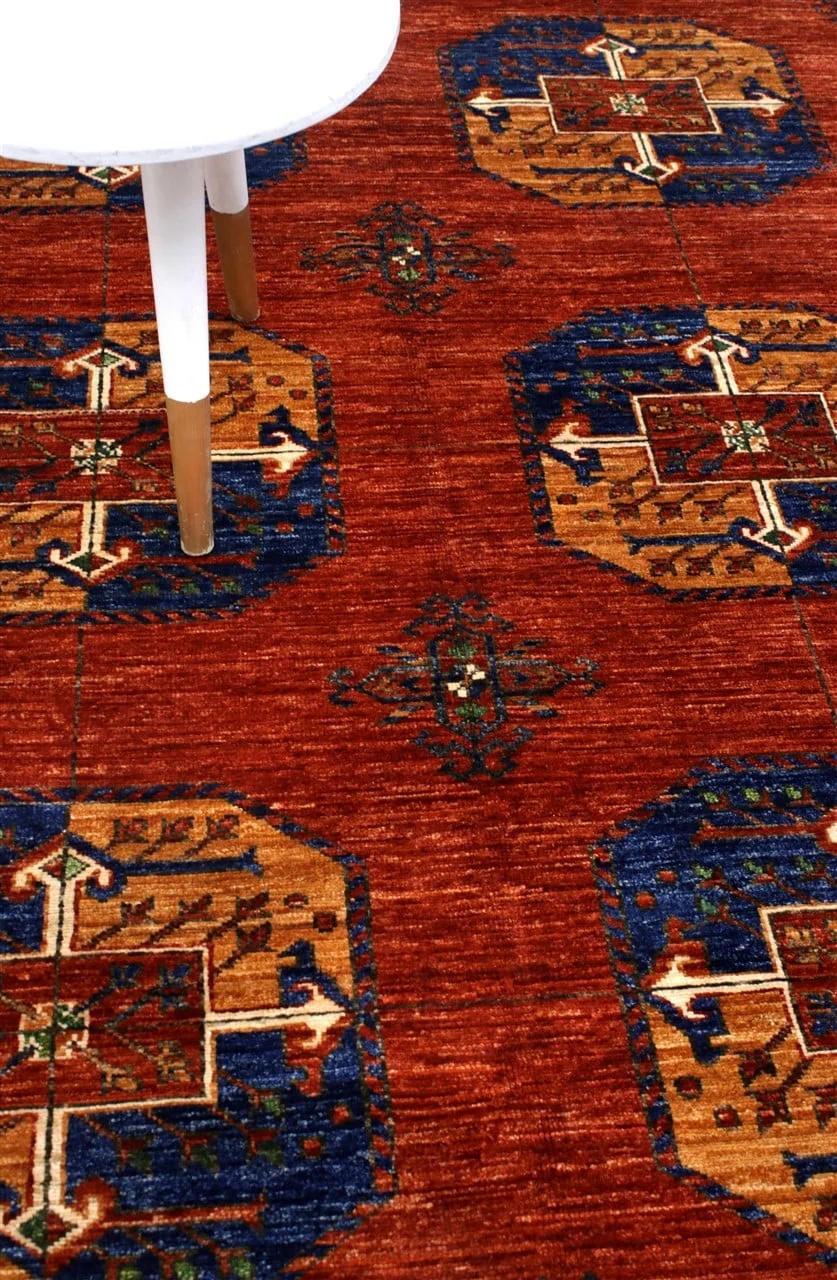
Visually, Kunduz rugs are renowned for their bold, often geometric patterns. The field is frequently occupied by stylised medallions or repeating symbols that hold cultural significance, framed by intricate borders that reflect the surrounding landscape and local folklore. While red is a traditional colour, the presence of contrasting blues and secondary tones creates a vibrant, balanced aesthetic.
Collecting a Kunduz rug is an investment in cultural preservation. These pieces are not merely floor coverings but are manifestations of the weaver's environment and history, created with techniques passed down through generations. Owning one allows you to participate in a living tradition, securing a piece of history that remains as relevant and beautiful today as it was in the past.