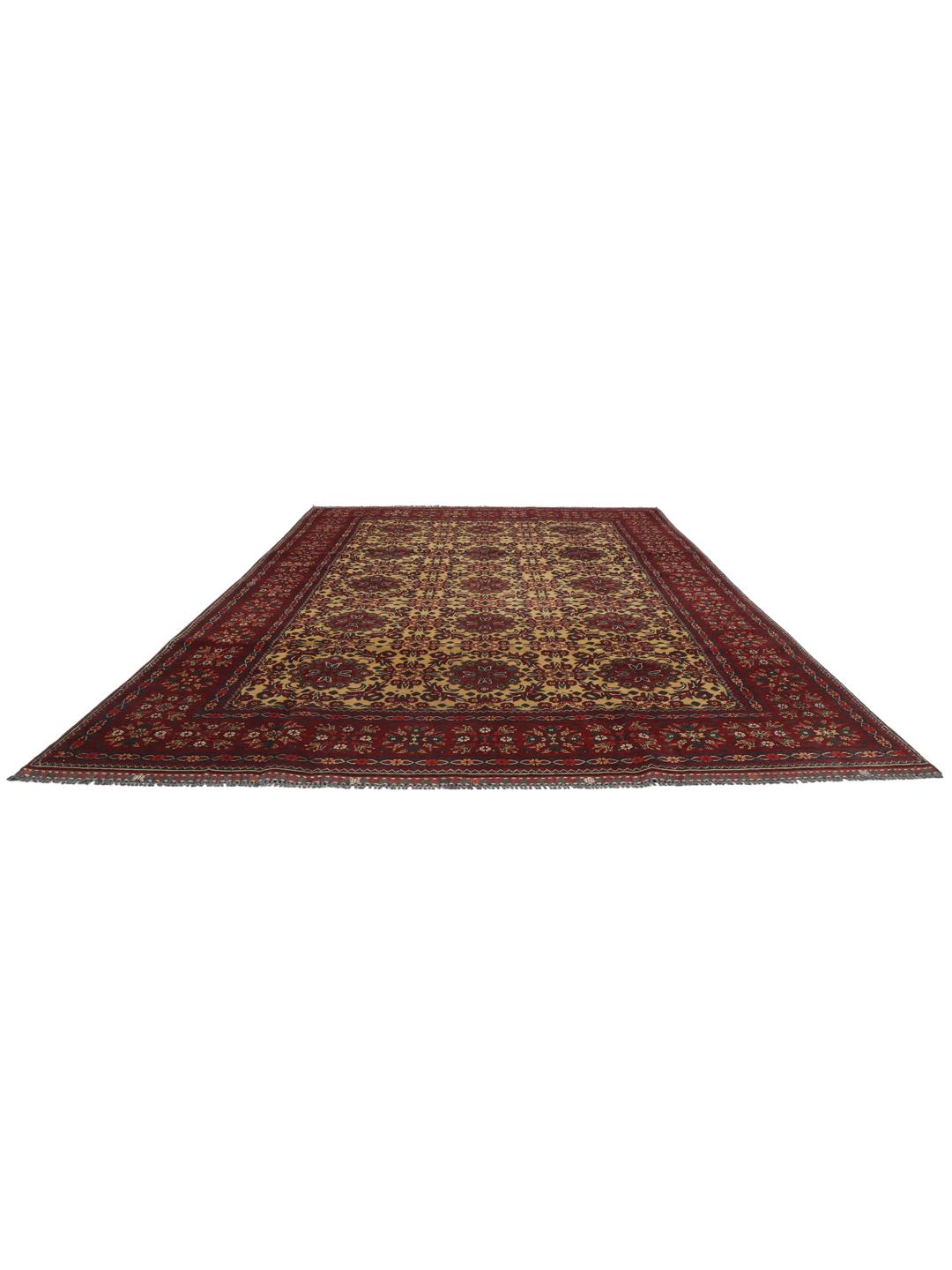
Kunduz rugs hail from the northern regions of Afghanistan, a territory with a profound and multifaceted history of textile production. These rugs are deeply rooted in the nomadic and semi-nomadic traditions of the region, where weaving has long served as both a practical necessity and a primary medium for artistic and cultural expression.
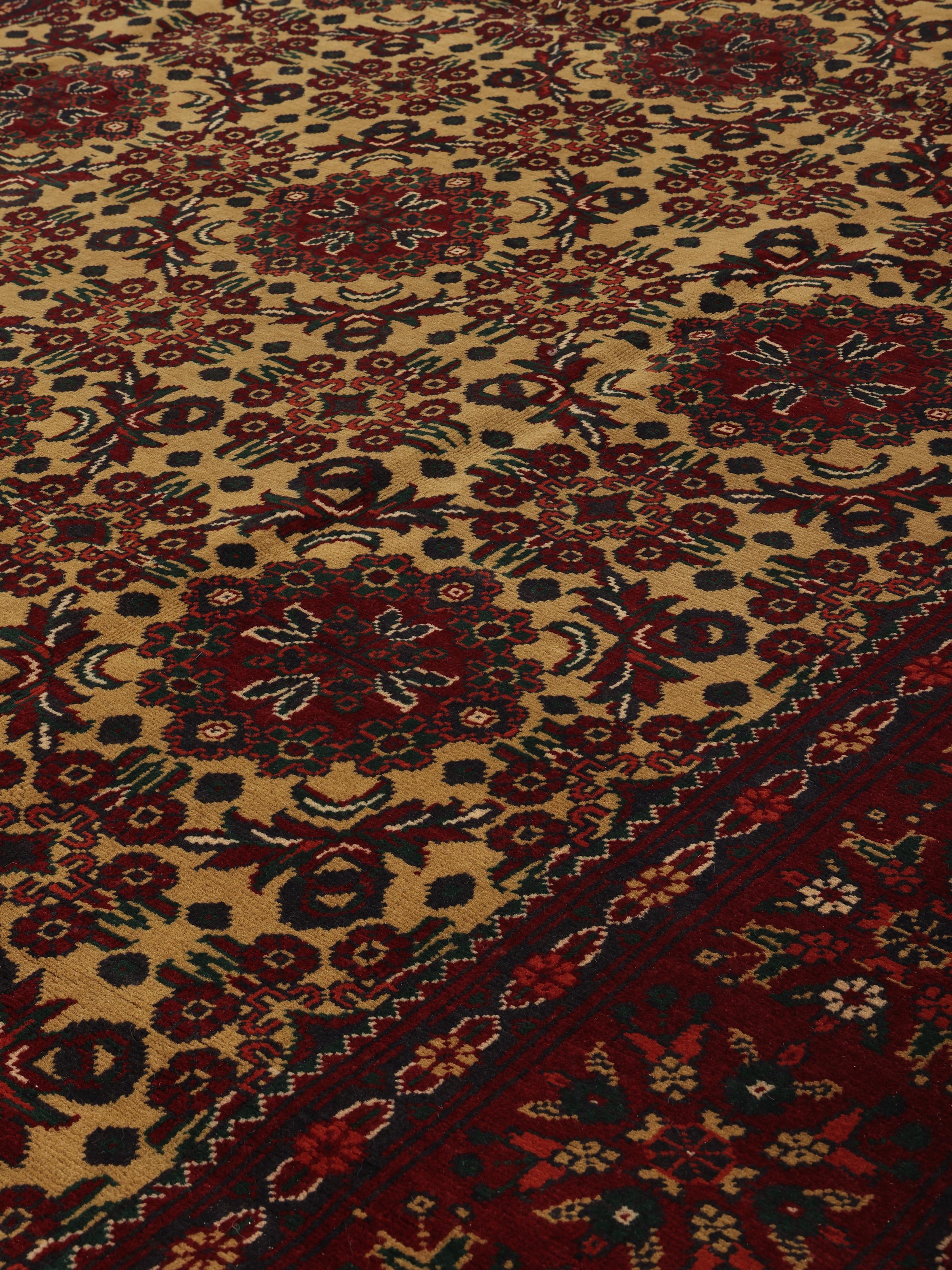
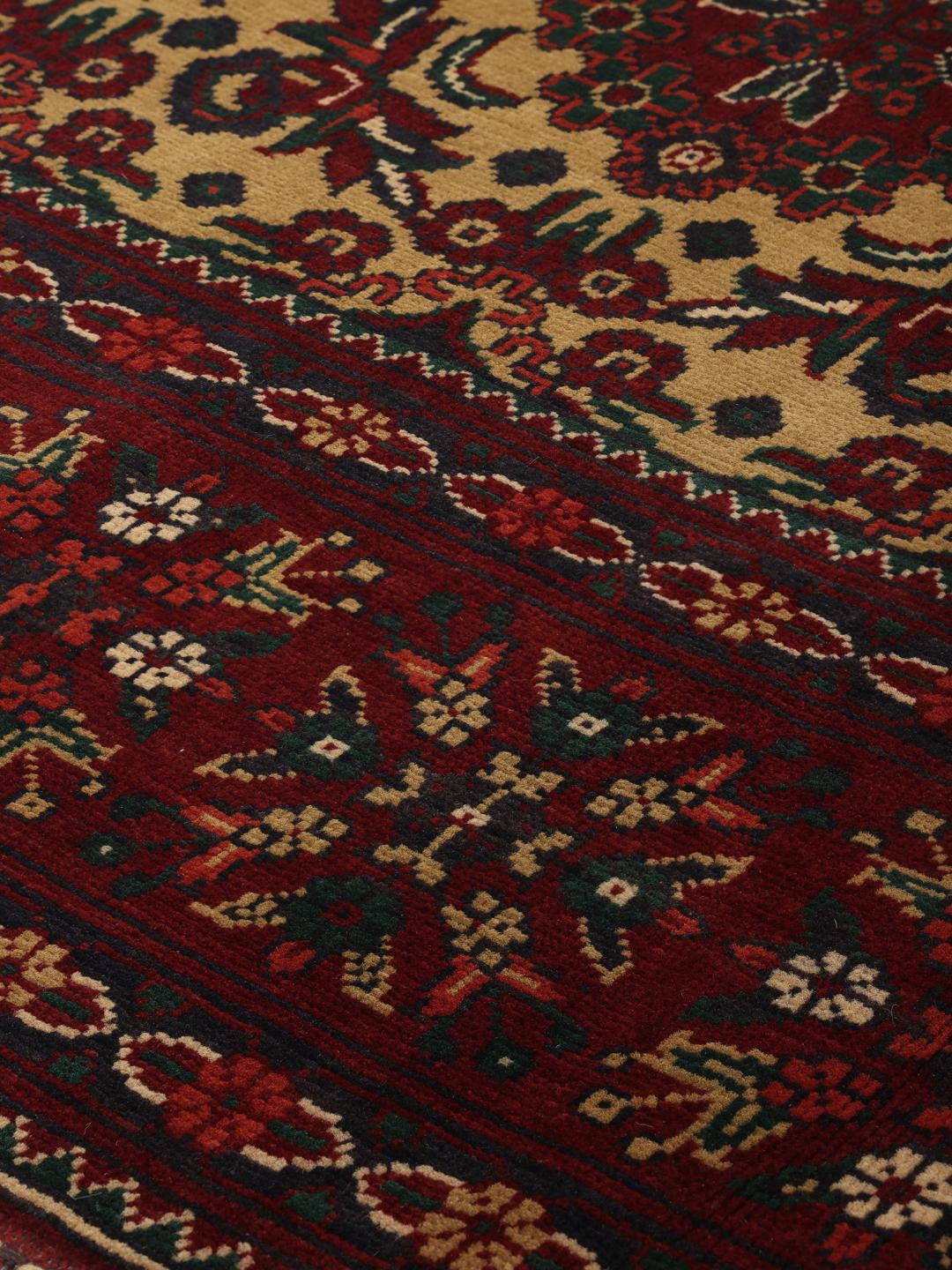
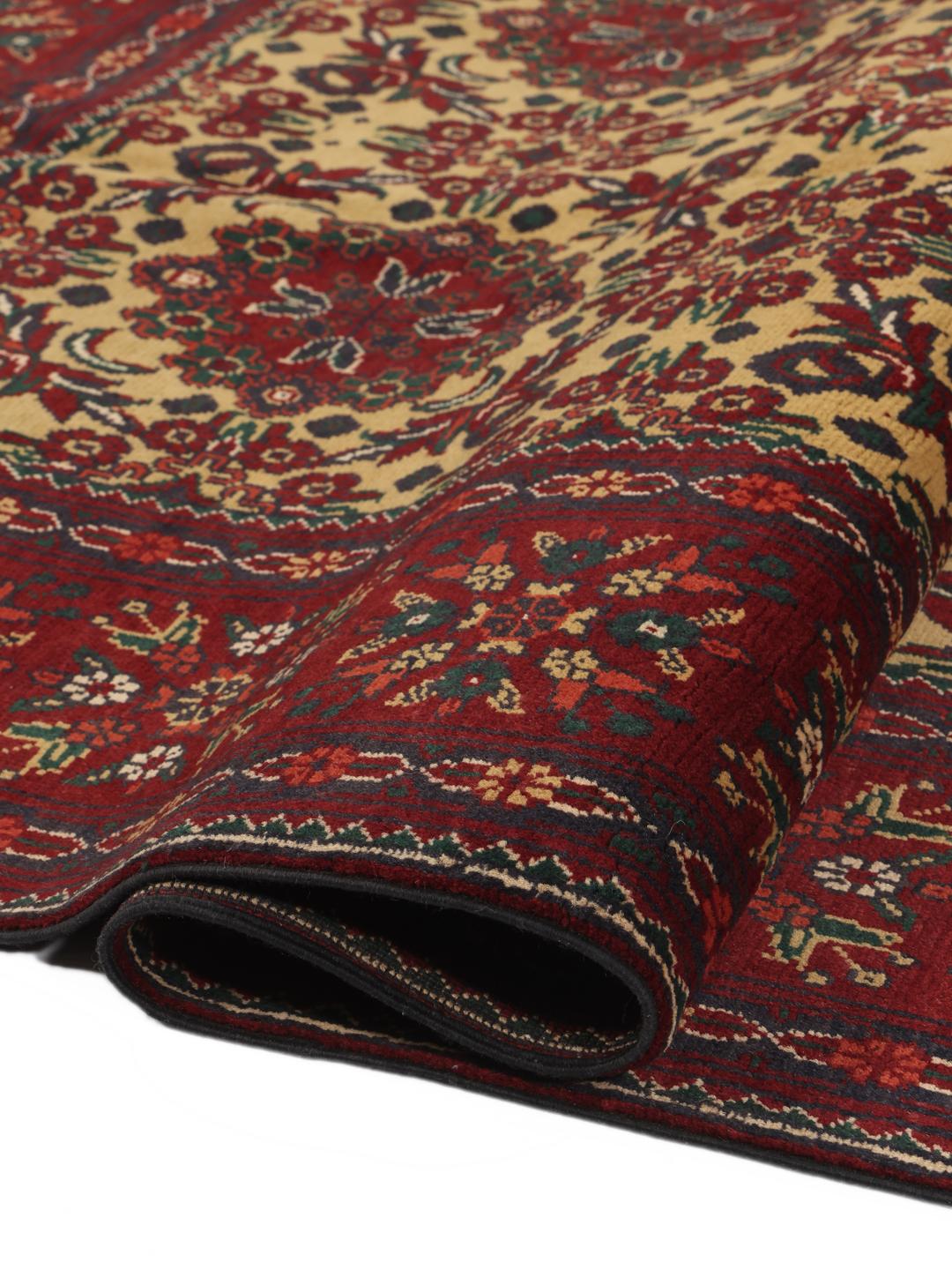
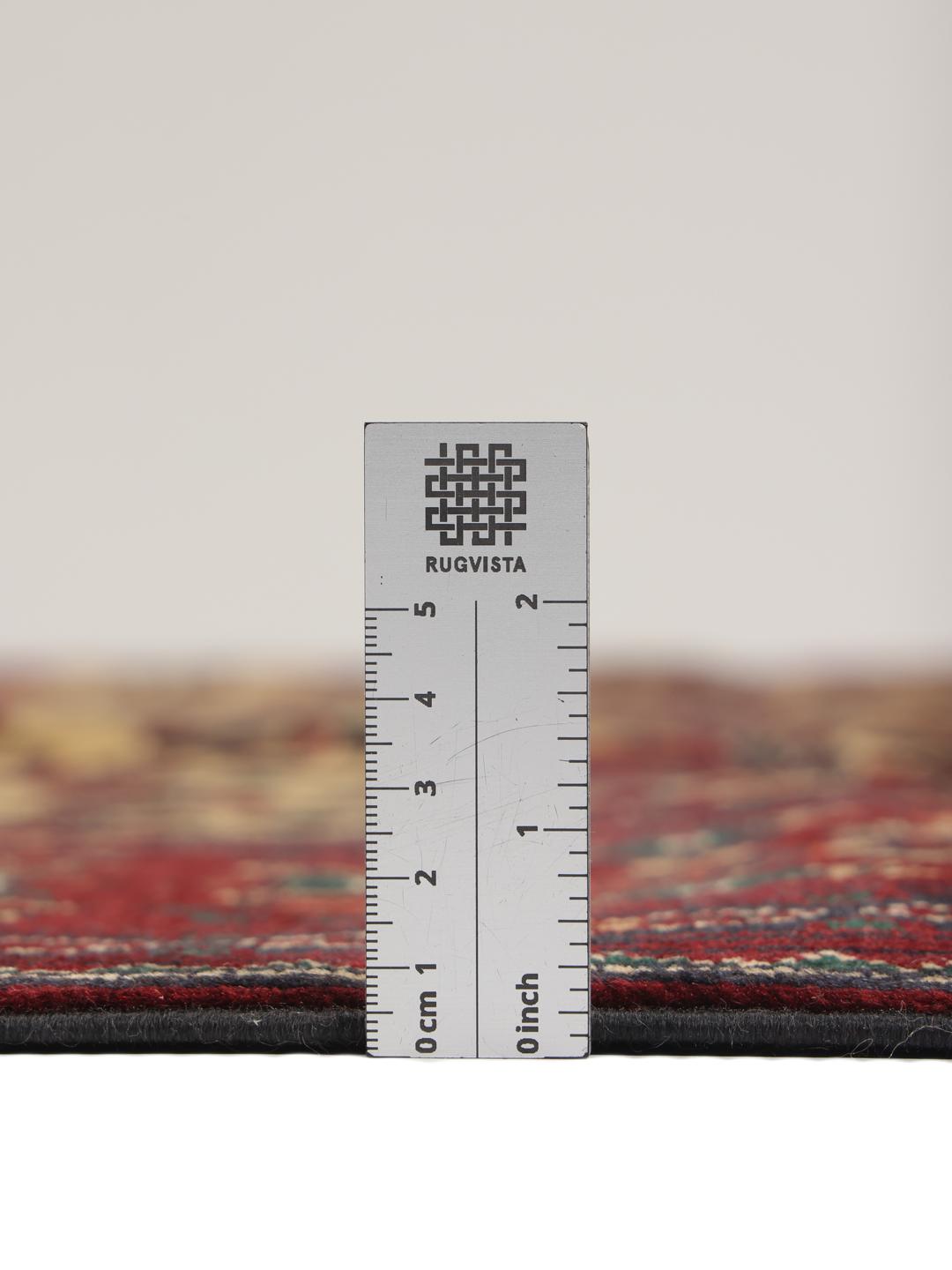
The term Kunduz refers to the specific style and provenance of these rugs, which are known for their robust construction and distinct aesthetic language. The weave is typically dense and durable, a hallmark of pieces designed to survive the harsh conditions of the Central Asian landscape, ensuring that the wool pile retains its lustre and integrity over decades of use.
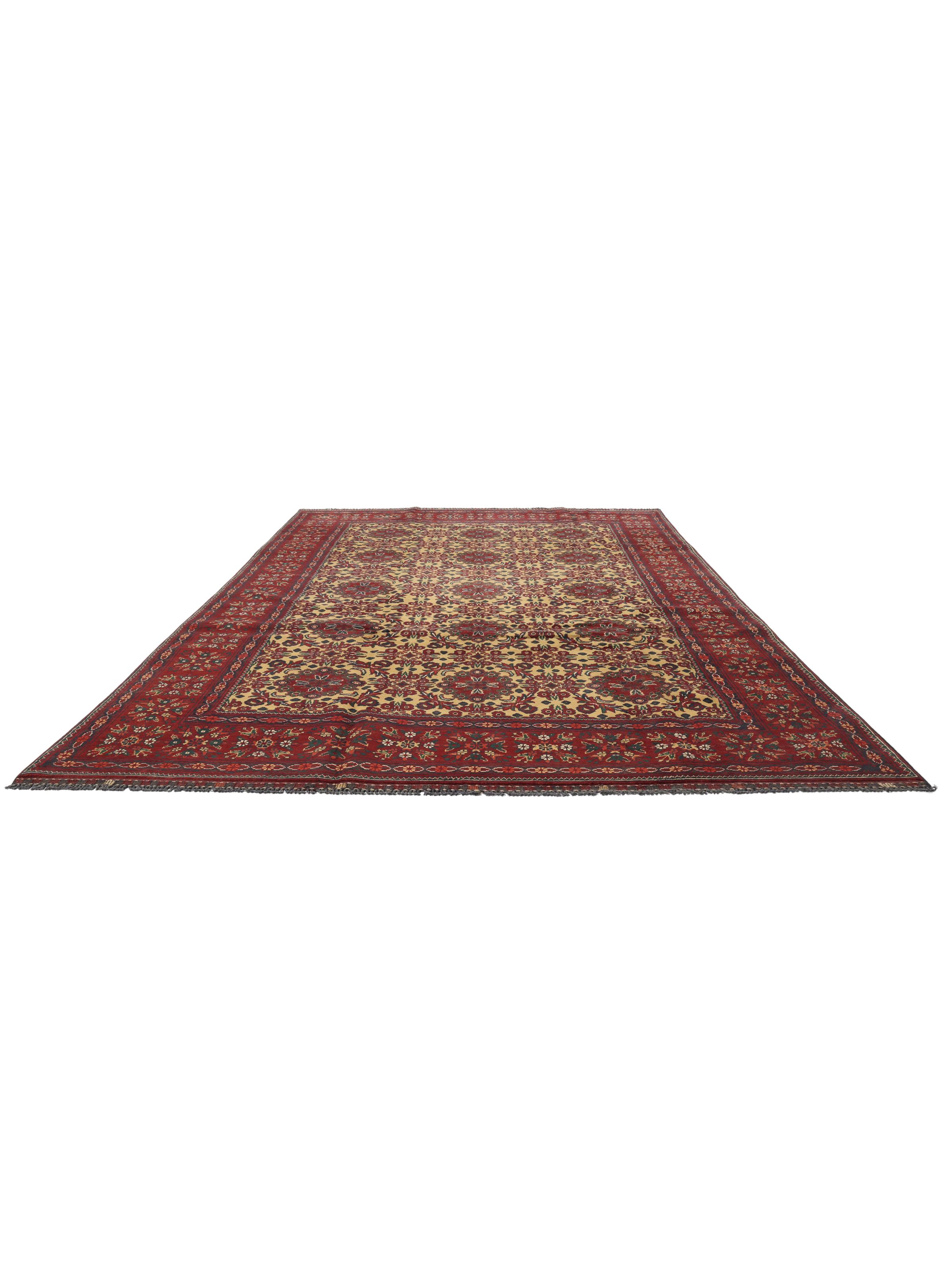
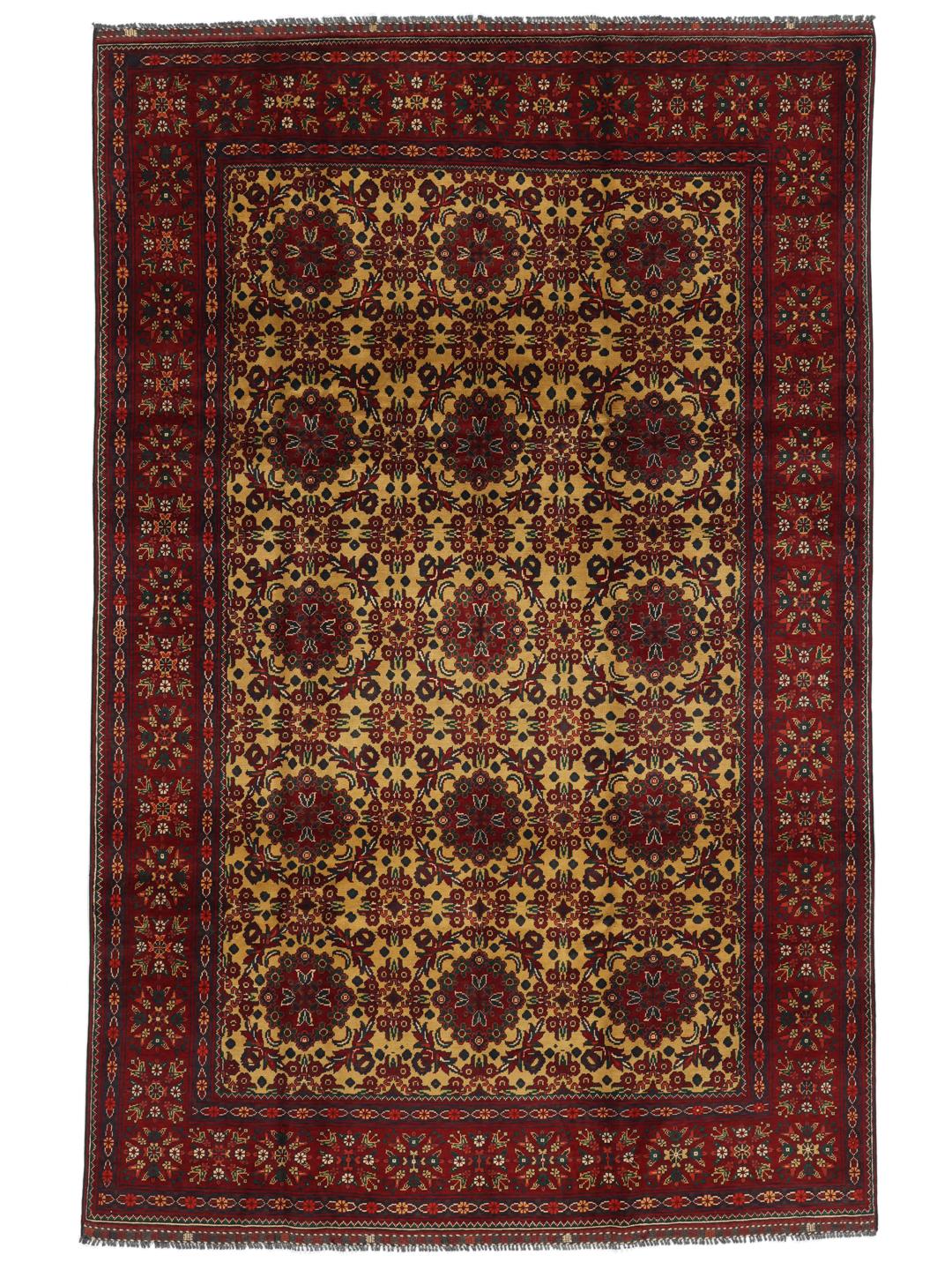
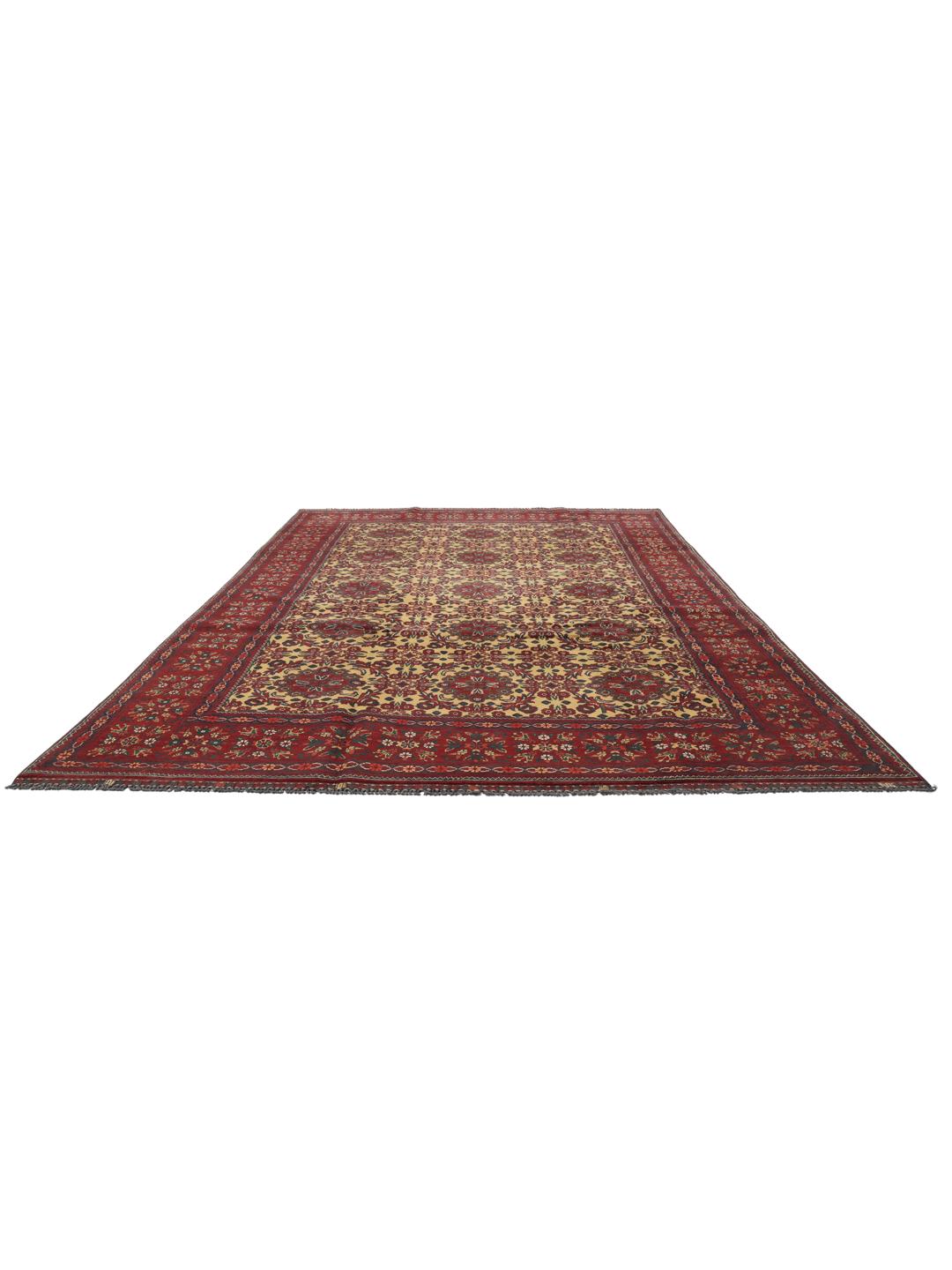
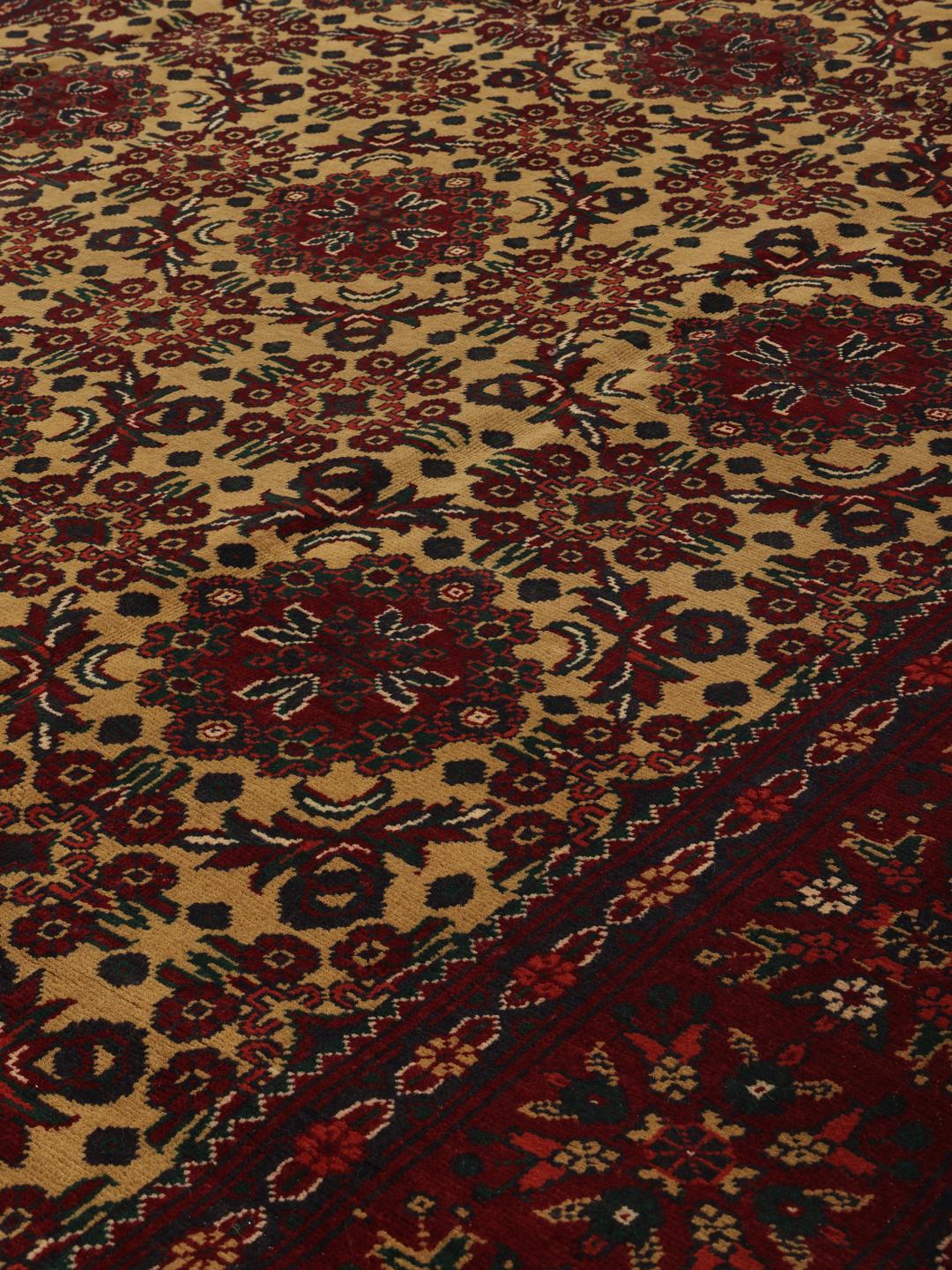
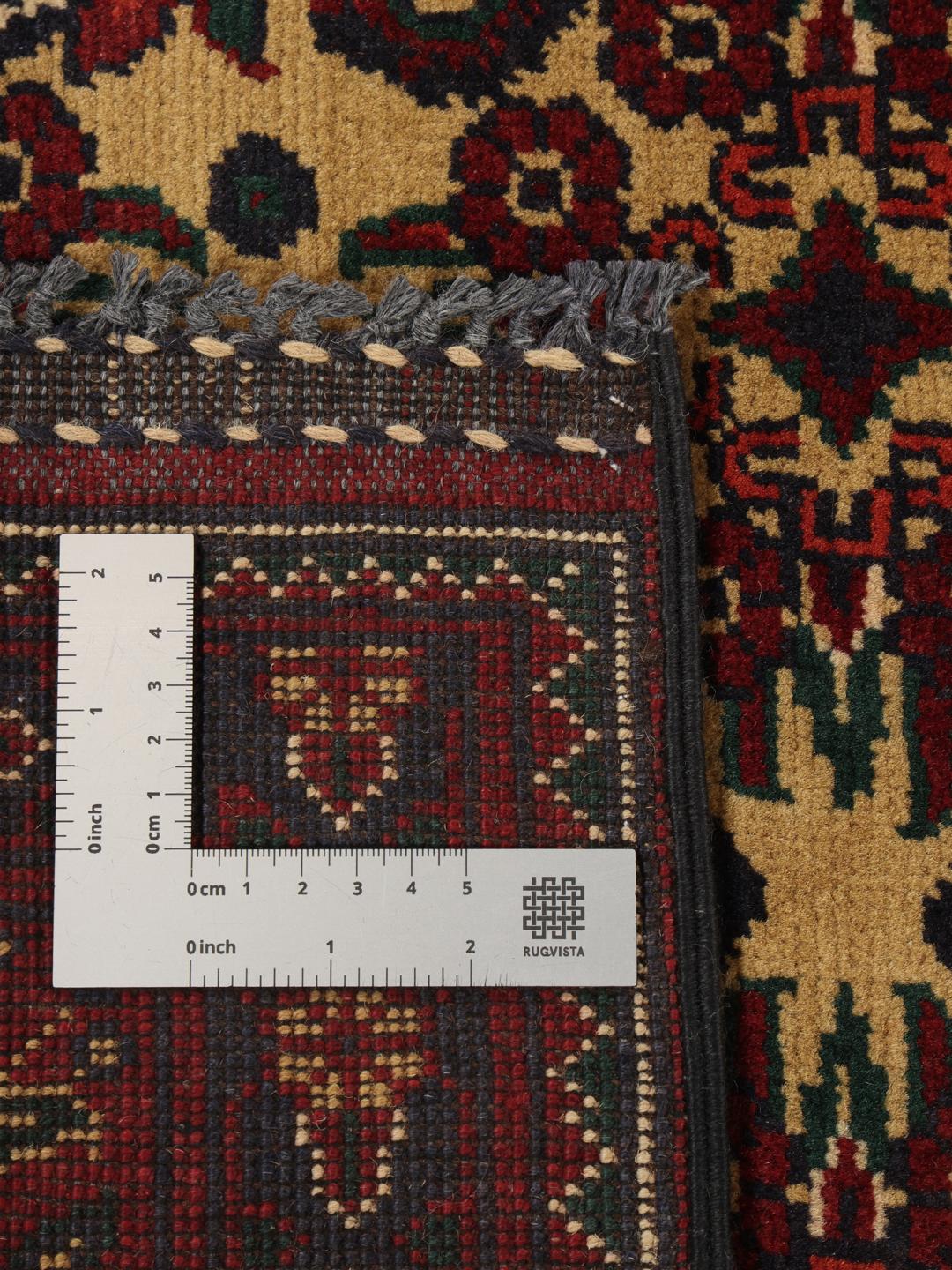
Visually, Kunduz rugs are celebrated for their rich, saturated colour palettes and the use of repeating geometric medallions. These motifs are often inspired by the surrounding landscape and ancient tribal symbols, arranged in a formal, balanced composition that creates a sense of harmony. The borders are typically detailed and frame the central field with precision, showcasing the weaver's ability to maintain complex patterns across a large surface.
Collectors value Kunduz rugs for their authentic connection to Afghan heritage and the undeniable skill required to produce such complex works by hand. Owning a piece from this tradition is an act of preserving a specific cultural narrative, as each rug represents a unique blend of local history, individual artisan skill, and a commitment to quality that transcends fleeting design trends.