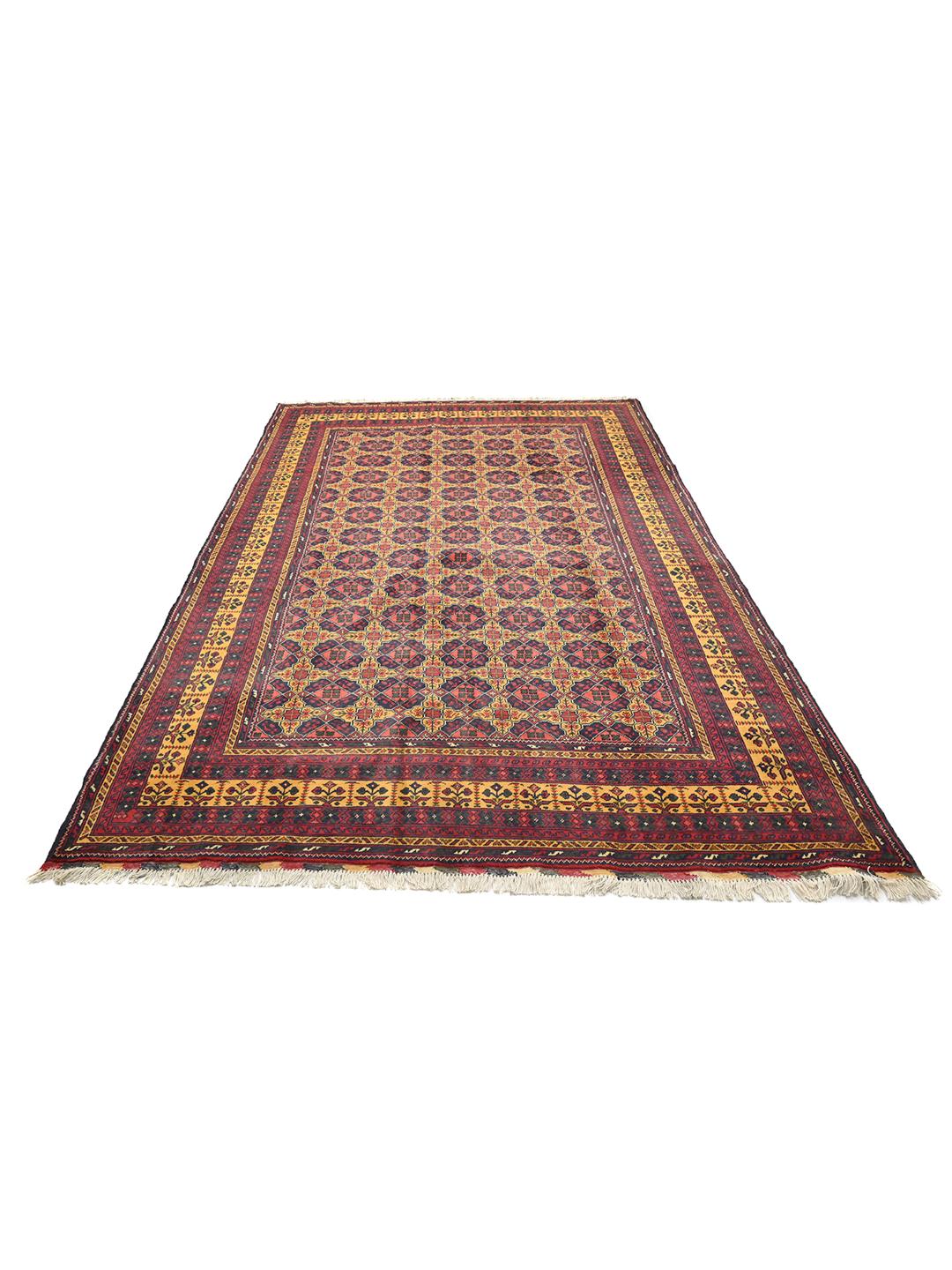
Kunduz rugs trace their roots to the fertile plains of northern Afghanistan, near the historic Silk Road trading routes. The weavers in this region carry forward nomadic and village weaving traditions, adapting ancient geometric design vocabularies into rugs that are prized for their durability and strong regional identity. Over generations, these communities have refined their craft, blending influences from neighbouring Central Asian traditions to create a distinct aesthetic recognised by rug enthusiasts worldwide.
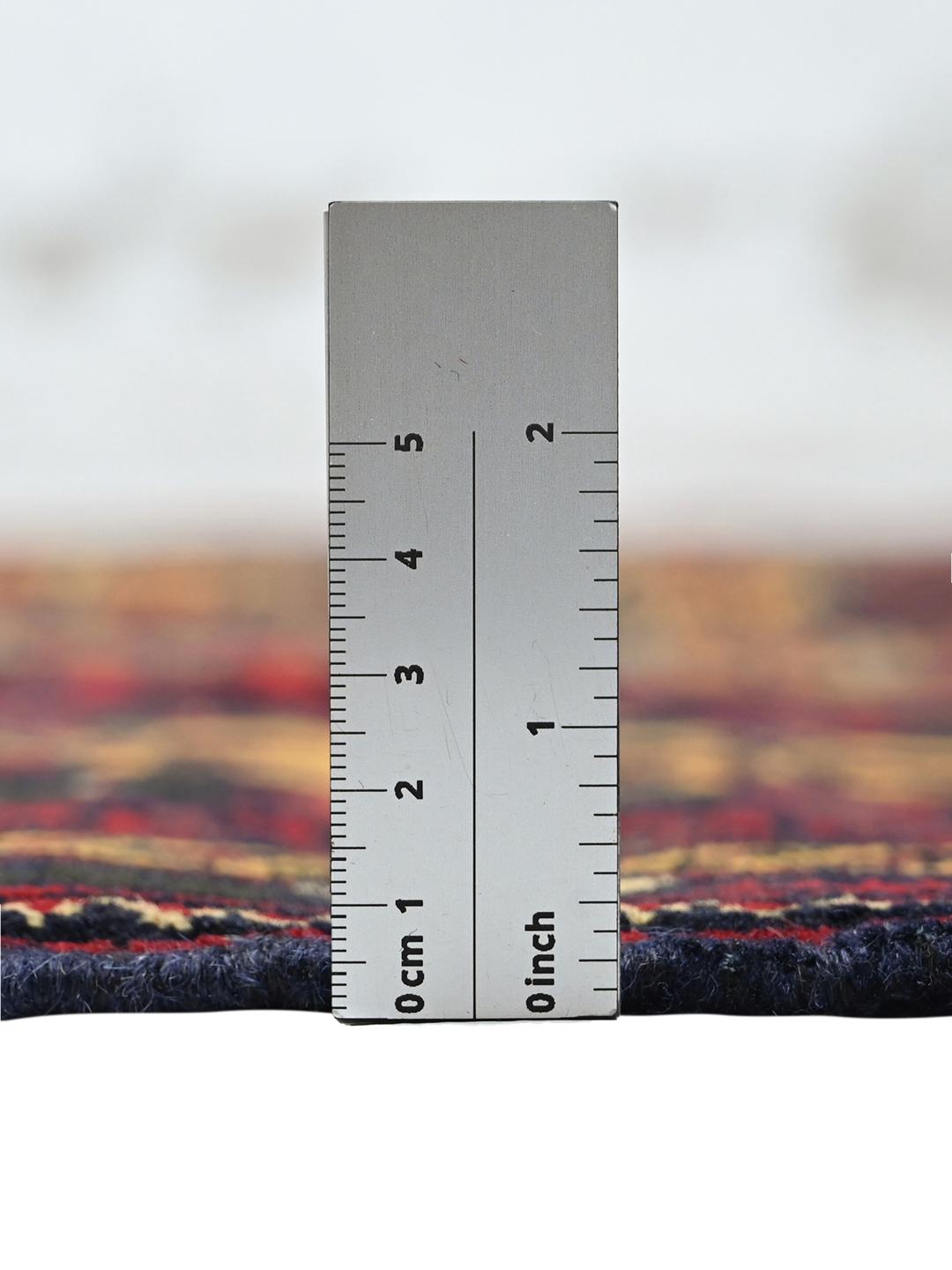
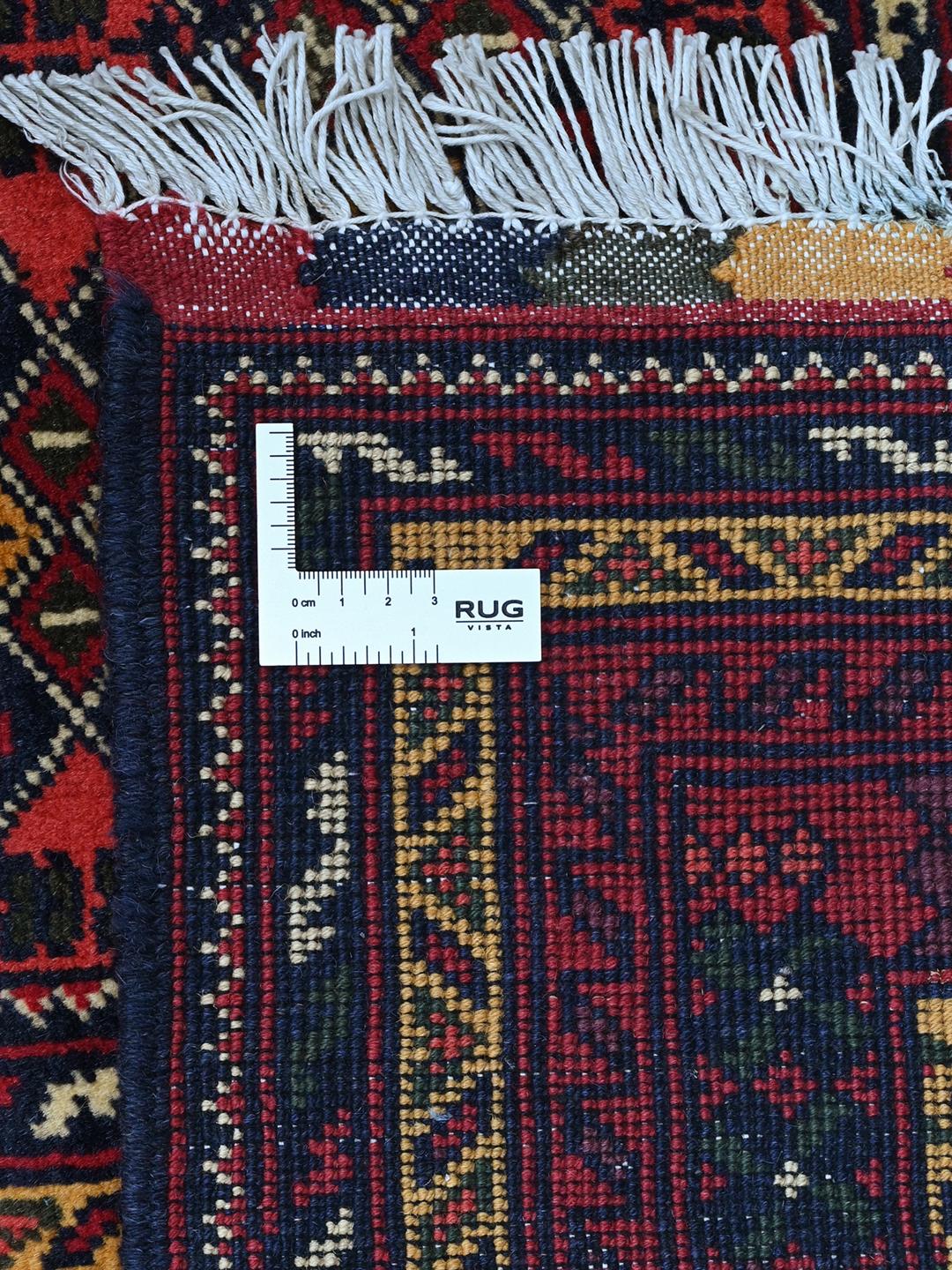
The 2ply wool construction used in this category is a traditional choice designed to enhance both strength and appearance. By twisting two individual strands of wool together before knotting, the artisans create a stronger yarn that yields a denser, more resilient pile. This technique increases the longevity of the rug and allows the natural lanolin in the wool to provide a subtle, lasting sheen.
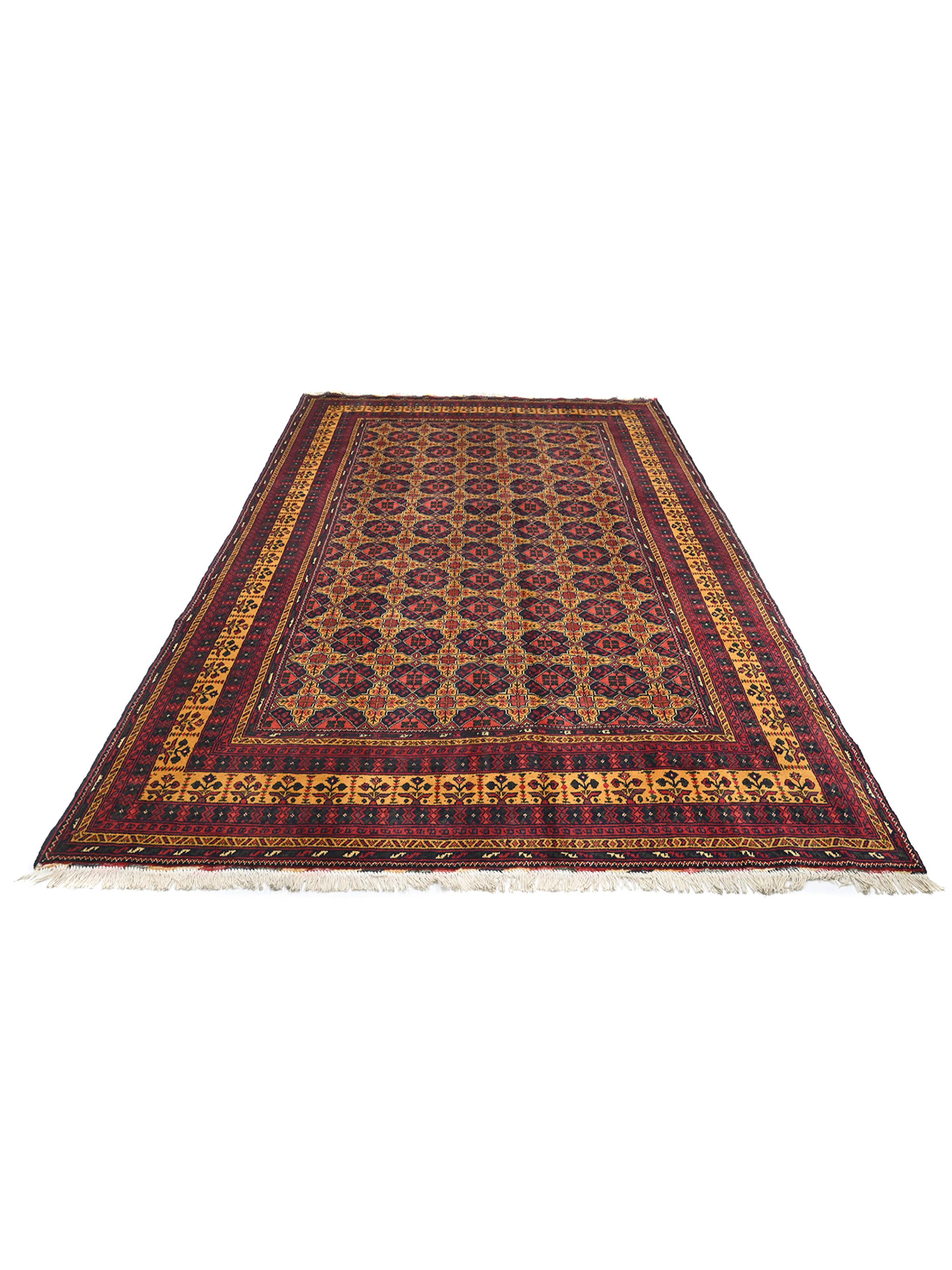
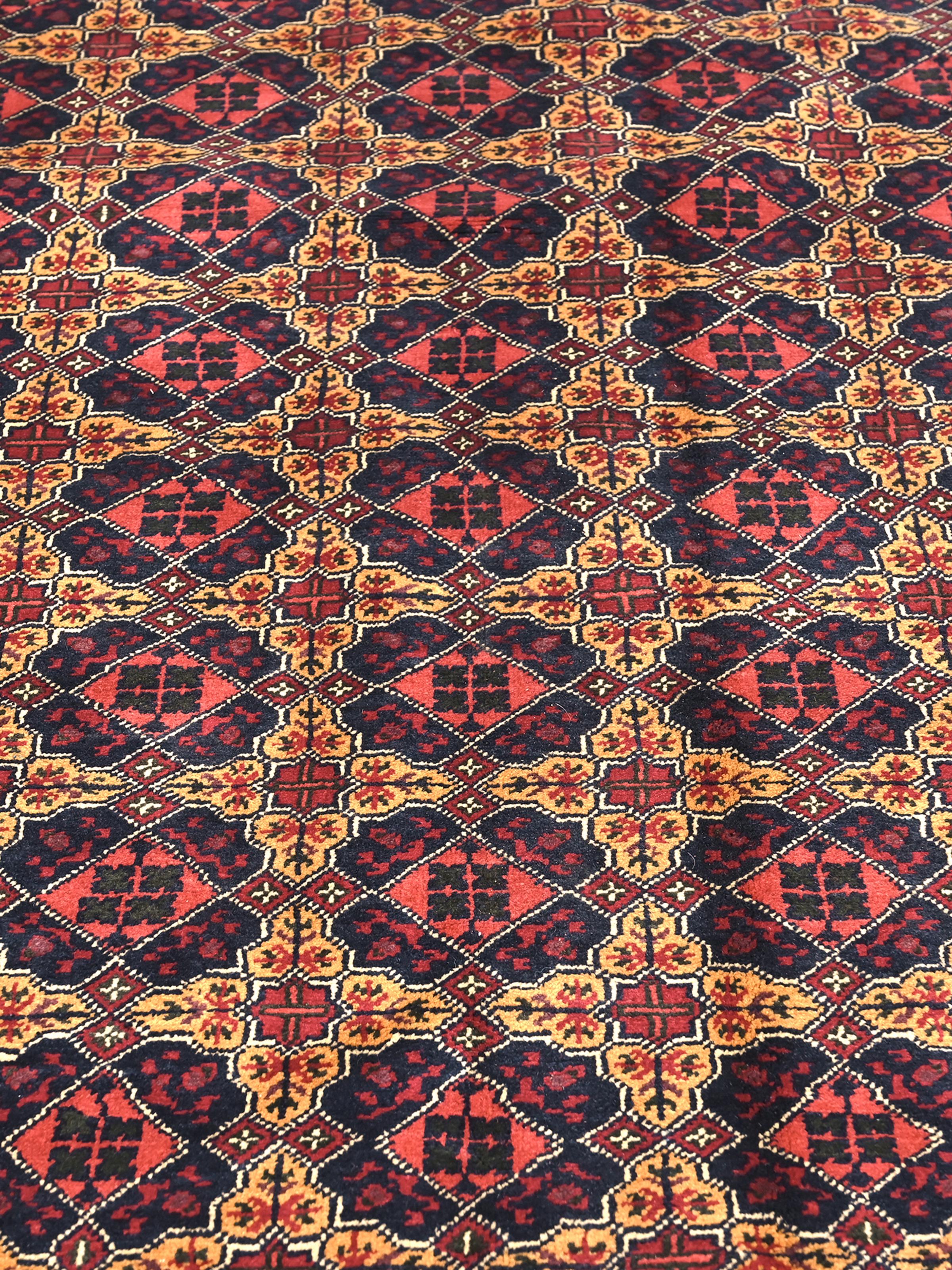
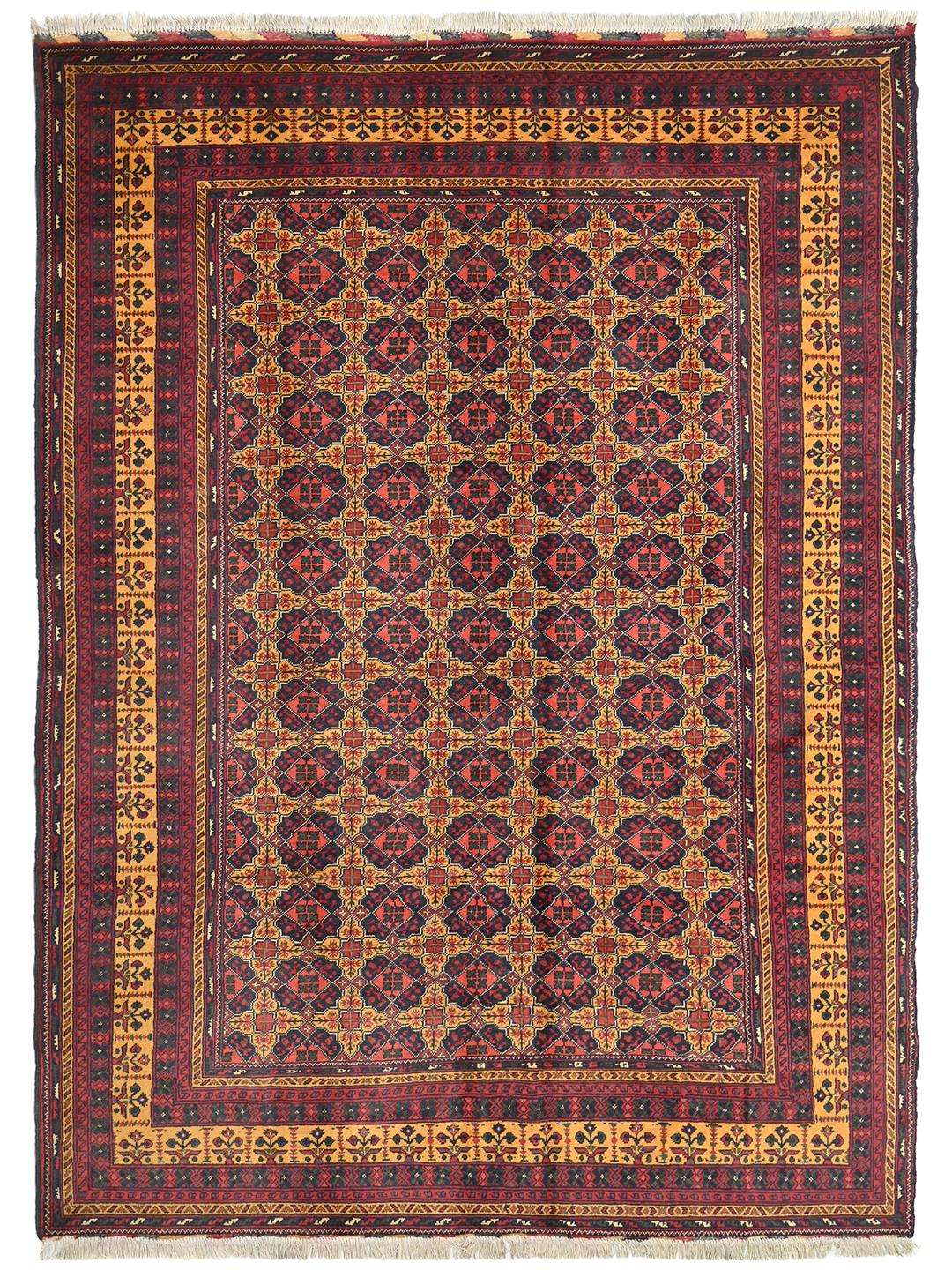
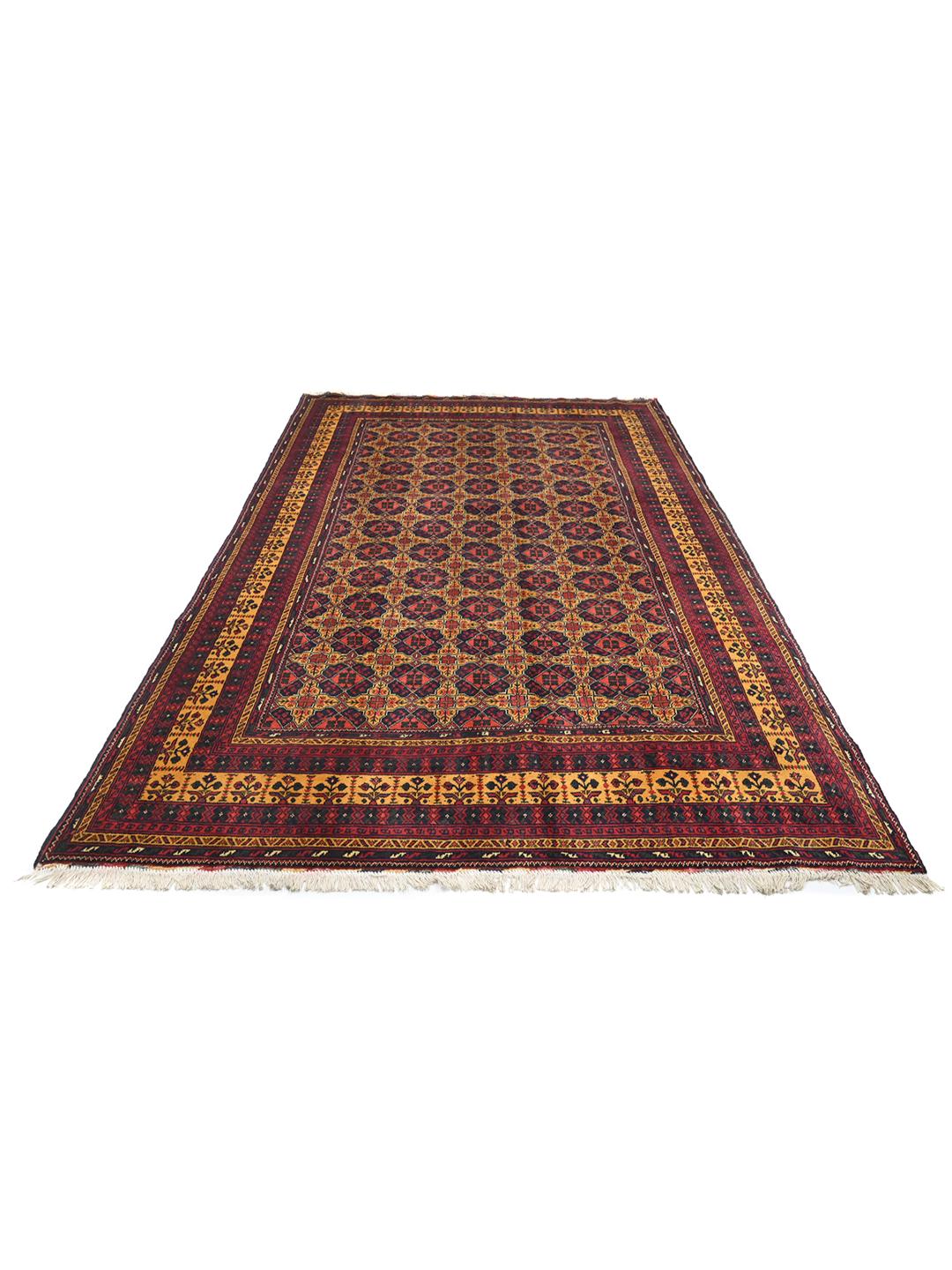
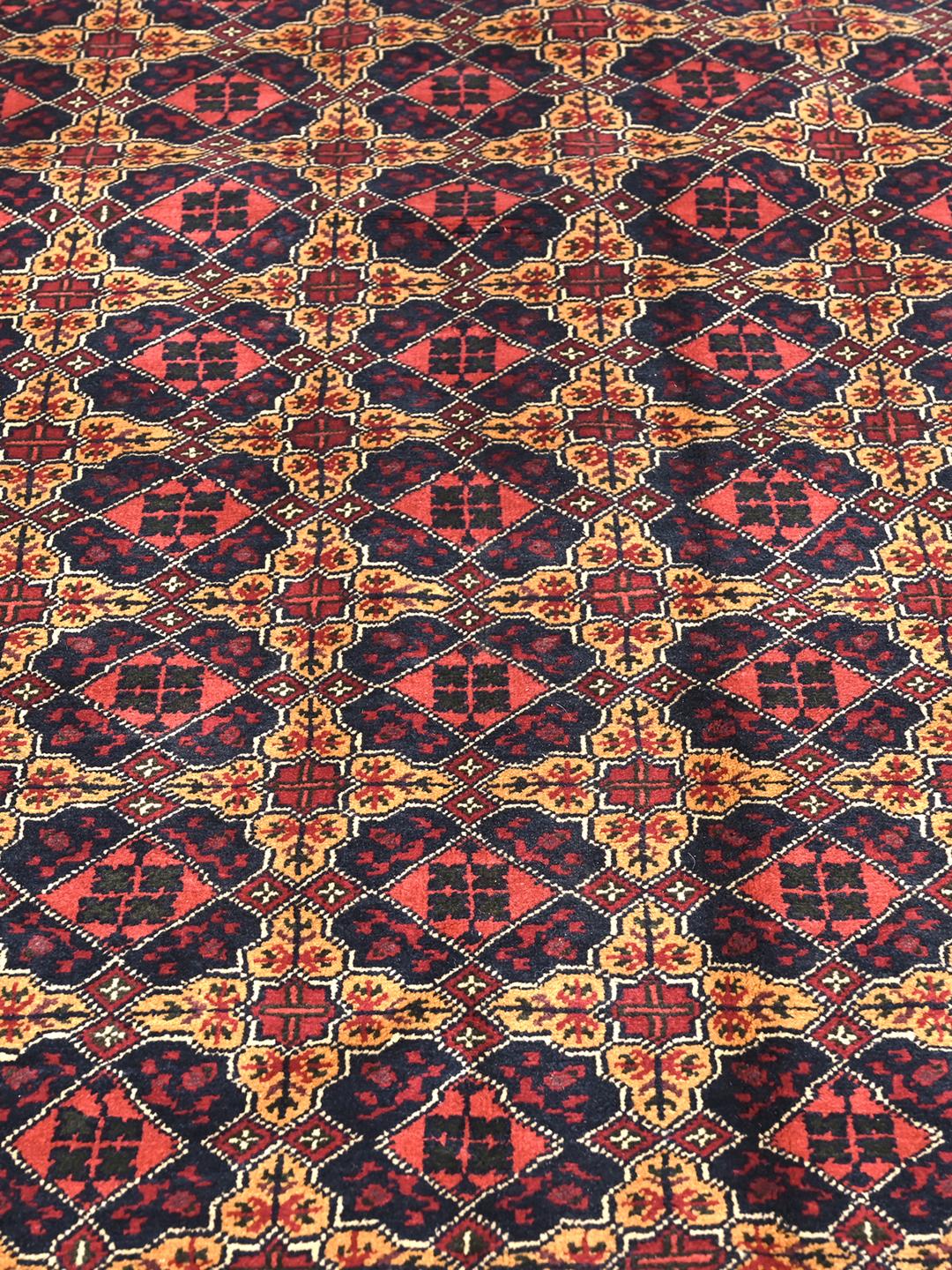
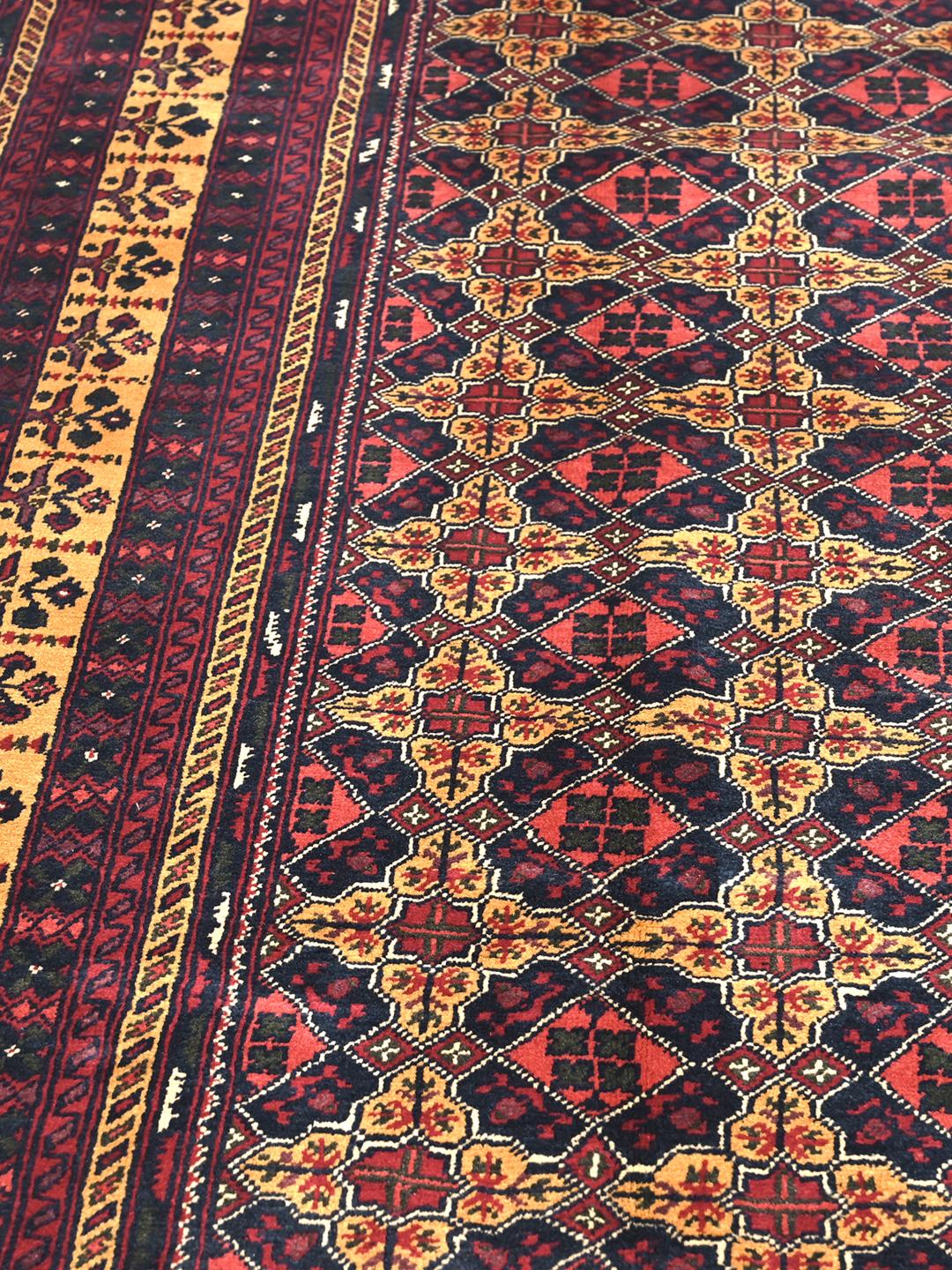
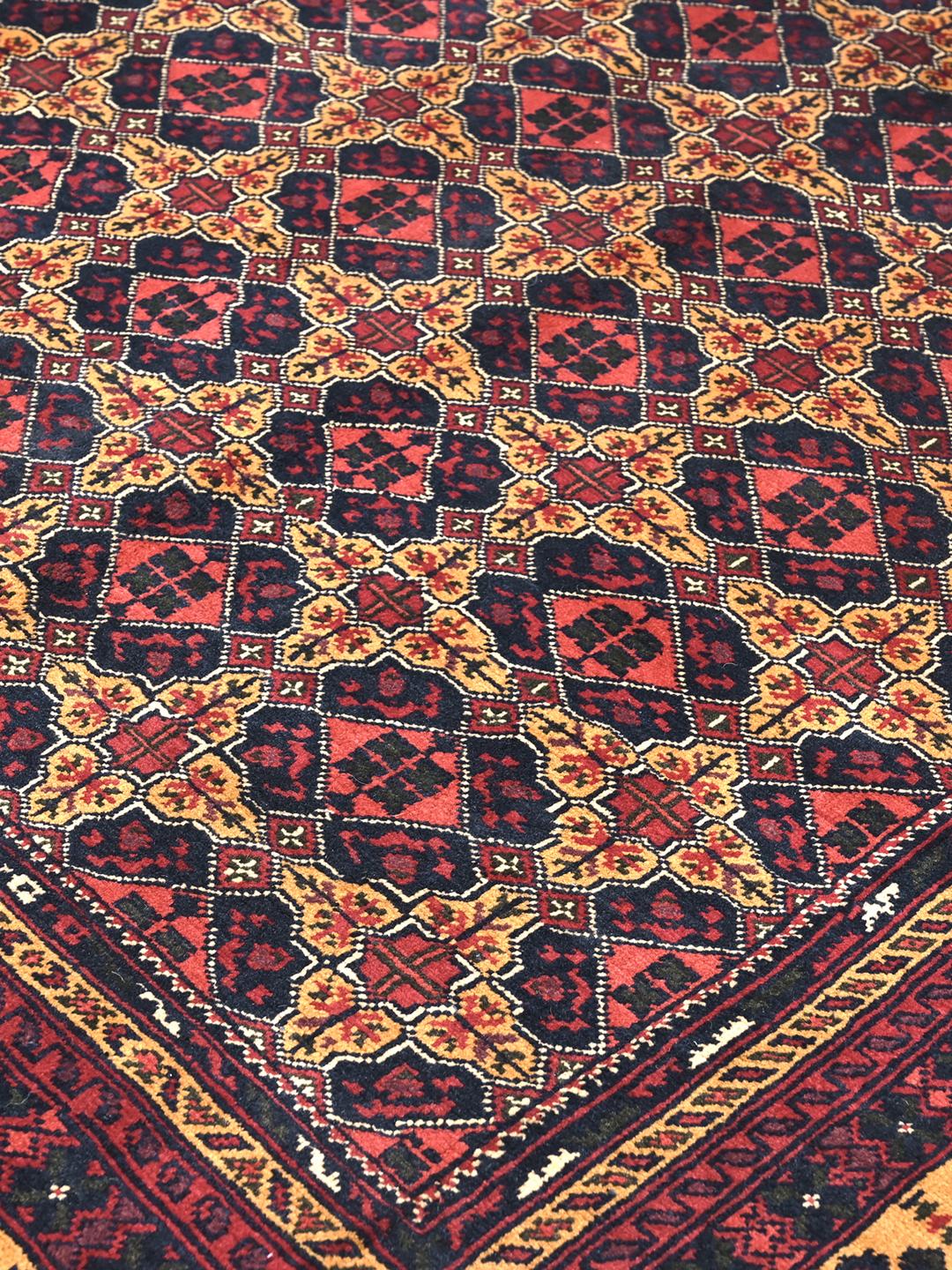
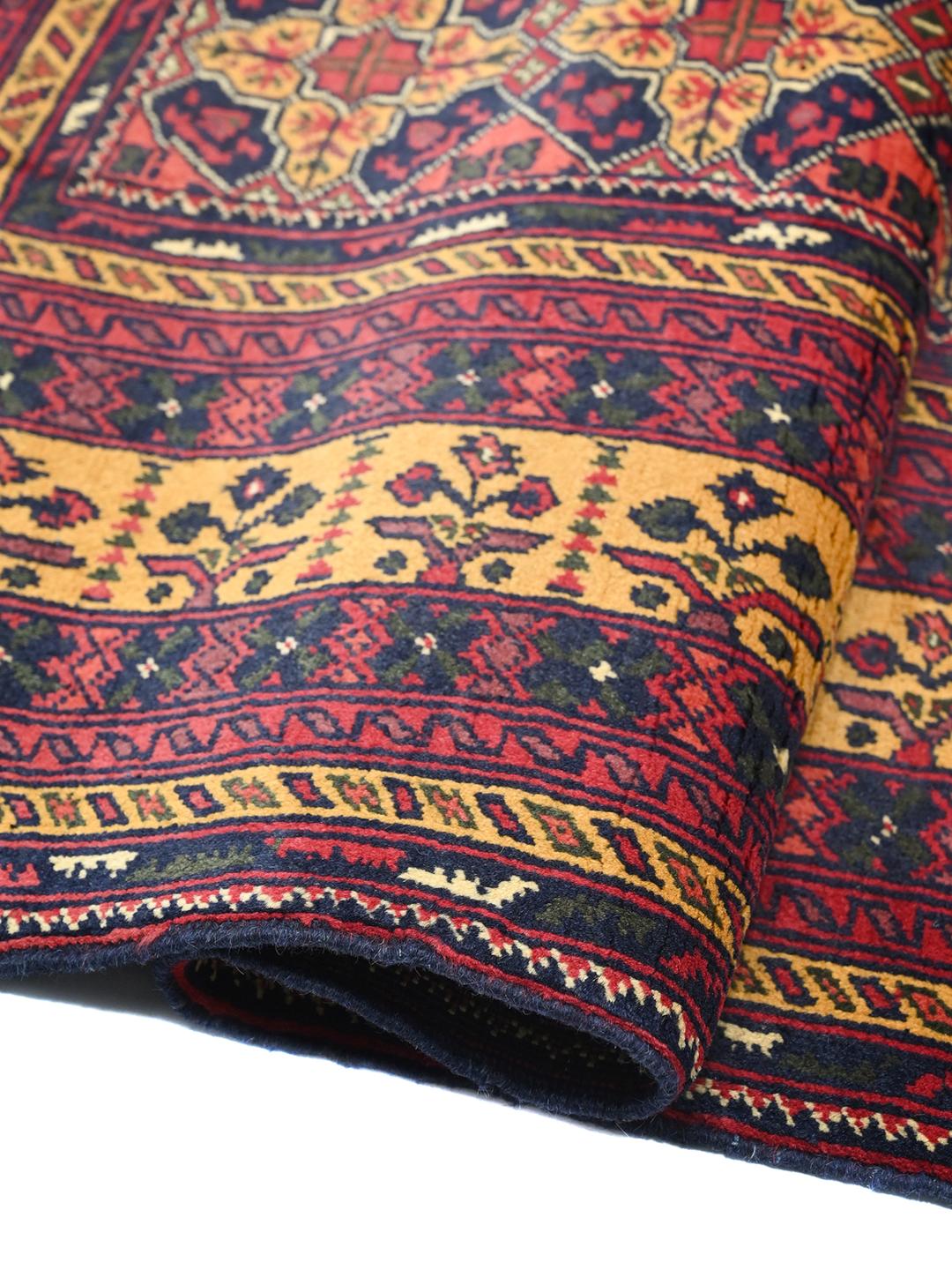
The visual language of Kunduz rugs is defined by repeating geometric medallions, often centred around variations of traditional elephant foot guls and octagonal motifs, framed by structured borders. In this particular piece, the deep red field provides a striking backdrop for the intricate motifs, showcasing the balanced composition and earthy palette that characterise fine Afghan floor coverings.
Owning a Kunduz rug connects your home to a living heritage of hand-knotting skill that has survived centuries of change. These rugs are valued by collectors not only for their robust materials and practical longevity, but for the authentic cultural narrative woven into every square centimetre by skilled artisan hands.