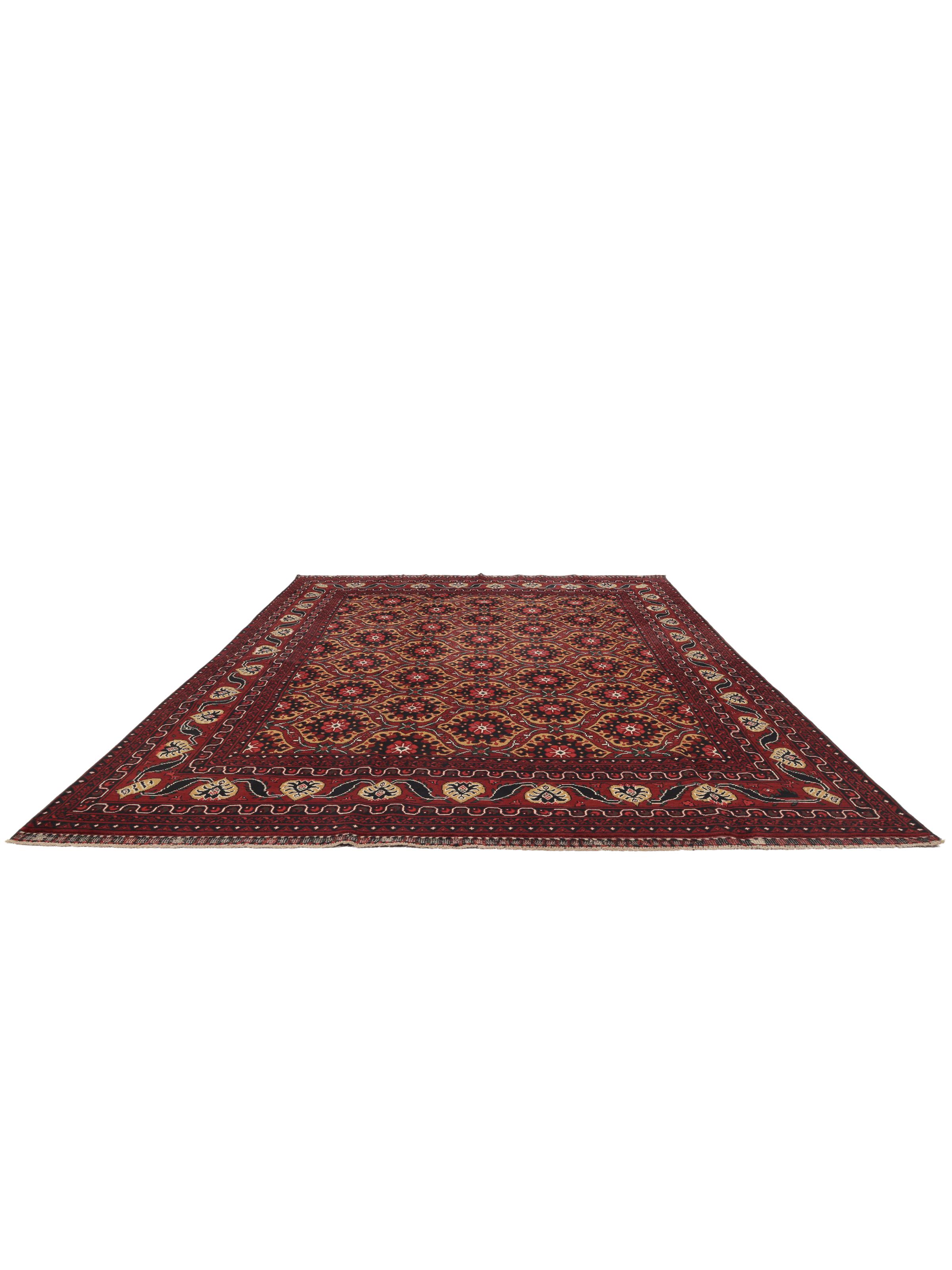
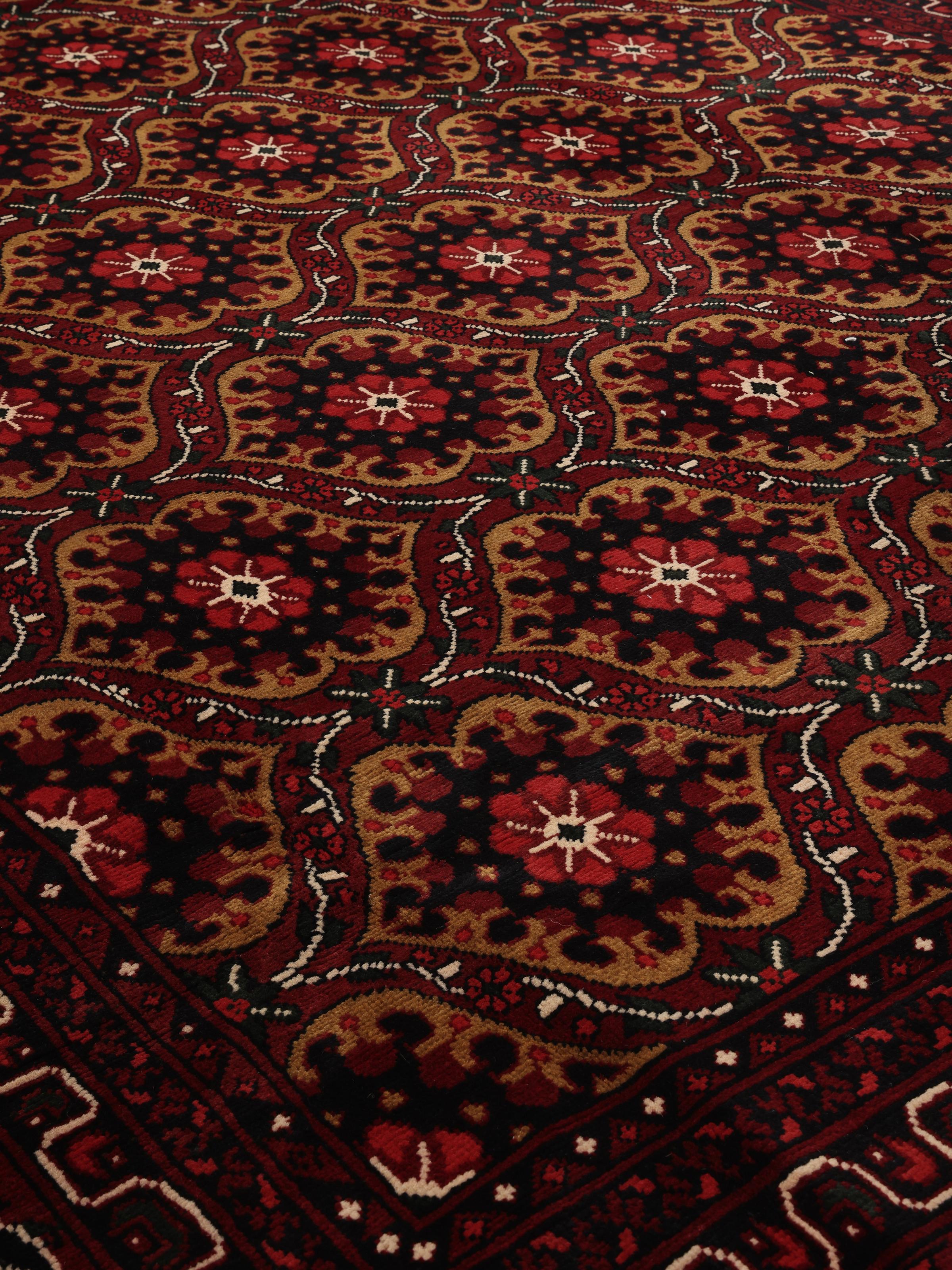
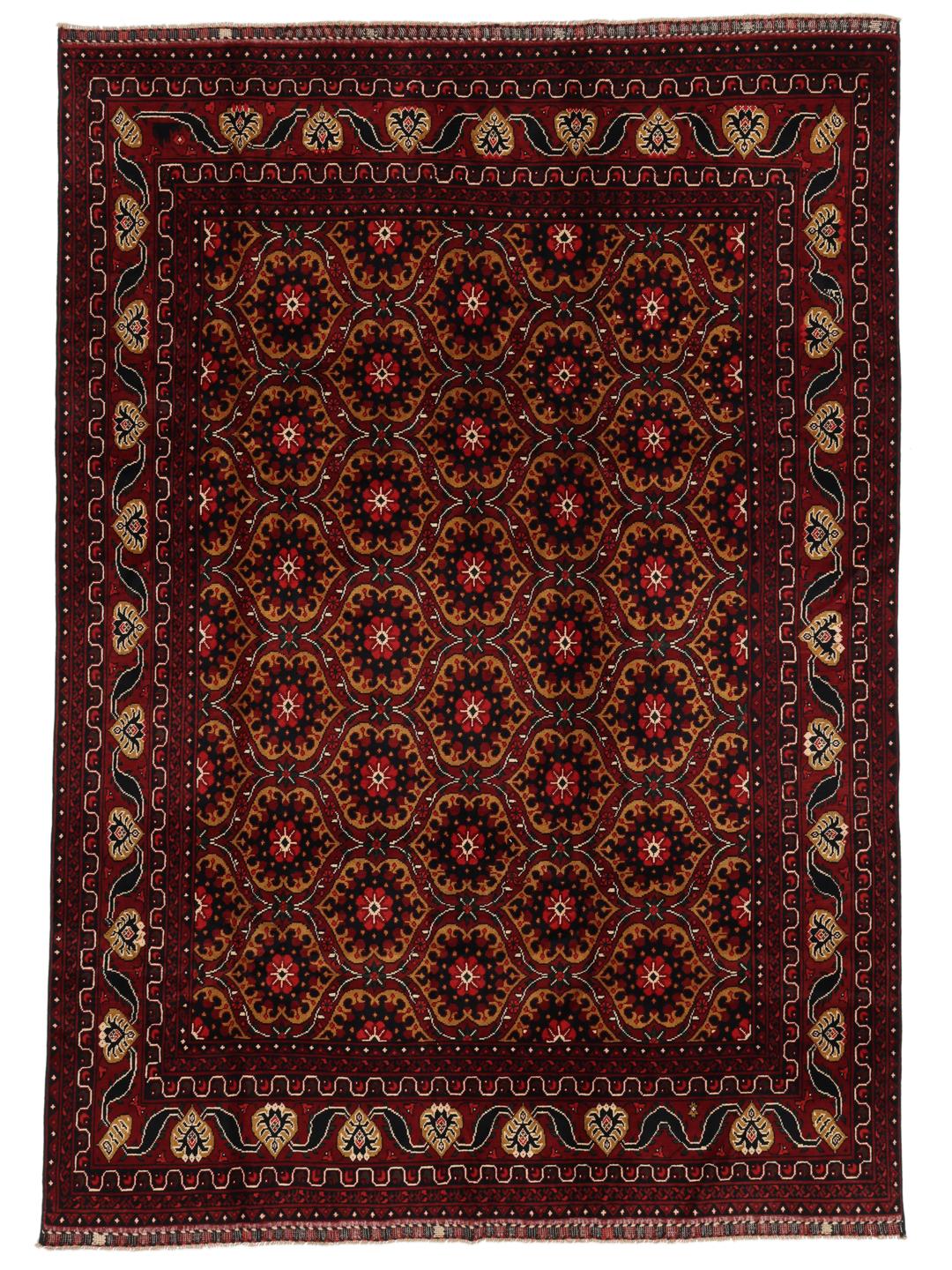
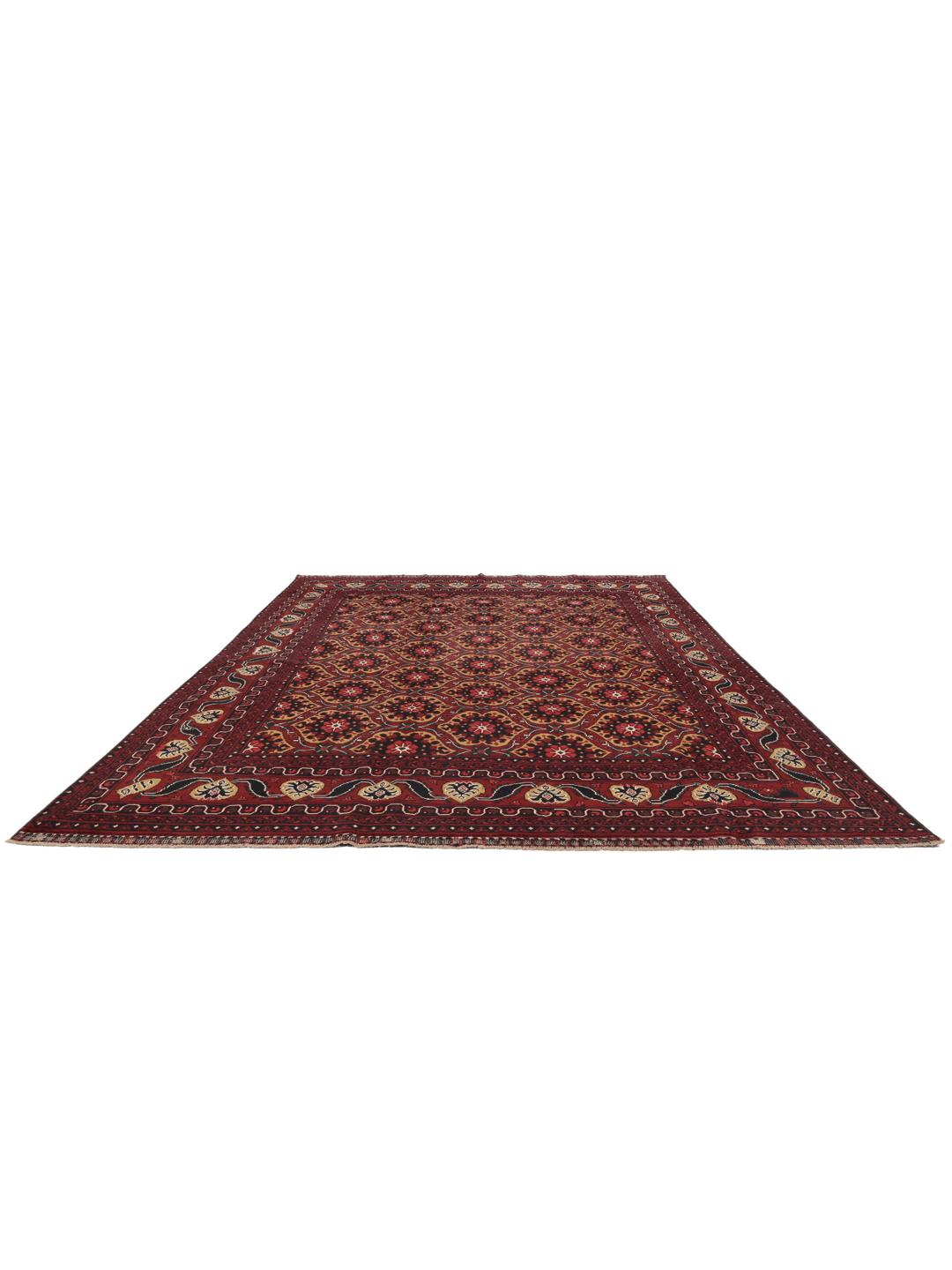
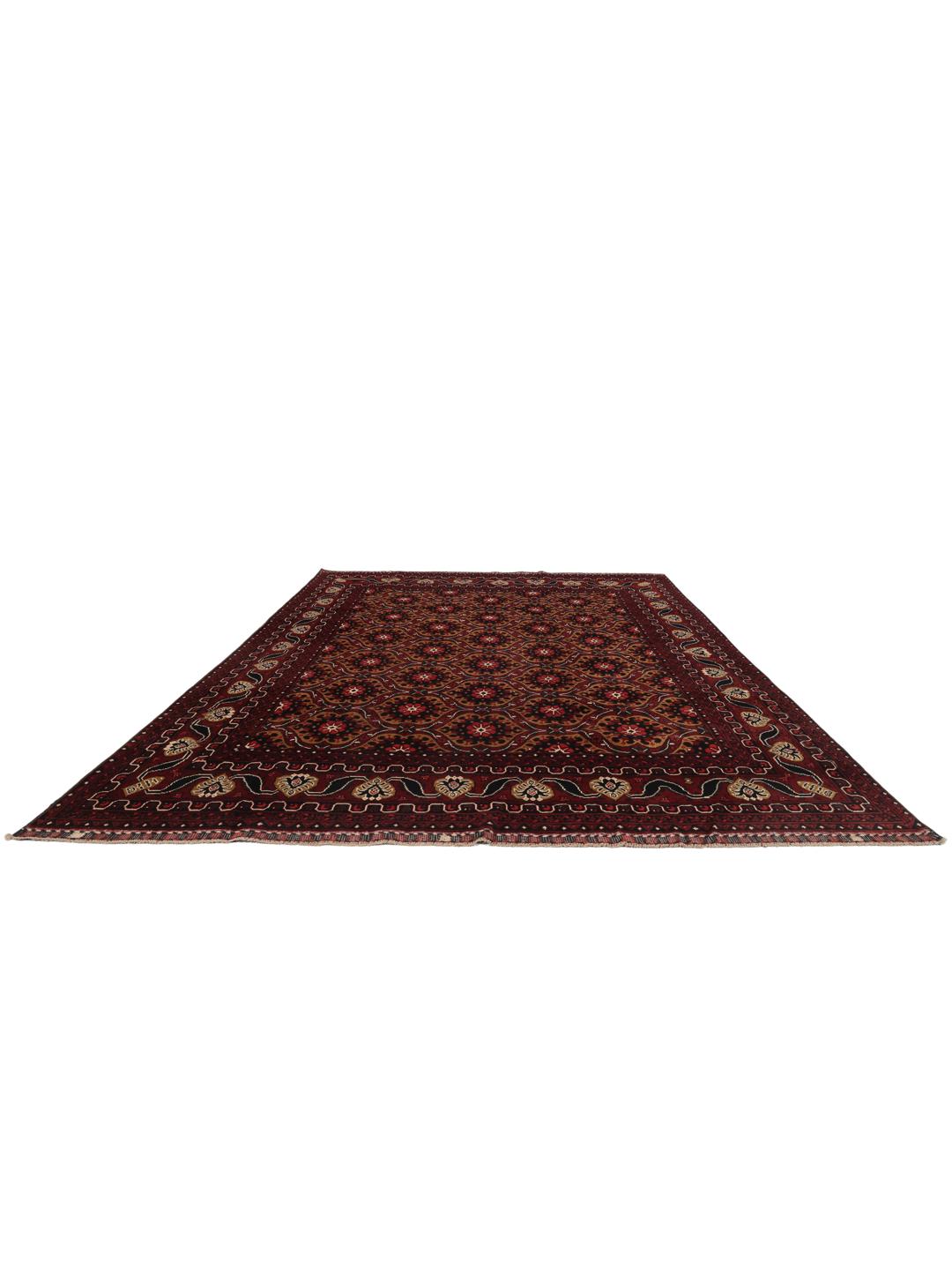
The Kunduz rug tradition finds its roots in the northern regions of Afghanistan, a territory with a long-standing history of exceptional textile production. These rugs are deeply connected to the semi-nomadic and settled weaving communities of the area, who have passed down complex weaving techniques through generations, blending cultural storytelling with functional home artistry.
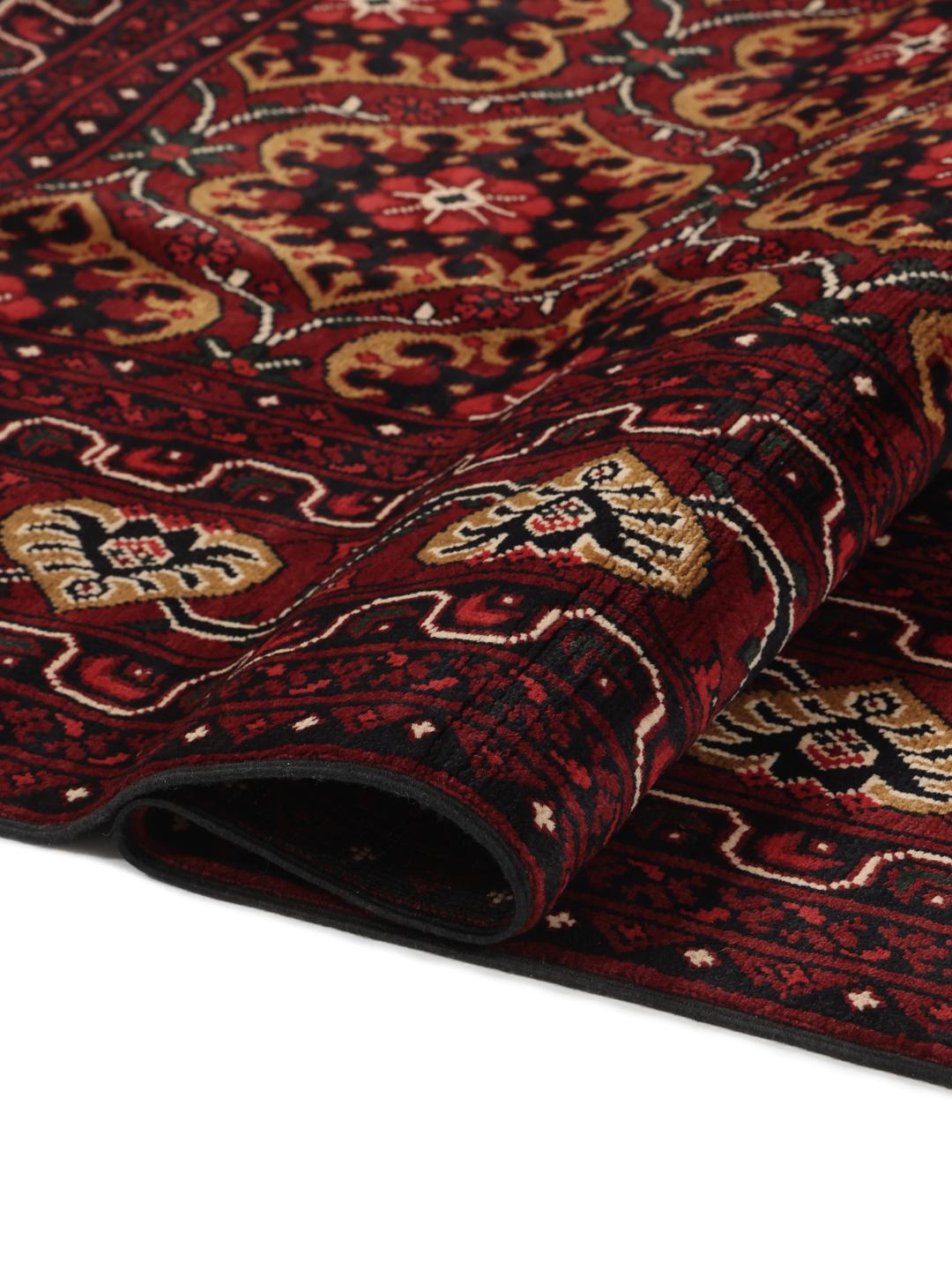
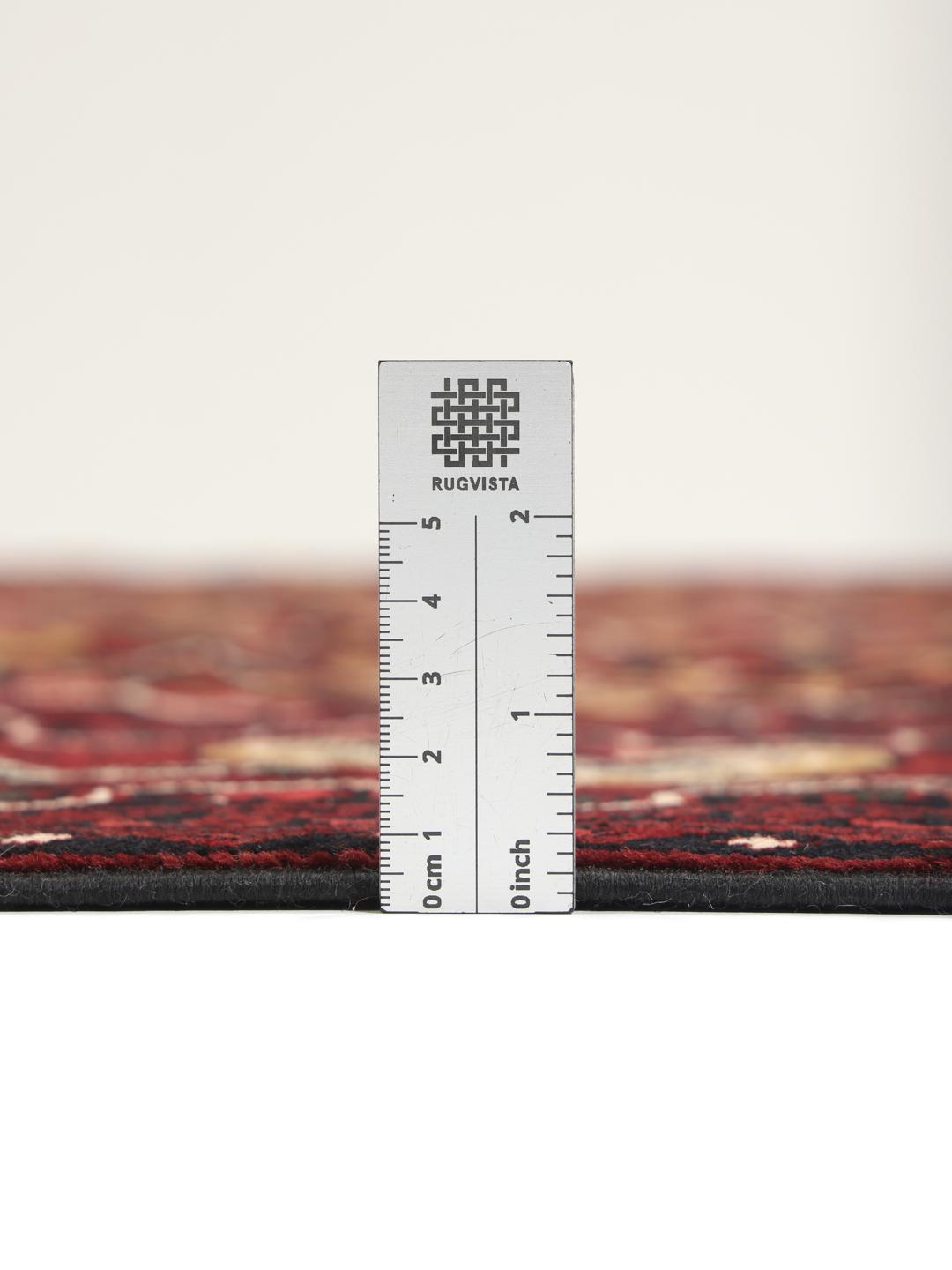
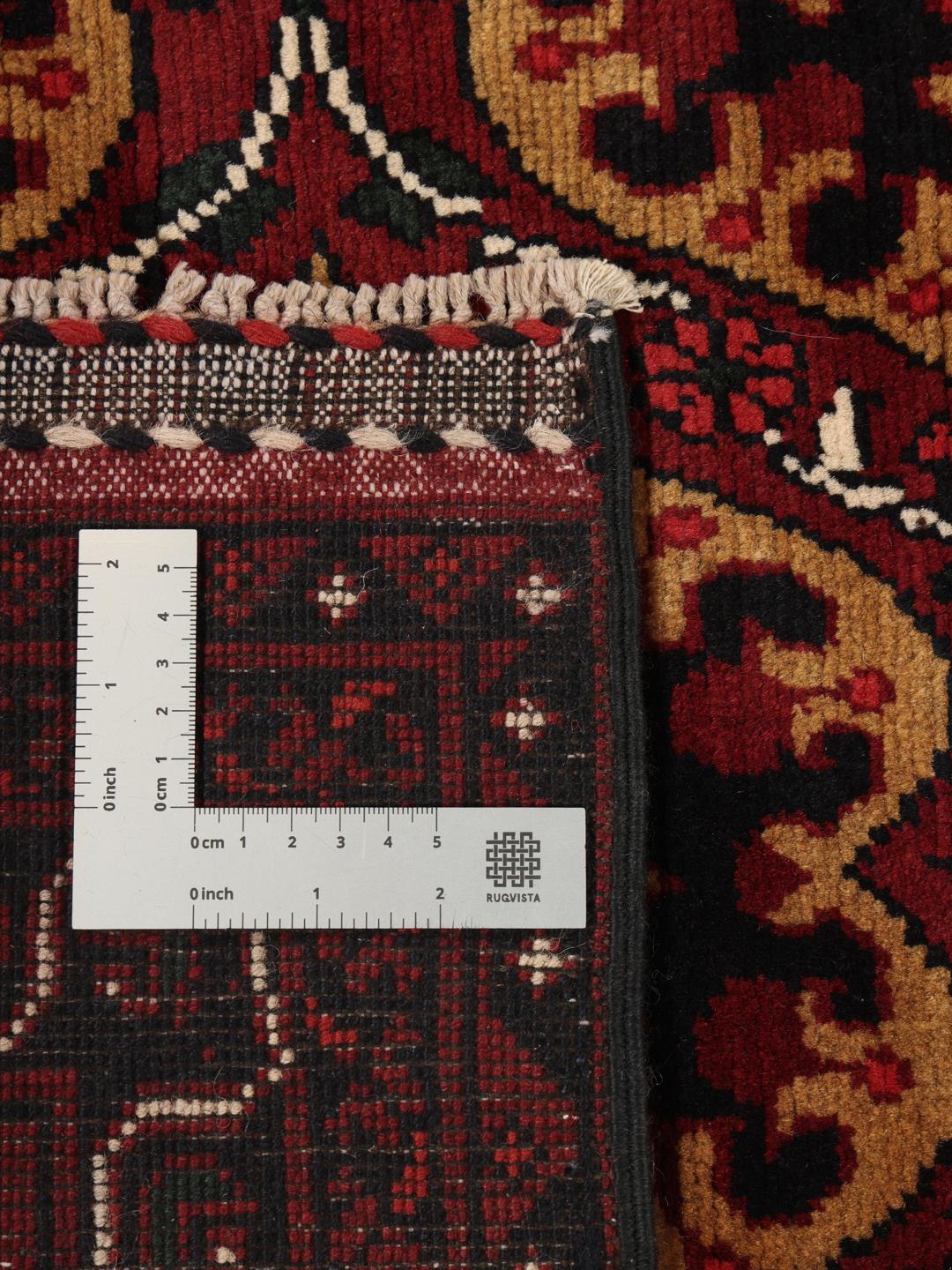
Technical excellence defines these pieces, often featuring a construction that prioritises durability and pile height. The use of hand-spun wool on a sturdy foundation allows for a natural lustre and a soft, yet robust, finish. This traditional approach to material preparation ensures the fibres are rich in lanolin, which provides the rug with a natural resistance to wear and an enduring, deep colour saturation.
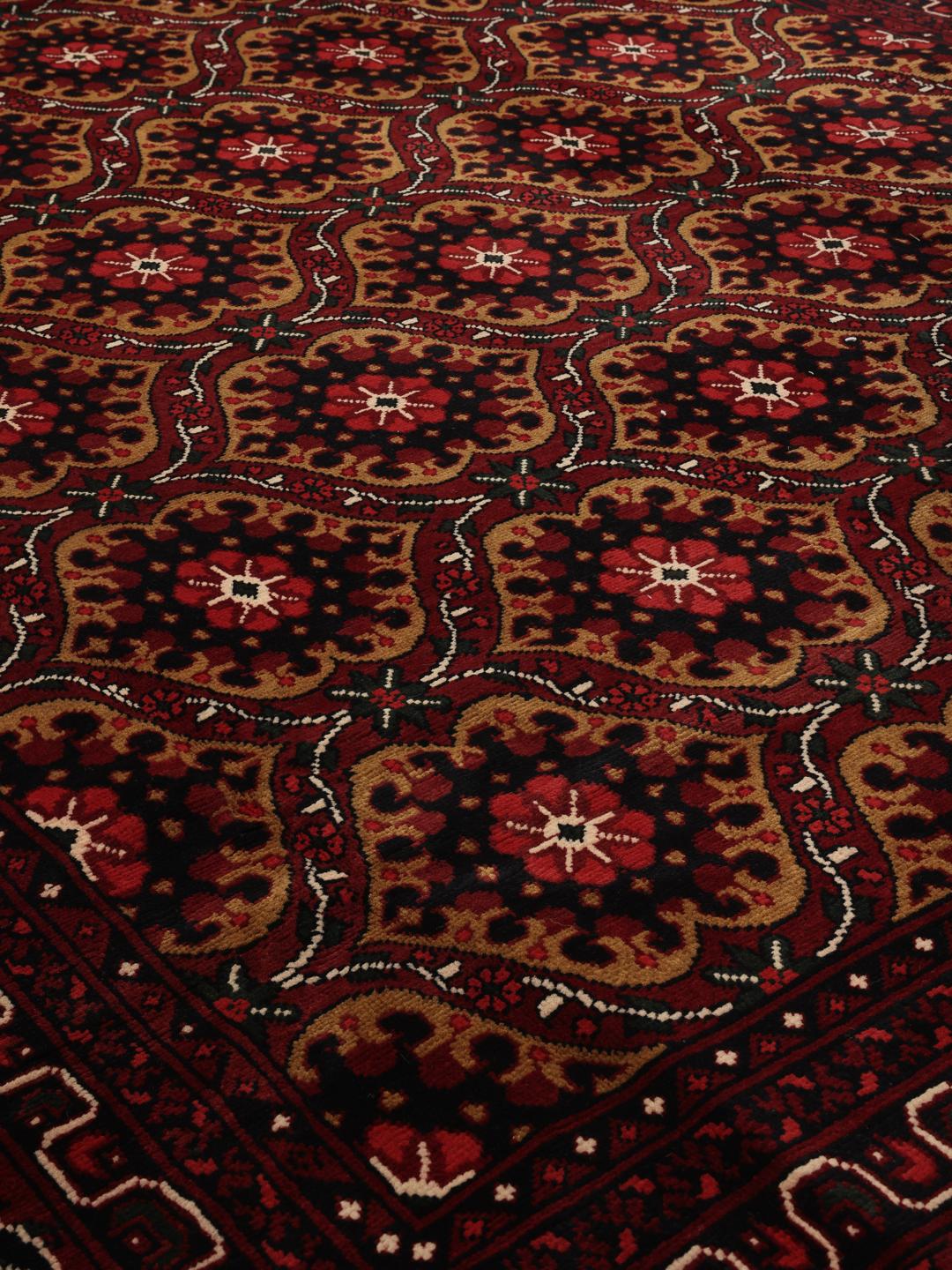
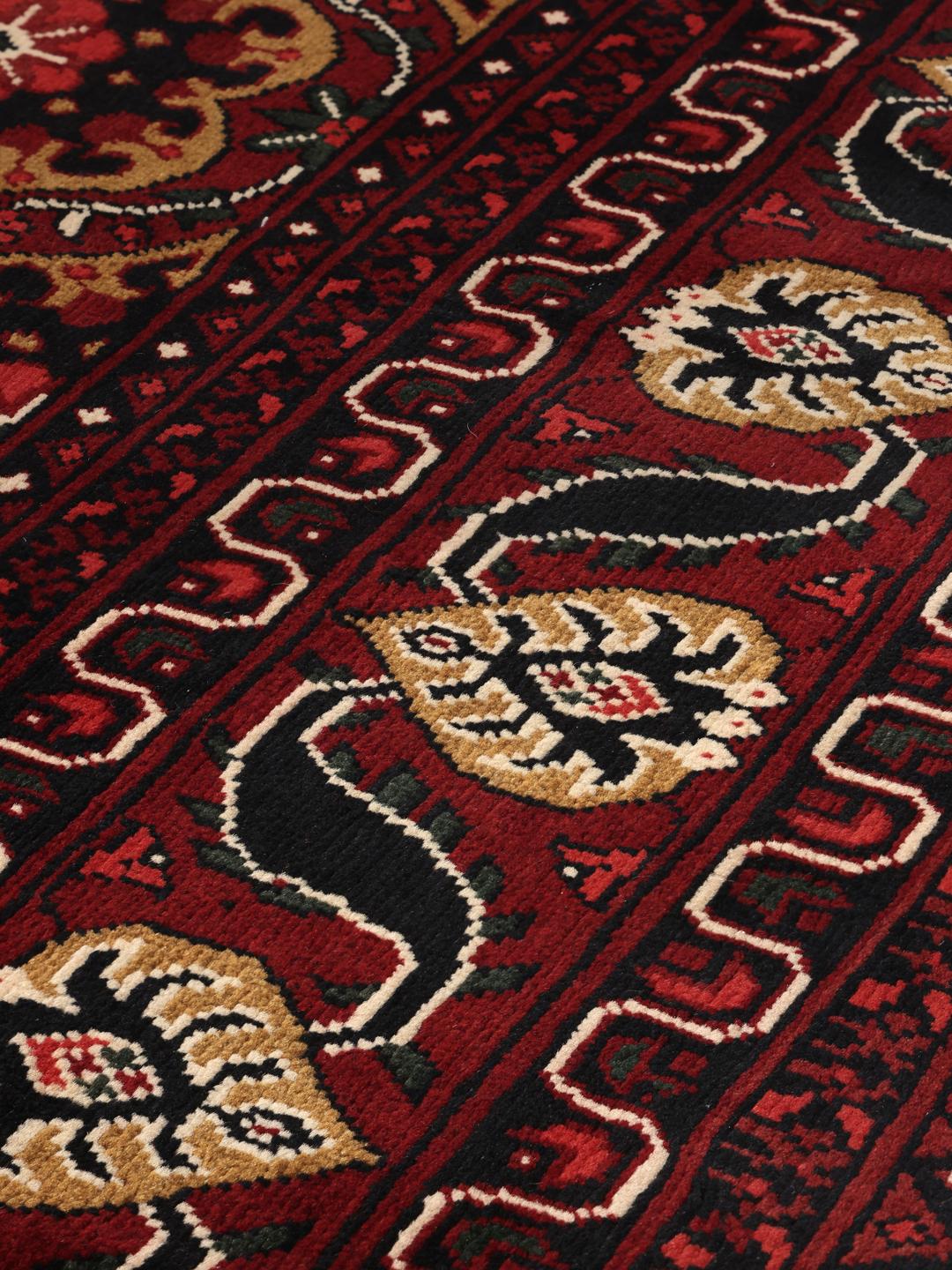
Visually, Kunduz rugs are known for their strong geometric language, often featuring repeating medallion motifs and balanced, symmetrical borders. The patterns are deeply symbolic, reflecting the surrounding environment and the heritage of the weavers. The deep, dark-red tones are a hallmark of the region, achieved through a careful balance of earthy pigments that create a sense of warmth and sophistication.
Collecting a Kunduz rug means more than just purchasing a floor covering; it is an act of preserving a specific regional craft. These pieces are valued for their raw, authentic aesthetic and the high level of human skill required to produce them. Owning one is an opportunity to house a piece of cultural history that celebrates the resilience and artistry of Afghan weavers.