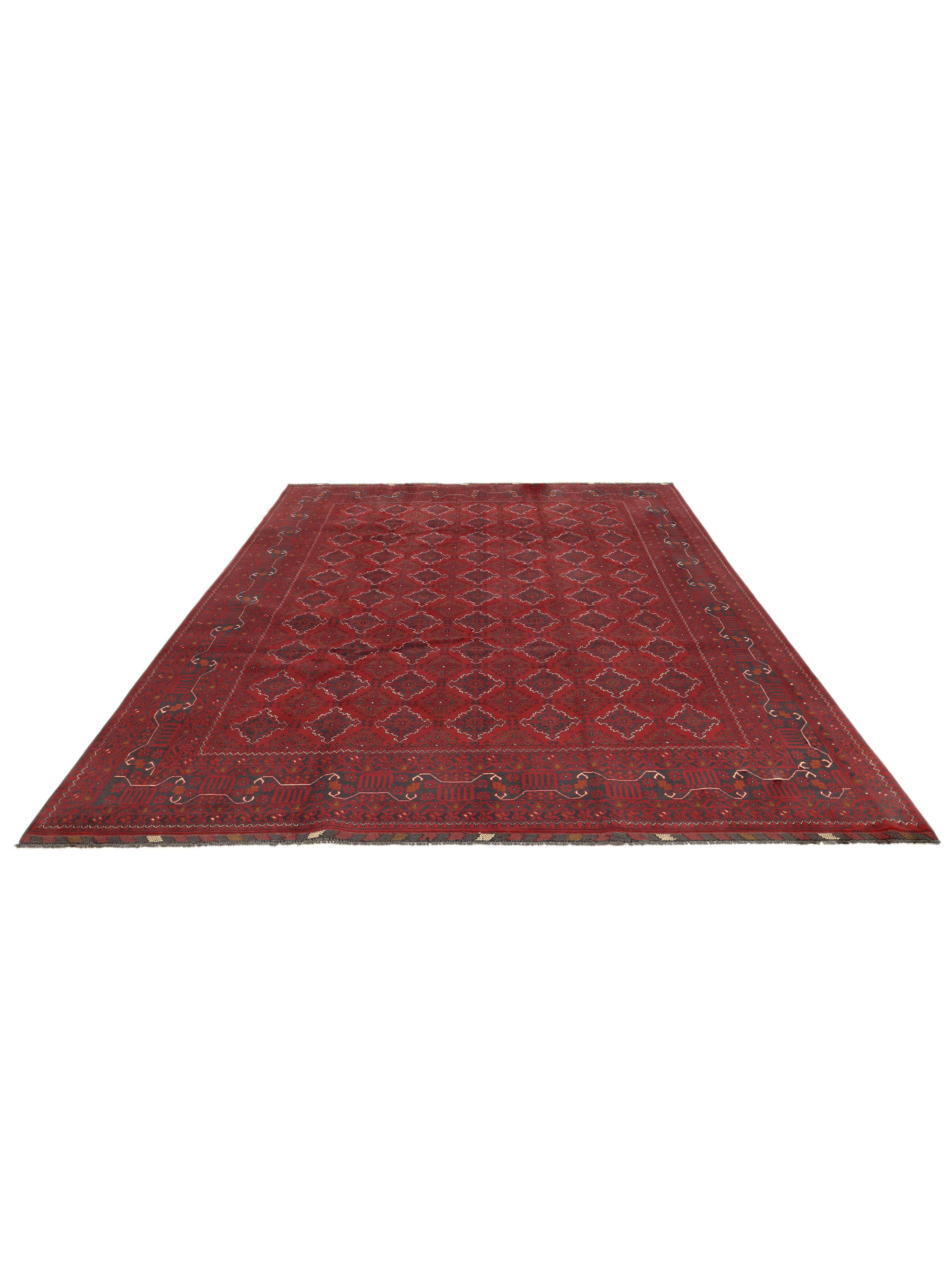
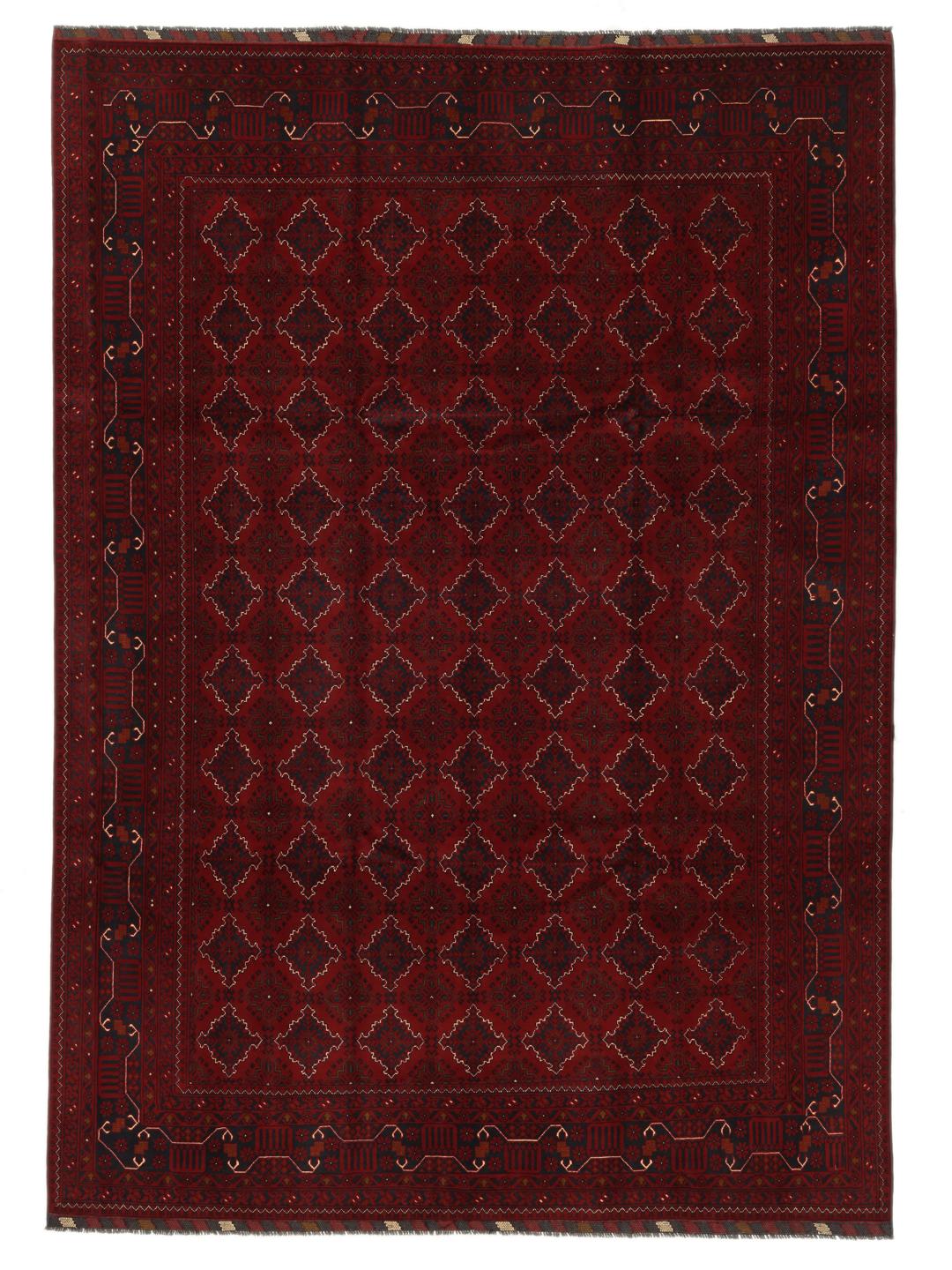
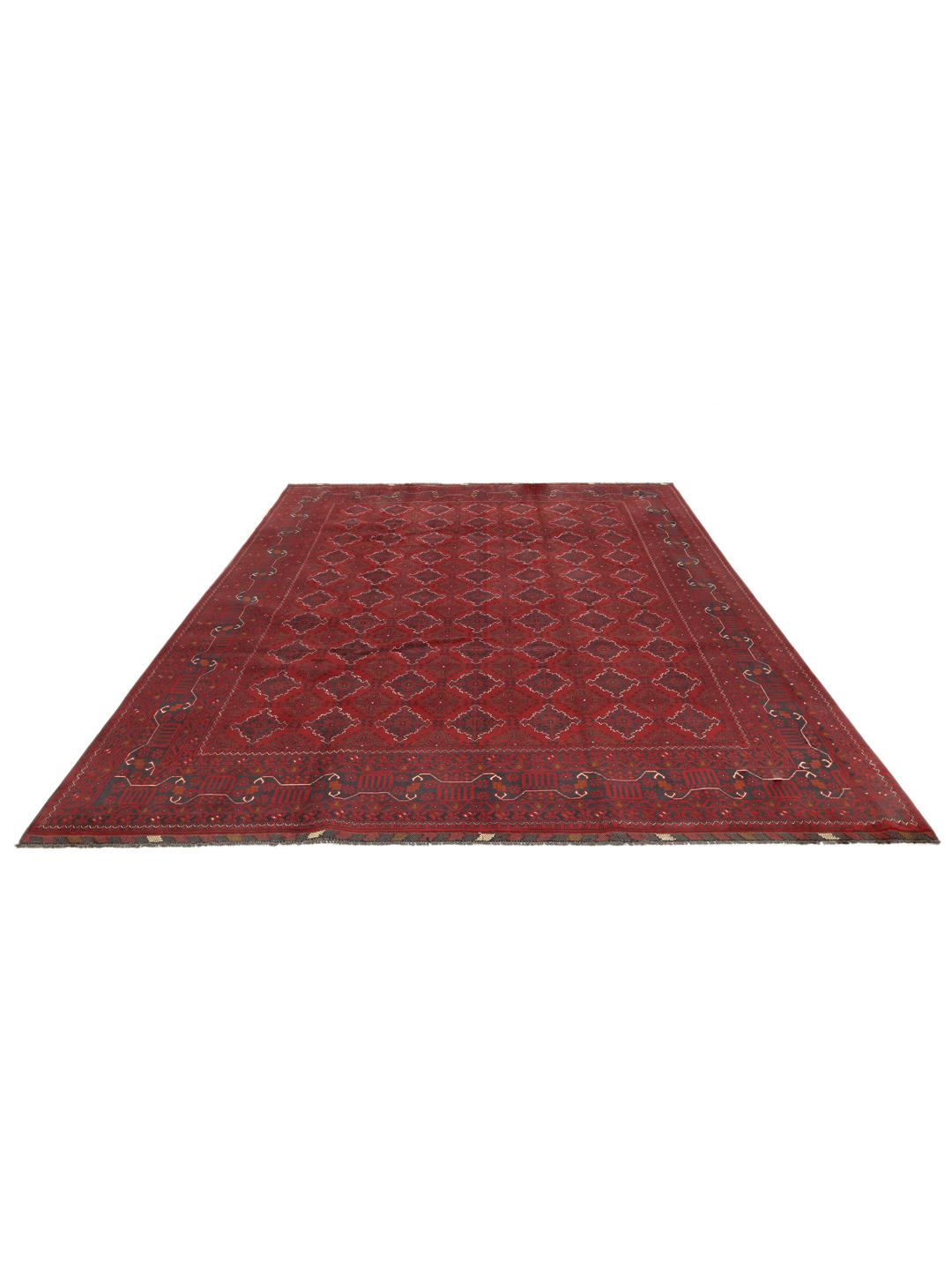
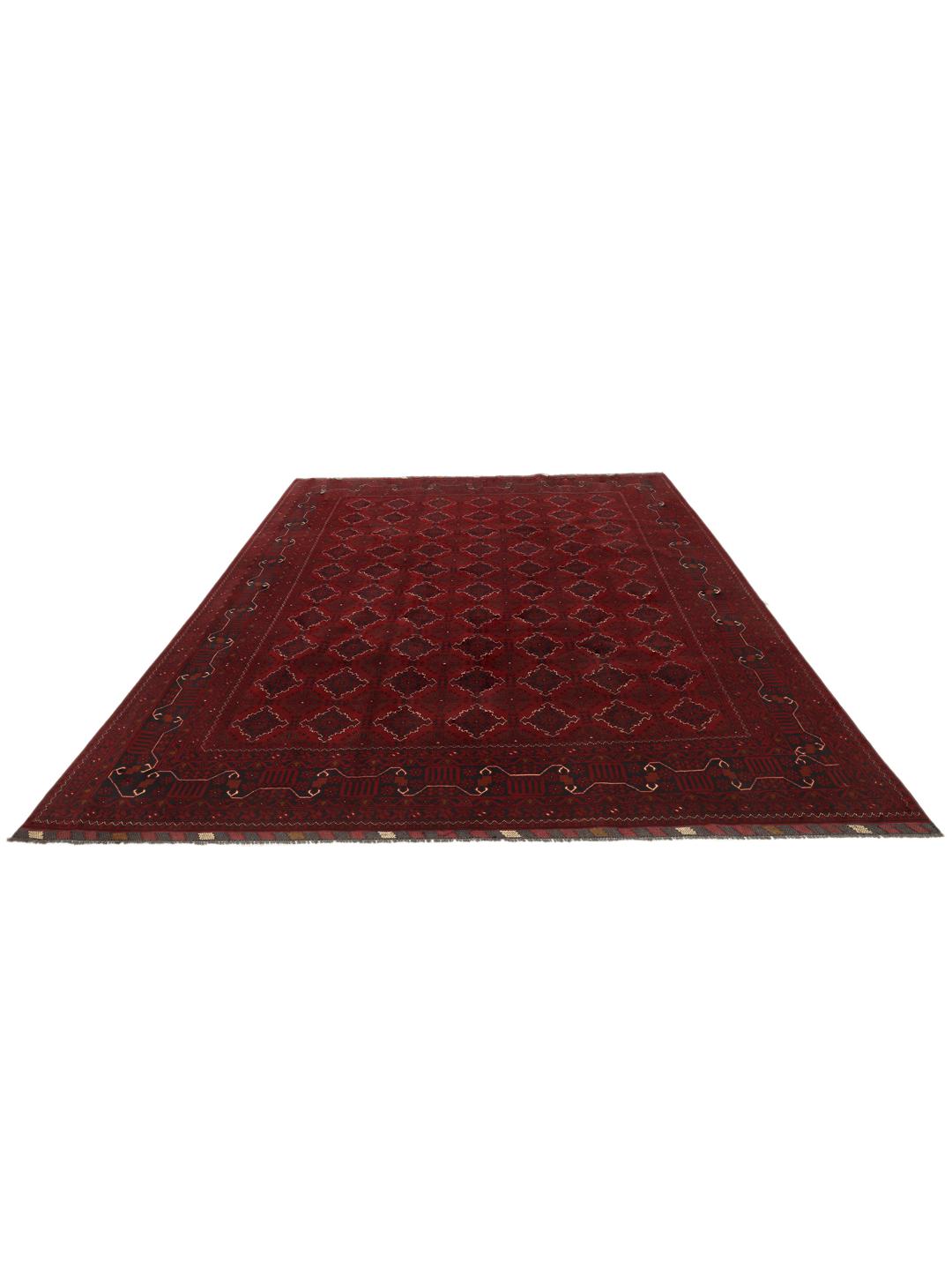
Kunduz rugs trace their roots to the vibrant weaving culture of northern regions in the Middle East, an area with a deep-seated history in textile arts. These rugs are deeply influenced by the nomadic and tribal traditions that have traversed the landscapes for centuries. The town of Kunduz has long served as a vital hub for trade and craftsmanship, where these traditional techniques have been preserved and passed down through generations.
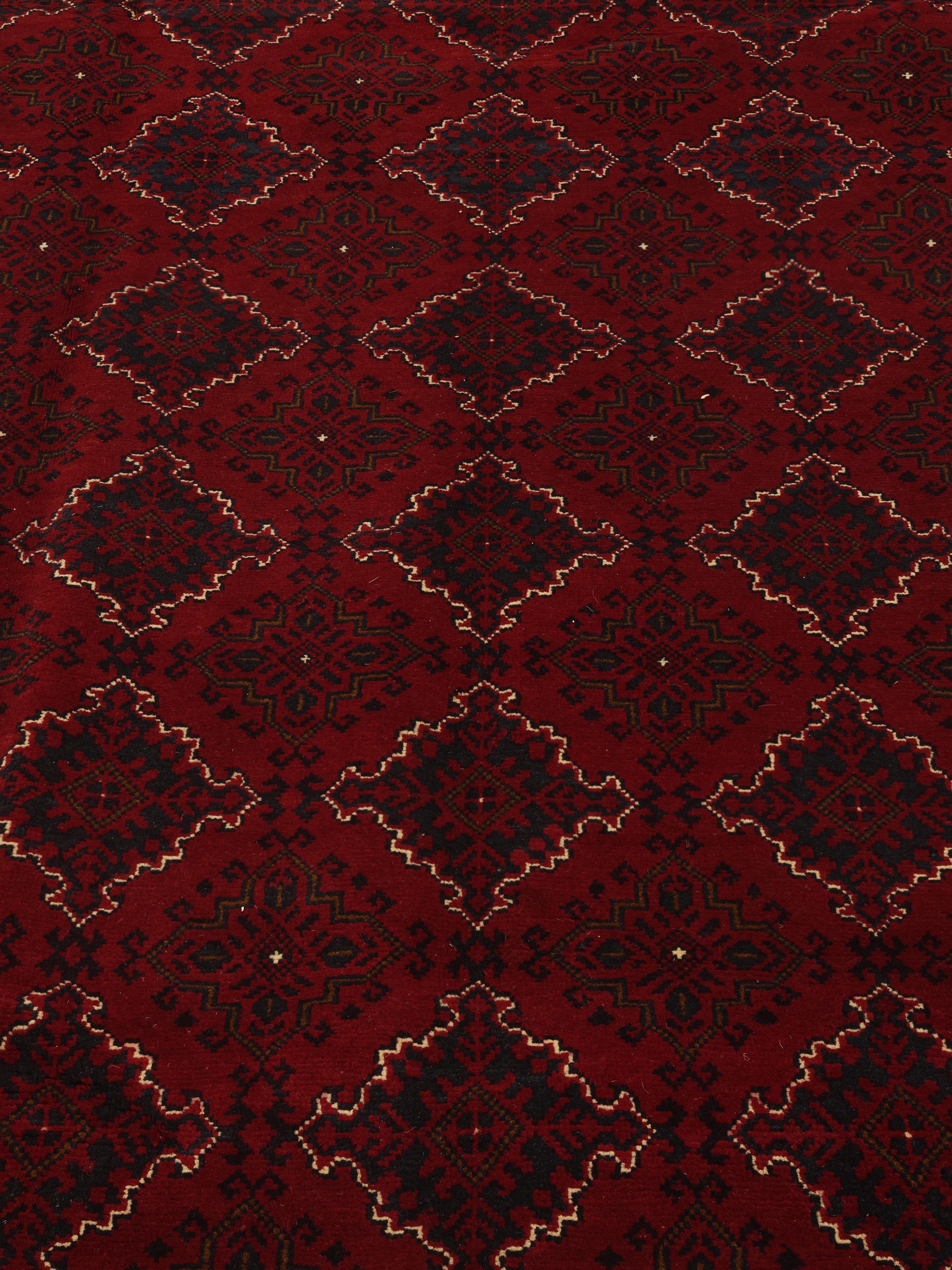
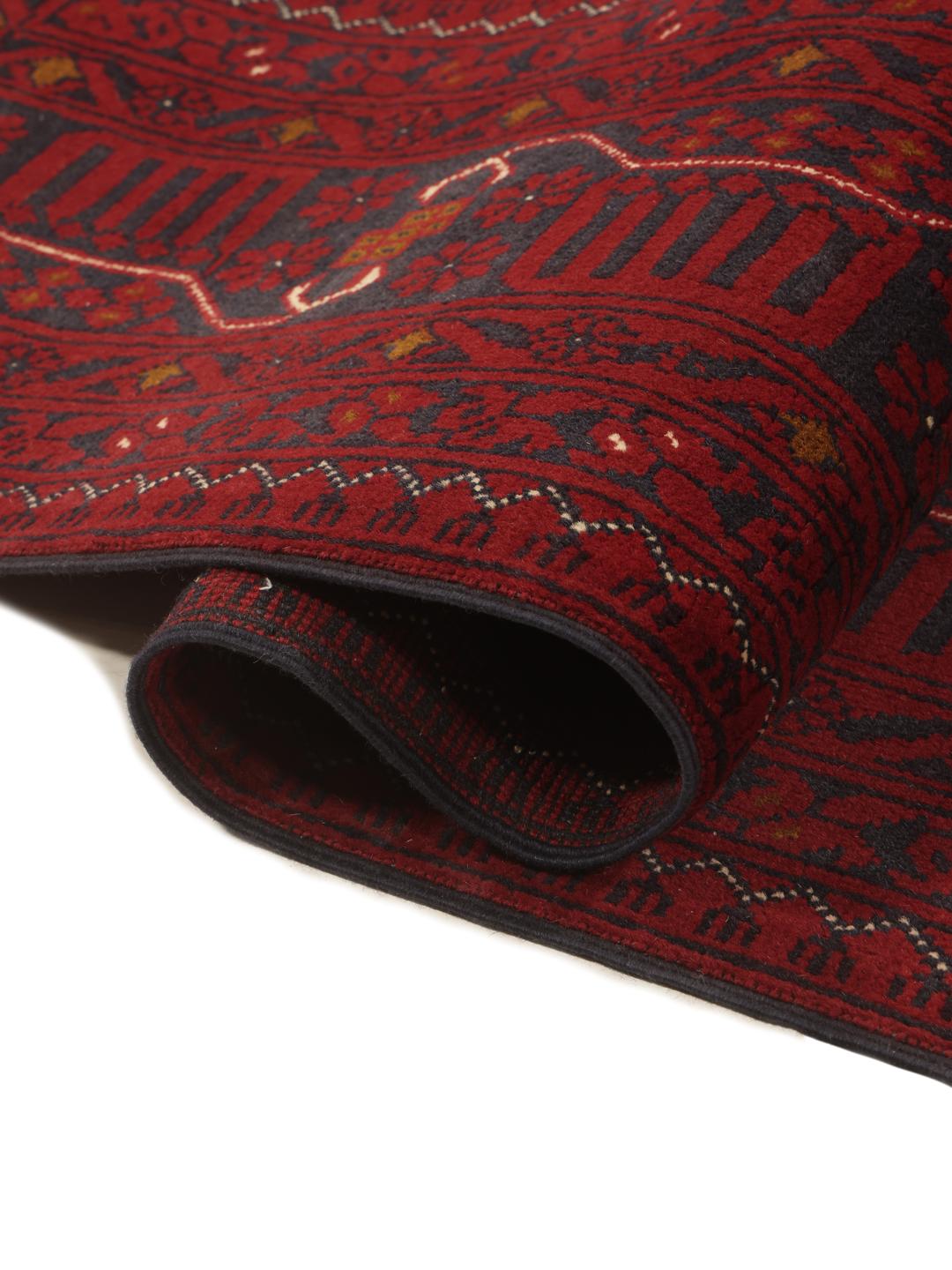
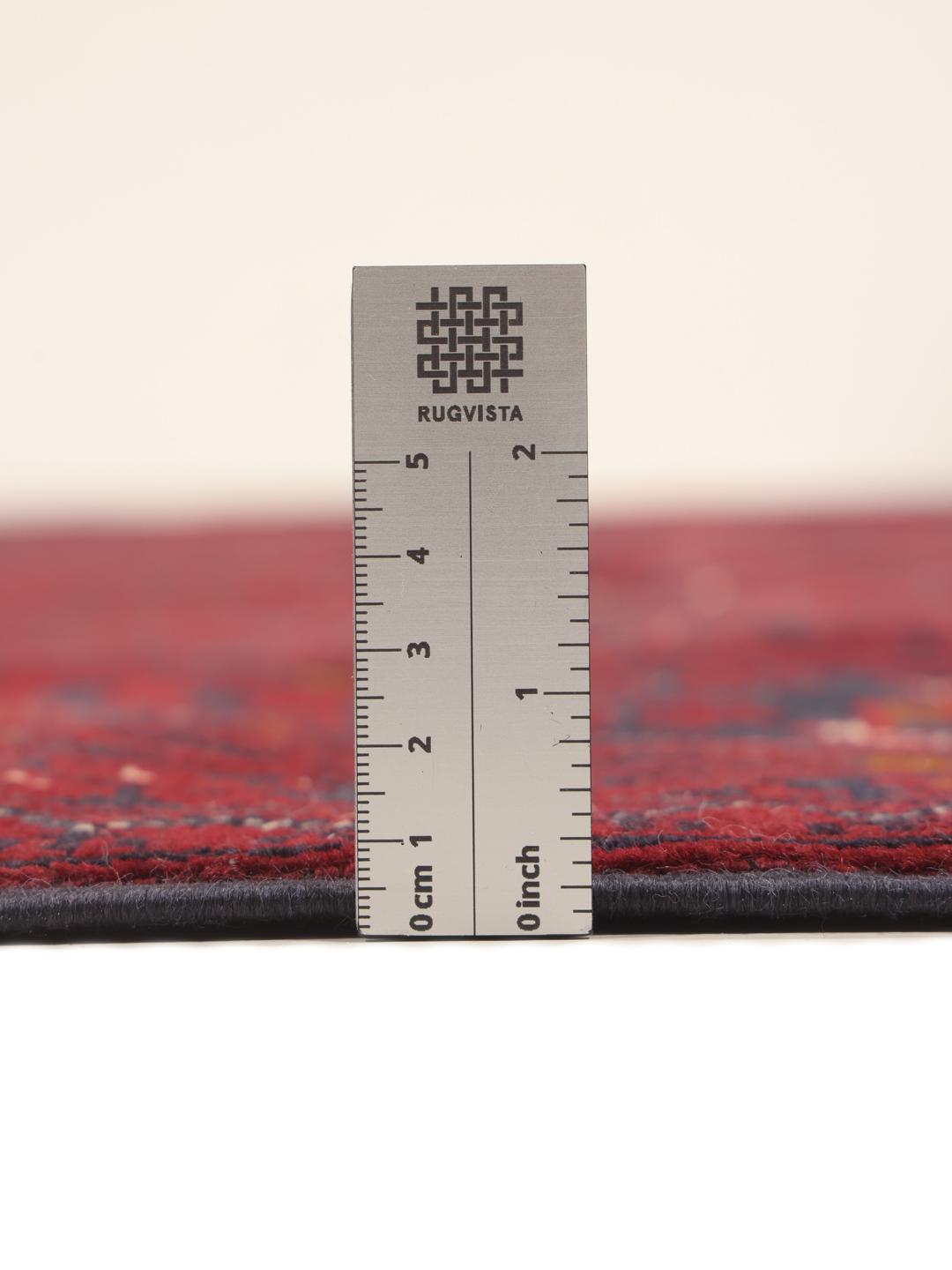
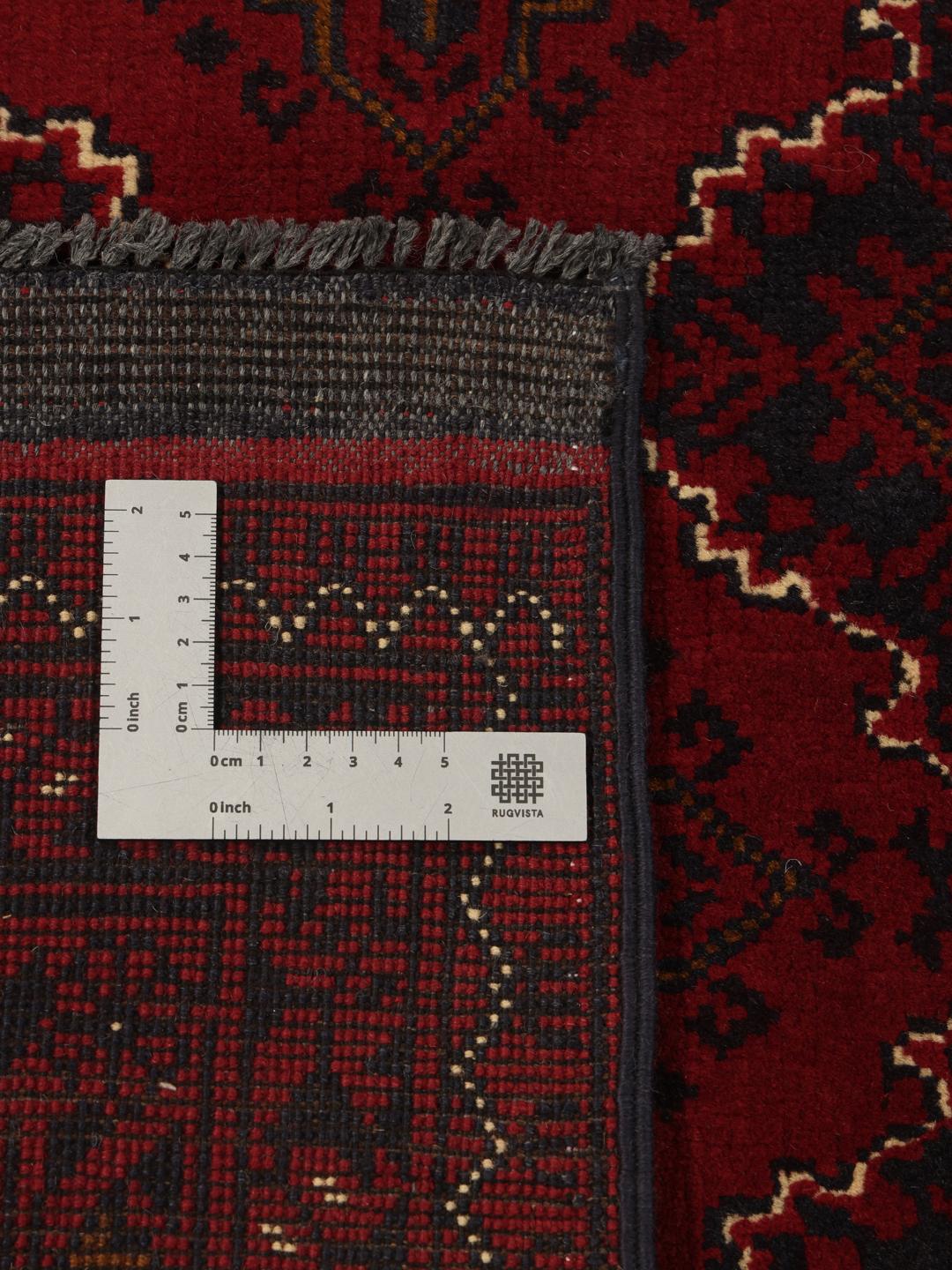
The artistry of a Kunduz rug is often defined by its pile construction, which utilises high-quality wool to achieve a lustrous and durable finish. The use of traditional hand-knotting techniques is what gives these rugs their characteristic depth and resilience. This method ensures that the pile is thick and tightly packed, creating a surface that is both comfortable and capable of retaining its beauty for many years, even in high-traffic areas.
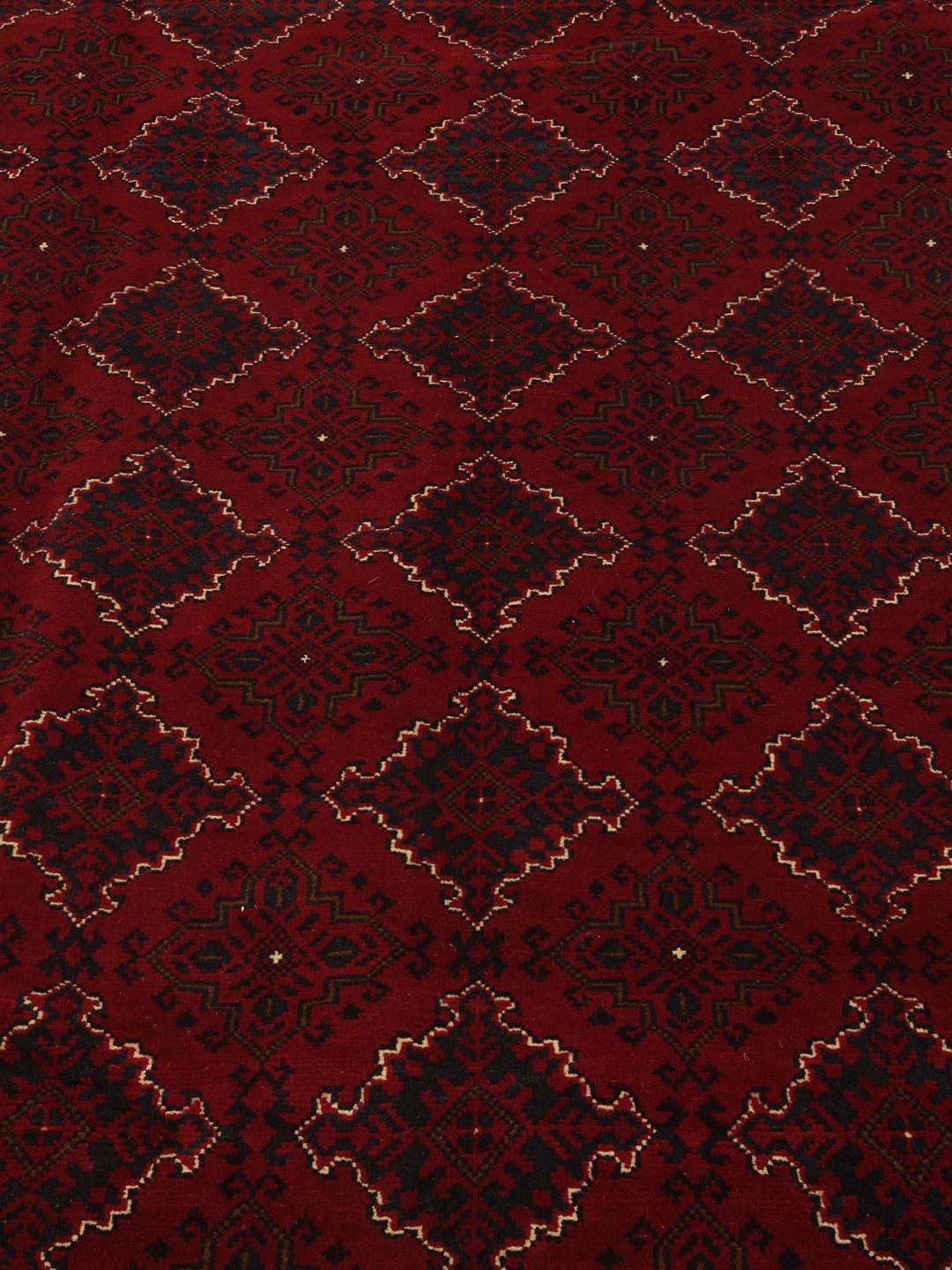
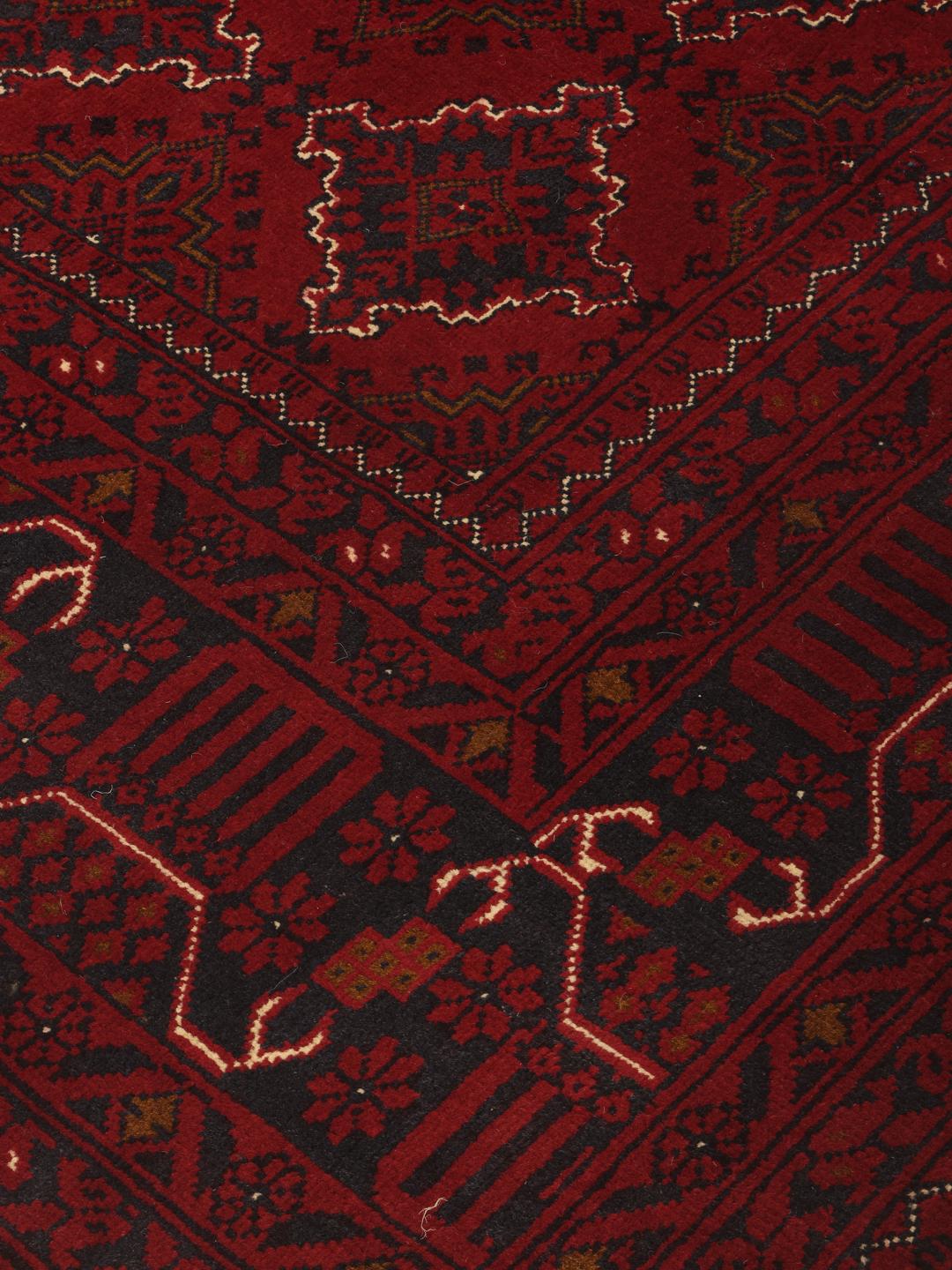
Visually, these rugs are celebrated for their rich colour palettes, often leaning into deep, saturated reds and earthy tones that evoke the natural landscapes of their origin. They frequently feature repeating geometric motifs, such as medallions or stylized floral elements, which are framed by intricate, formal borders. The balance between the bold field colour and the precise, repeating patterns creates a harmonious look that has become a hallmark of the Kunduz style.
Owning a Kunduz rug is more than just a decor choice; it is an appreciation of a craft that demands patience, skill, and a deep understanding of traditional design. These pieces are highly valued by collectors for their authenticity and the human effort embedded in every stitch. By bringing such a rug into your home, you are preserving a piece of heritage and supporting a legacy of artistry that continues to thrive in the modern world.