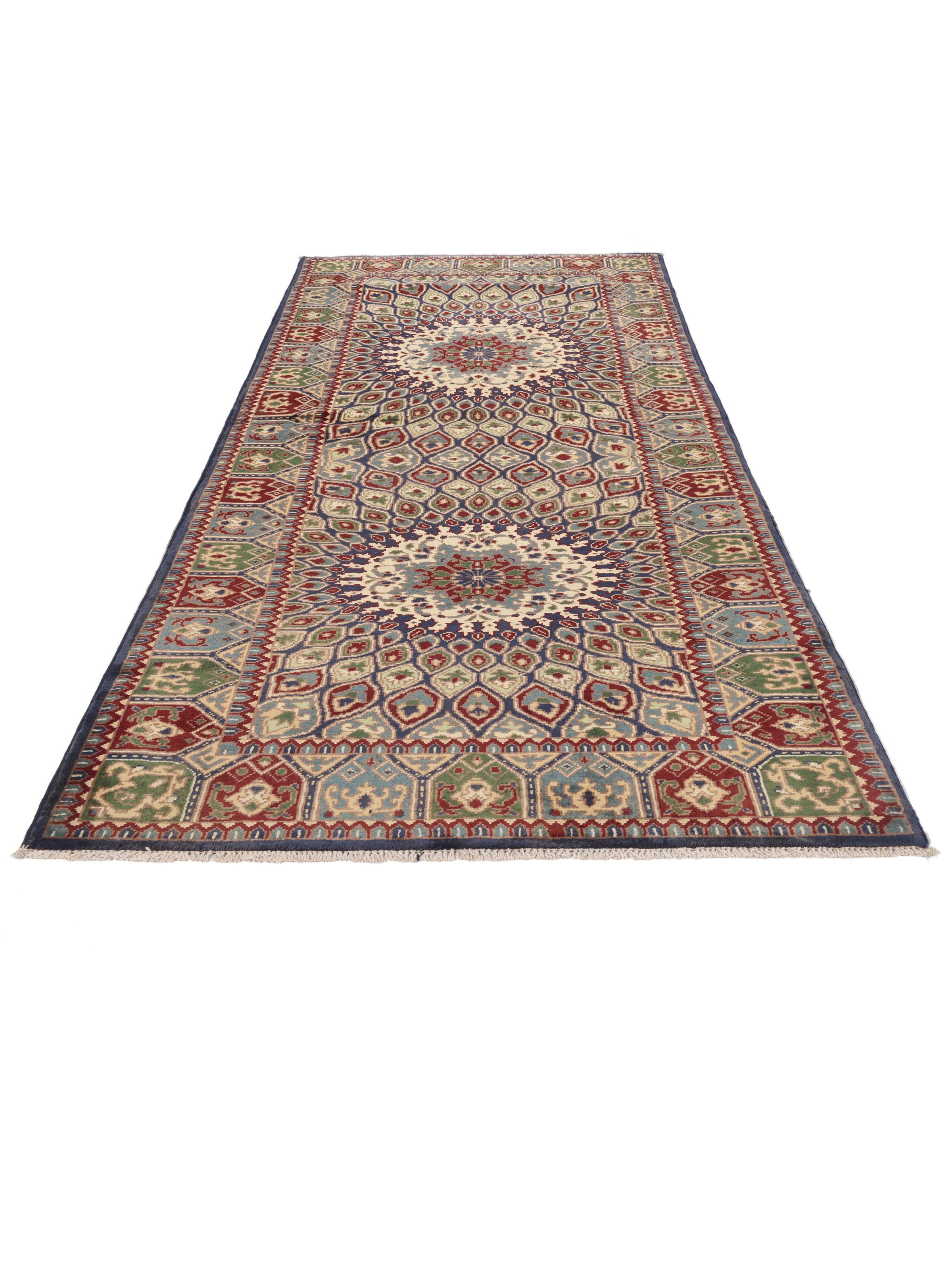
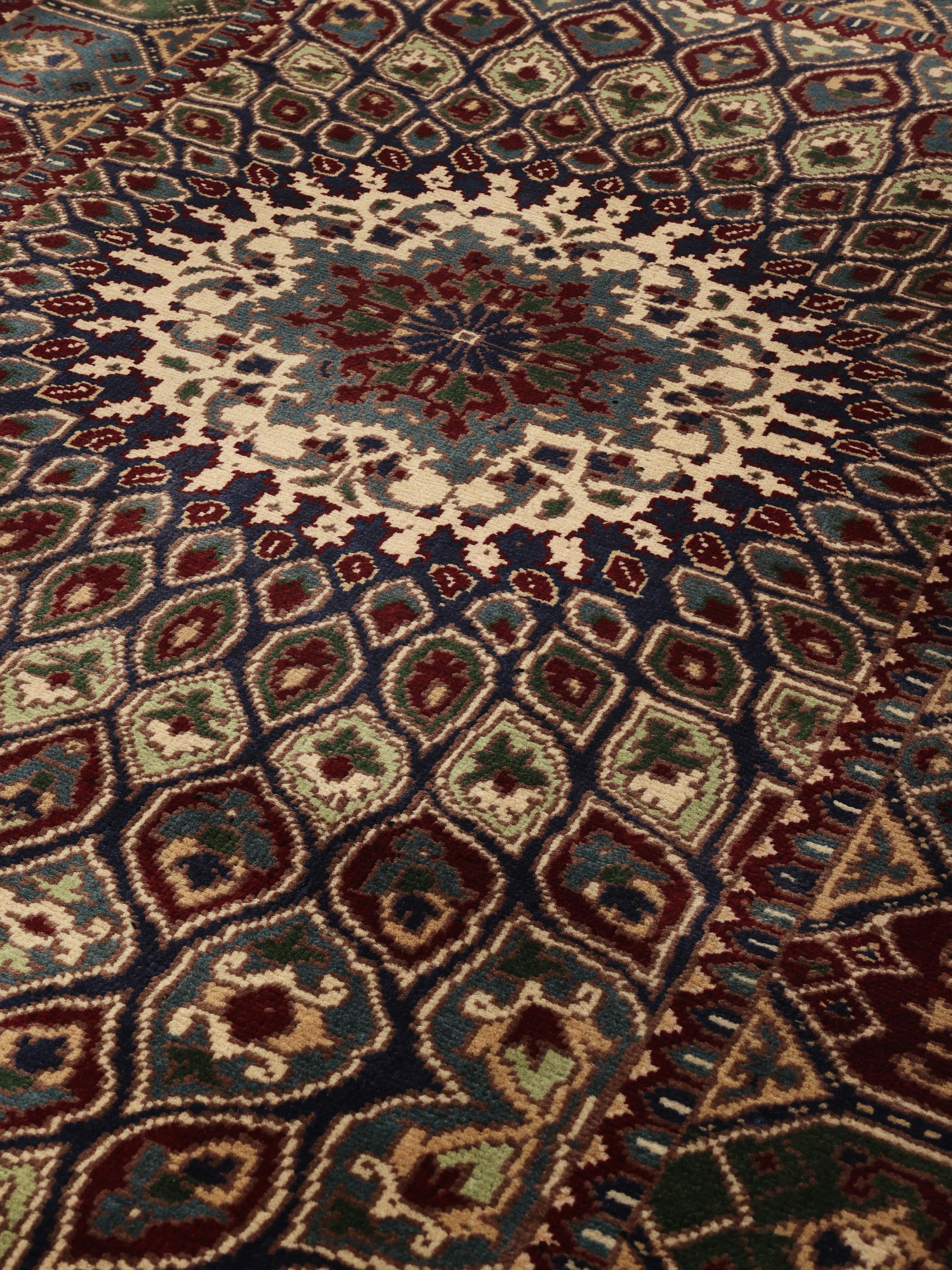
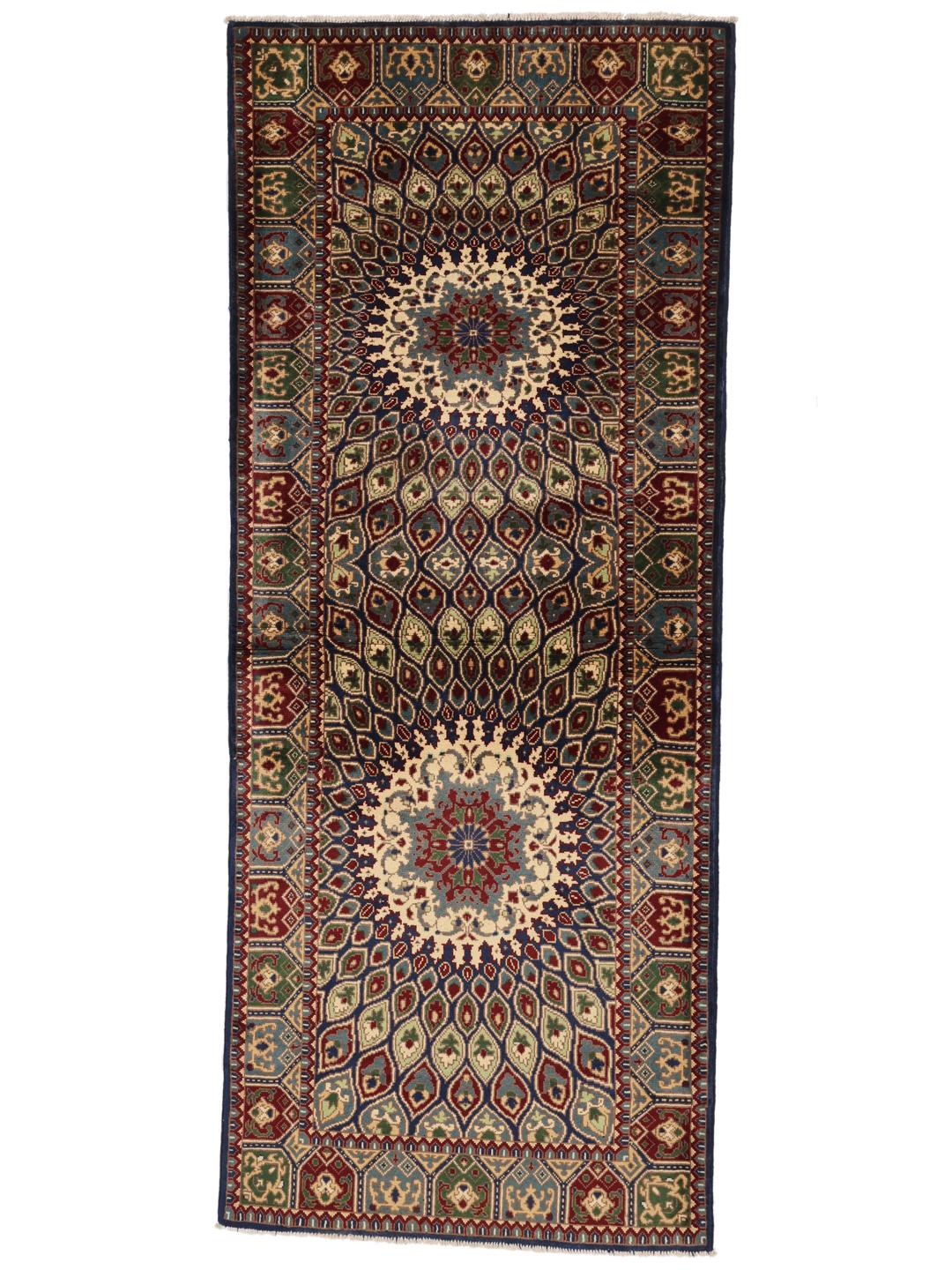
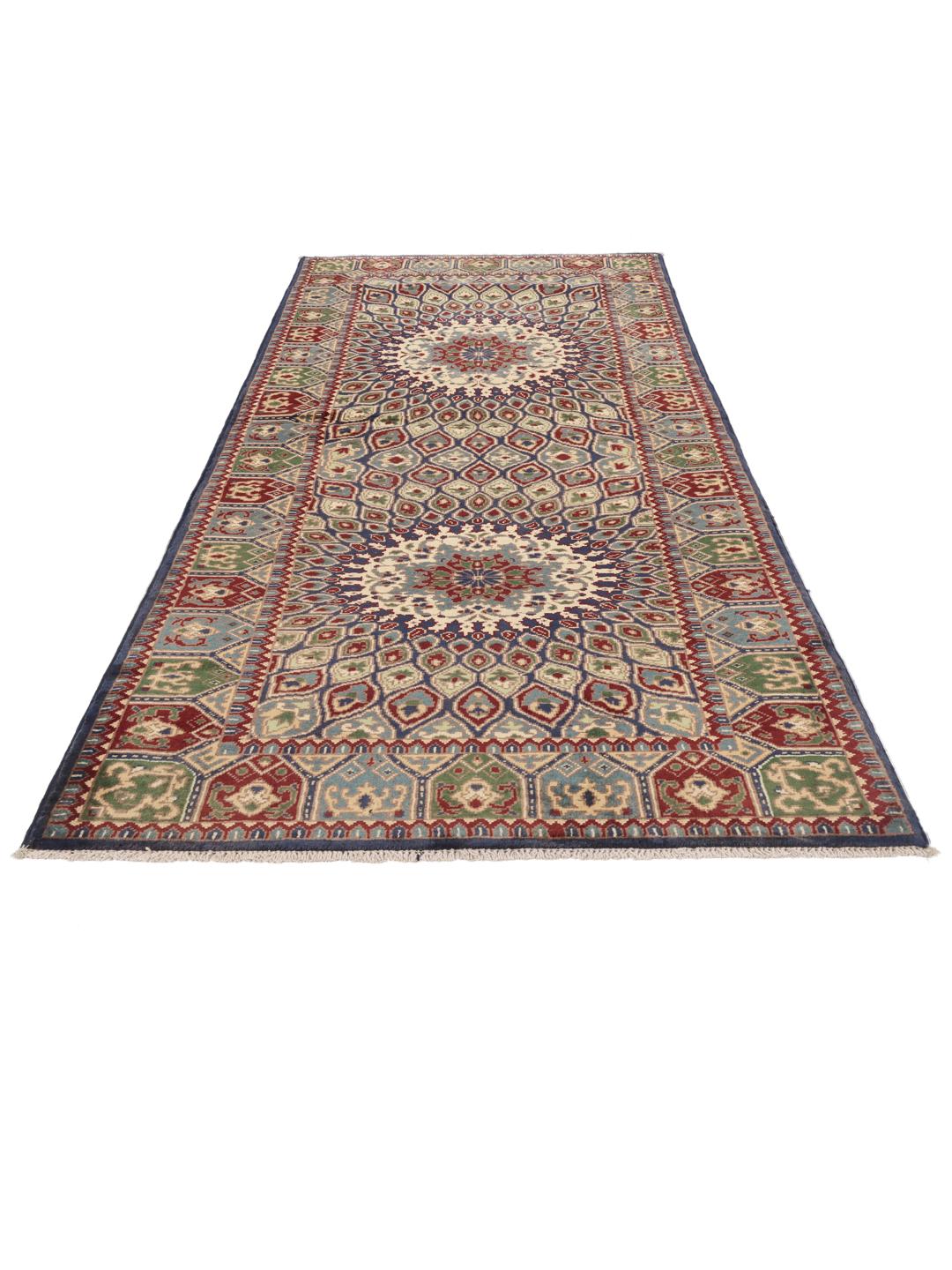
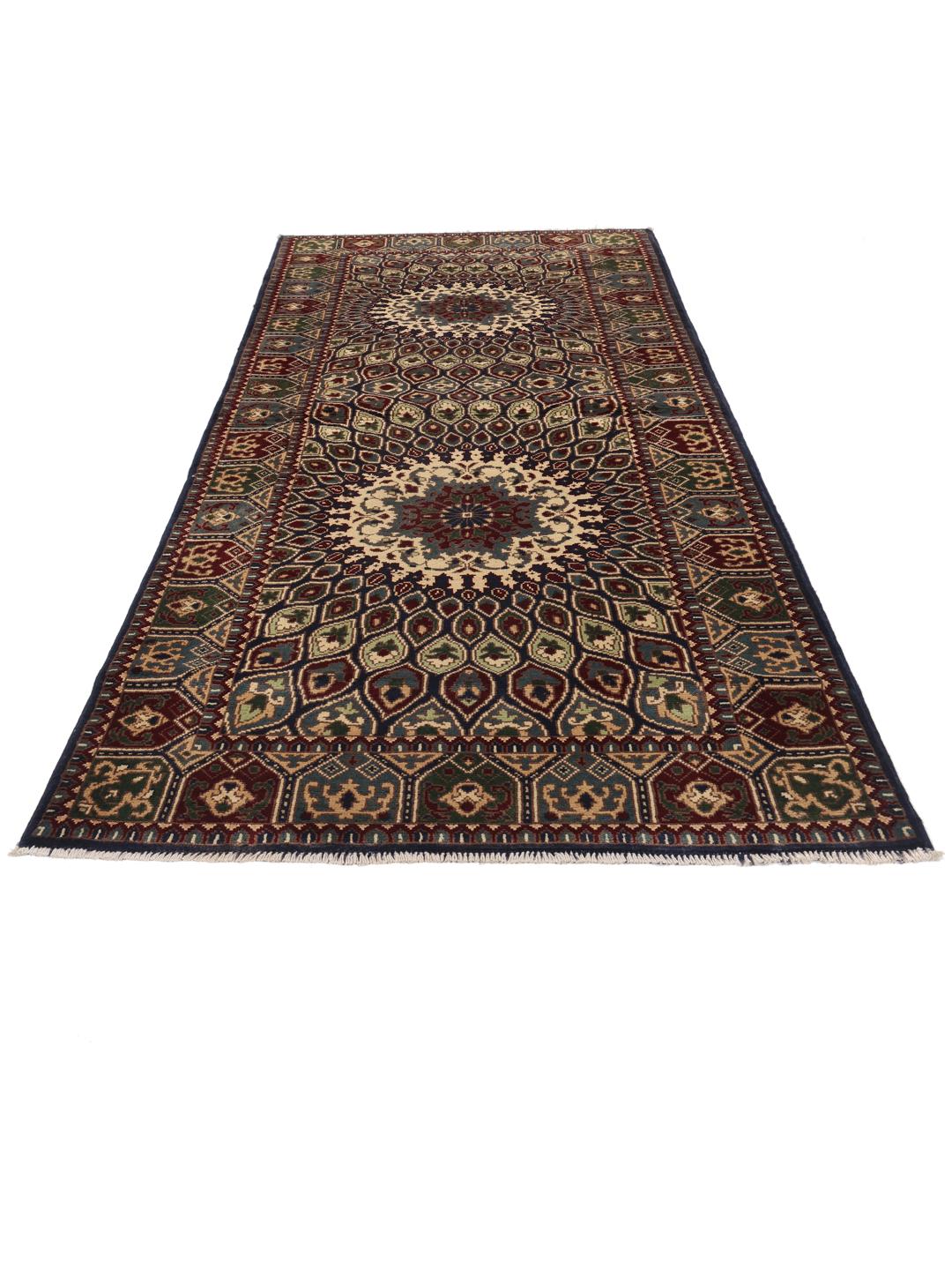
Kunduz rugs hail from the northern region of Afghanistan, a territory with a long and storied history of textile production along the historic trade routes of Central Asia. These rugs are deeply connected to the nomadic and semi-nomadic traditions of the region, where weaving is not merely a craft but a vital cultural expression passed down through generations.
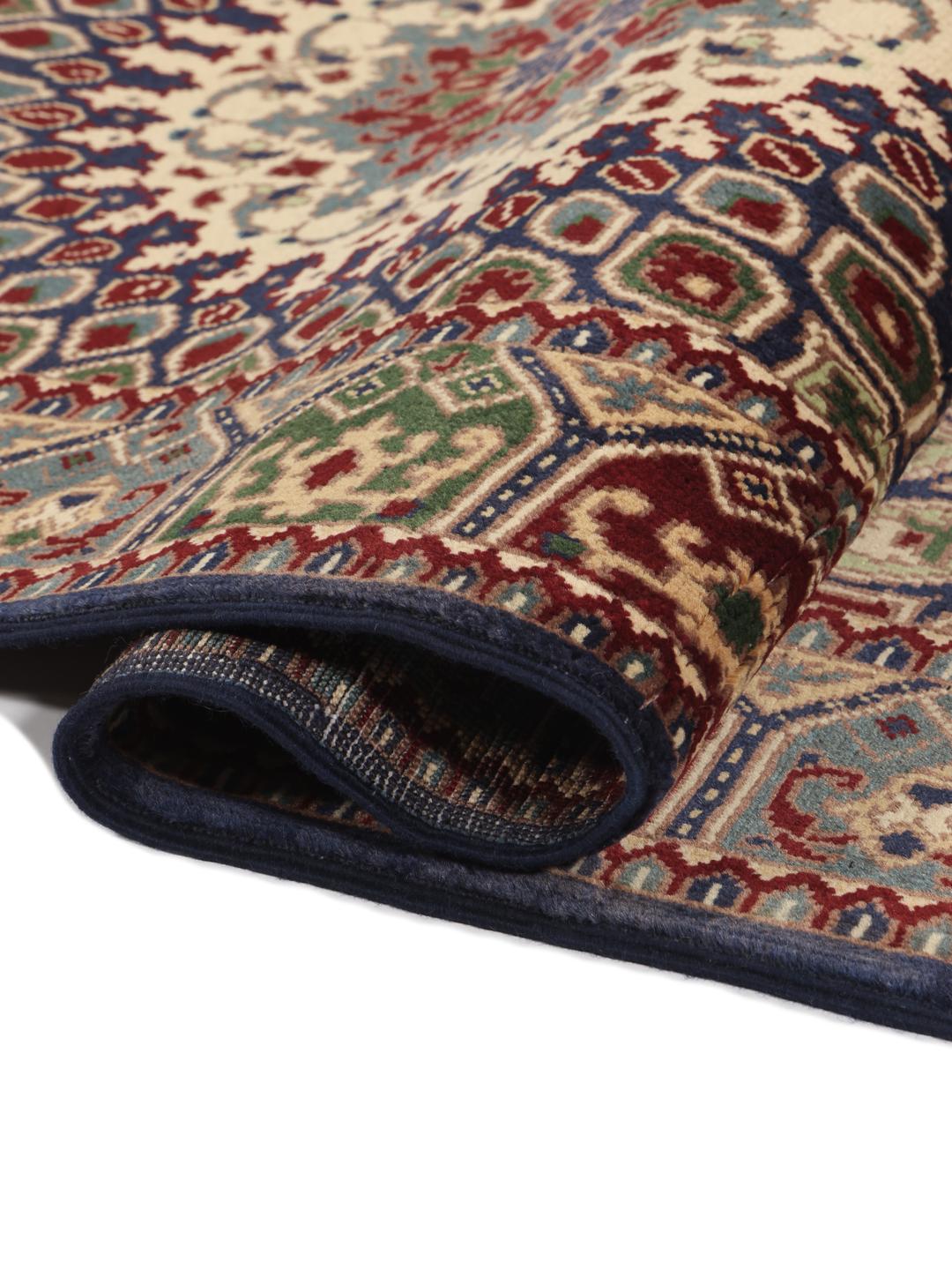
The term Kunduz refers to both the city and the broader region known for these distinctive, often robust, Wool-based textiles. The evolution of these rugs has seen them adapt to changing market tastes while maintaining their core identity, which relies on the use of high-quality local Wool and traditional hand-knotting techniques that prioritise longevity and resilience.
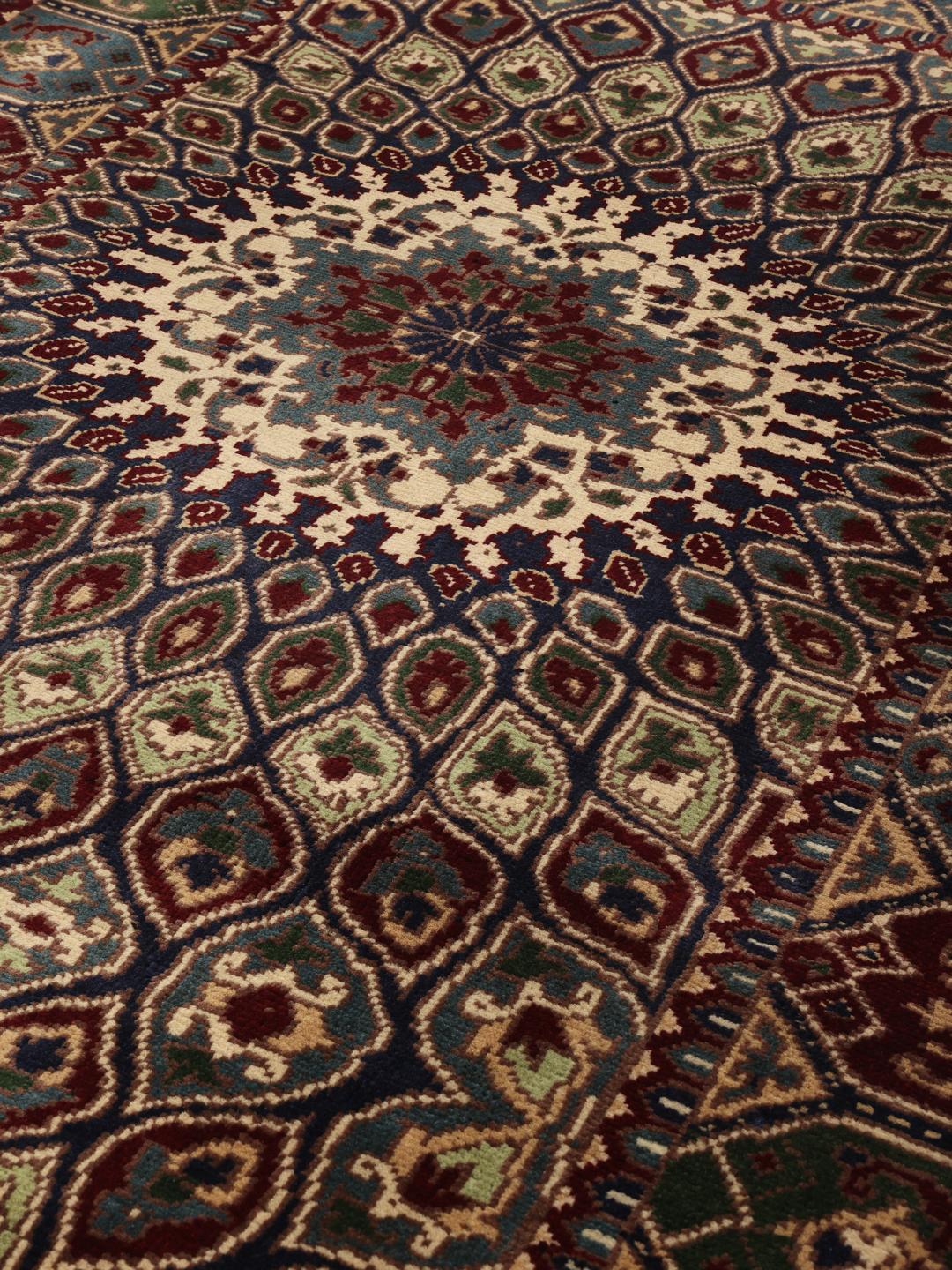
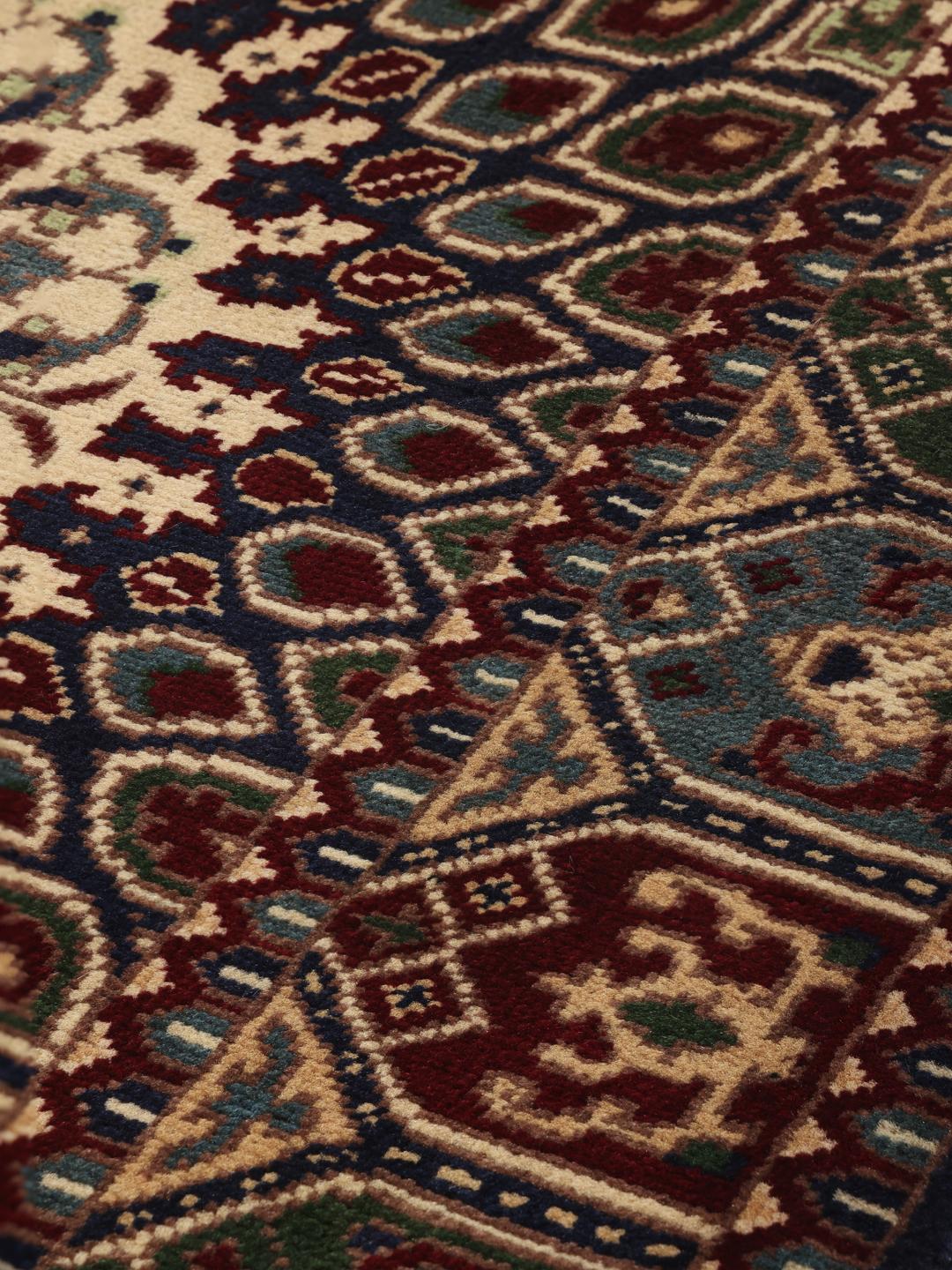
Visually, Kunduz rugs are often identified by their bold, geometric interpretations of floral motifs and medallions, frequently set against rich, deep fields. The border work is typically elaborate, framing the central motifs with a complexity that requires great skill to execute correctly. These patterns are deeply symbolic, often reflecting the environment and cultural narratives of the weavers.
Collectors value Kunduz rugs for their authentic, unrefined charm and the clear evidence of the artisan's hand. By choosing such a piece, you are not just acquiring a floor covering, but a fragment of Afghan heritage that carries the weight of history and the dedication of a skilled weaver.