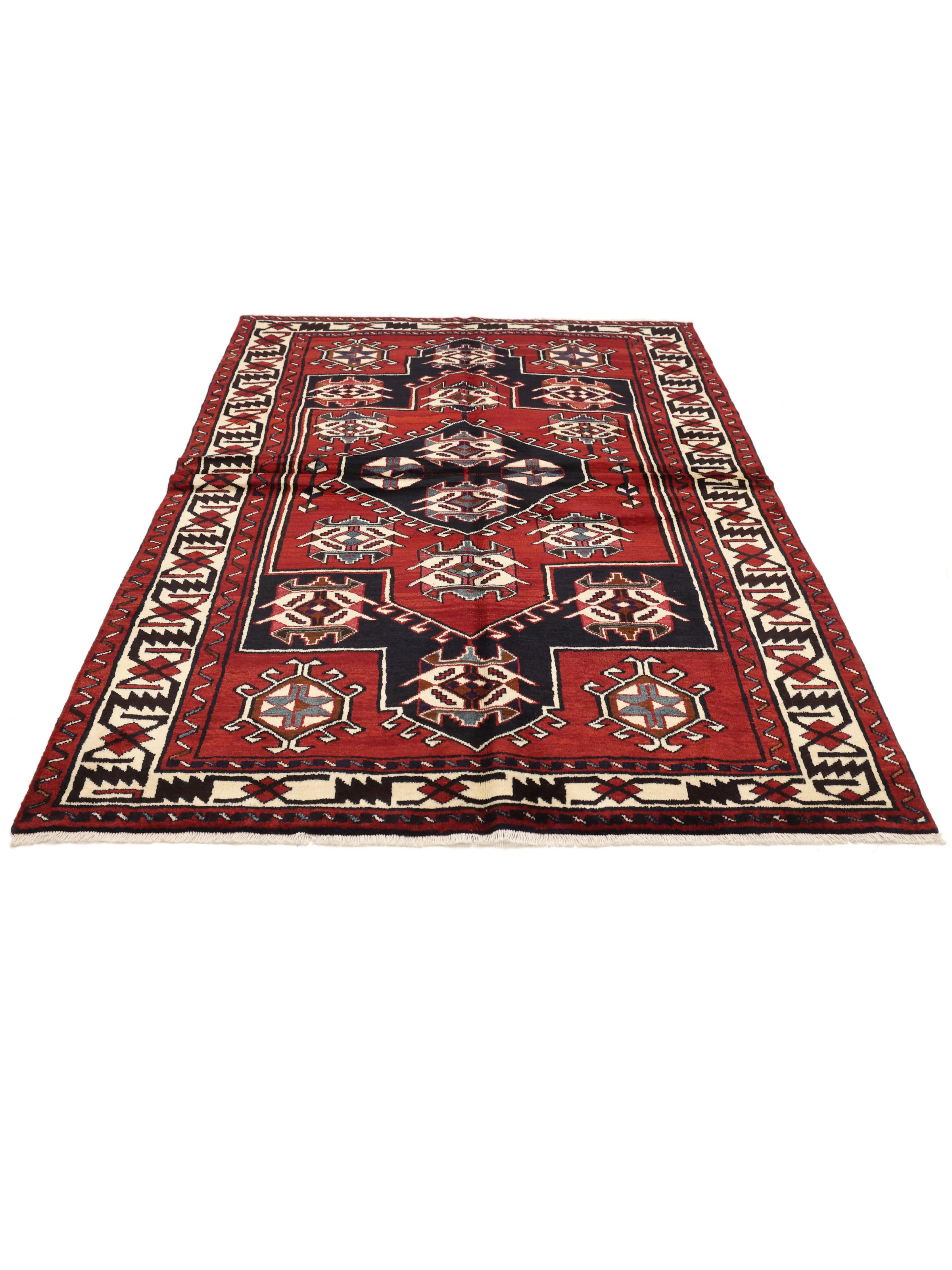
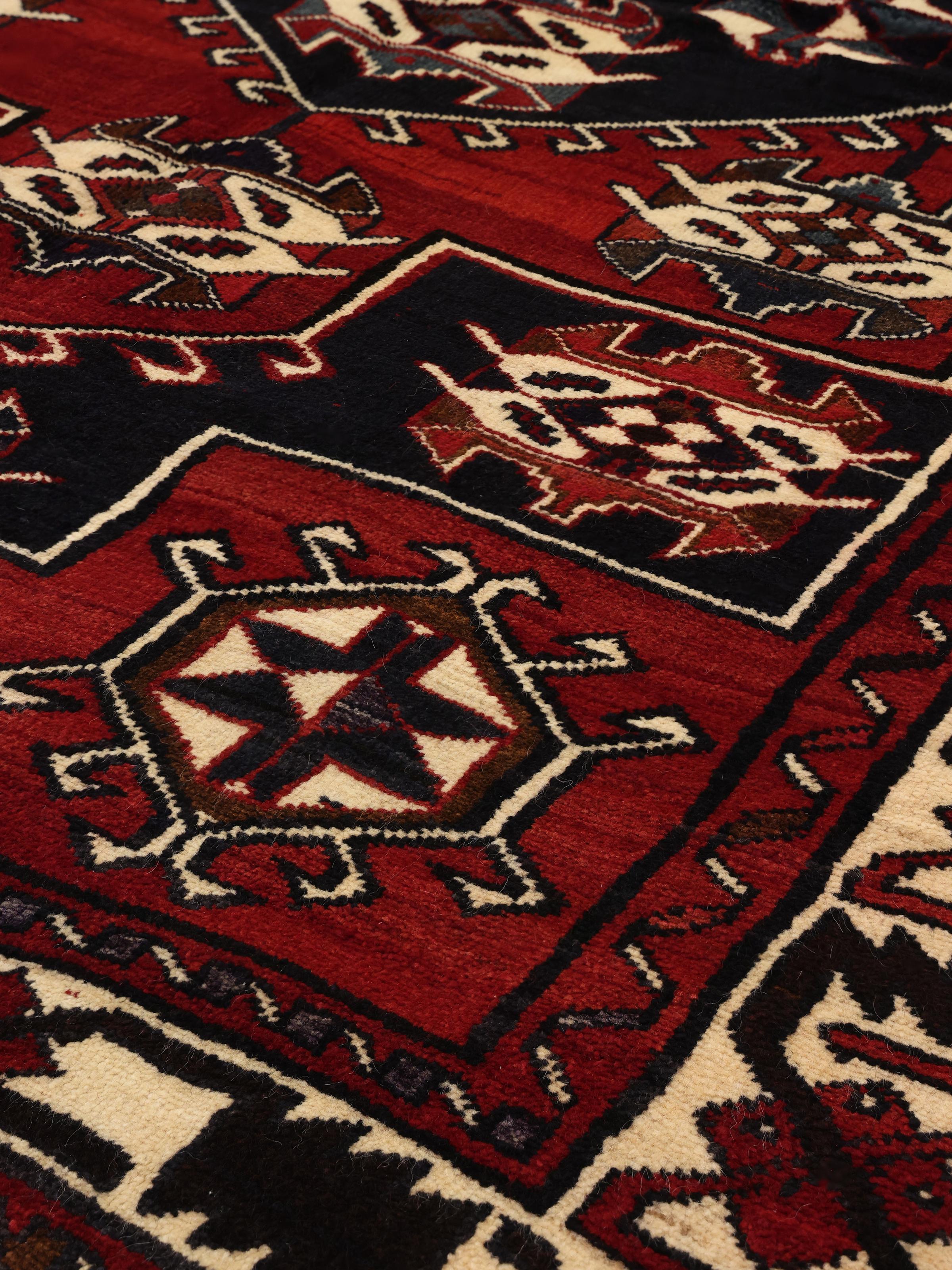
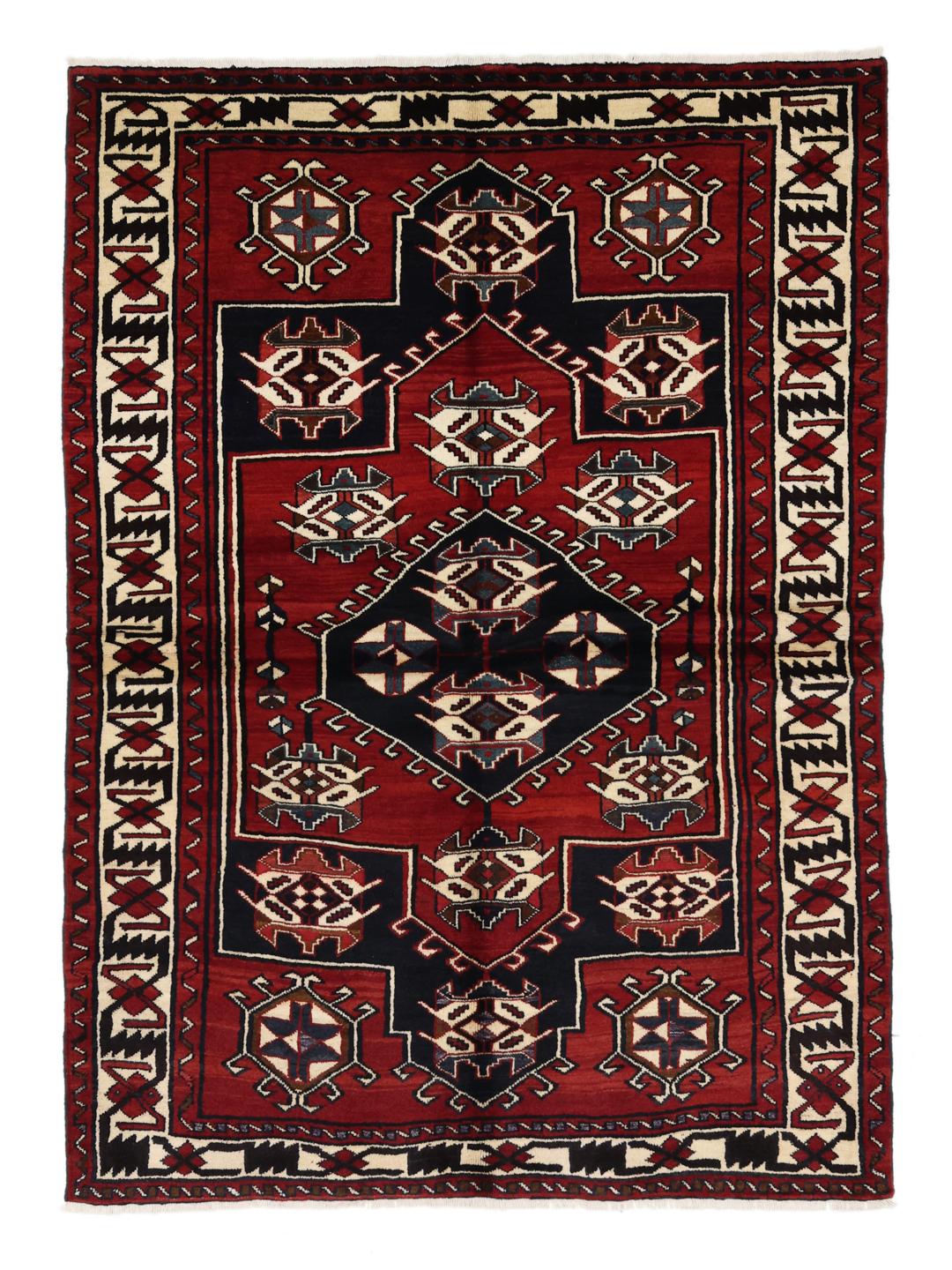
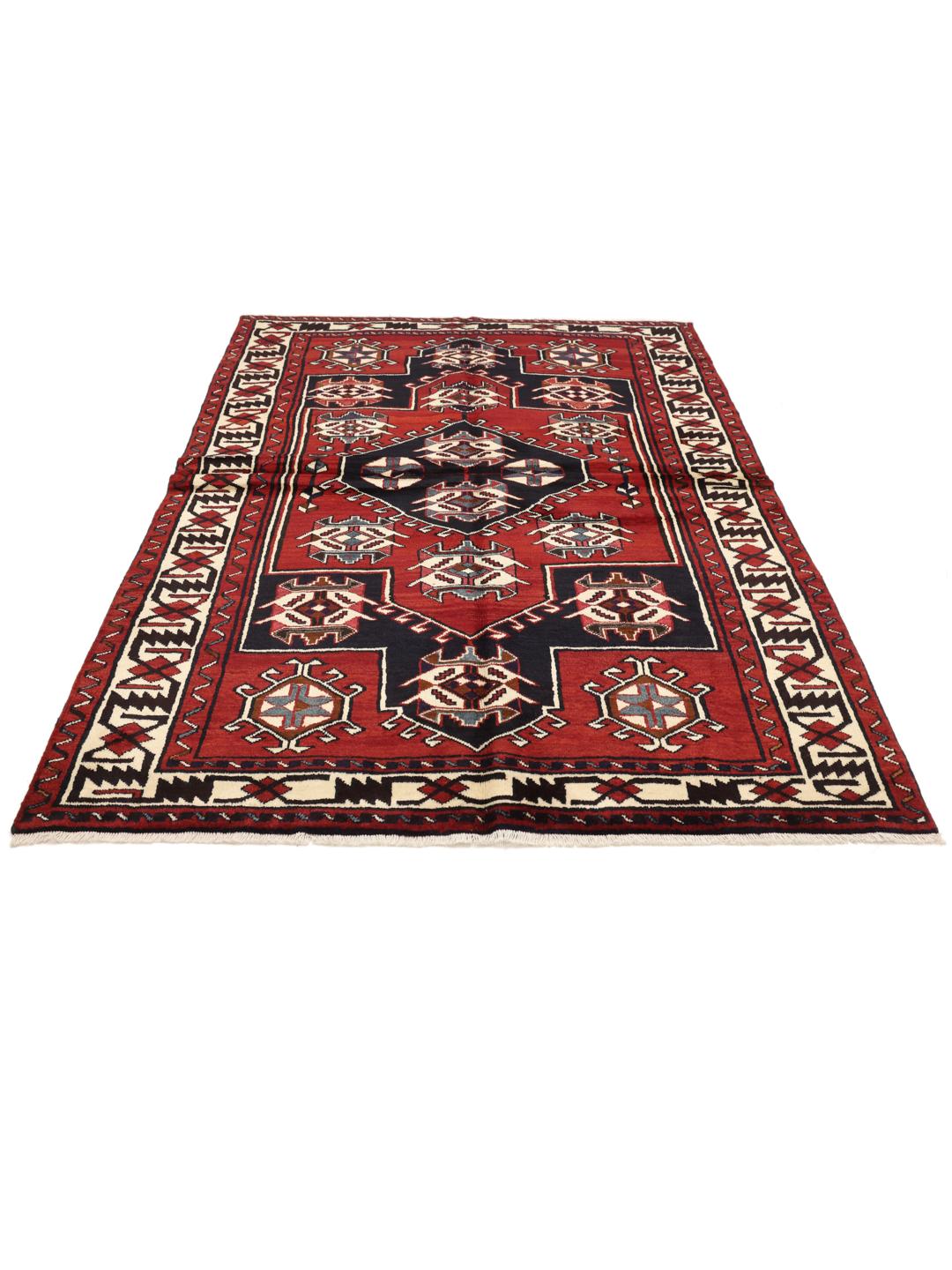
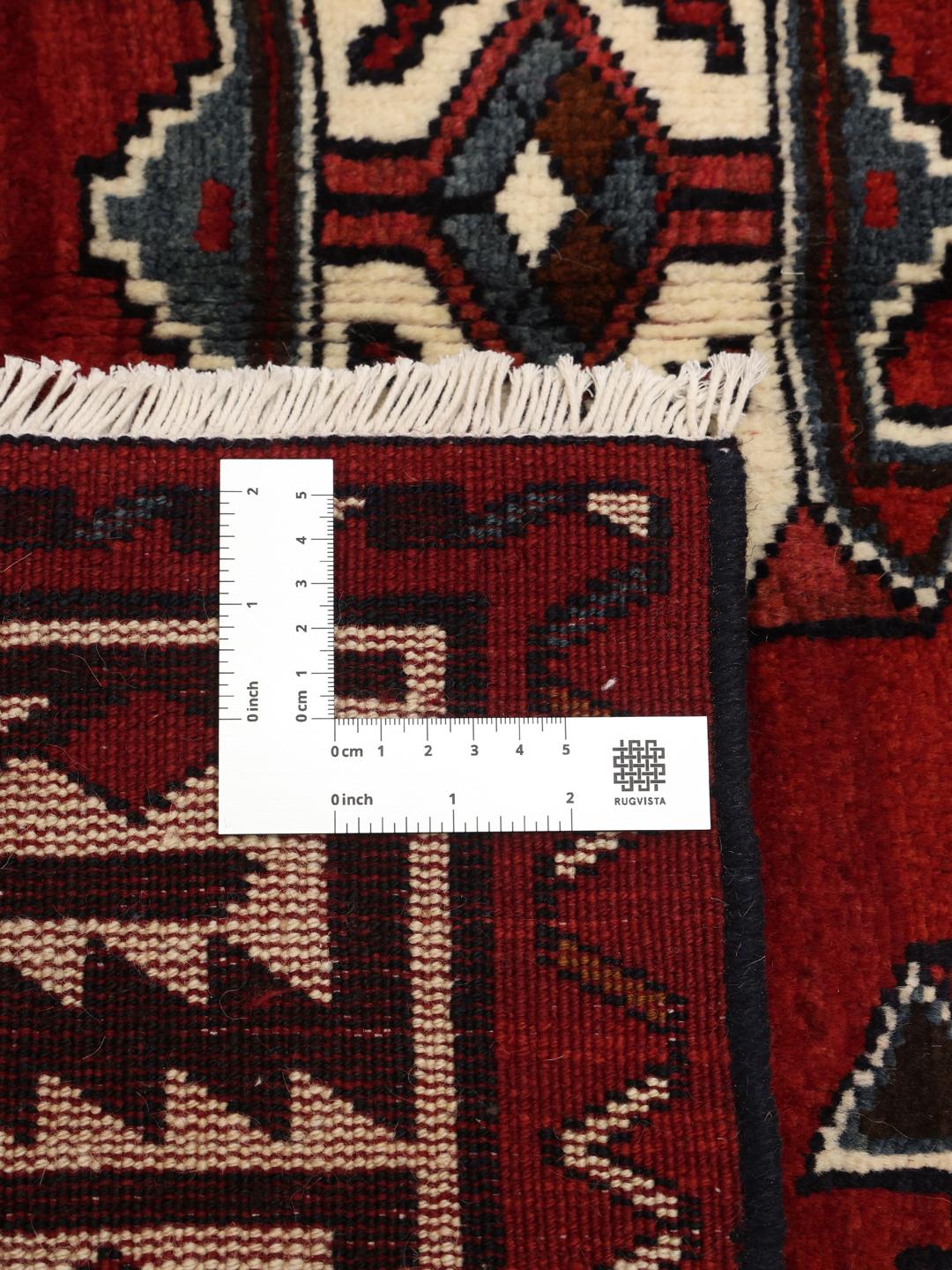
Lori rugs originate from the mountainous regions of the Middle East, crafted by the Lori people who have a long history of nomadic and semi-nomadic living. These rugs were traditionally woven to serve both functional and decorative purposes in the home, often used as floor coverings or blankets that could withstand the harsh conditions of mountain life. The migration and evolution of these weaving traditions reflect the resilience and creativity of the communities that developed them.
The term Lori refers to both the people and the distinct aesthetic of these pieces, which are known for their sturdy construction and bold, tribal identity. The weaving process is deeply rooted in local customs, where patterns are often passed down through generations rather than following written blueprints. This gives each rug an authentic, spontaneous quality that captures the spirit of the weaver and their environment.
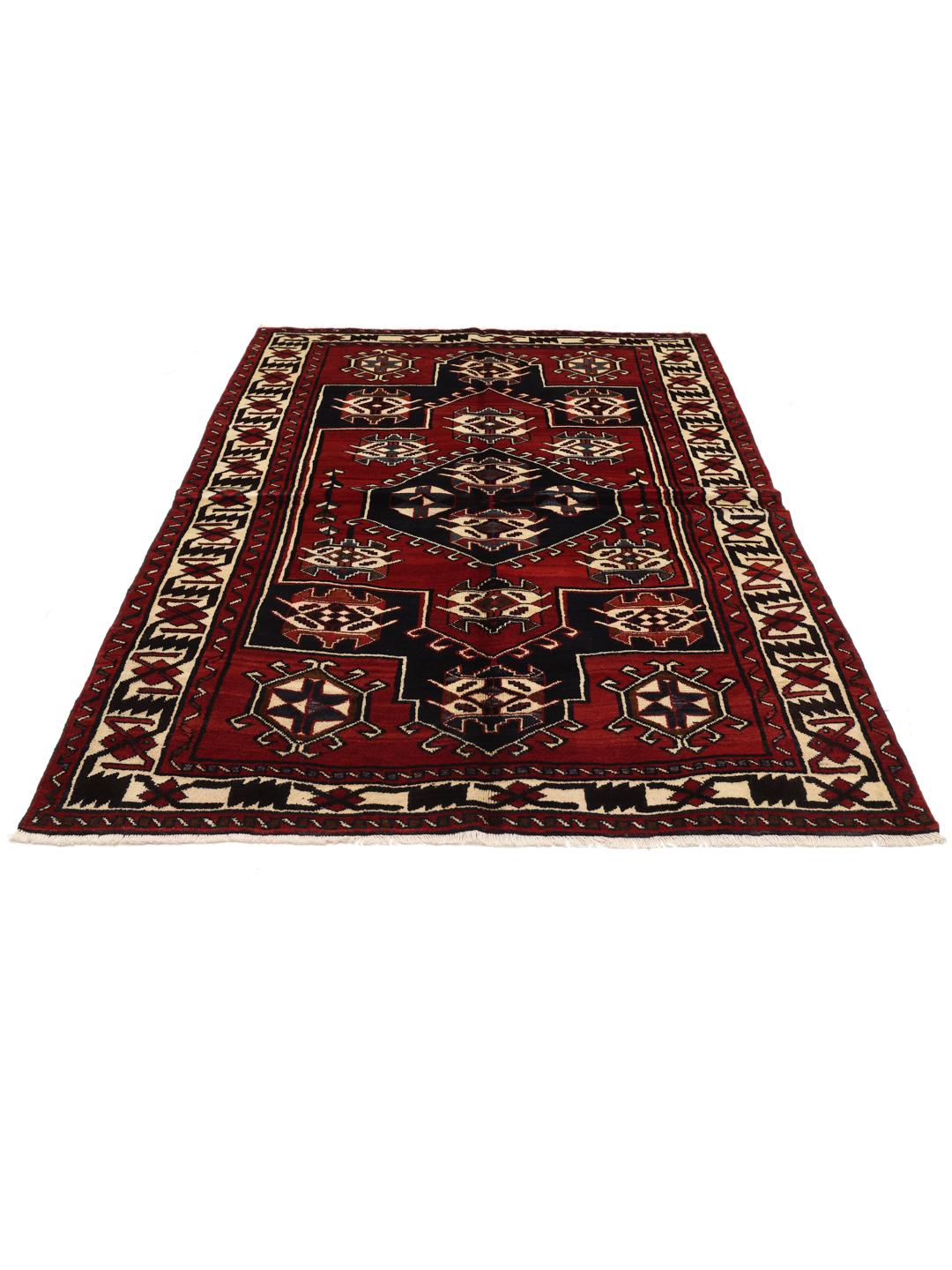
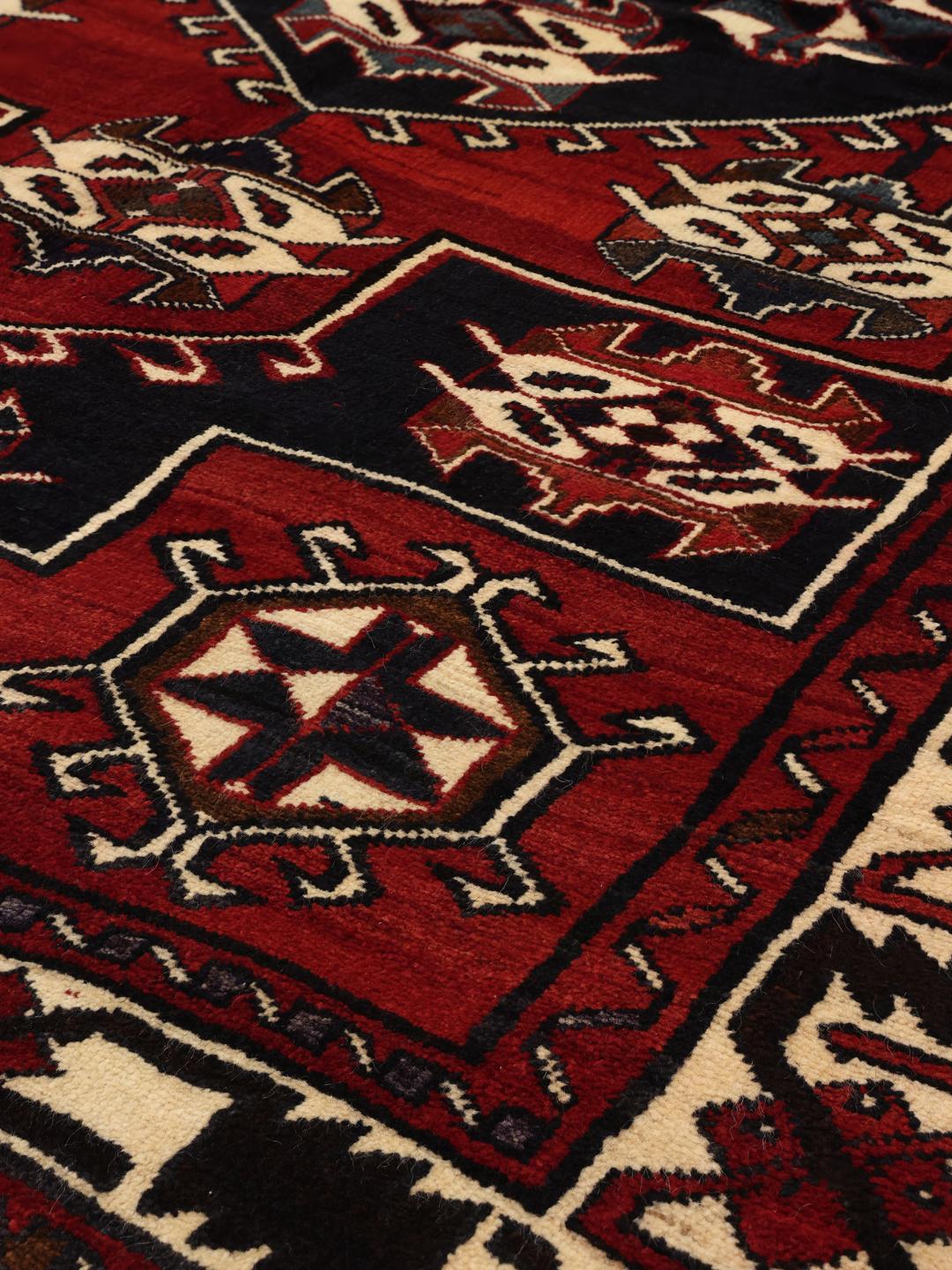
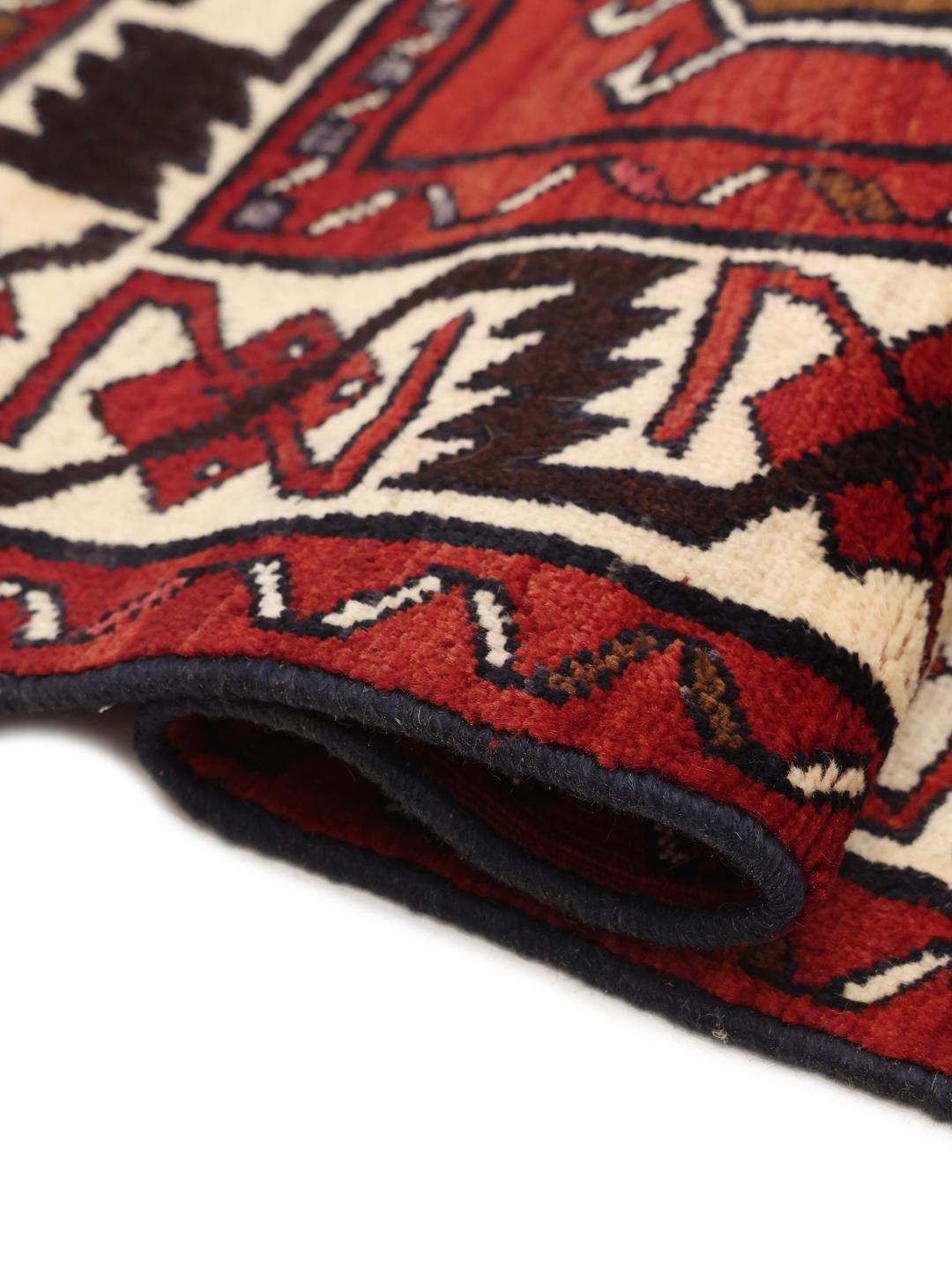
Signature design elements of the Lori tradition include large-scale geometric shapes, angular medallions, and stylized animal or plant motifs. The colour palettes are typically derived from natural dyes, favouring rich, earth-toned reds, deep blues, and blacks. These motifs are not merely decorative but serve as a visual language that tells the story of the weaver's heritage, with borders that frame the field to create a balanced, cohesive look.
Today, Lori rugs are highly prized by collectors for their raw, expressive beauty and the exceptional skill required to produce them. Owning a piece from this tradition signifies an appreciation for cultural heritage and the human story behind the craft. These rugs are more than just floor coverings; they are historical artefacts that bring a sense of rootedness and artistic depth to any home.