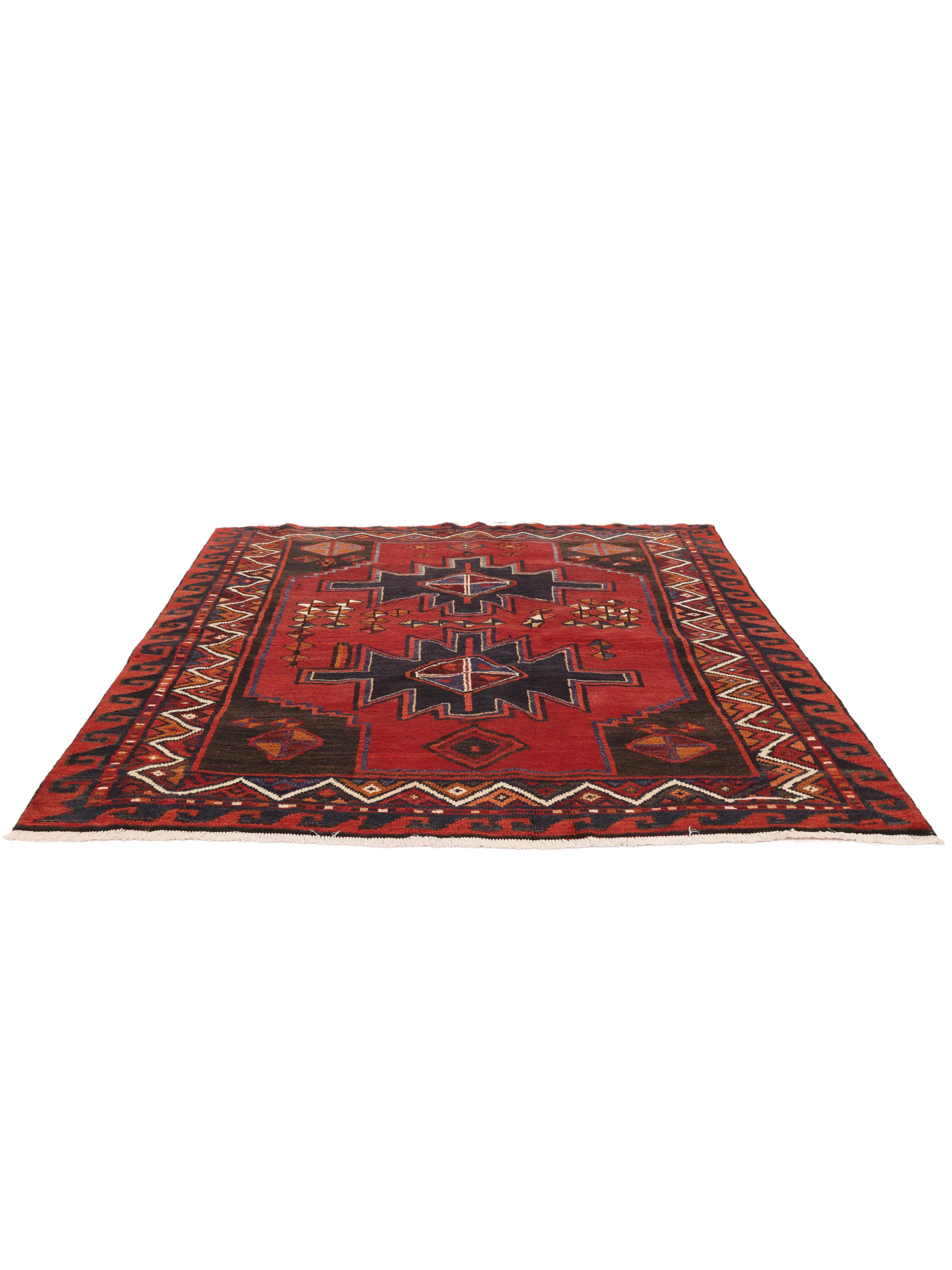
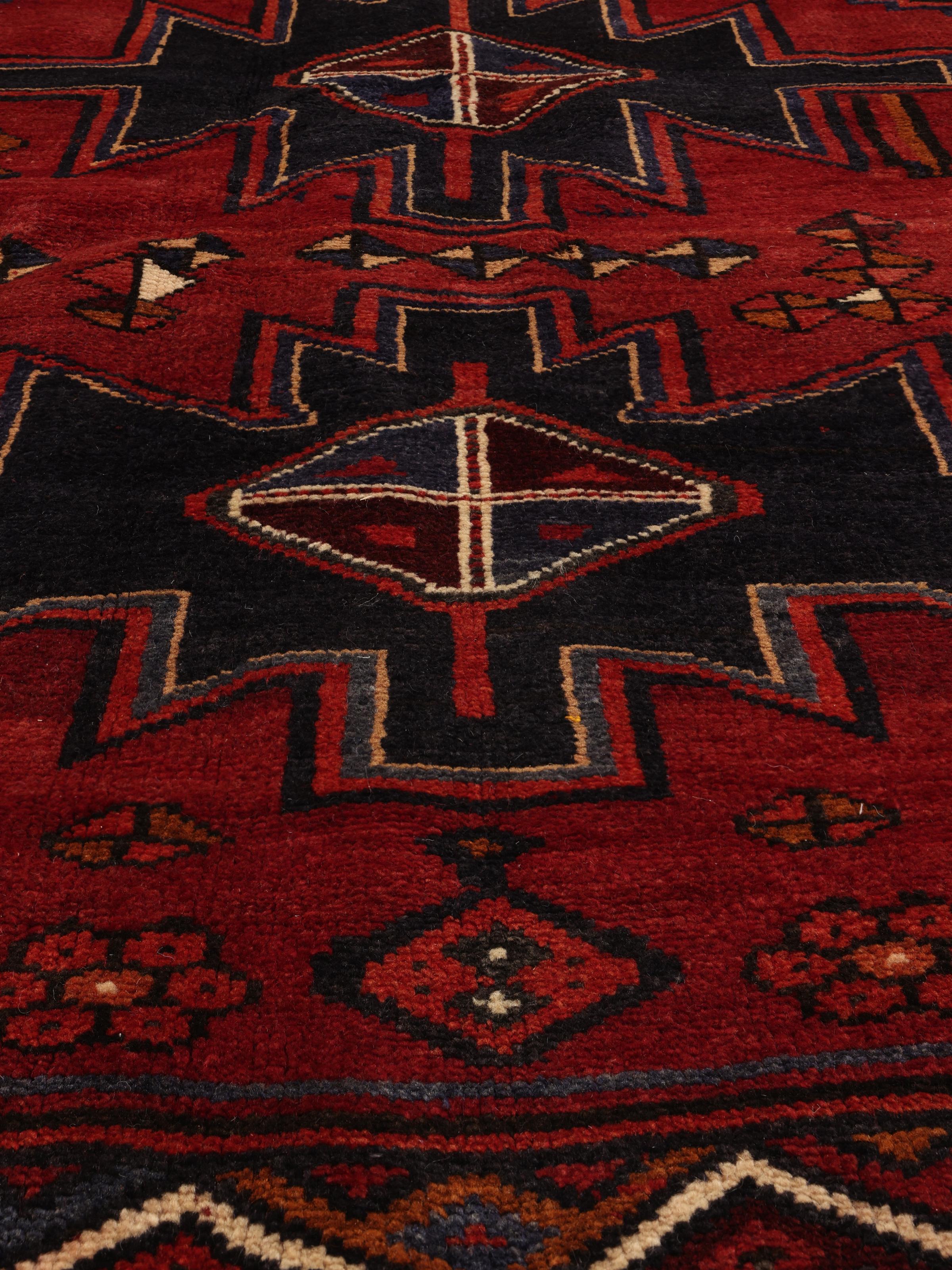
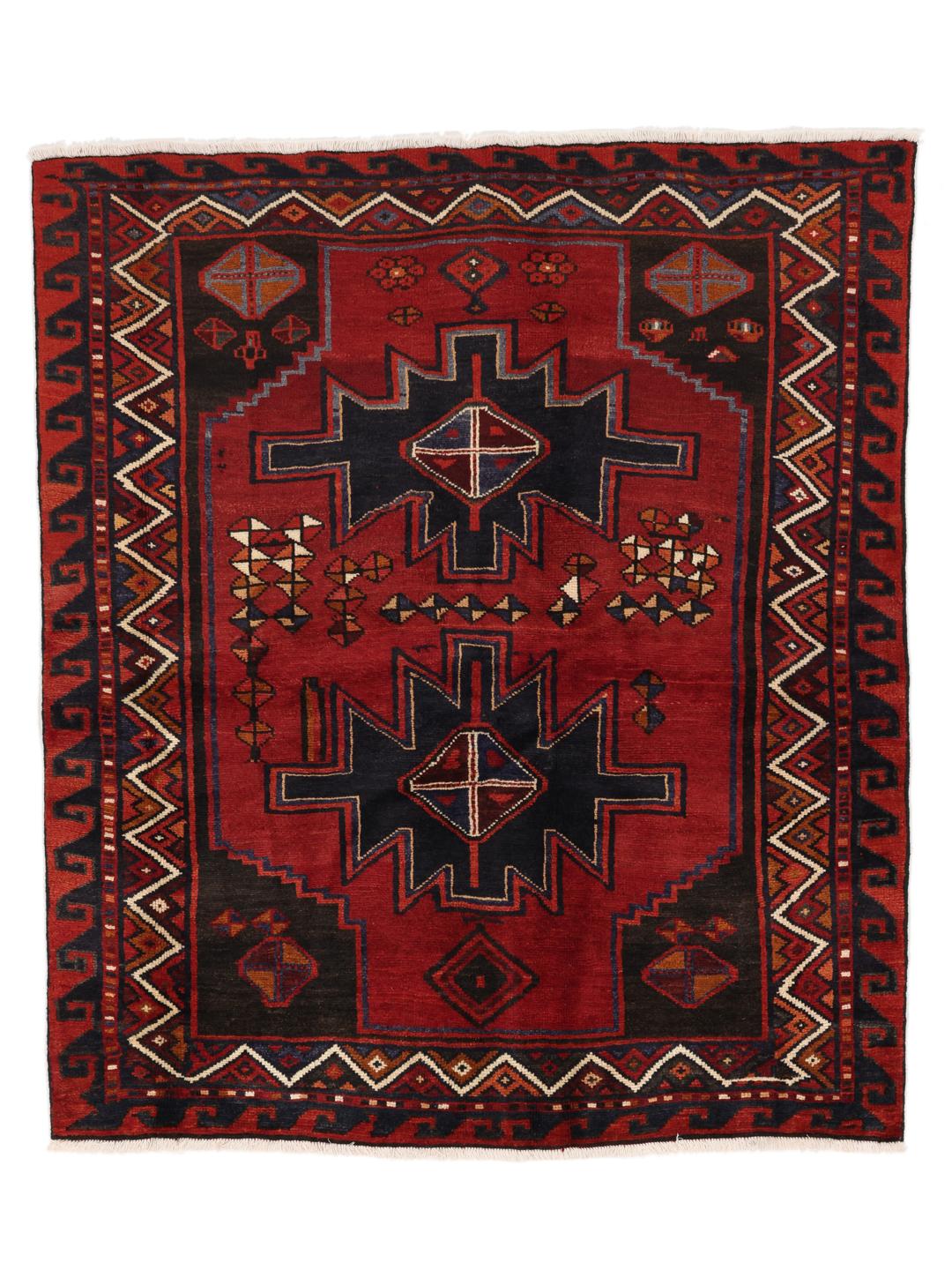
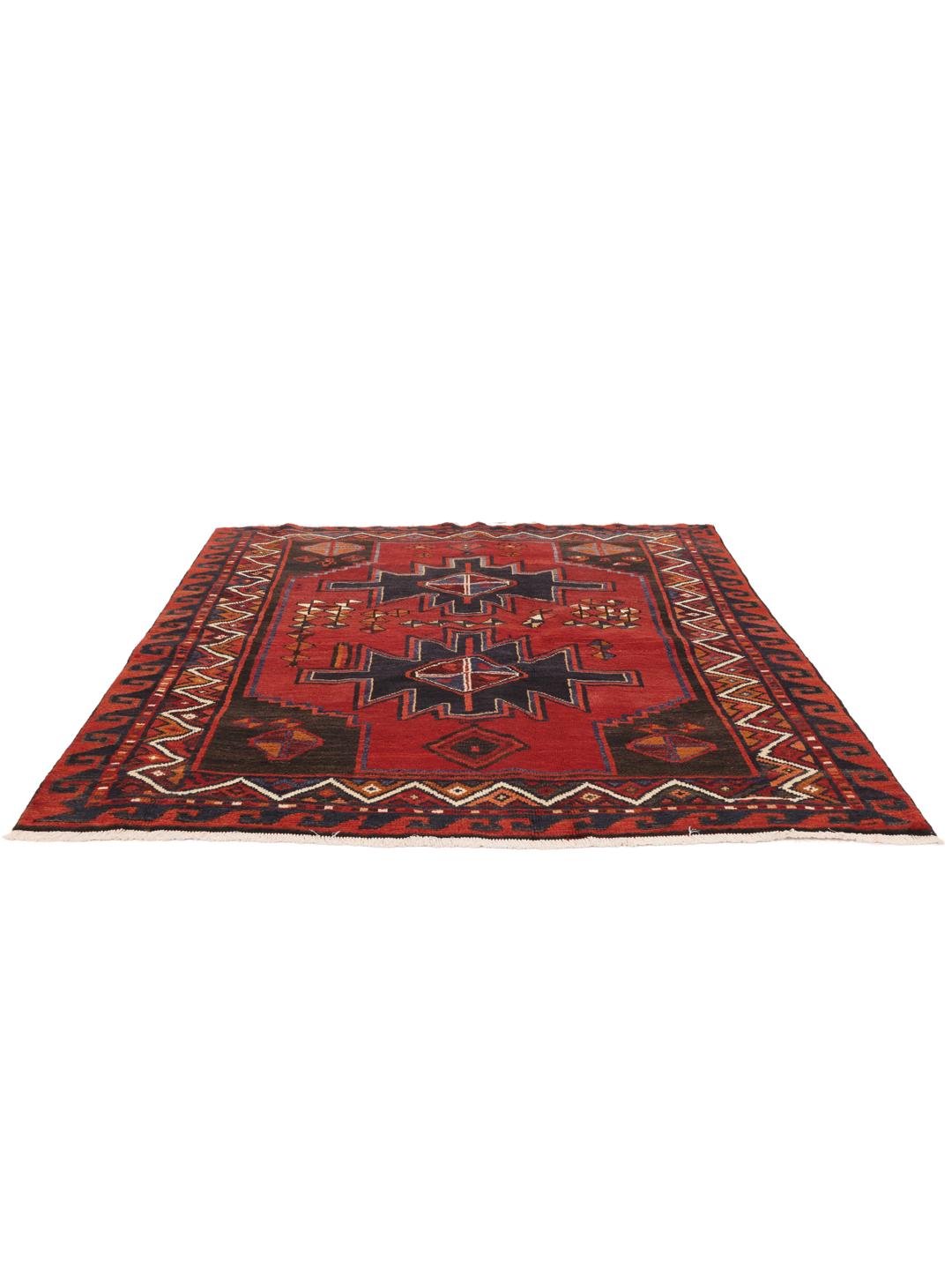
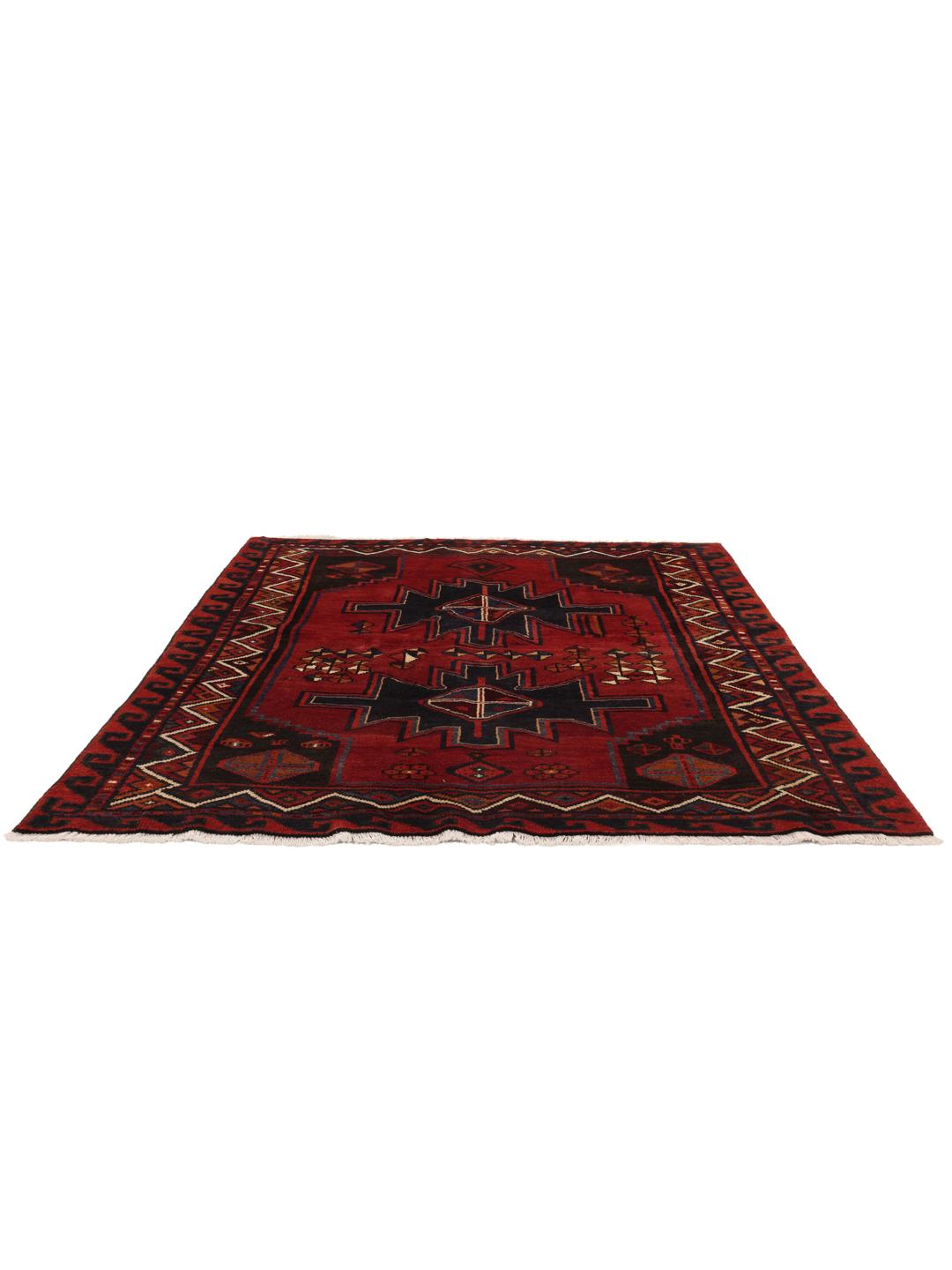
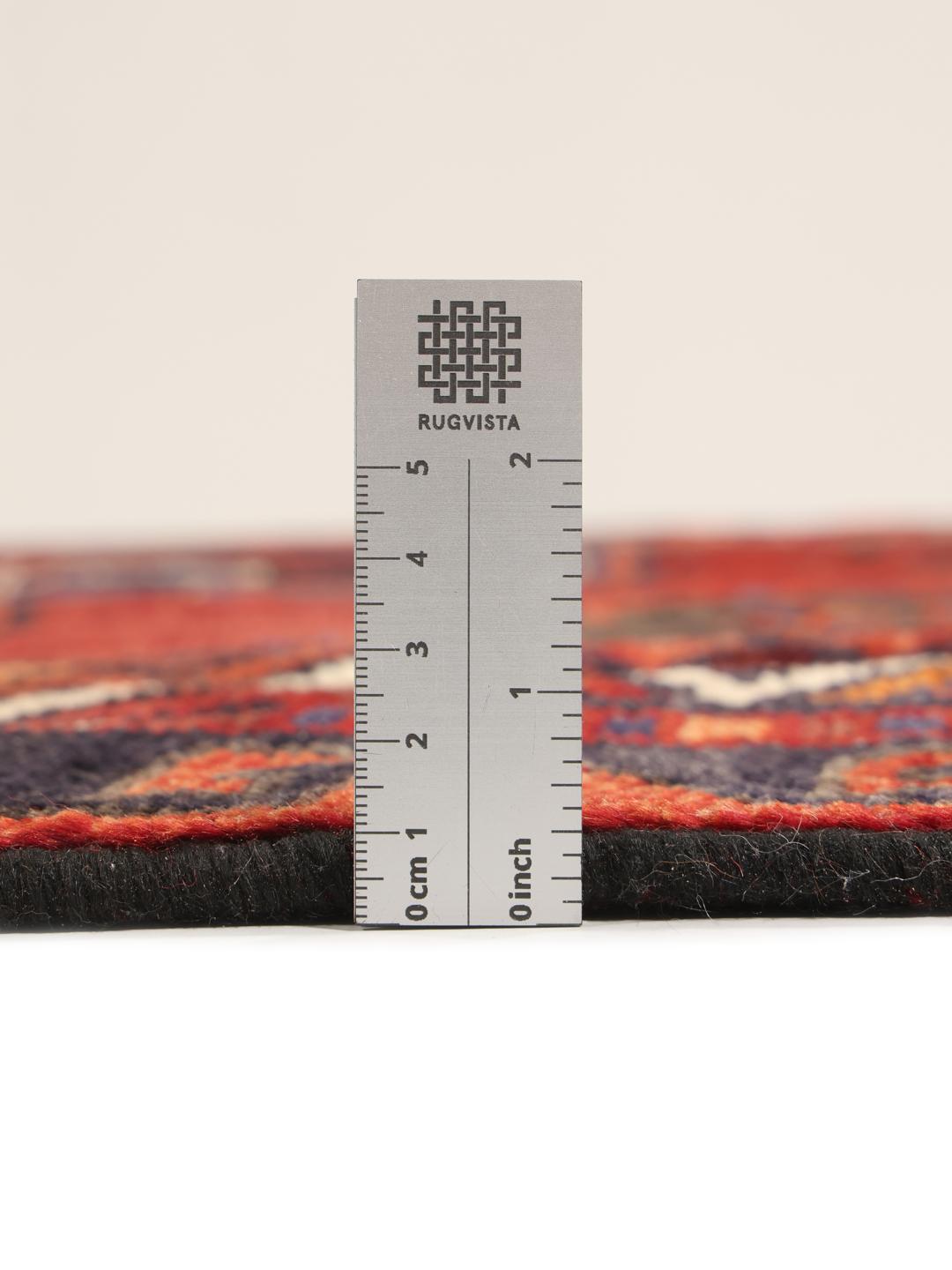
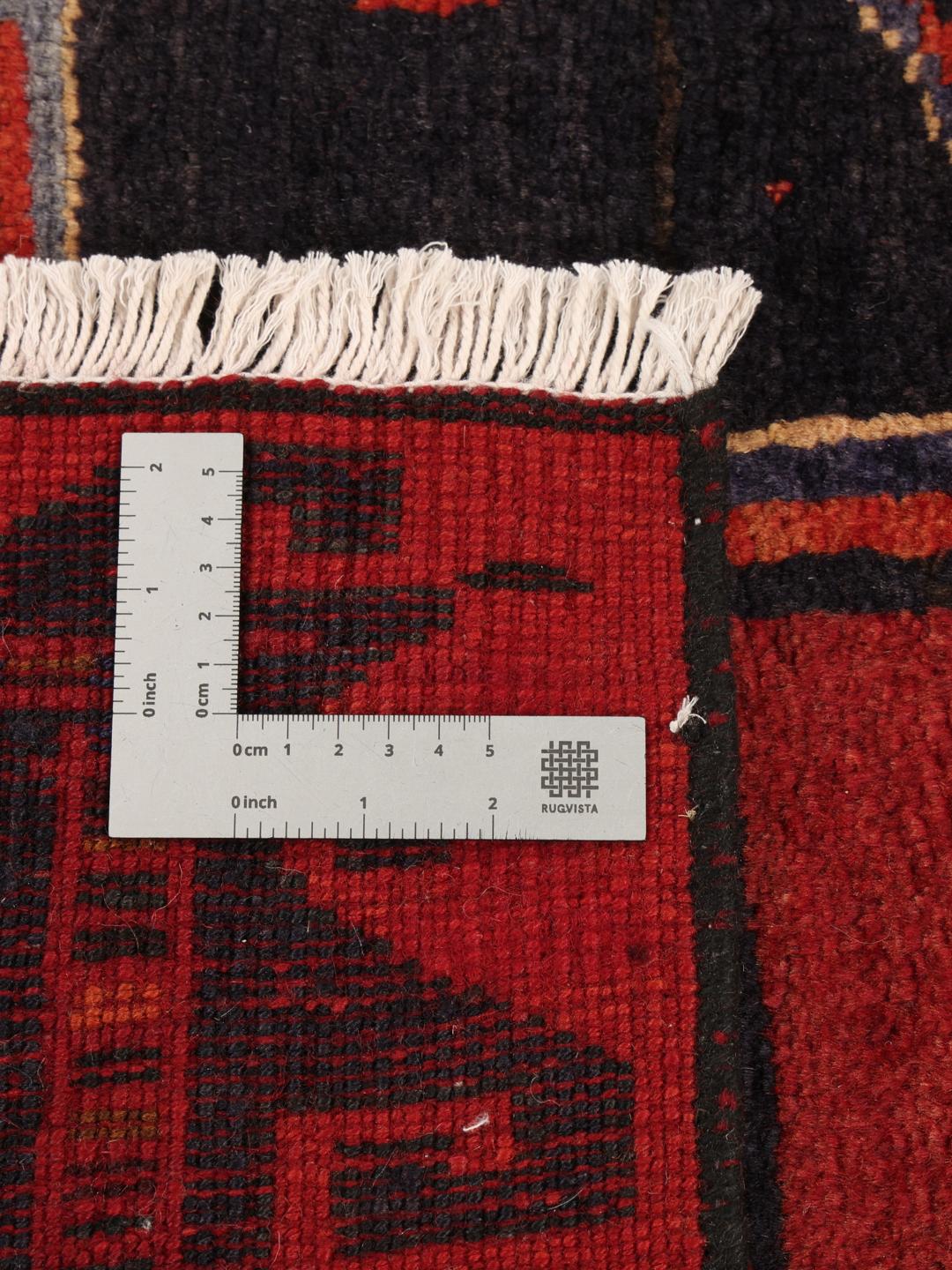
Lori rugs originate from the tribal regions of the Middle East, crafted primarily by the Luri people. These nomadic and semi-nomadic tribes have a long history of weaving, with their rugs serving as essential items for both daily utility and artistic expression. The designs are deeply rooted in the environment and cultural identity of the tribe, often passed down through generations of weavers.
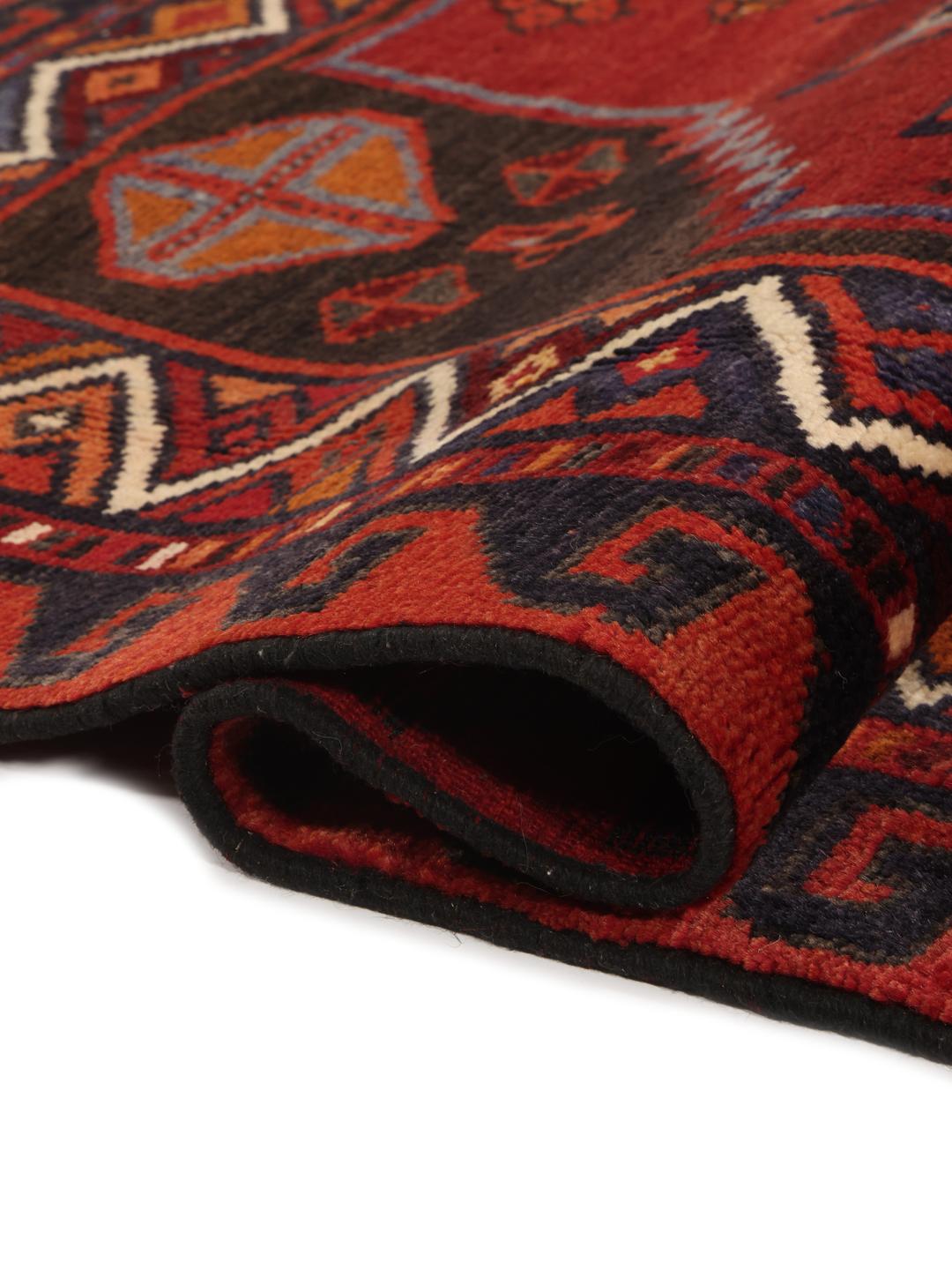
The term Lori refers to the specific tribal tradition of these weavers, known for a distinct approach to construction that emphasises durability and bold, unadorned patterns. These rugs are typically hand-knotted, a method that allows for the creation of intricate geometric shapes that are both sturdy and visually striking. This traditional craftsmanship ensures that each rug is not just a floor covering, but a resilient piece of functional art.
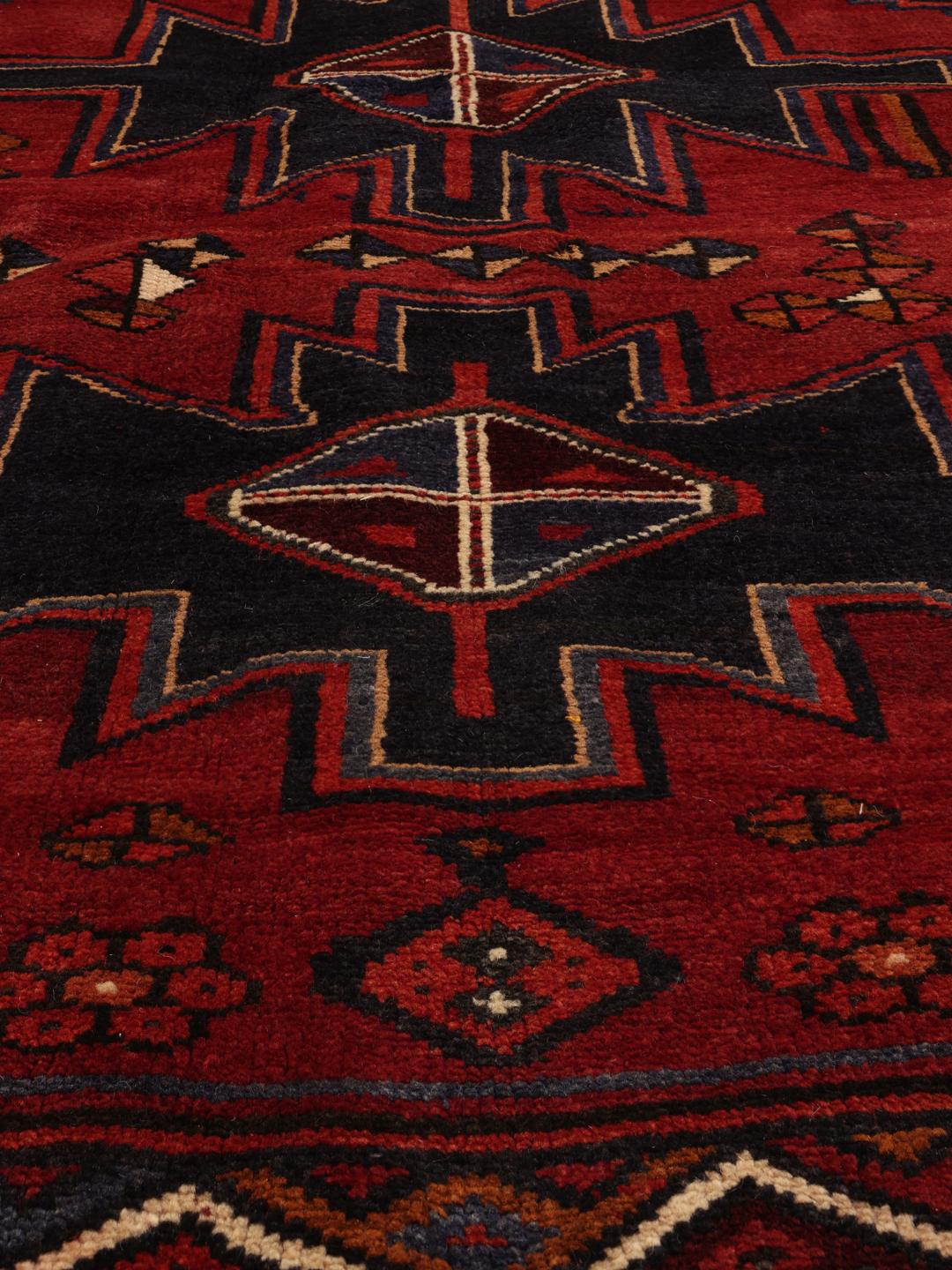
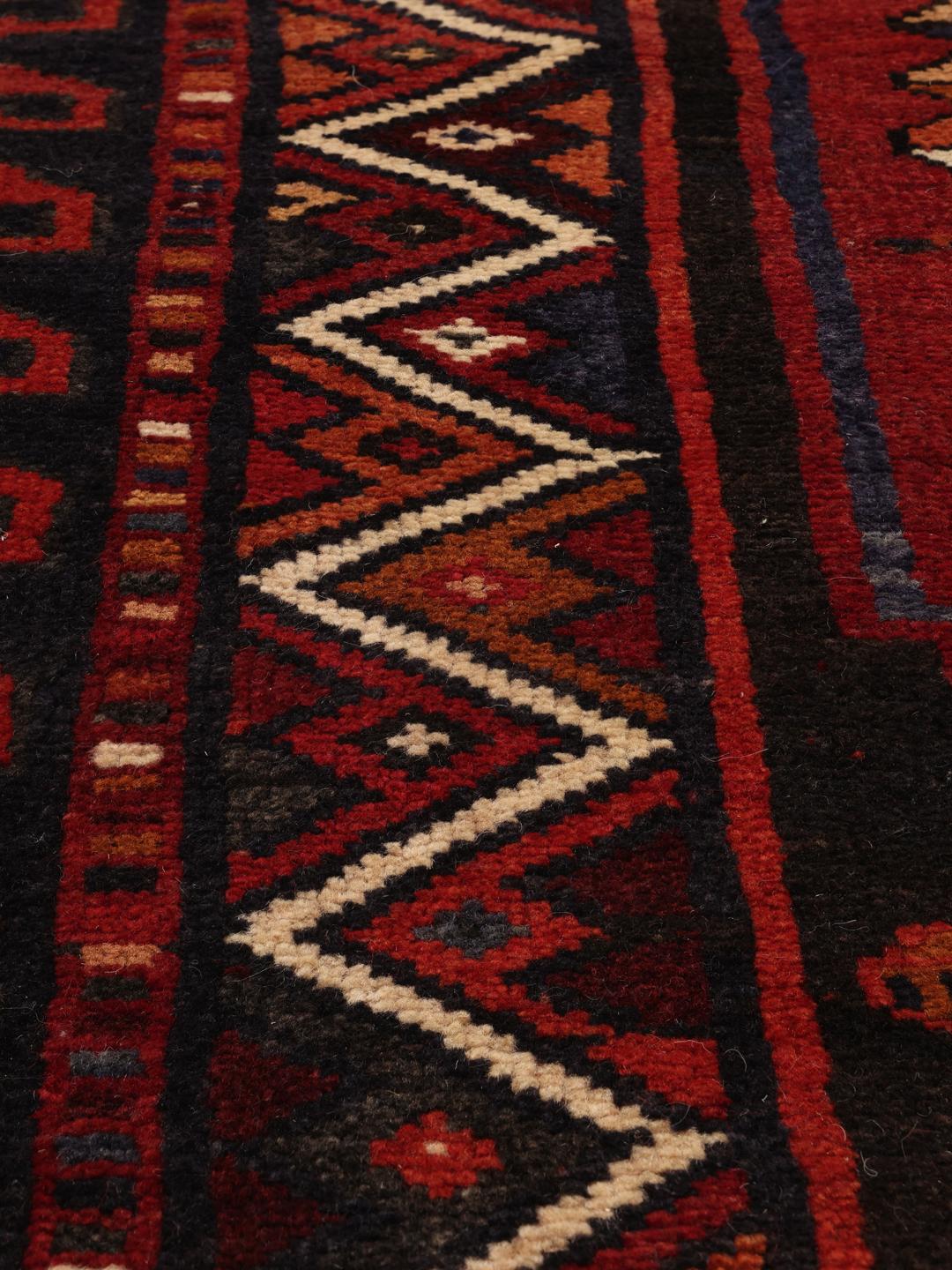
Visually, Lori rugs are celebrated for their strong, geometric language. They often feature large, bold medallions and stylised tribal motifs that contrast sharply against rich, deep backgrounds, typically in shades of red or dark earth tones. The borders are usually simple yet effective, framing the central field in a way that highlights the tribal heritage and the deliberate, rhythmic nature of the patterns.
Collecting a Lori rug is an investment in cultural heritage and skilled craftsmanship. These pieces are valued for their authenticity and the human story behind every knot. Owning one means preserving a piece of tribal history, as these rugs represent a level of dedication and traditional skill that remains highly sought after by those who appreciate the beauty of hand-crafted items in their homes.