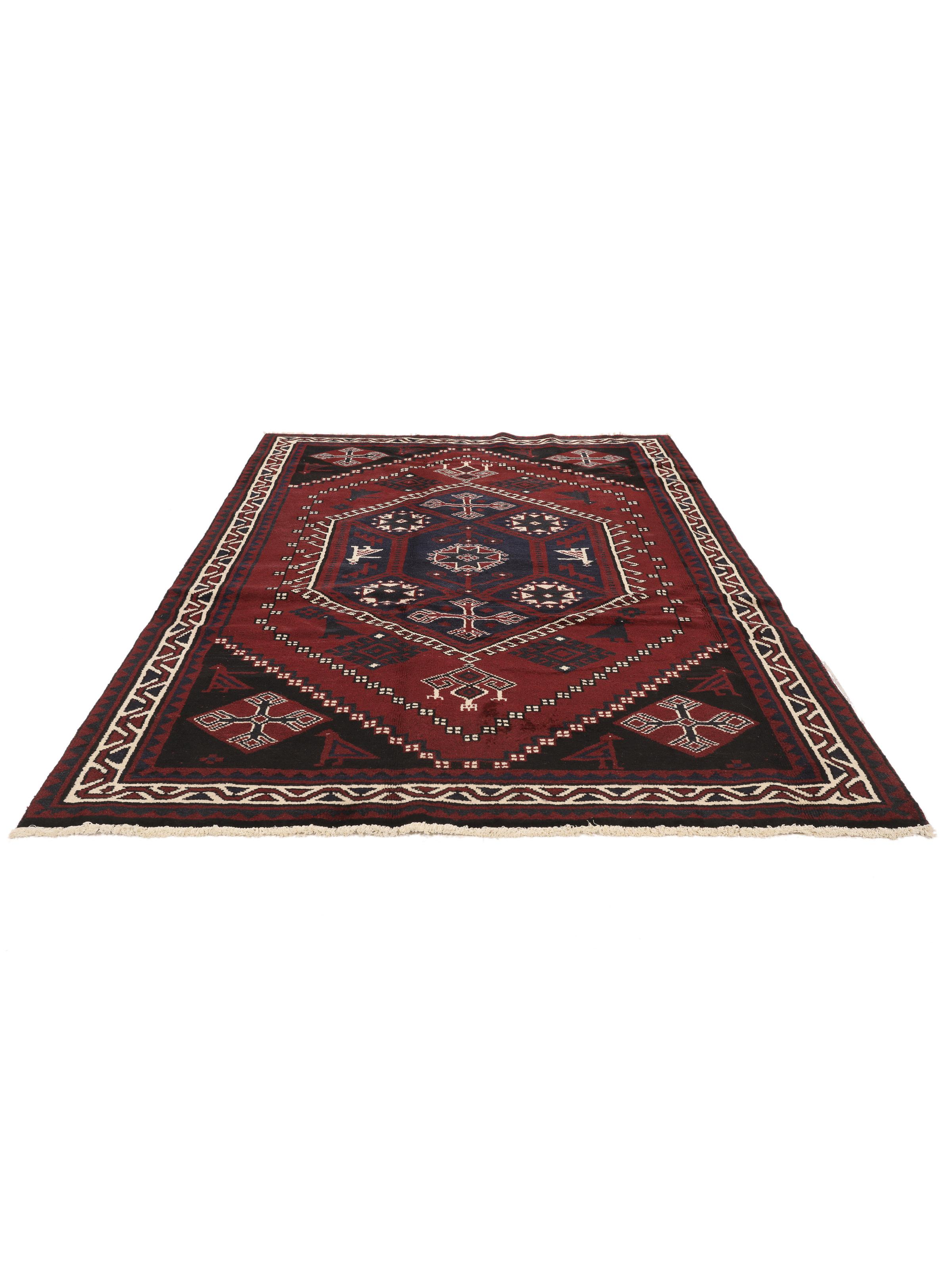
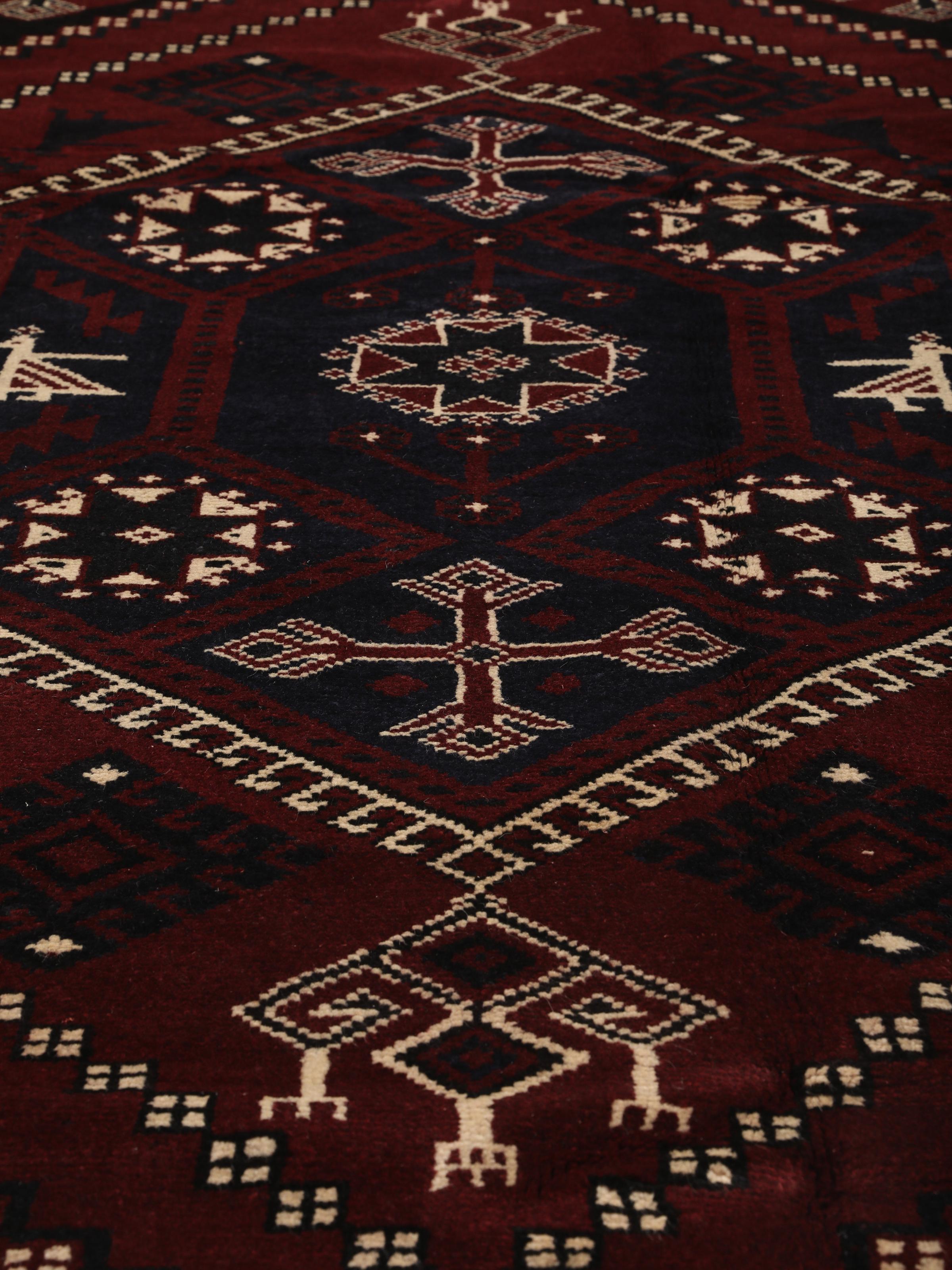
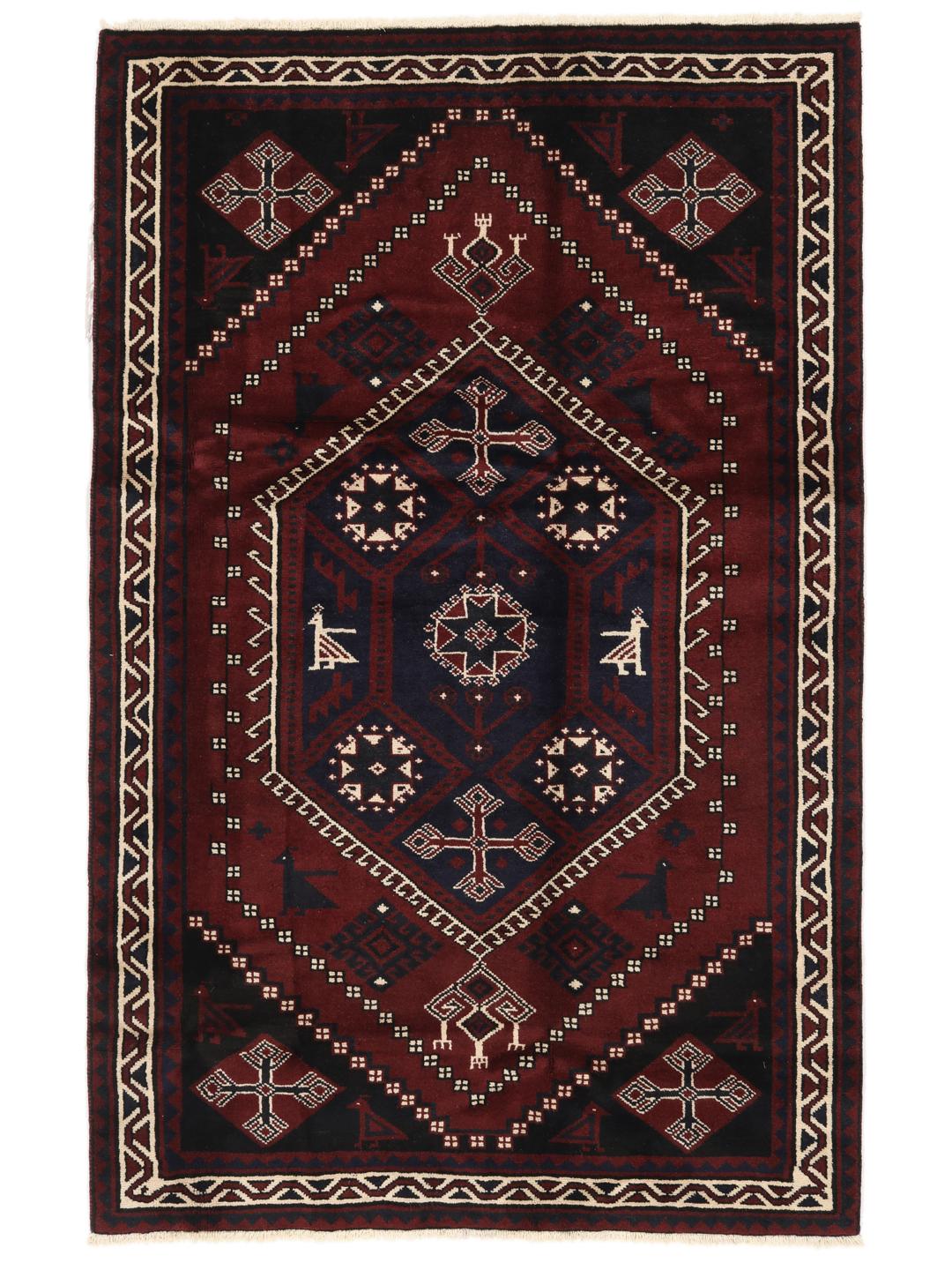
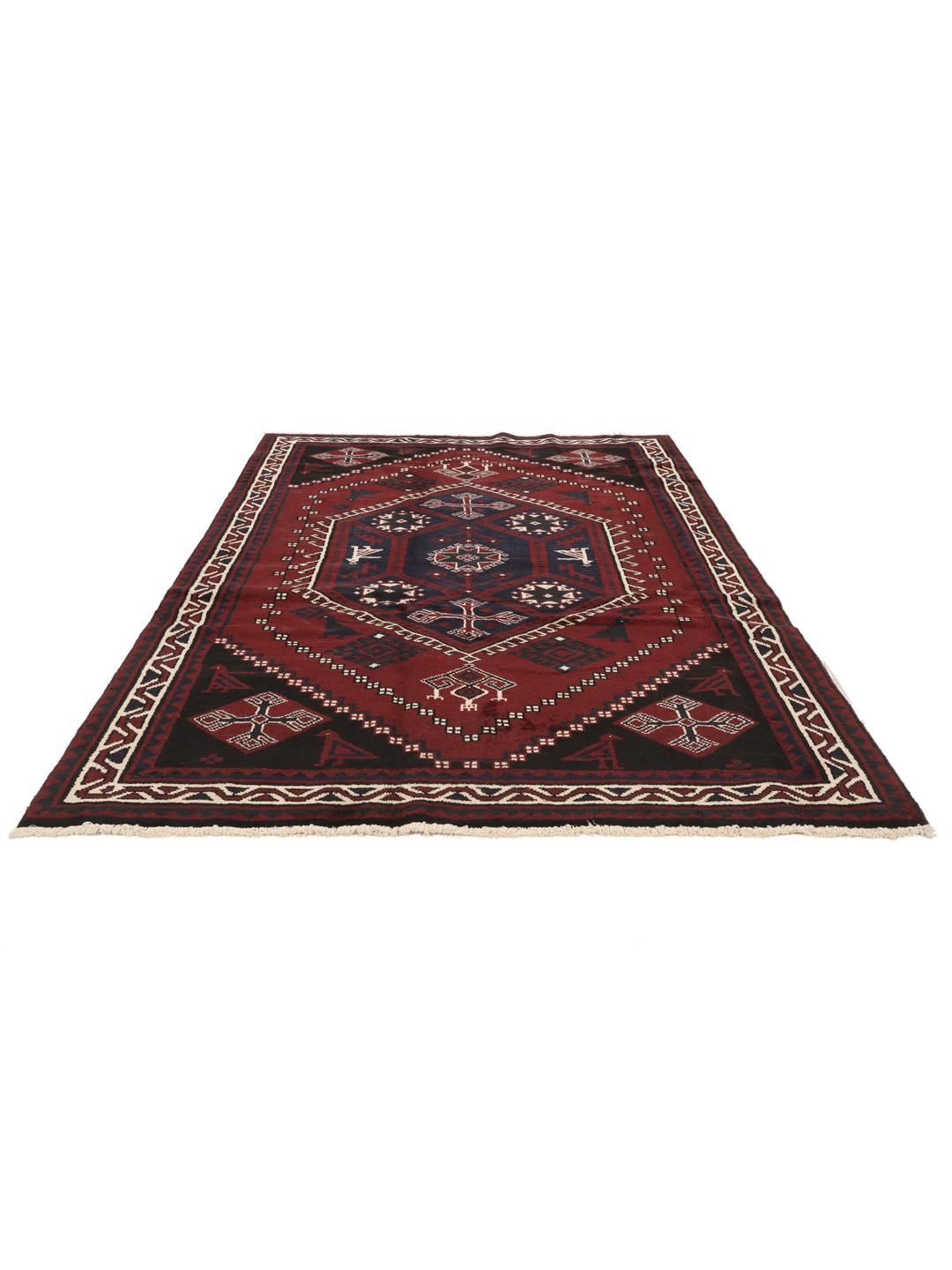
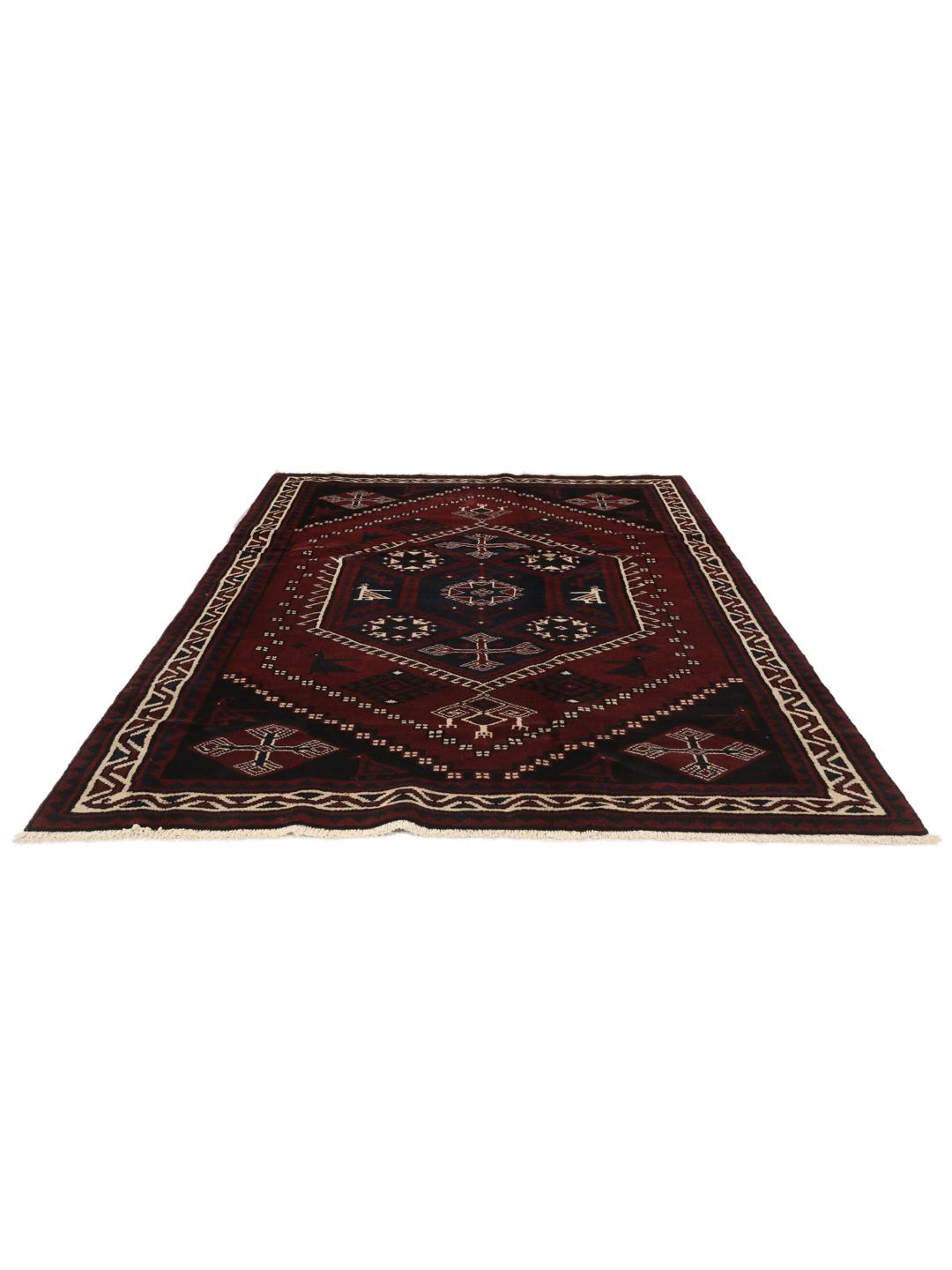
Lori rugs originate from the tribal regions of the Middle East, where the Lori people have maintained a rich tradition of nomadic weaving for centuries. These rugs are deeply tied to the lifestyle of the tribes, reflecting the landscapes, beliefs, and artistic sensibilities of the people who create them. Unlike mass-produced carpets, these pieces often serve as a canvas for the weaver's personal narrative, incorporating symbols and motifs that have been passed down through generations.
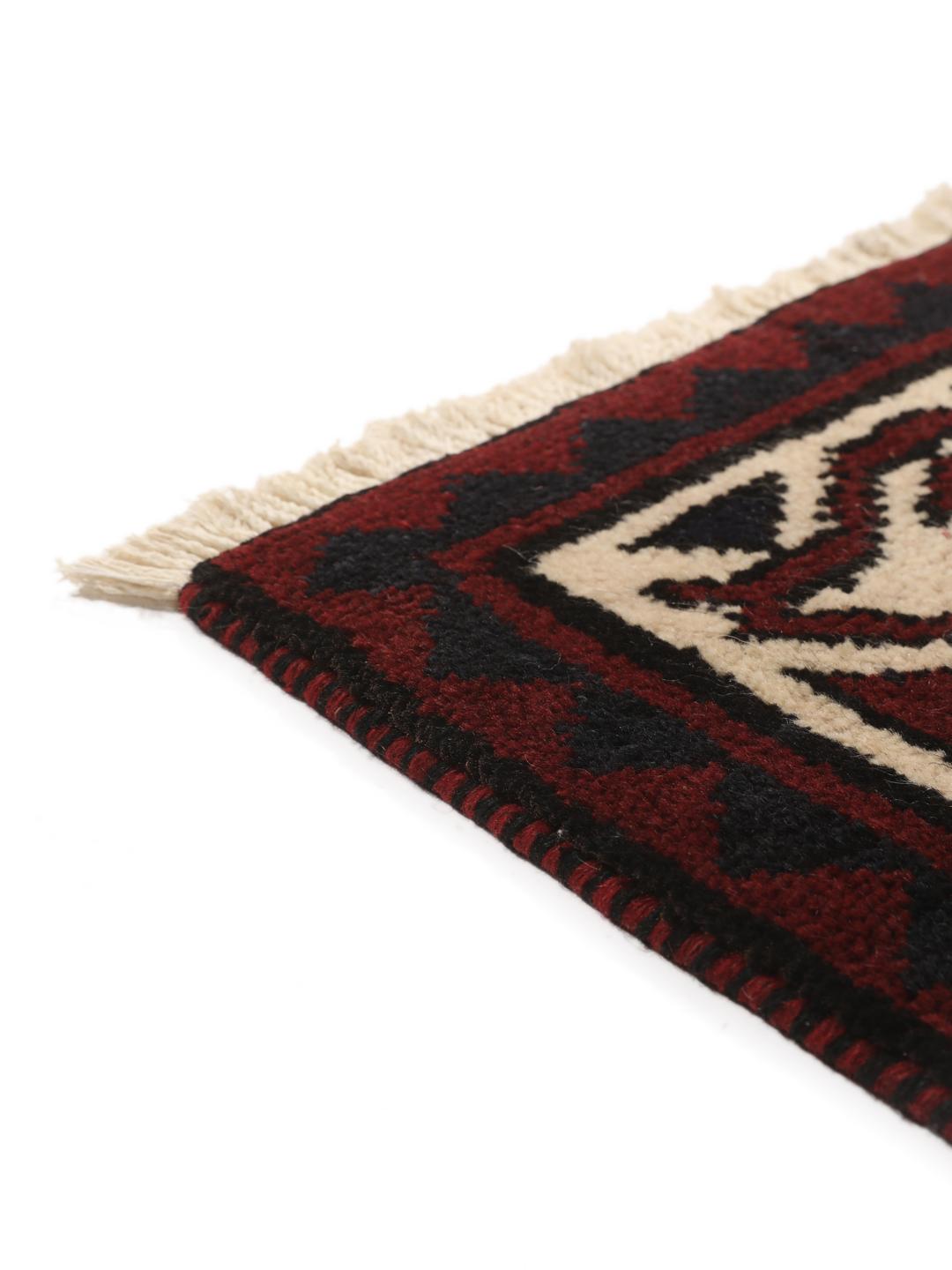
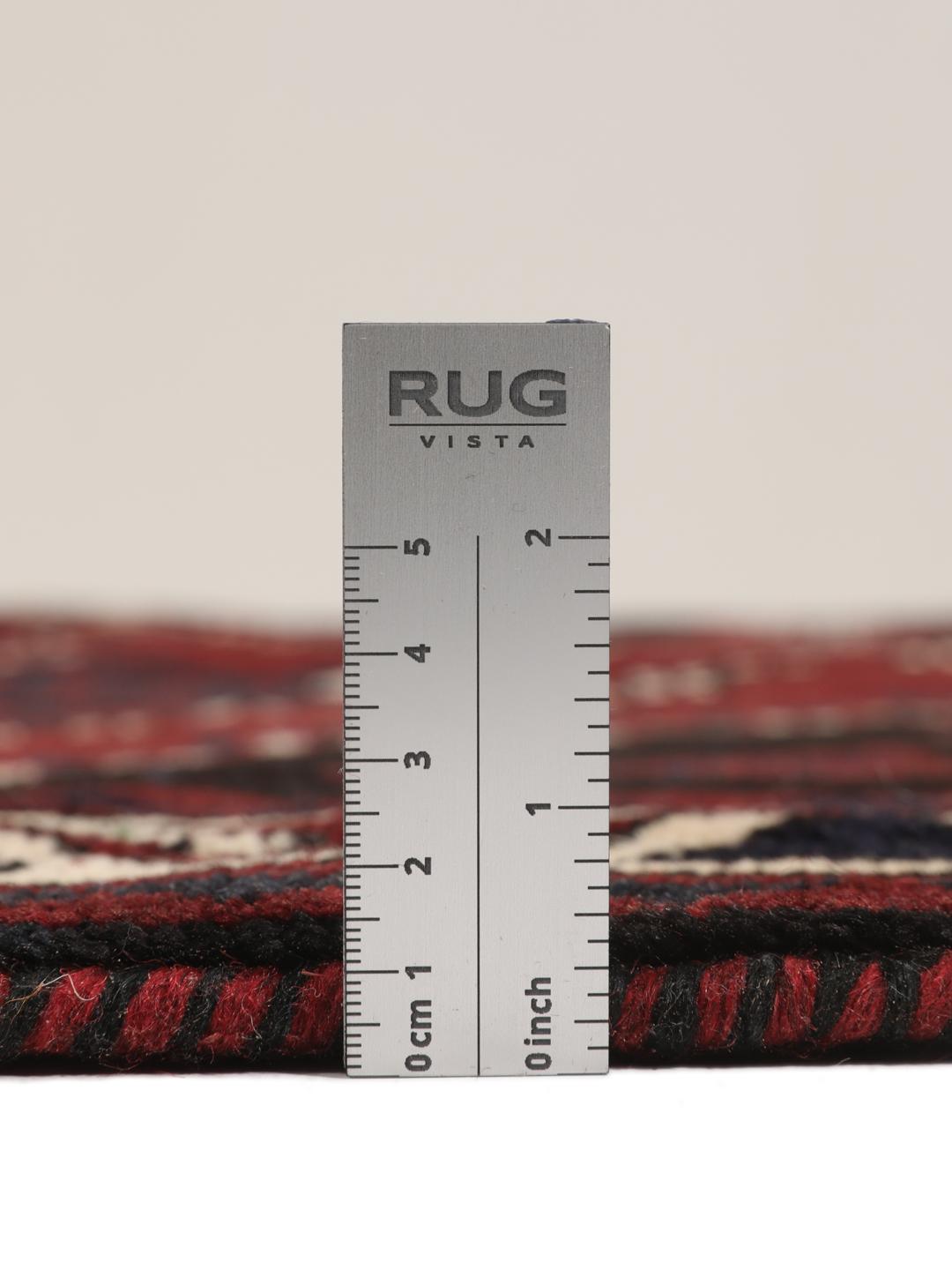
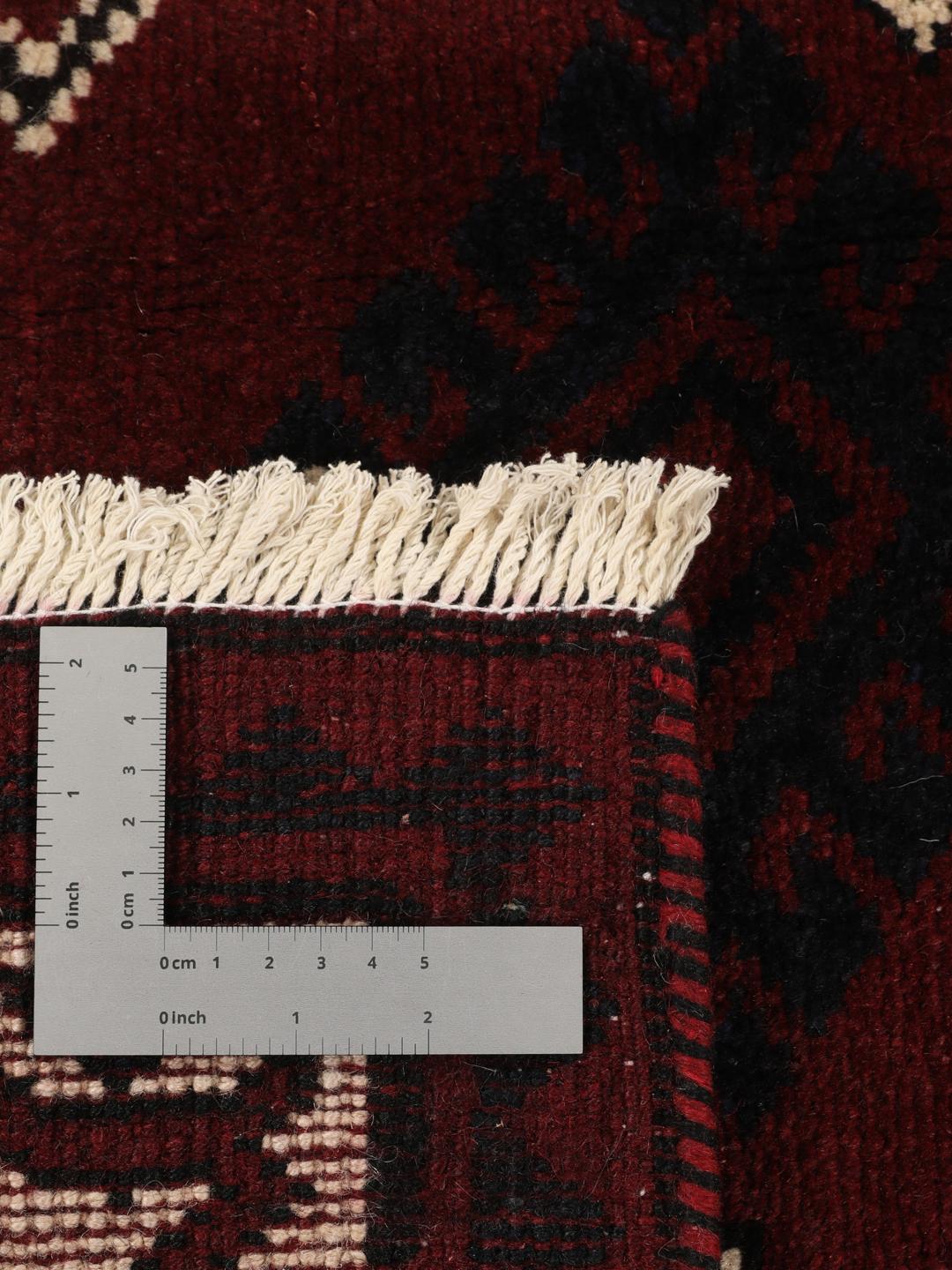
The construction of these rugs is defined by a deep commitment to durability and tactile quality. Using traditional methods, the weavers create a foundation that is both flexible and strong, allowing the rug to lay flat and endure for decades. The reliance on natural Wool, prized for its lanolin content and resilience, ensures that the rug remains soft to the touch while being naturally resistant to wear, making it an ideal choice for high-traffic areas of the home.
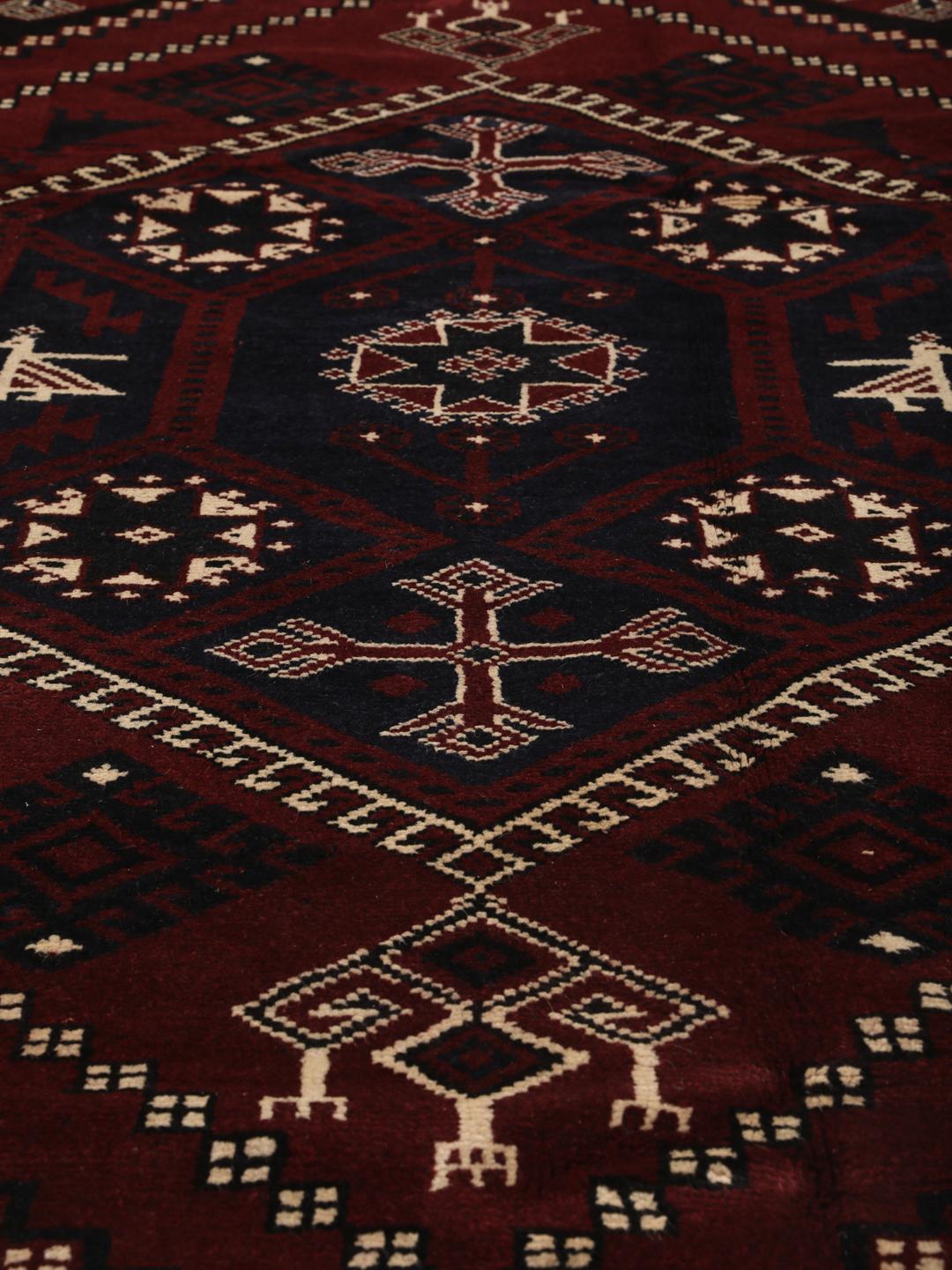
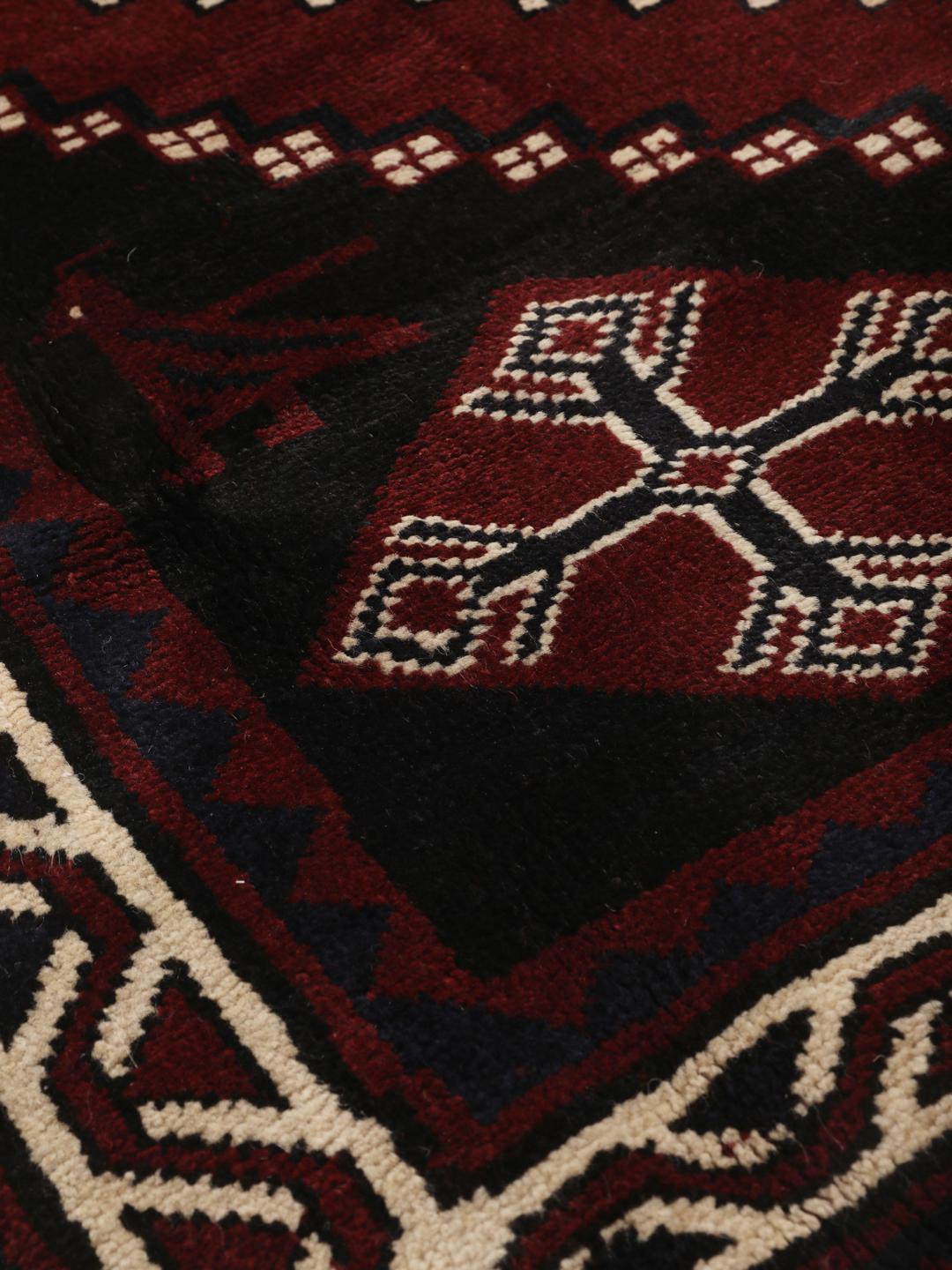
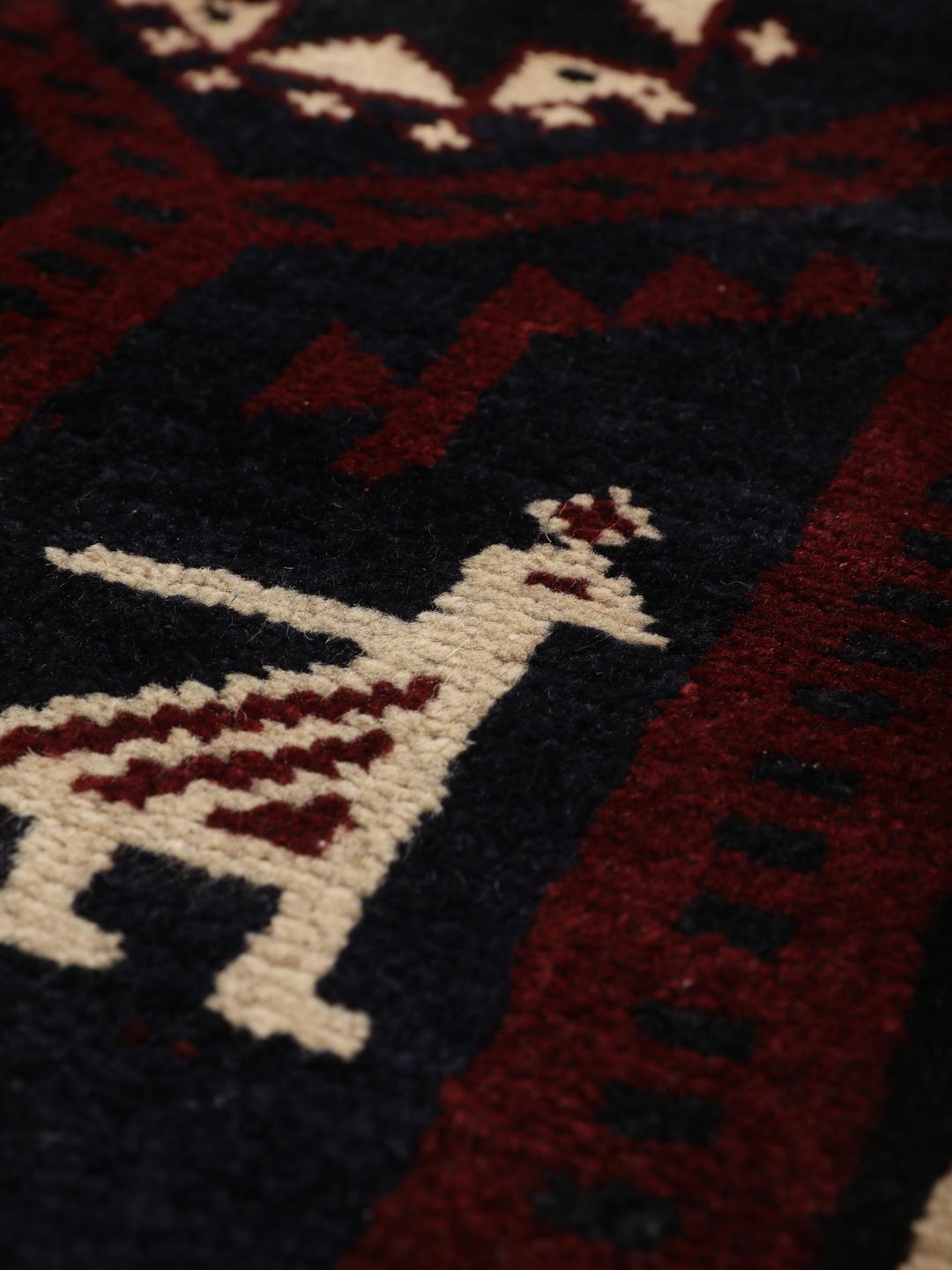
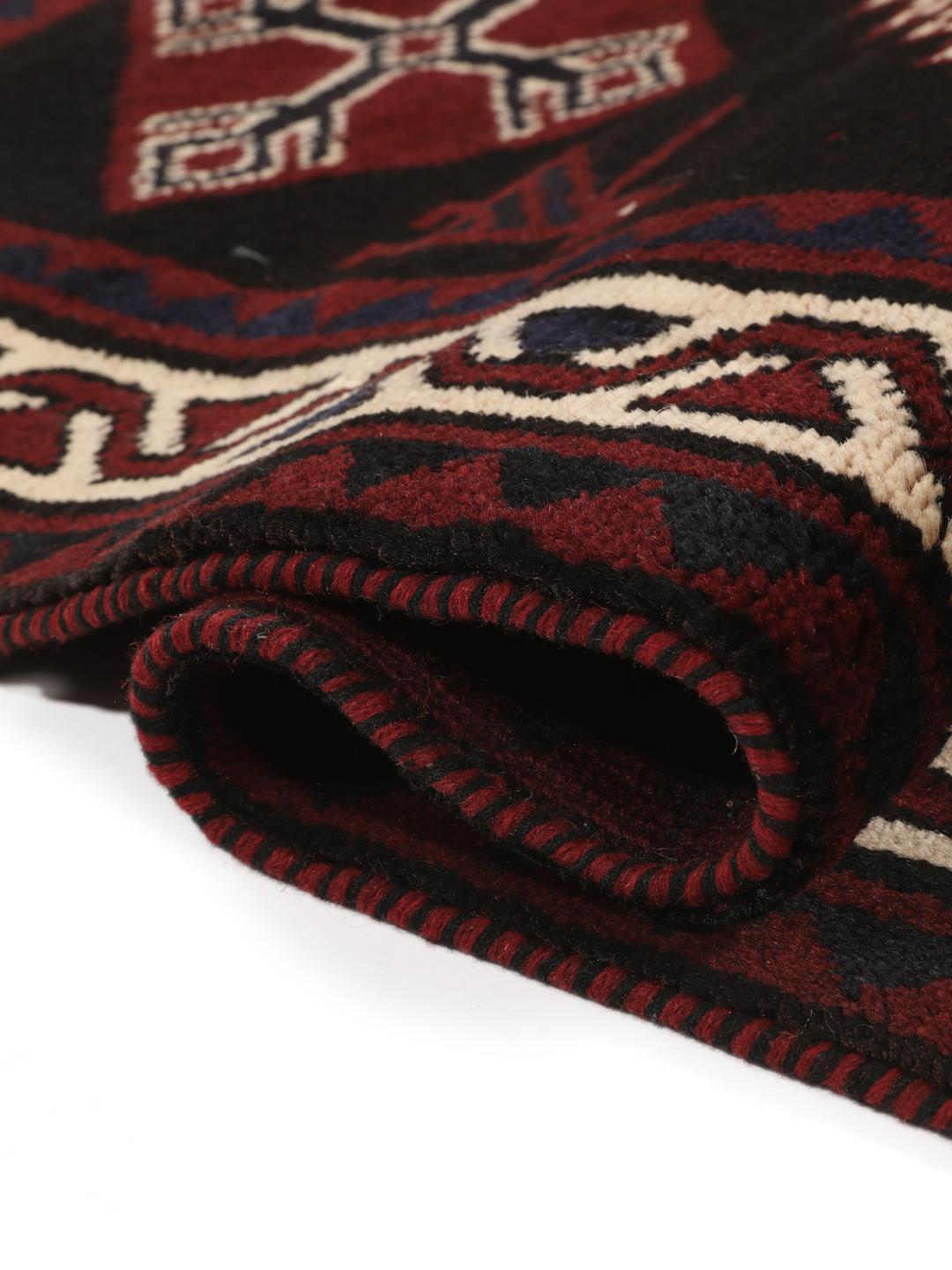
Signature design elements of the Lori tradition often include stylized geometric medallions, hooked motifs, and animal figures that pay homage to the natural world. The use of a bold, dark-red and black palette is common, creating a dramatic contrast that highlights the intricacies of the central design. These patterns are not merely decorative but are symbolic representations of tribal identity, often framed by decorative borders that anchor the composition and provide a sense of visual harmony.
Collecting a Lori rug is an invitation to own a piece of cultural history. Because each rug is produced within a specific tribal context, it carries an authenticity that is highly valued by those who appreciate the intersection of art and craft. Owning such a piece is an act of preserving a tradition, offering your home a layer of depth and character that only a hand-crafted, historically significant object can provide.