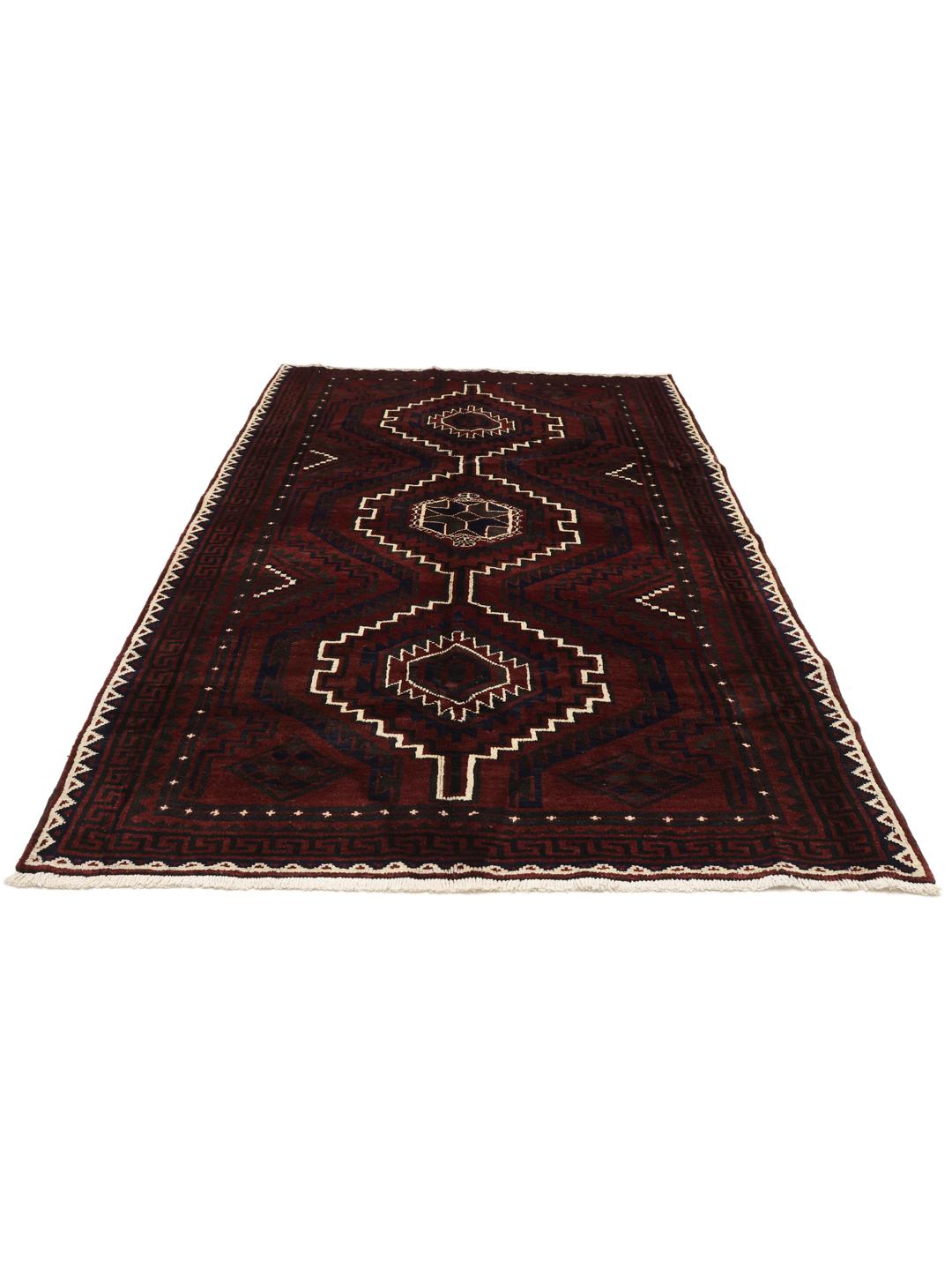
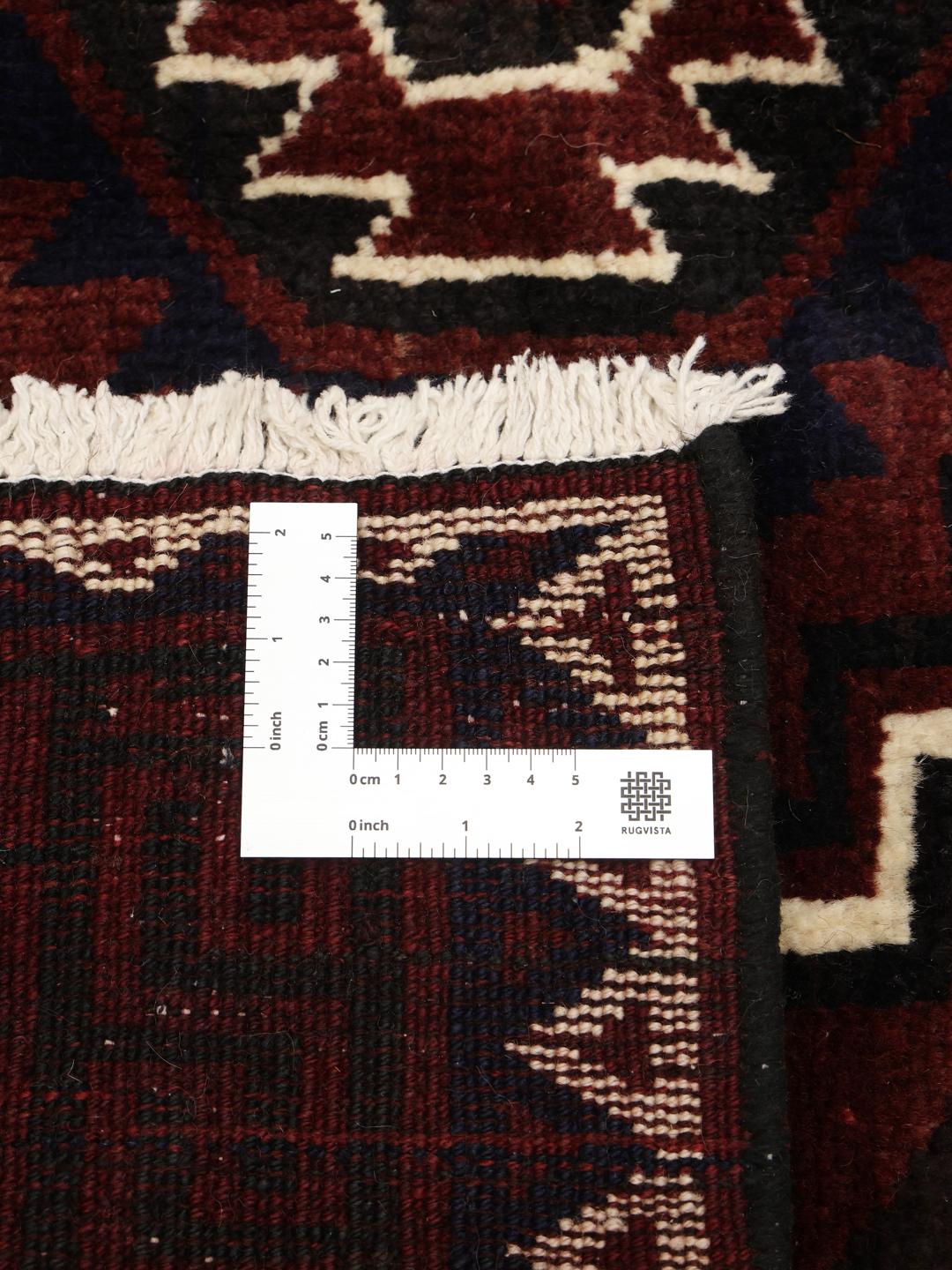
Lori rugs originate from the mountainous regions of the Middle East, traditionally woven by the Luri tribes. These people have a long history of nomadic and semi-nomadic life, and their textiles were originally created as essential items for tent living, such as floor coverings, blankets, and storage bags. The designs are deeply rooted in the environment and the cultural identity of the weavers, often reflecting the stark beauty of the rugged landscapes they call home.
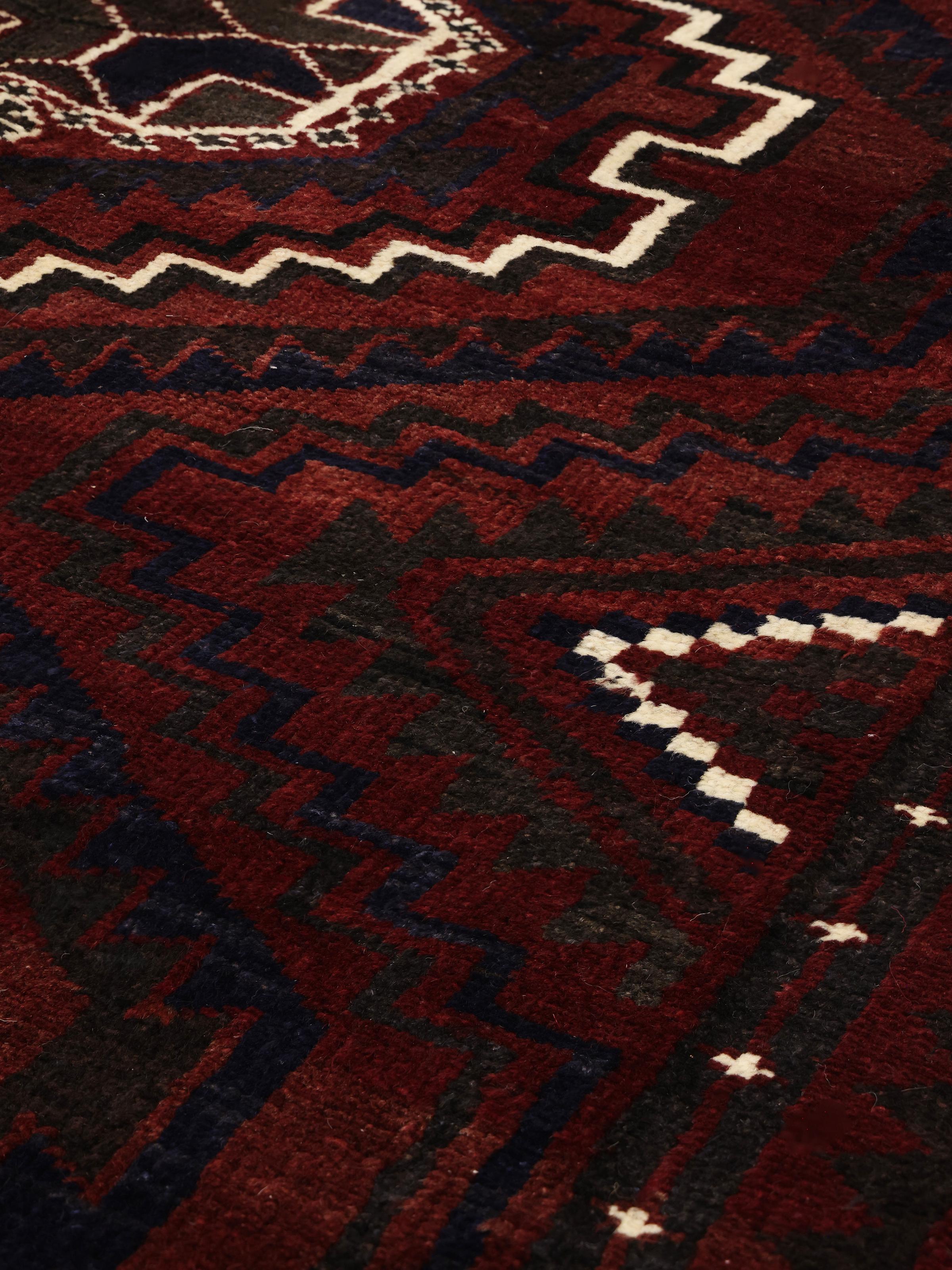
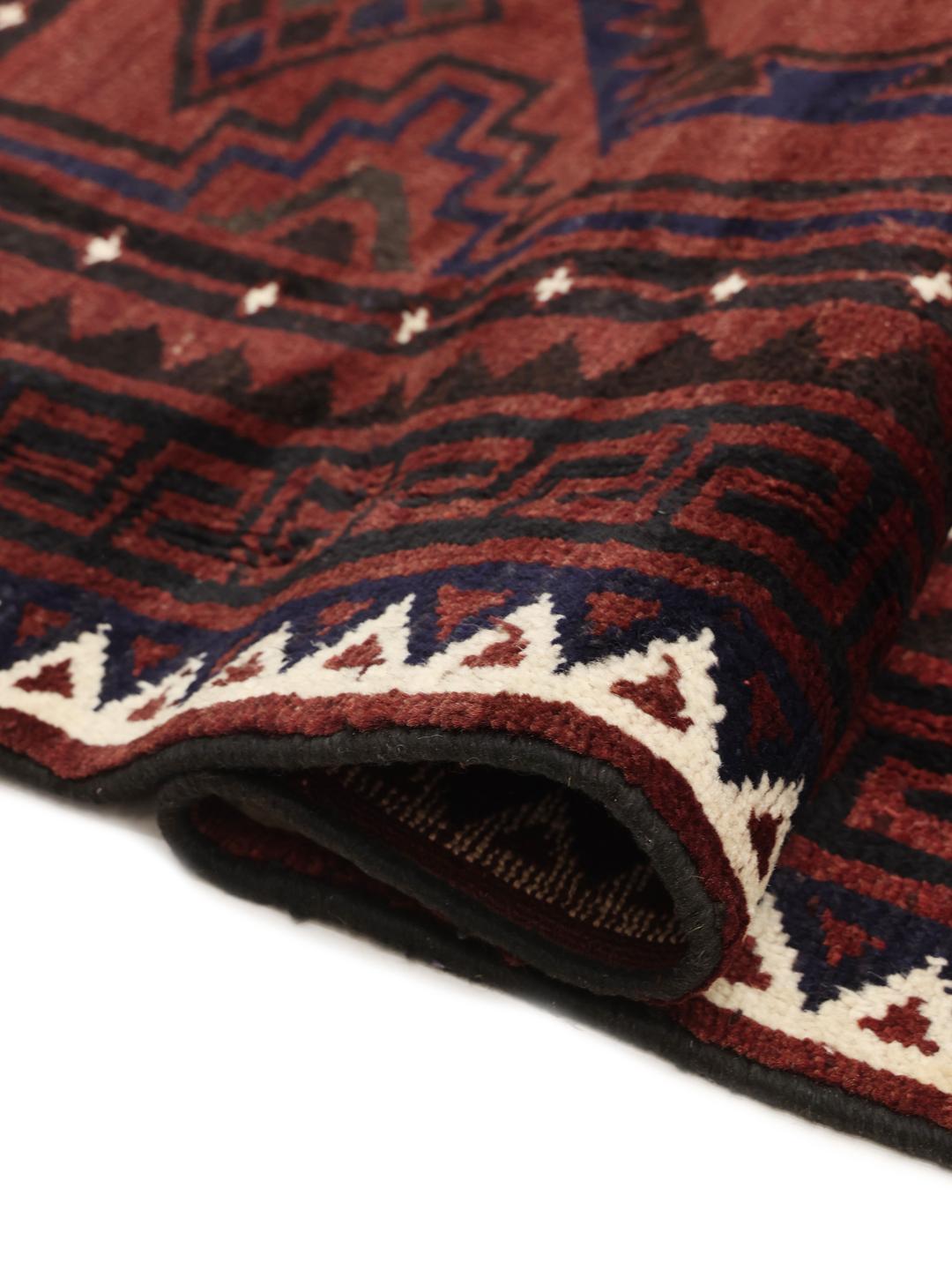
The terminology surrounding these rugs often refers to the specific tribal techniques passed down through generations. A key aspect of their quality is the use of robust wool, which is often sourced from local sheep and processed by hand. This natural material is valued for its resilience and ability to retain deep, rich dyes, which results in a rug that matures gracefully over time, developing a unique character as it is used.
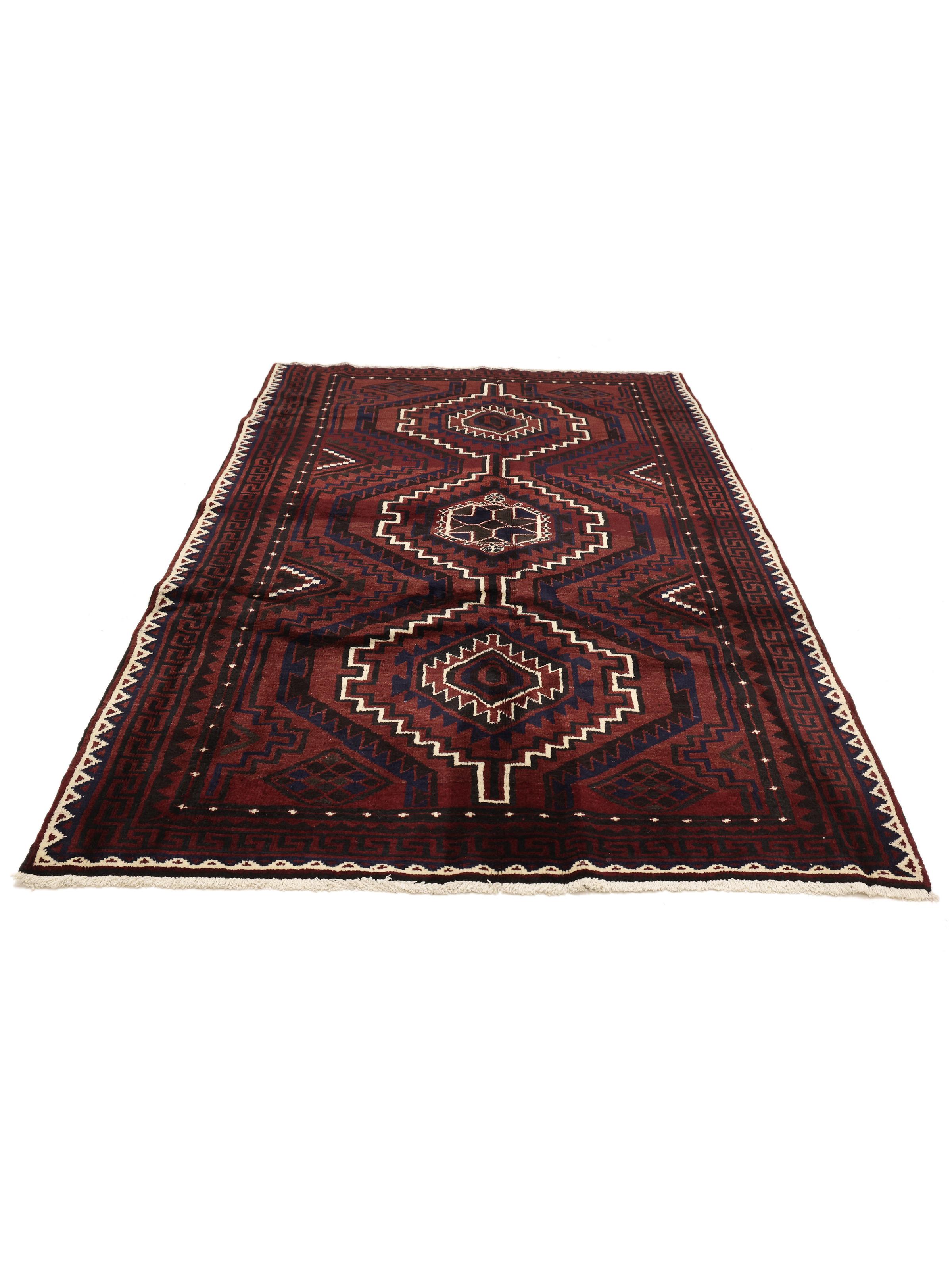
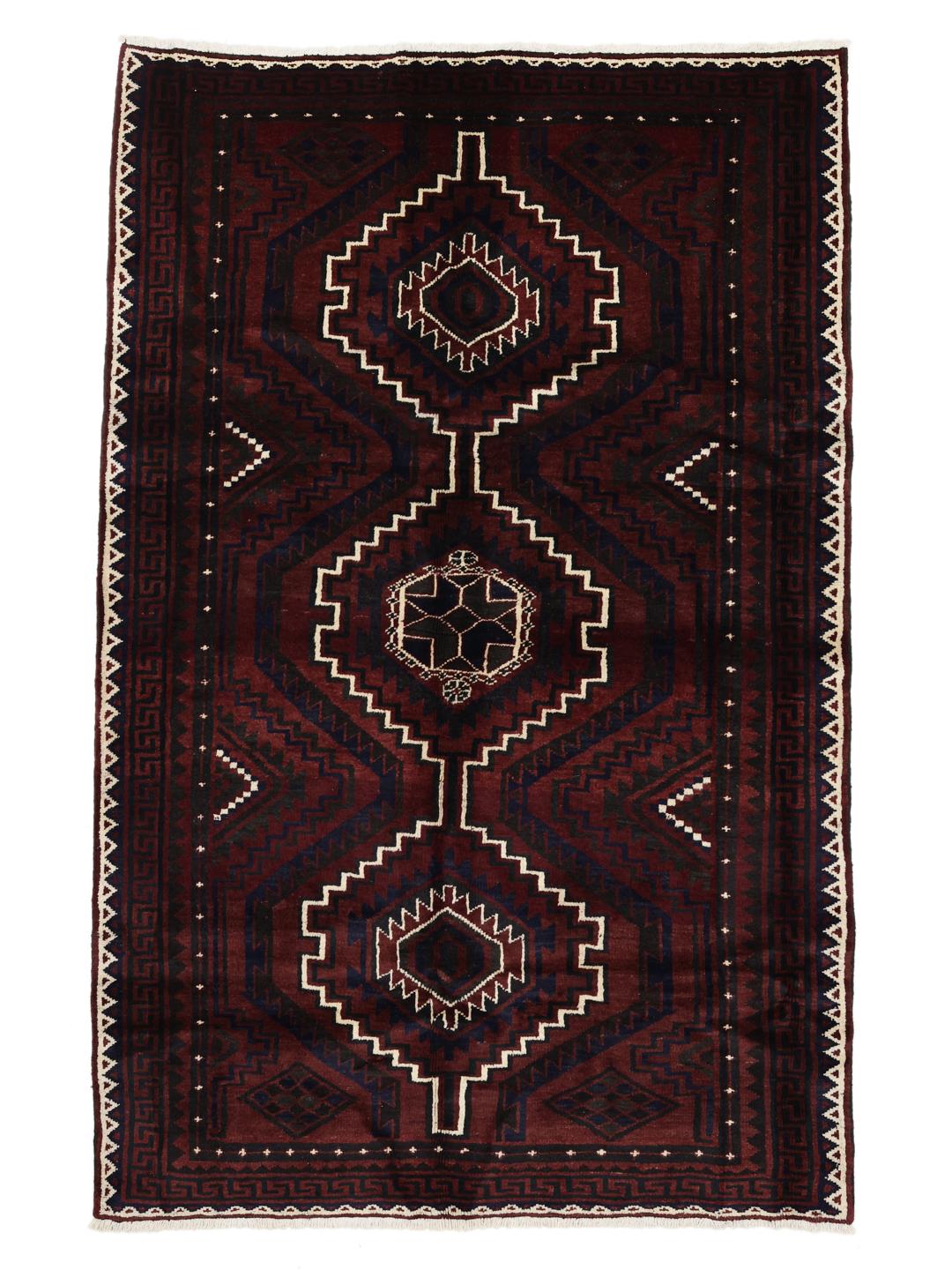
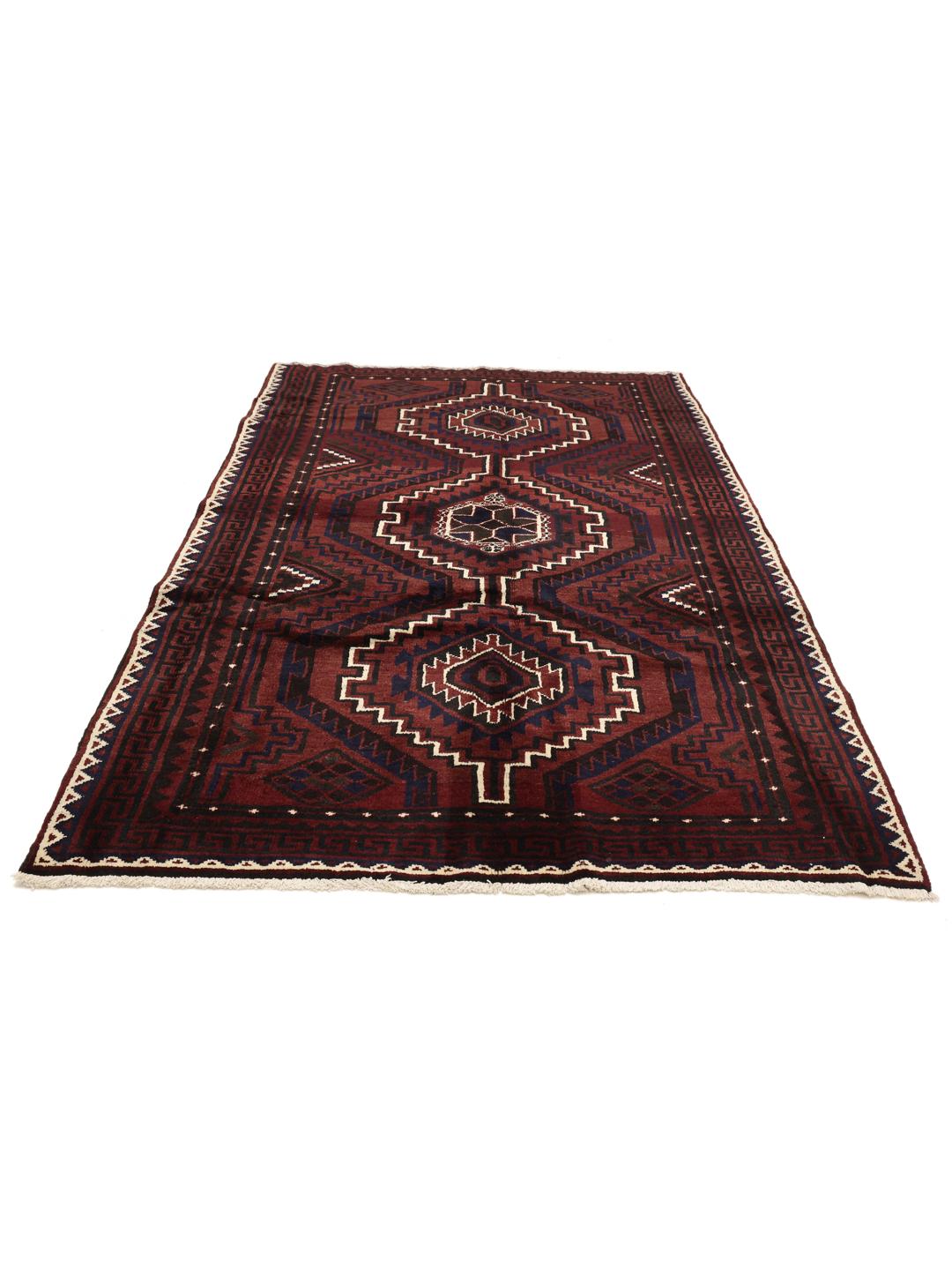
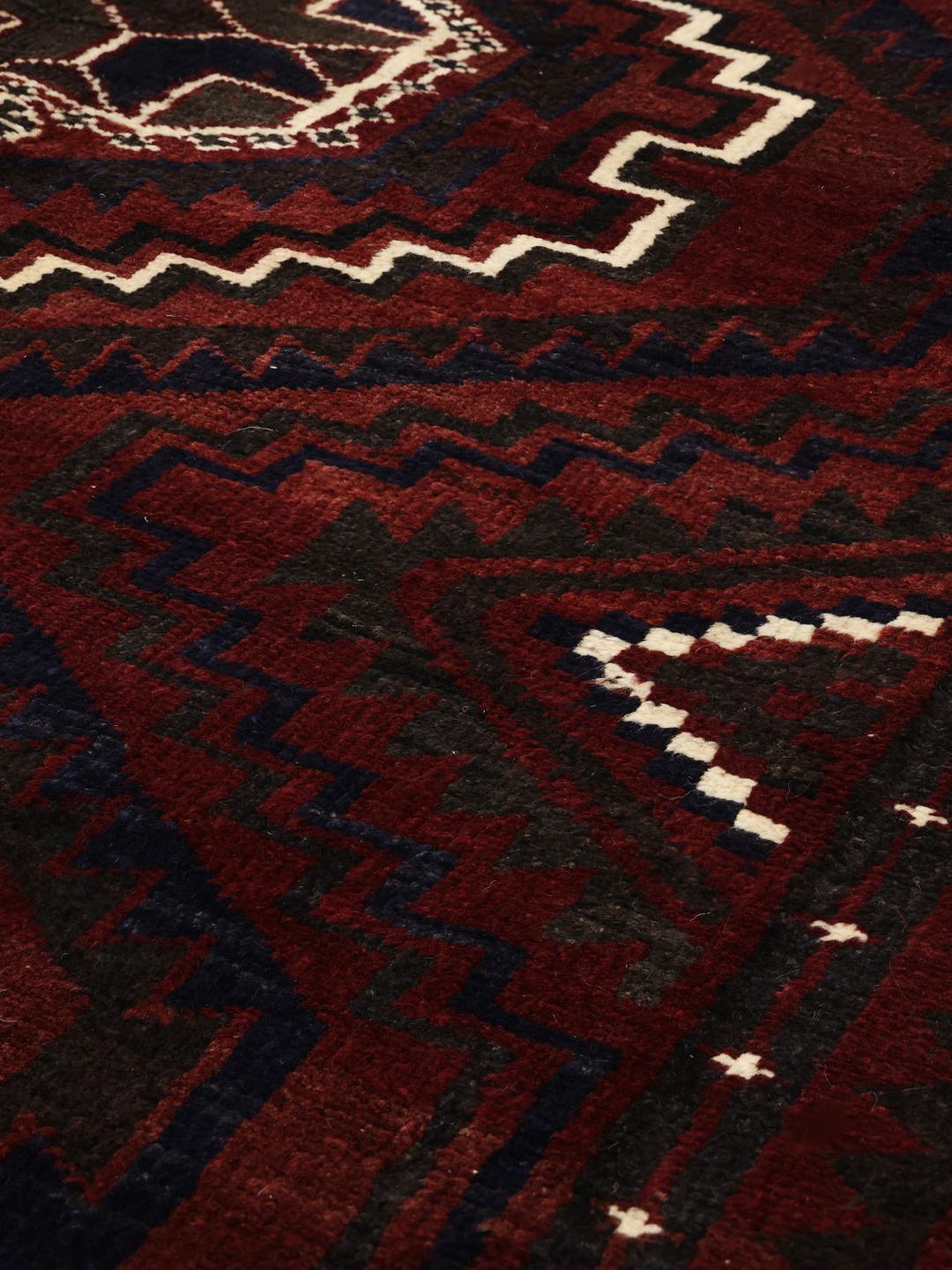
Signature design elements of these rugs are characterised by bold, geometric motifs. You will often see large, stylised medallions, angular diamonds, and simplified representations of animals or plants, all executed with a sense of spontaneity that distinguishes them from more formal, city-made carpets. The use of dark-red fields, as seen here, is a hallmark of the tradition, providing a dramatic backdrop for the lighter, often white or ivory, geometric outlines.
Owning a Lori rug is an investment in a living tradition. These pieces are highly sought after by collectors who value the authenticity and raw, unfiltered skill of tribal weaving. Each rug acts as a historical document, preserving the aesthetic choices and artistic spirit of the Luri people. By bringing this piece into your home, you are connecting with a centuries-old craft that honours the human hand and the value of slow, considered creation.