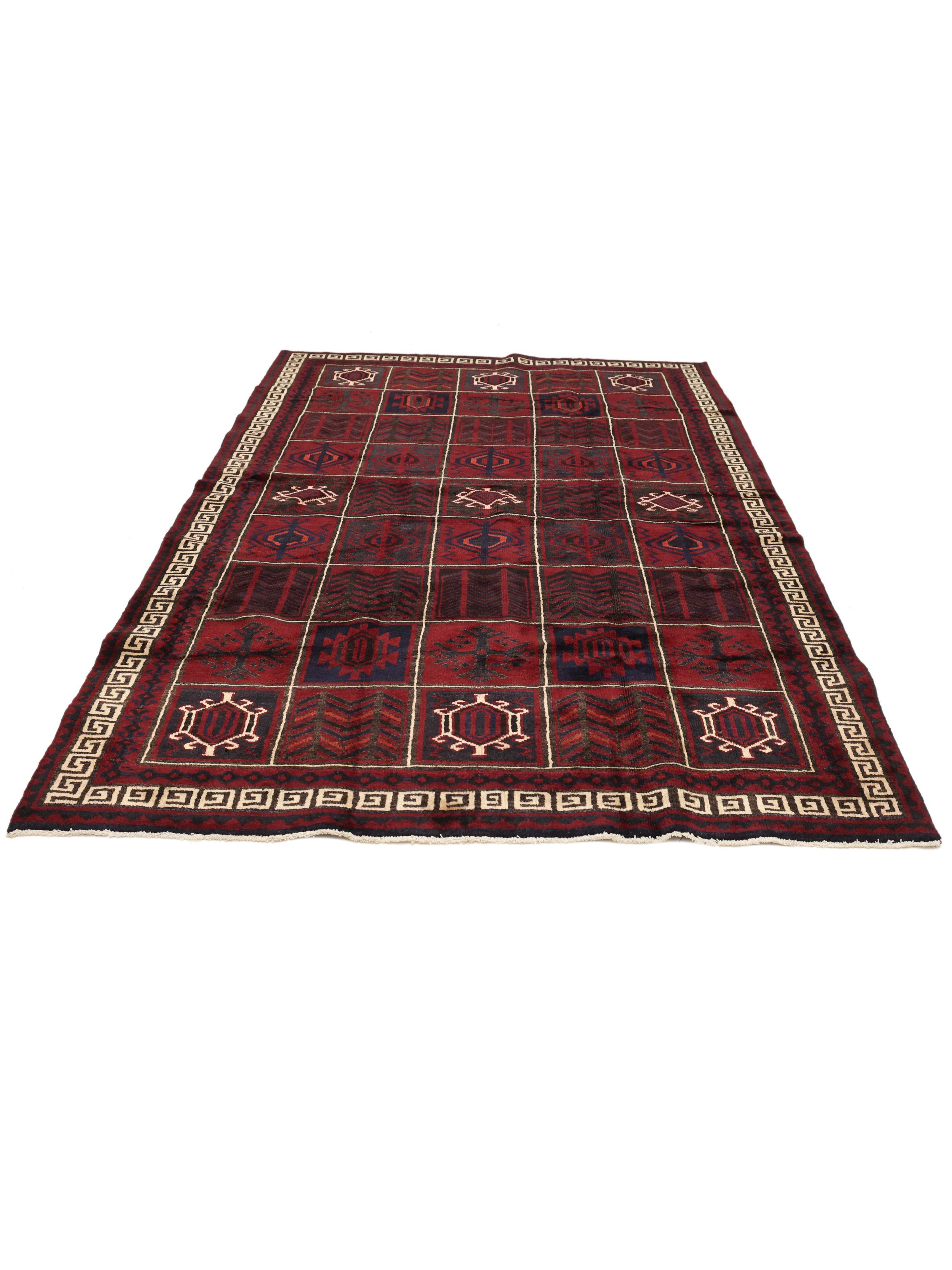
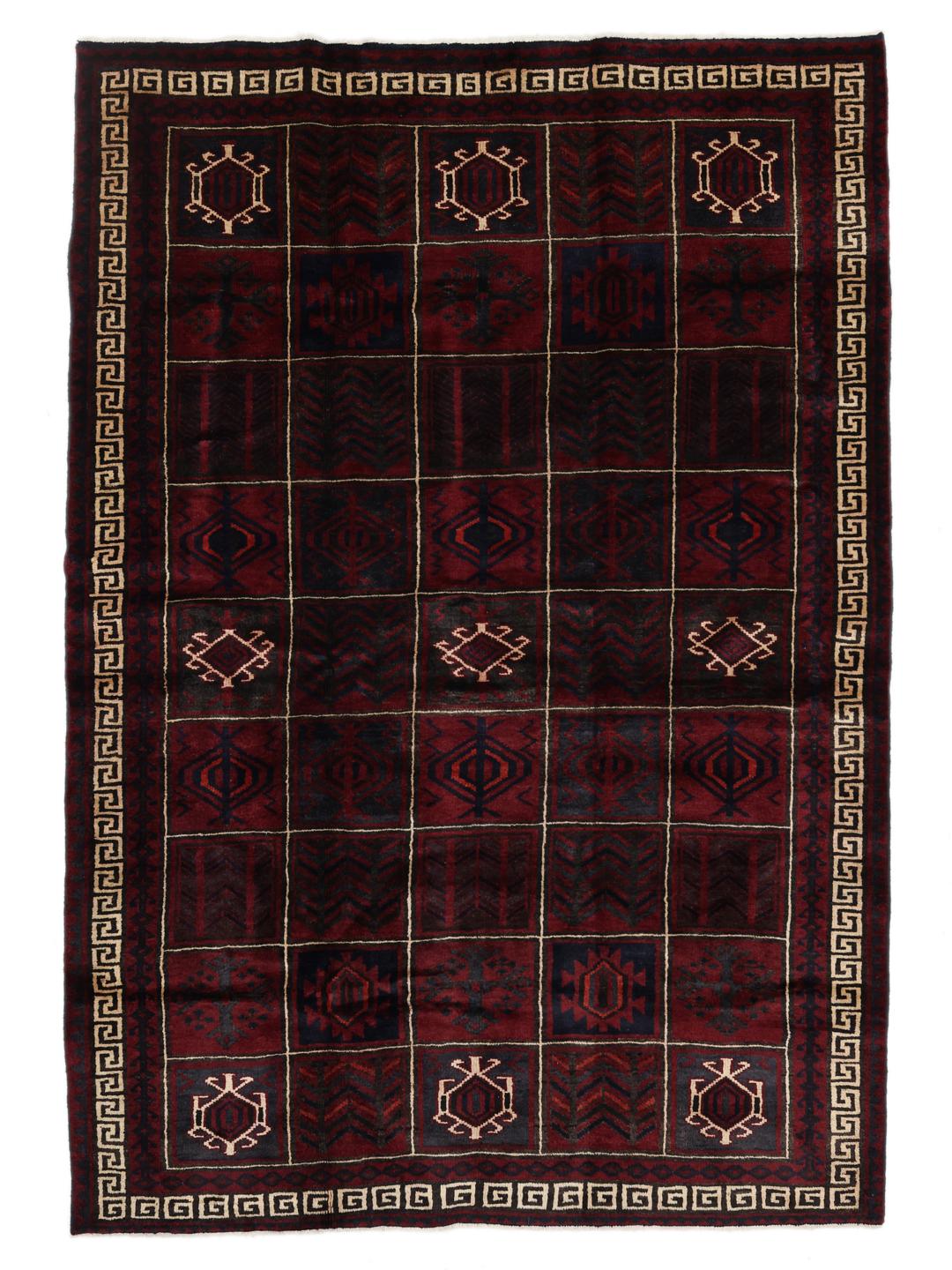
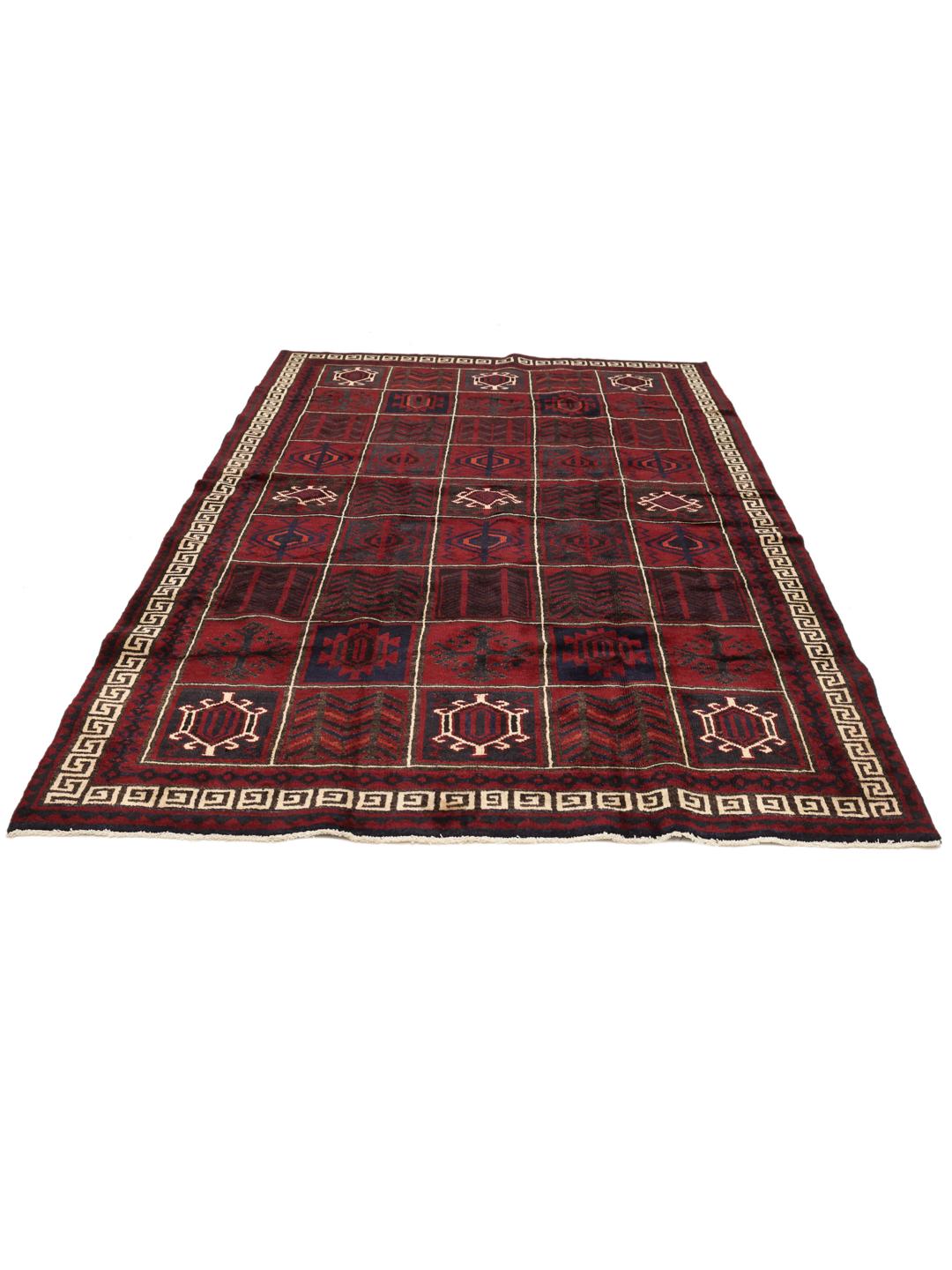
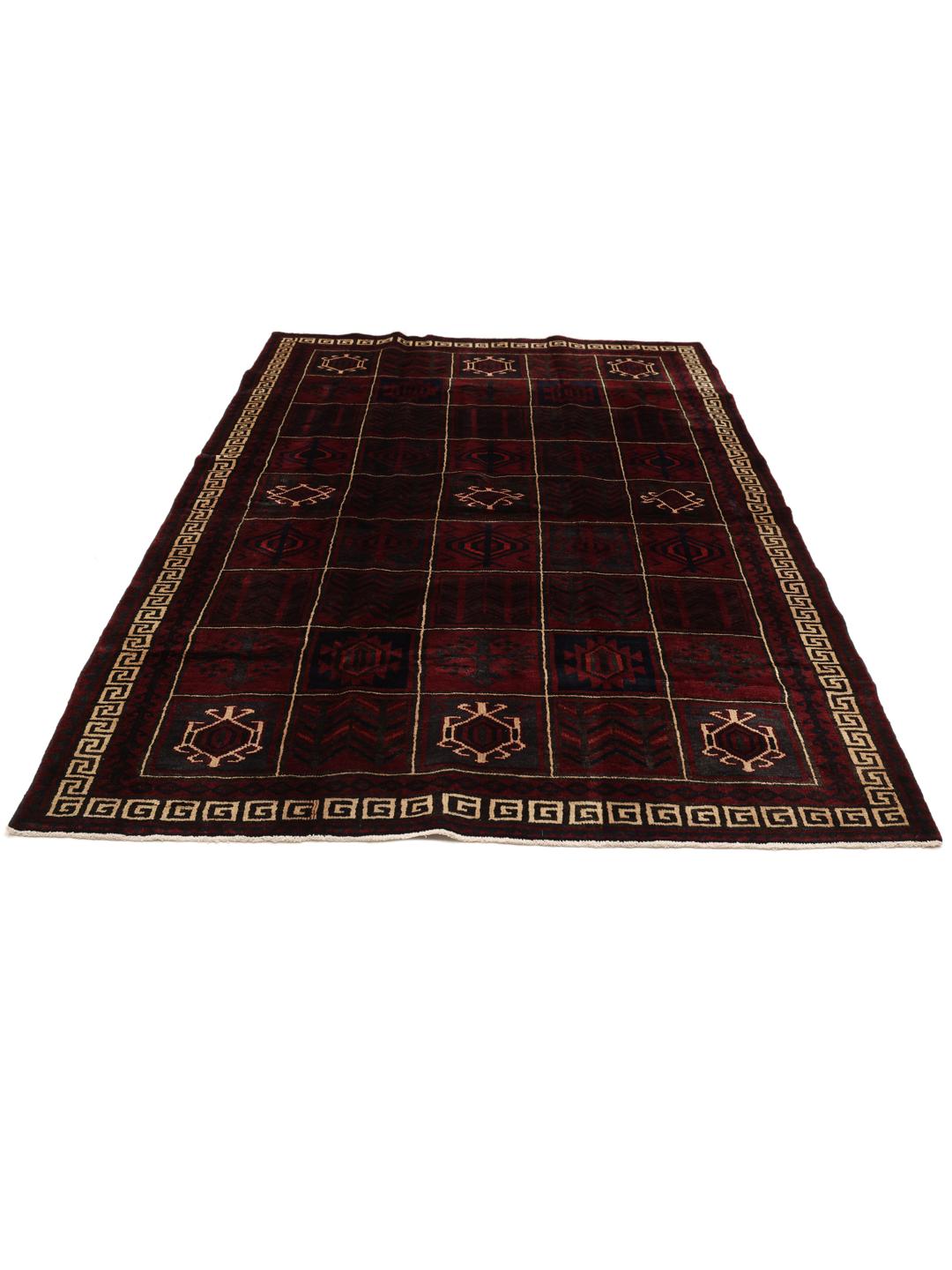
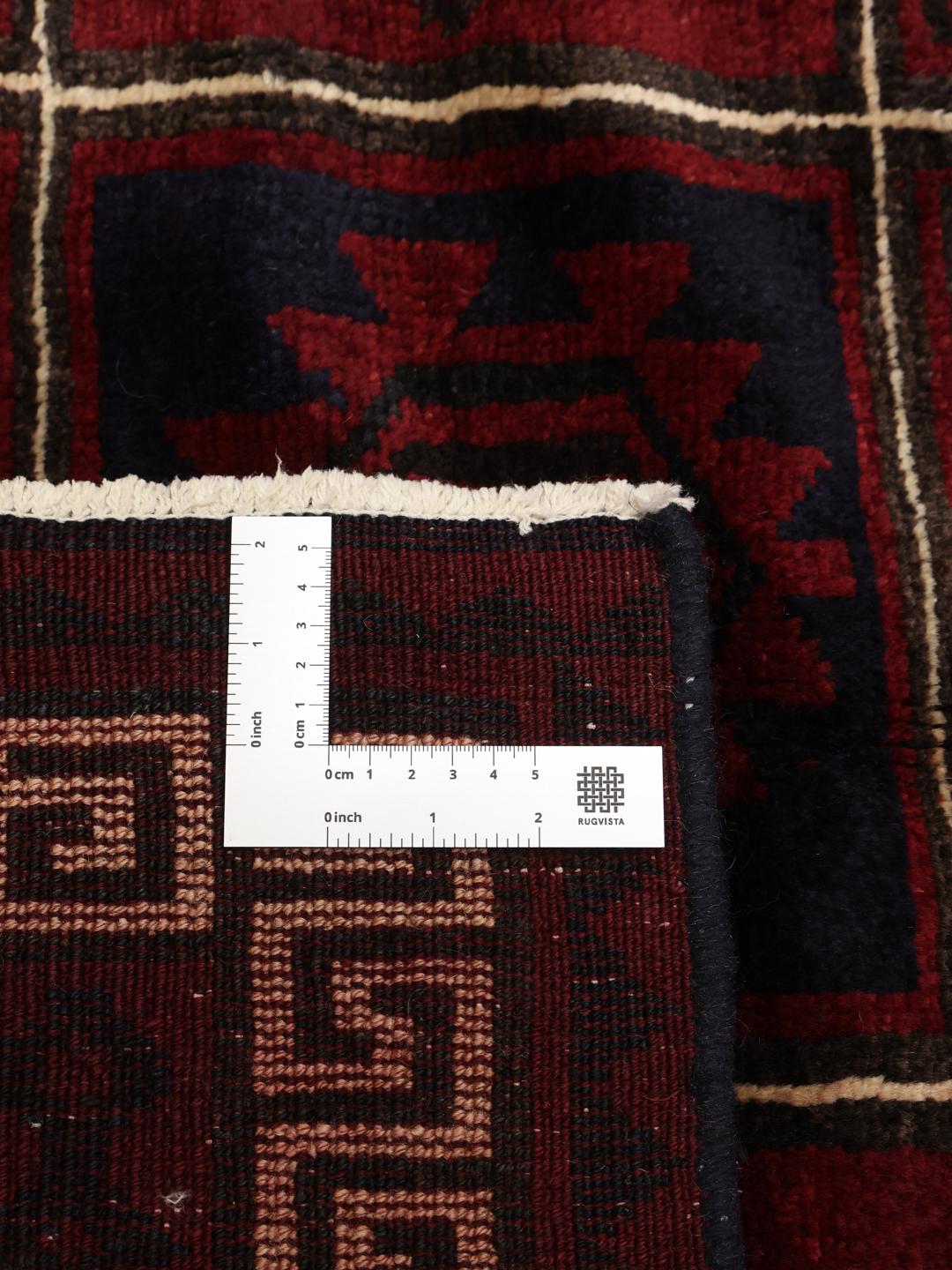
Lori rugs are the proud expression of the nomadic tribes of the Middle East, known for their ability to create bold, expressive designs without the aid of formal sketches. These rugs are deeply connected to the landscape and the ancestral memory of the weavers, often serving as both functional floor coverings and expressions of tribal identity. The tradition is rooted in a nomadic lifestyle where weaving was a central part of daily life, resulting in a style that is both rugged and sophisticated.
The term Lori refers to the specific cultural group that produces these textiles. Their weaving style is characterised by a focus on structural patterns and a vibrant, yet earthy, colour palette. Unlike more formal urban rugs, these pieces often feature a more spontaneous and organic interpretation of traditional motifs, which gives every rug a distinct personality and a sense of movement.
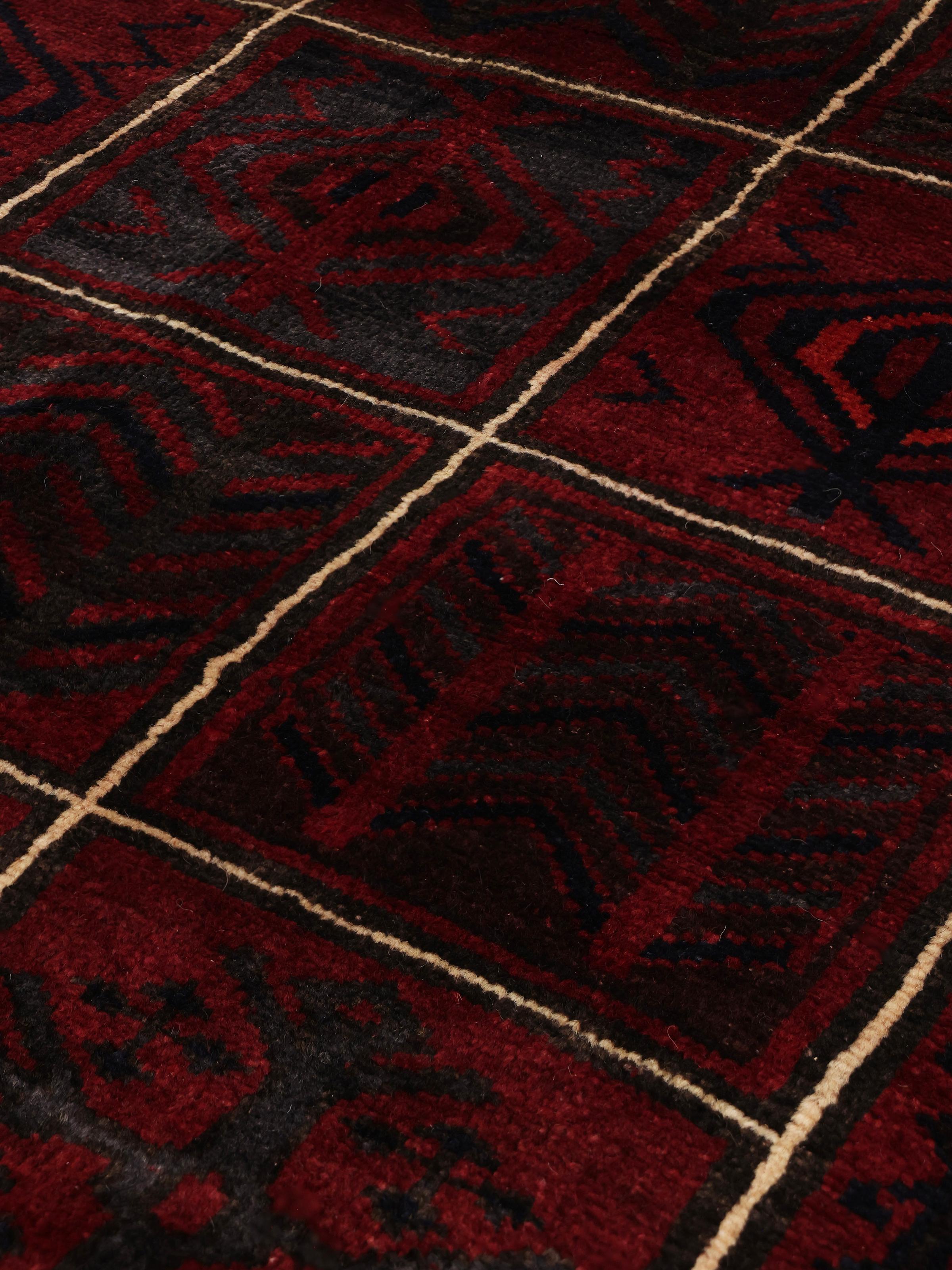
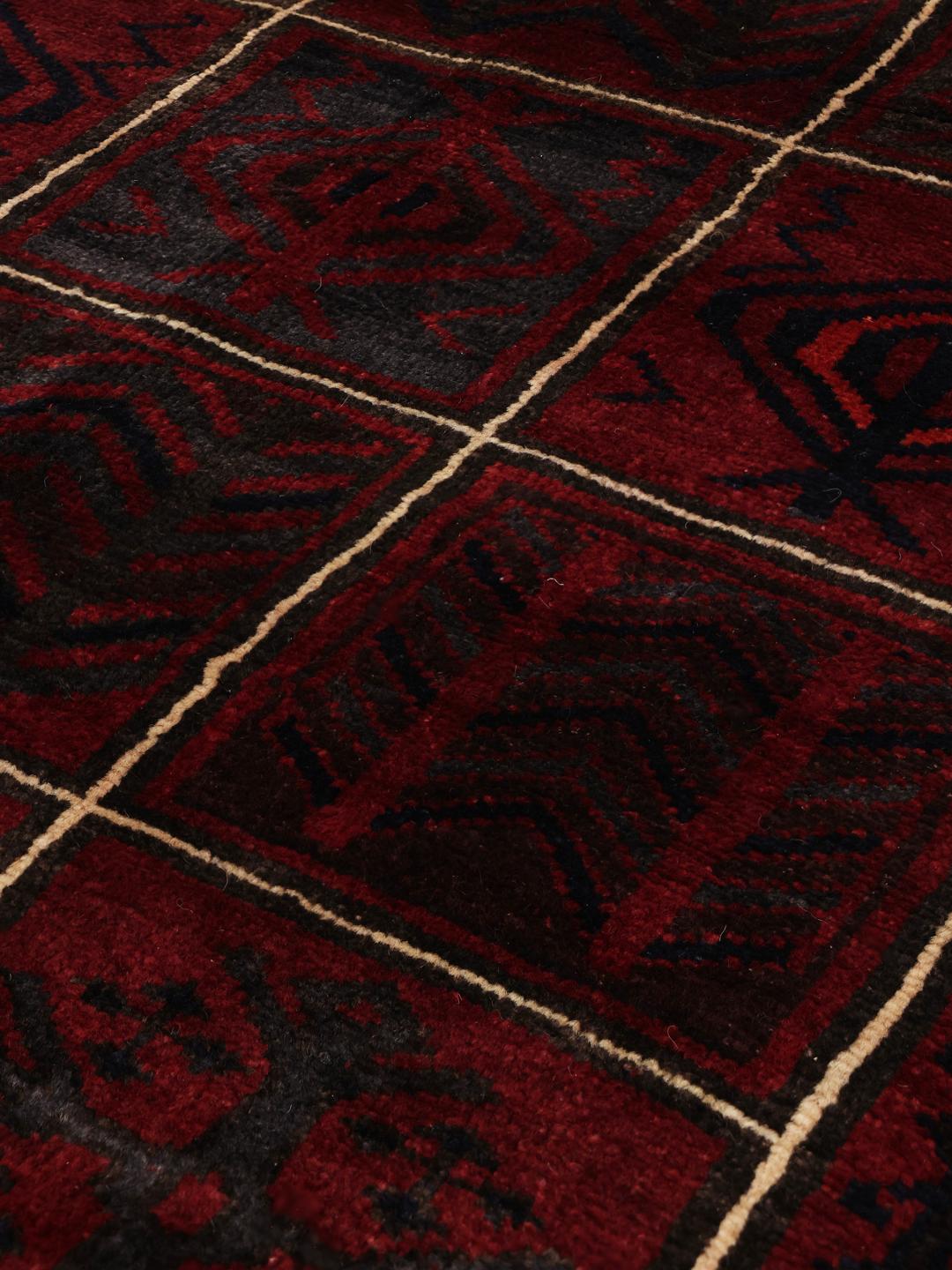
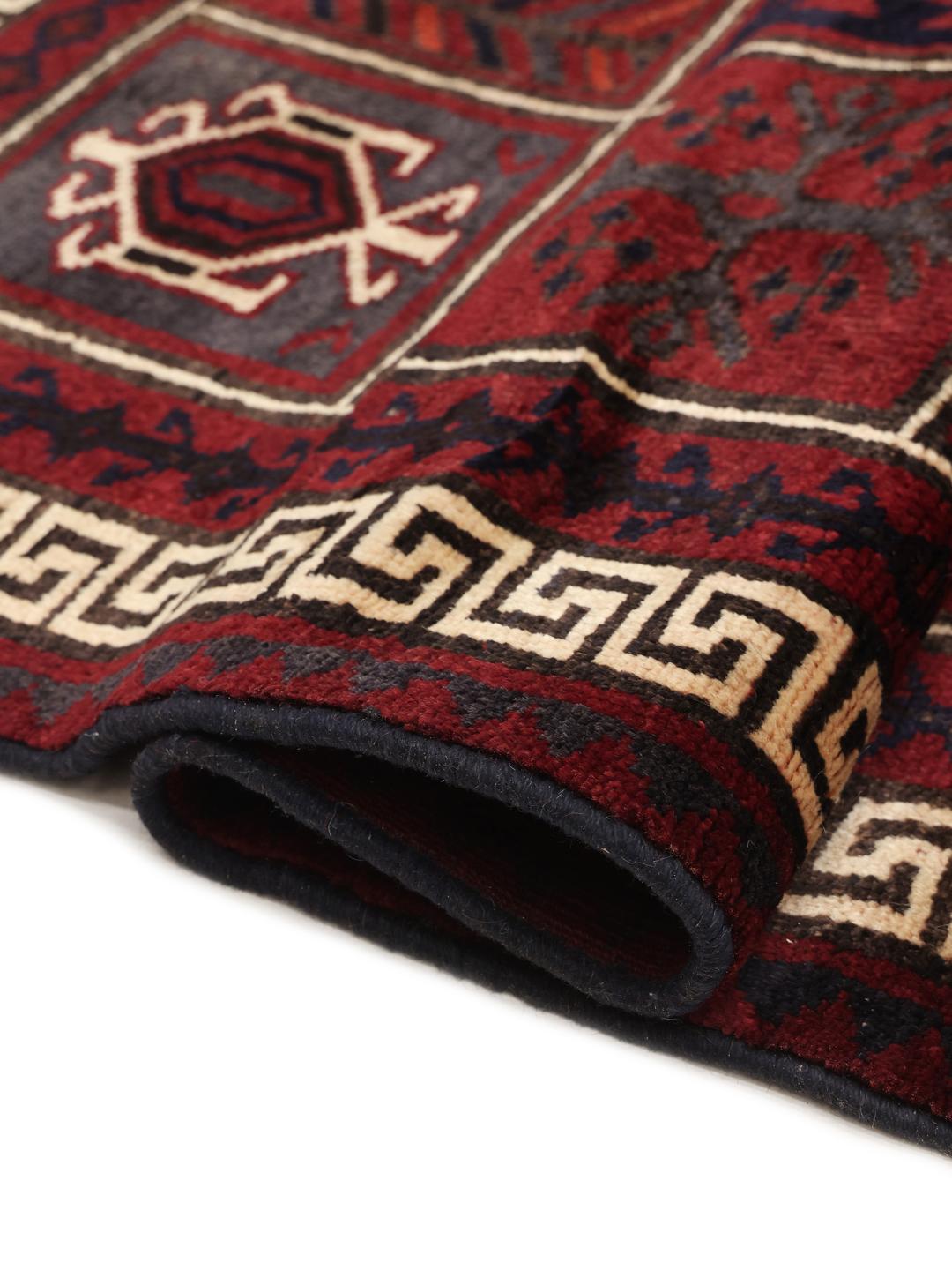
Signature design elements in Lori rugs frequently include geometric grids, diamonds, and stylised tribal motifs that carry symbolic meaning. The use of dark-red and black tones is traditional for the region, reflecting the natural dyes historically available to these communities. The combination of these deep, rich colours with sharp, angular lines creates a strong visual contrast that has made these rugs highly sought after by collectors who value authenticity.
Today, these rugs are prized for their ability to bridge the gap between ancient craft and modern interior design. Collecting a Lori rug is an investment in cultural heritage, representing a level of skill and artistic freedom that is increasingly rare. By bringing one into your home, you are not just buying a rug, but a piece of history that continues to tell the story of the artisans who hand-knotted it with such dedication.