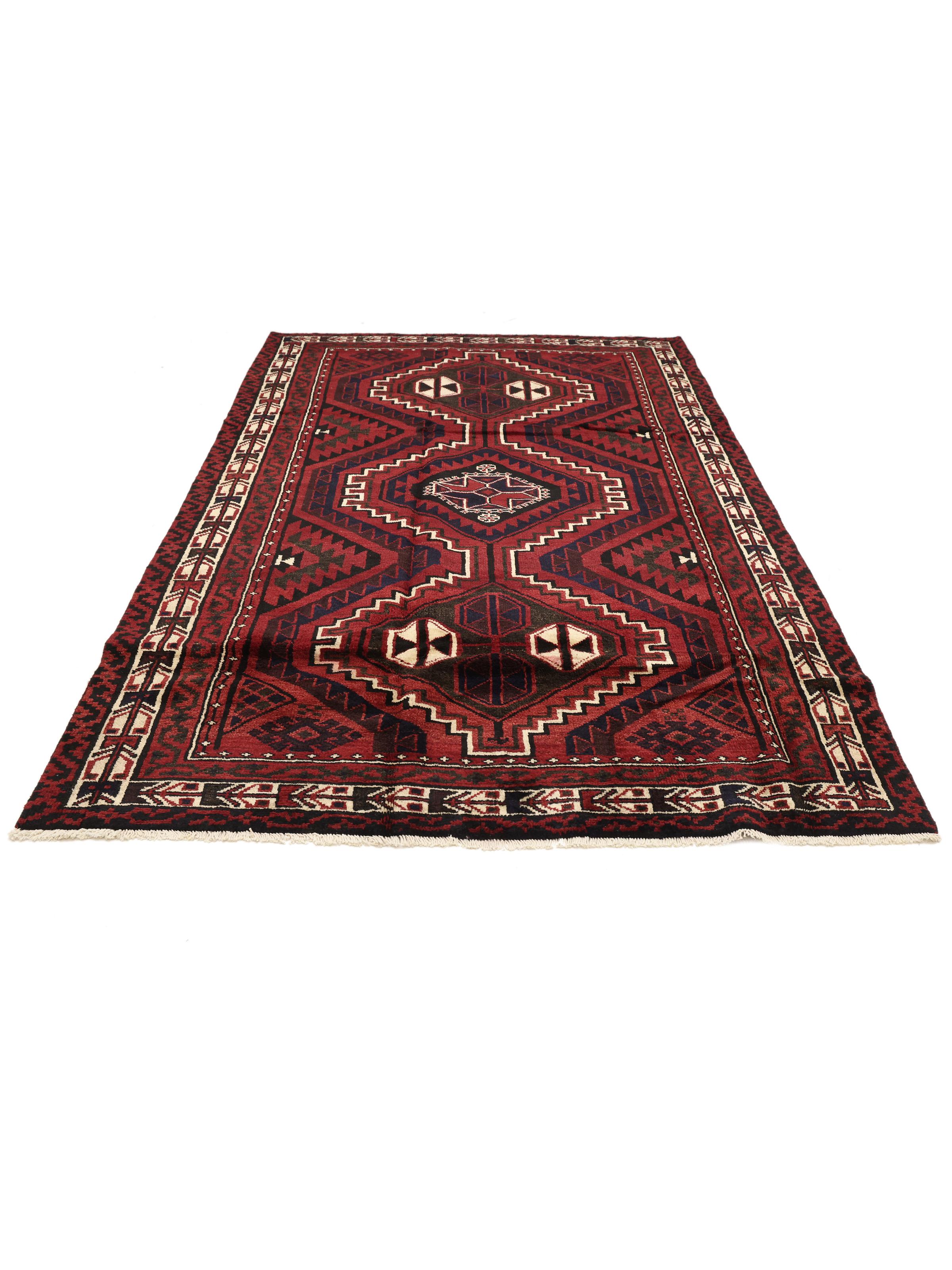
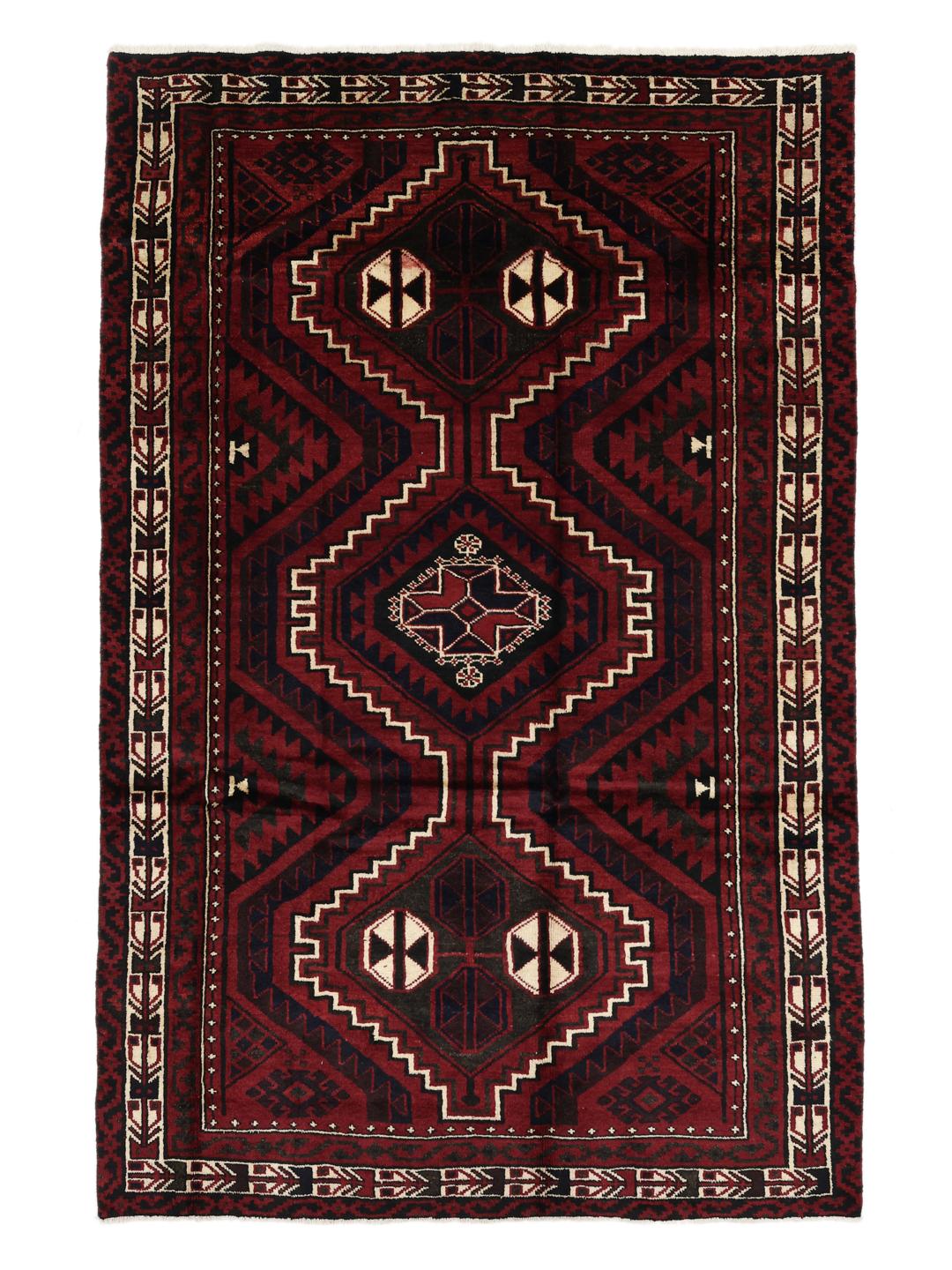
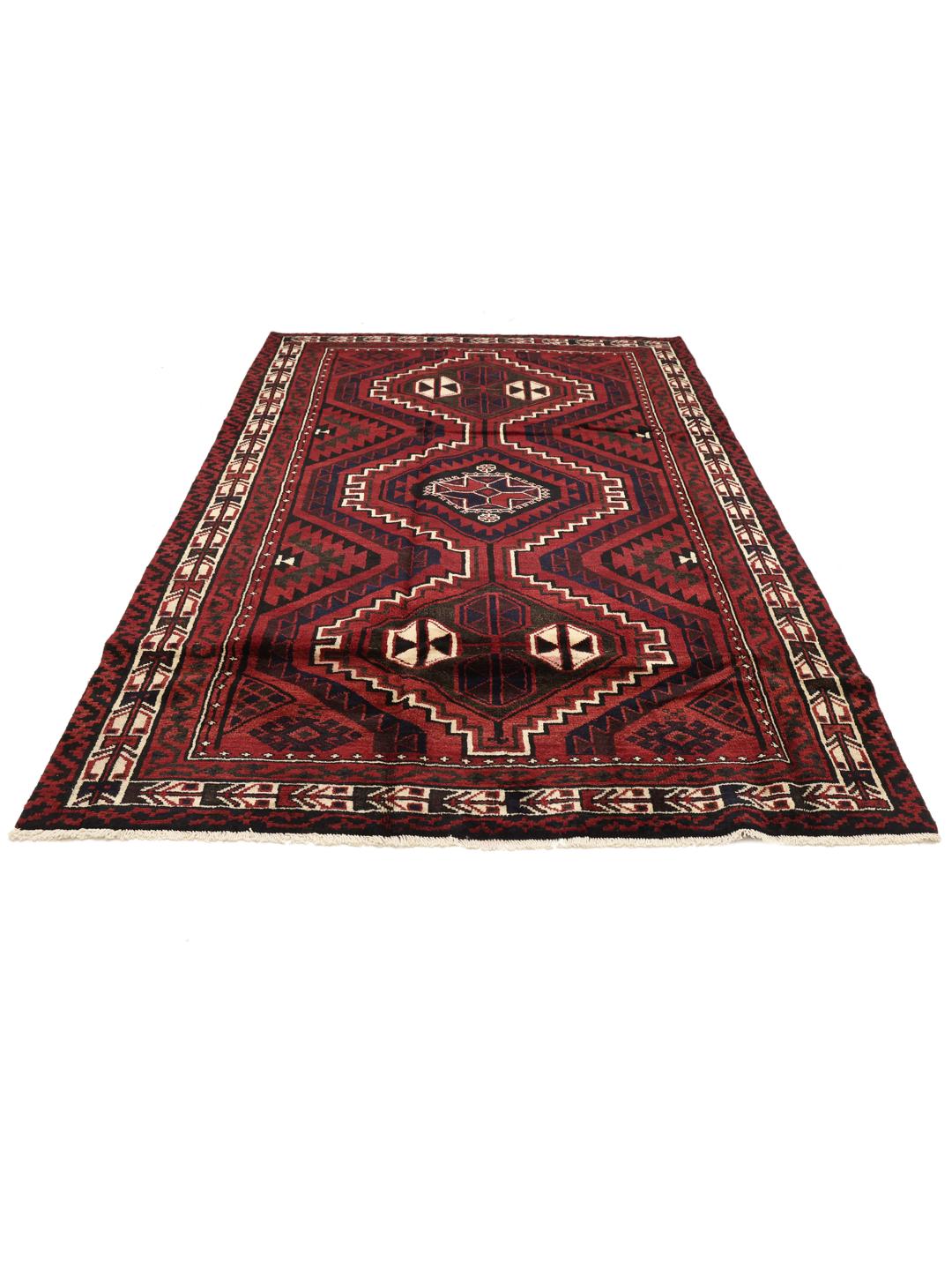
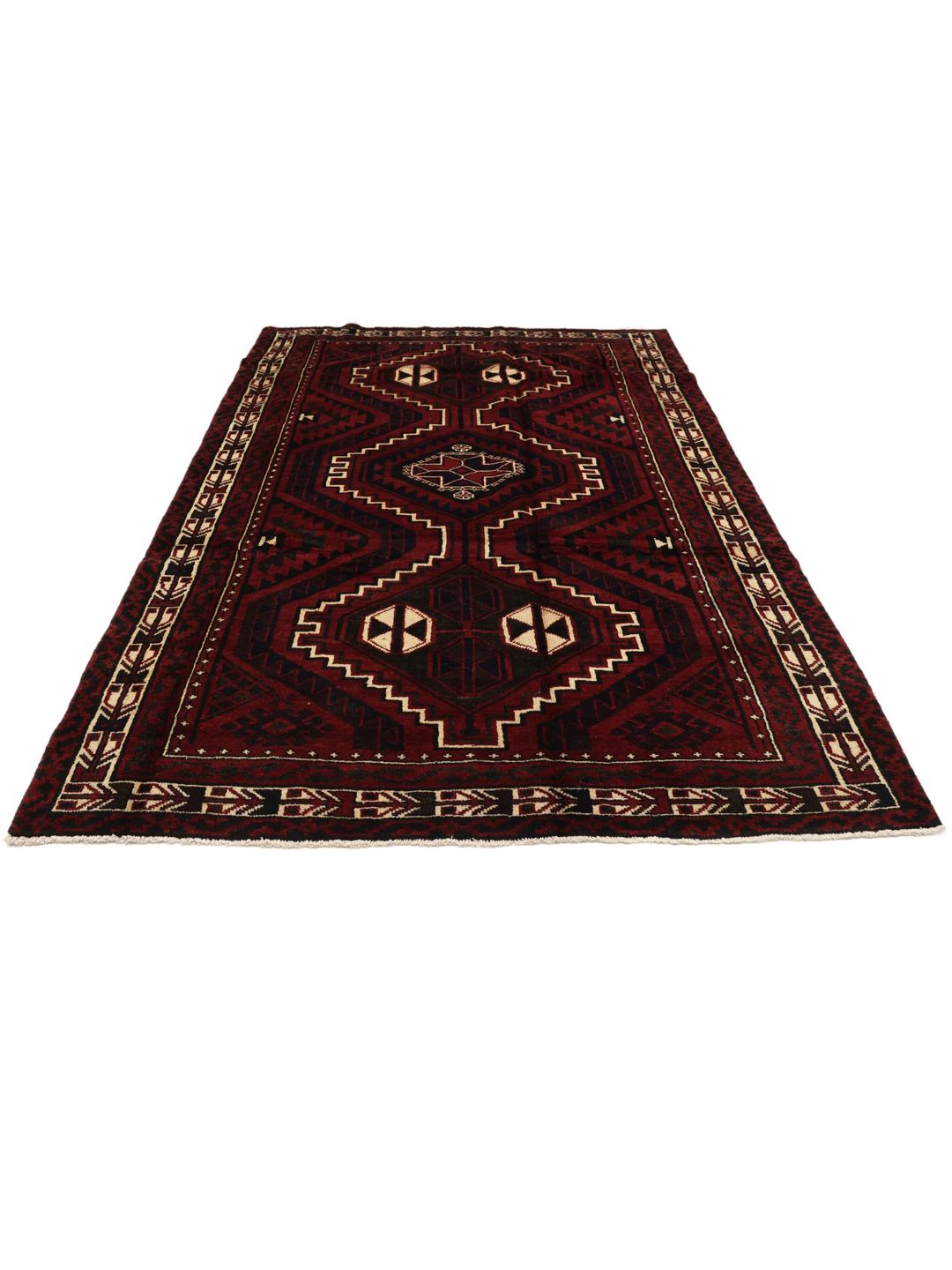
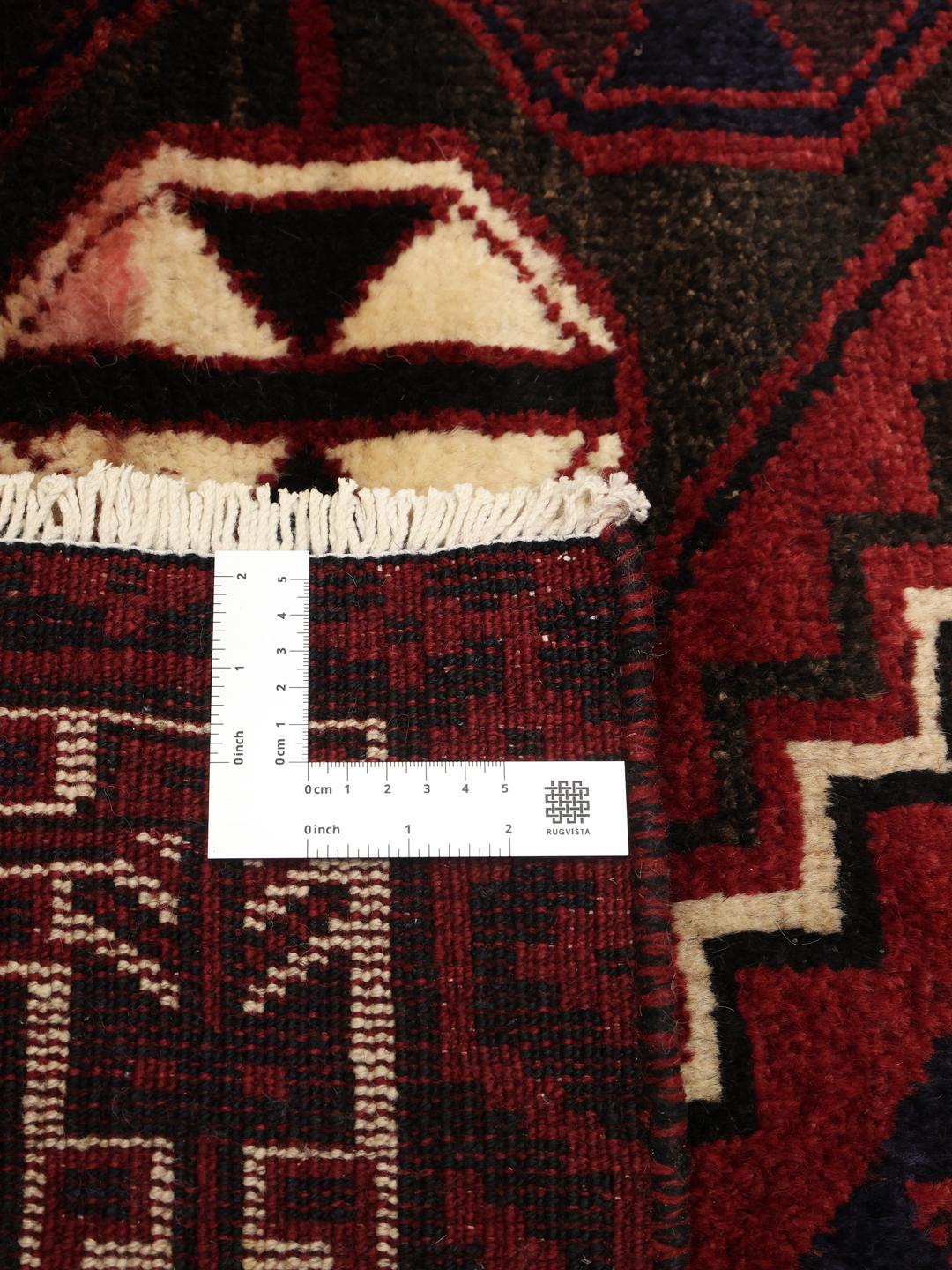
Lori rugs originate from the mountainous regions of the Middle East, crafted by the nomadic and semi-nomadic Lori tribes. These people have a long history of weaving, creating textiles that are deeply connected to their environment and daily survival. Historically, these rugs served as functional items for tents, providing essential insulation against the harsh climate of the highlands, while also serving as a canvas for the tribe’s artistic expression.
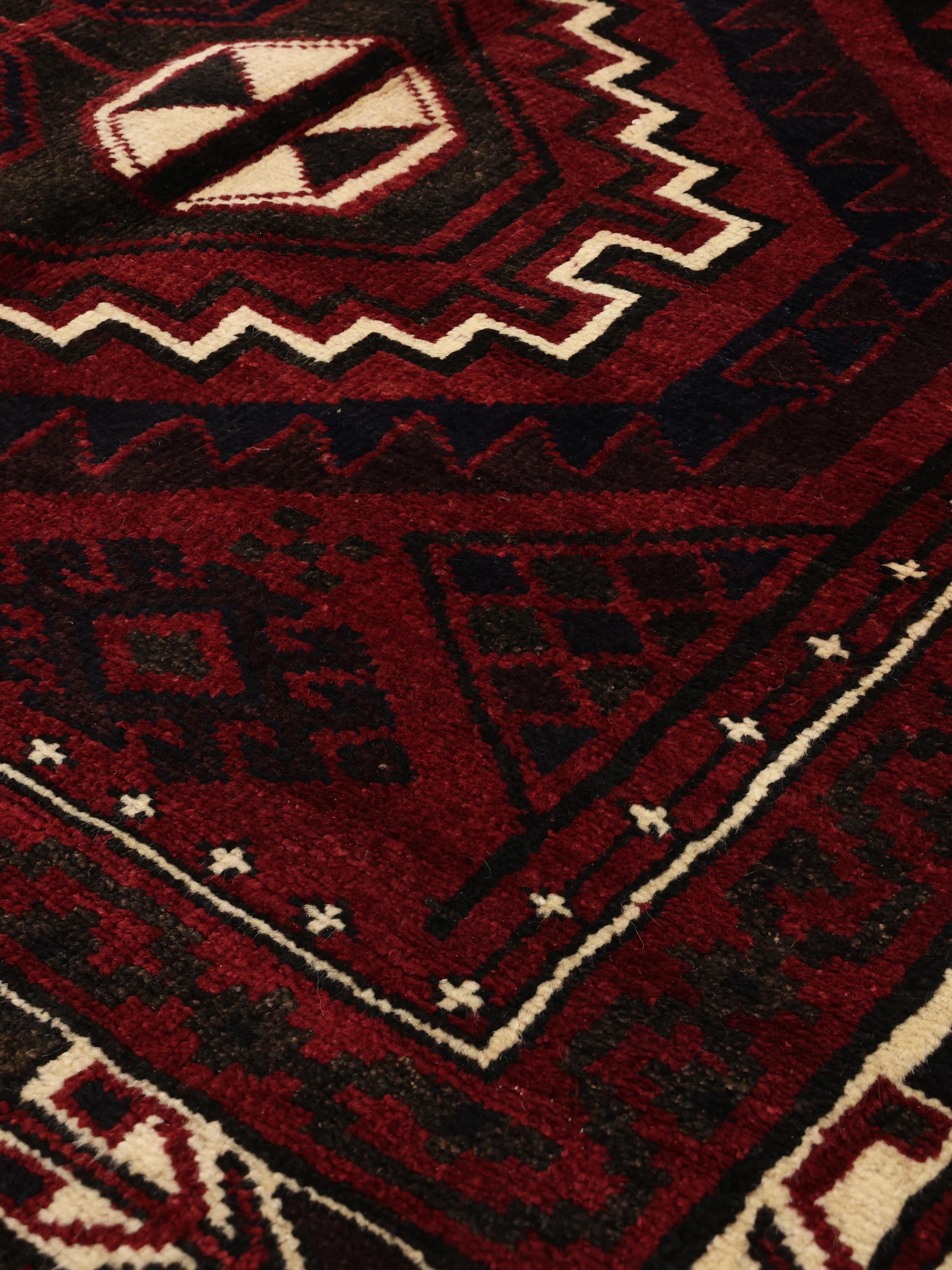
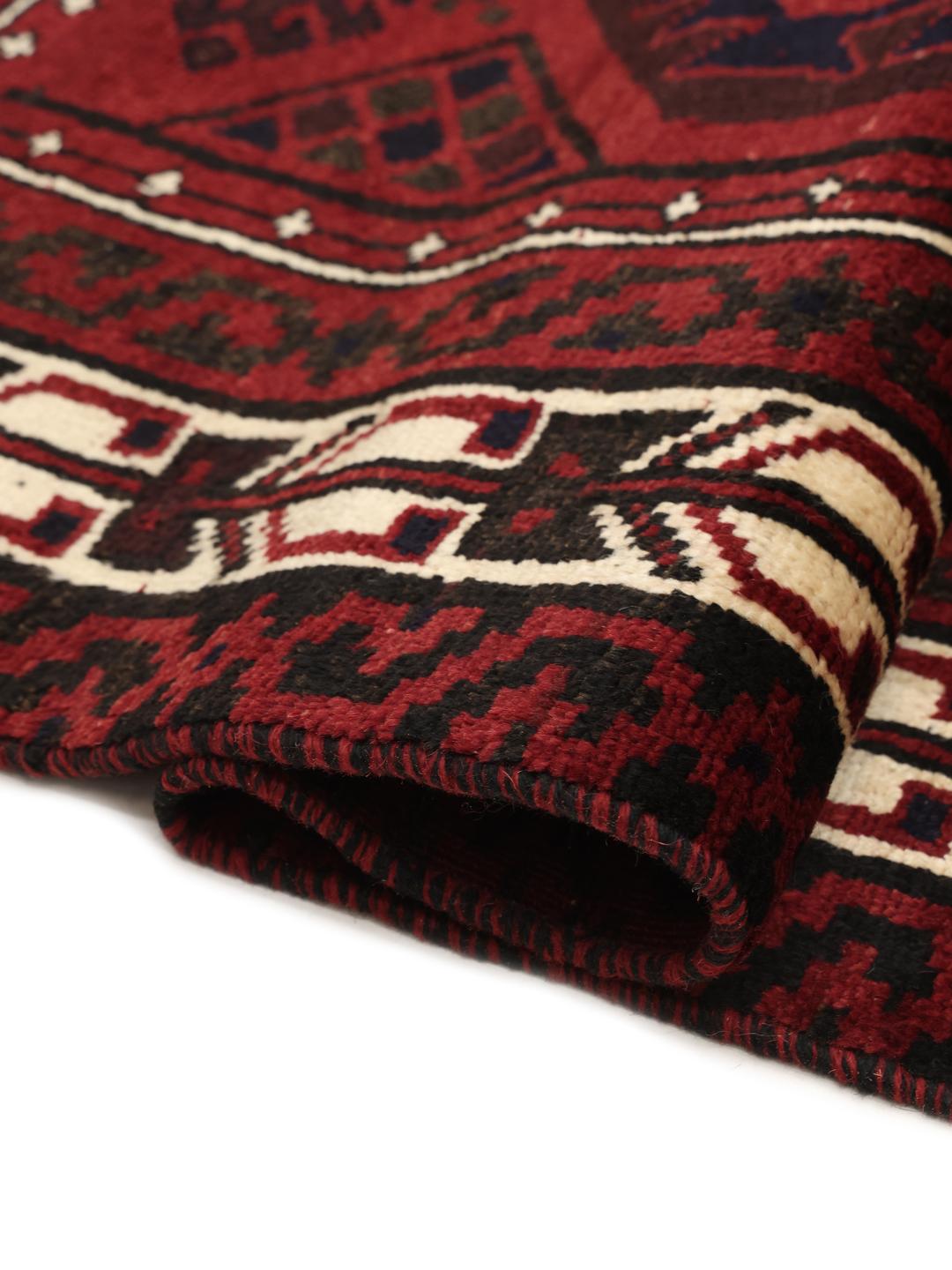
The term 'Lori' refers specifically to the weaving traditions of these people, which are characterised by a focus on structural strength and bold, expressive design. The wool used is often sourced from their own flocks, processed and dyed using techniques passed down through generations. This creates a rug that is not only visually resonant but also remarkably sturdy, designed to withstand the rigours of a nomadic lifestyle.
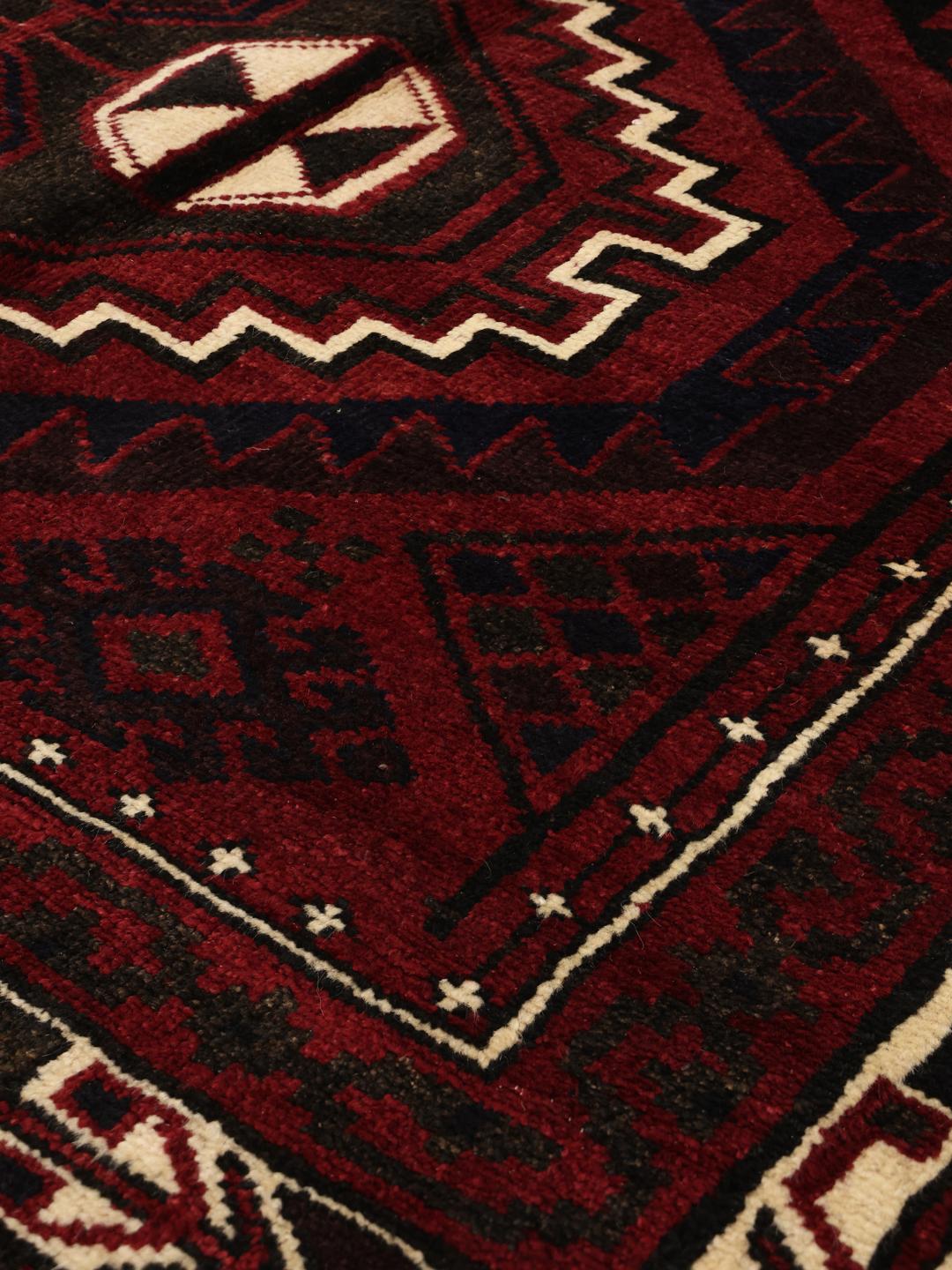
Design-wise, Lori rugs are celebrated for their geometric patterns, often utilising stylised medallions and repeating motifs that hold symbolic meaning within the culture. The colours are typically derived from natural dyes, resulting in deep, earthy tones that age gracefully over time. Unlike more formal, city-made rugs, Lori pieces often display a freer, more spontaneous approach to design, reflecting the weaver's personal interpretation of traditional themes.
Collecting a Lori rug is an opportunity to own a piece of living history. These rugs are valued not only for their beauty but for the connection they offer to a resilient and creative culture. By bringing such a piece into your home, you are honouring a legacy of skill and tradition that has been refined over centuries, ensuring that this craft continues to be celebrated and appreciated in contemporary homes.