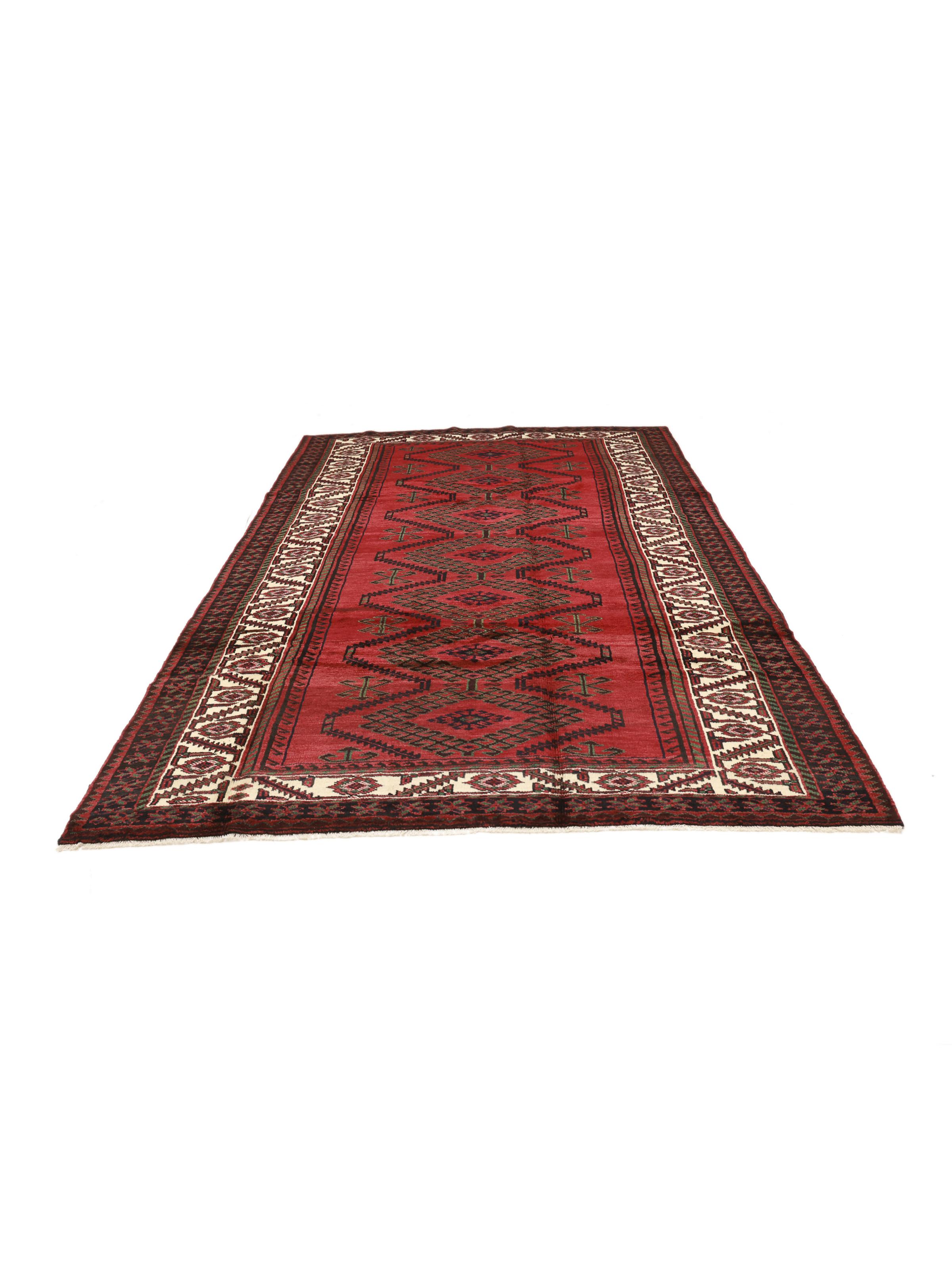
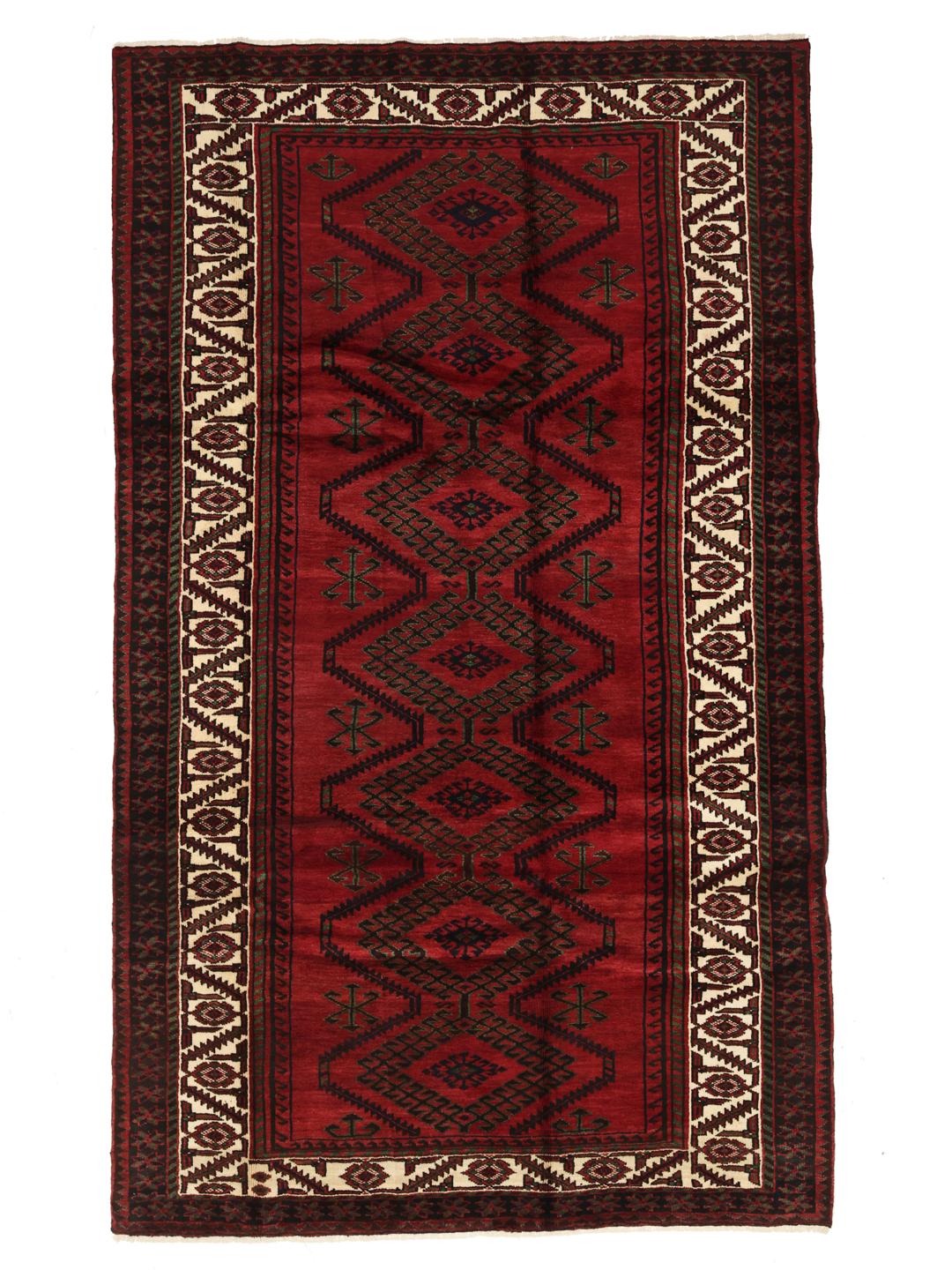
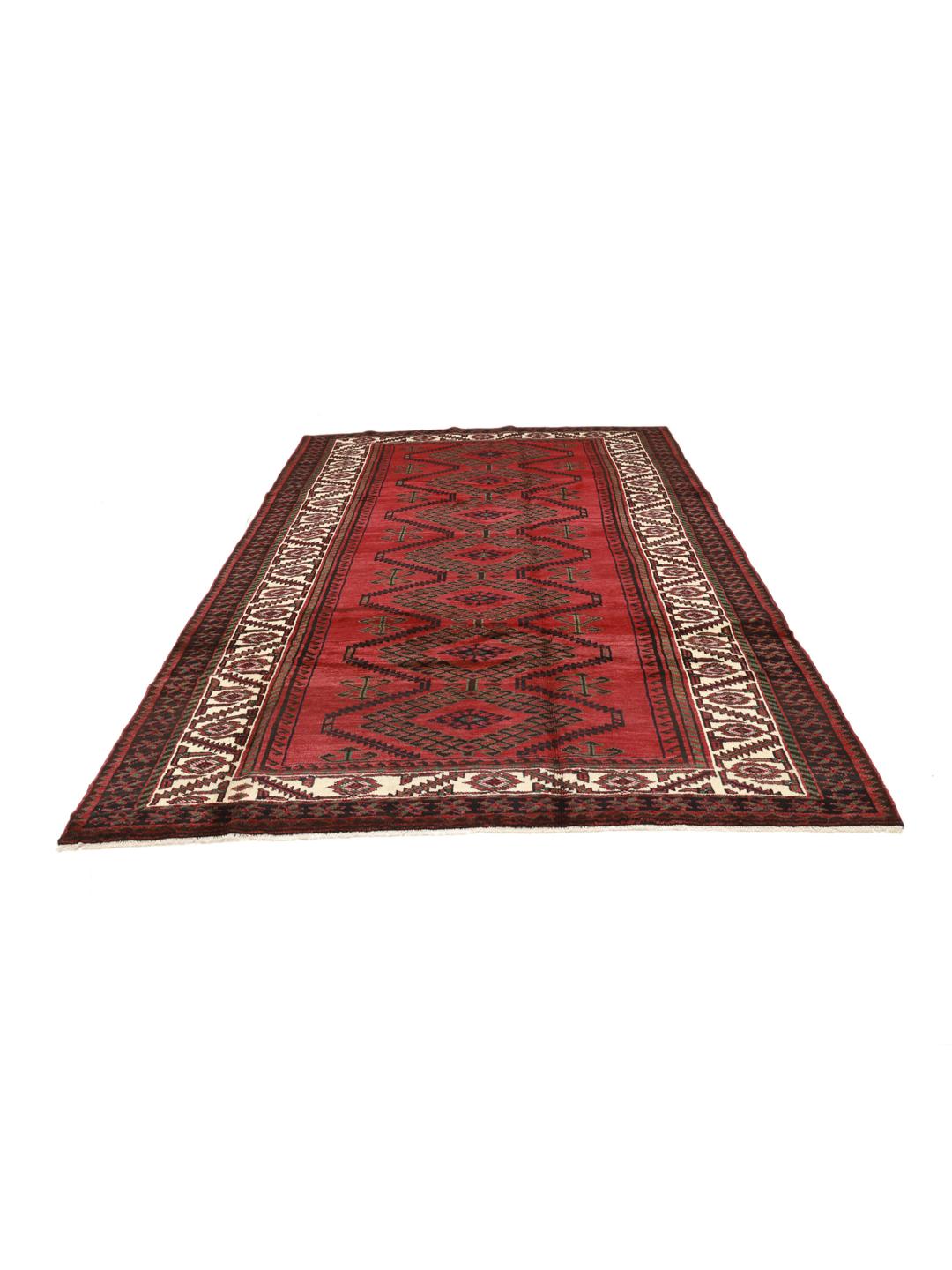
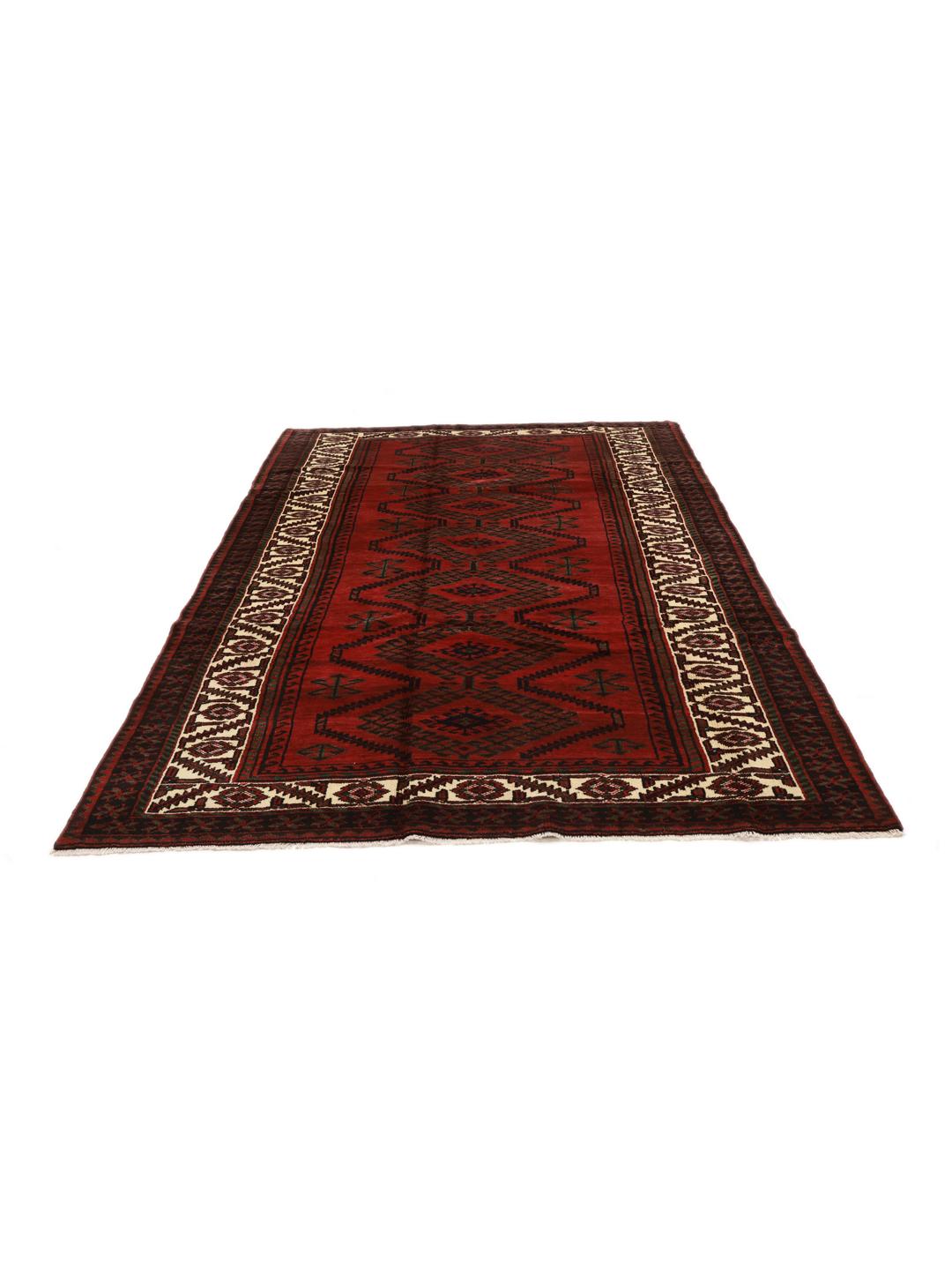
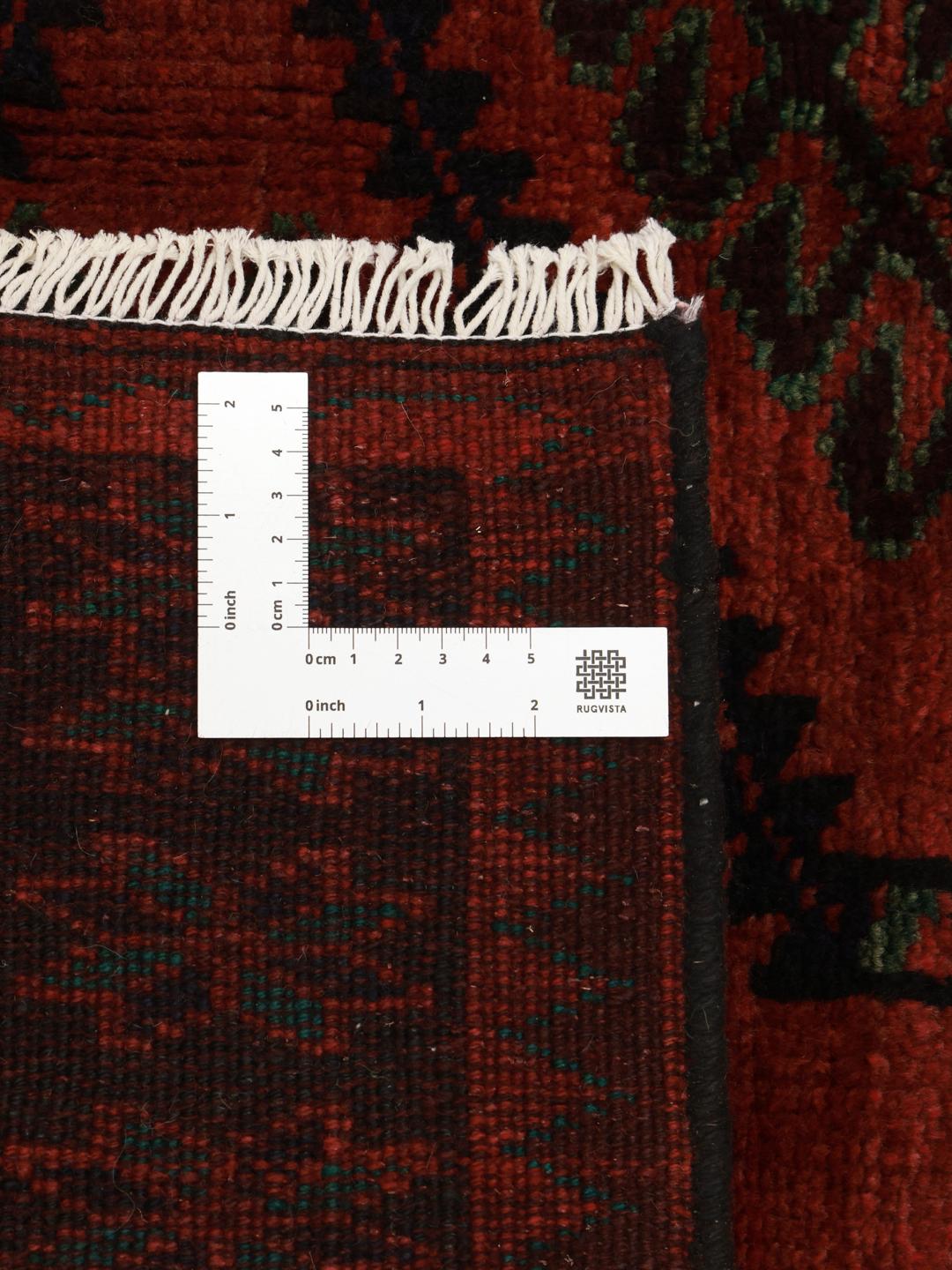
Lori rugs originate from the mountainous regions of the Middle East, crafted by the nomadic and semi-nomadic tribes who have long defined the textile traditions of the area. These rugs are deeply connected to the rugged landscapes and the cultural identity of the people who weave them, often reflecting the natural surroundings and tribal symbols through their bold, geometric designs.
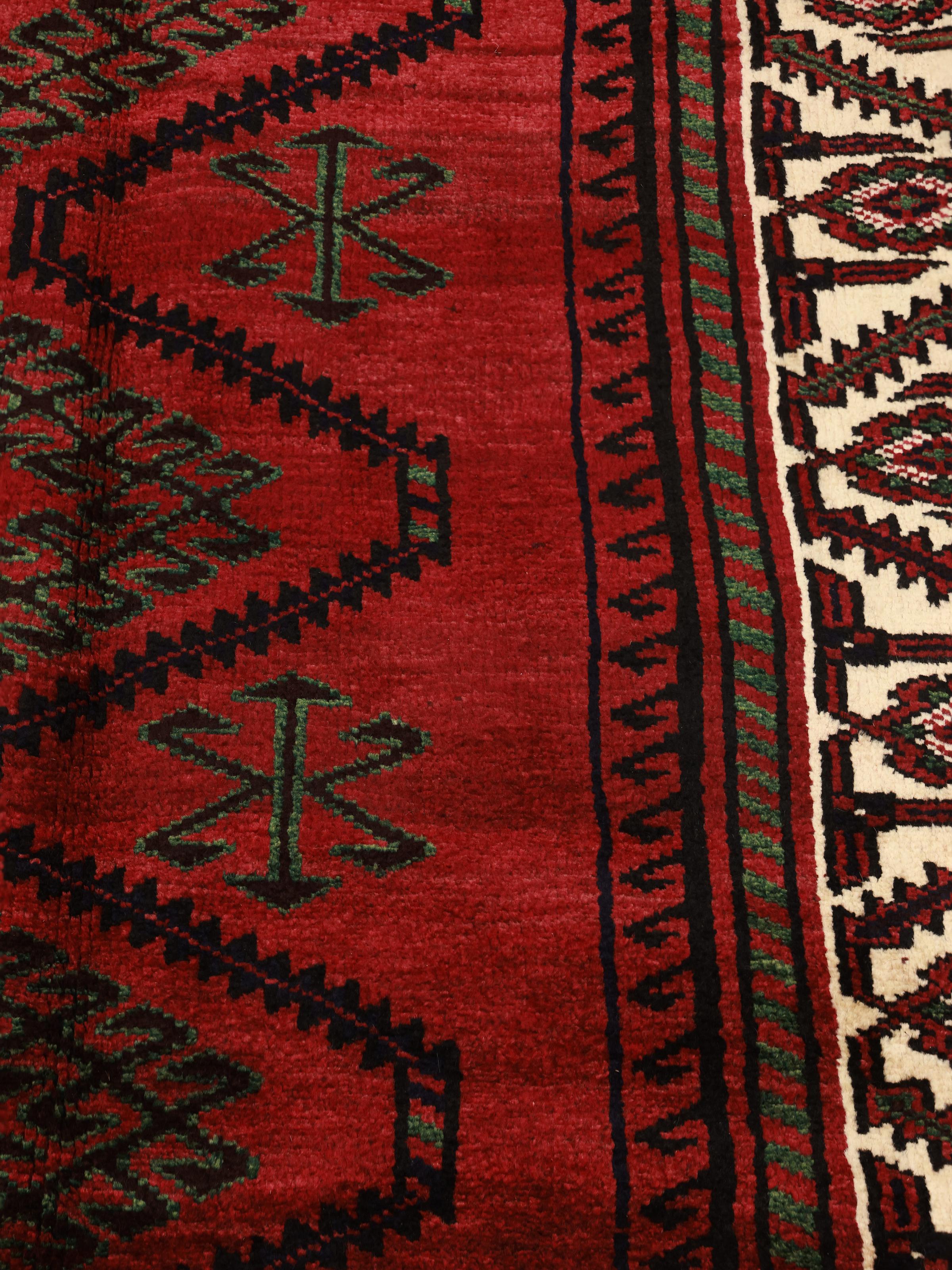
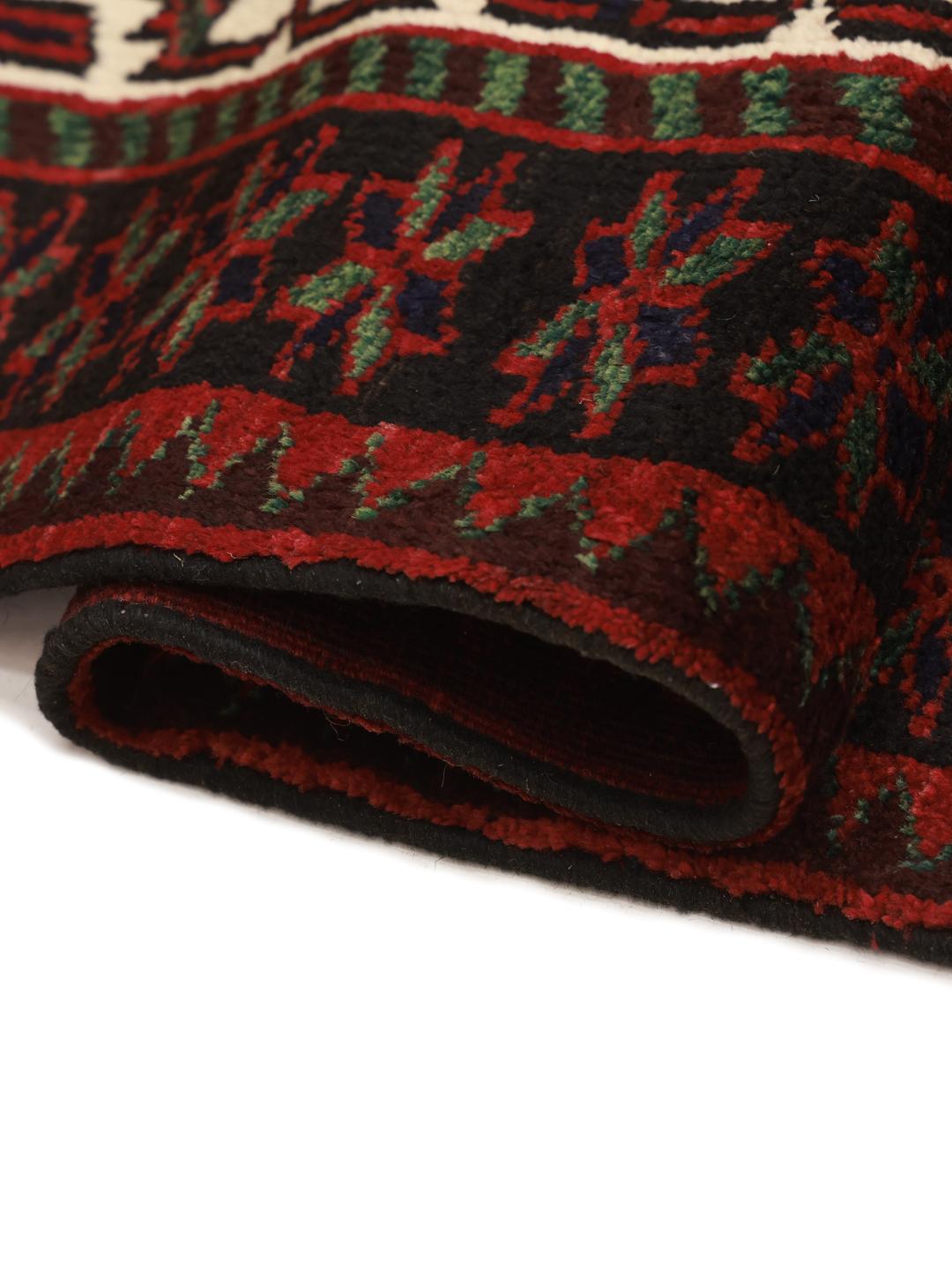
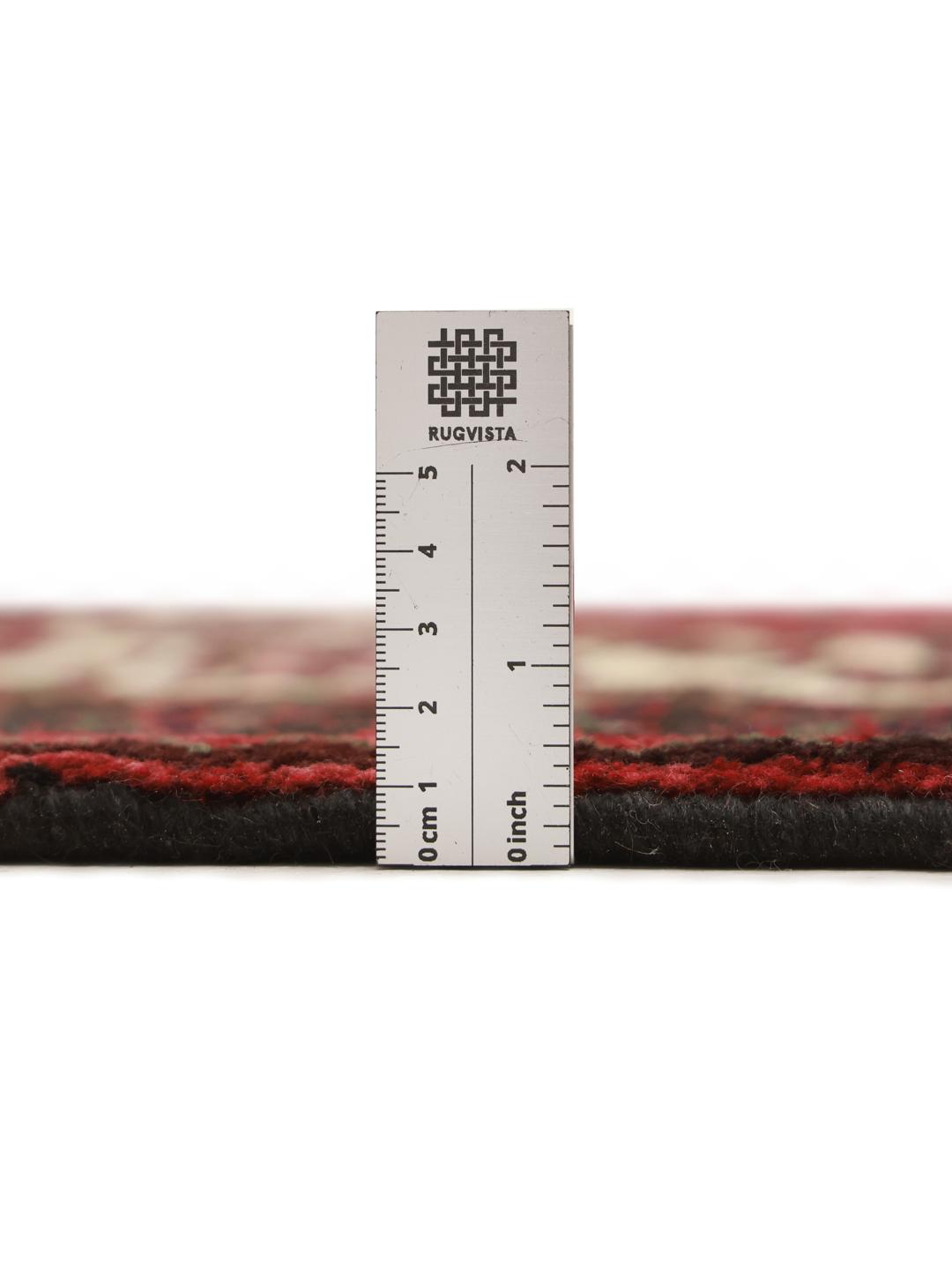
The construction of a Lori rug is rooted in generations of knowledge, focusing on creating a durable and functional floor covering for nomadic life. The use of robust wool, often sourced locally, combined with a traditional hand-knotting technique, ensures that these rugs are built to withstand the elements. This focus on durability is matched by an aesthetic approach that prioritises bold, clear patterns over overly complex or delicate details.
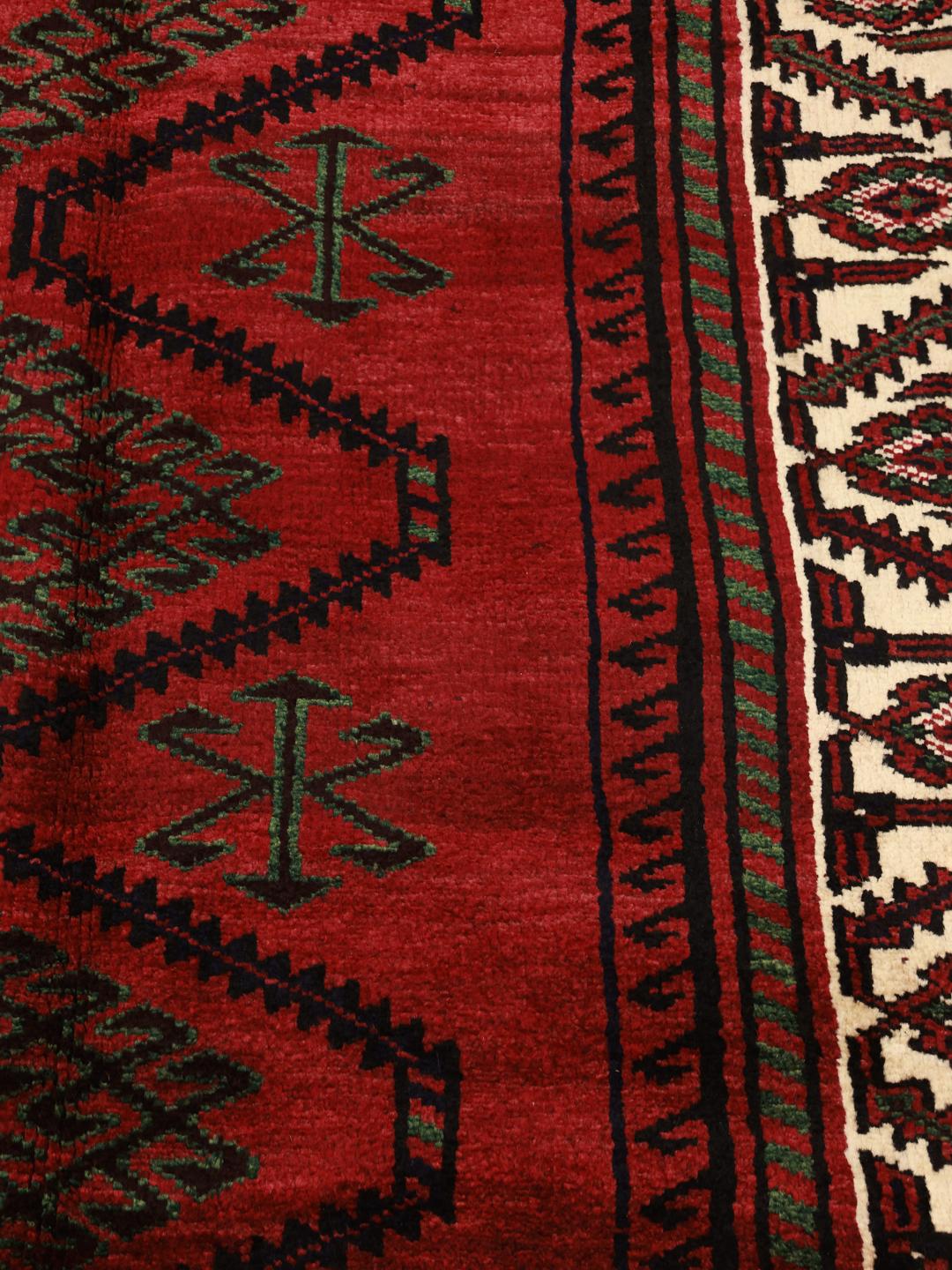
Signature design elements of Lori rugs often include large, repeating geometric medallions, diamonds, and stylised tribal motifs. The borders are typically strong and well-defined, framing the central field with repeating patterns that create a sense of rhythm and balance. The deep red coloration is a classic hallmark of the region, achieved through traditional dyeing processes that yield rich, warm hues that age beautifully over time.
Collecting a Lori rug is an opportunity to own a piece of history that remains relevant in modern homes. Because these rugs are woven with such deep cultural significance and traditional skill, they are highly valued by those who appreciate the intersection of art and utility. Owning one is a testament to a long-standing craft tradition, offering a sense of heritage and connection to a vibrant, historic culture.