The Lori rug tradition hails from the mountainous regions of the Middle East, where the Lori people have historically lived as semi-nomadic tribes. These rugs are deeply rooted in the cultural identity of the region, reflecting a lifestyle that has long been tied to the landscape and the rhythm of the seasons. The weaving traditions of these tribes are passed down through generations, serving as a repository of historical motifs and collective memory.
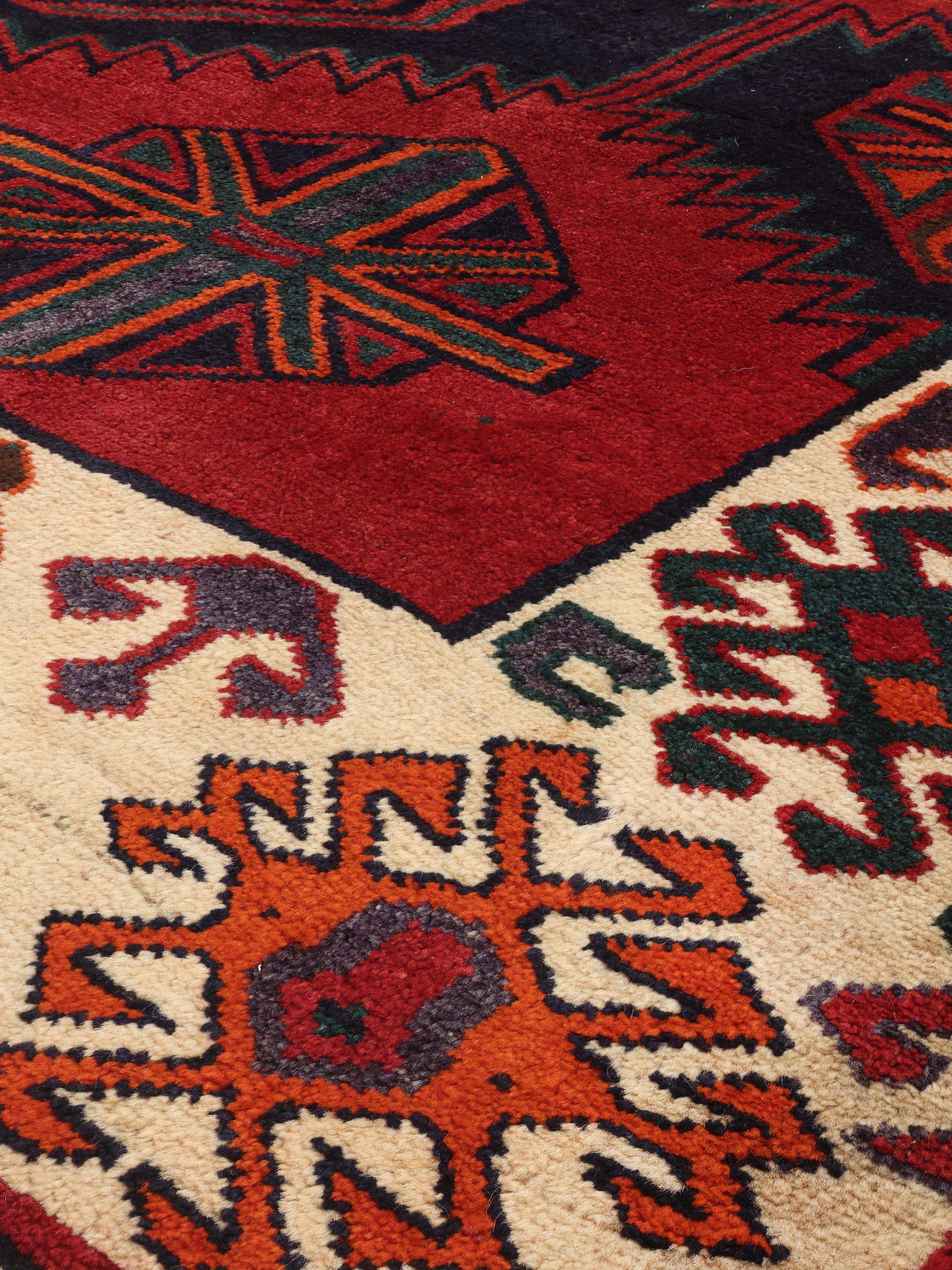
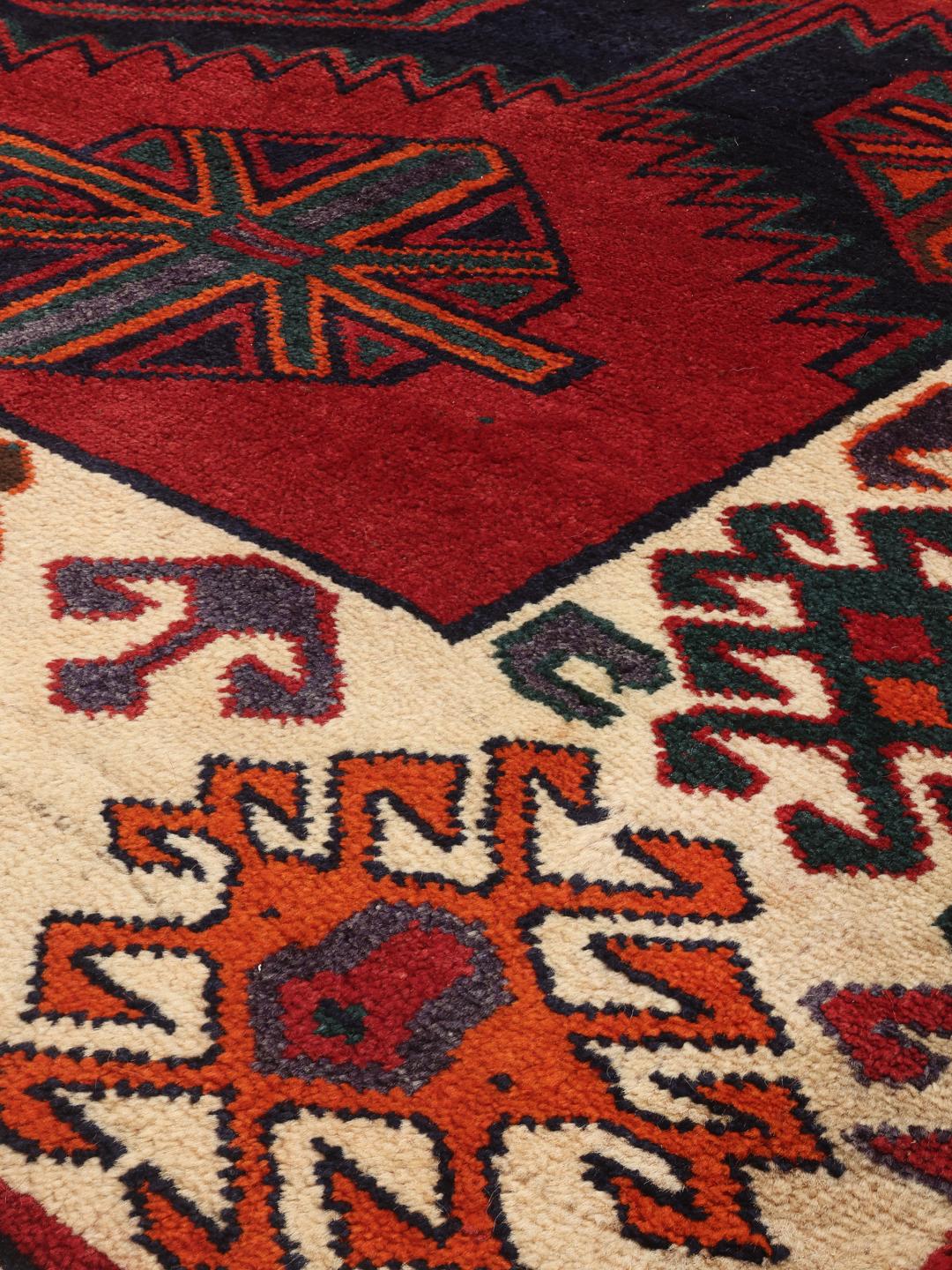
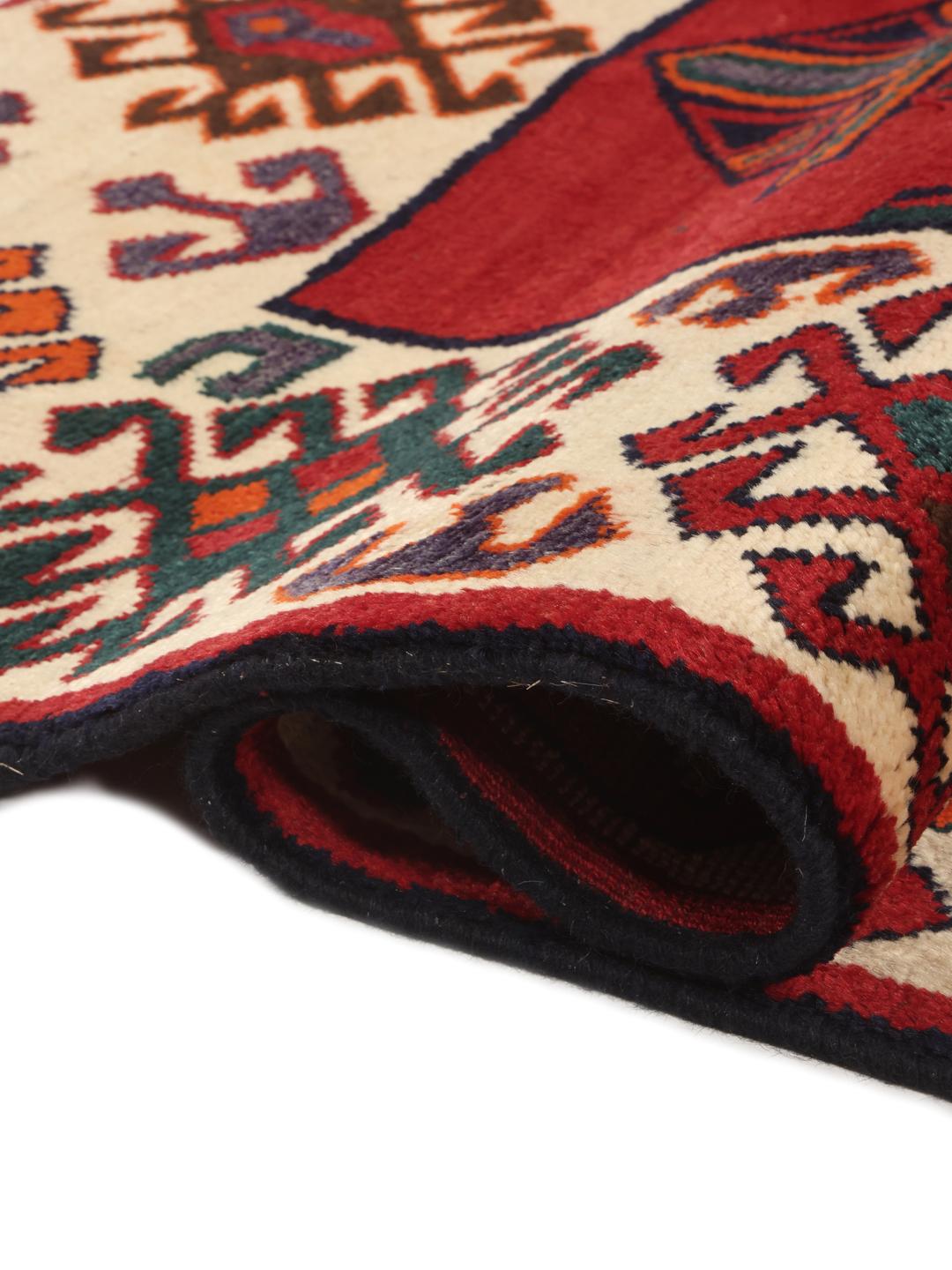
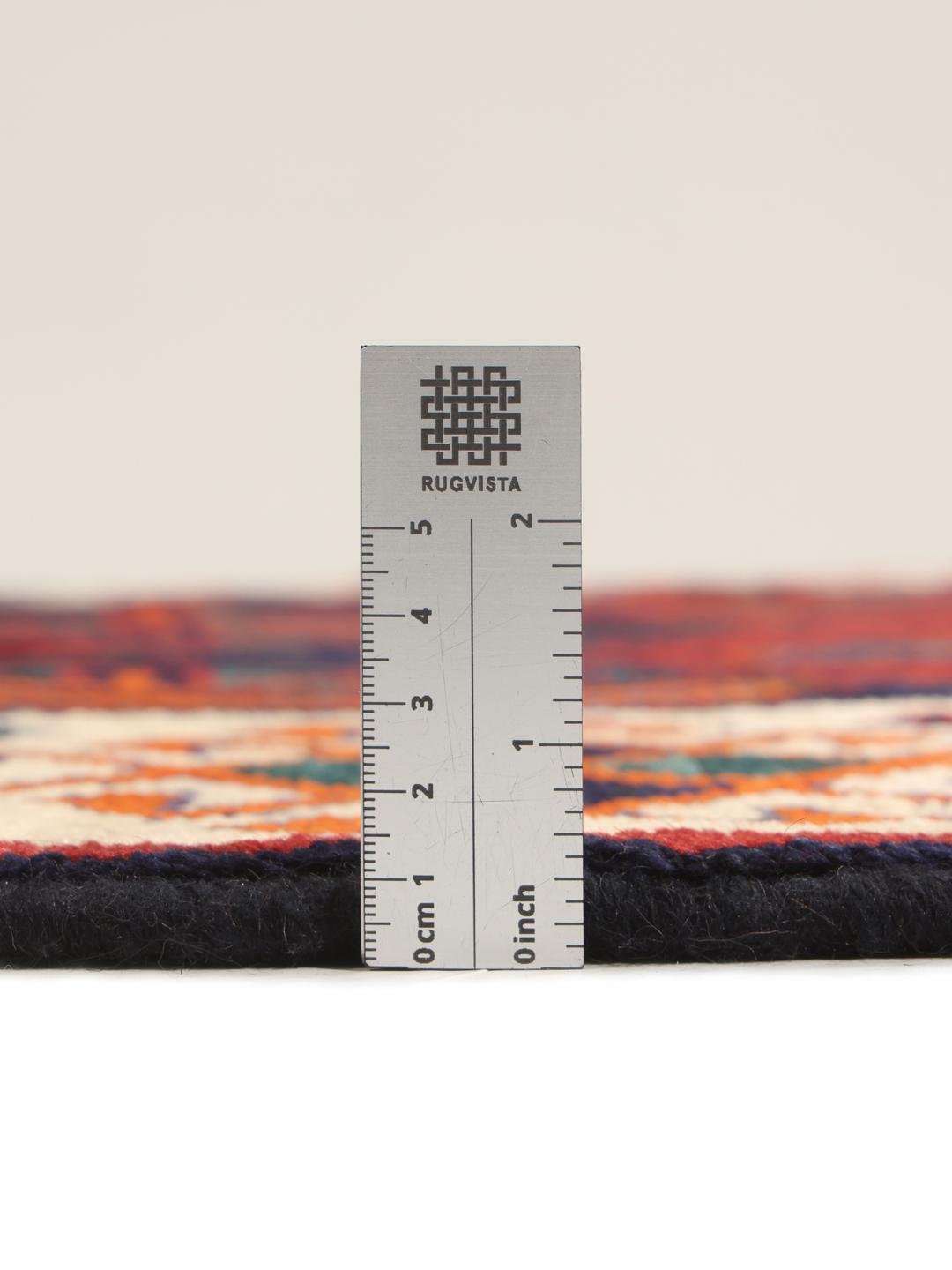
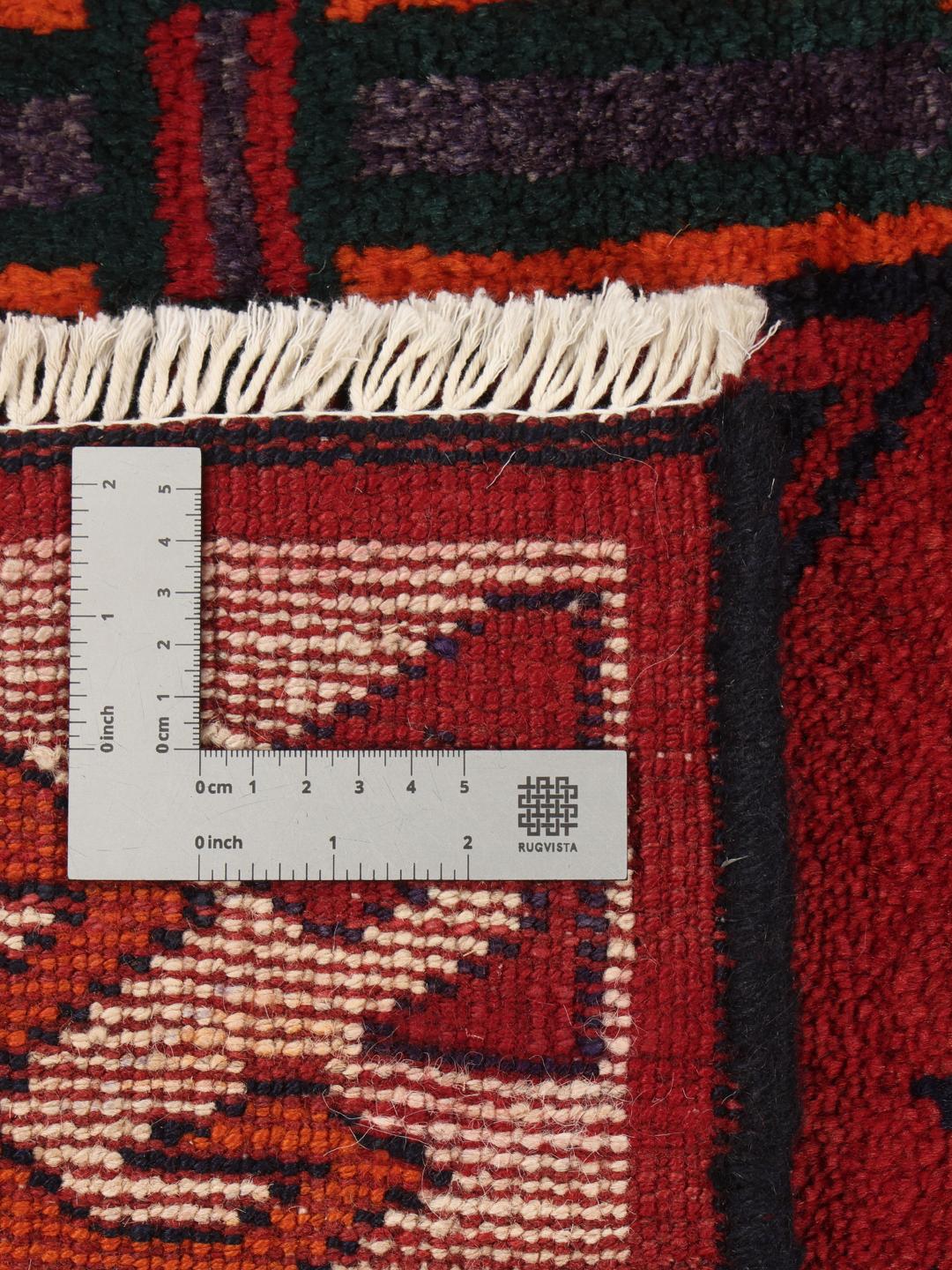
Technically, these rugs are celebrated for their authentic, unrefined character which sets them apart from more commercialised weaving styles. The construction typically involves a sturdy foundation that supports a dense, resilient pile. This build is not just about aesthetics; it is a practical response to the harsh, cold climates of the mountainous regions where these rugs were originally intended to provide essential warmth and protection.
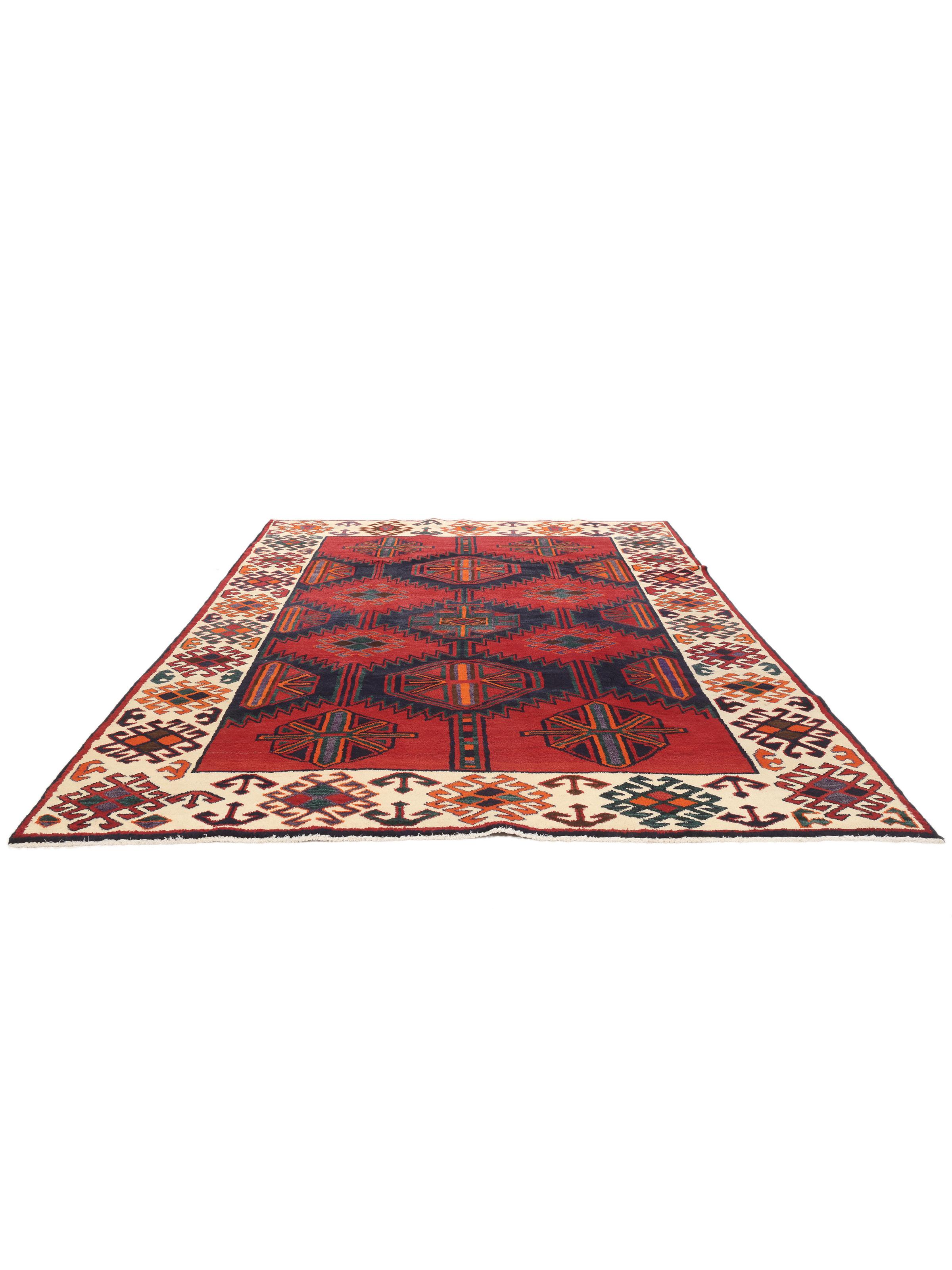
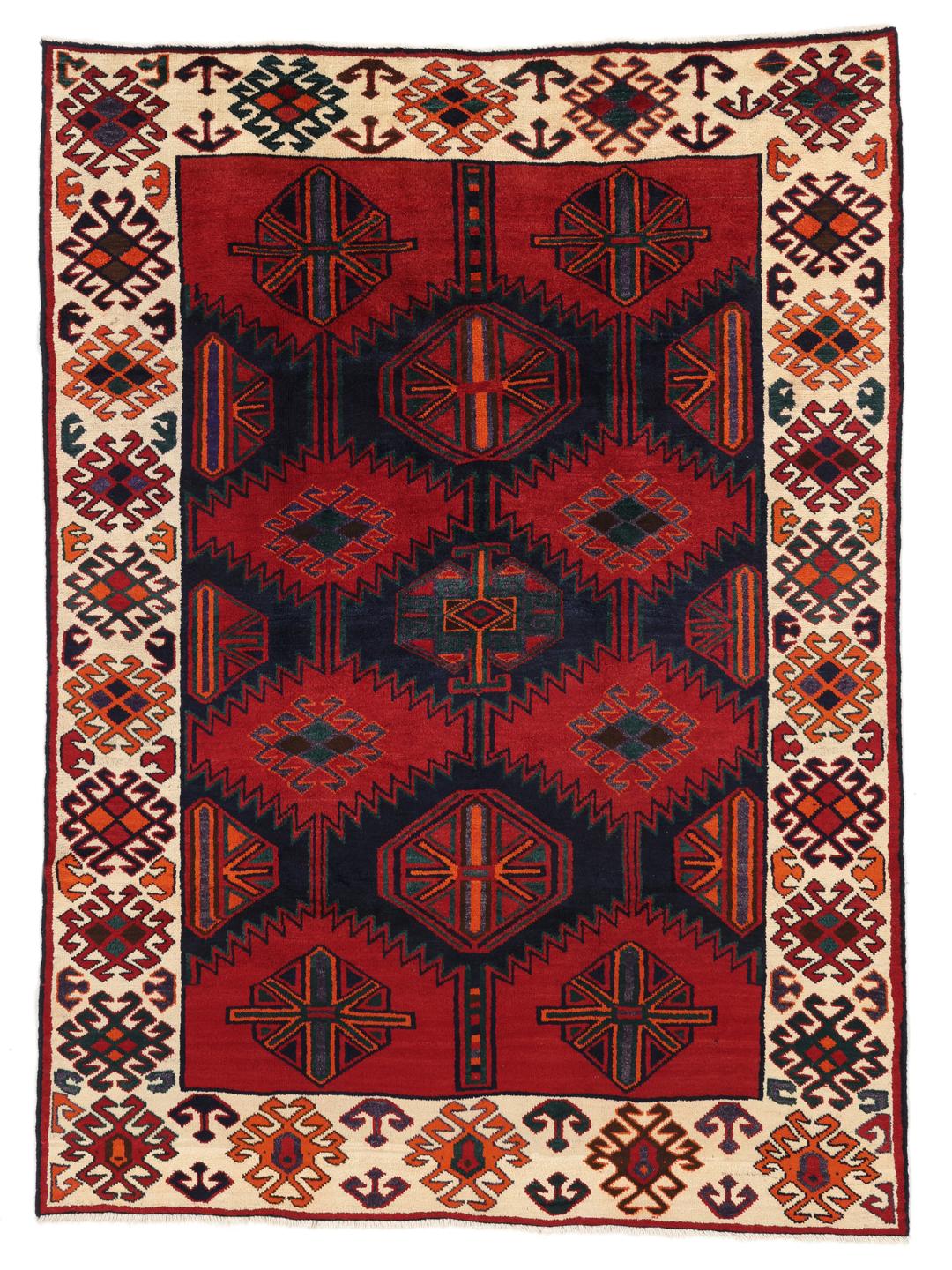
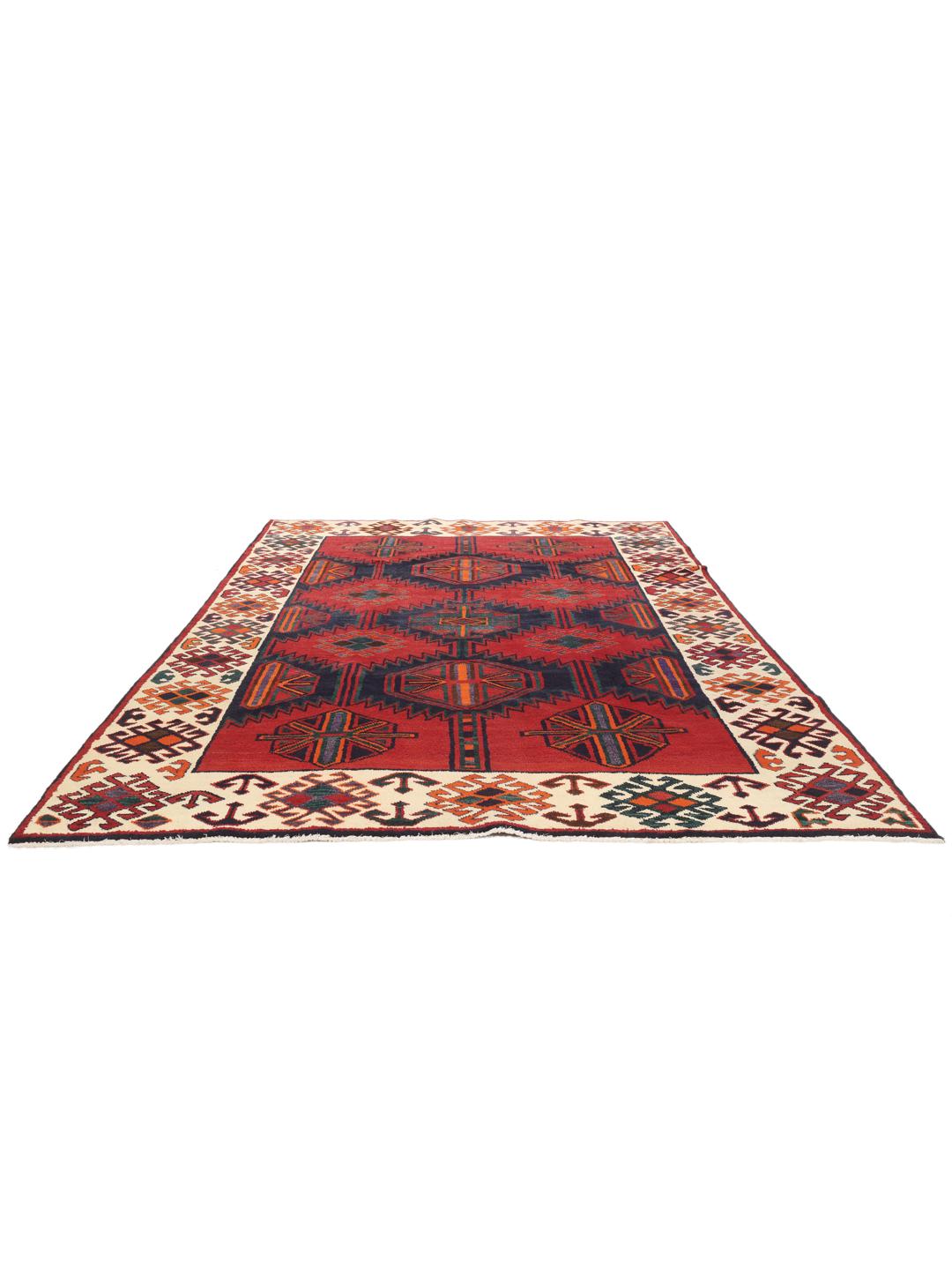
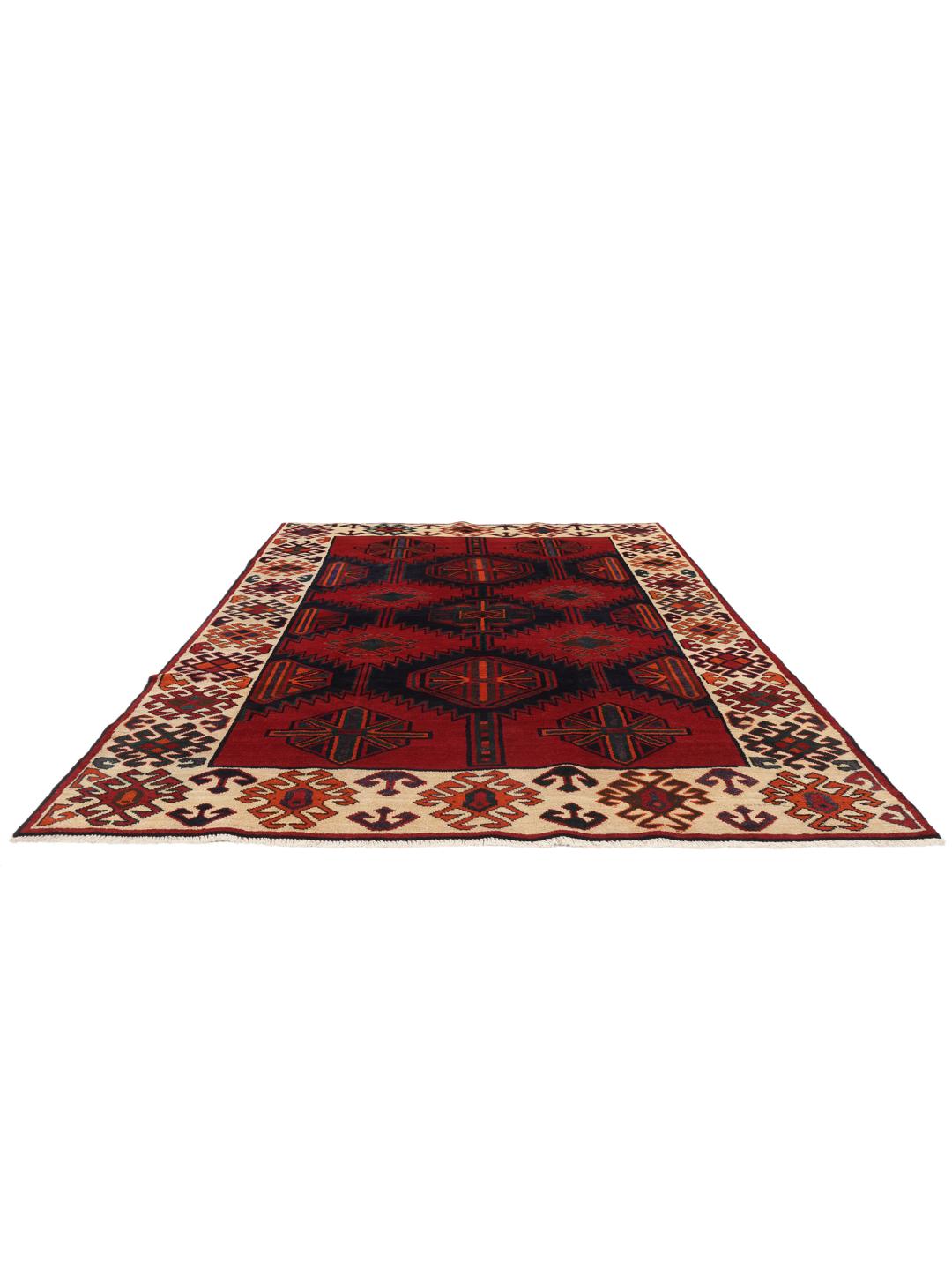
The visual language of a Lori rug is dominated by bold, geometric abstraction. You will often see large, stylised medallions, serrated diamonds, and tribal symbols that have been simplified into powerful, graphic shapes. The colour palettes are traditionally drawn from natural sources, resulting in earthy, rich tones that feel both warm and authentic. The borders are often highly decorative, framing the central field with repeating patterns that add a sense of structure to the design.
Collecting a Lori rug is an investment in human heritage. These pieces are valued not only for their durability and the skill required to produce them but for the way they preserve a specific aesthetic history that is becoming increasingly rare. By bringing one into your home, you are participating in a tradition of craft that values individual expression within a shared cultural framework, making it a piece with real weight and meaning.