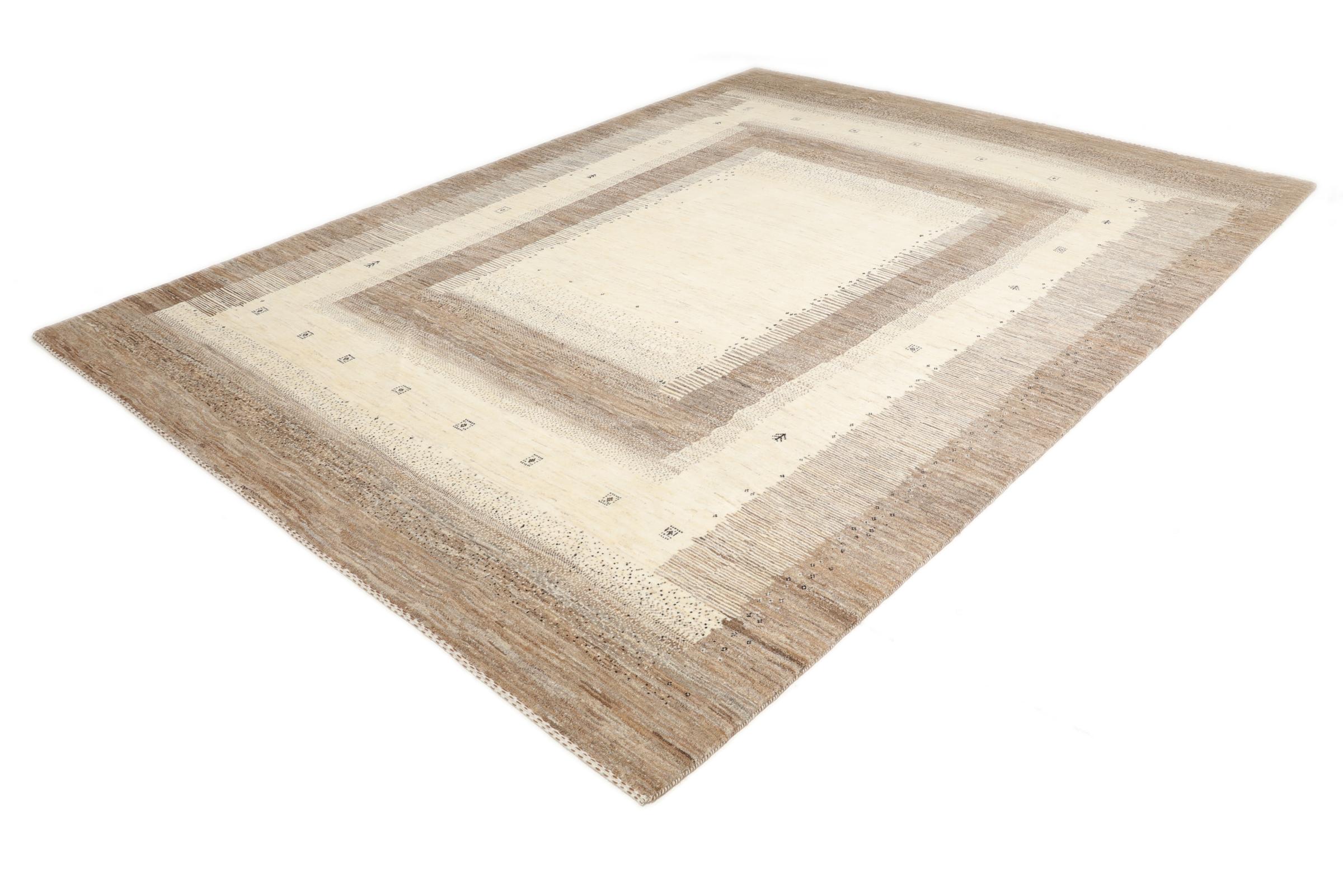
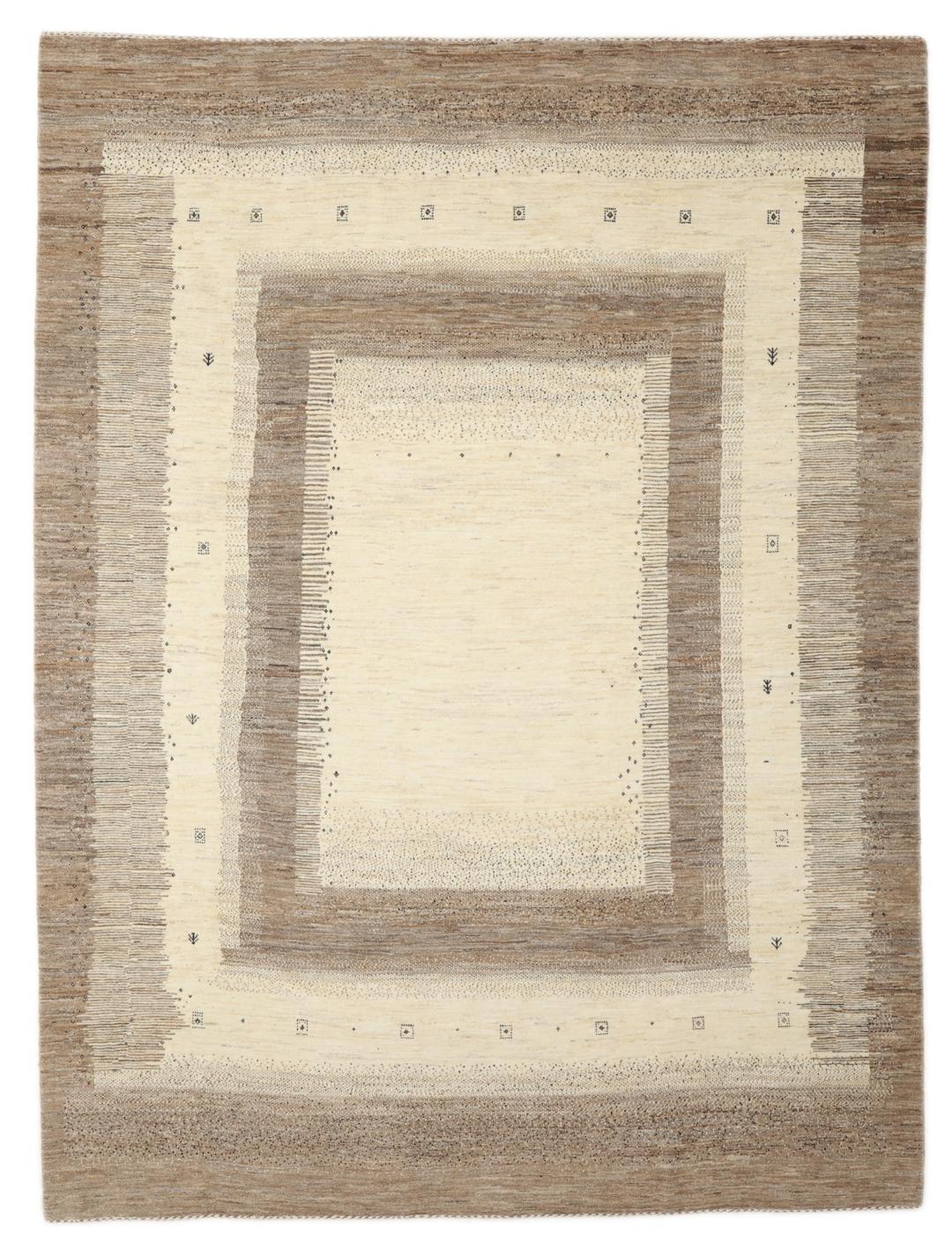
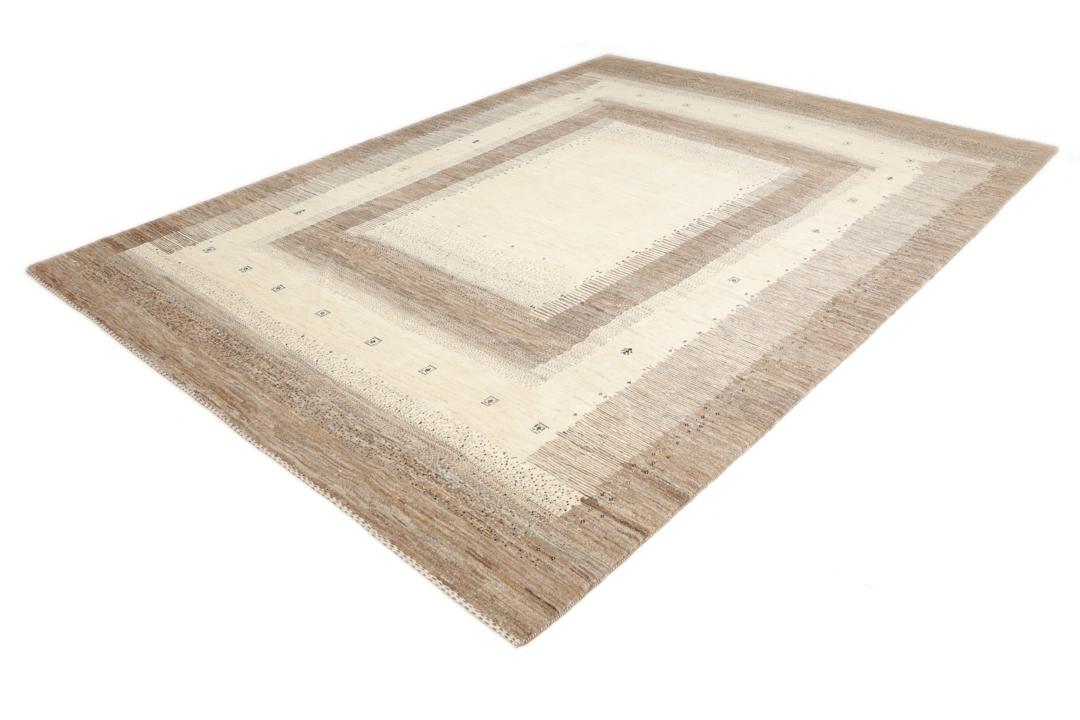
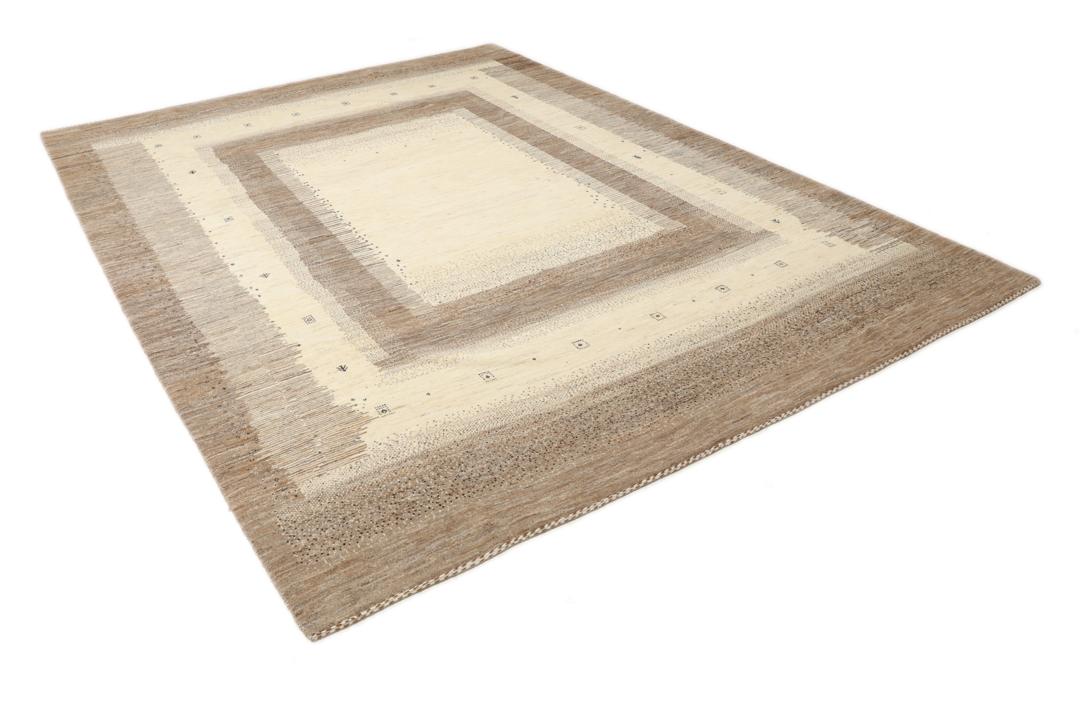
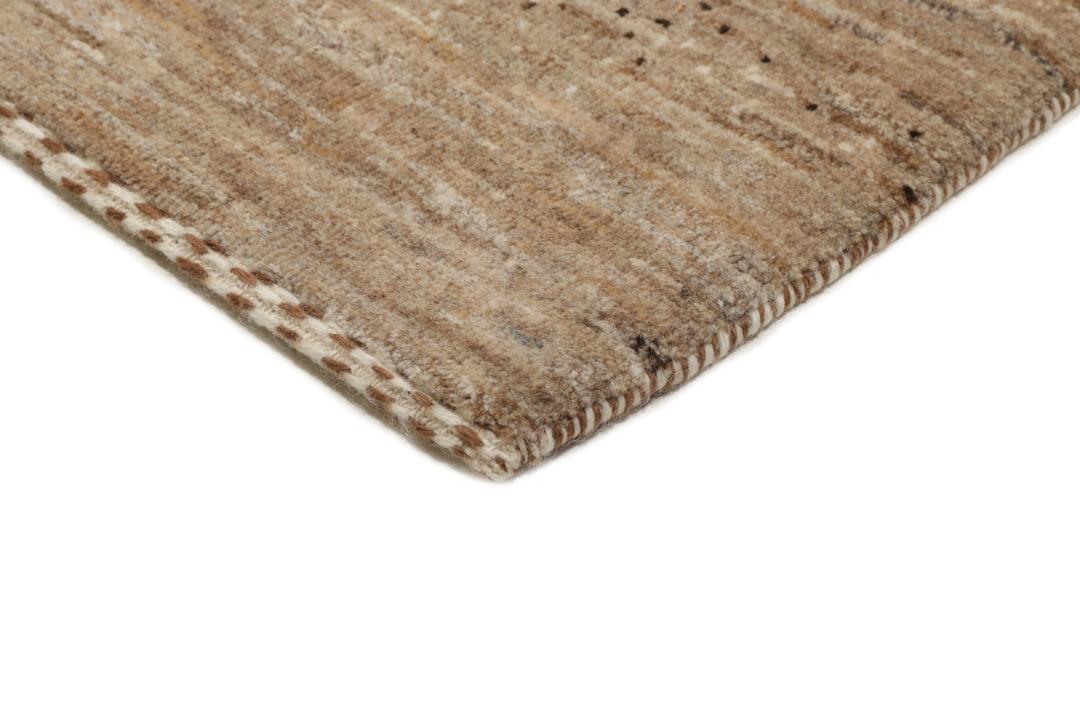
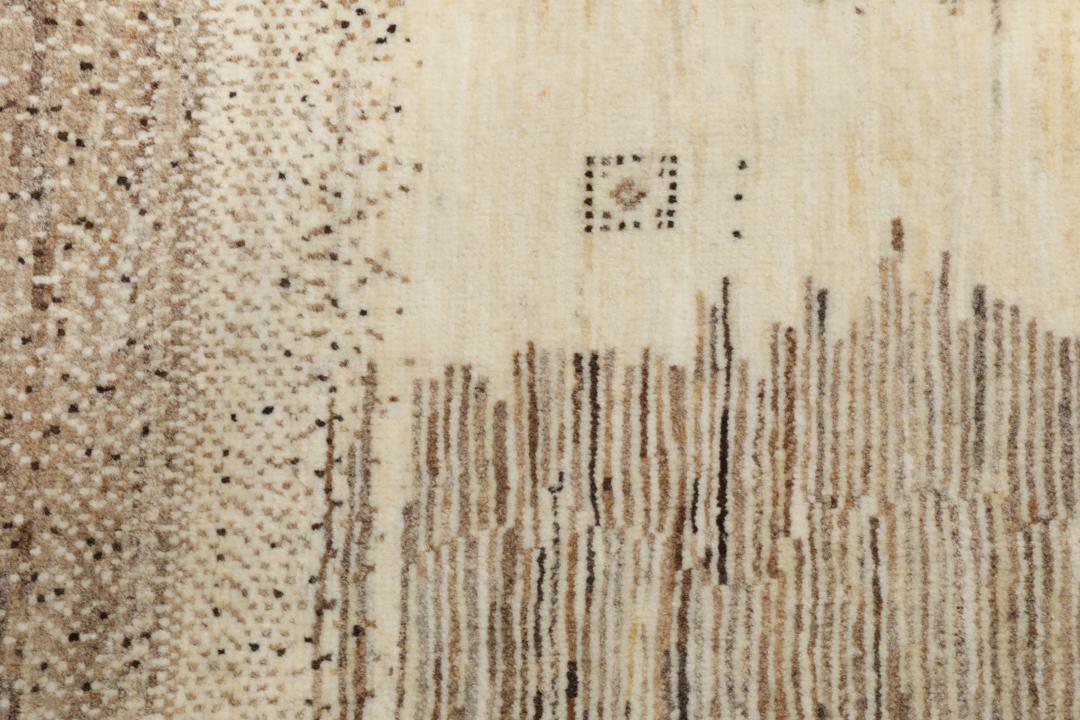
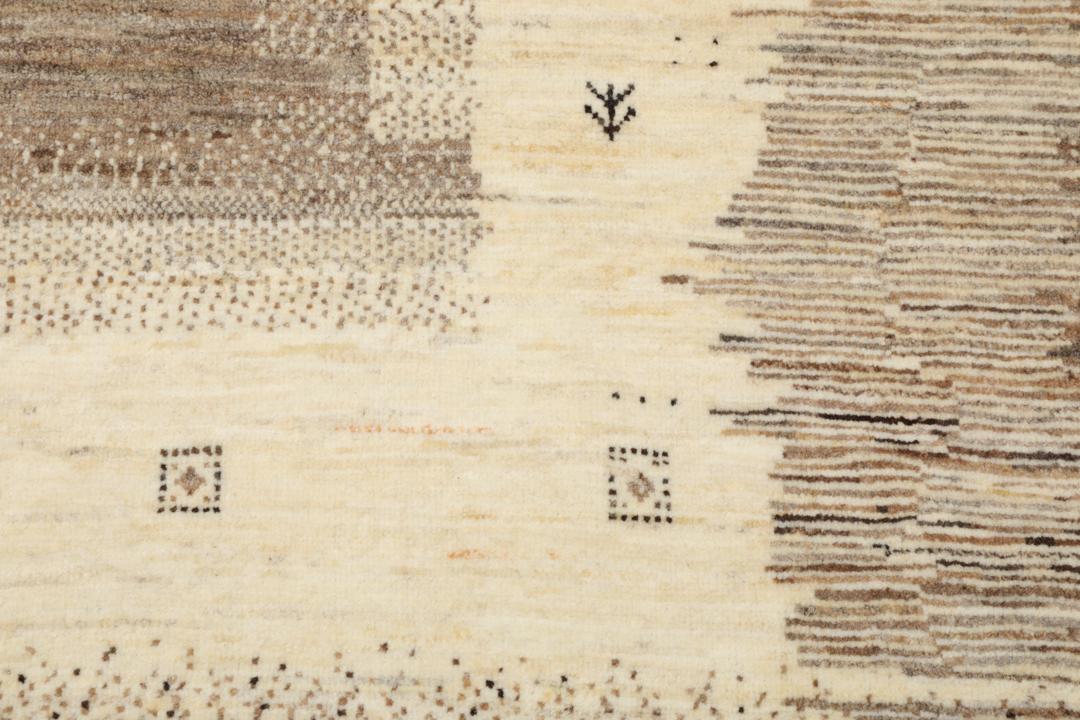
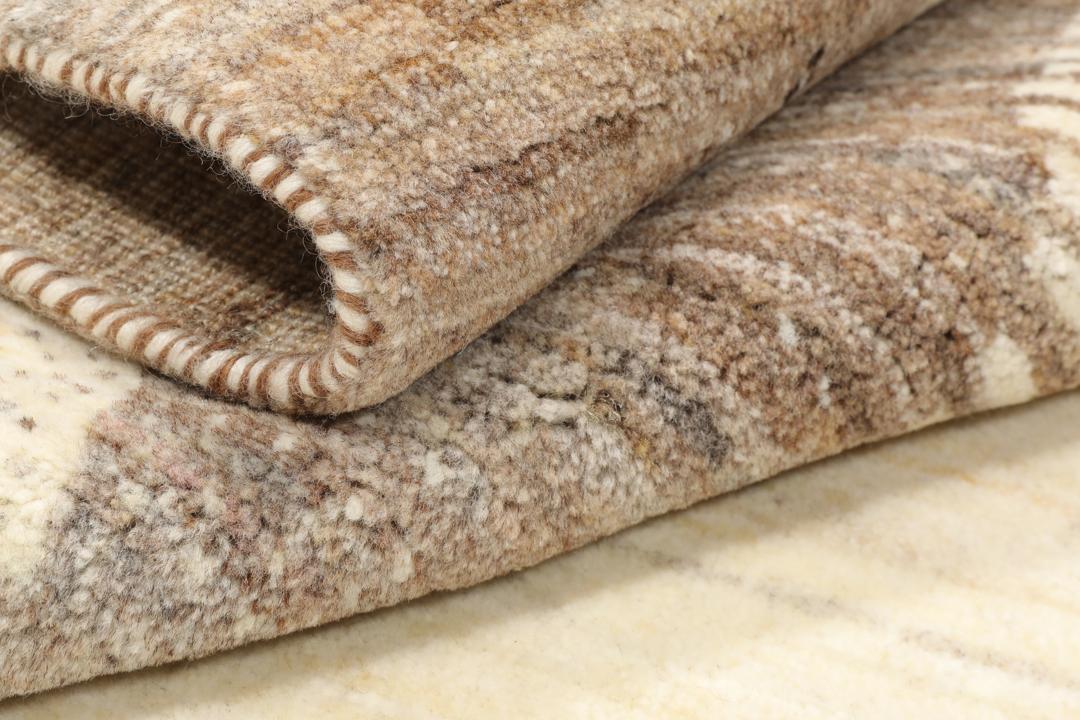
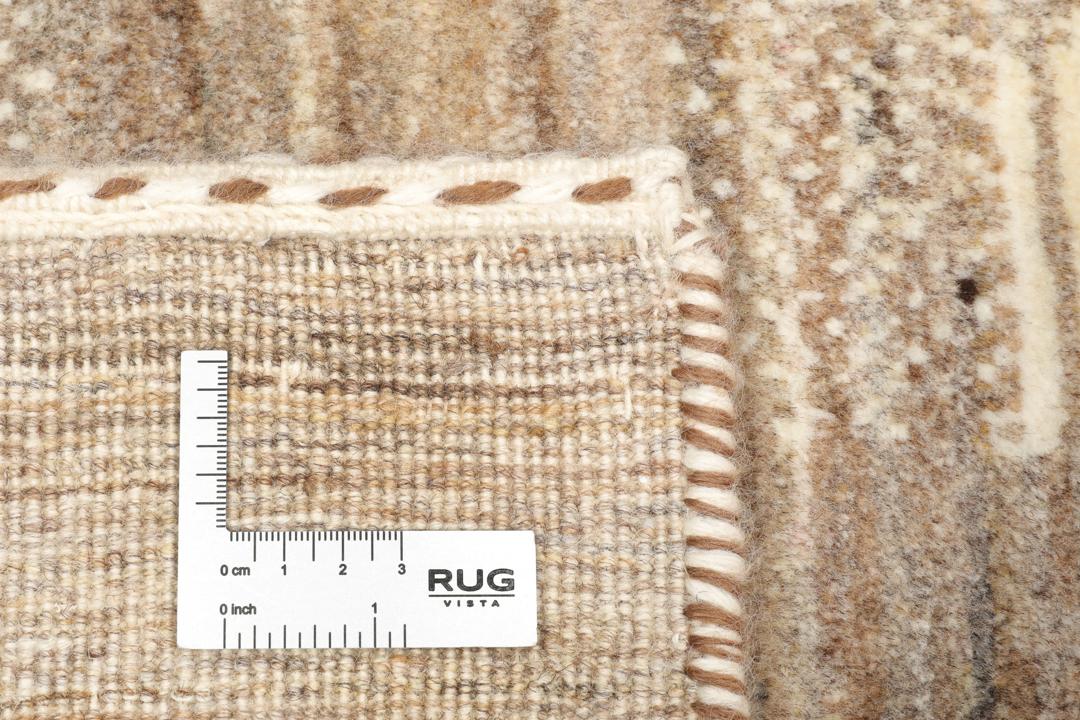
The Loribaft and Kashkooli traditions are deeply embedded in the nomadic cultures of the Middle East. Historically, these rugs were crafted by tribal groups who drew inspiration from their surroundings, using natural dyes and locally sourced materials to reflect the landscapes they traversed. This tradition has evolved into the sophisticated, yet rustic, style we recognise today as Loribaft Fine.
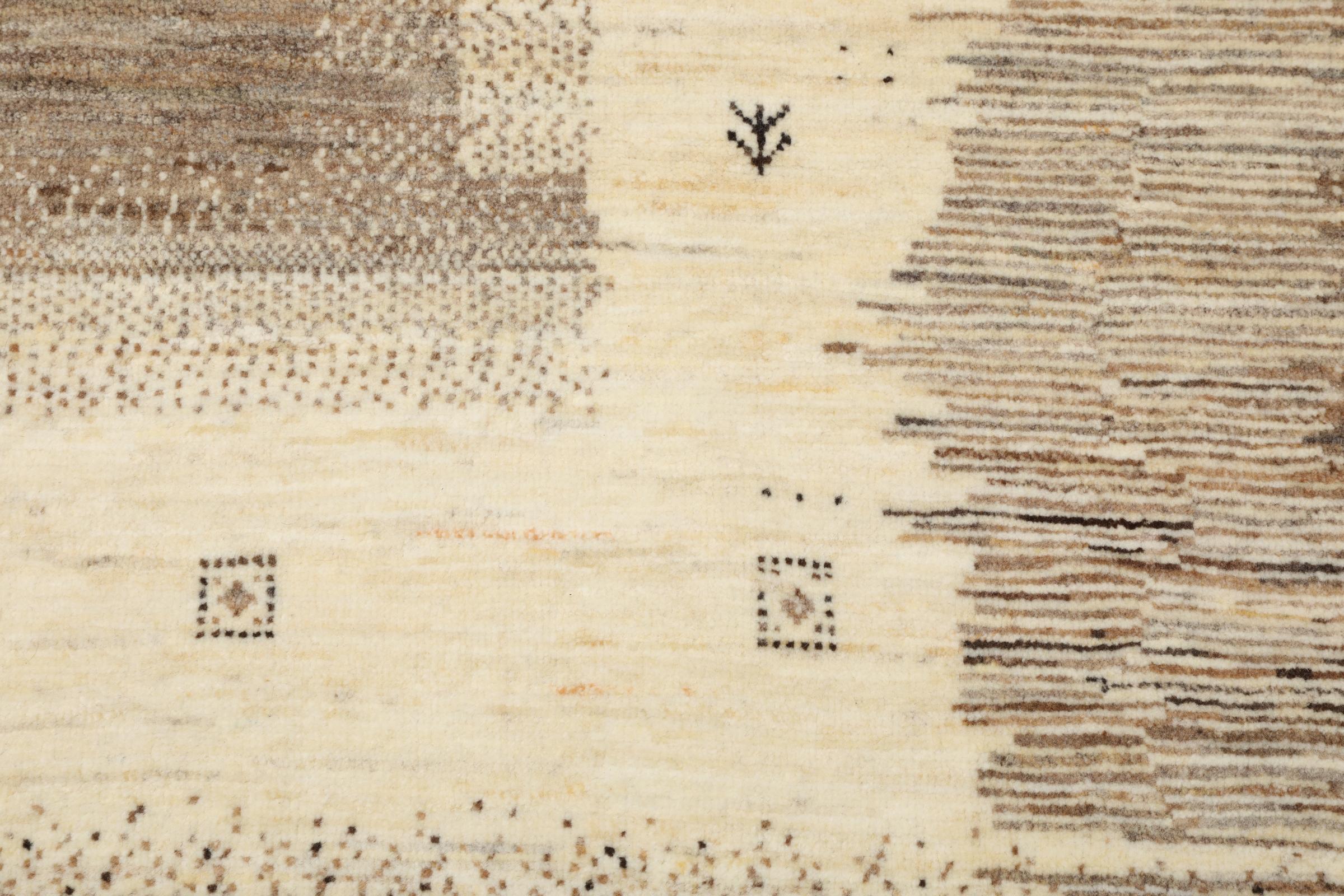
The term Loribaft refers to a specific style of weaving that prioritises a thicker, softer pile compared to more traditional, tightly woven rugs. This construction choice is deliberate, aiming to provide maximum comfort and warmth in the rugged environments of the nomadic lifestyle. The term Fine indicates a higher level of care and detail in the selection of wool and the execution of the knotting process.
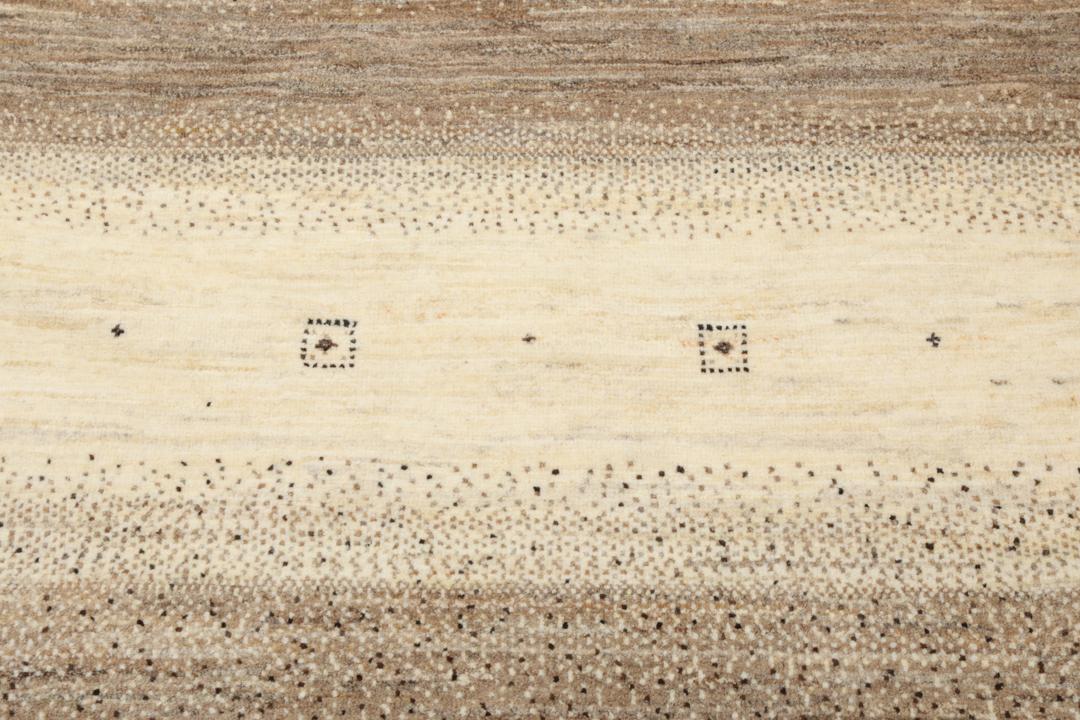
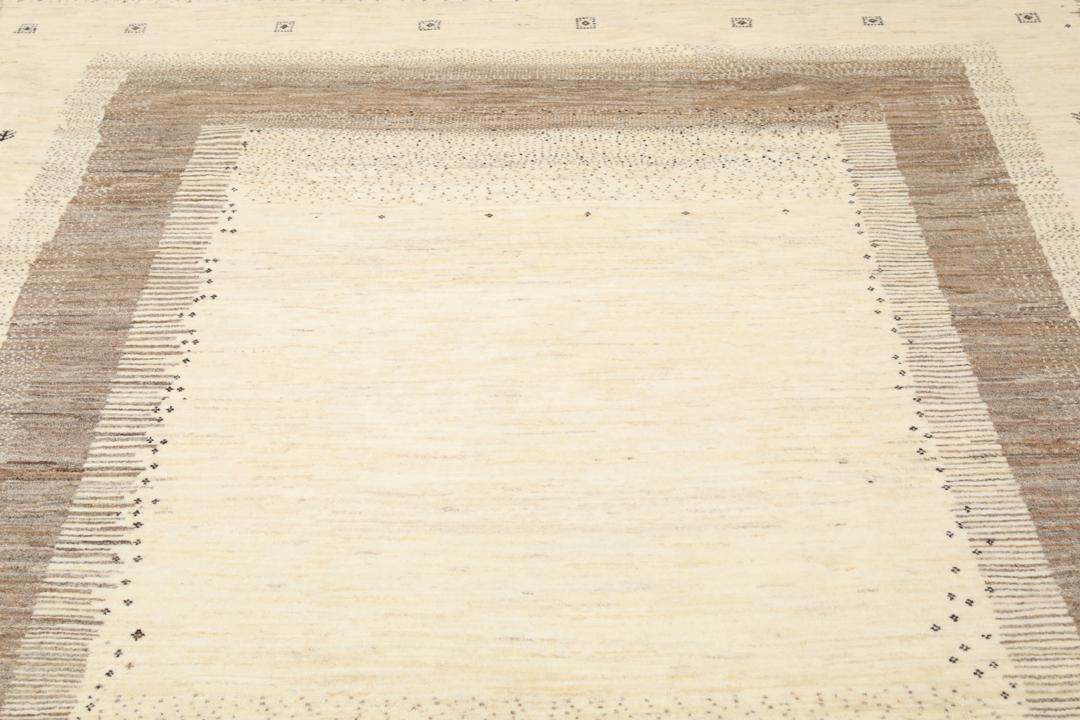
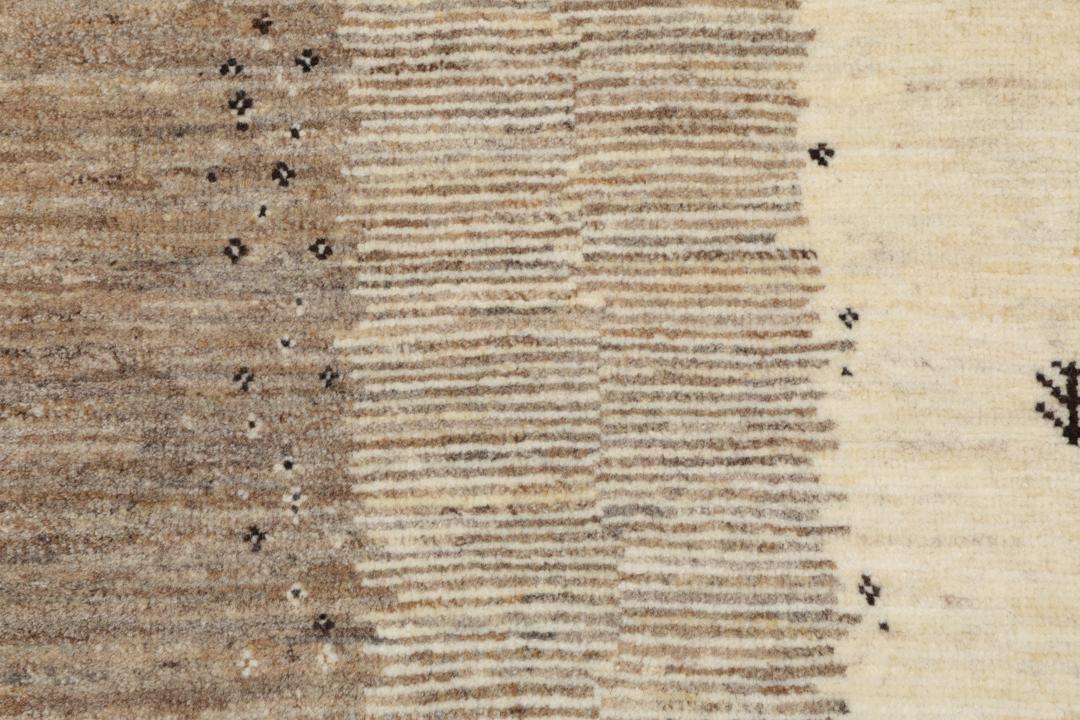
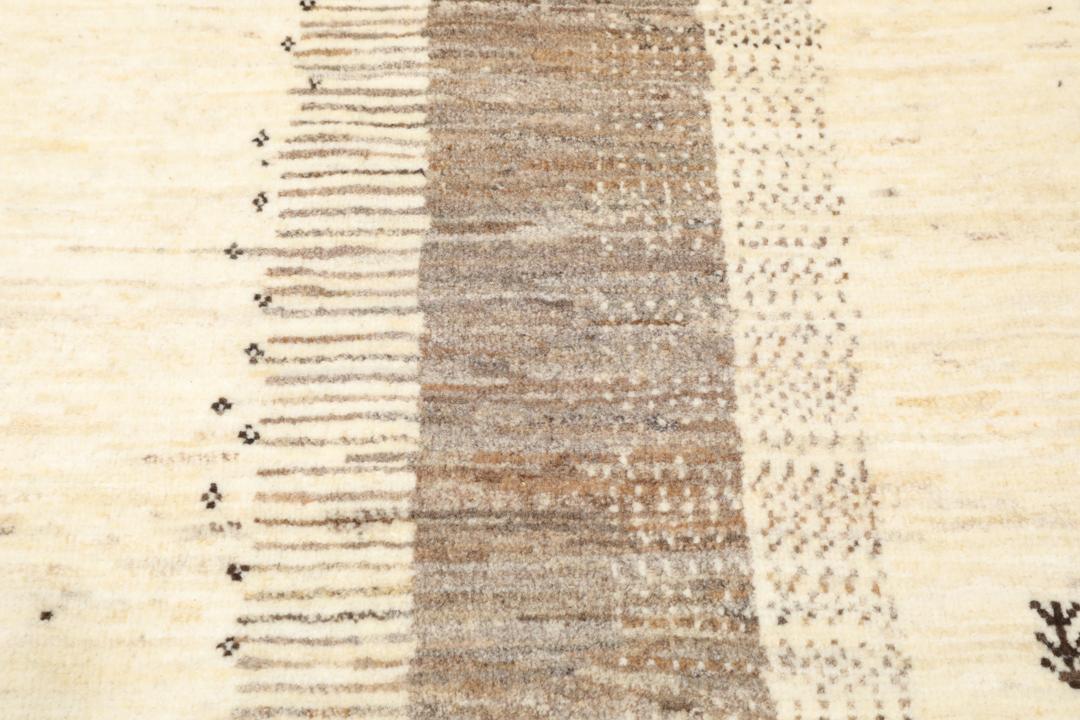
Visually, these rugs are known for their minimalist approach, often favouring open fields and subtle, geometric motifs over the dense, ornate patterns found in other regional styles. The colour palettes are typically drawn from nature, relying on undyed or naturally dyed wool to create harmonious, earthy tones that bring a sense of tranquillity to any space.
Collecting a rug from this tradition is an appreciation of the enduring skill passed down through generations. These pieces are valued not just for their aesthetic appeal, but for their ability to bring a sense of heritage and human touch into a modern home. They stand as a testament to the longevity of tribal craftsmanship and the ongoing relevance of these timeless designs.