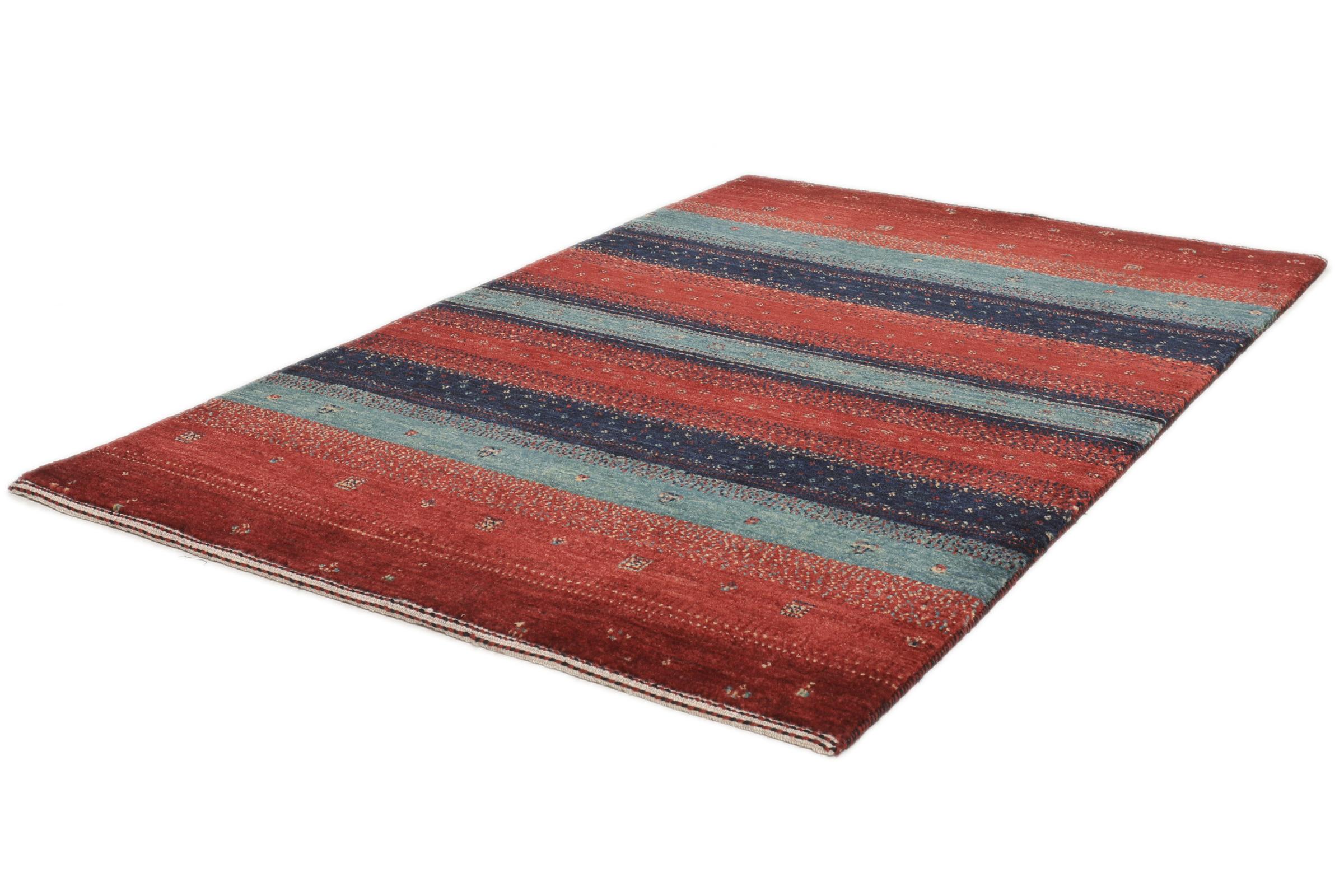
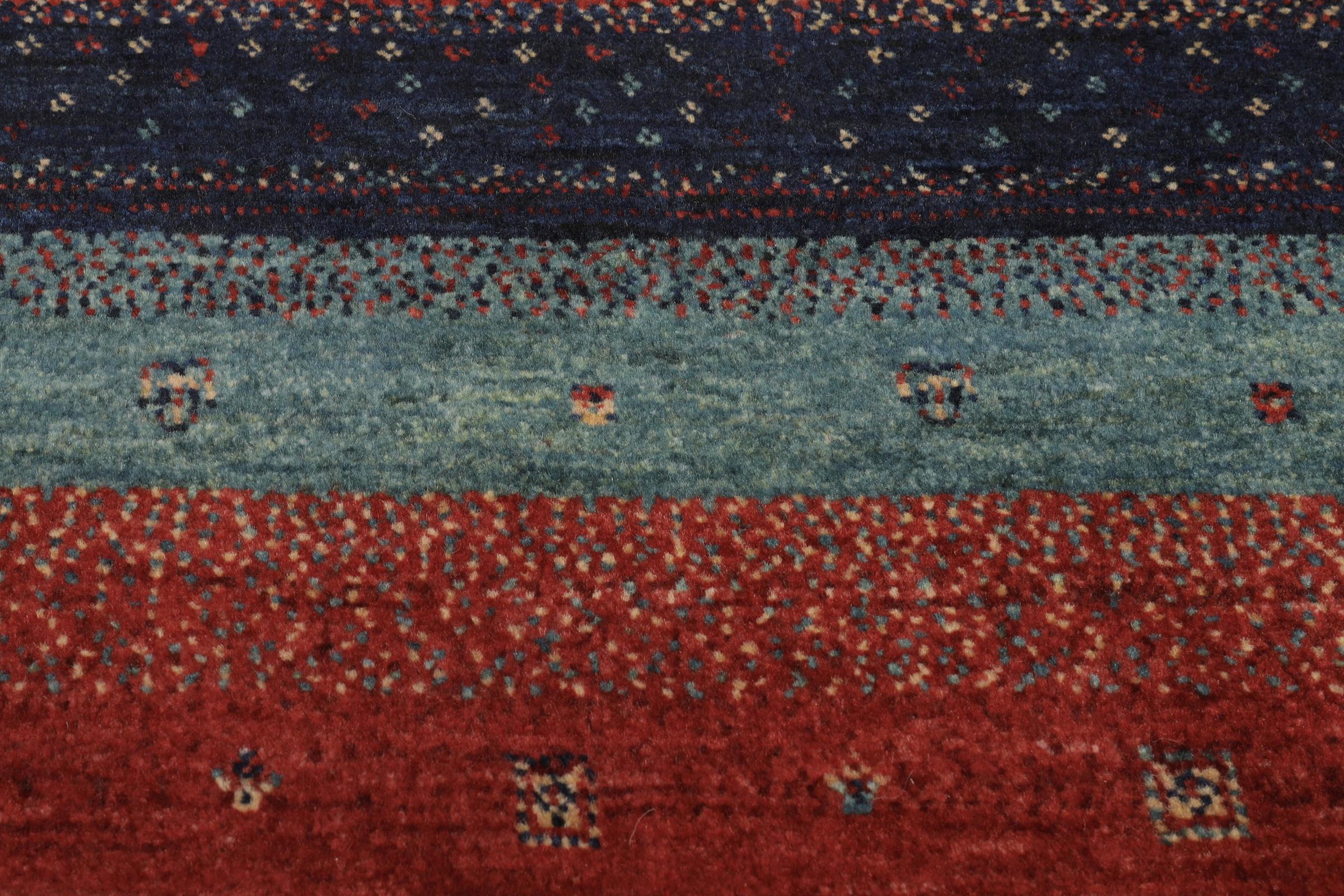
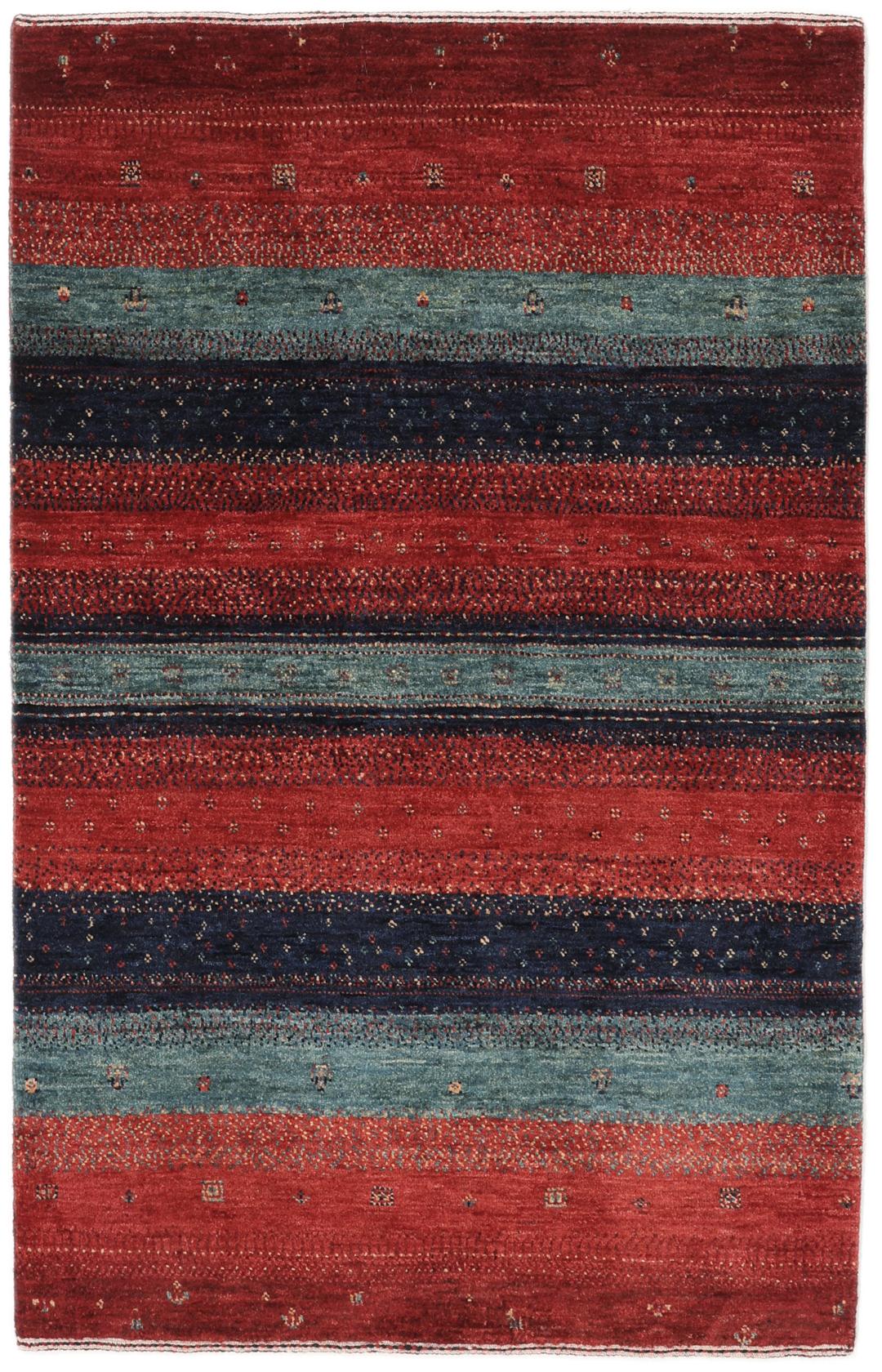
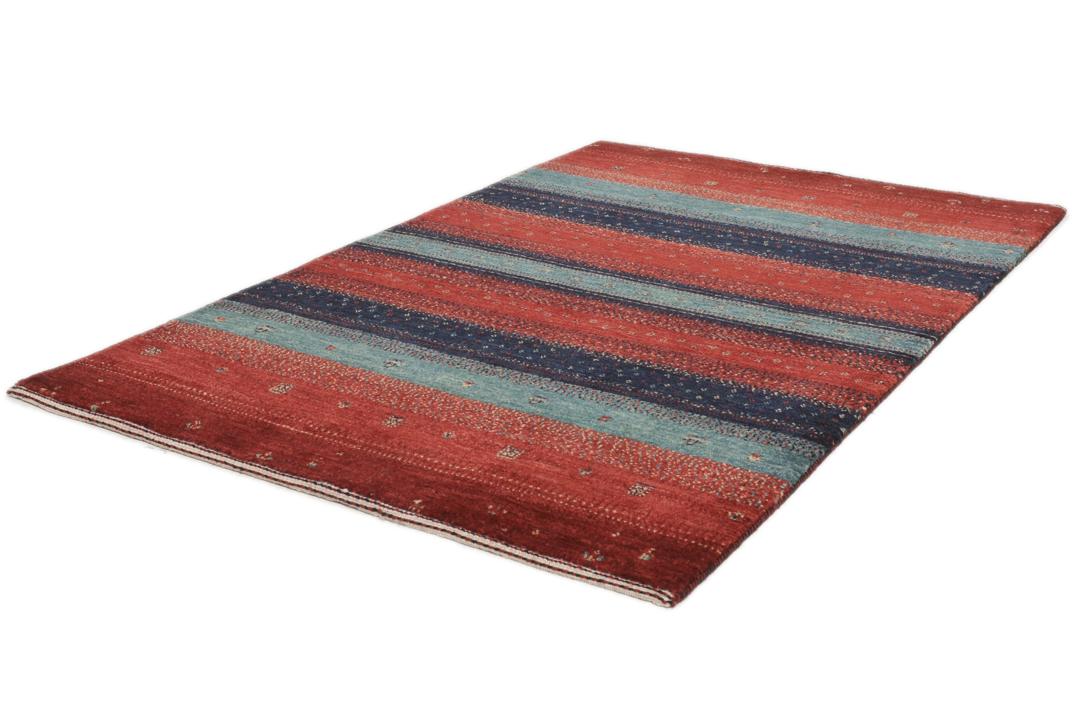
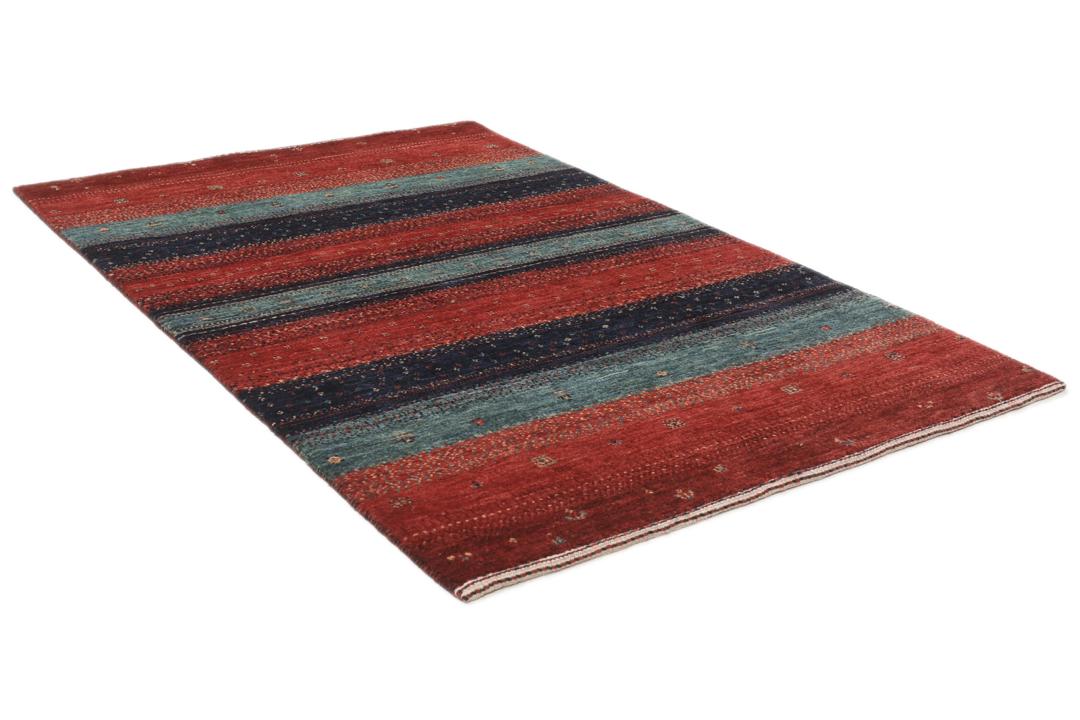
The Loribaft and Kashkooli traditions are deeply rooted in the nomadic history of the Middle East. These rugs are traditionally associated with tribal weavers who translate their environment, memories, and natural surroundings into visual form through their craft, often working without formal patterns to guide them.
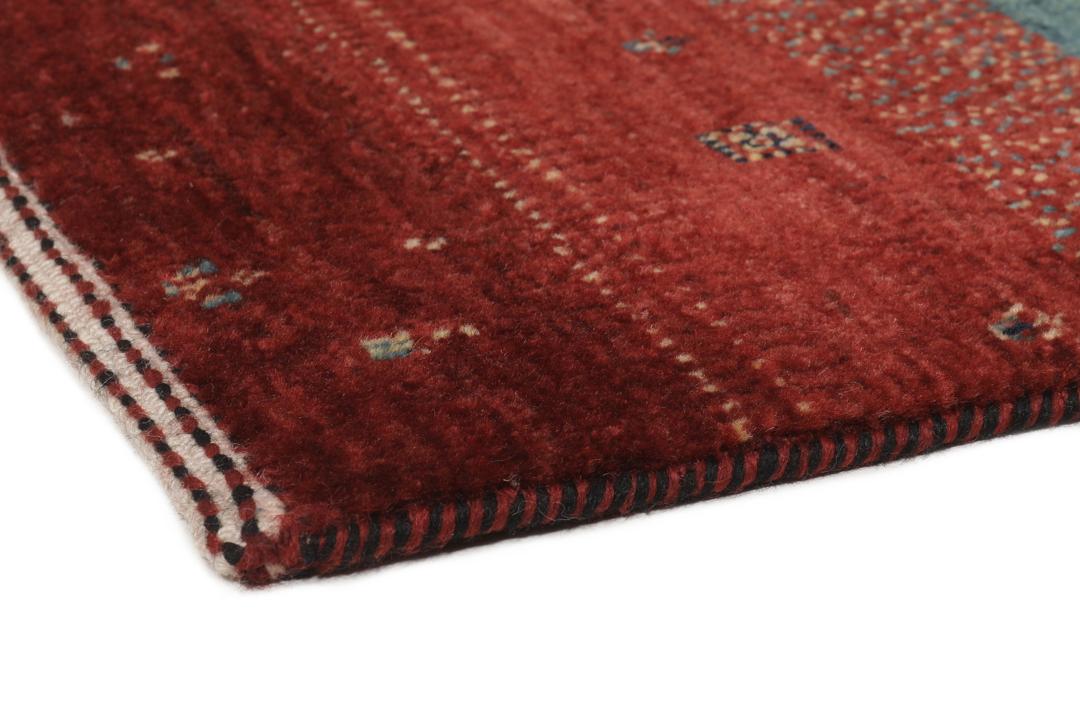
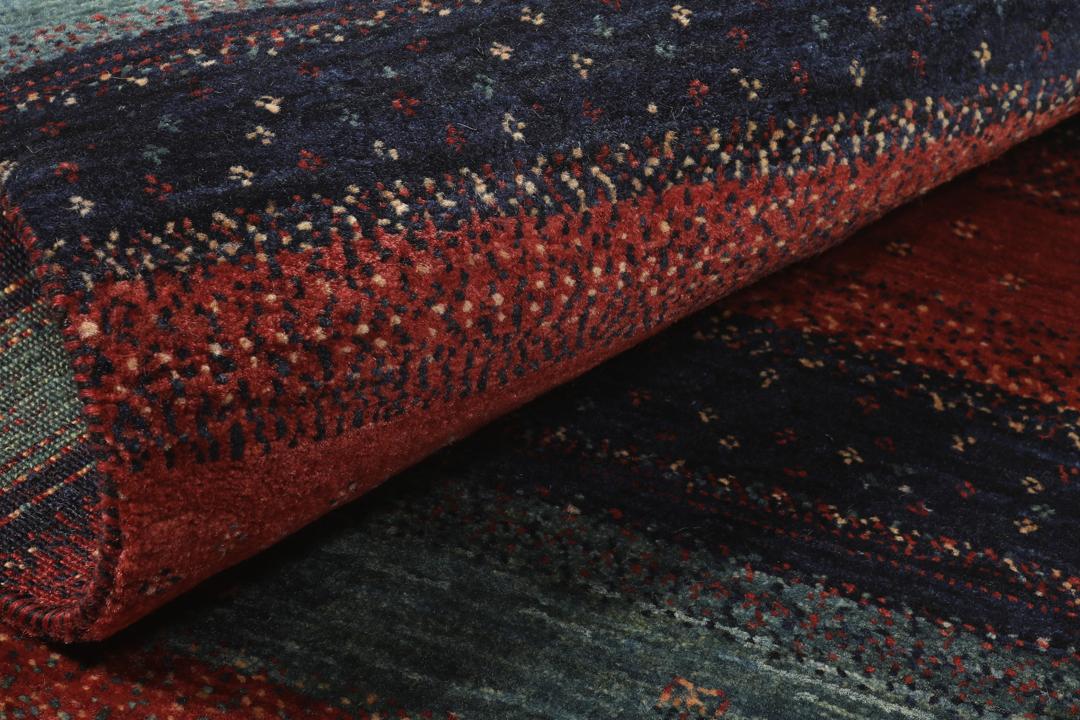
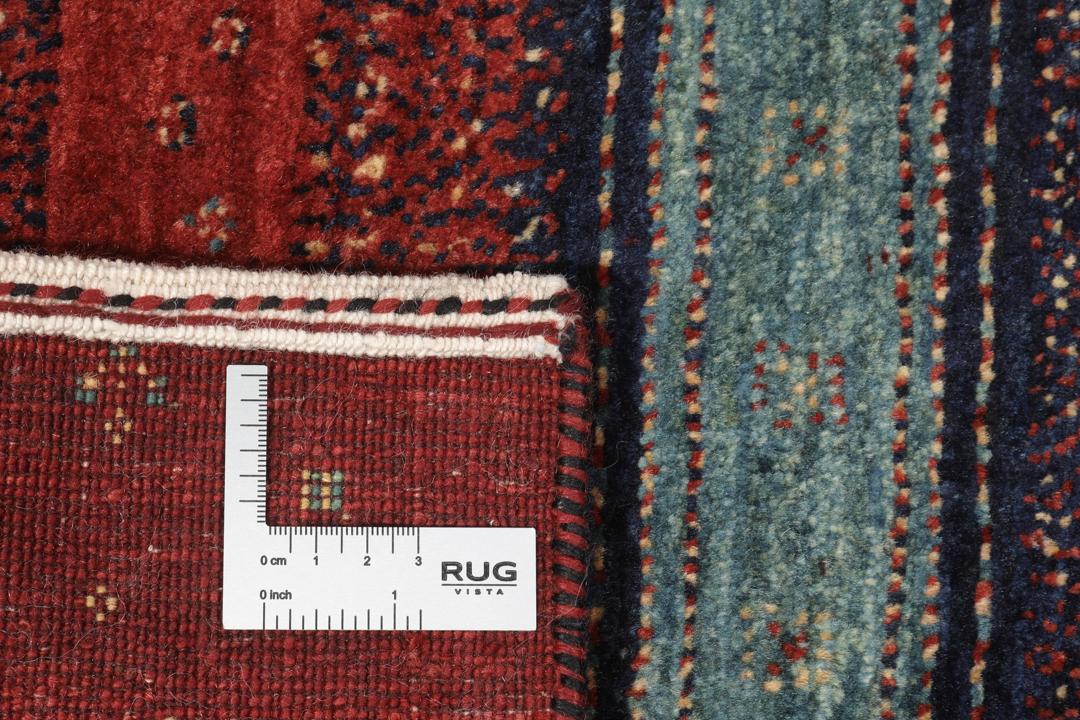
The term Loribaft refers to a specific style of weaving that has evolved from older, more rustic origins into a finer, more sophisticated aesthetic. While traditional tribal rugs were often heavier and coarser, the modern Loribaft Fine style focuses on a higher knot count and a more refined wool quality, resulting in a sleeker, more polished appearance that retains the soul of its nomadic roots.
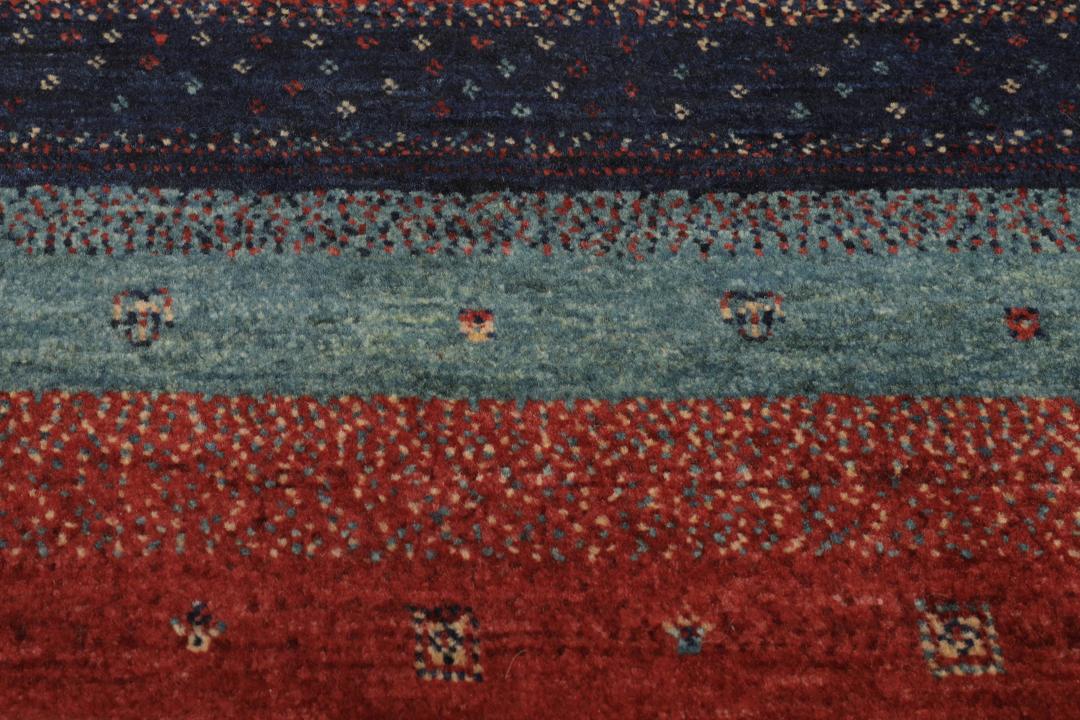
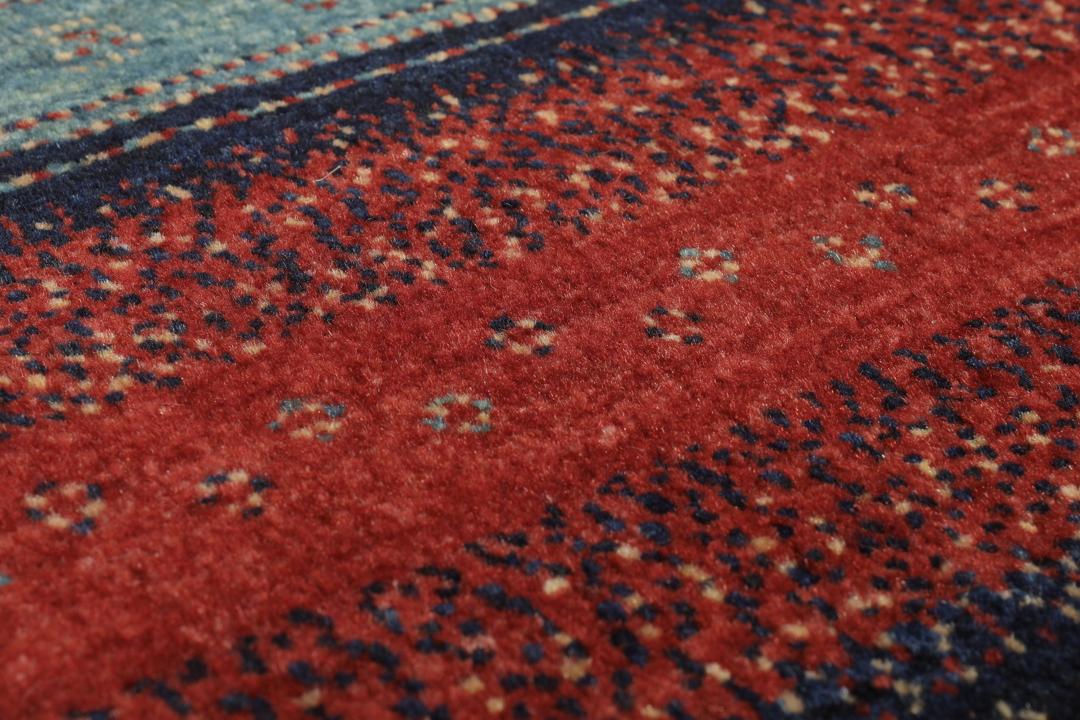
Visually, these rugs are celebrated for their bold use of colour and often incorporate geometric motifs or, as seen in this piece, dynamic striped compositions. The colours are frequently derived from natural dyes, which develop a beautiful patina as the rug ages, ensuring that the piece becomes even more characterful with the passage of time.
Collecting a piece from this tradition is about more than just decor; it is about preserving a piece of cultural heritage. These rugs are highly valued for the human effort they represent and the connection they provide to an ancient way of life, making them treasured additions to any home that values authentic, hand-made quality.