Loribaft rugs originate from the nomadic weaving traditions of the Middle East, specifically crafted by the Luri tribes. Historically, these weavers moved across the landscape, creating rugs that were initially intended for their own daily use, such as bedding, storage, or floor coverings in tents.
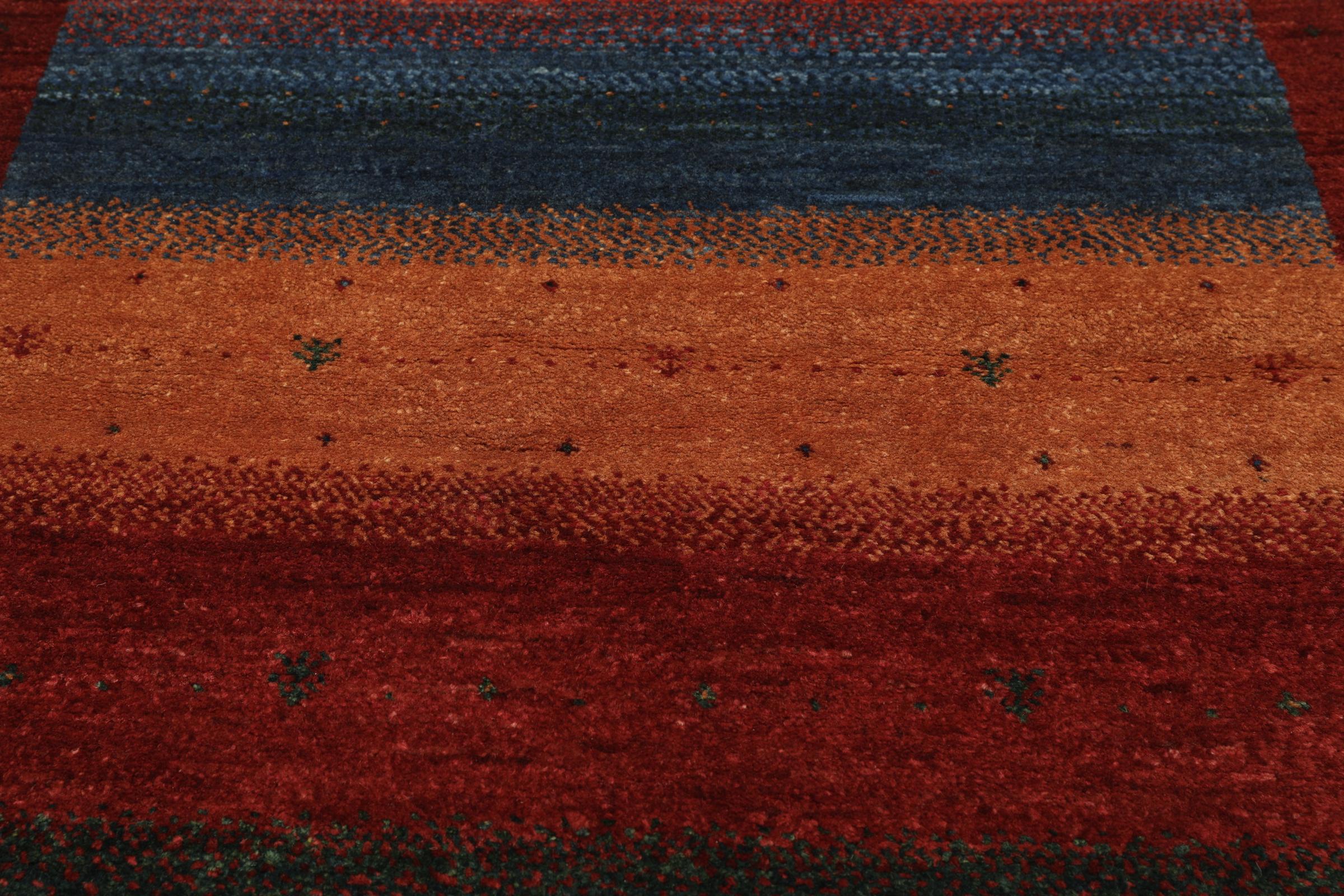
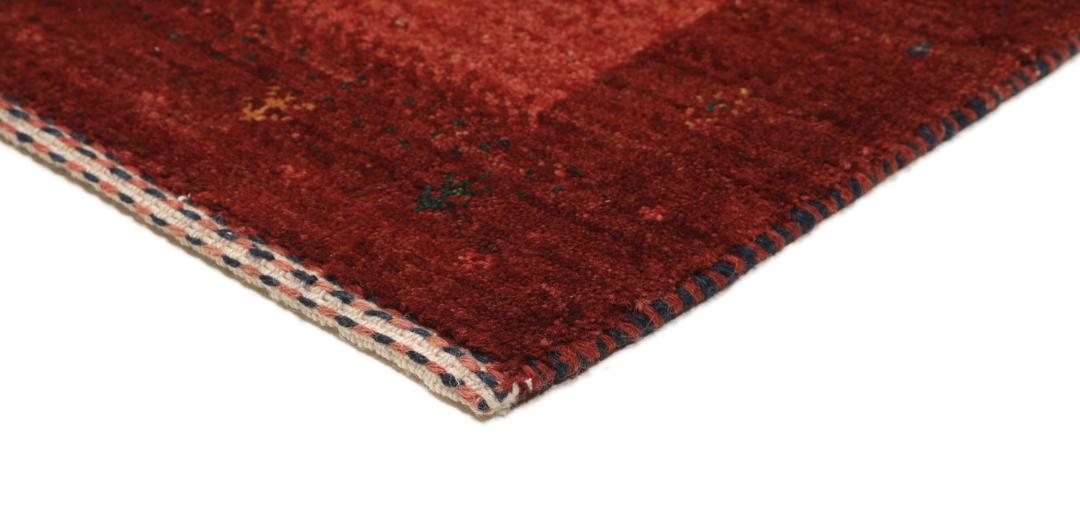
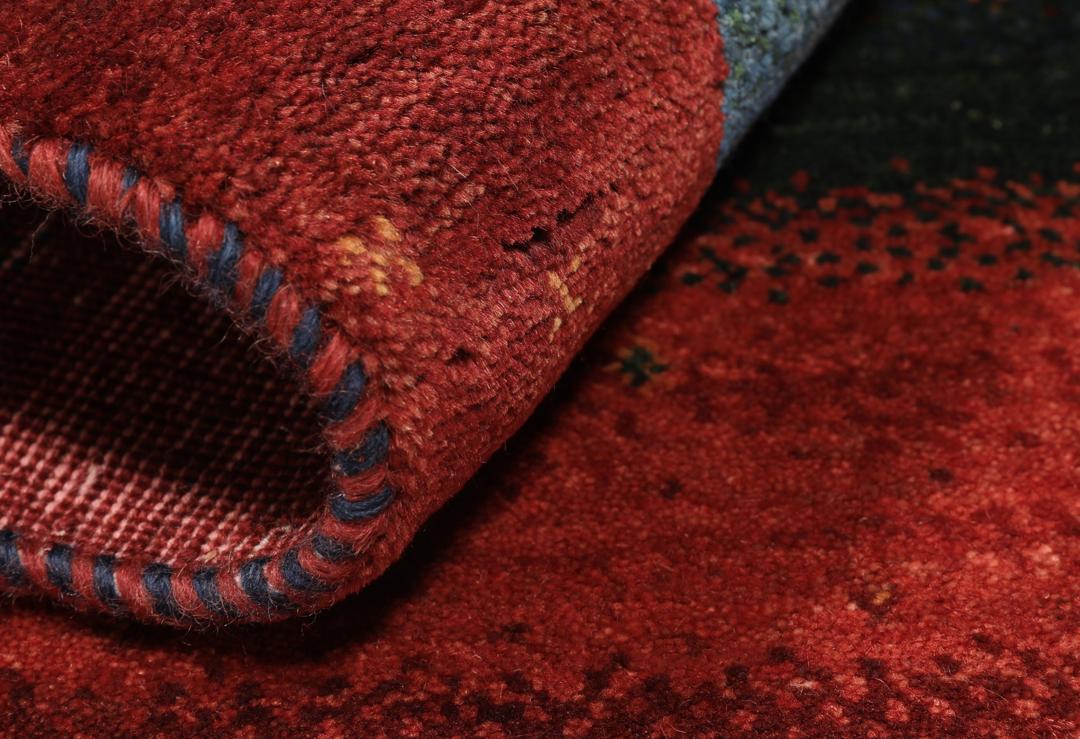
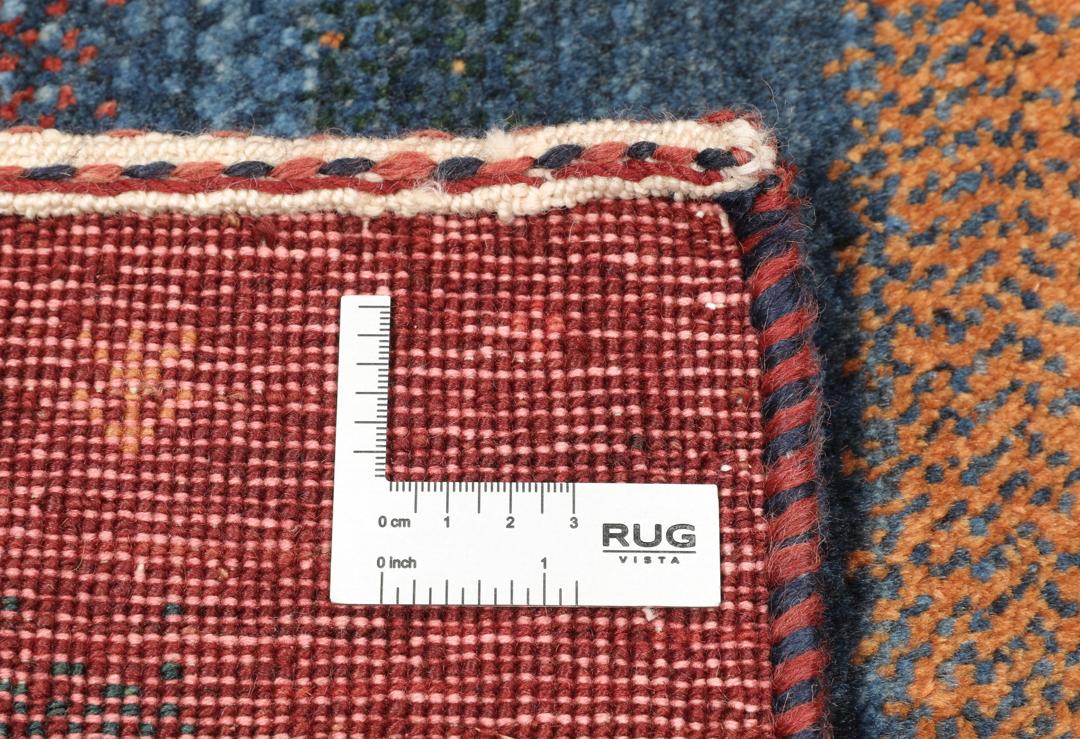
The term Loribaft refers to a specific style of hand-knotted rug that emphasises a soft, thick pile and a more relaxed, creative approach to design. Unlike more rigid, formal rug traditions, these pieces often feature a thicker, more lustrous wool that is expertly spun to create a durable yet incredibly soft texture that matures beautifully over time.
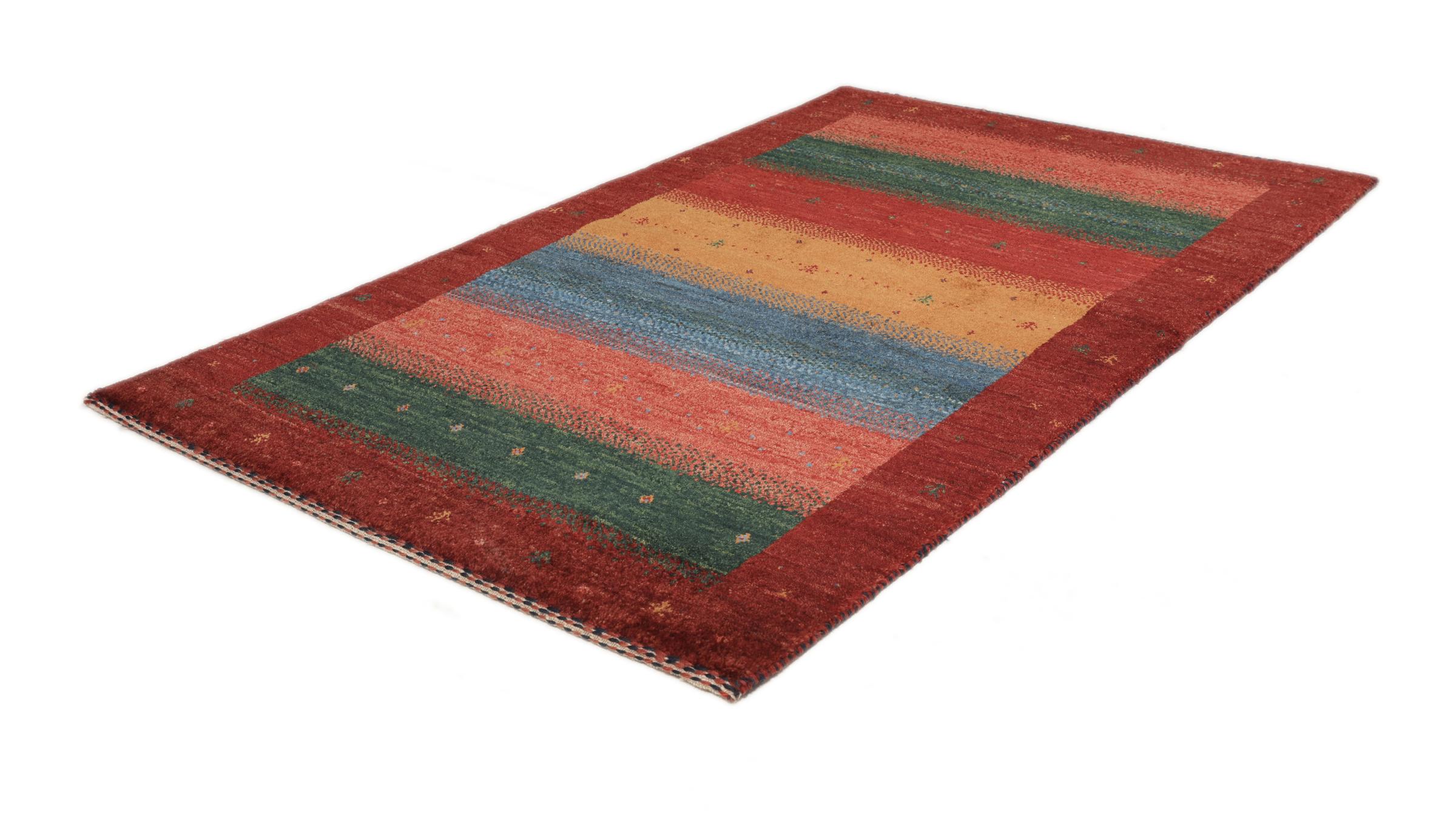
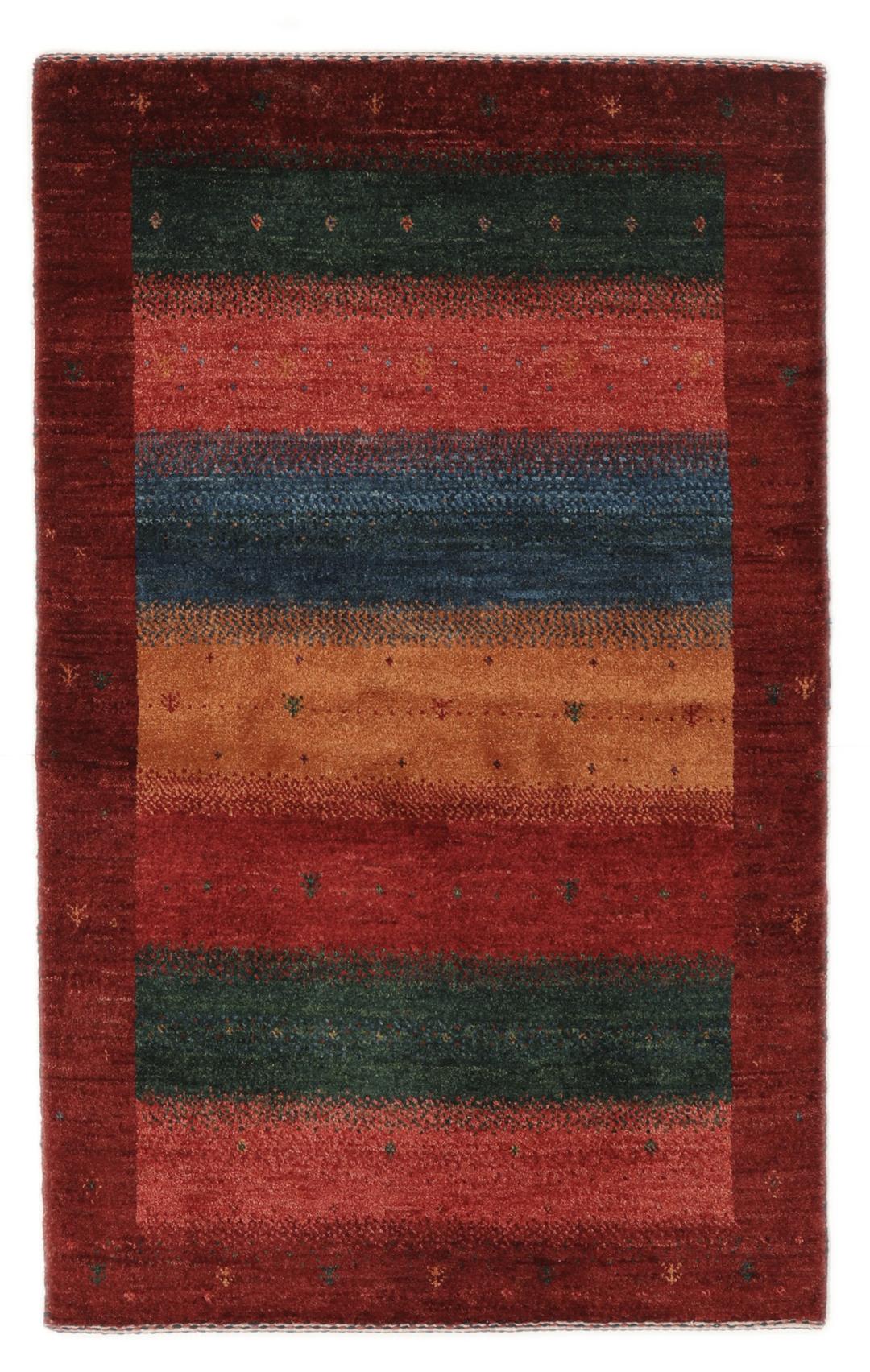
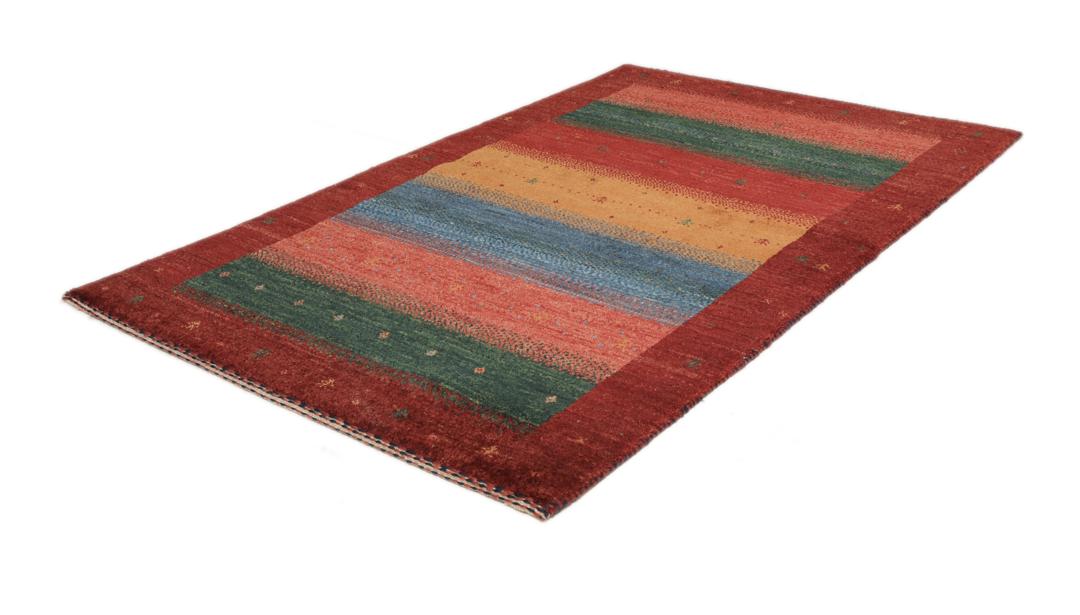
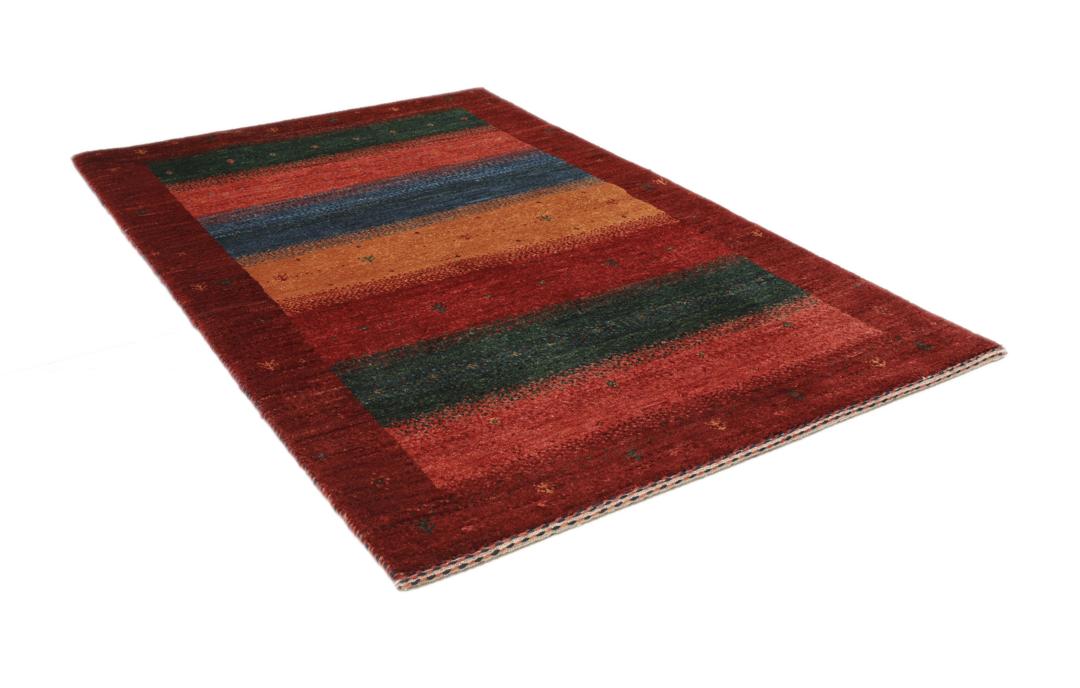
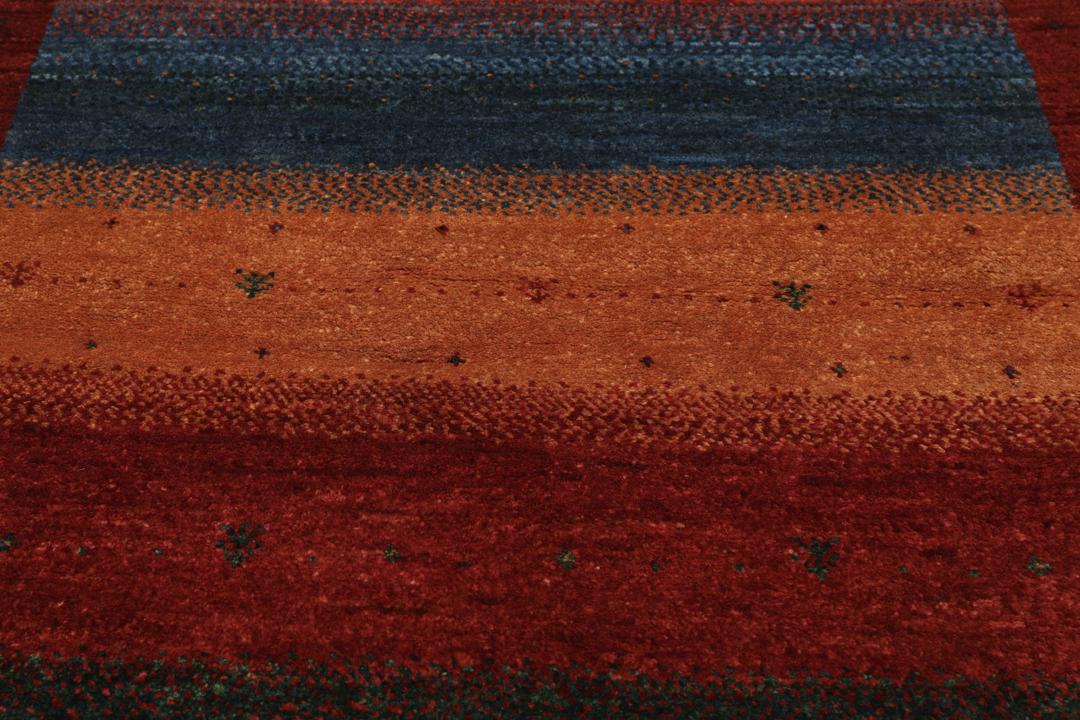
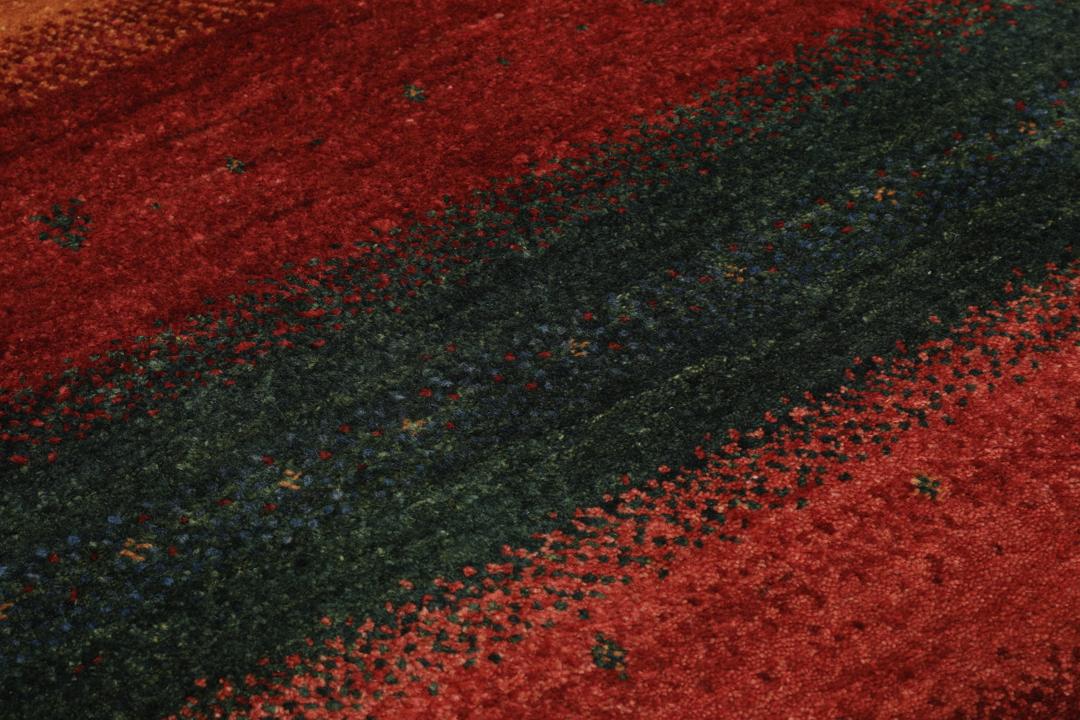
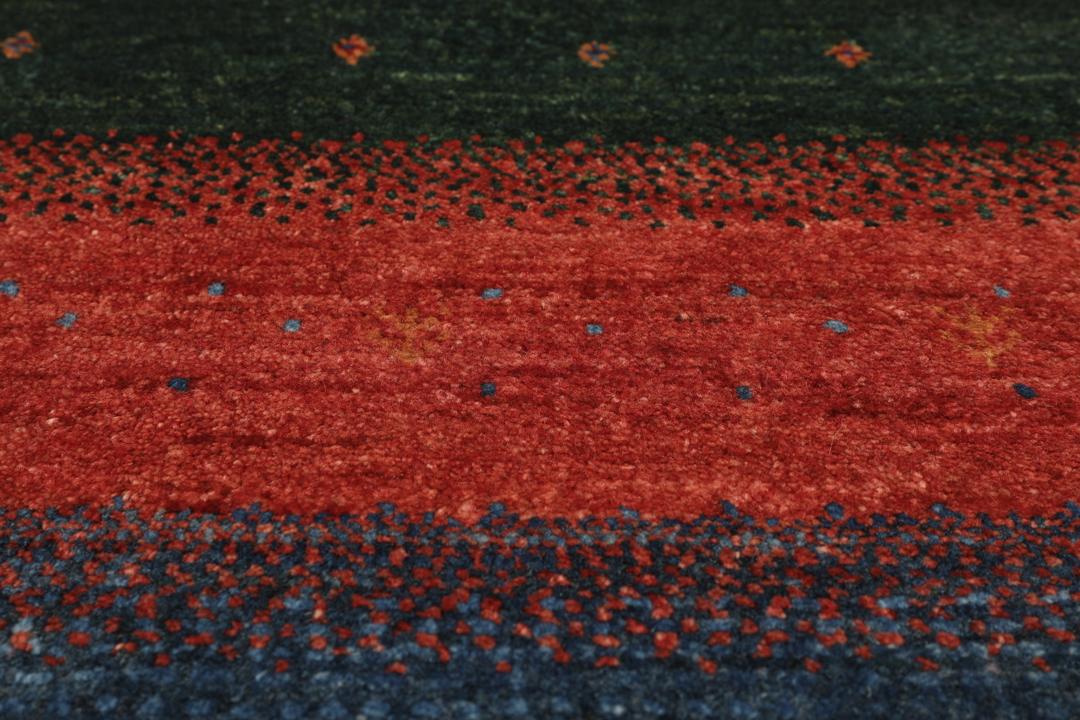
Visually, Loribaft rugs are celebrated for their artistic freedom. While they often incorporate tribal motifs and geometric shapes, they are equally known for their use of bold, saturated colours and open fields that highlight the natural variations in the hand-dyed wool. The striped pattern seen here is a beautiful expression of this tradition, blending colours in a way that feels both modern and deeply rooted in tribal aesthetics.
Today, these rugs are highly valued by collectors and interior enthusiasts alike for their authenticity and the human element present in every fibre. Owning a Loribaft rug is an appreciation of a craft that has survived for centuries, representing a bridge between the nomadic lifestyle of the past and the contemporary home of today.