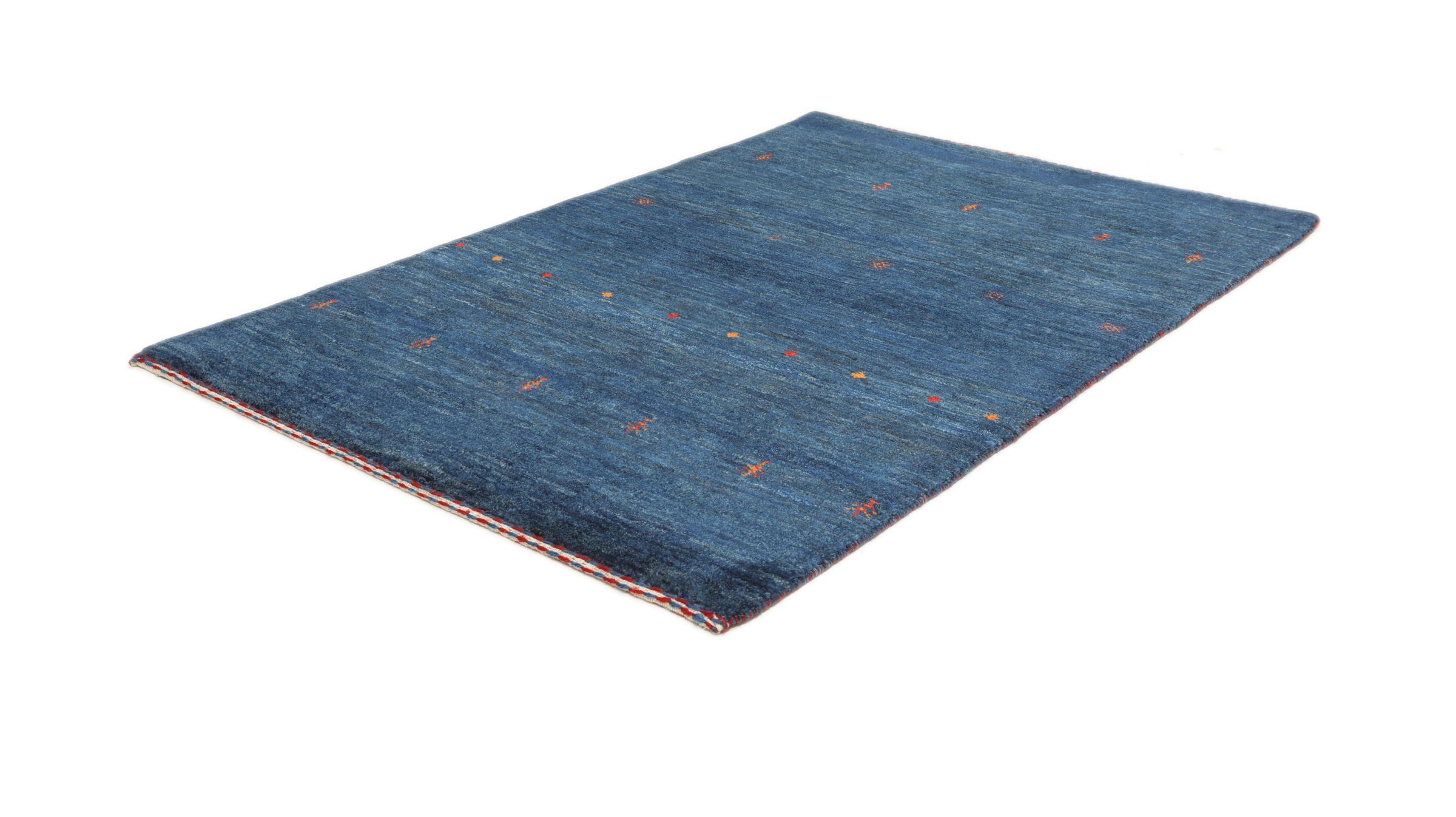
Loribaft rugs originate from the tribal weaving traditions of the Middle East, specifically associated with the nomadic groups known for their simple yet evocative designs. These rugs evolved from a necessity for durable, portable floor coverings that could withstand the rigours of nomadic life while providing warmth and beauty to a tent interior.
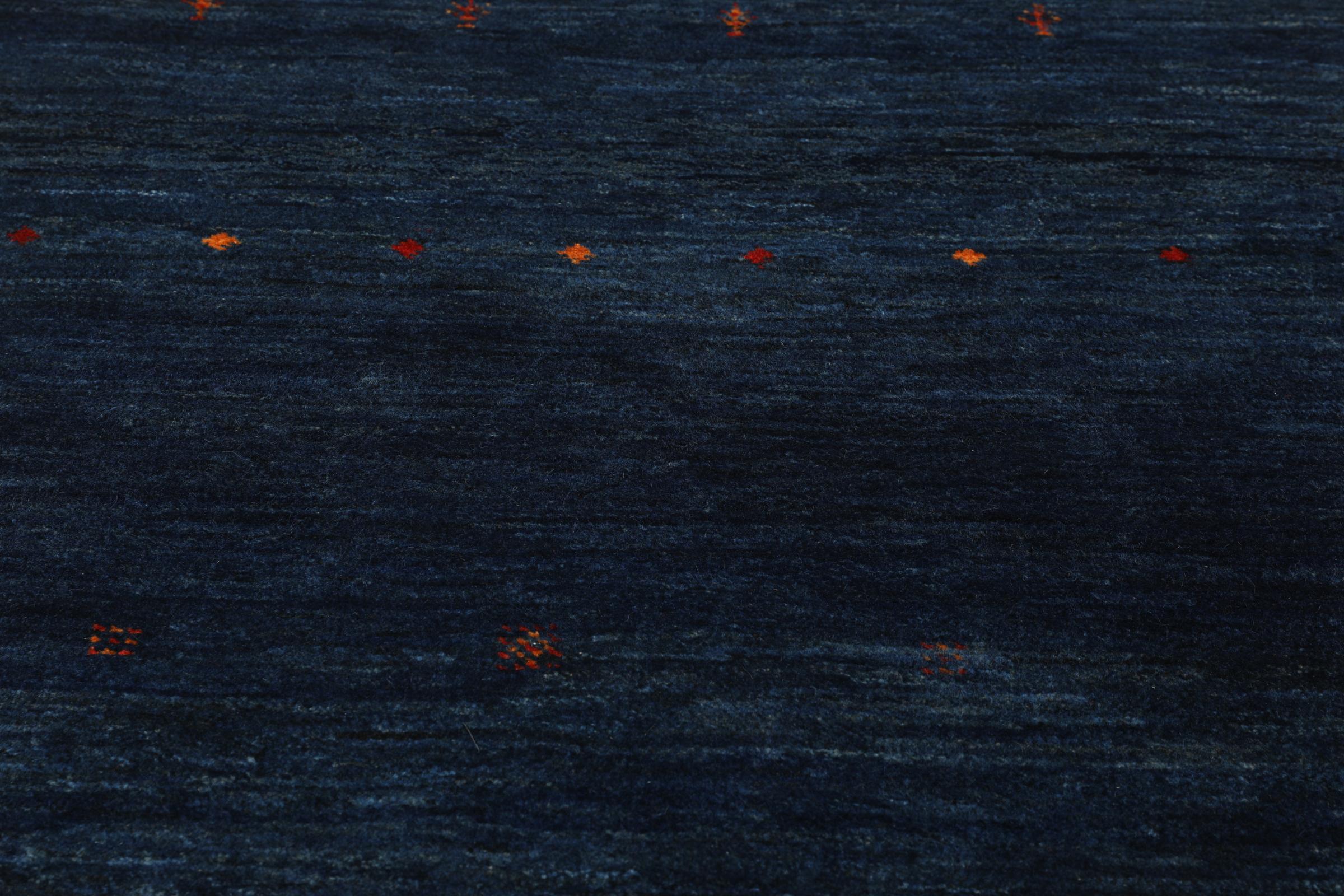
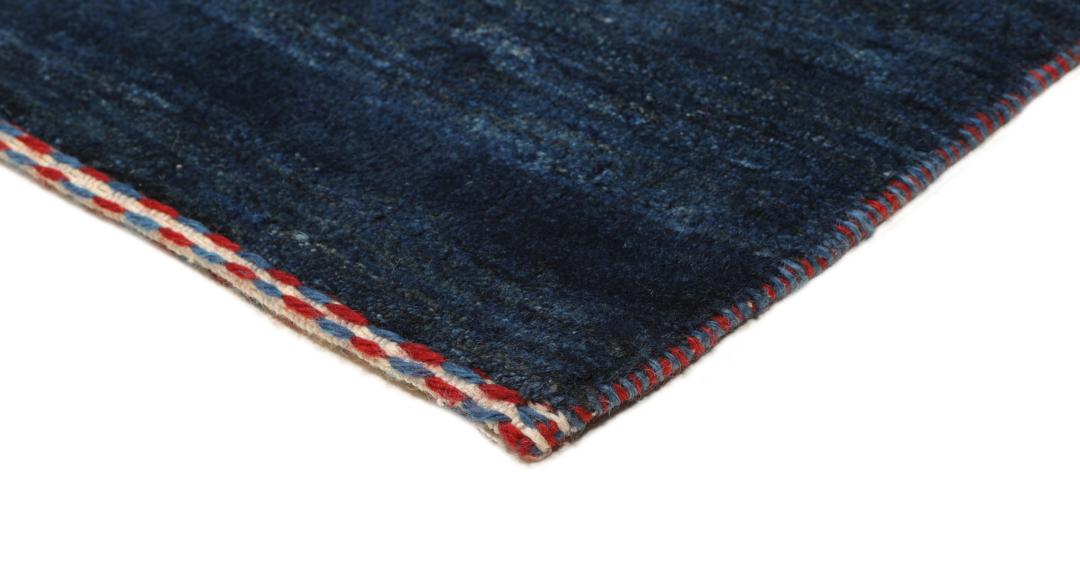
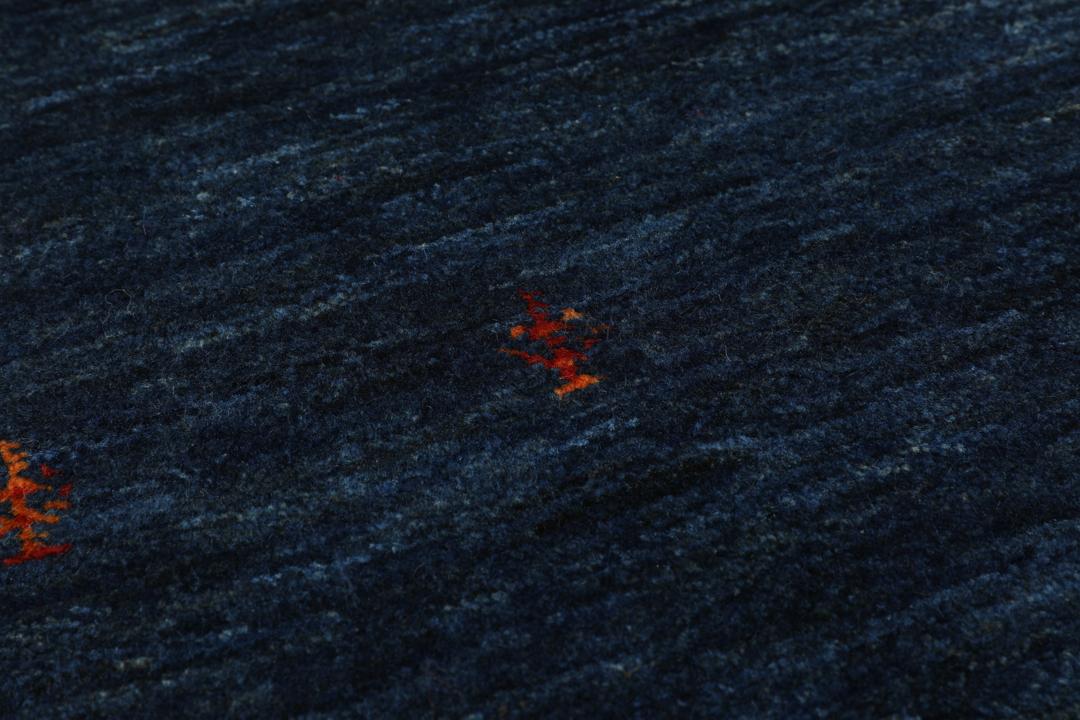
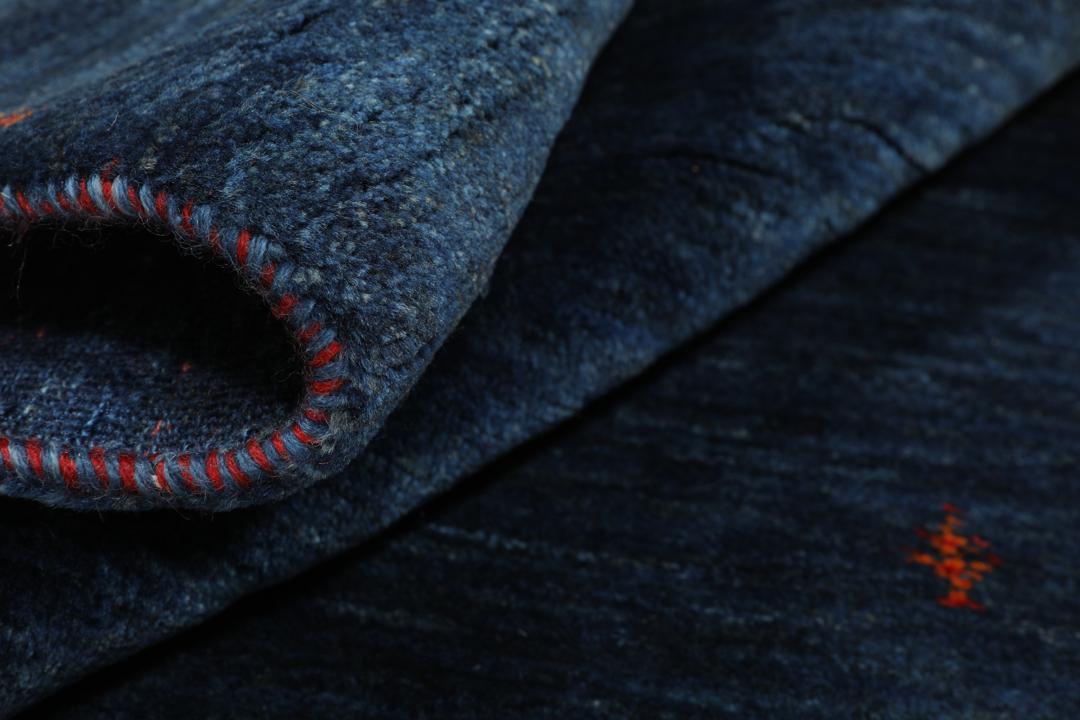
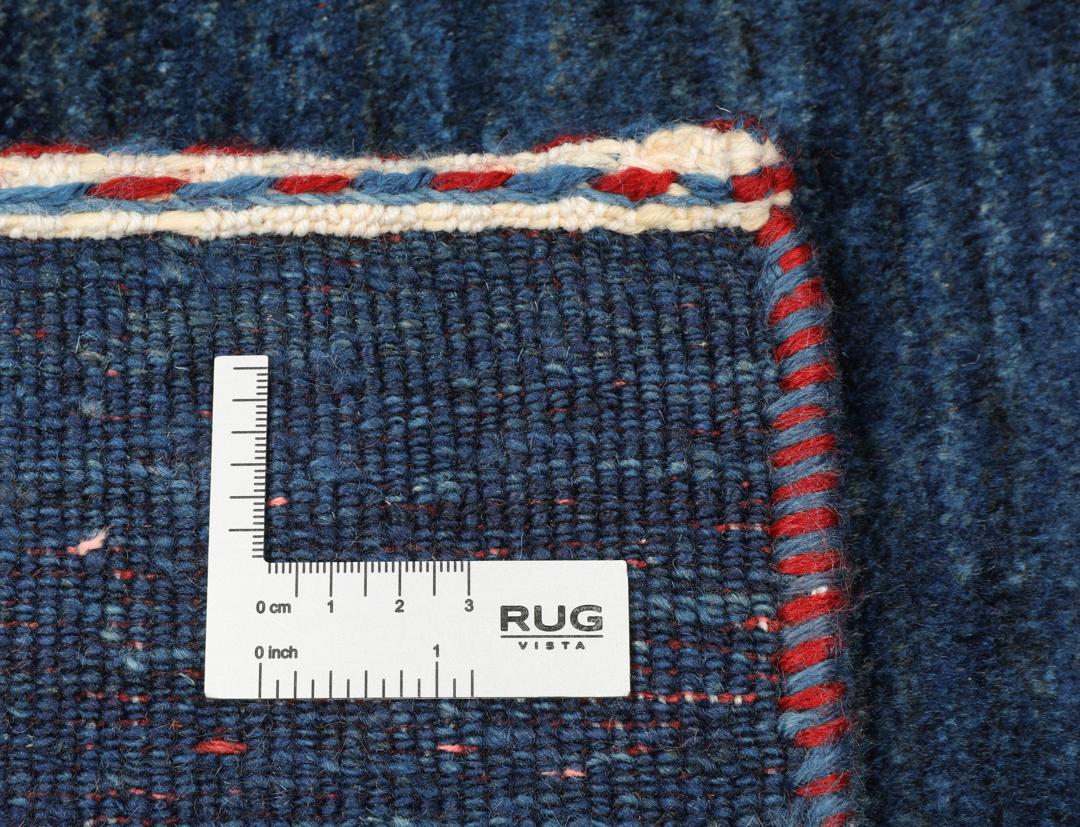
The term 'Loribaft' refers to a specific style of weaving that emphasises a thicker, more plush pile, often using hand-spun wool to achieve a natural, earthy texture. This construction style is prized for its resilience and ability to show off deep, saturated colours, which have become a hallmark of this particular regional aesthetic.
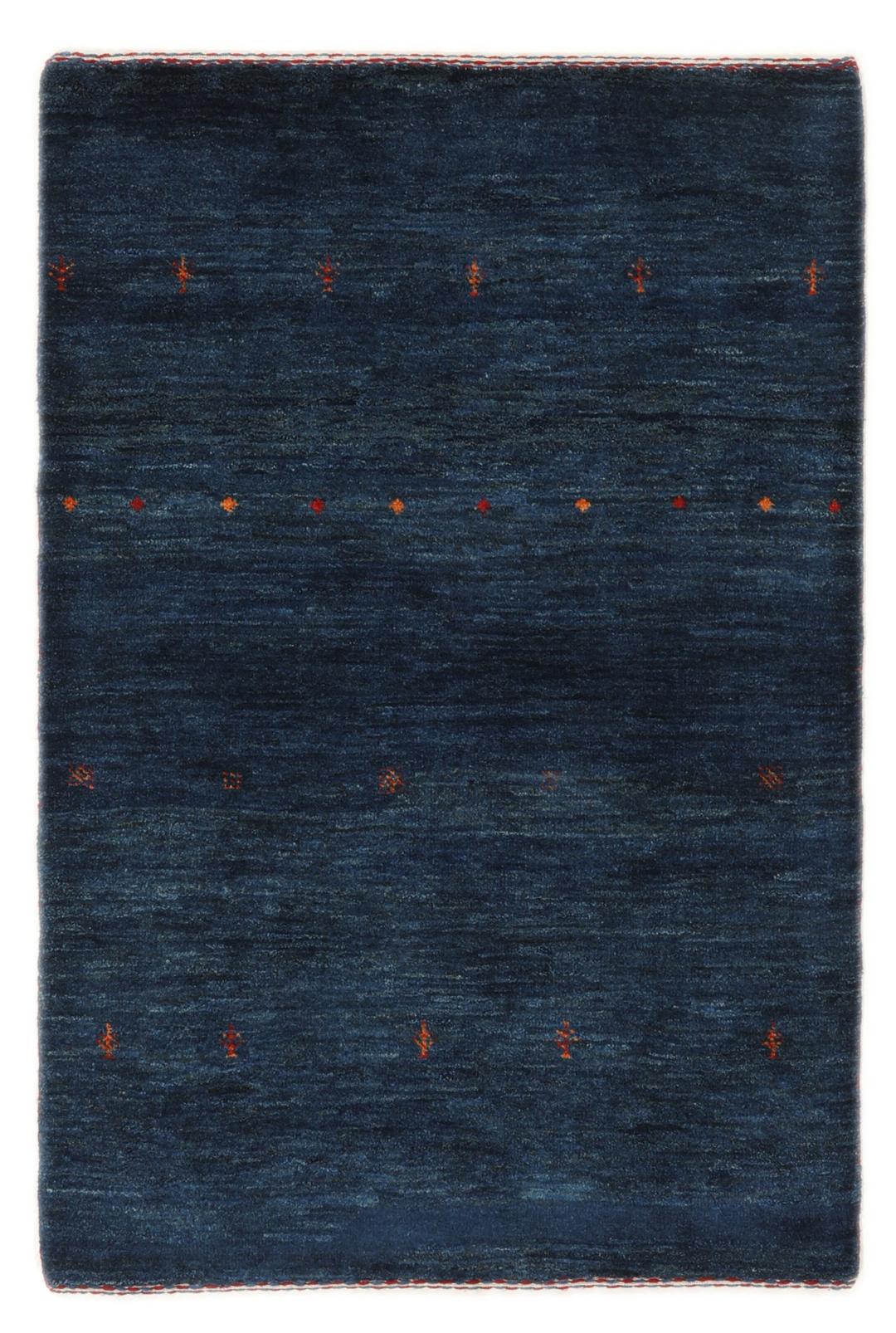
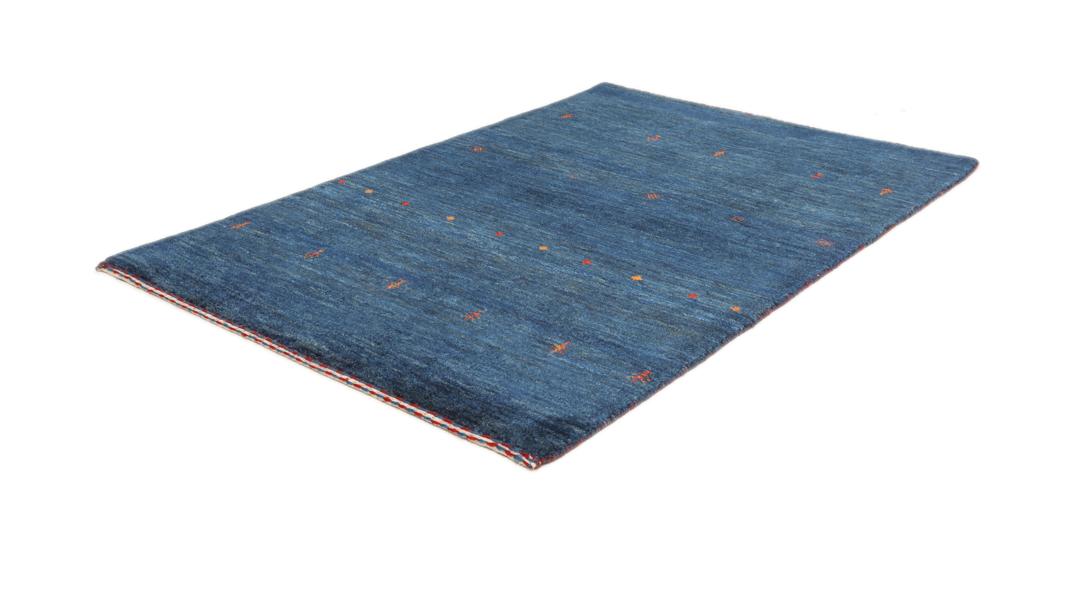
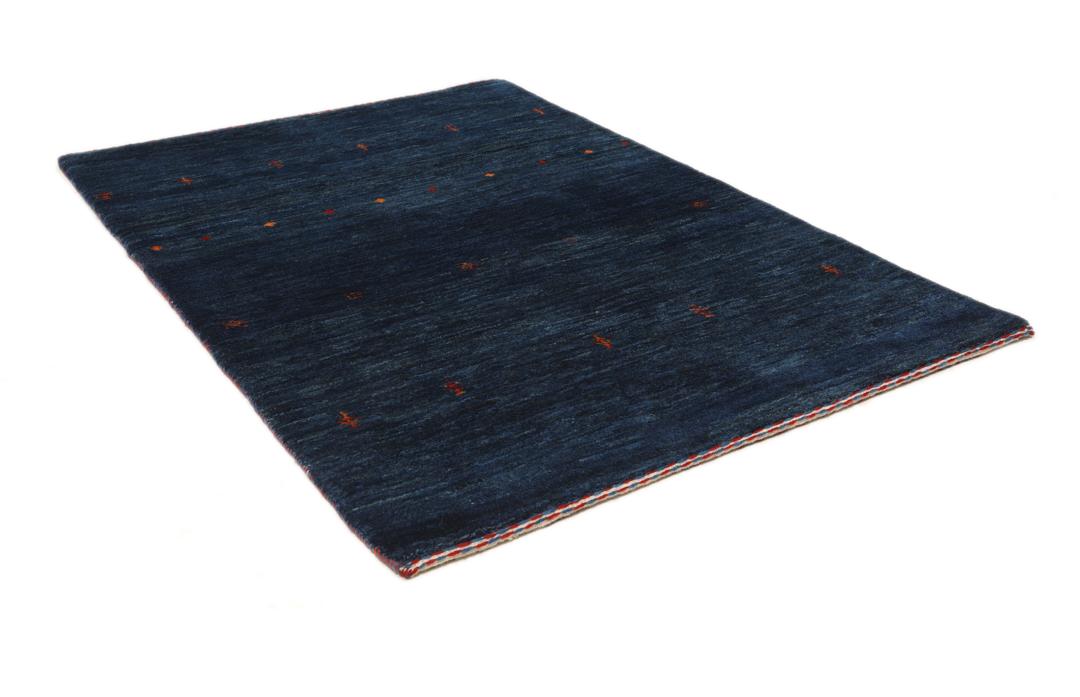
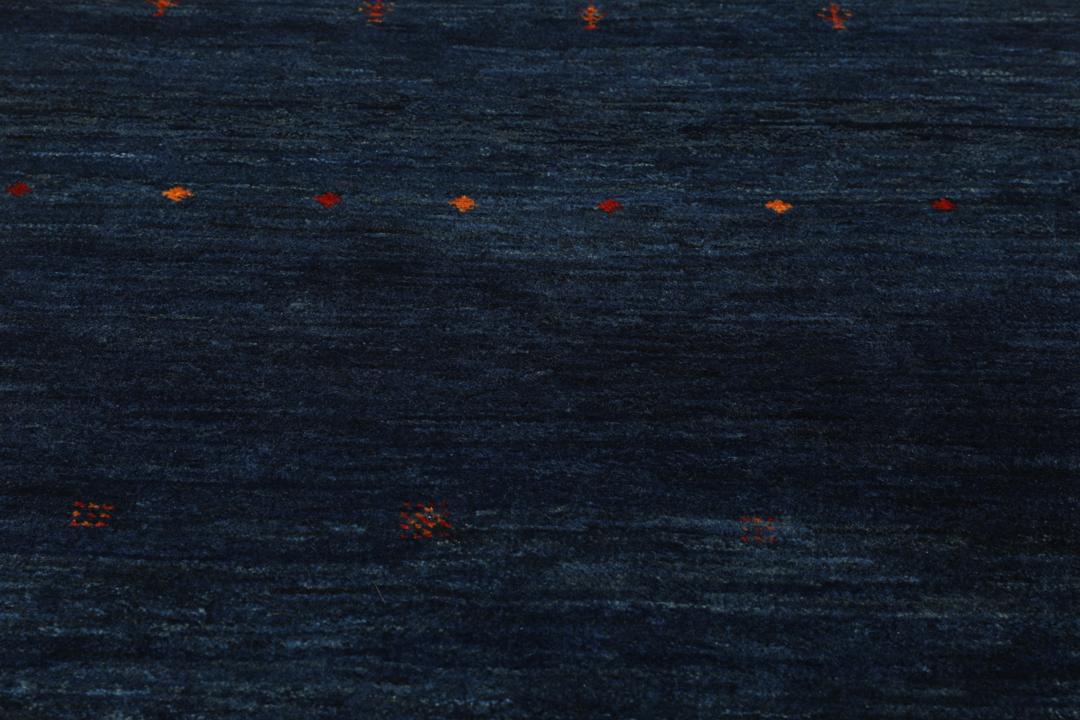
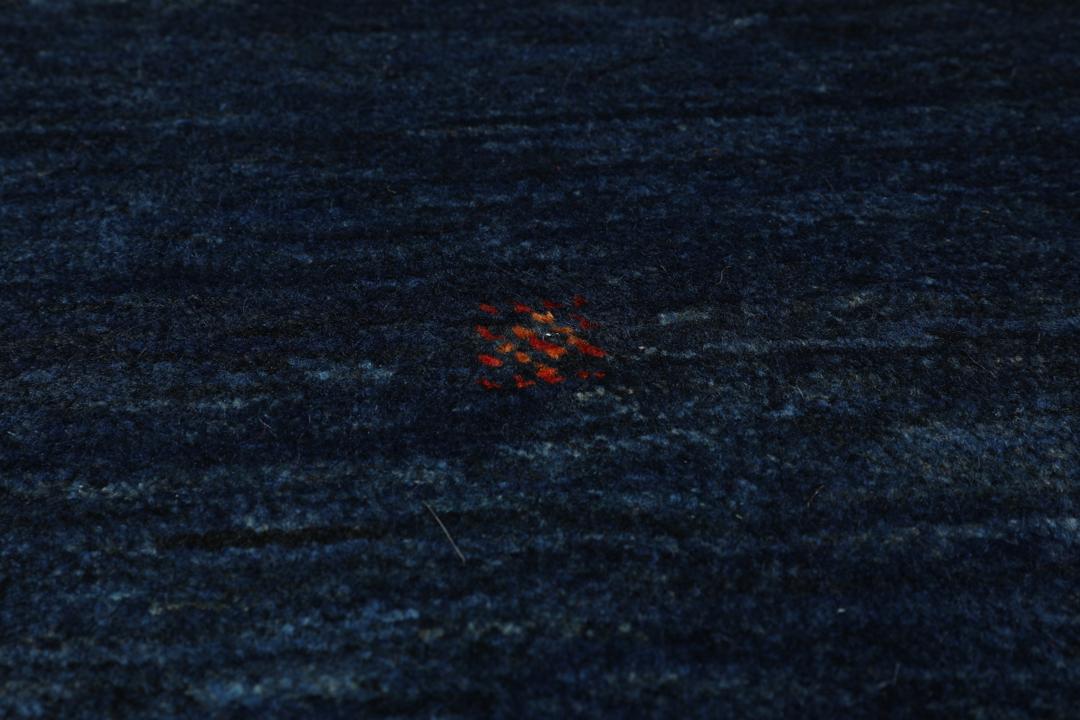
Visually, these rugs are known for their minimalist approach compared to more formal, intricate styles. They often feature open, expansive fields of colour, punctuated by small, stylised motifs that draw inspiration from the natural world and tribal symbols. The use of negative space is a key design element, allowing the quality of the wool and the depth of the dye to take centre stage.
Collectors value Loribaft rugs for their authentic connection to tribal heritage and the human story behind every knot. Owning one is an opportunity to preserve a piece of a long-standing craft tradition that celebrates the beauty of simplicity, skill, and the enduring nature of hand-made textiles.