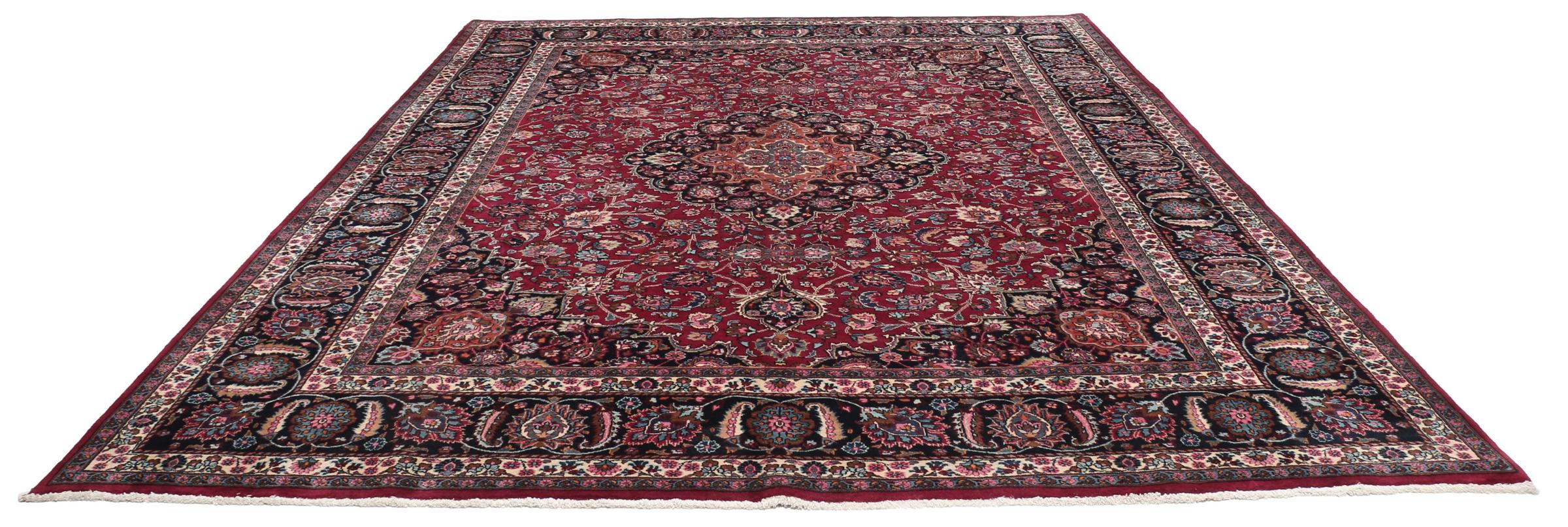
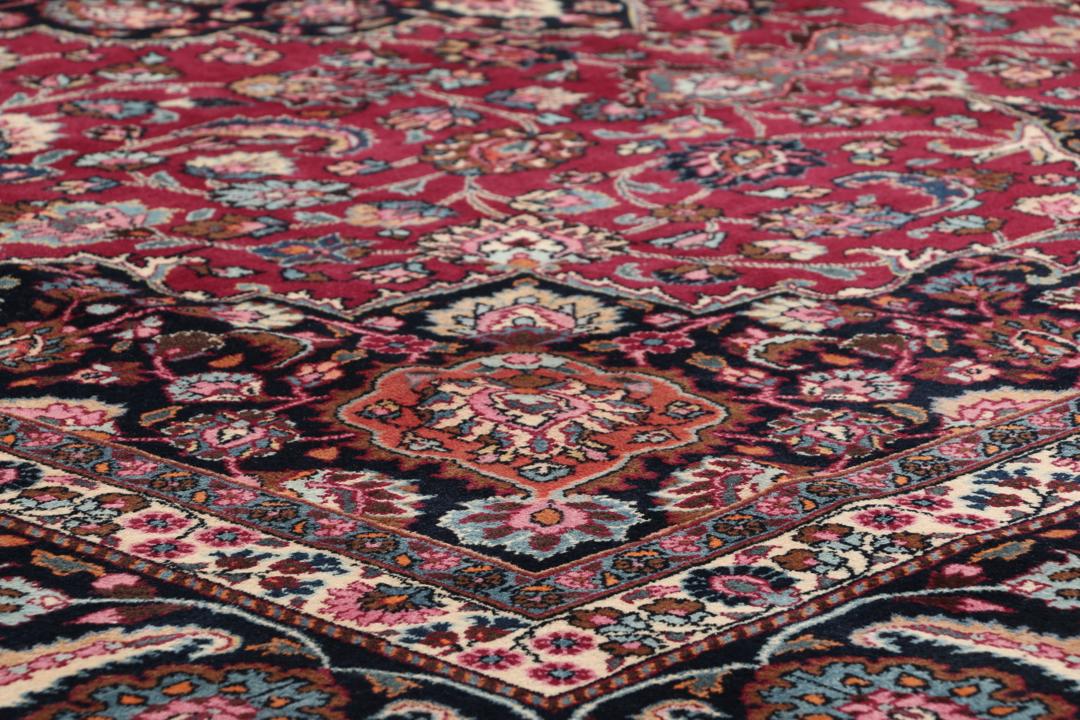
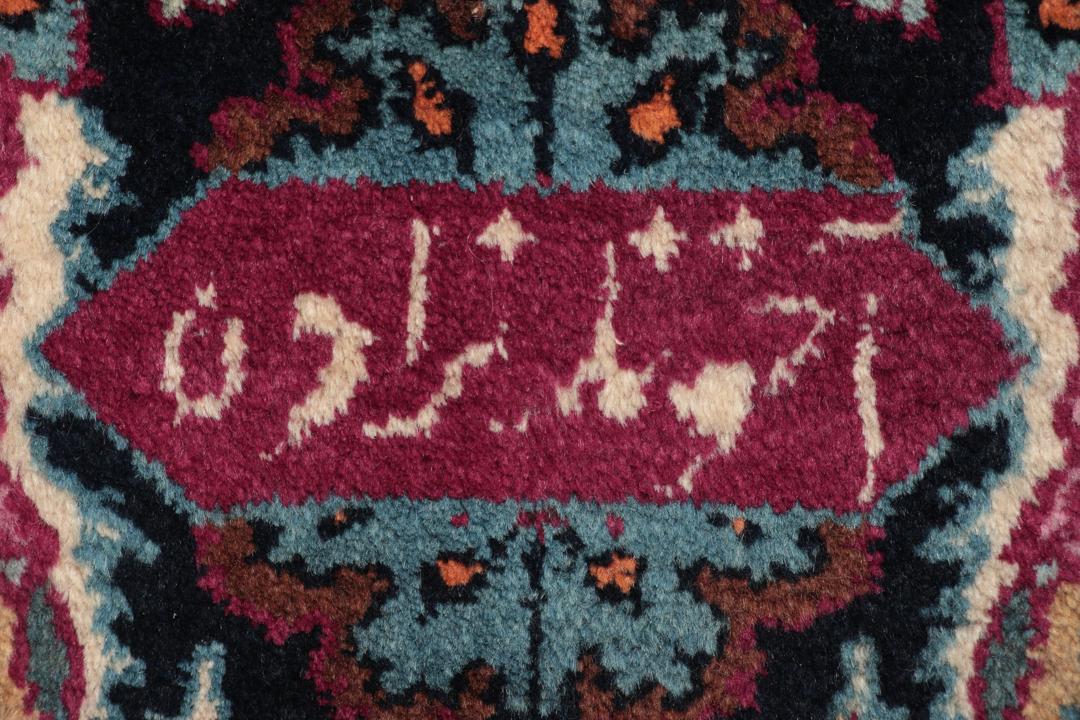
Mashad rugs originate from one of the most important religious and cultural centres in the Middle East, located in the northeastern part of the region. Historically, this city has been a hub for the finest rug production for centuries, known for attracting master weavers who have refined the art of dyeing and knotting to an exceptional degree.
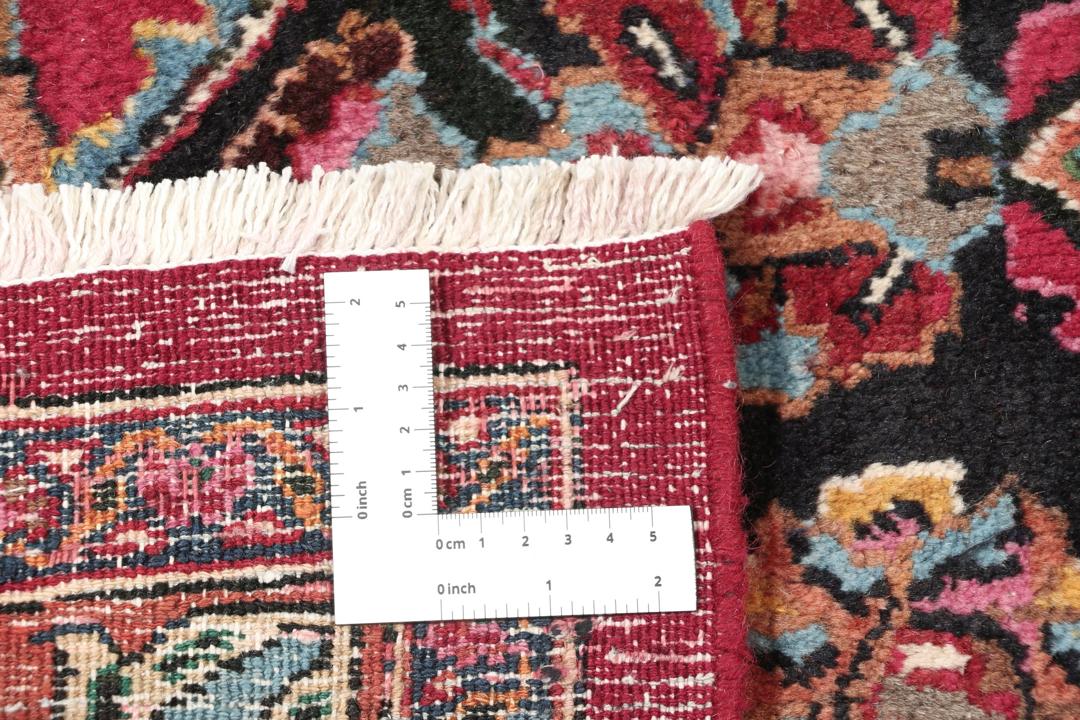
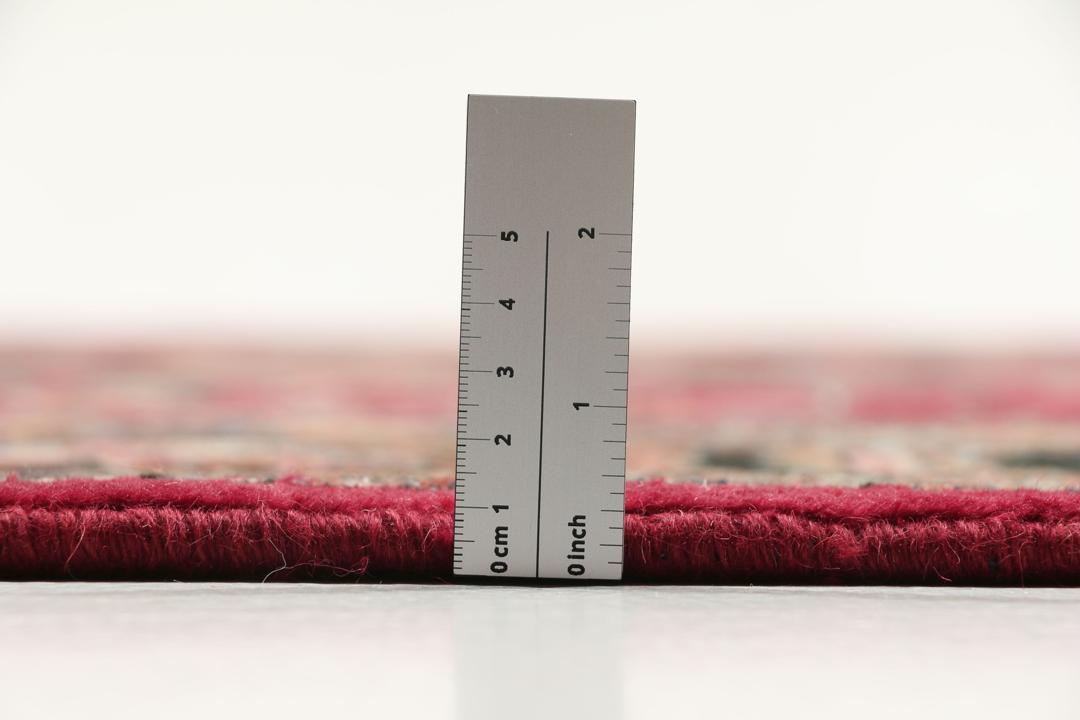
The term Mashad refers to both the city and the distinct style of rug produced there, which is often characterised by its use of high-quality wool and a specific, balanced approach to design. These rugs are highly regarded for their durability, a quality achieved through the careful selection of materials and a rigorous, time-tested knotting technique that ensures the pile remains dense and vibrant over decades of use.
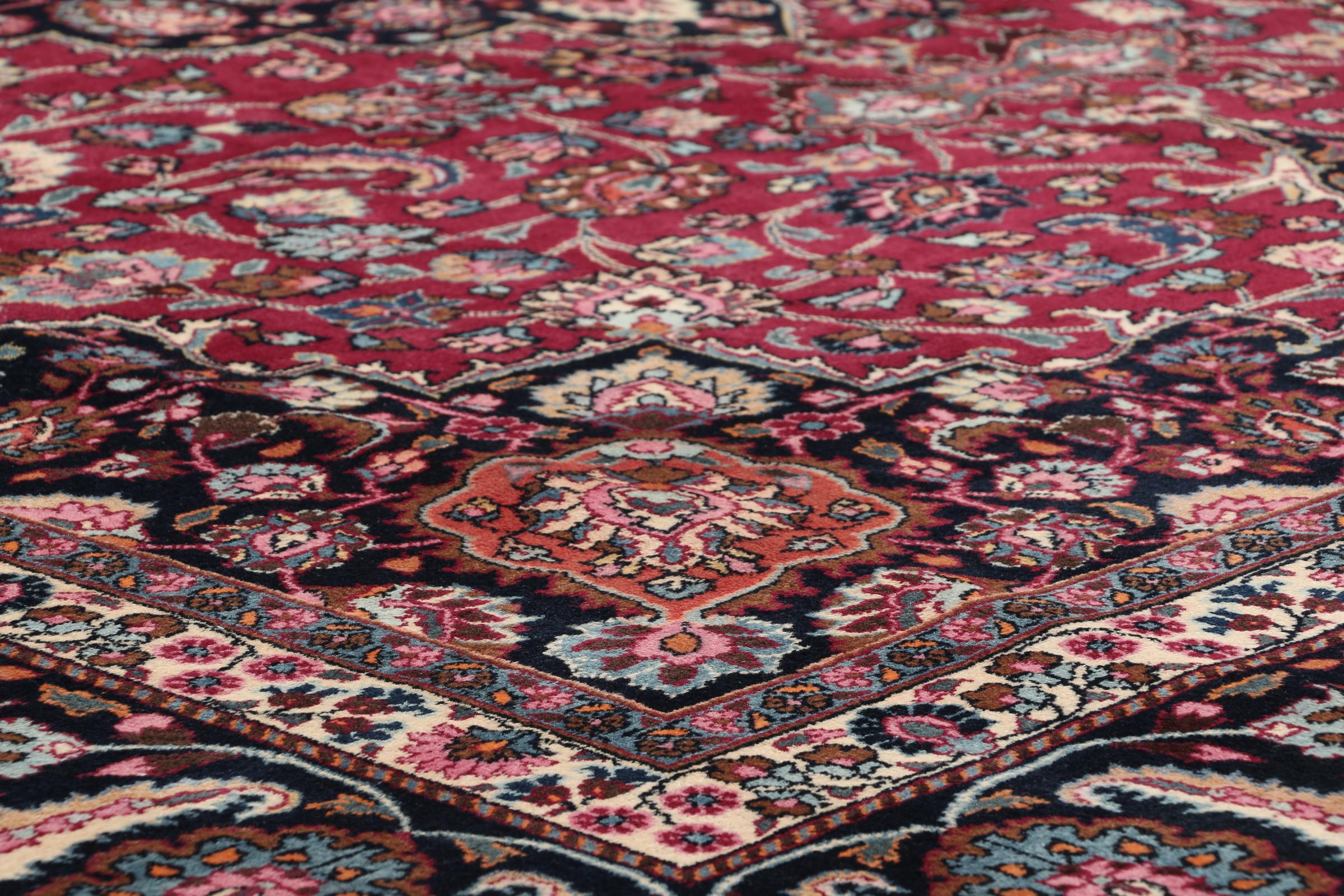
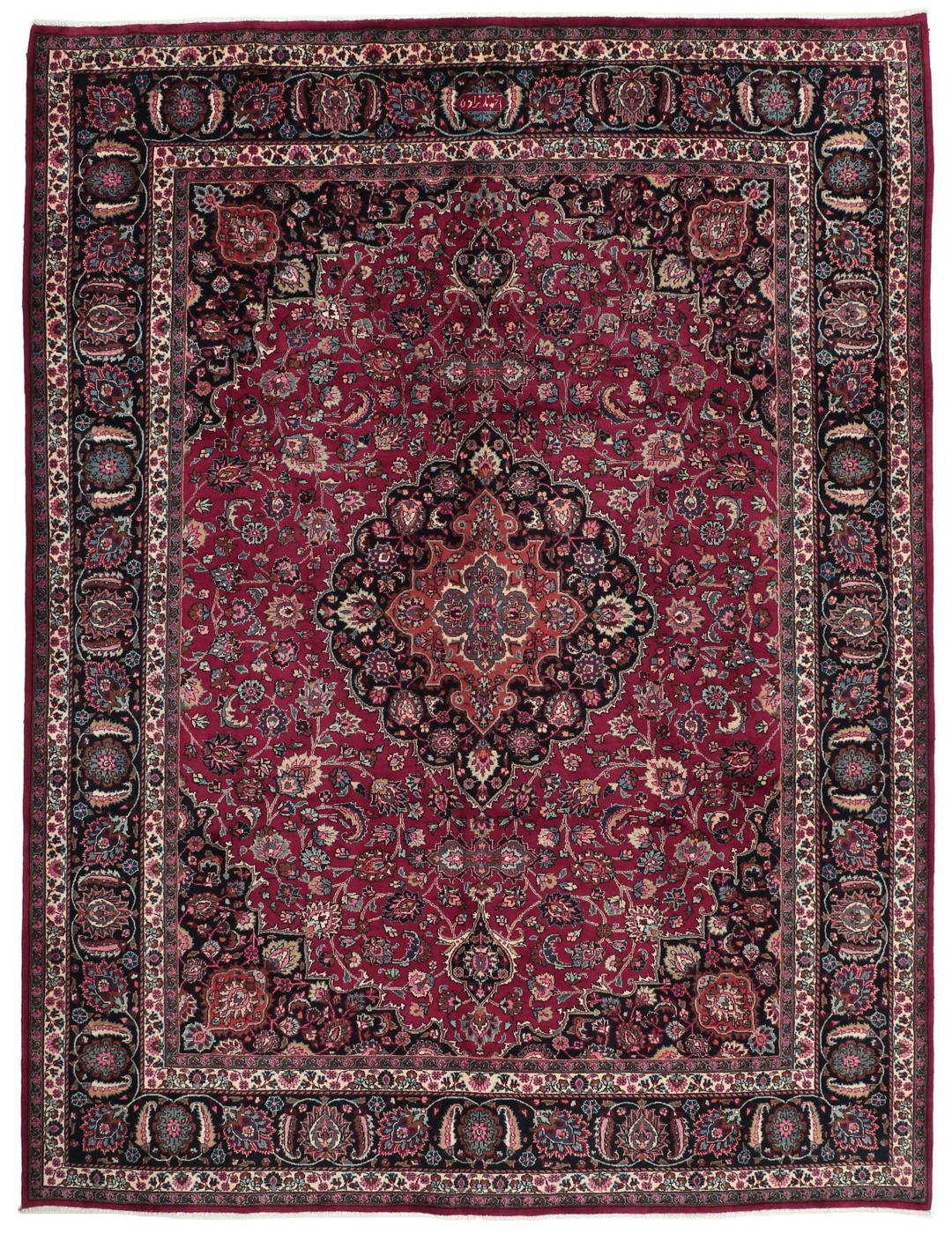
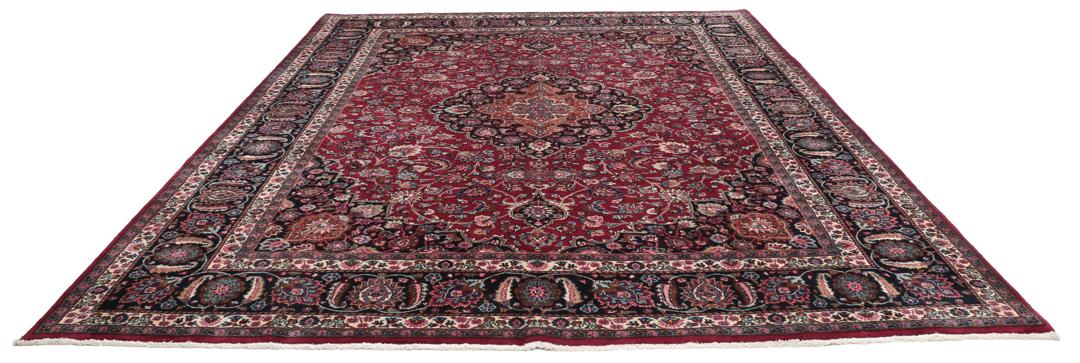
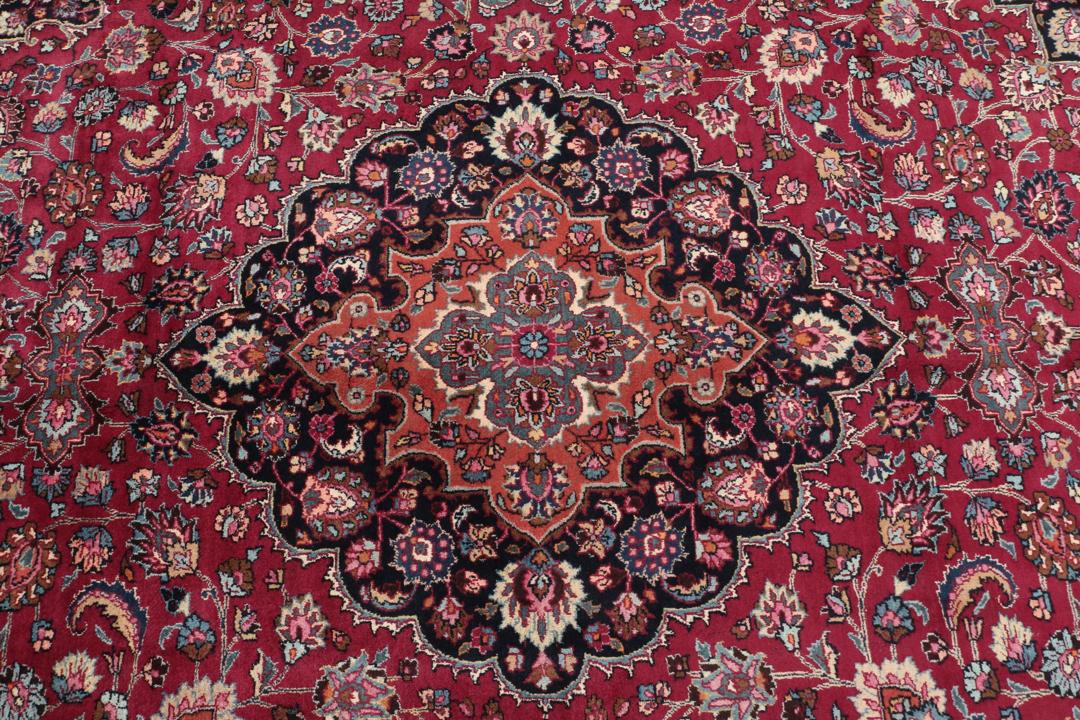
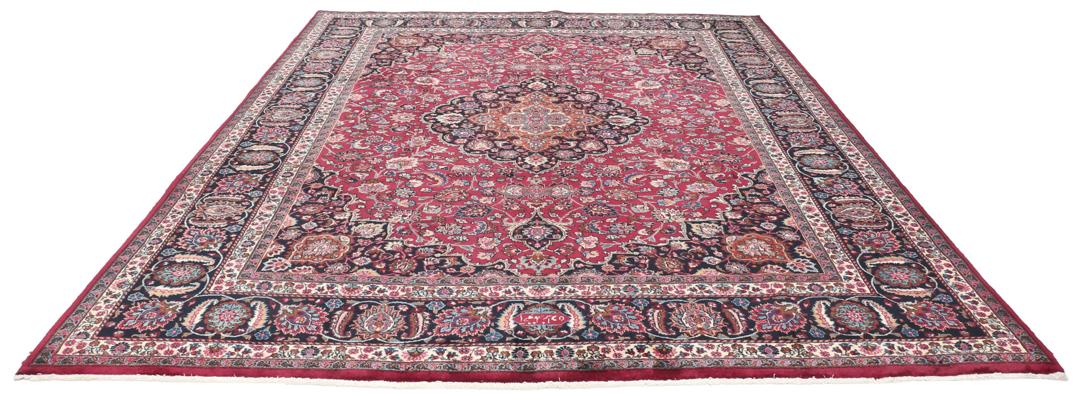
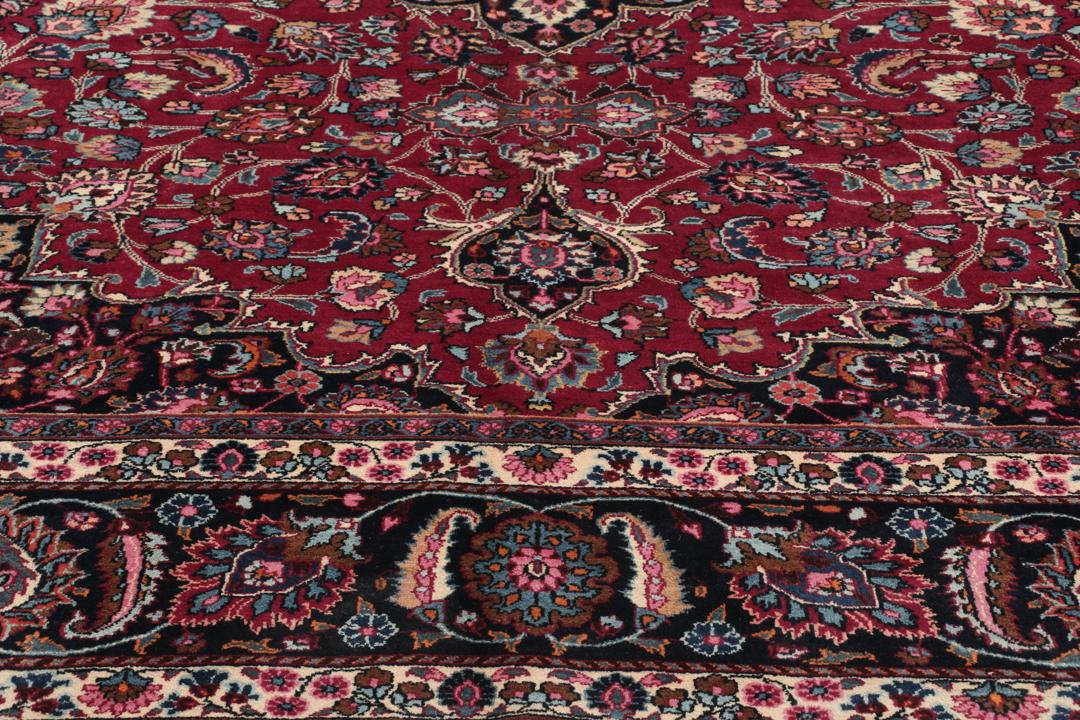
Visually, these rugs are often defined by a central medallion surrounded by a sea of intricate floral scrolls and arabesques. While many feature a classic dark-red or crimson field, the artistry lies in the harmonious contrast between the background and the detailed borders, which often feature complementary patterns that frame the composition perfectly.
Collectors value these rugs for their historical significance and the sheer amount of human skill required to produce them. Owning a genuine piece from this tradition is an opportunity to possess a part of a living heritage, as each rug serves as a canvas for the artistic narrative of the region, preserved through generations of weavers.