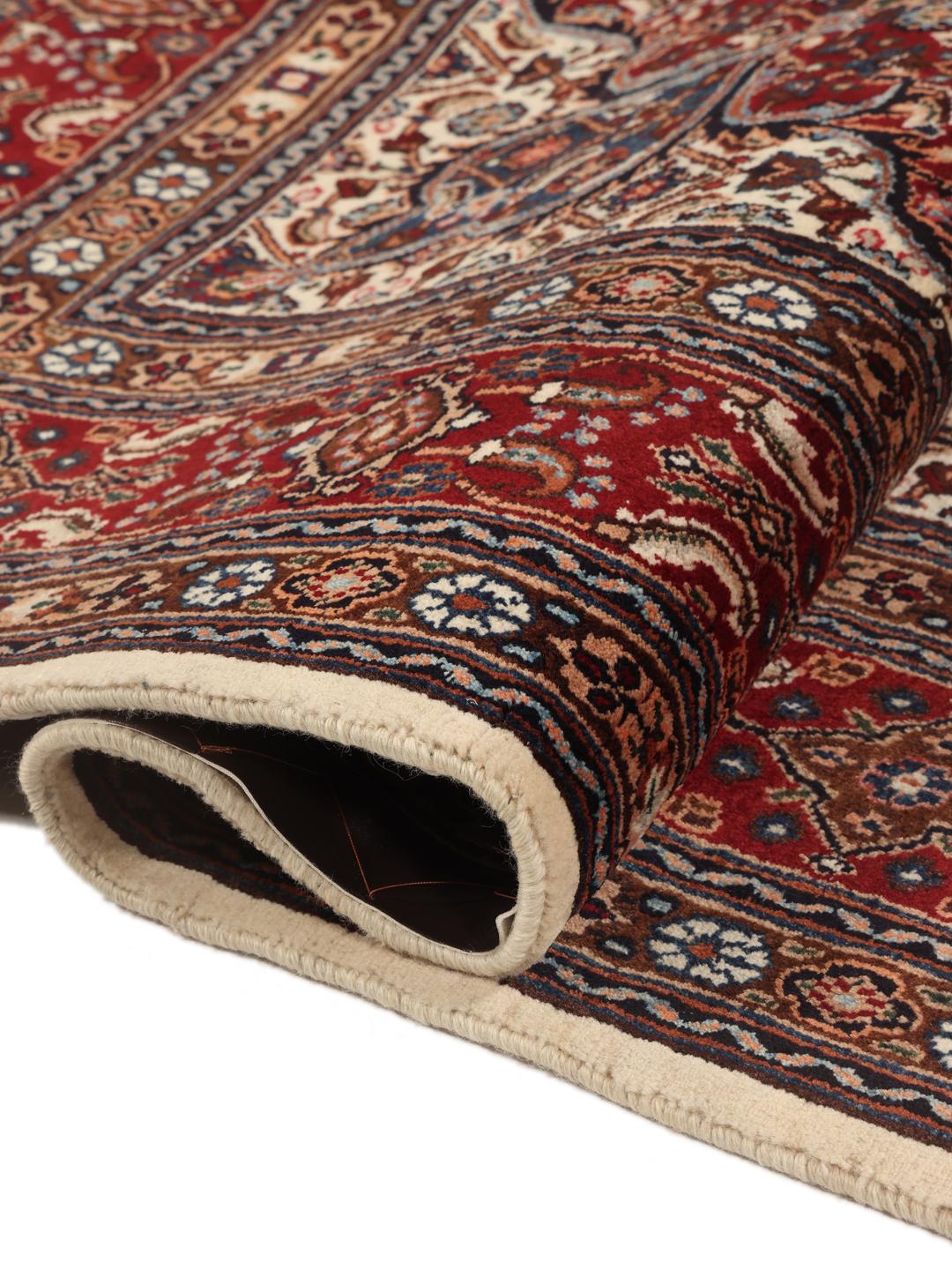
The Moud rug tradition originates from the town of Moud, situated in the eastern part of the Middle East, a region with a storied history of textile production. Historically, this area has been a crossroads of artistic influence, allowing weavers to develop a distinct style that balances traditional motifs with a refined, sophisticated sensibility that is highly prized by collectors.
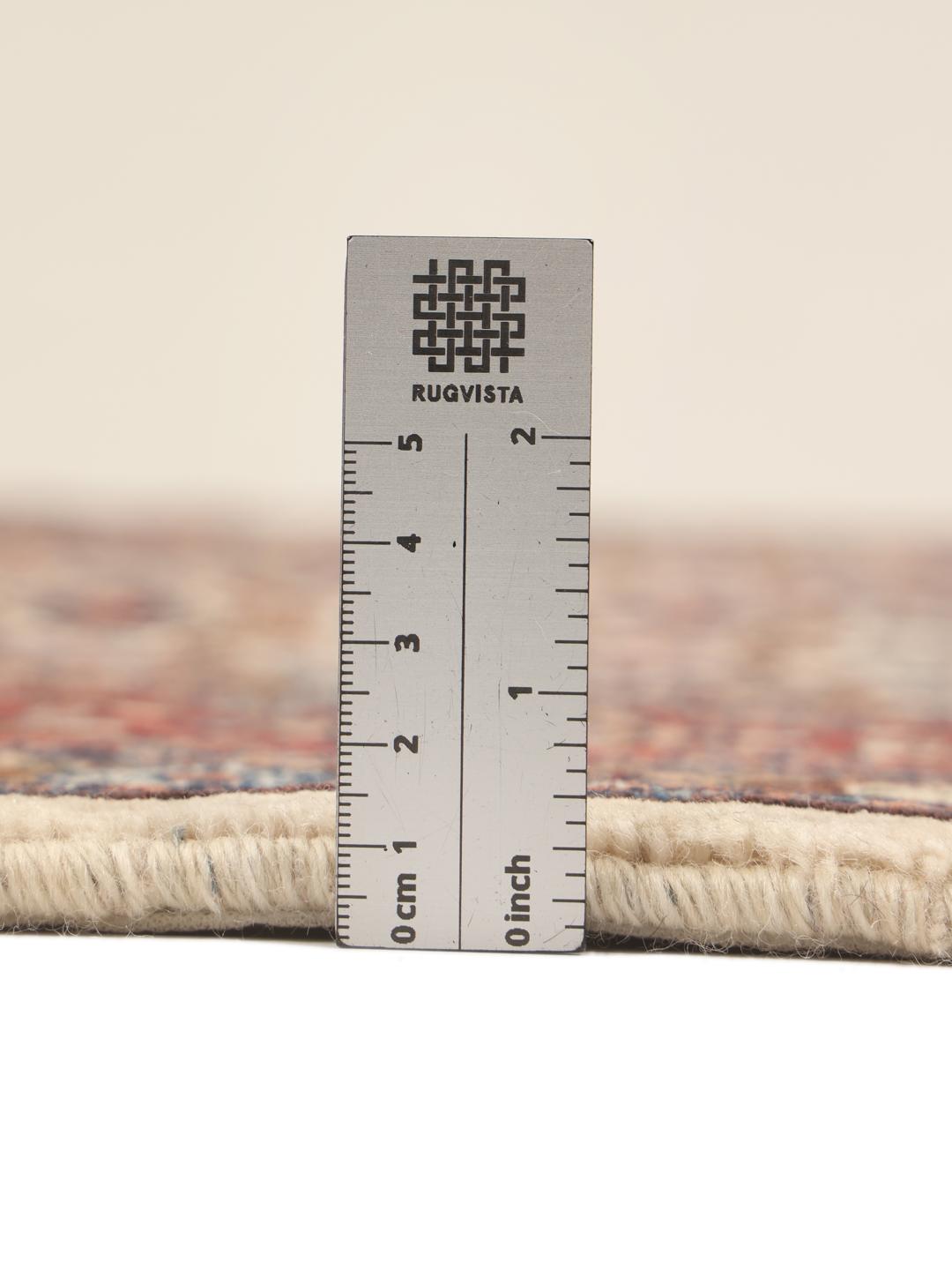
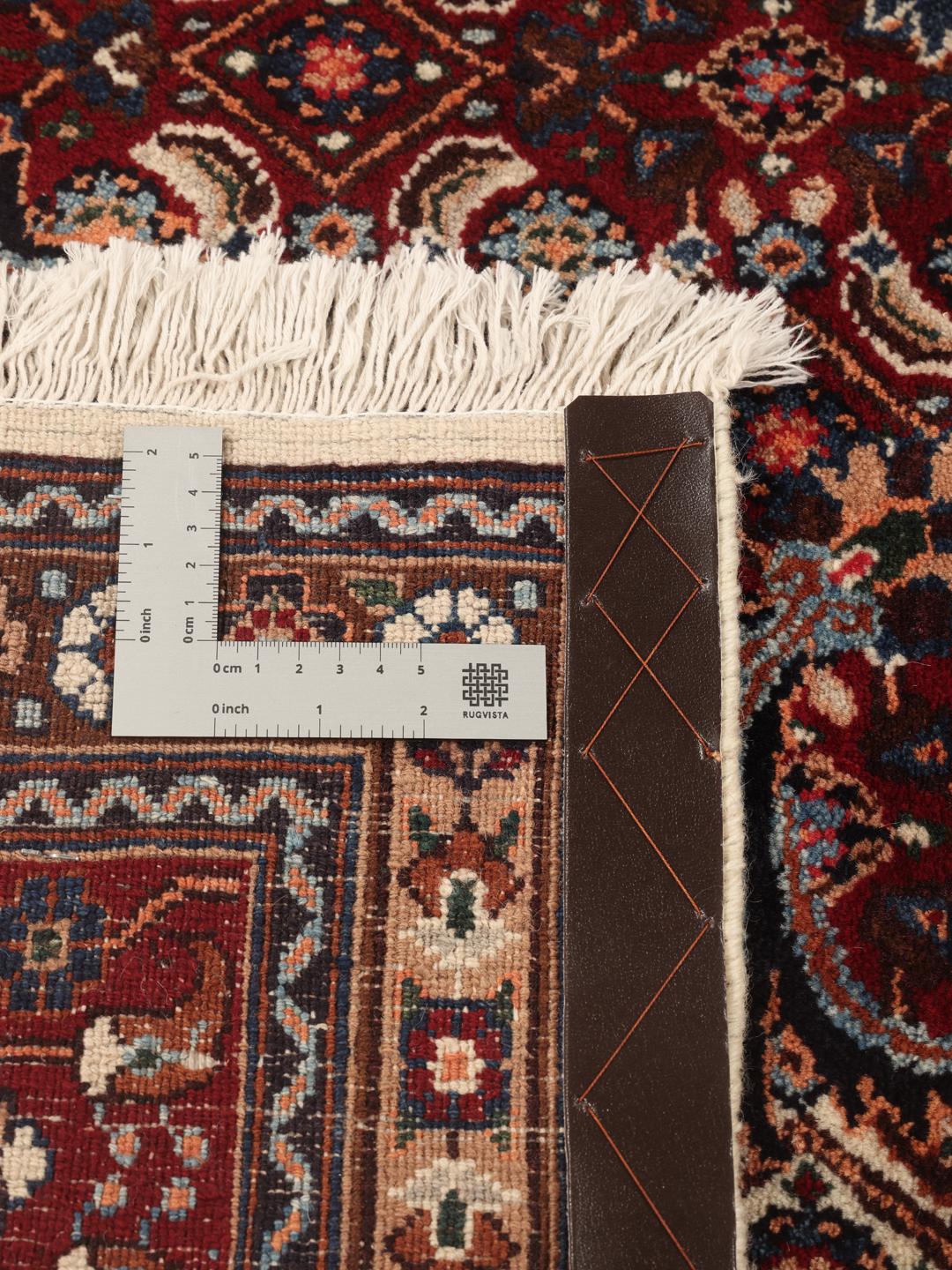
The craftsmanship behind a Moud rug is defined by its specific approach to knotting and material selection. These rugs are traditionally constructed with a focus on durability, often featuring a robust foundation that supports a dense pile. This construction method is not merely for aesthetics but is a functional choice, ensuring the rug remains stable and retains its lustre over decades of use.
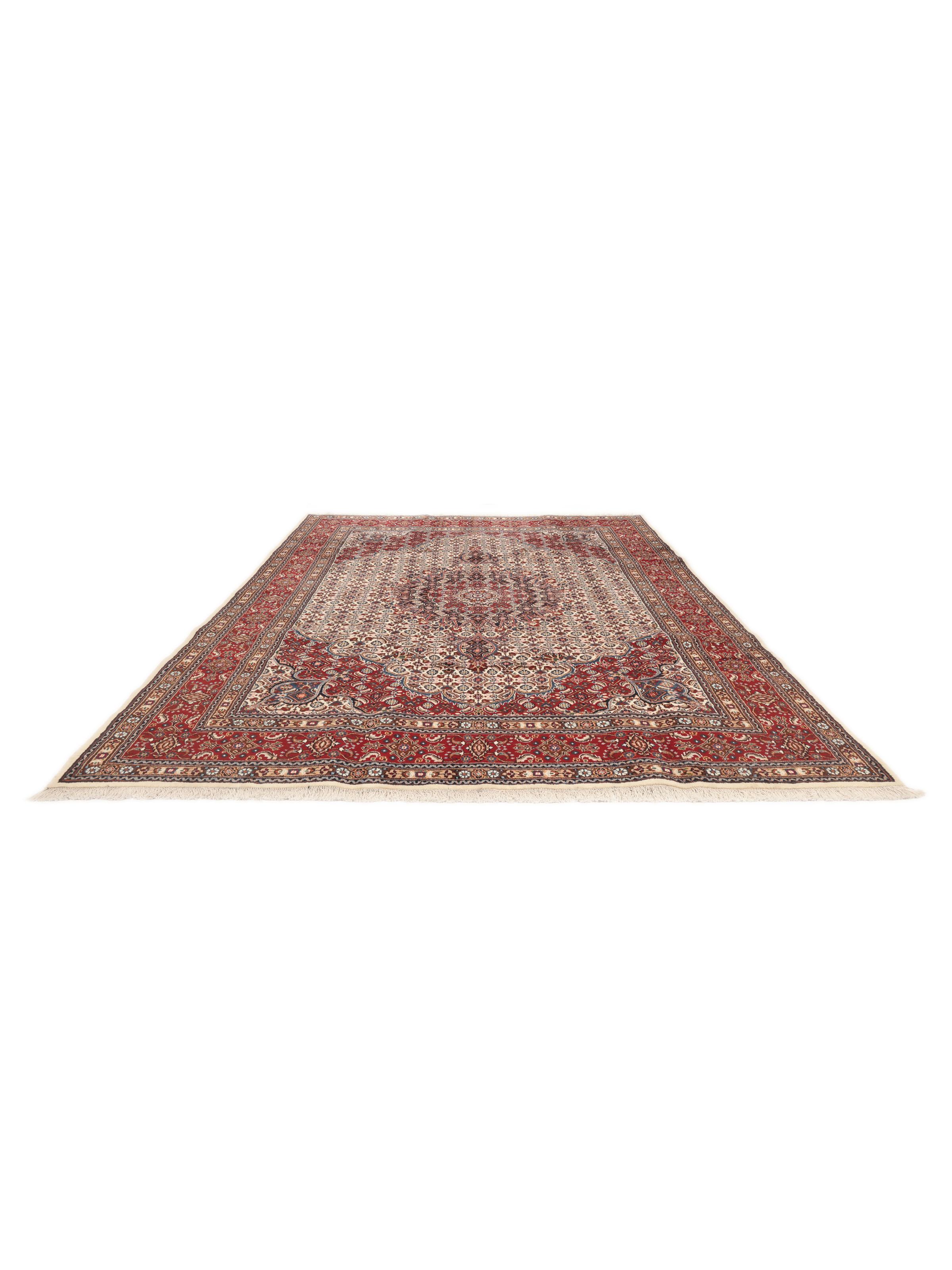
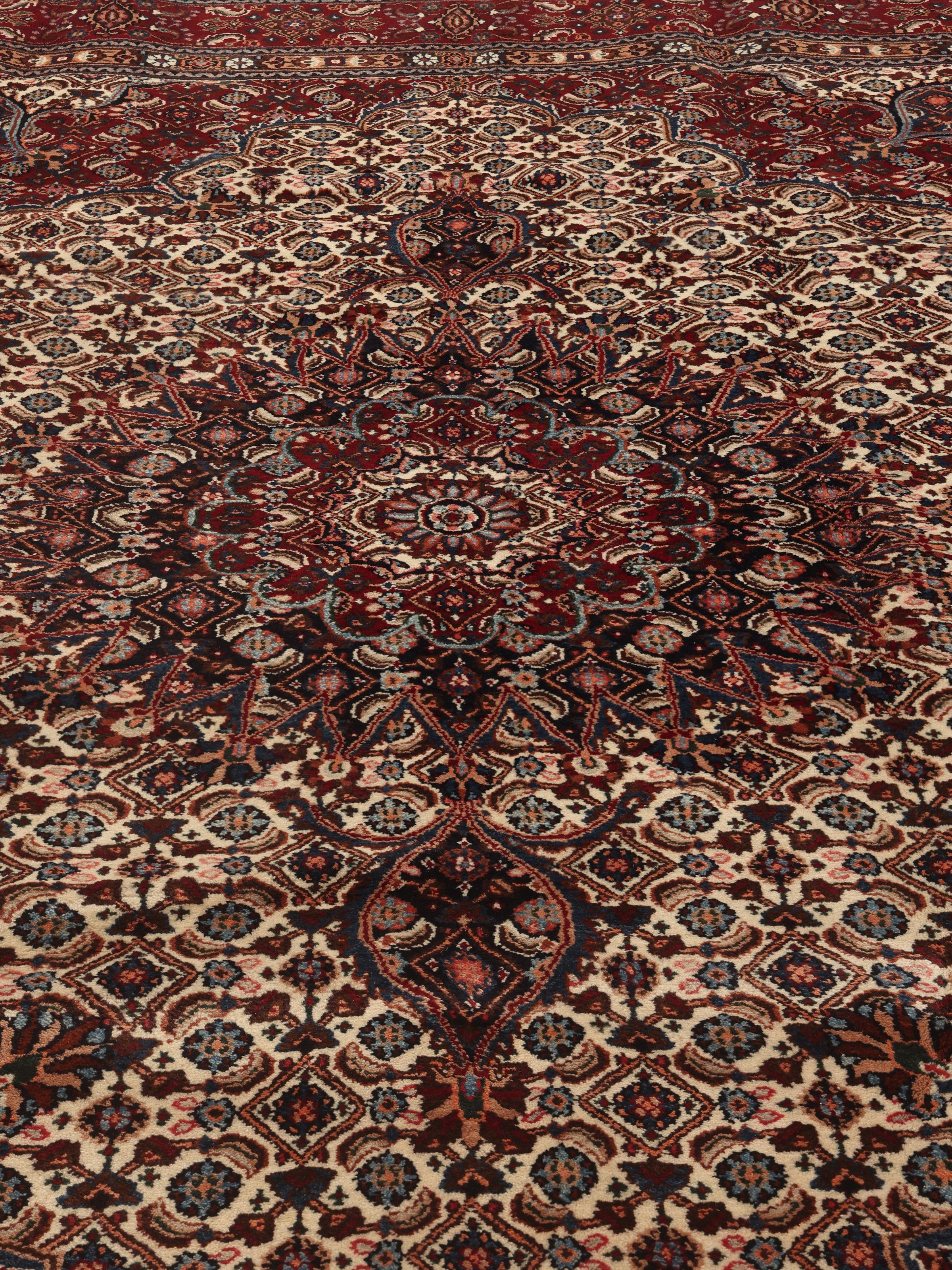
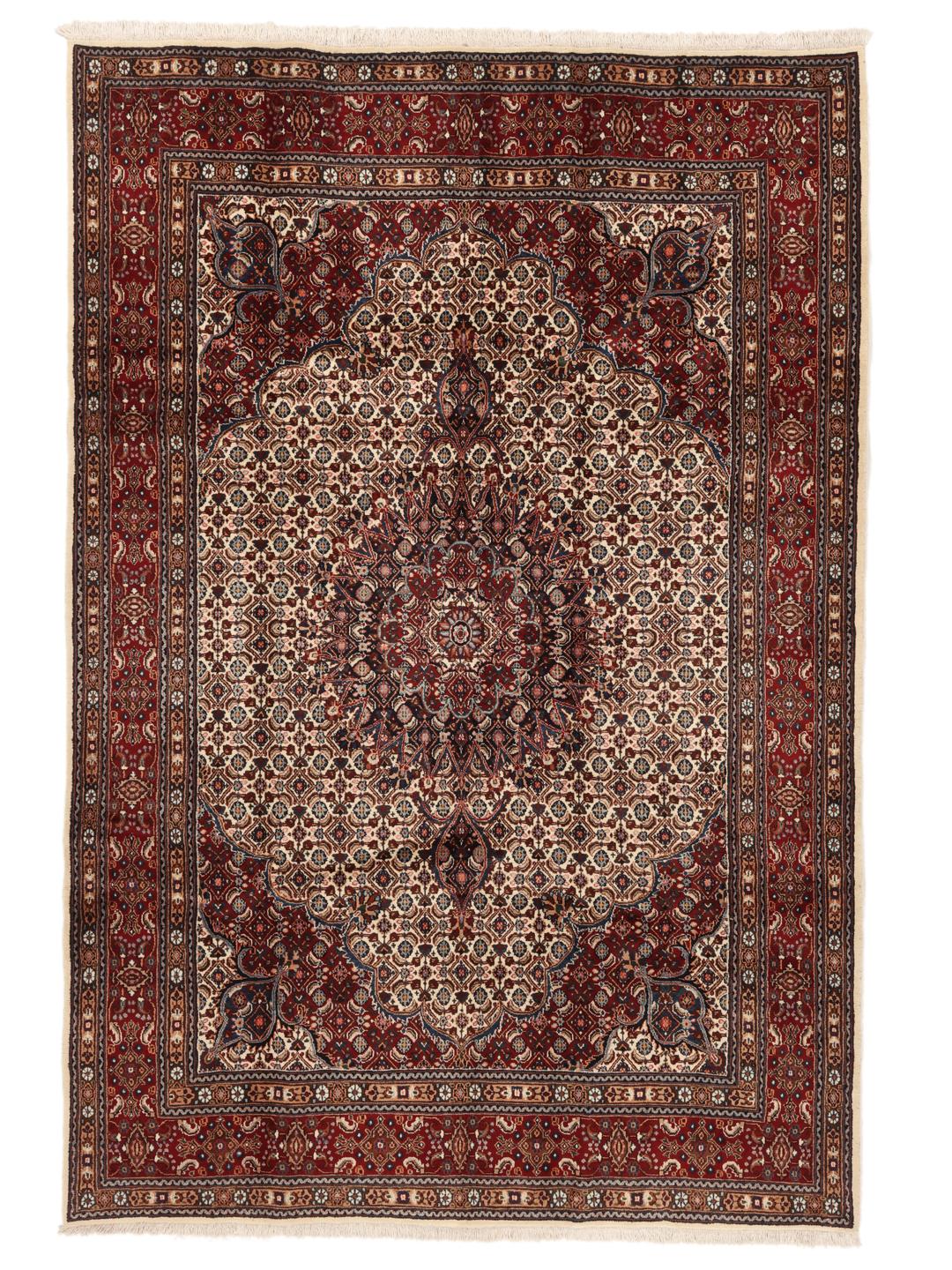
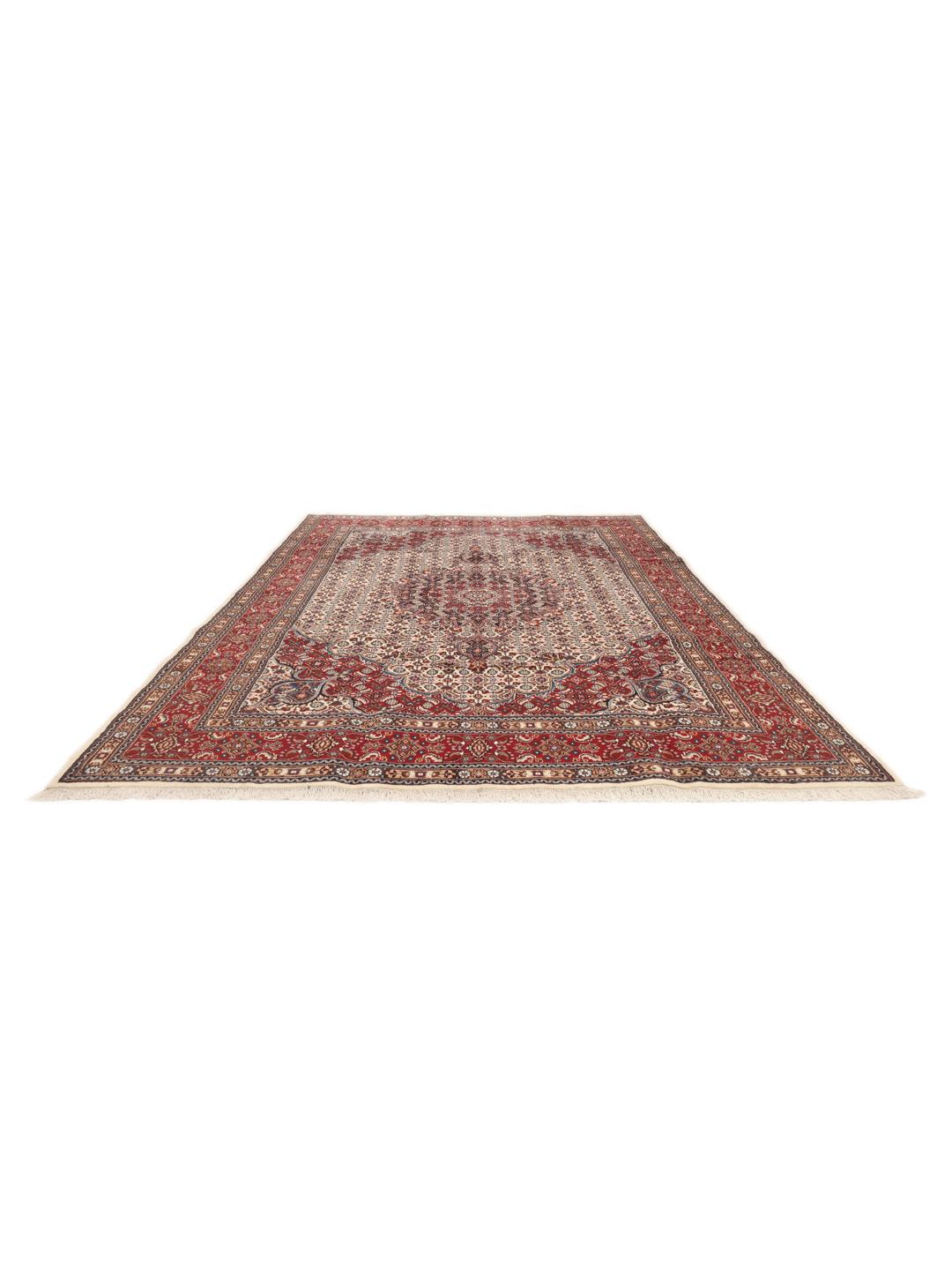
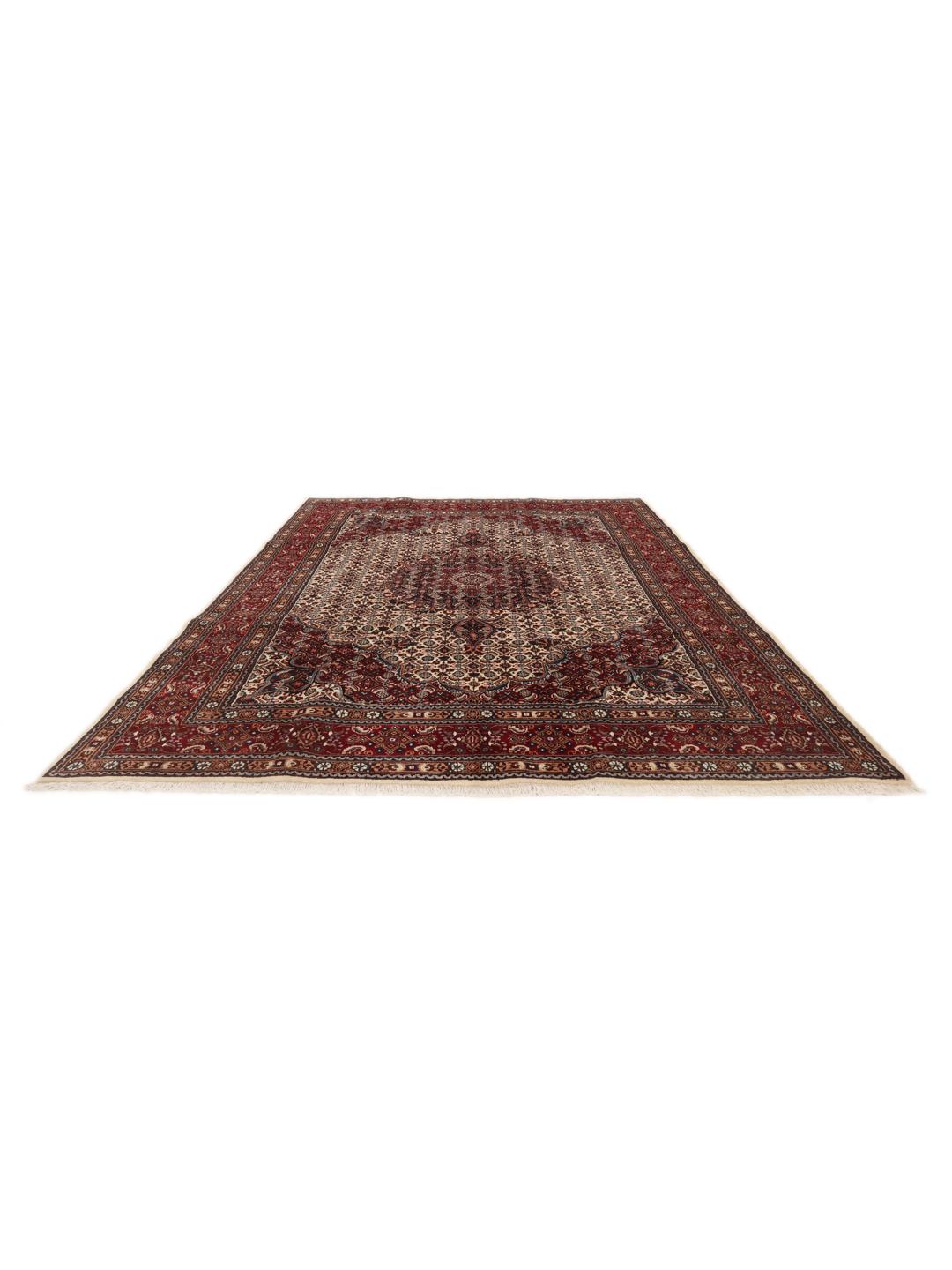
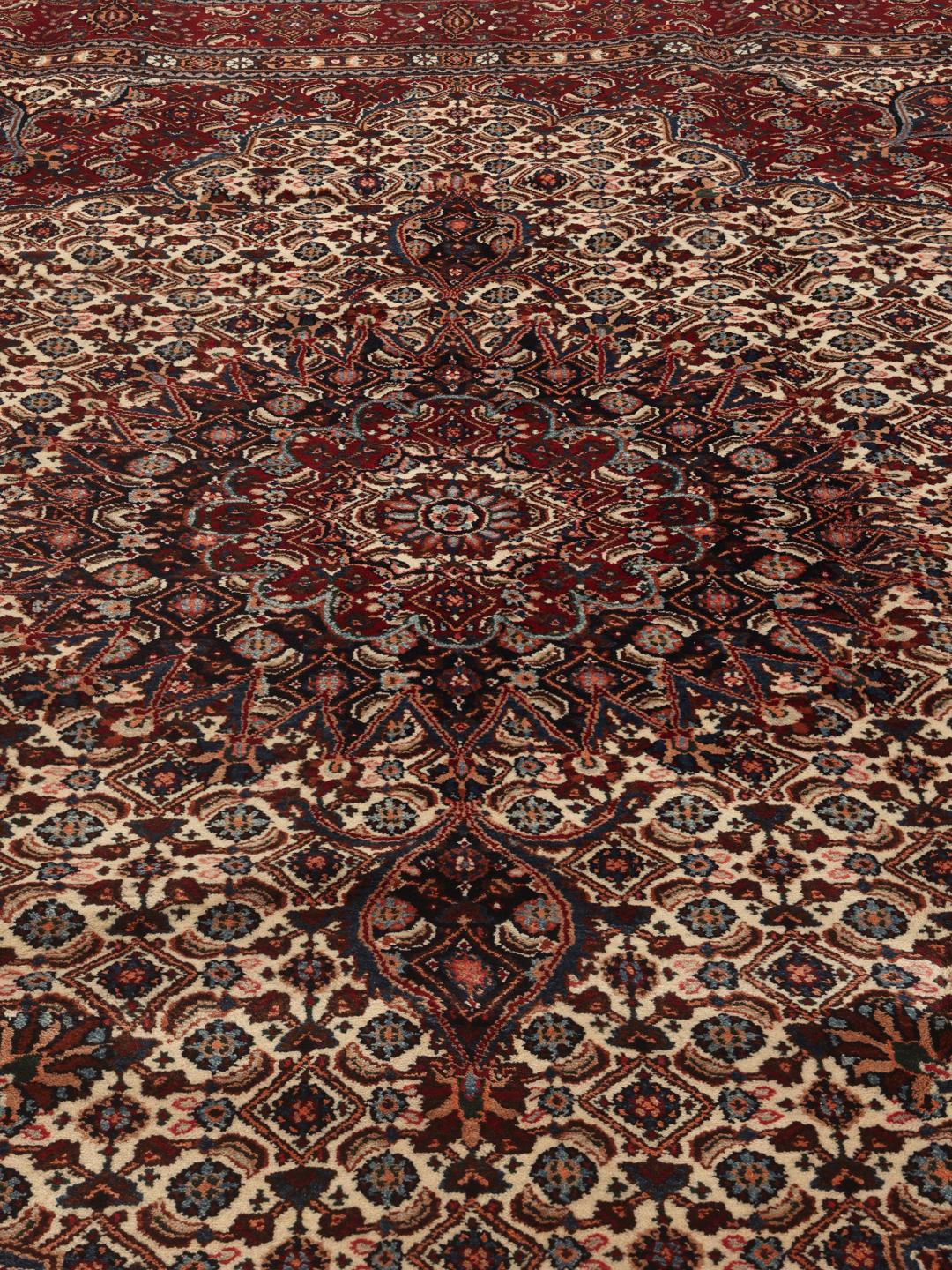
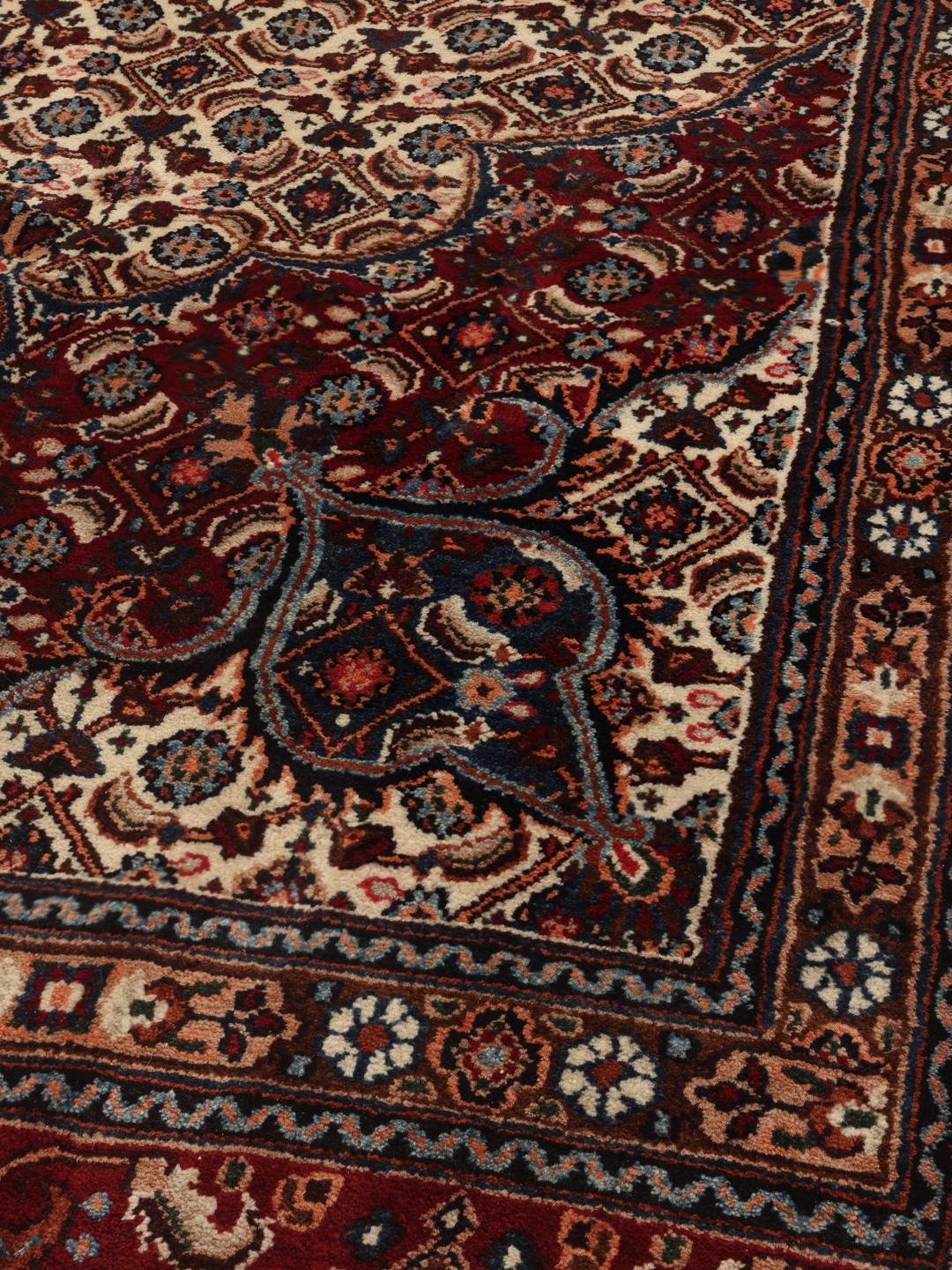
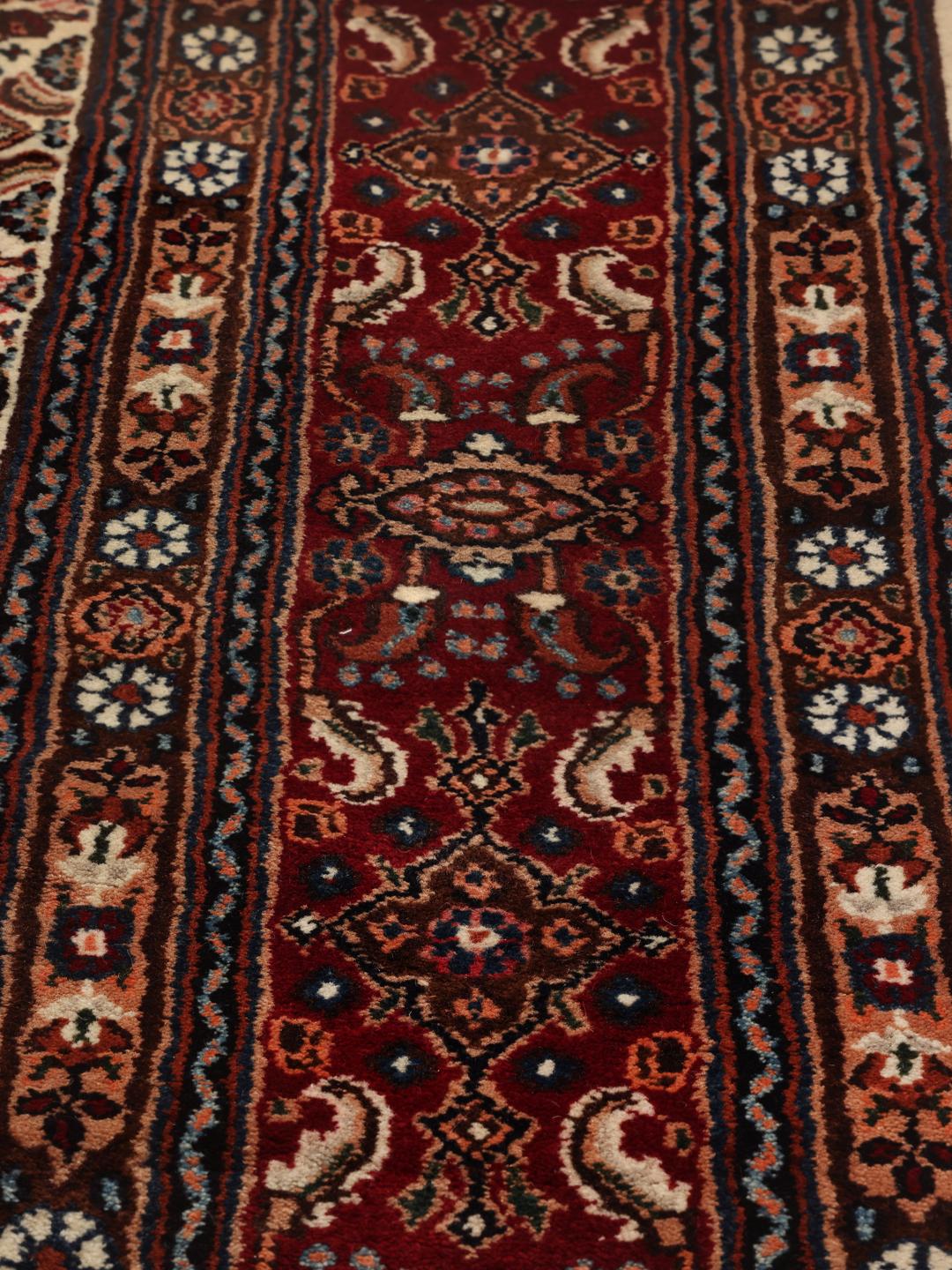
Visually, Moud rugs are celebrated for their elaborate floral designs. A signature element is often the 'Herati' pattern, a repeating motif of a flower enclosed within a diamond shape, sometimes paired with a striking central medallion. The colour palettes tend to be harmonious, often utilising deep reds and soft creams to create a balanced contrast that draws the eye to the complexity of the central field.
Owning a Moud rug is an investment in cultural heritage and skilled labour. These pieces are collected not just for their beauty, but for the story of the artisans who create them and the regional techniques that have been passed down through generations. To possess such a rug is to hold a tangible connection to a rich, enduring craft tradition.