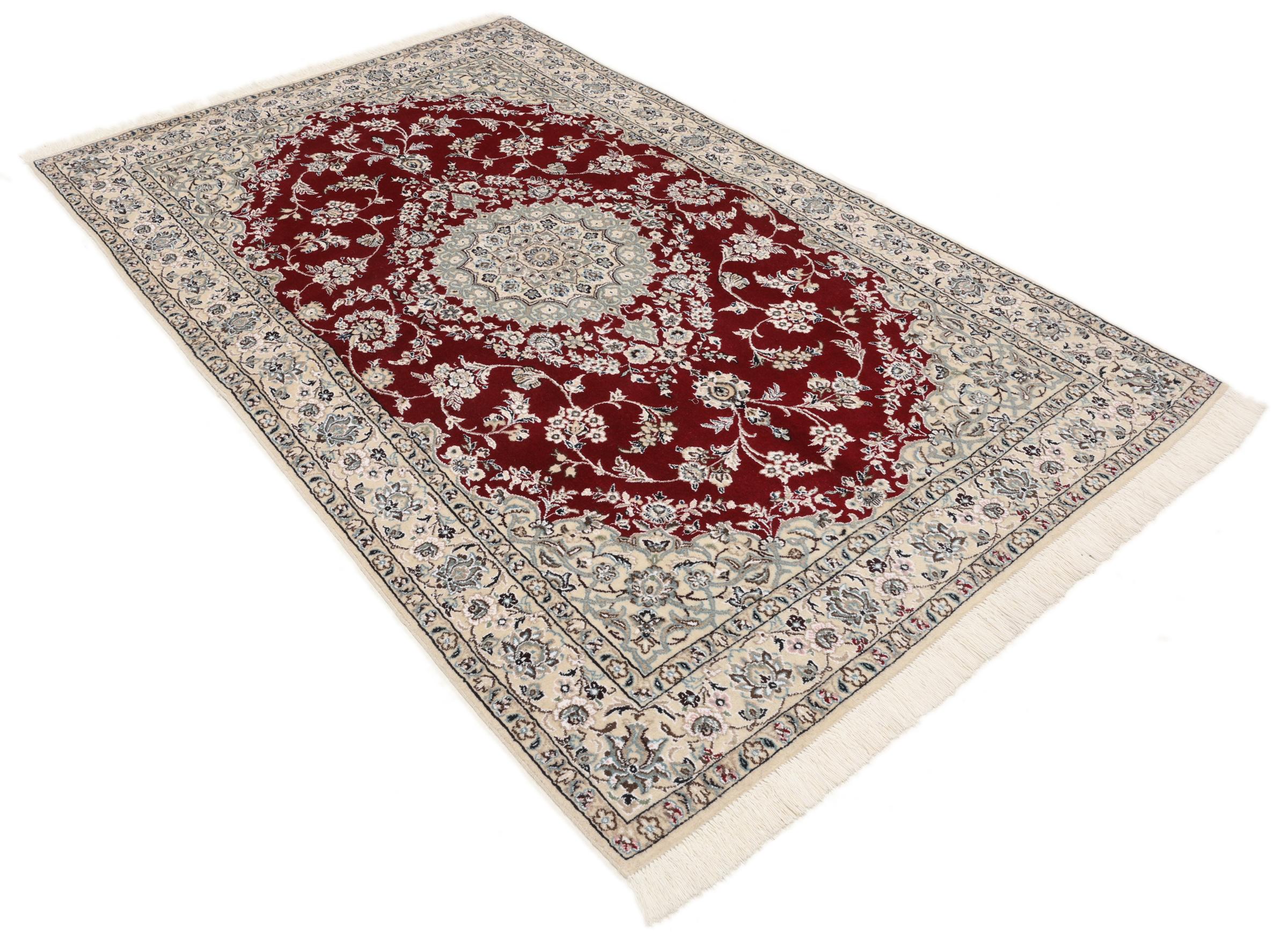
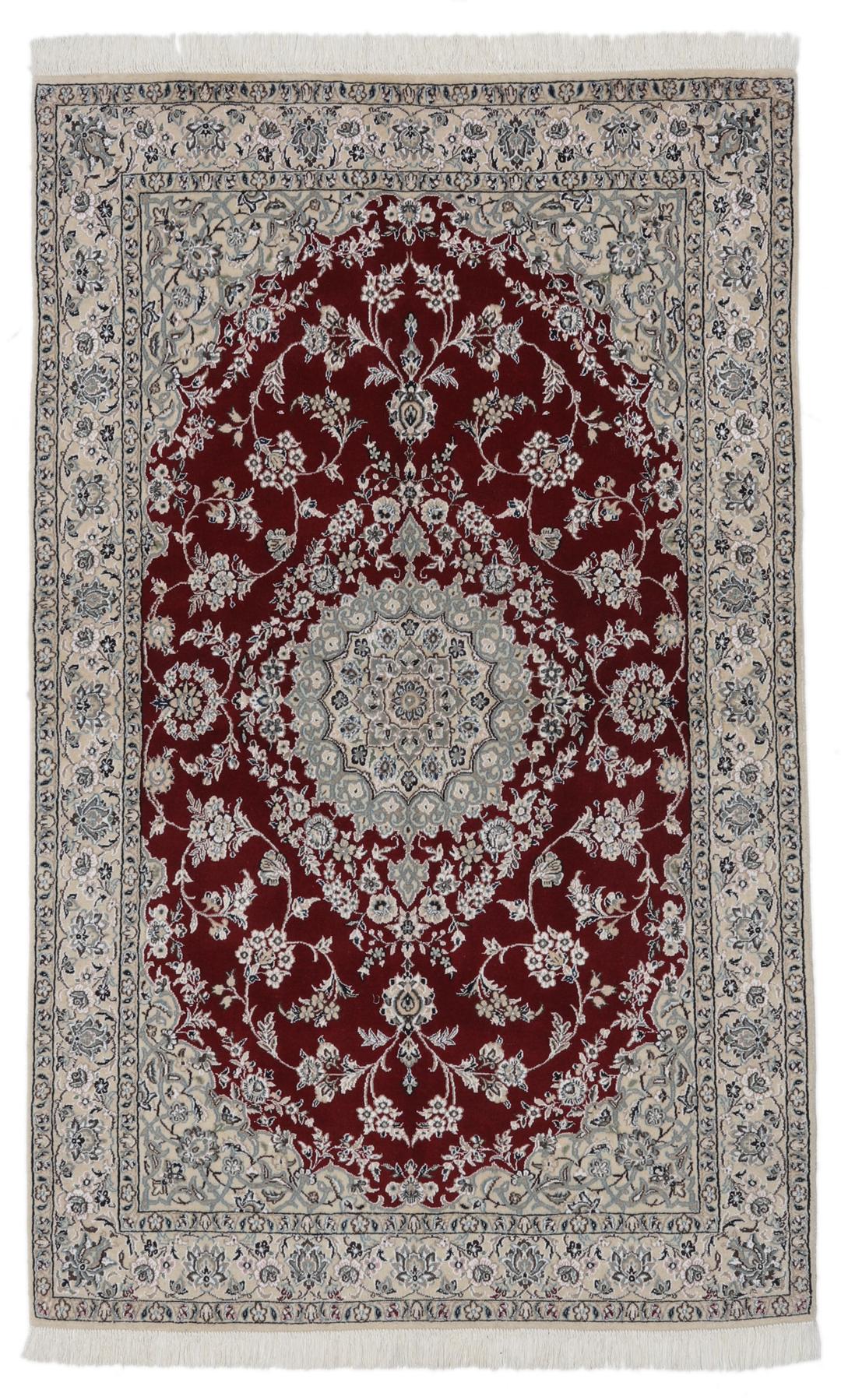
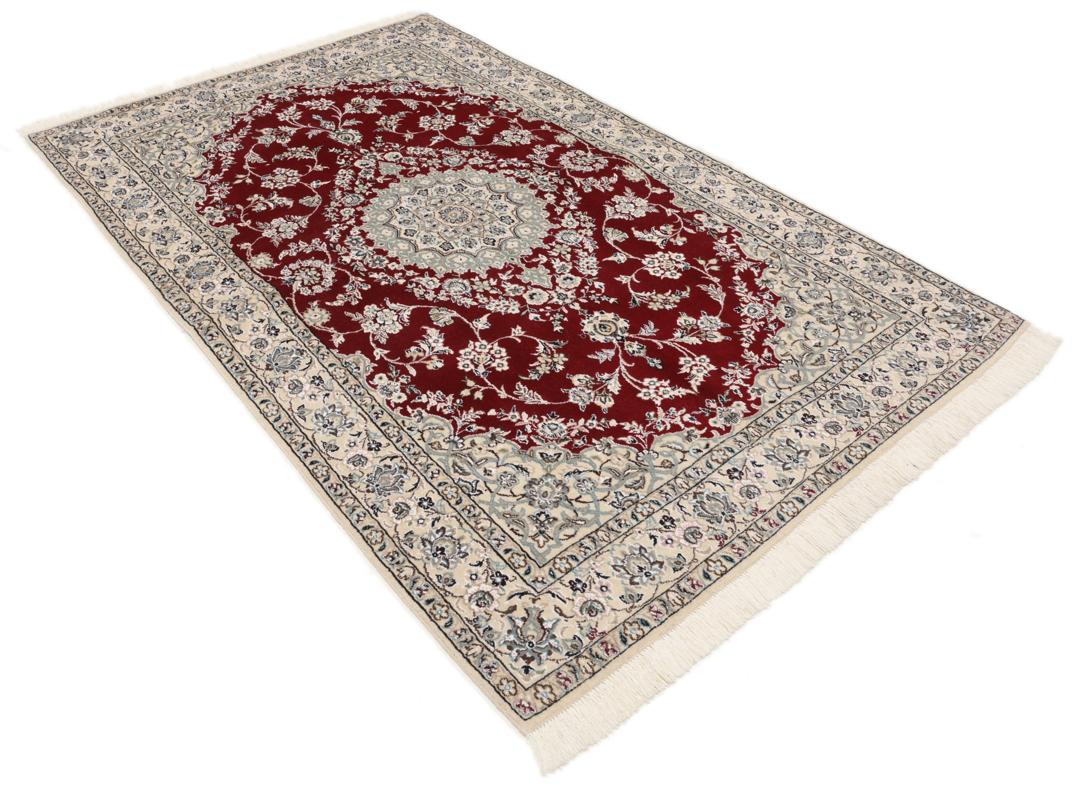
Nain rugs trace their origins to the town of Nain in the Middle East, a city that transitioned from a history of fine textile and garment weaving to become a world-renowned centre for high-quality rug production in the early 20th century. This shift allowed local artisans to apply their sophisticated eye for detail to the medium of hand-knotted rugs, creating a legacy of refinement.
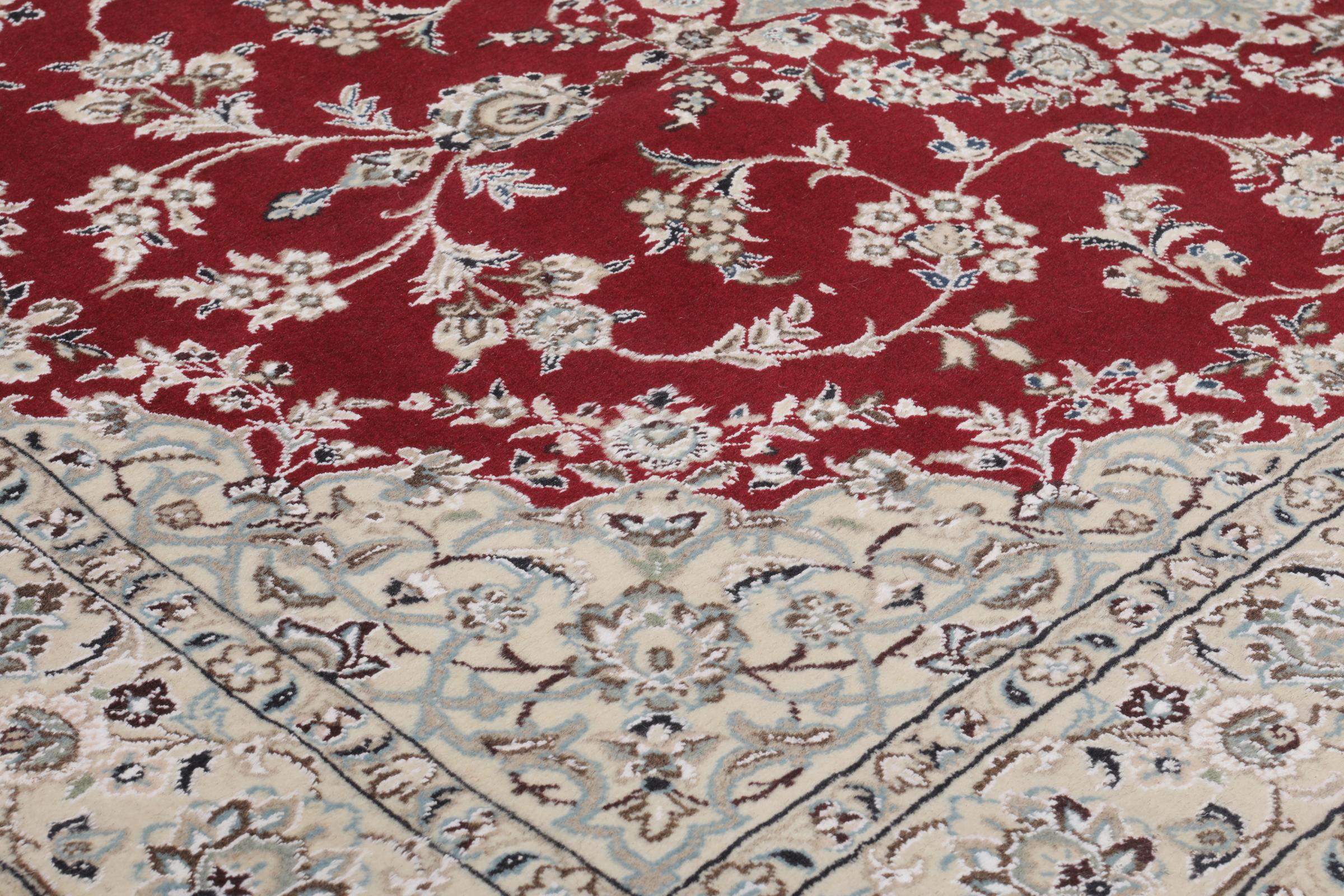
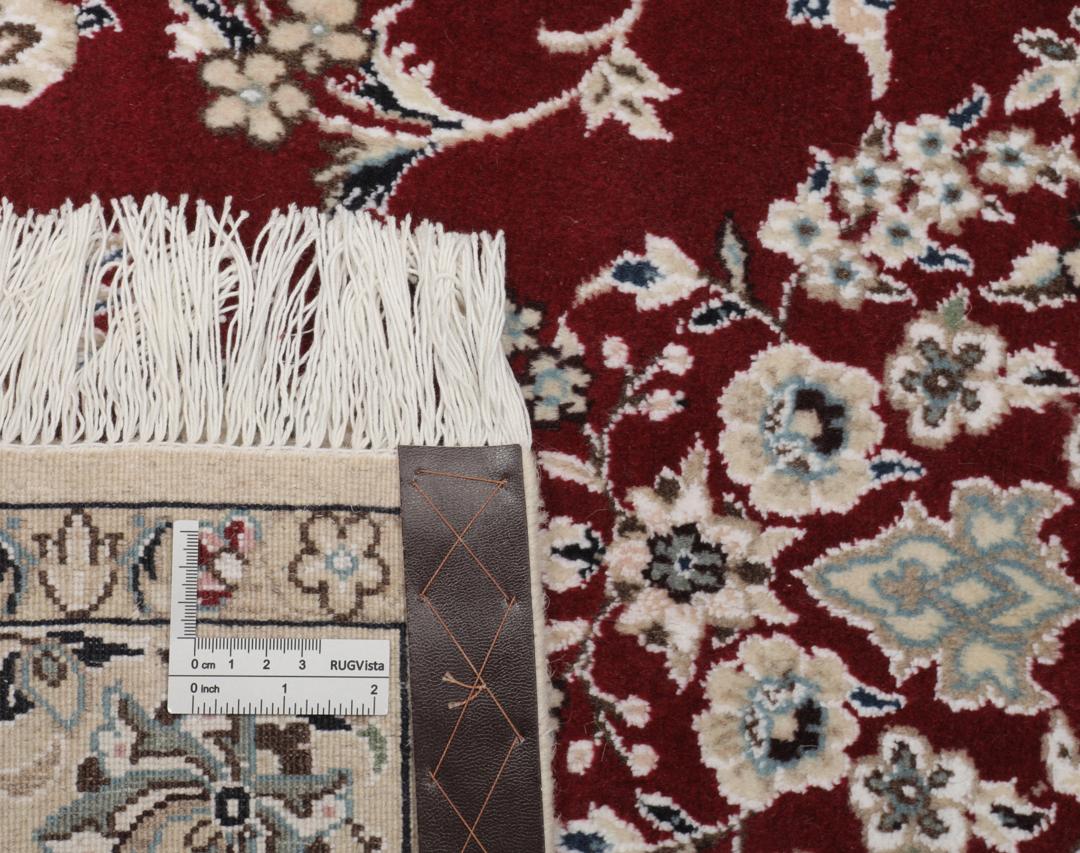
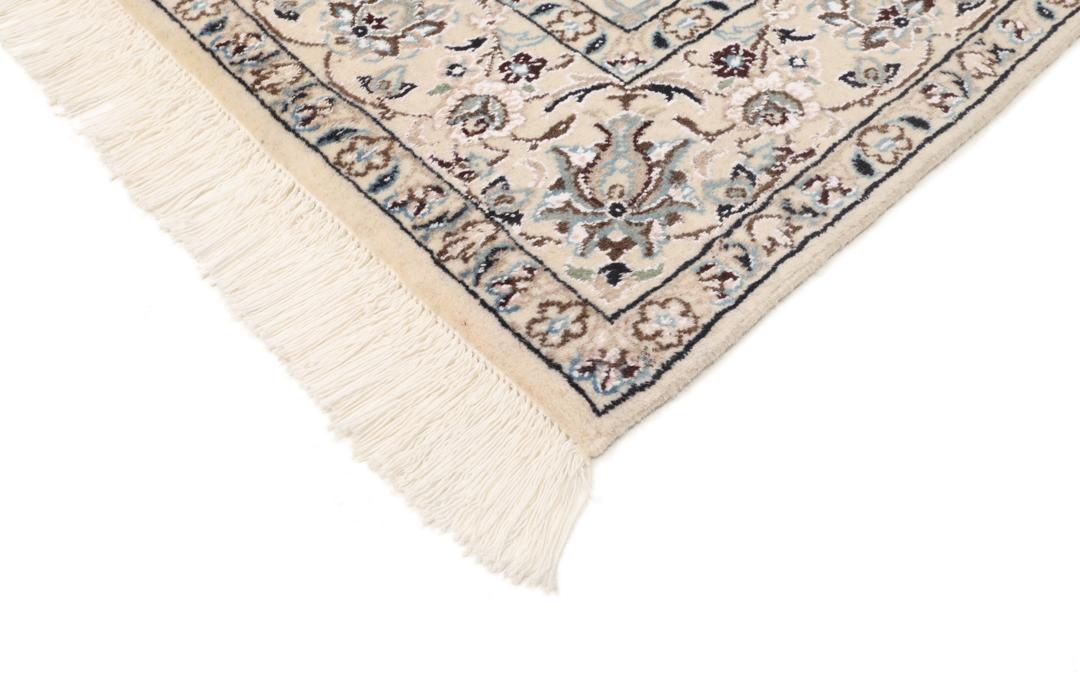
The term '9La' refers to the number of threads used in the fringe of the rug, which indicates the fineness of the weave. In the Nain tradition, the 'La' count is a crucial indicator of quality; a lower number suggests a higher number of threads twisted together in the foundation, allowing for more intricate, delicate patterns and a significantly denser, more luxurious pile.
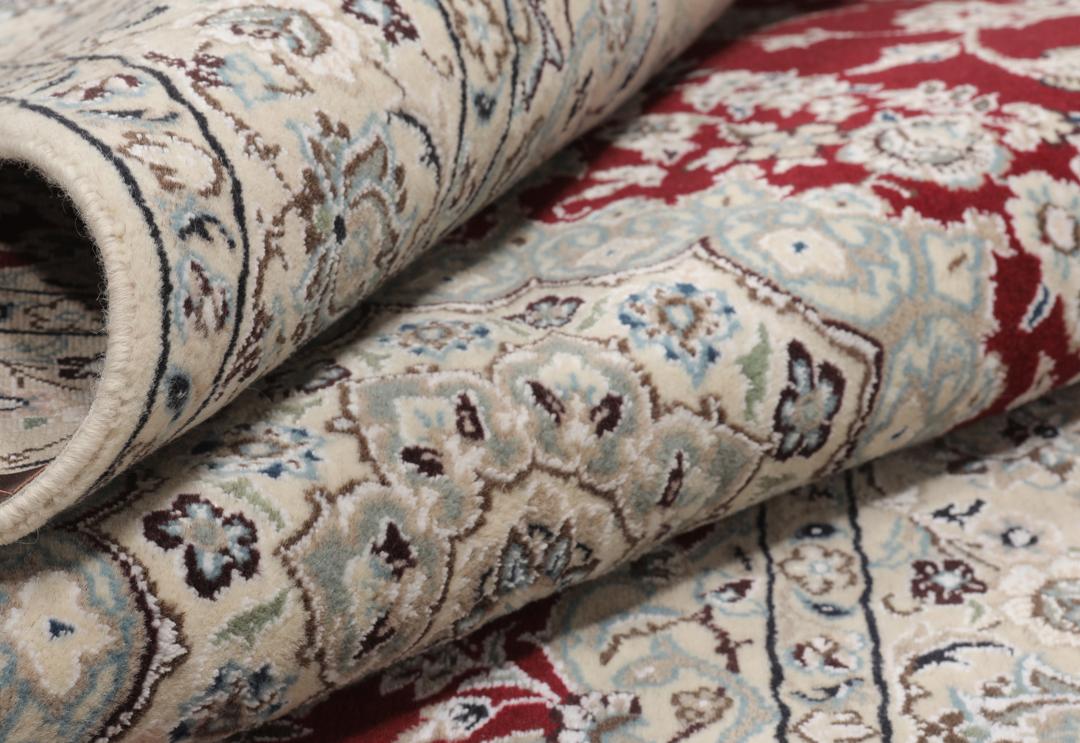
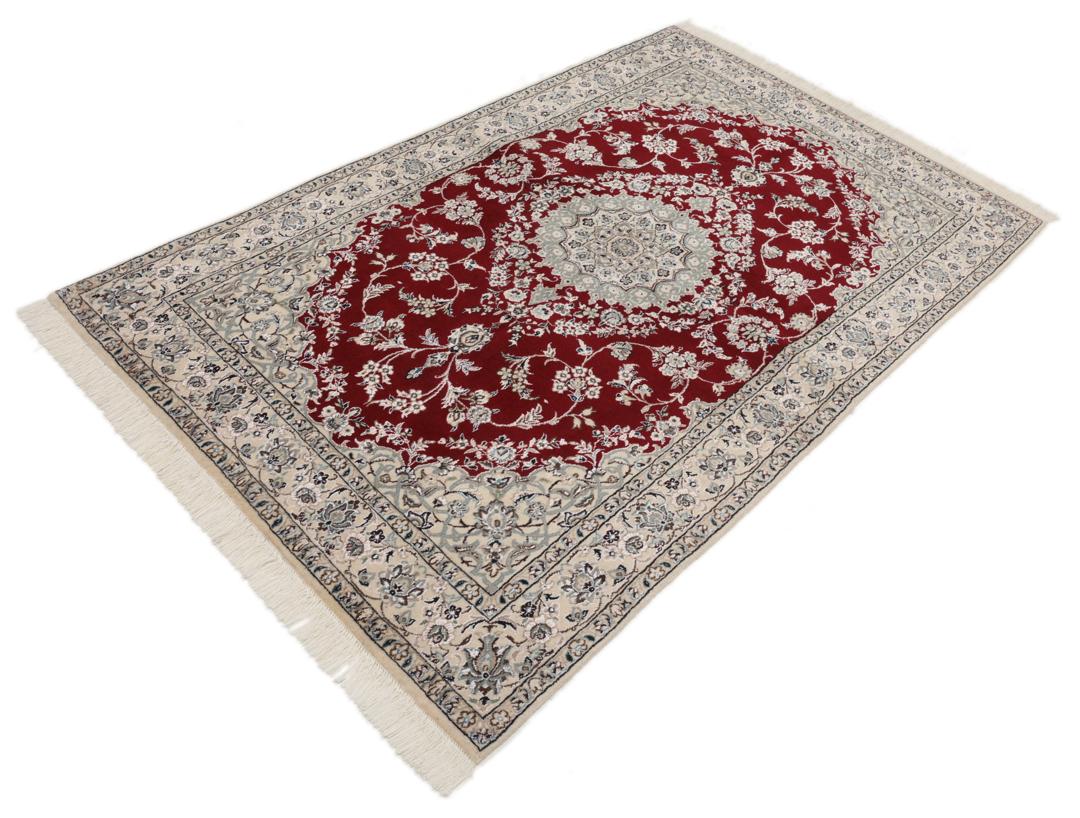
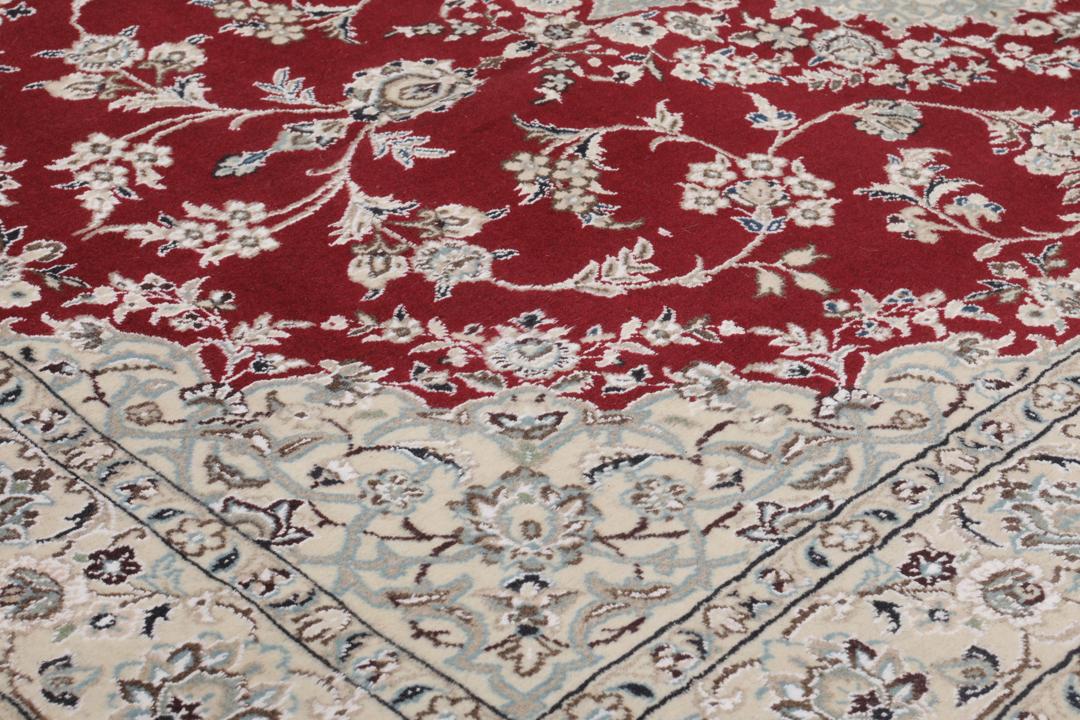
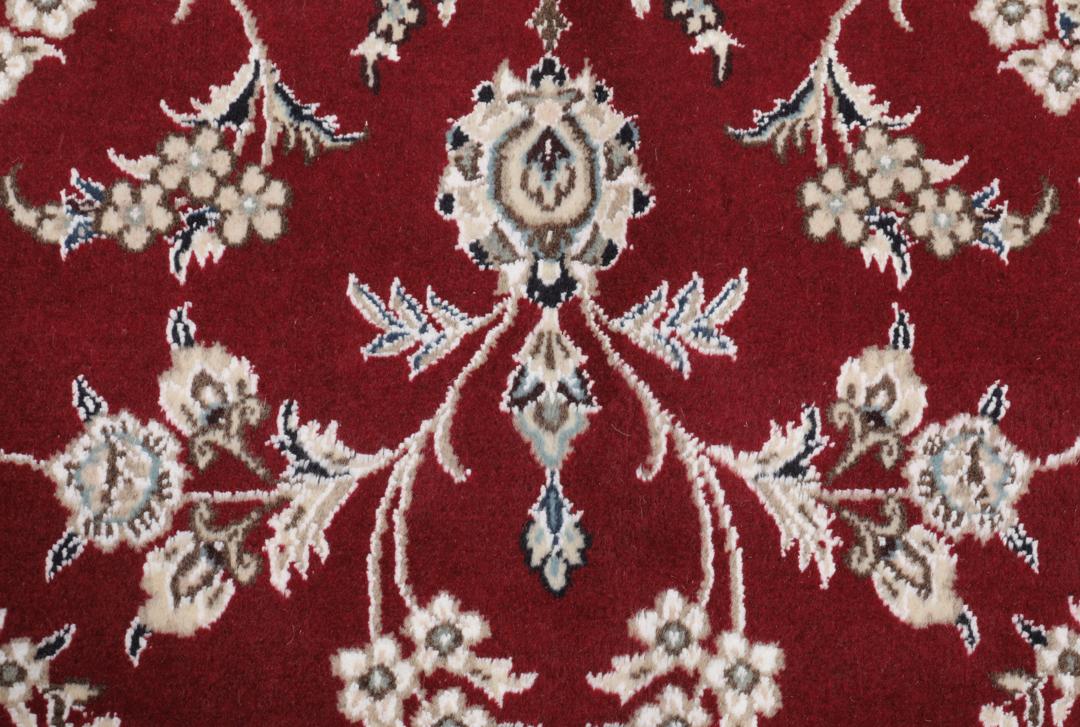
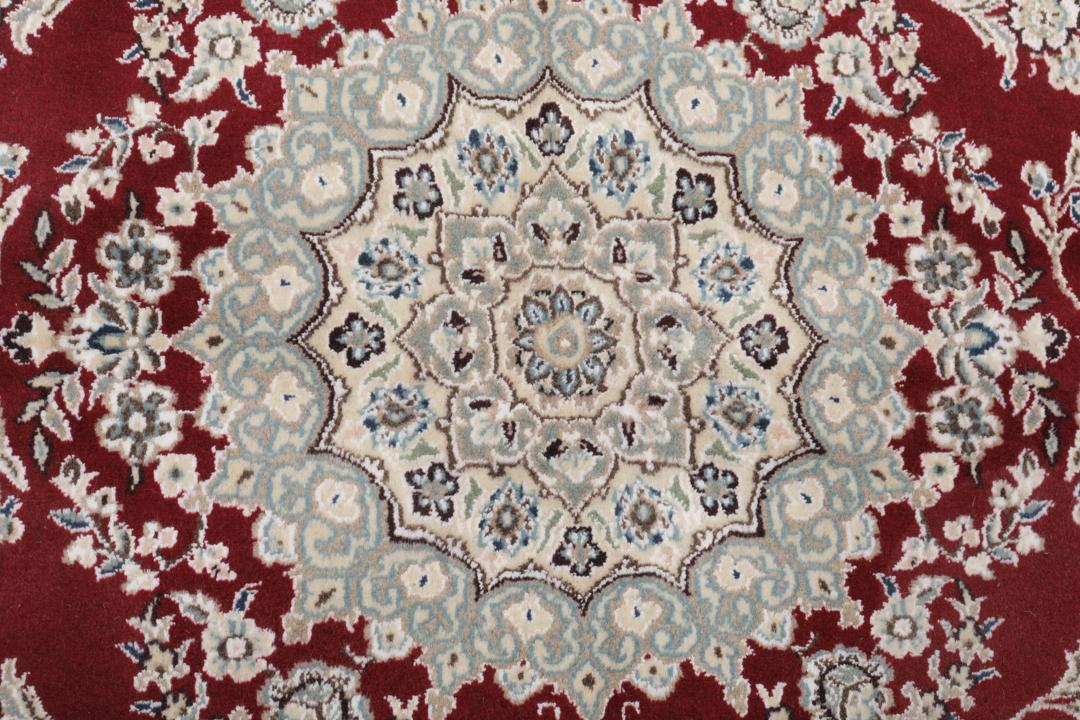
Visually, Nain rugs are defined by their elegant, often curvilinear floral designs, typically featuring a central medallion surrounded by scrolling vines and blossoms. The colour palette is famously restrained, often favouring ivory, beige, and soft blue tones against a deeper background, which allows the complexity of the pattern to take centre stage.
Owning a Nain rug is considered a mark of appreciation for traditional skill and cultural heritage. These pieces are highly valued by collectors for their consistency, the precision of their execution, and the enduring beauty they bring to an interior. They represent a bridge between historical textile traditions and modern home decor.