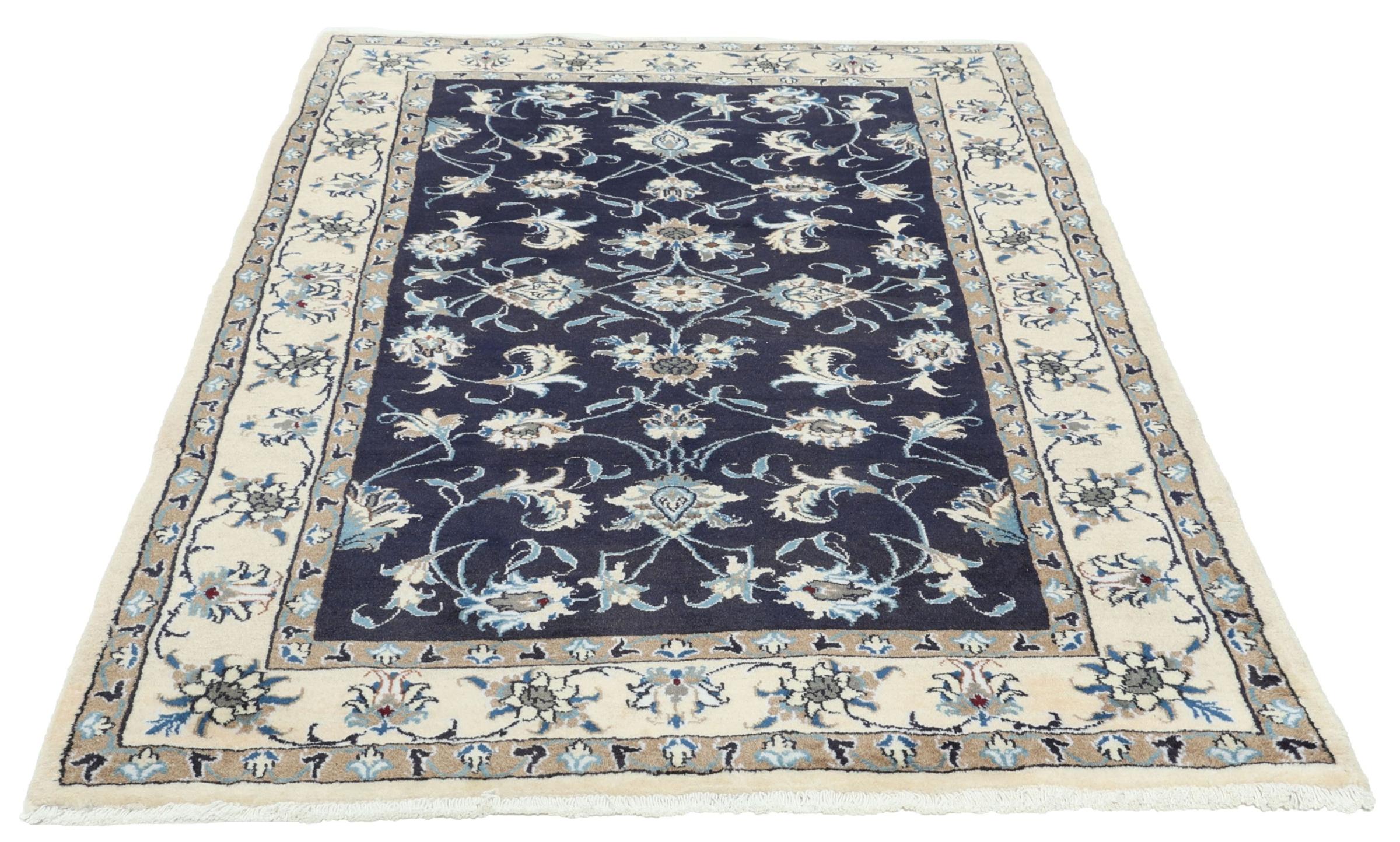
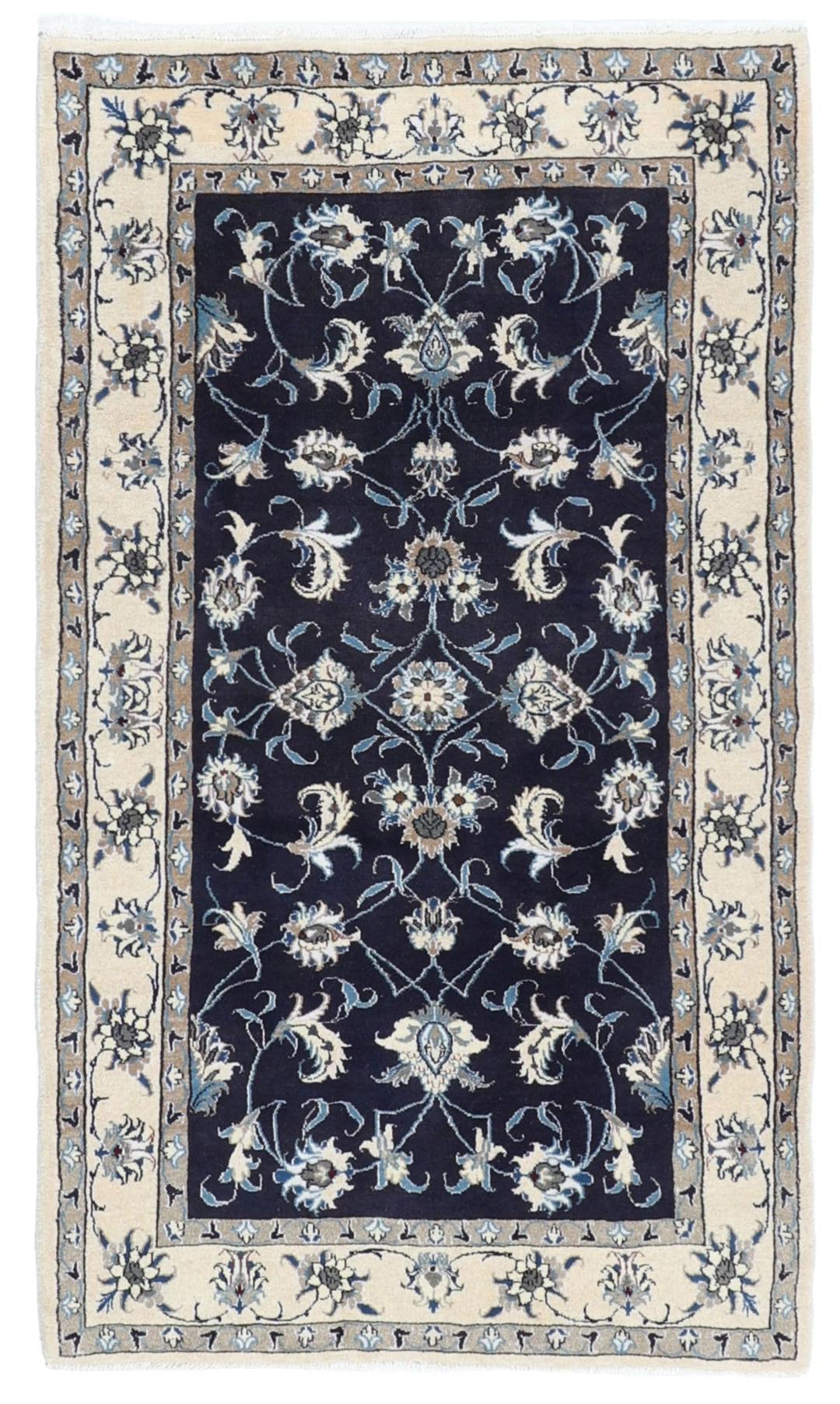
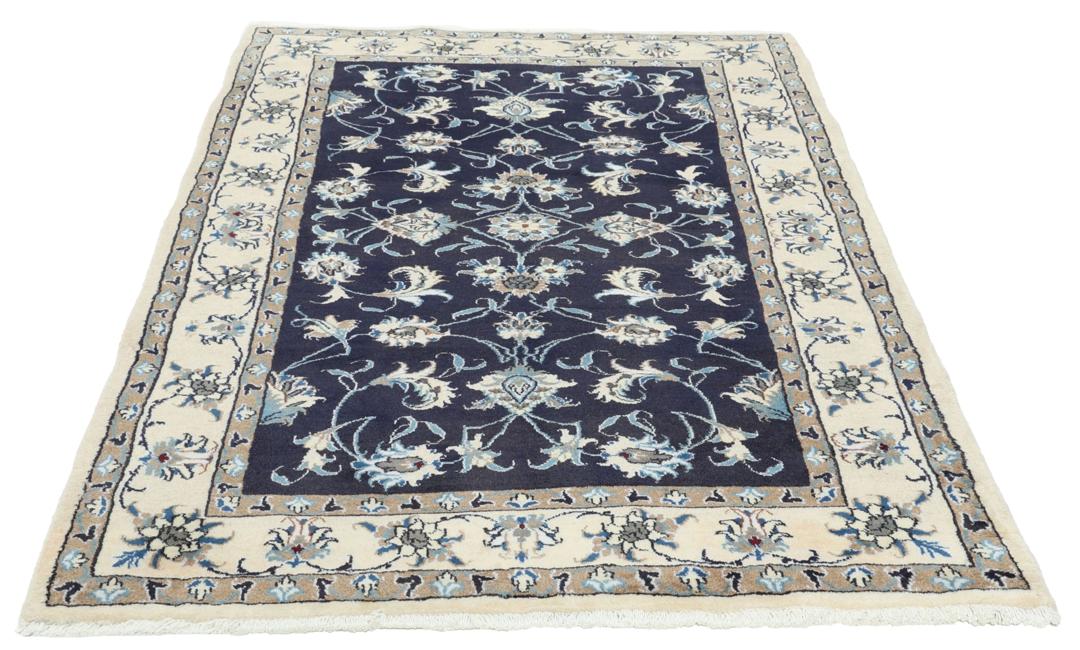
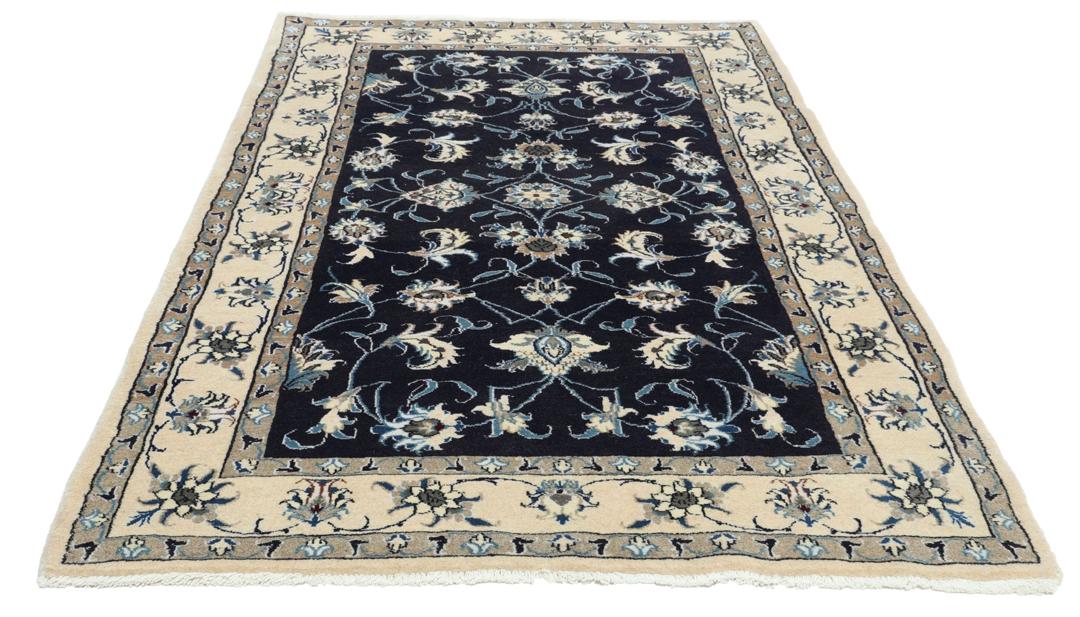
Nain rugs trace their origins to the town of Nain, located in the heart of the Middle East. Originally known for high-quality wool textiles and religious garments, the region pivoted to carpet weaving in the early 20th century. Over time, Nain developed a distinct reputation for producing some of the most refined and balanced rugs in the world, often incorporating soft, neutral palettes alongside deep, oceanic blues.
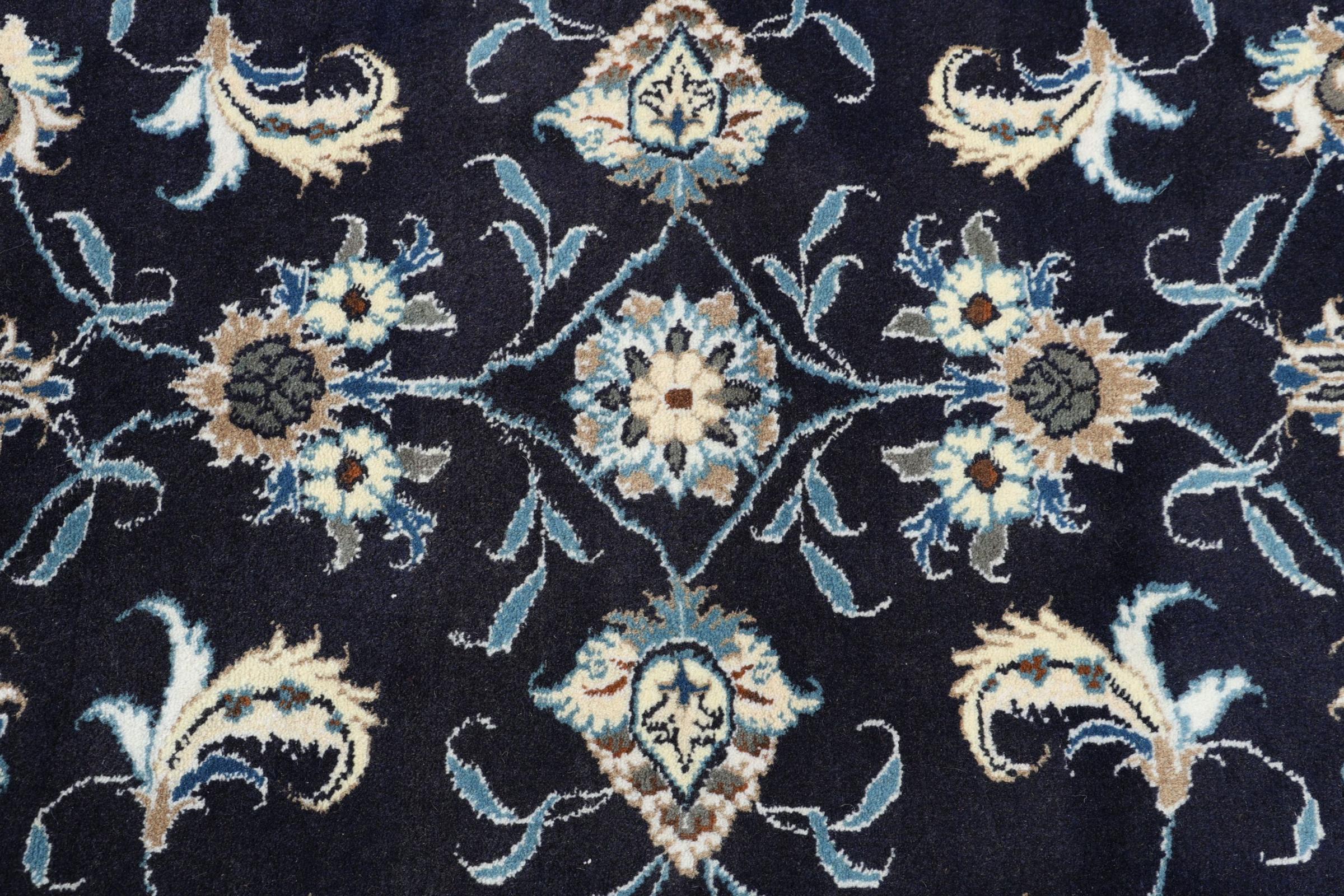
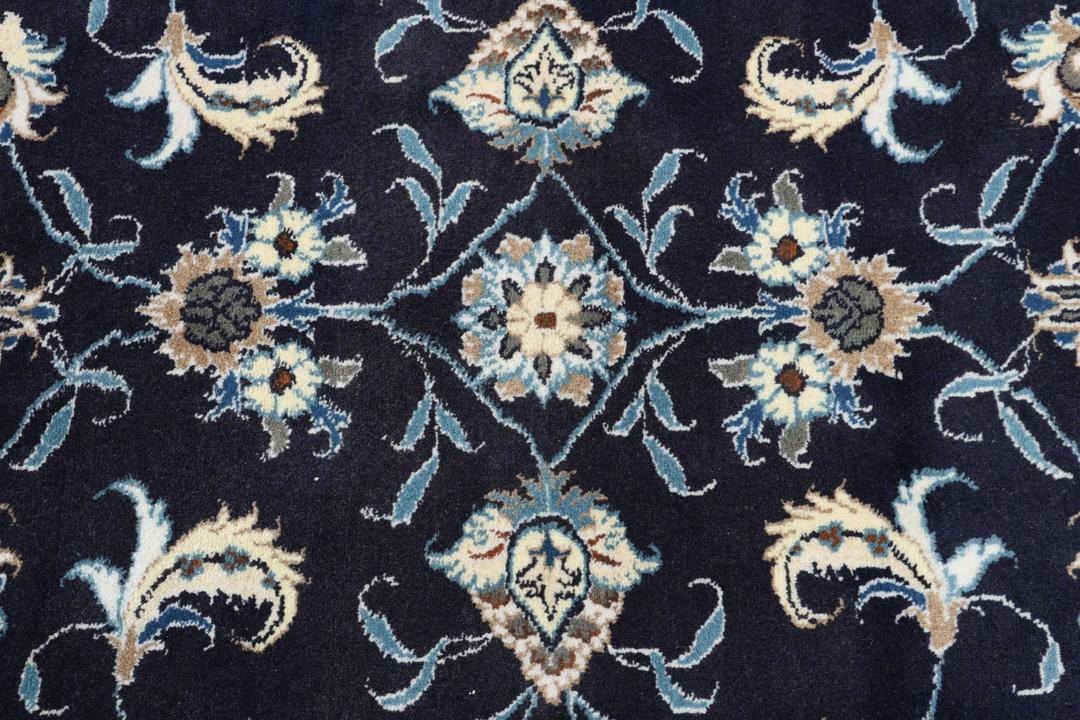
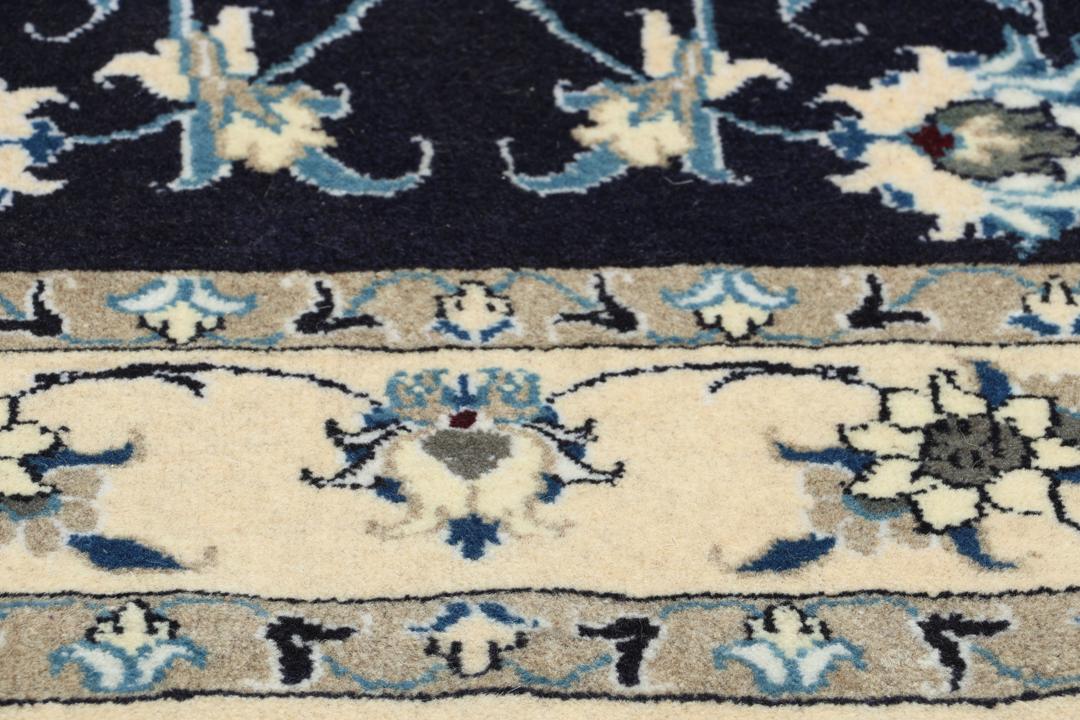
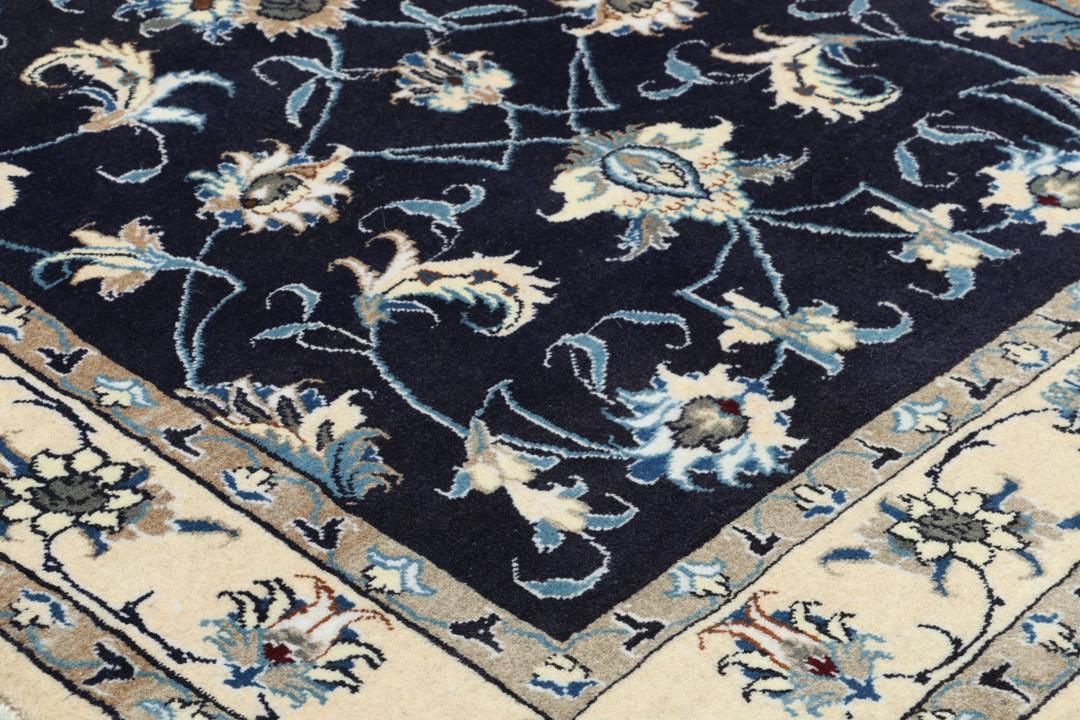
The terminology surrounding these rugs often refers to the fineness of the weave, which is a hallmark of the Nain tradition. A tighter weave ensures that the intricate, flowing floral patterns remain crisp and defined, while also contributing to a pile that is exceptionally smooth to the touch. This level of technical proficiency is what sets these pieces apart from other regional styles.
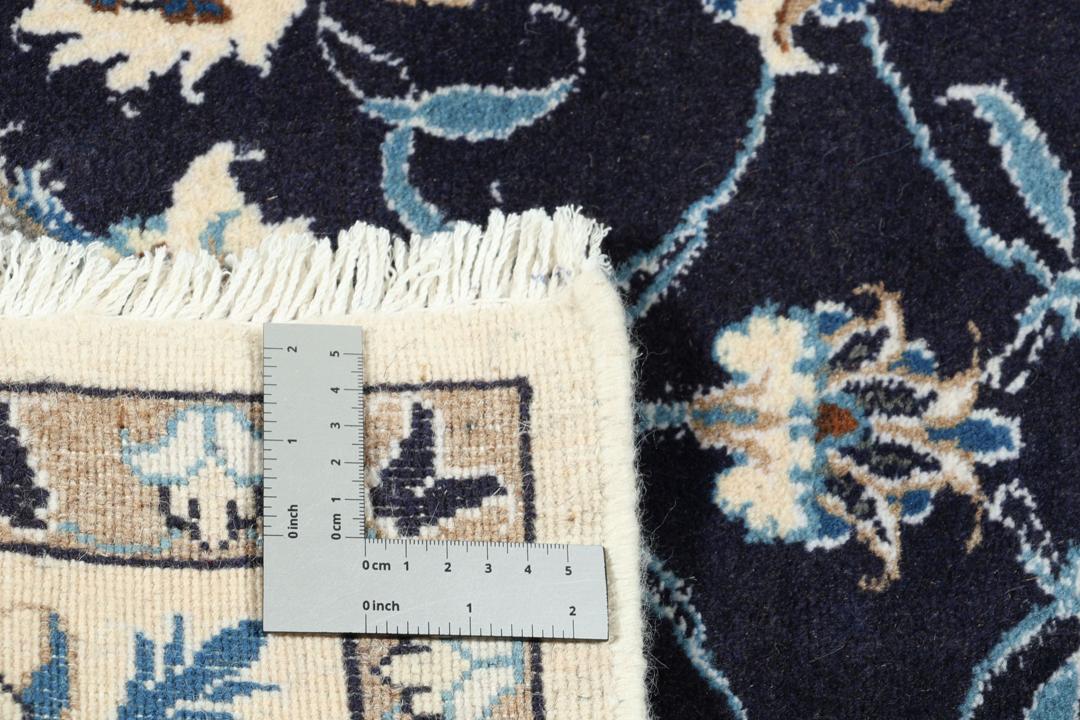
Signature design elements of a Nain often include a central medallion surrounded by scrolling vines, palmettes, and floral sprays. The borders are typically filled with complementary floral motifs, creating a sense of movement and grace. While many traditional designs follow a formal layout, the artistry lies in the subtle variations of the botanical elements, which reflect the individual weaver's interpretation of these classic themes.
Collecting a rug from this tradition is an investment in a legacy of skill and cultural heritage. These rugs are highly valued not only for their visual elegance but also for the discipline required to create them. Owning a Nain means participating in a centuries-old craft, ensuring that these artistic traditions continue to be appreciated and preserved within contemporary homes.