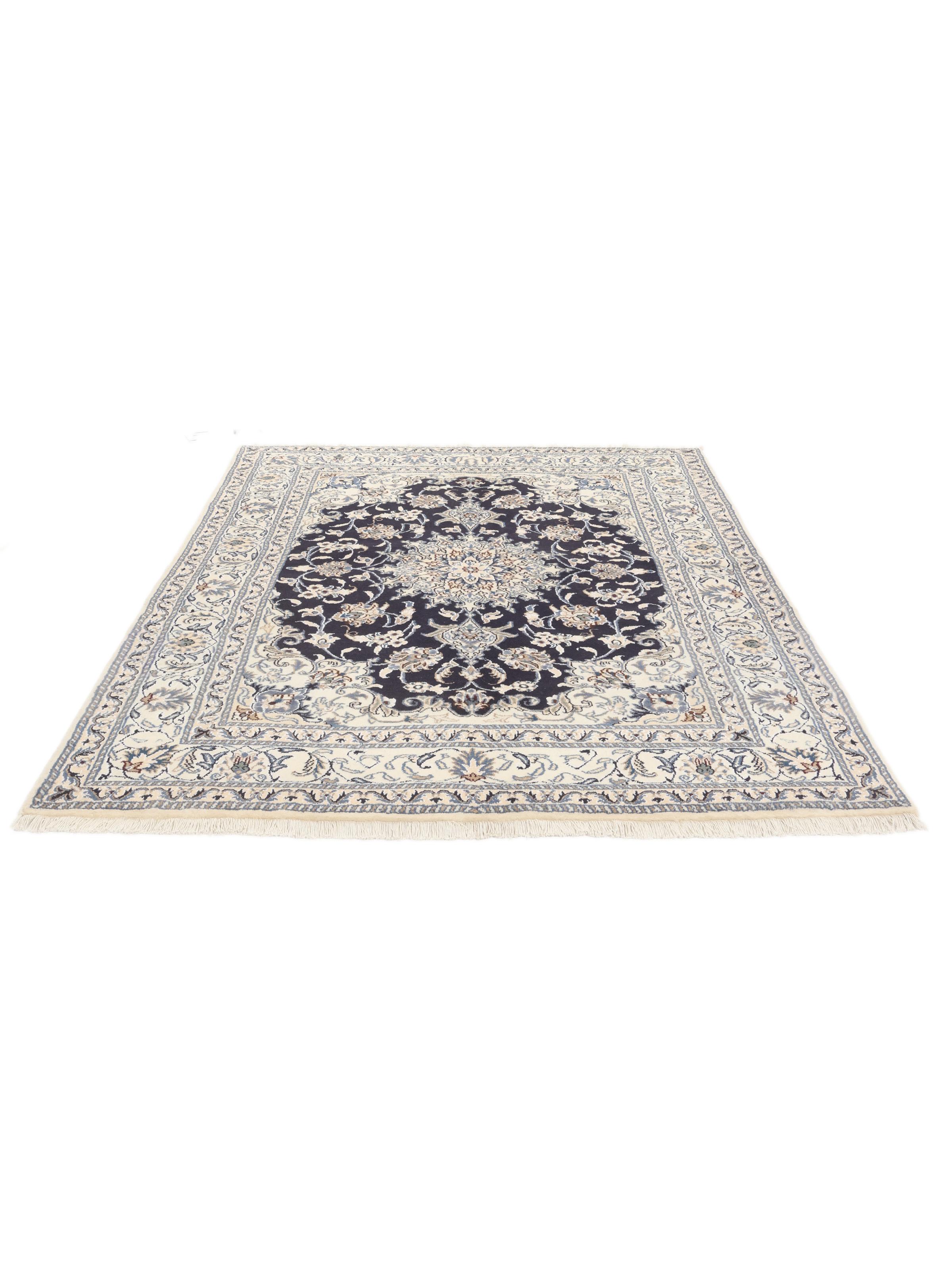
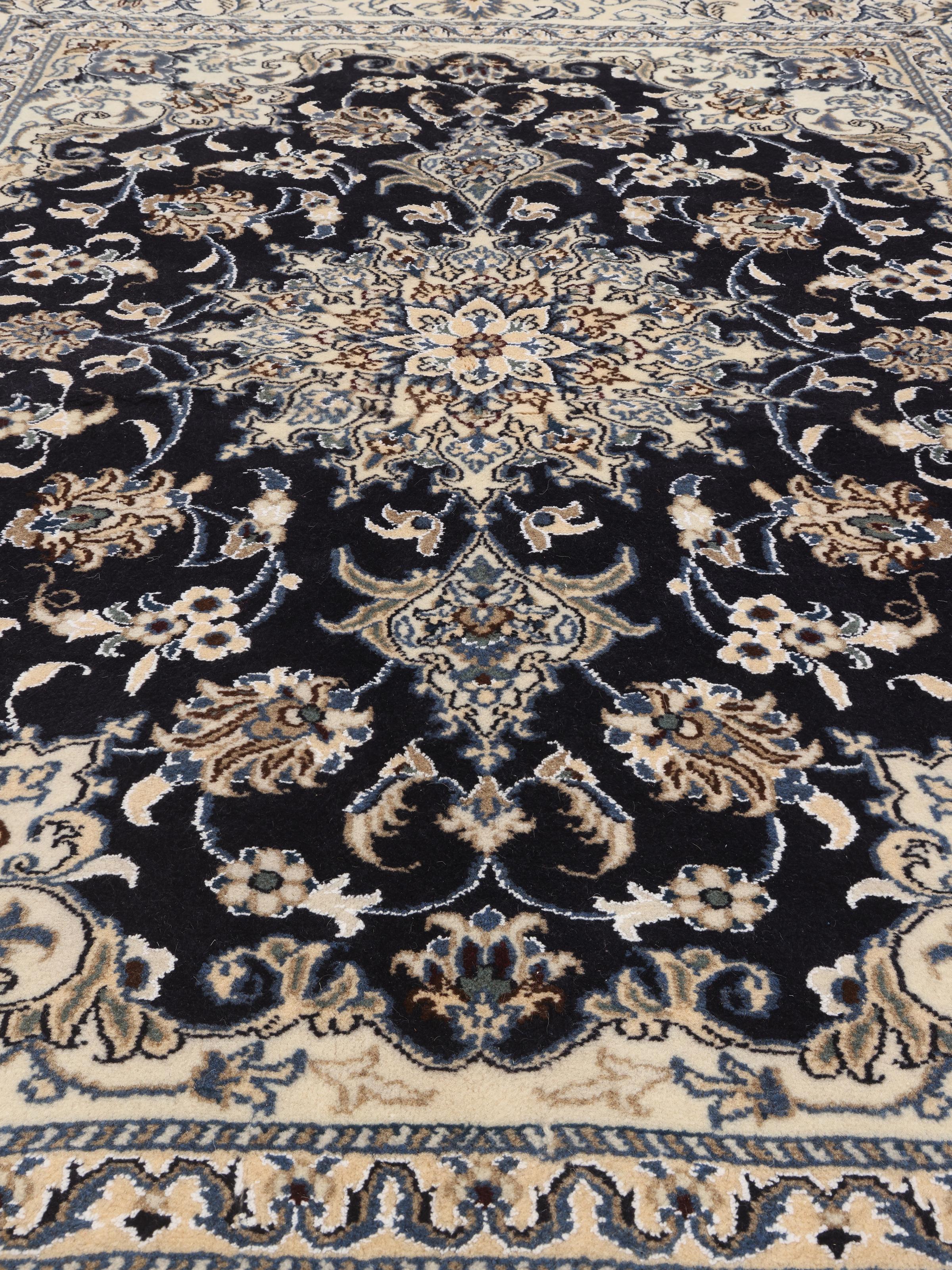
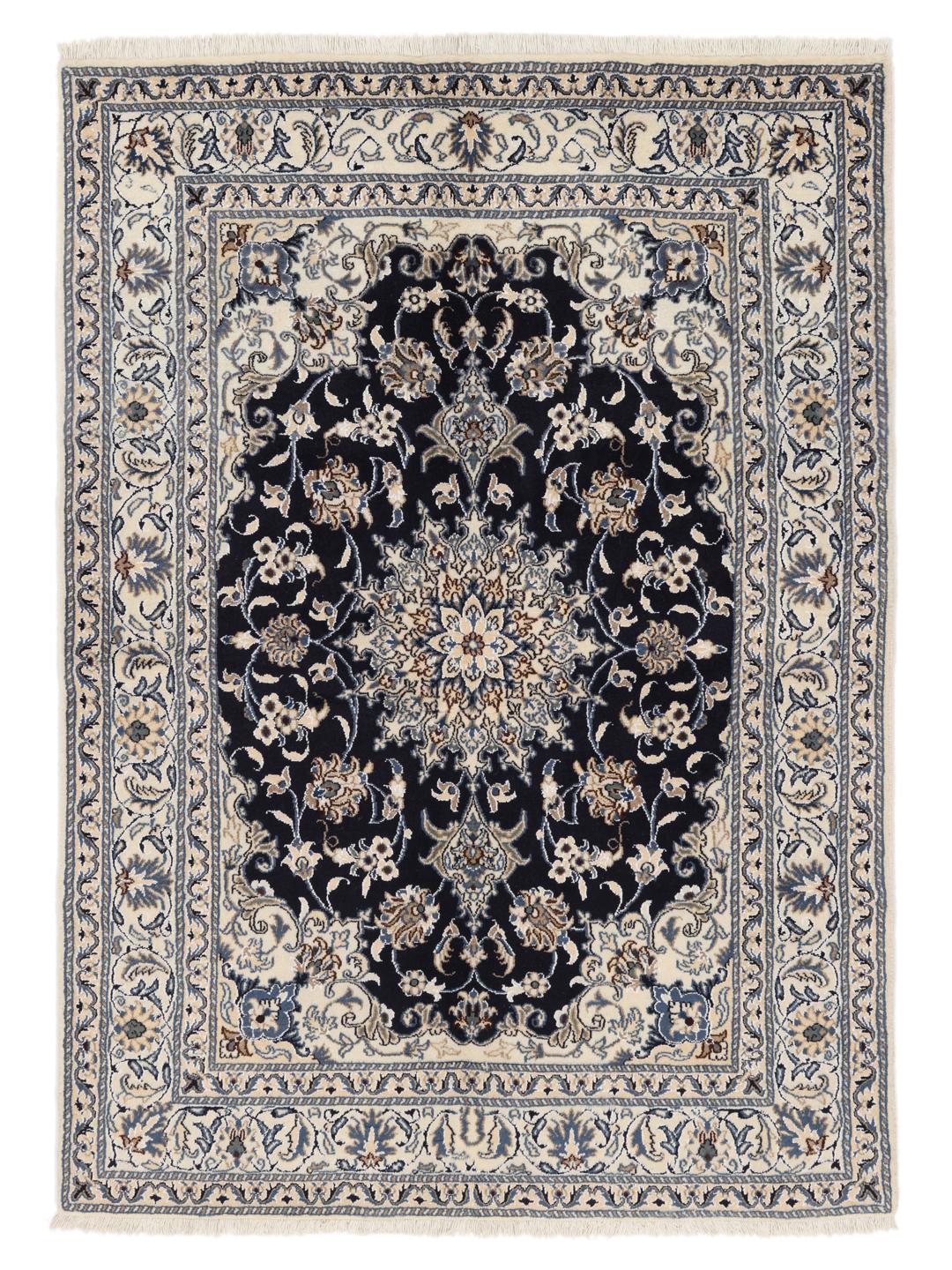
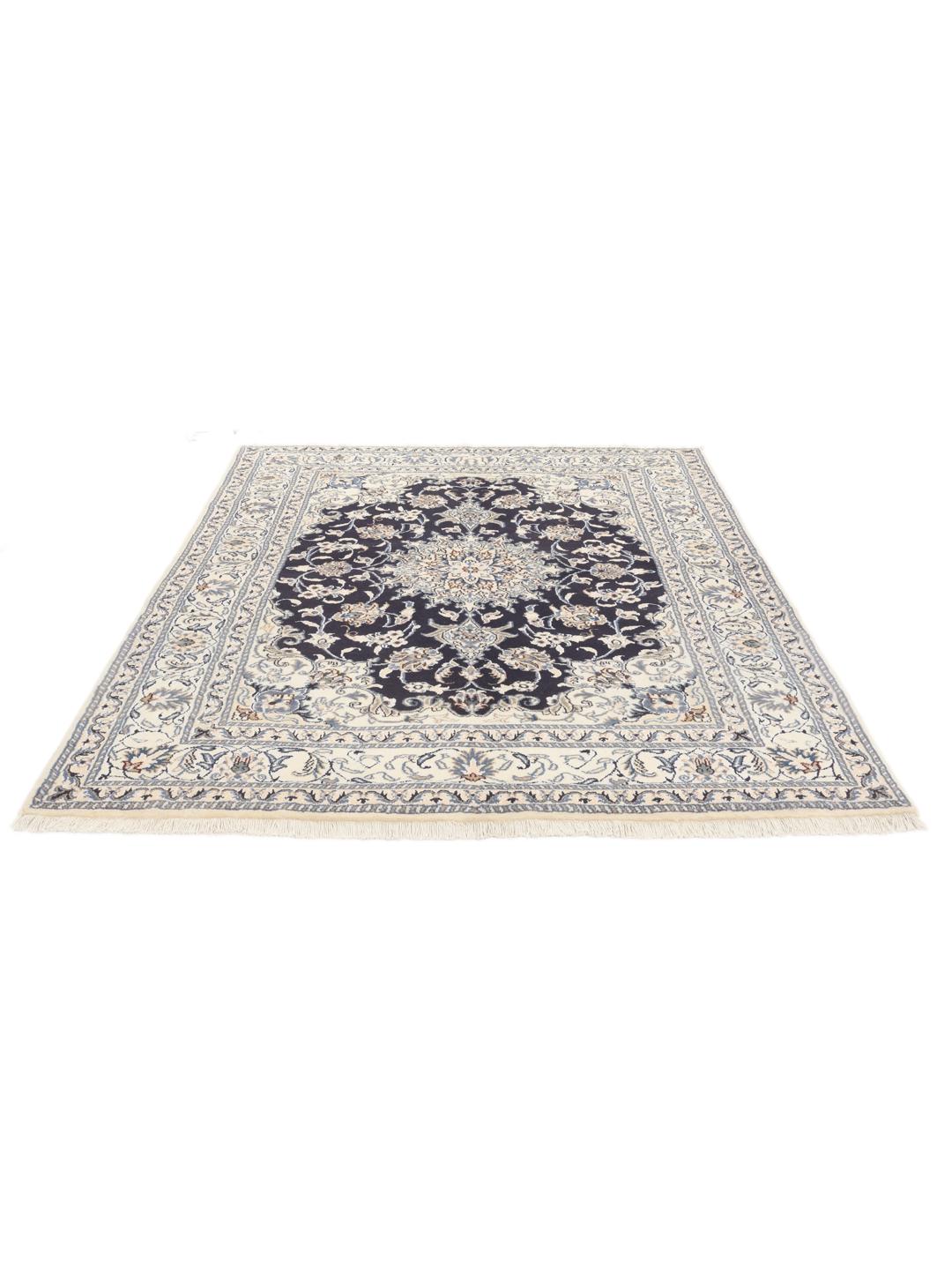
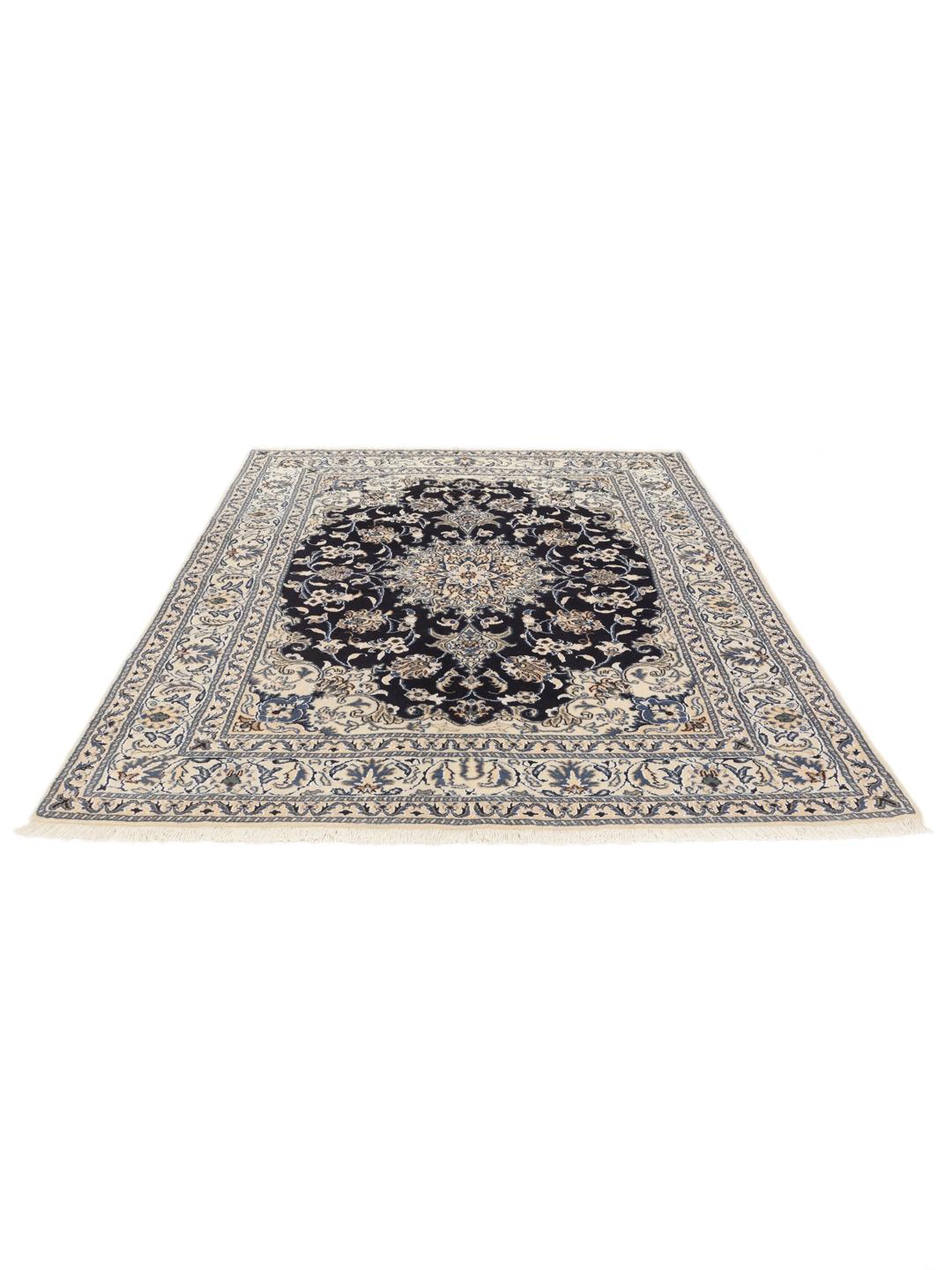
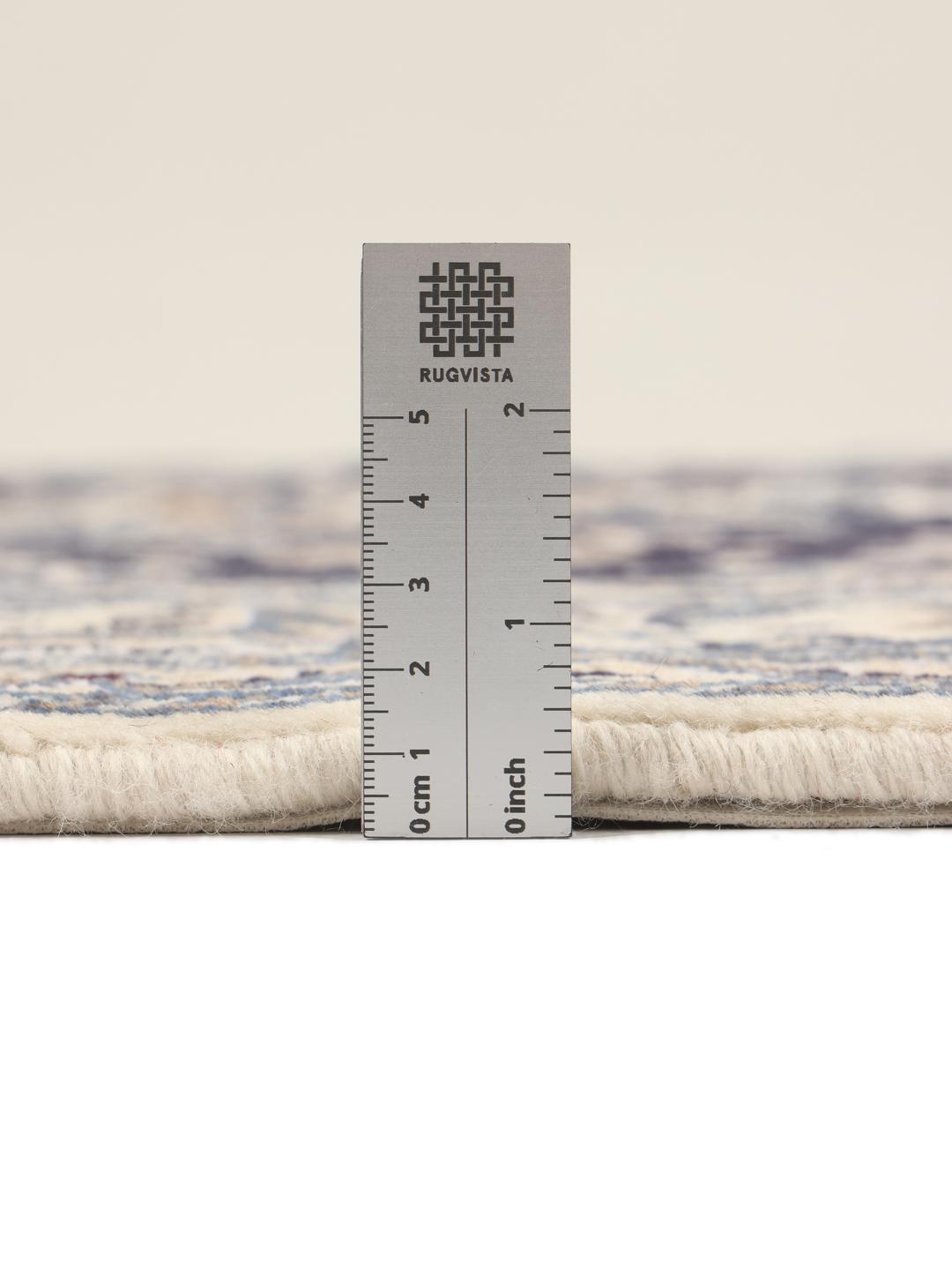
Nain rugs hail from the city of Nain, located in the heart of the Middle East. Historically known for producing high-quality wool textiles, the city transitioned into fine rug weaving in the early 20th century. This evolution was sparked by a desire to adapt traditional weaving techniques to create pieces of exceptional refinement, often utilising inspiration from the grand artistic traditions of the region.
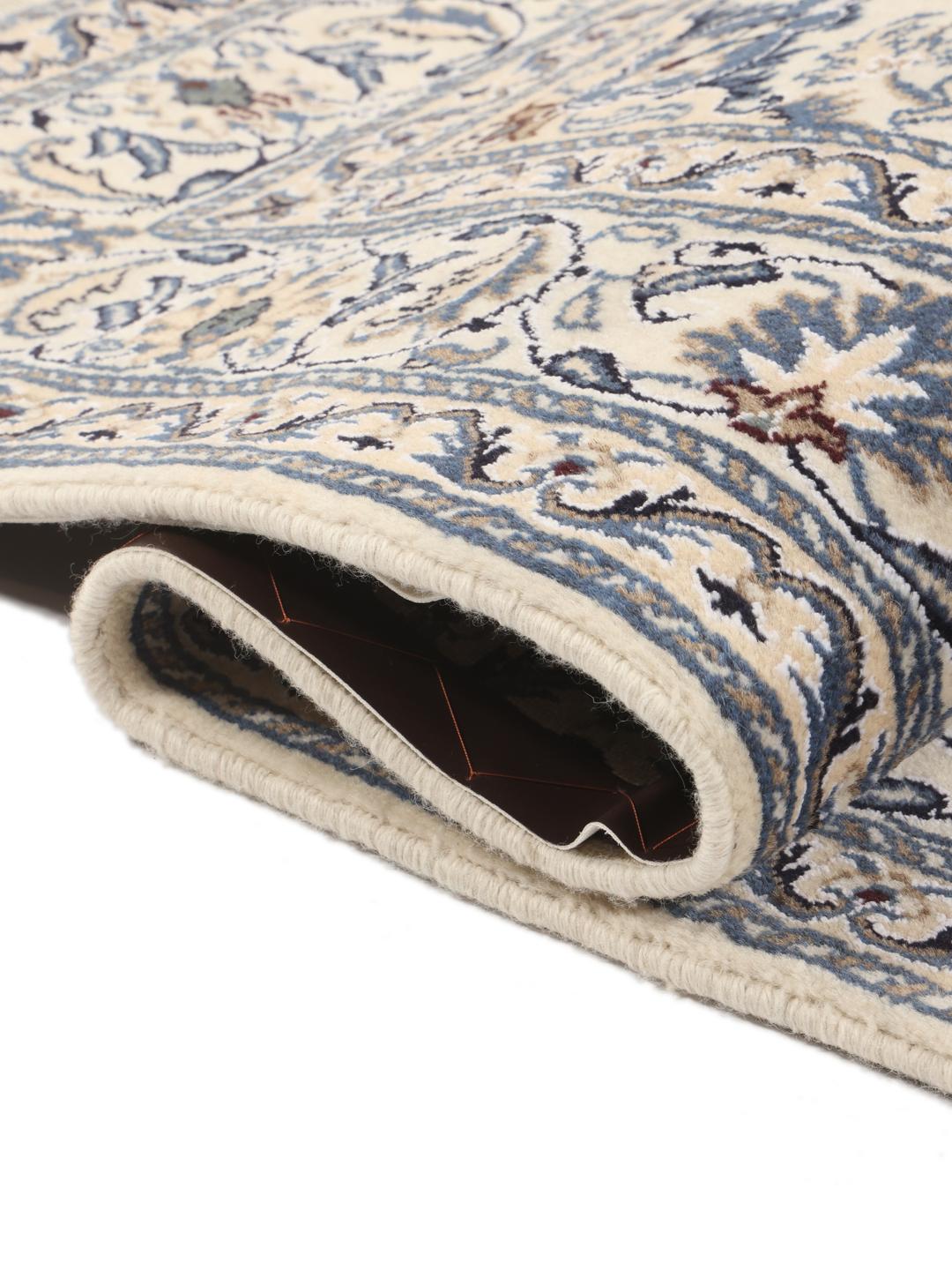
The quality of a Nain rug is often classified by the term 'La', which traditionally refers to the number of strands used in the foundation. While specific technical terms can vary, the core of the Nain tradition is the focus on extremely fine pile and intricate, balanced designs. This focus ensures that the resulting rugs are not only beautiful but are also built to withstand the test of time, holding their pile density and colour vibrancy for generations.
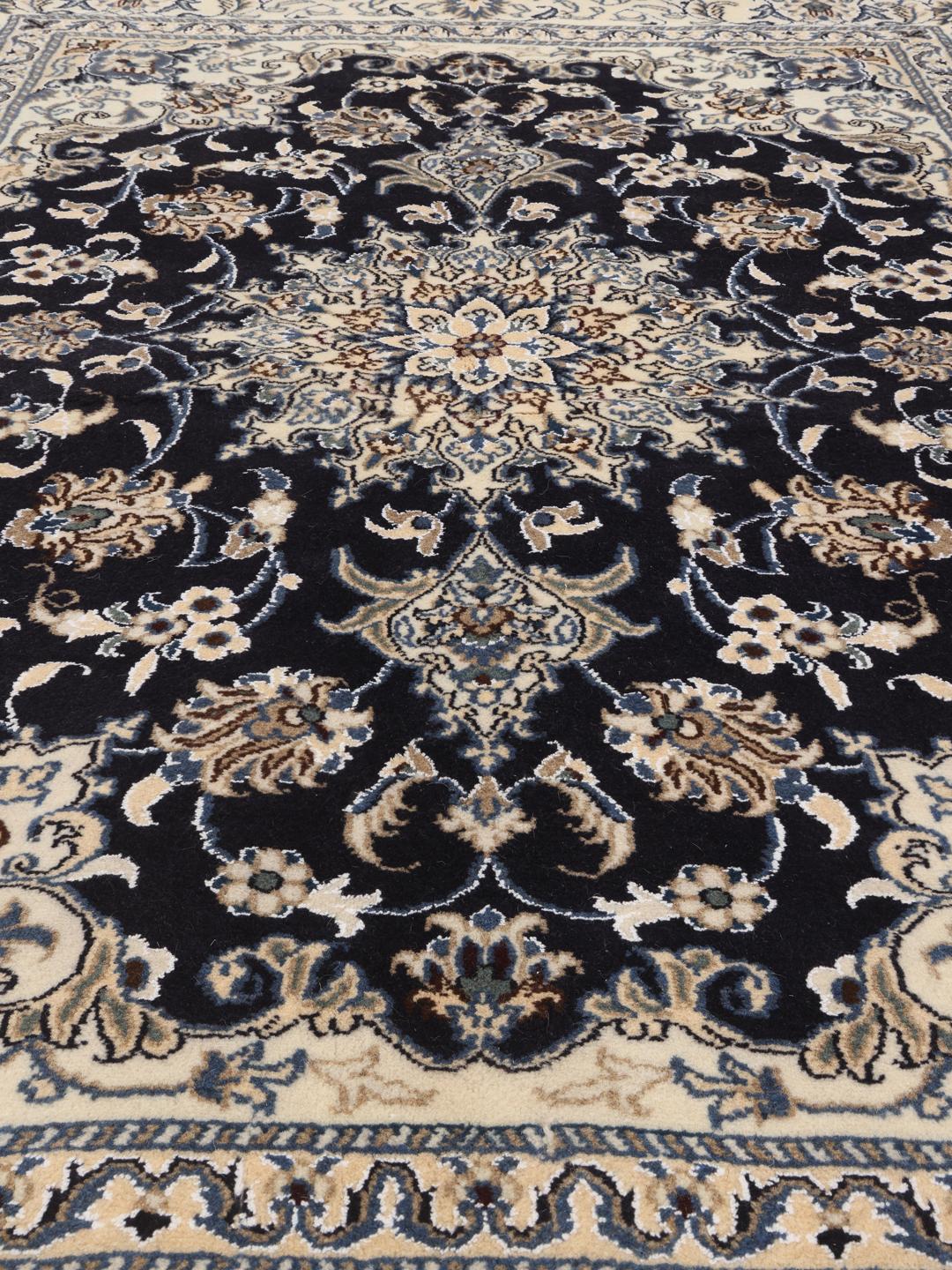
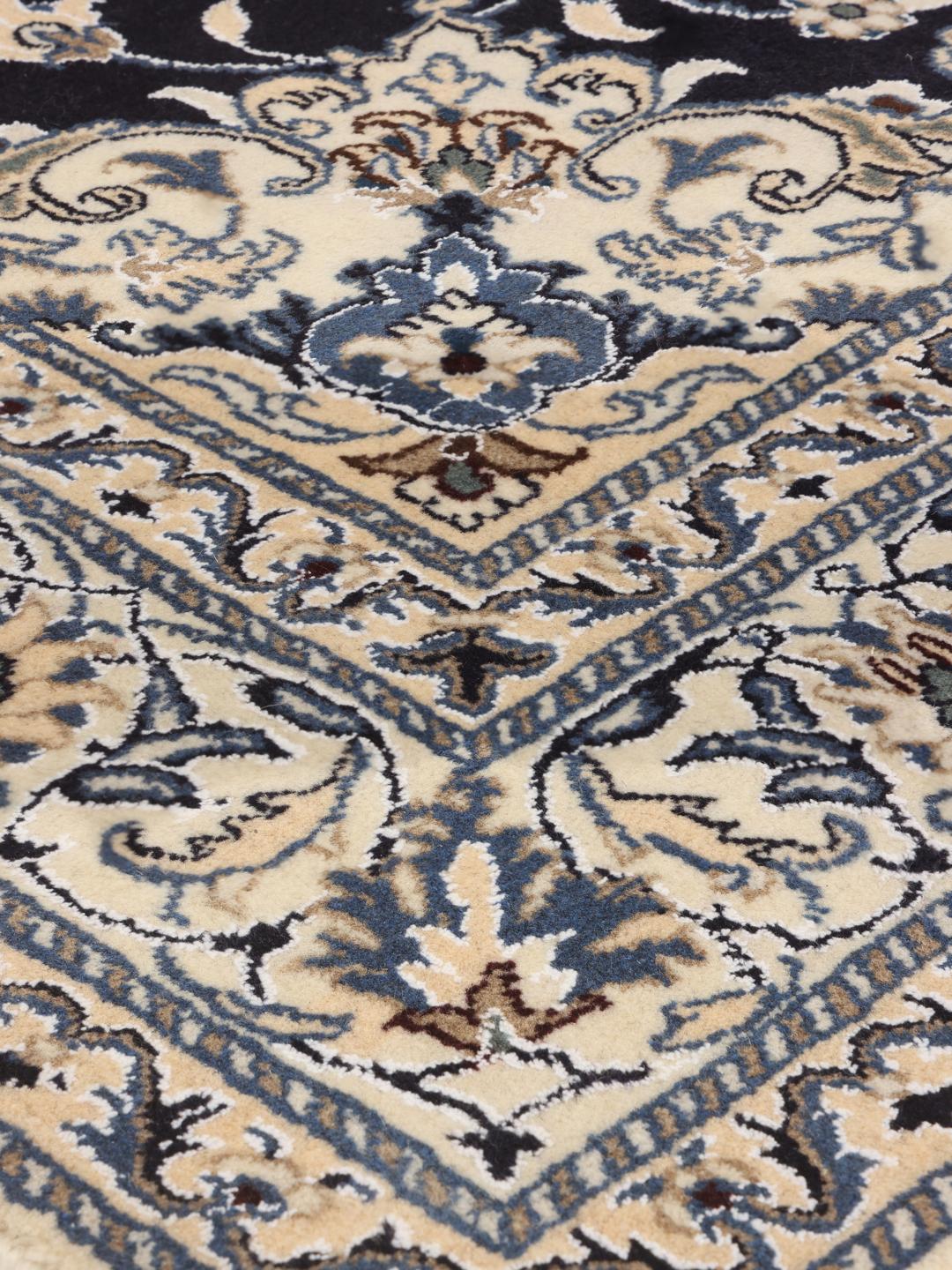
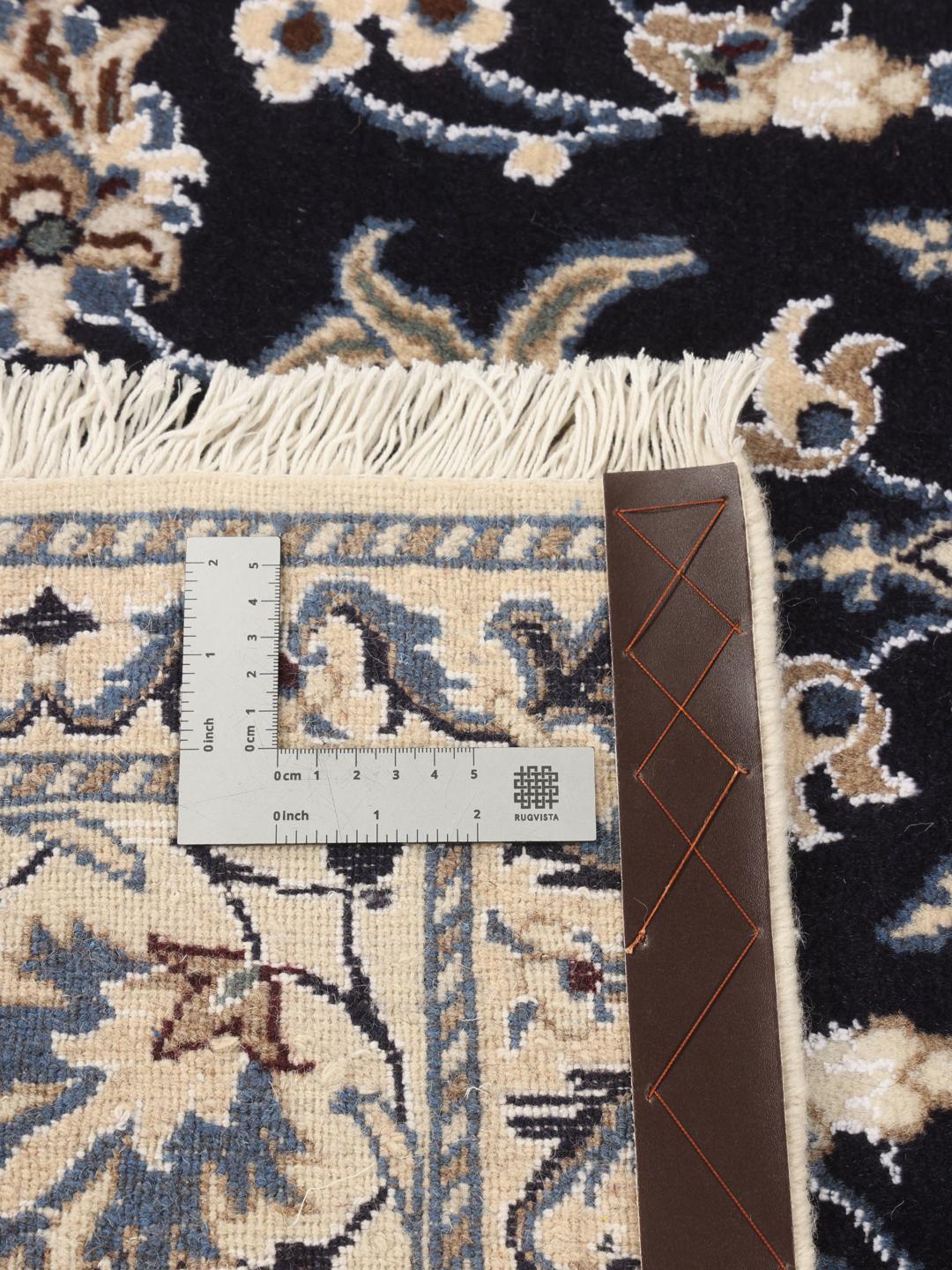
Signature design elements of the Nain style include sophisticated floral arabesques, spiraling vines, and a central medallion that is often framed by elaborate borders. The colour palettes are typically restrained and elegant, often utilising shades of blue, beige, and cream to emphasise the complexity of the patterns. This rug follows that tradition, with its clear, graceful motifs that draw the eye to the centre of the field.
Nain rugs are highly prized by collectors and enthusiasts who value the convergence of historical technique and artistic precision. Owning a piece from this tradition is more than just purchasing a floor covering; it is an act of preserving a specific form of cultural heritage. These rugs are recognised globally for their balance, beauty, and the immense skill required to produce them, making them a centrepiece in any well-considered interior.