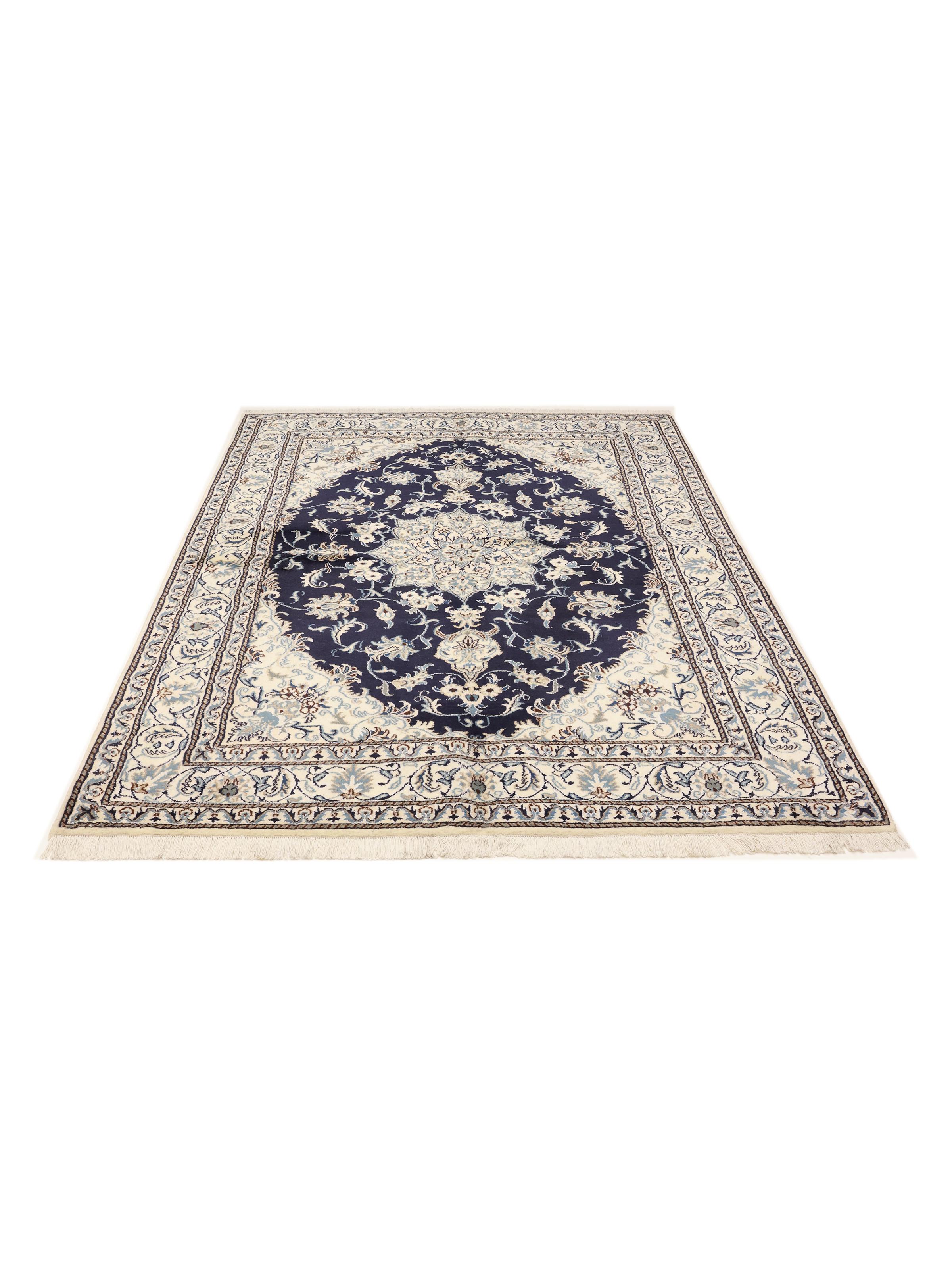
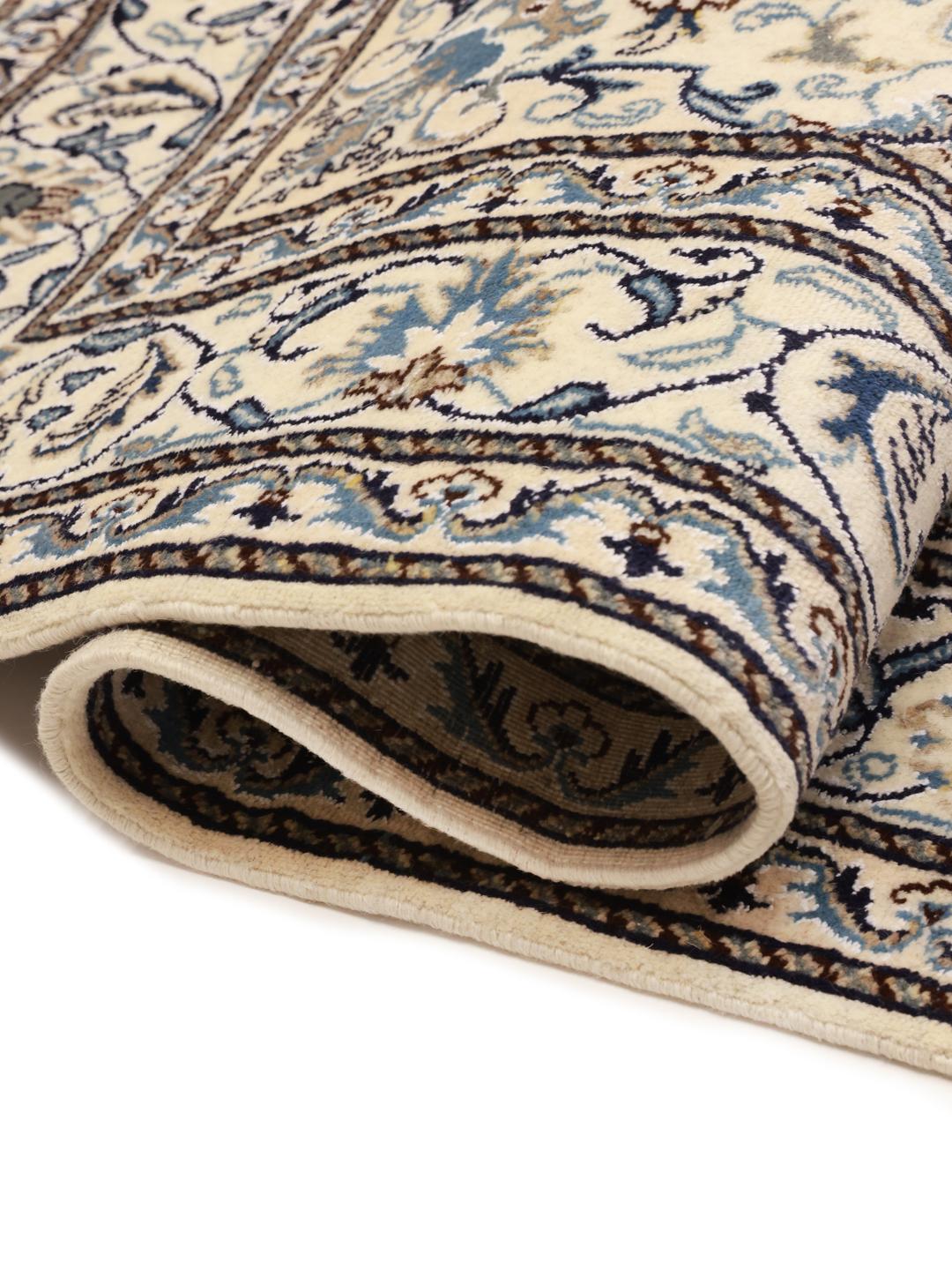
Nain rugs originate from the historic city of Nain in the Middle East, a town once famous for producing high-quality religious robes and garments. As the demand for these fine textiles shifted in the early 20th century, the local weavers applied their exceptional skills to rug making, quickly gaining a reputation for producing some of the most elegant and refined pieces in the region.
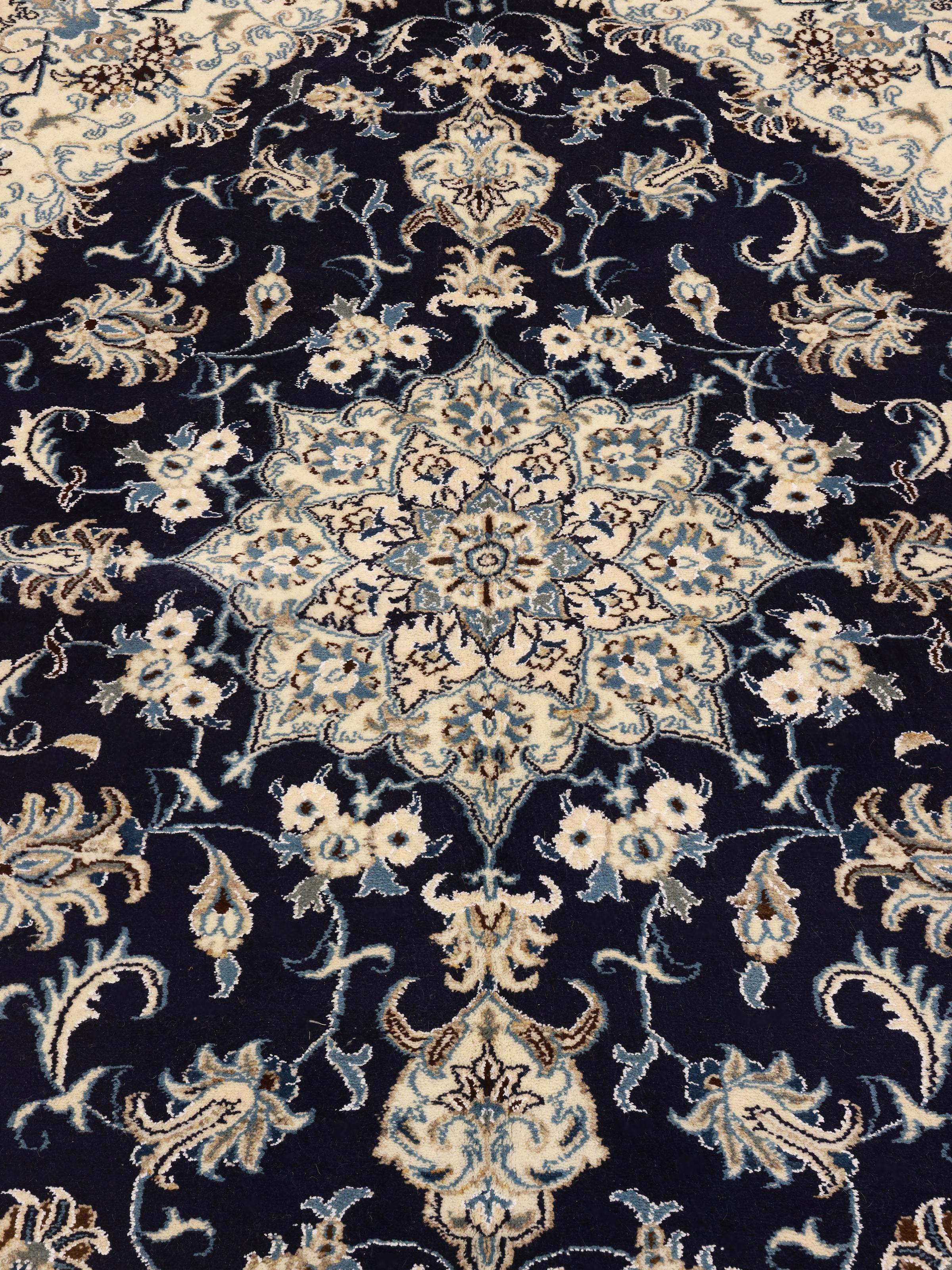
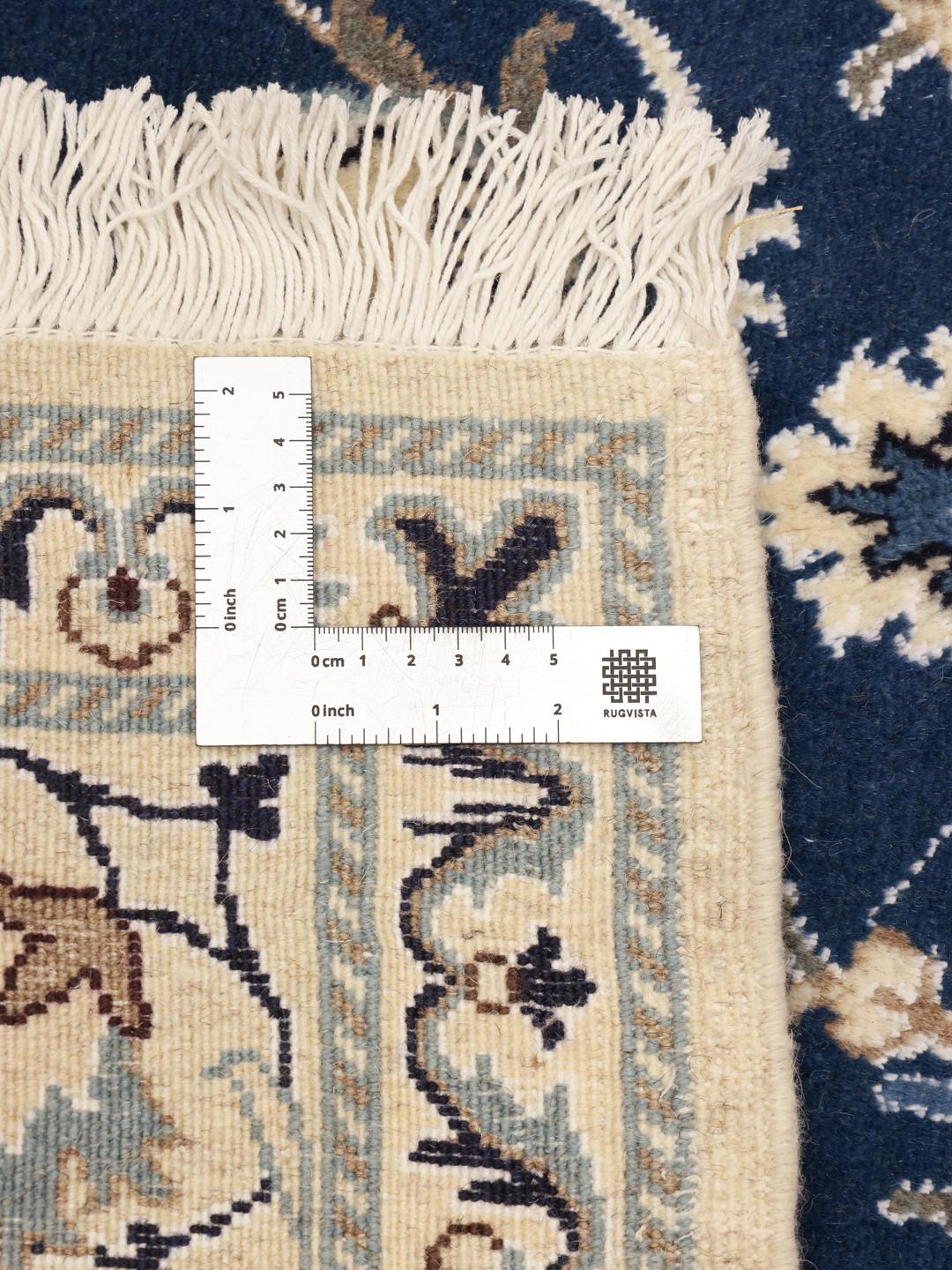
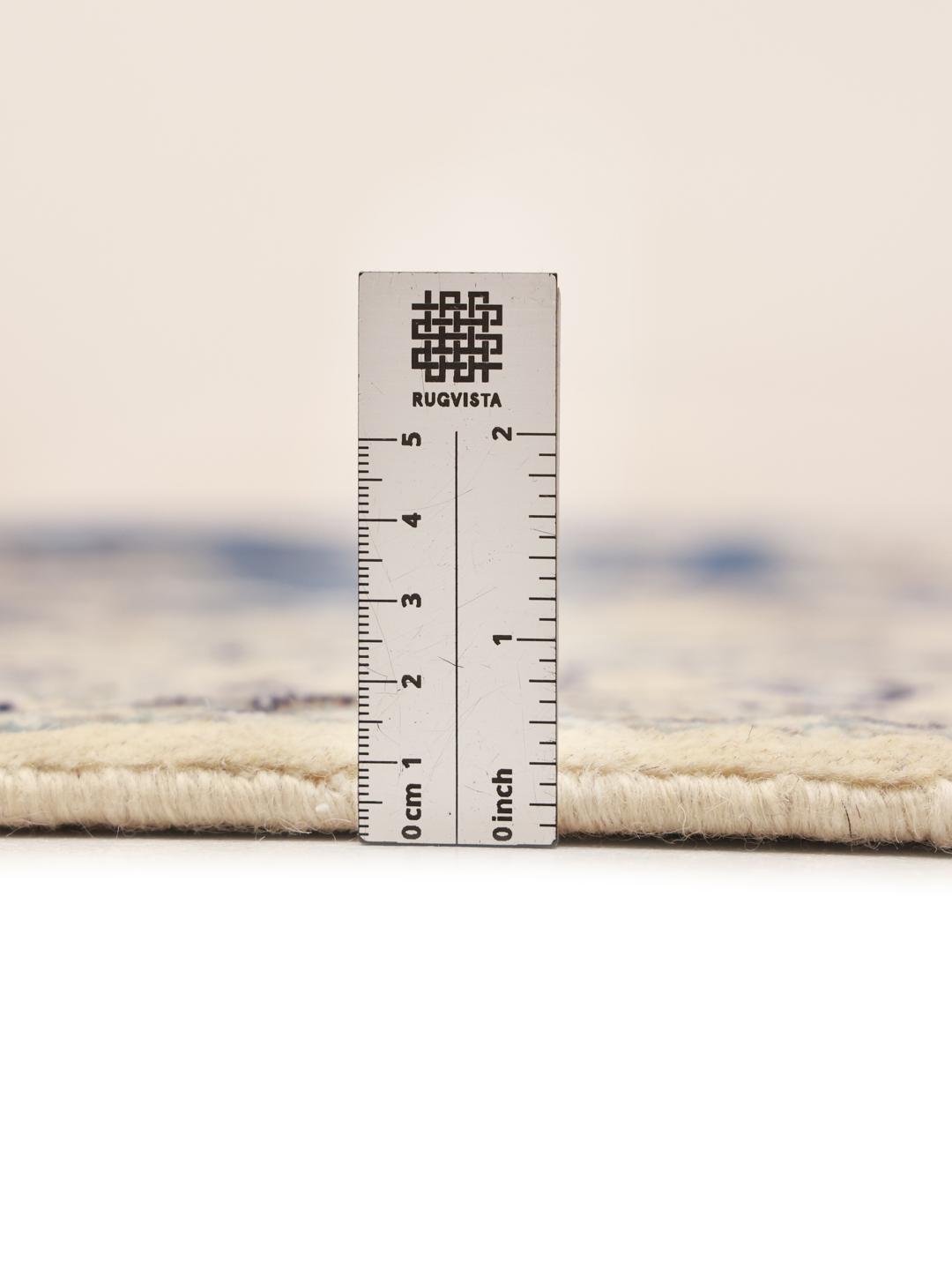
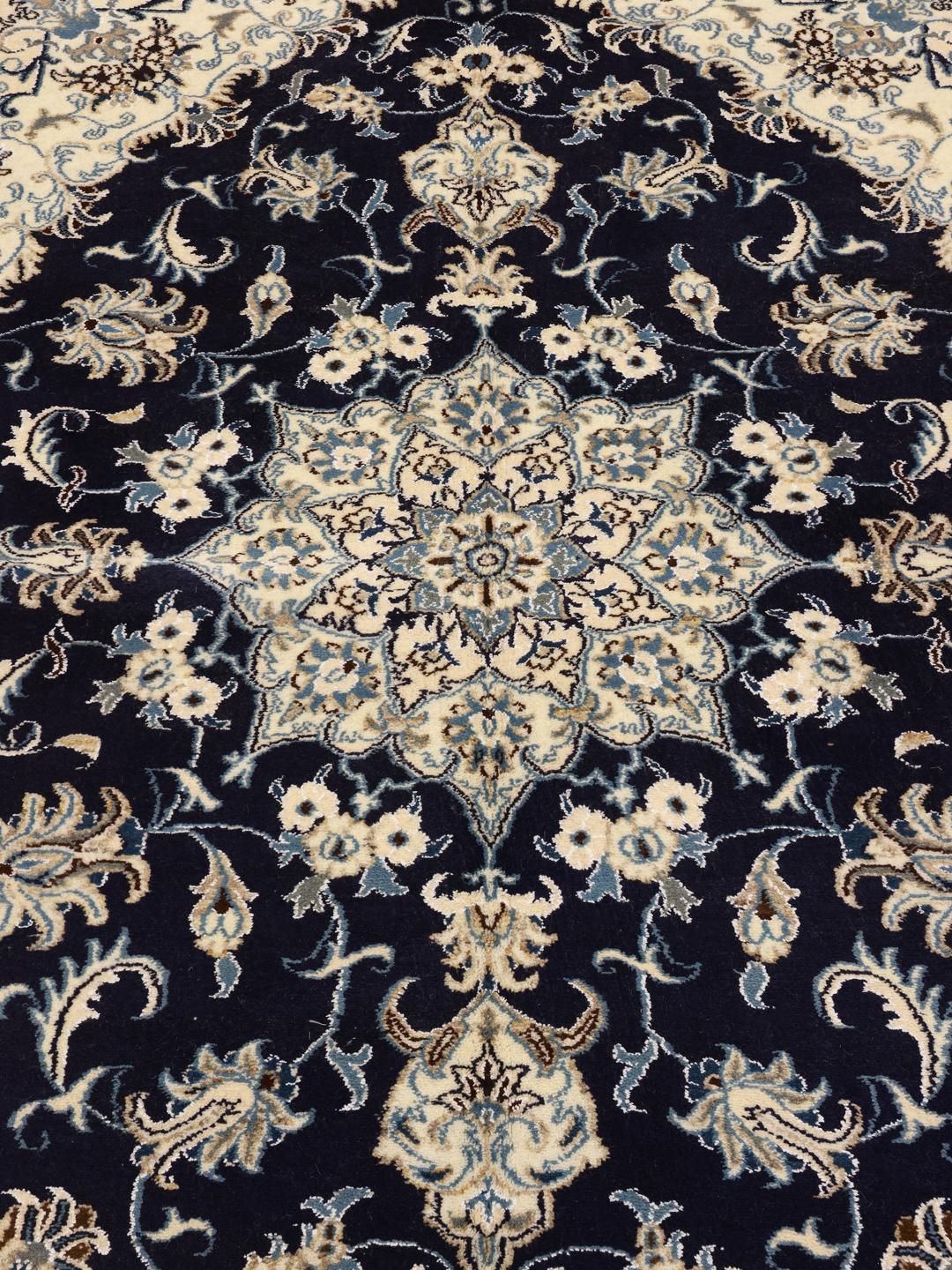
The quality of these rugs is often understood through their construction, which prioritises precision and a fine, dense pile. The use of high-quality materials and tight knotting techniques ensures that the intricate designs remain sharp and clear, even after years of use. This technical excellence is why Nain rugs are sought after by collectors who value both the structural integrity and the soft, luxurious feel of the finished product.
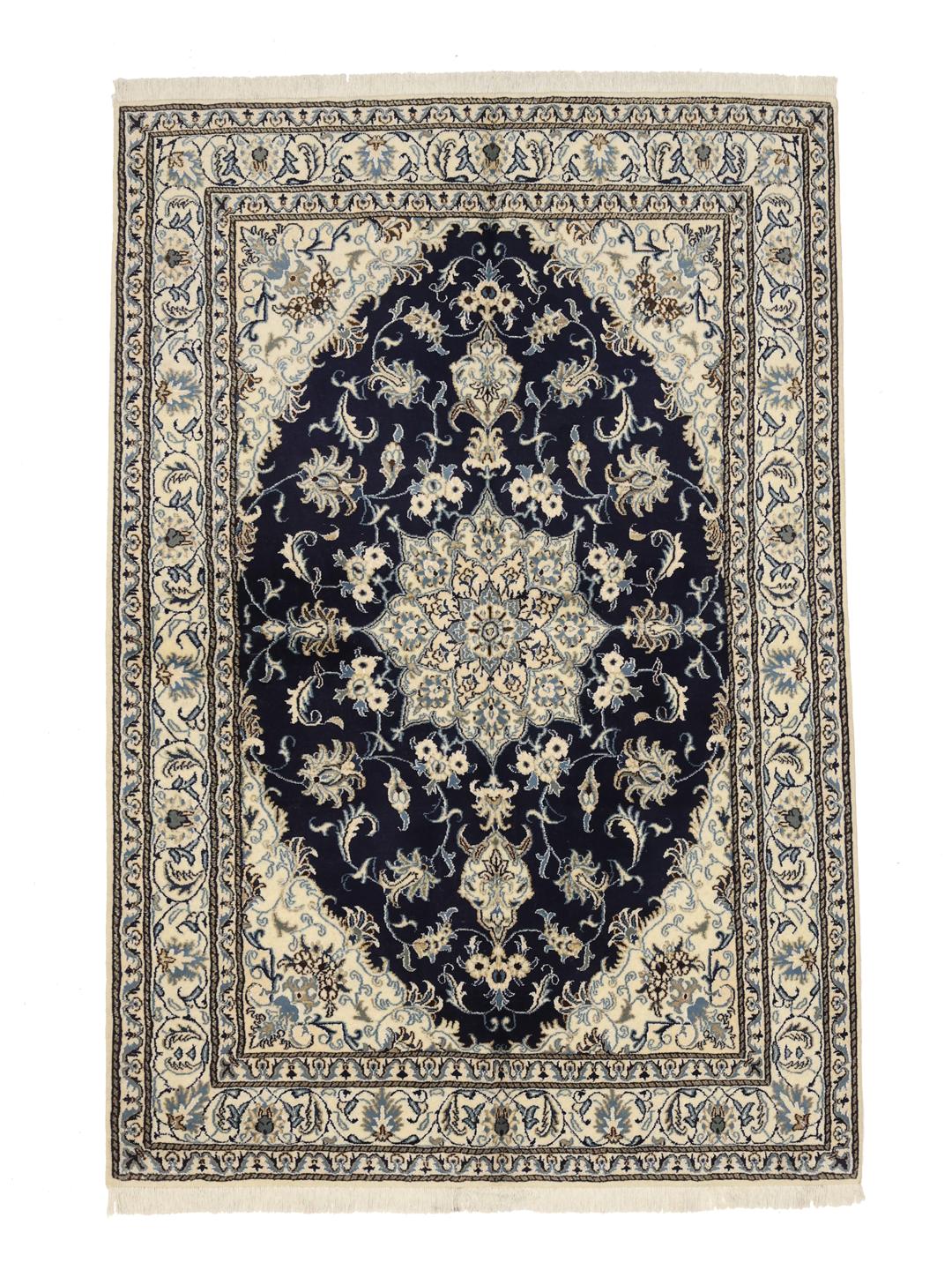
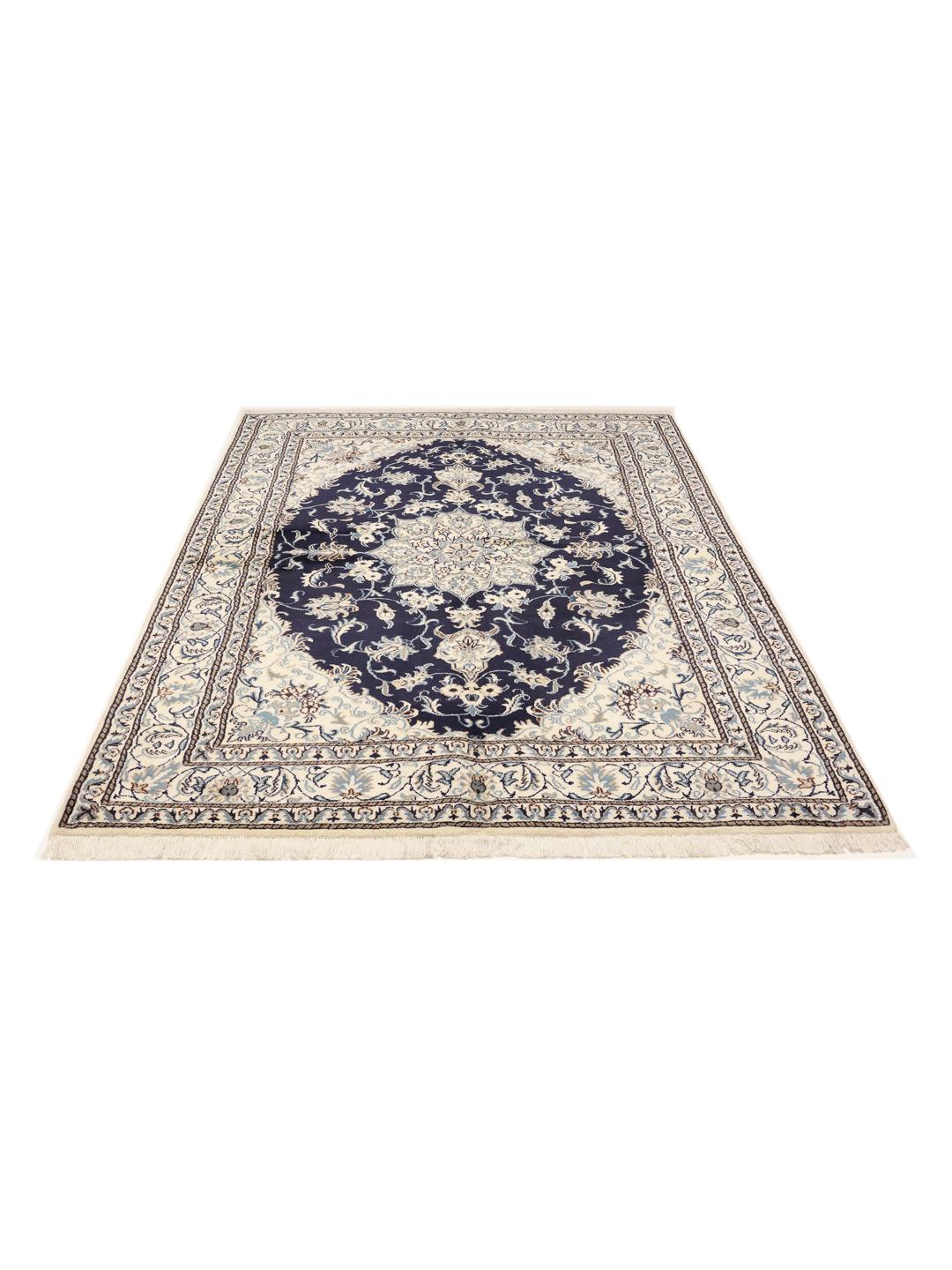
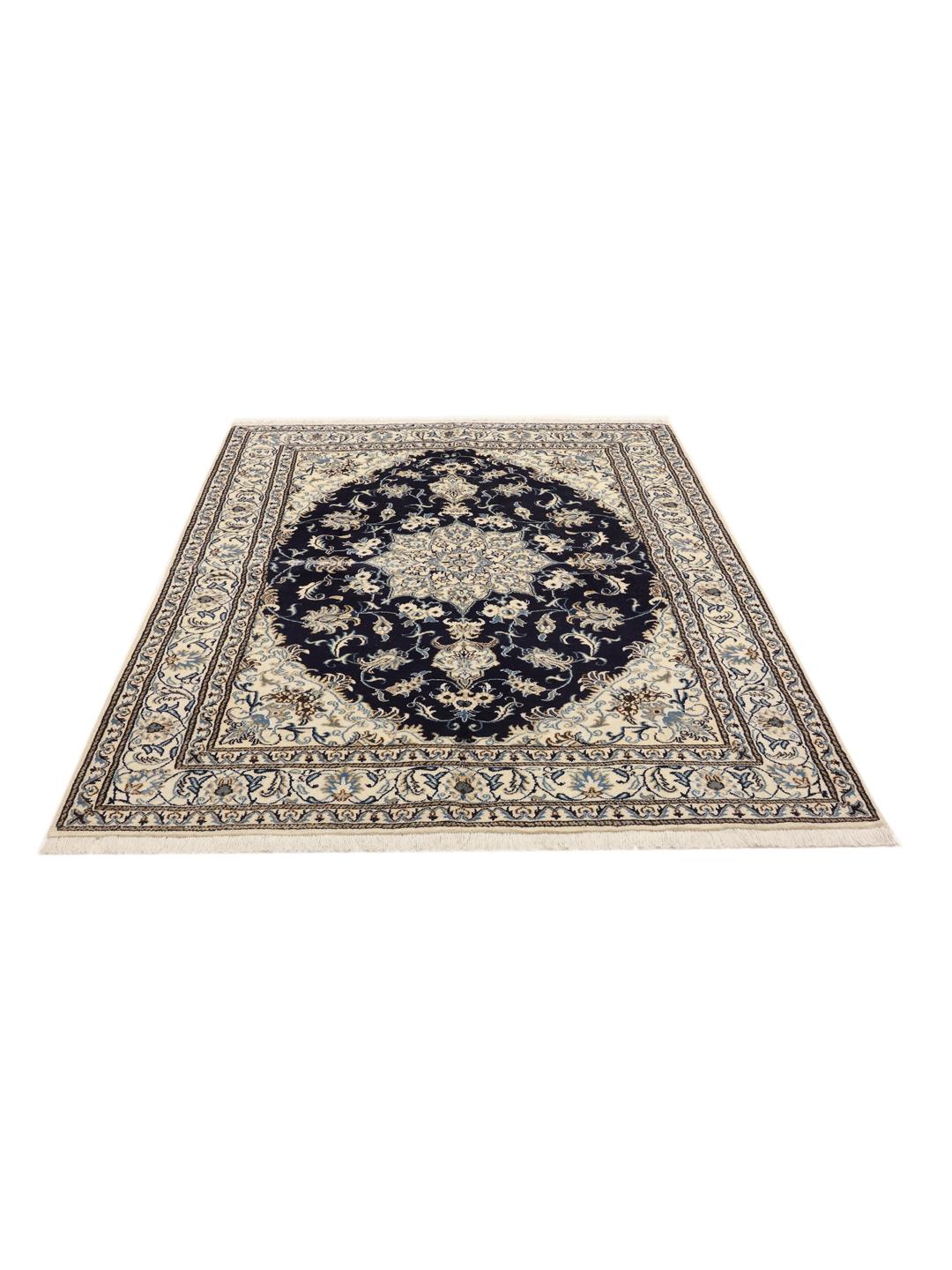
Visually, these rugs are defined by their sophisticated colour palettes, often featuring soft creams, blues, and whites. The design language typically includes a central medallion surrounded by dense floral patterns, scrolling vines, and arabesques, all enclosed by a formal, multi-layered border. This style is known for its balance and grace, often avoiding overly vibrant colours in favour of a more subtle, harmonious aesthetic.
Owning a piece from this tradition represents an appreciation for historical skill and artistic continuity. These rugs are not just floor coverings but expressions of a long-standing cultural legacy, where every motif is a nod to centuries of design evolution. To possess one is to hold a link to a craft tradition that values patience, detail, and the pursuit of quiet, enduring beauty.