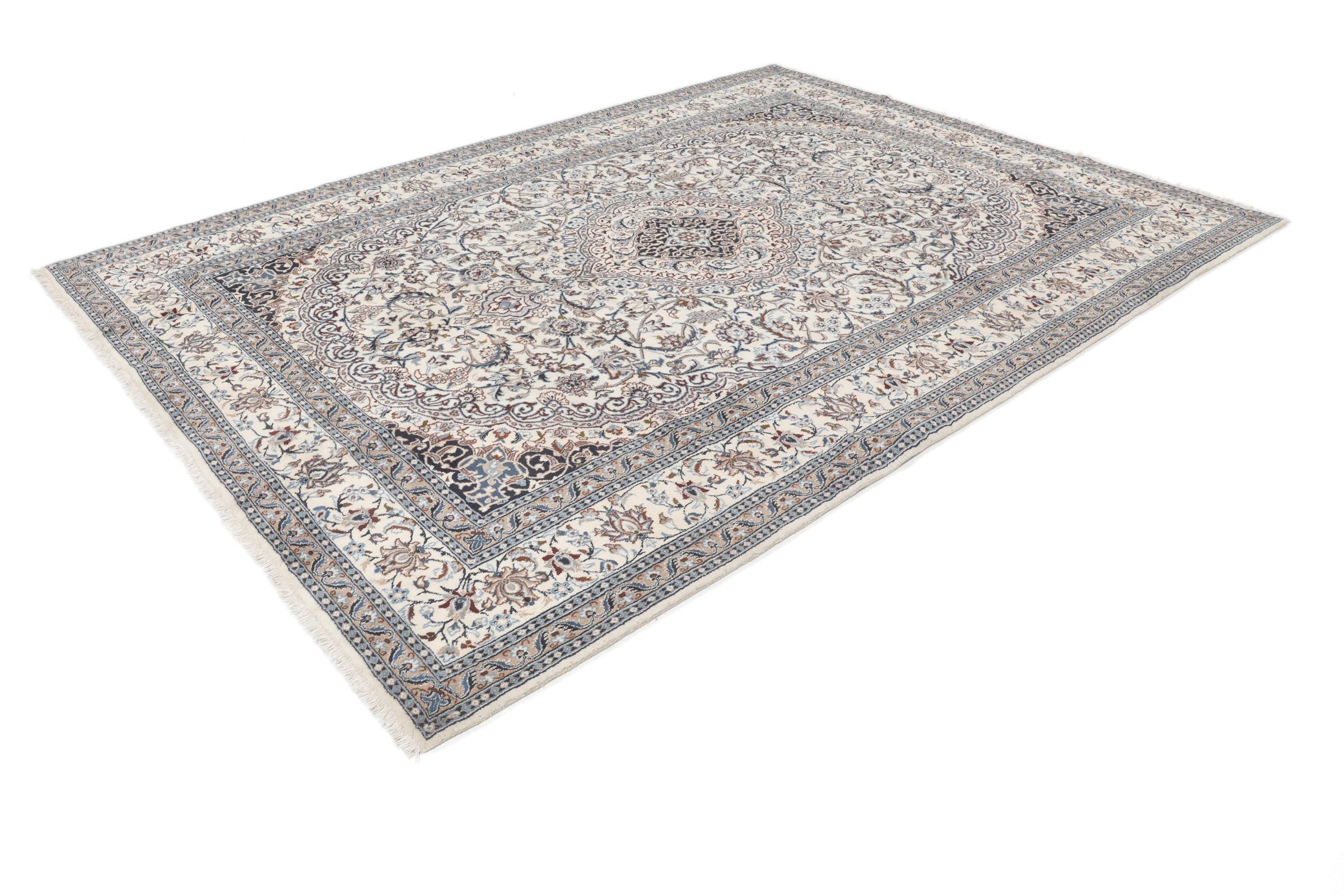
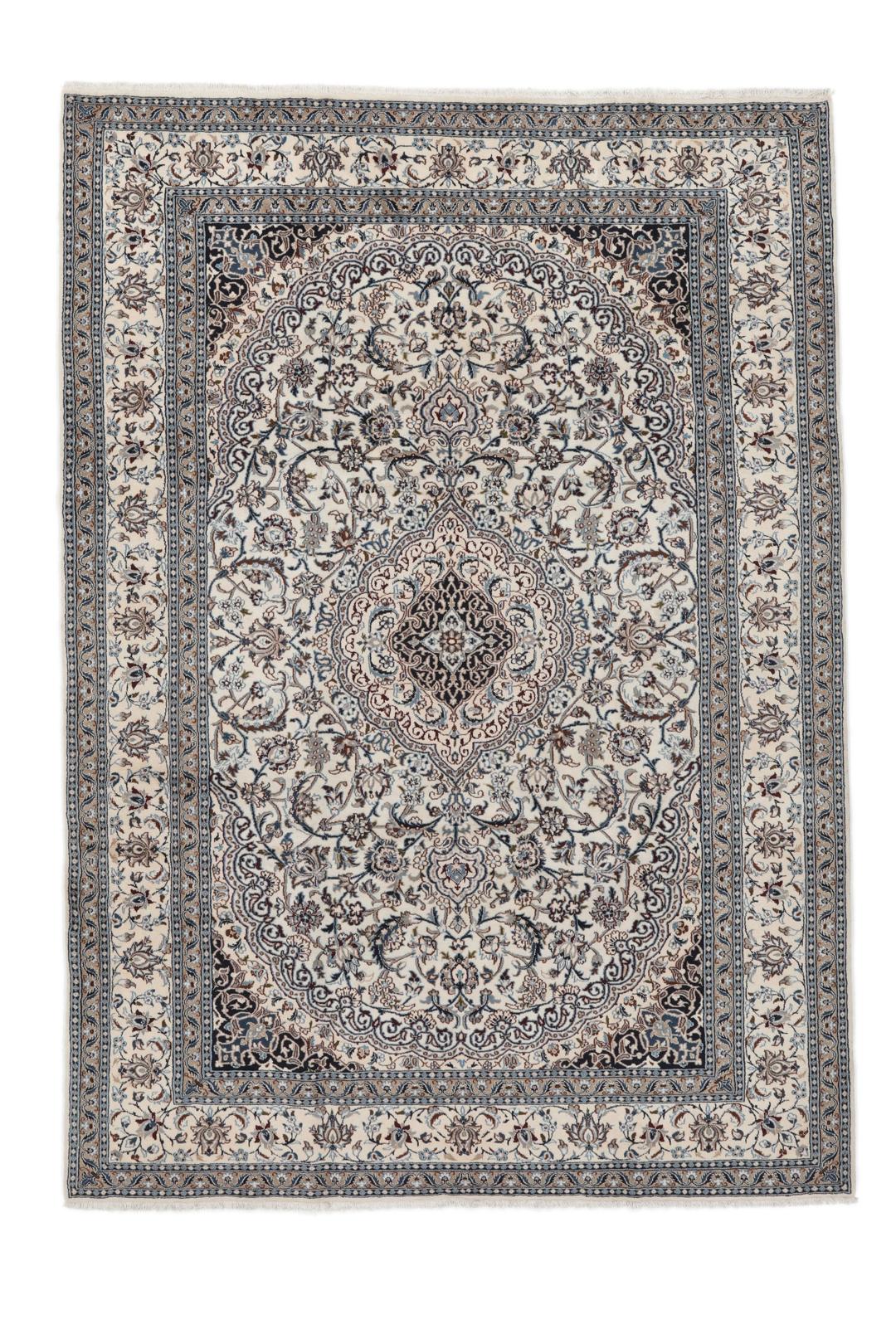
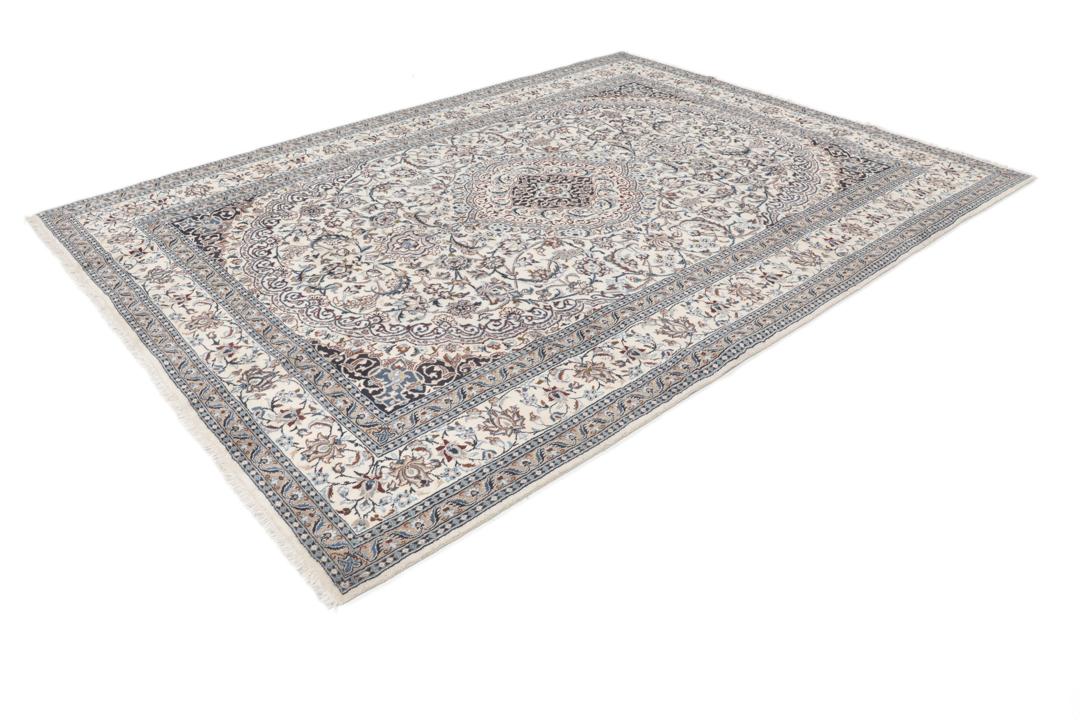
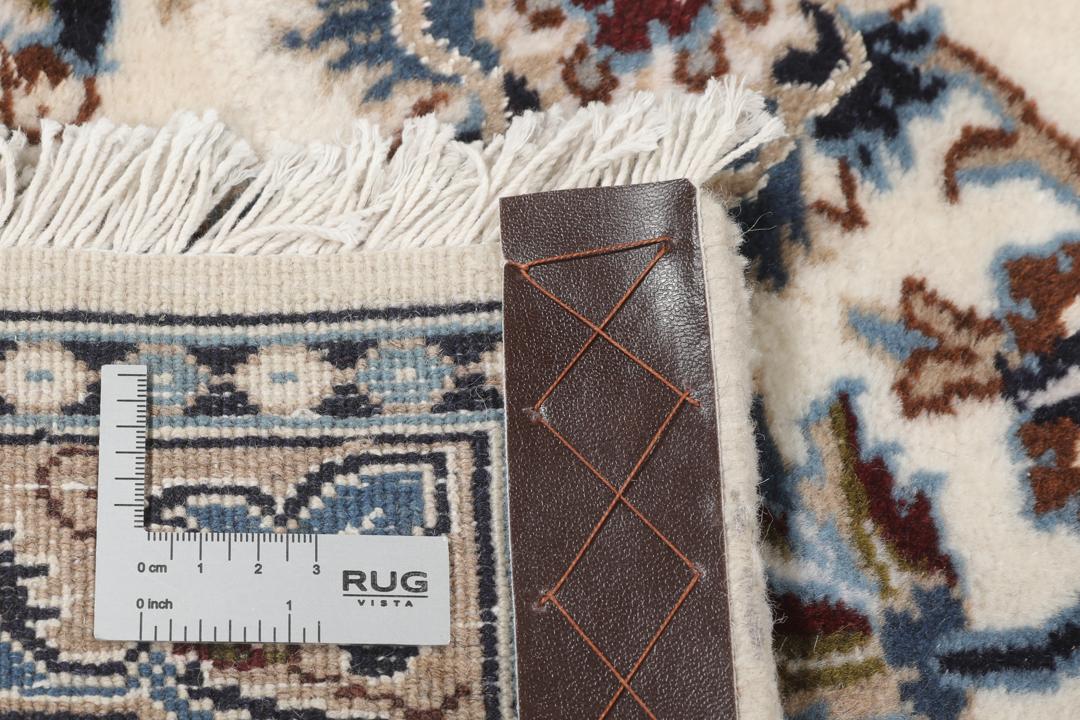
The Nain rug tradition originates from the historic city of Nain, located in the central desert region of the Middle East. Originally known for producing high-quality wool textiles and garments, the city transitioned its master artisans toward rug weaving in the early 20th century. This evolution quickly established Nain as a centre for some of the most sophisticated and highly sought-after rugs in the world.
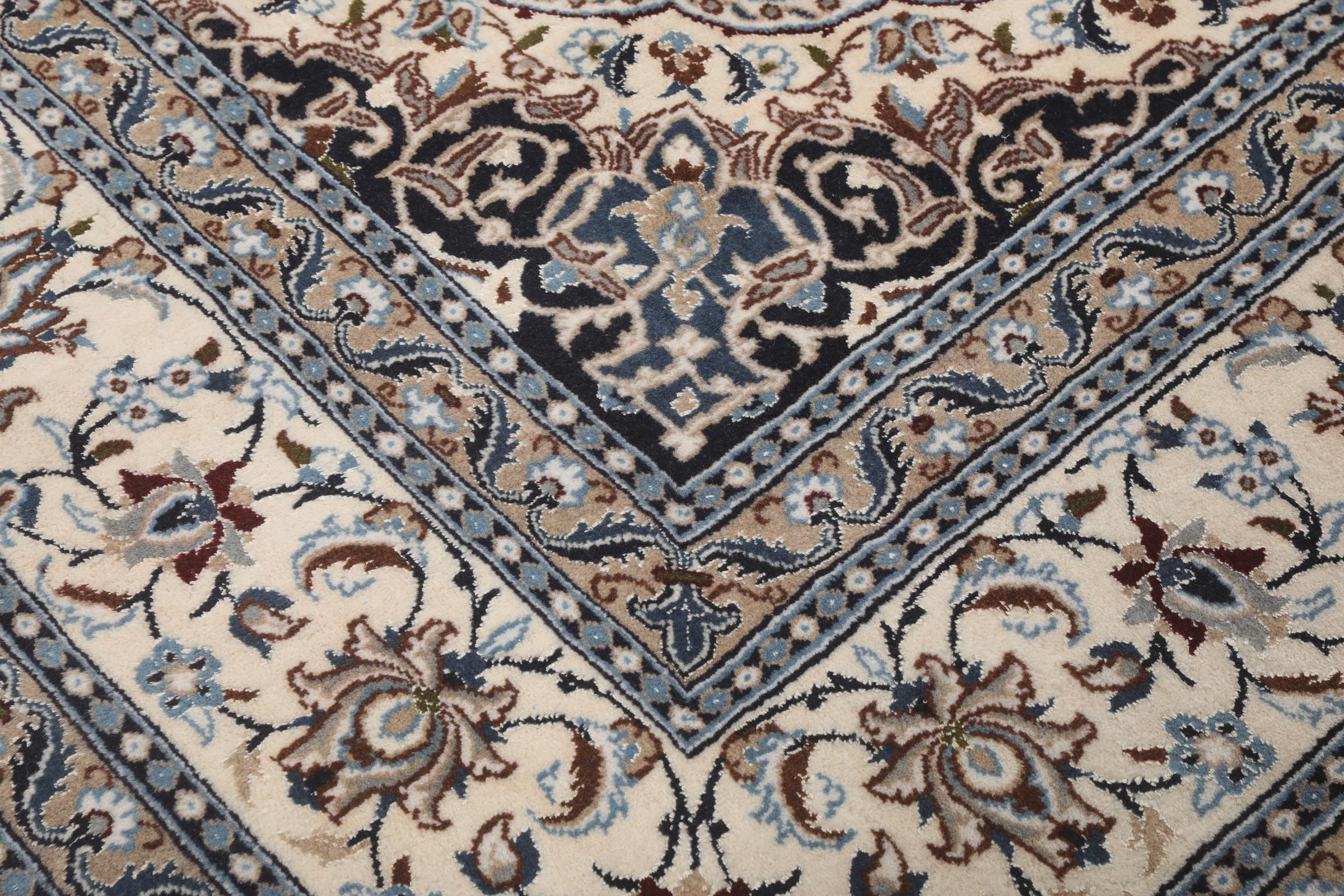
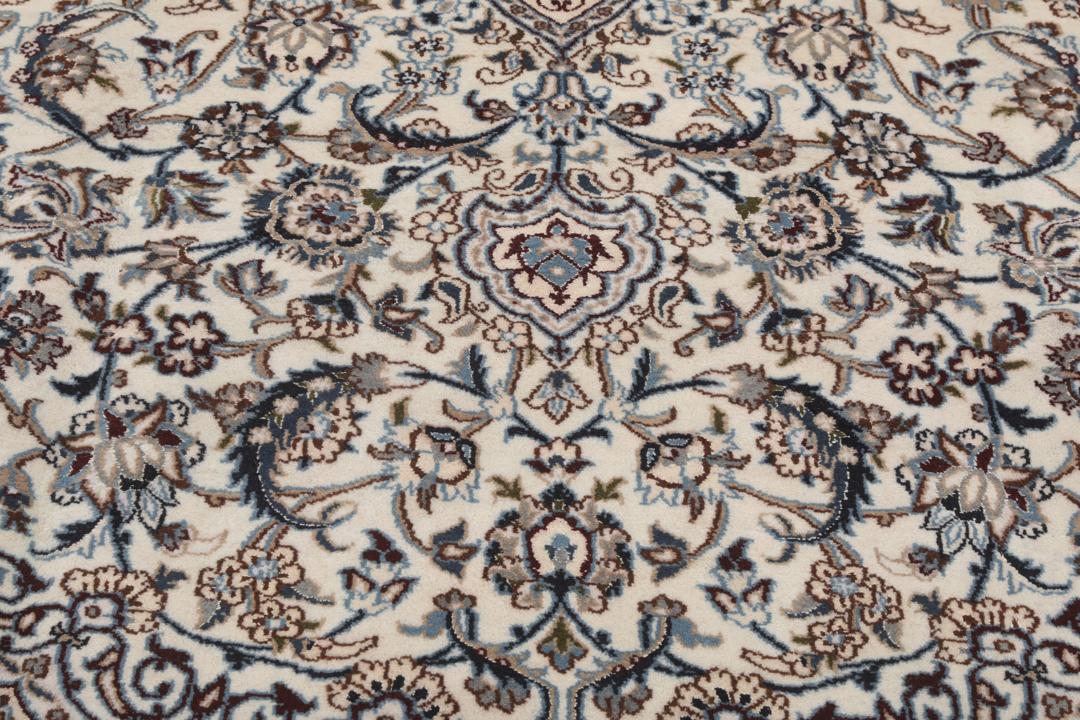
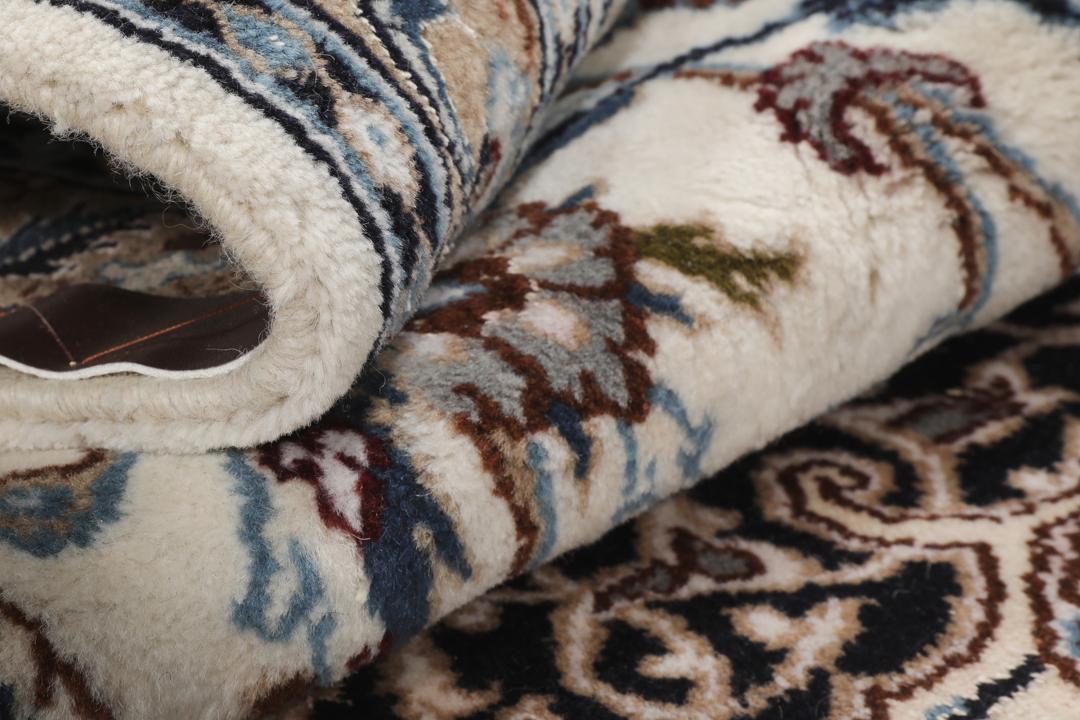
Nain rugs are celebrated for their distinctive technical mastery, often categorised by the quality of their weave. The precision involved in their creation is legendary, with weavers using fine wool to achieve a level of detail that mimics the appearance of silk. This technical rigour ensures that the patterns, often inspired by classical architecture and garden themes, appear sharp and clearly defined even in the most complex layouts.
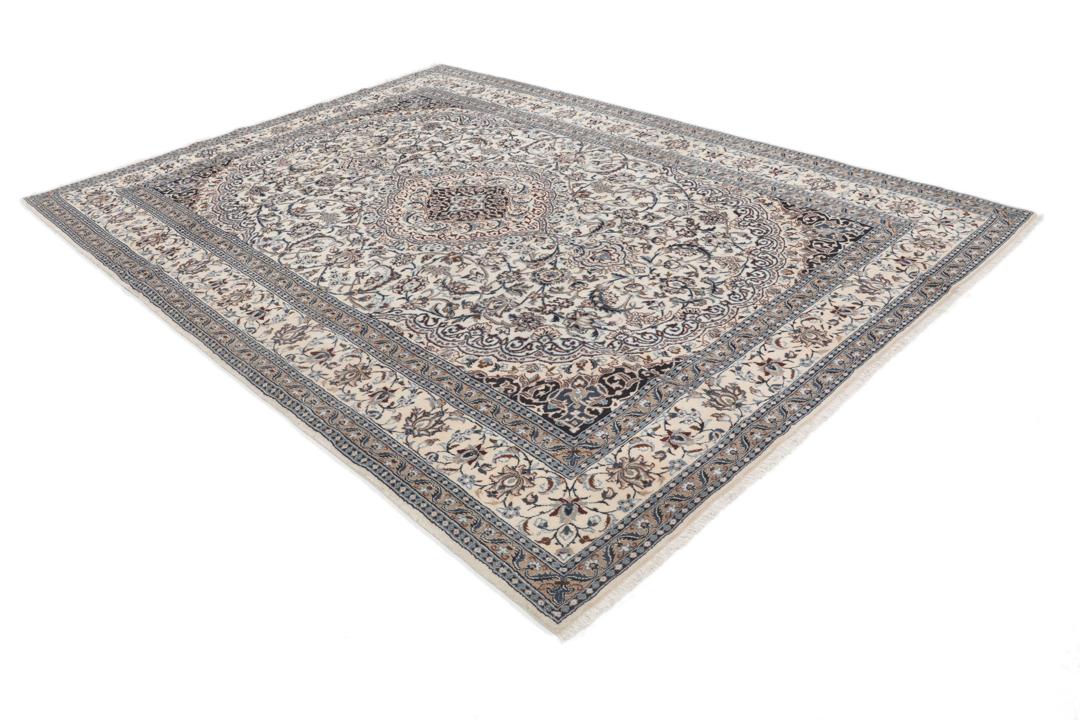
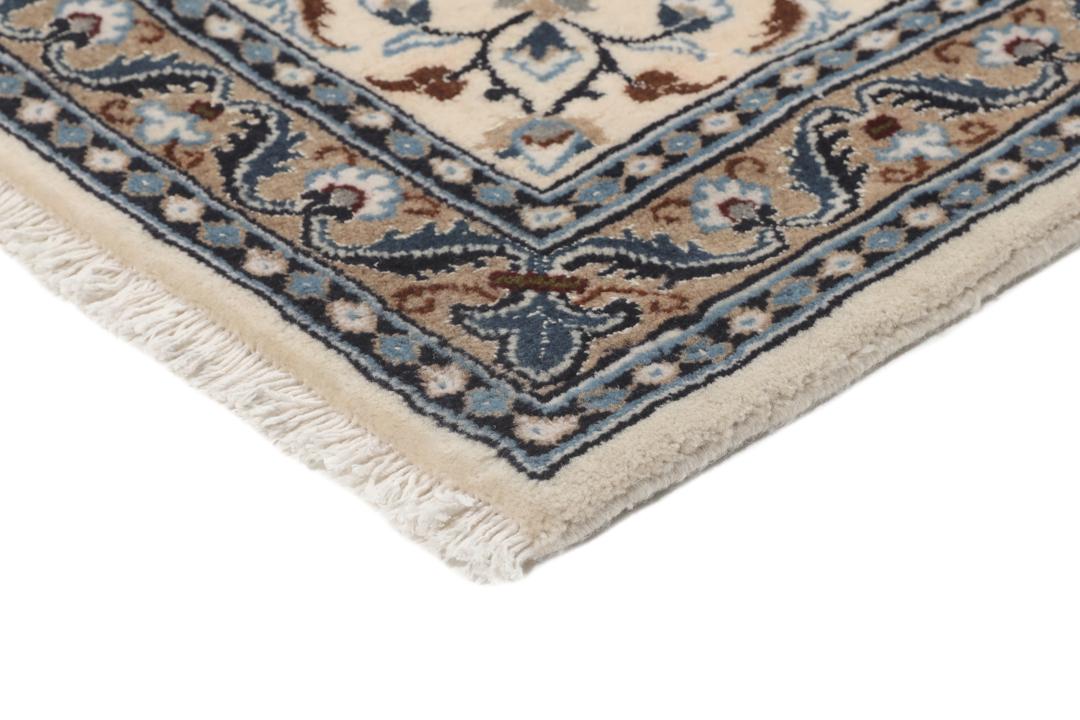
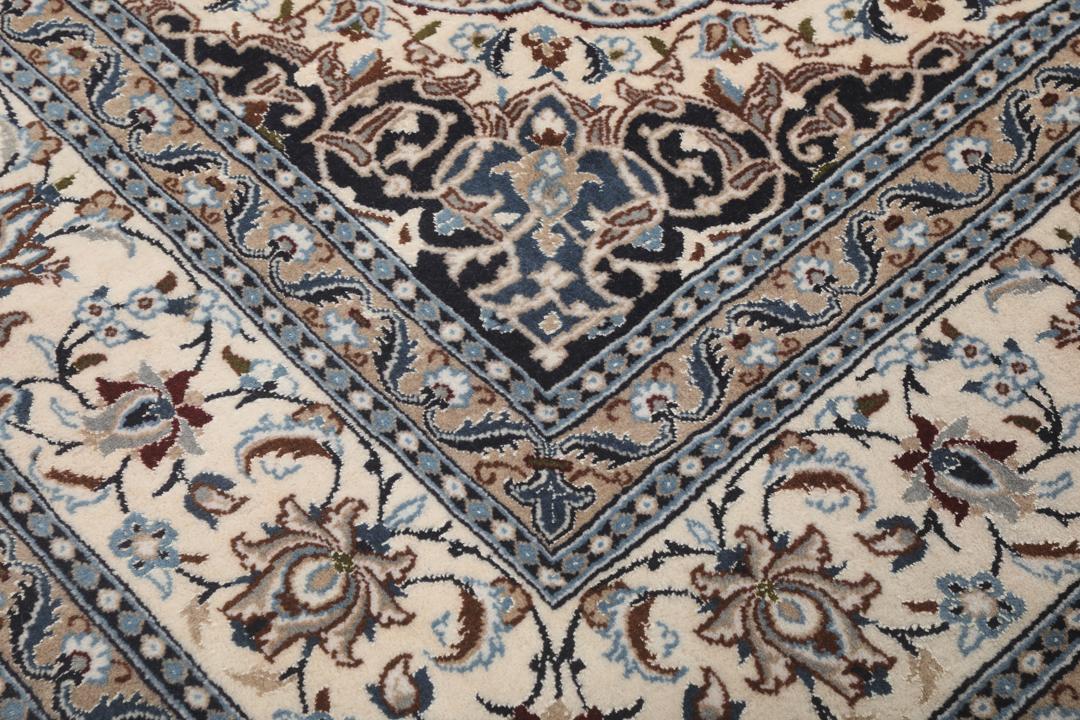
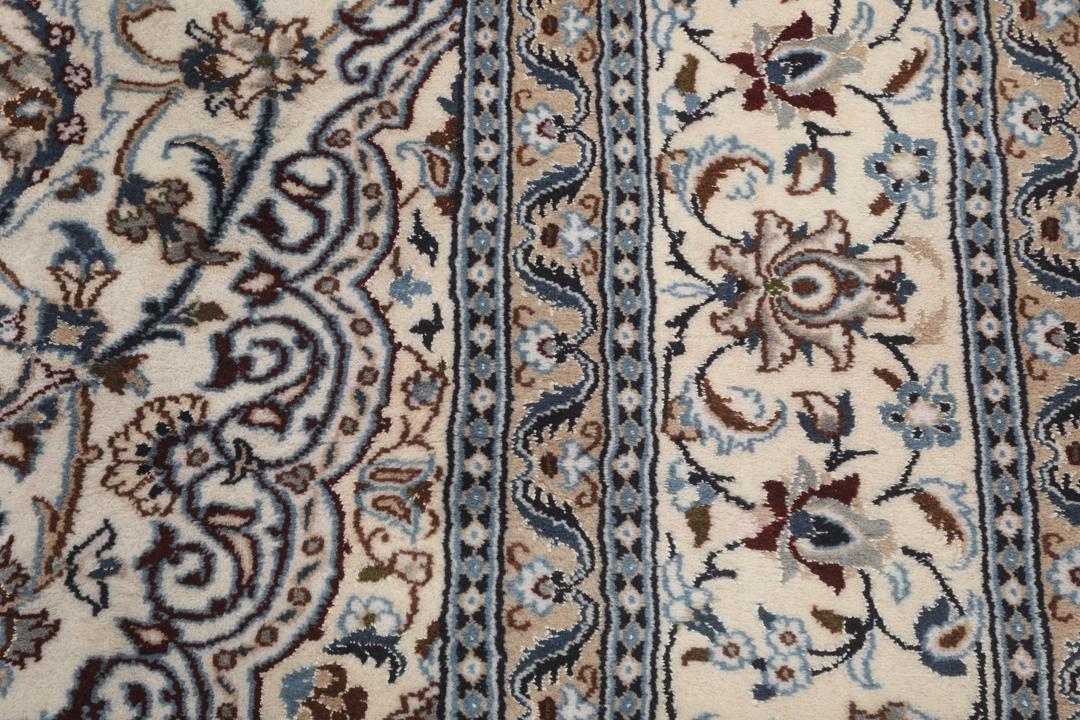
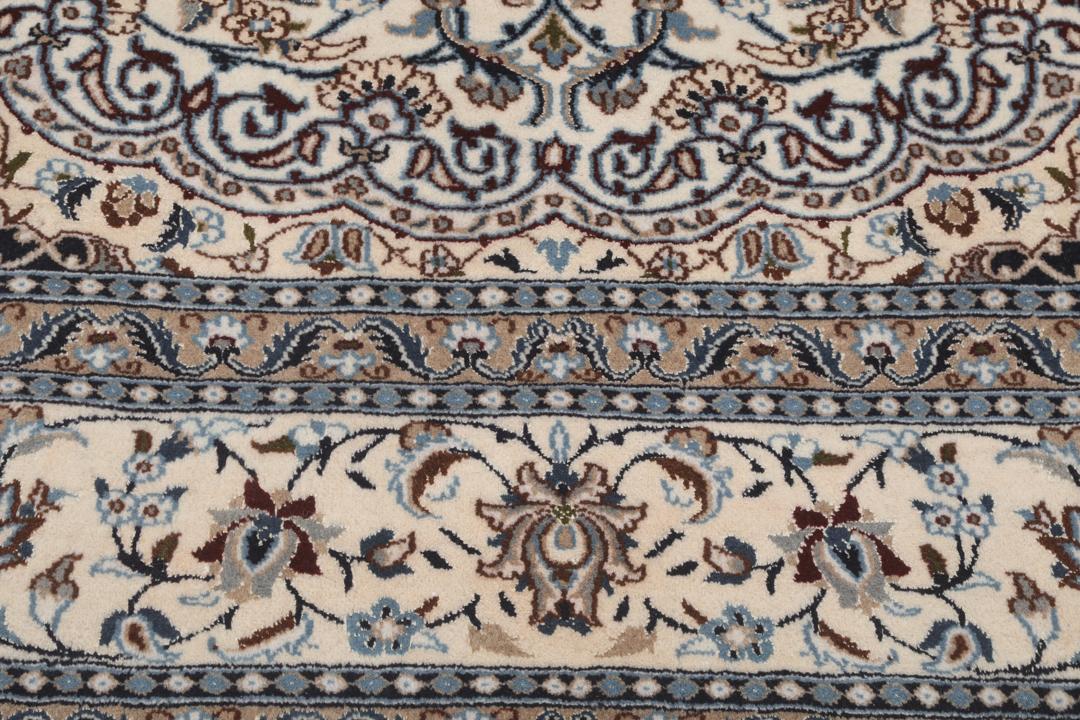
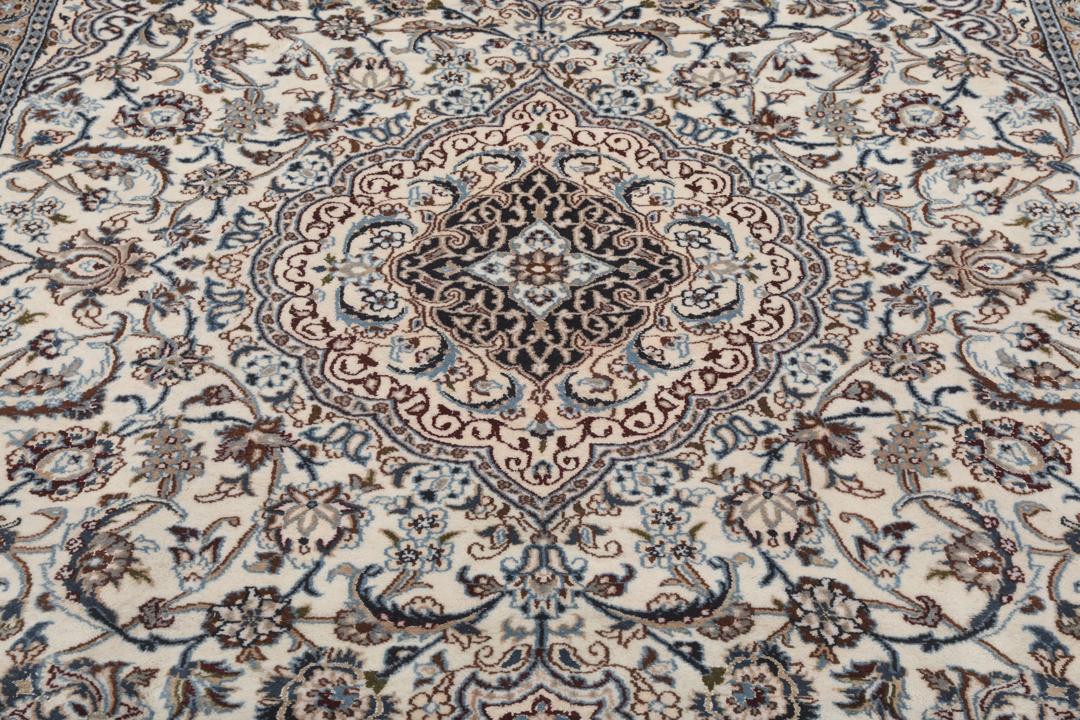
Visually, these rugs are synonymous with a refined aesthetic, typically featuring a central medallion set against a field of scrolling floral vines, palmettes, and arabesques. While many designs utilise a traditional palette of cream, beige, and soft blues, the artistry lies in the balance between the intricate field and the elegant, multi-layered borders. This restrained colour usage highlights the quality of the weaving and the clarity of the motifs.
Collecting a Nain rug is an investment in a storied craft tradition that values patience and perfection. These rugs are highly prized by collectors not only for their beauty but for the immense skill required to produce them. Owning one is a way to connect with a legacy of Middle Eastern artistry, ensuring that the heritage of this craft continues to be appreciated for its lasting quality and cultural significance.