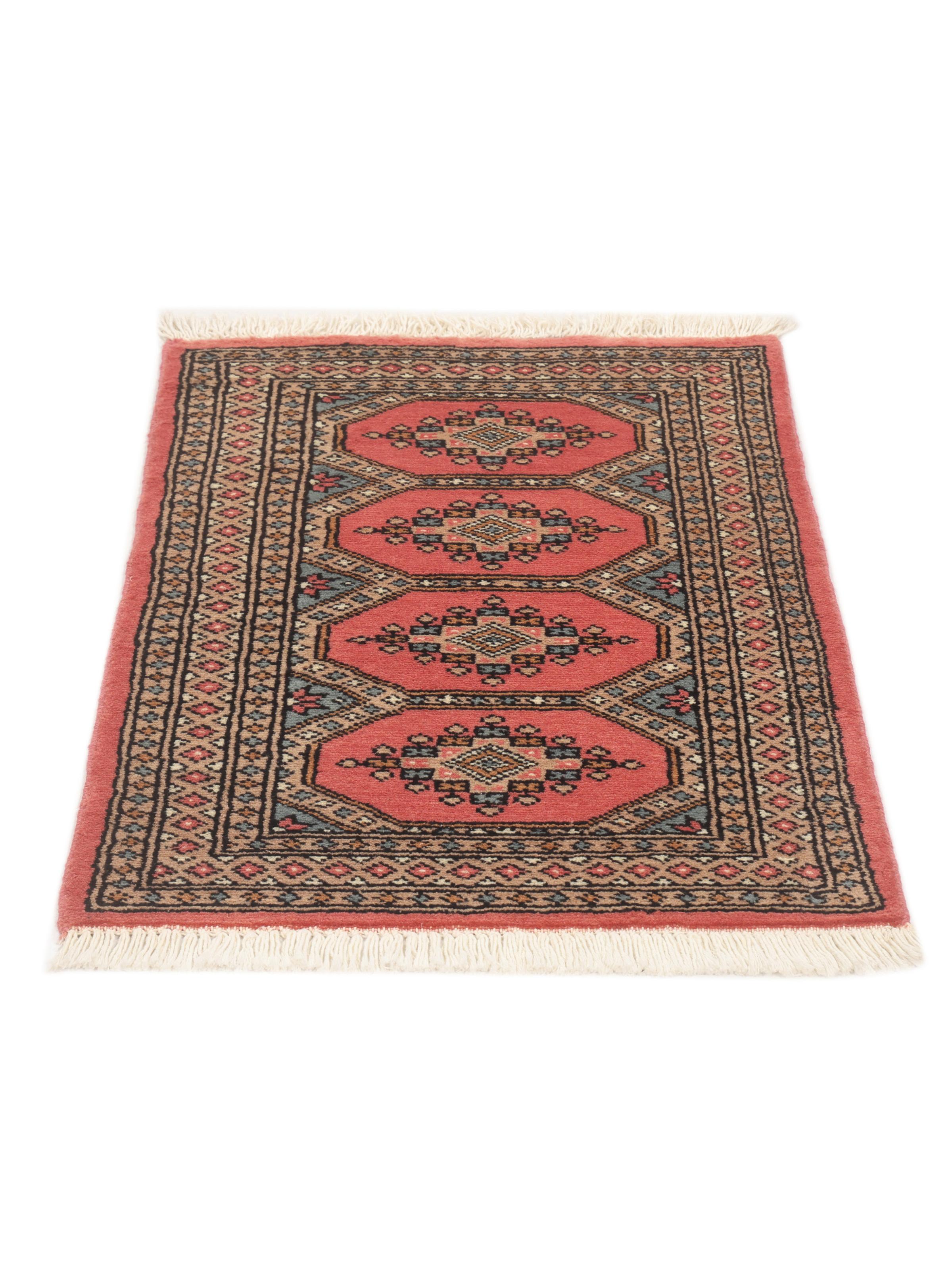
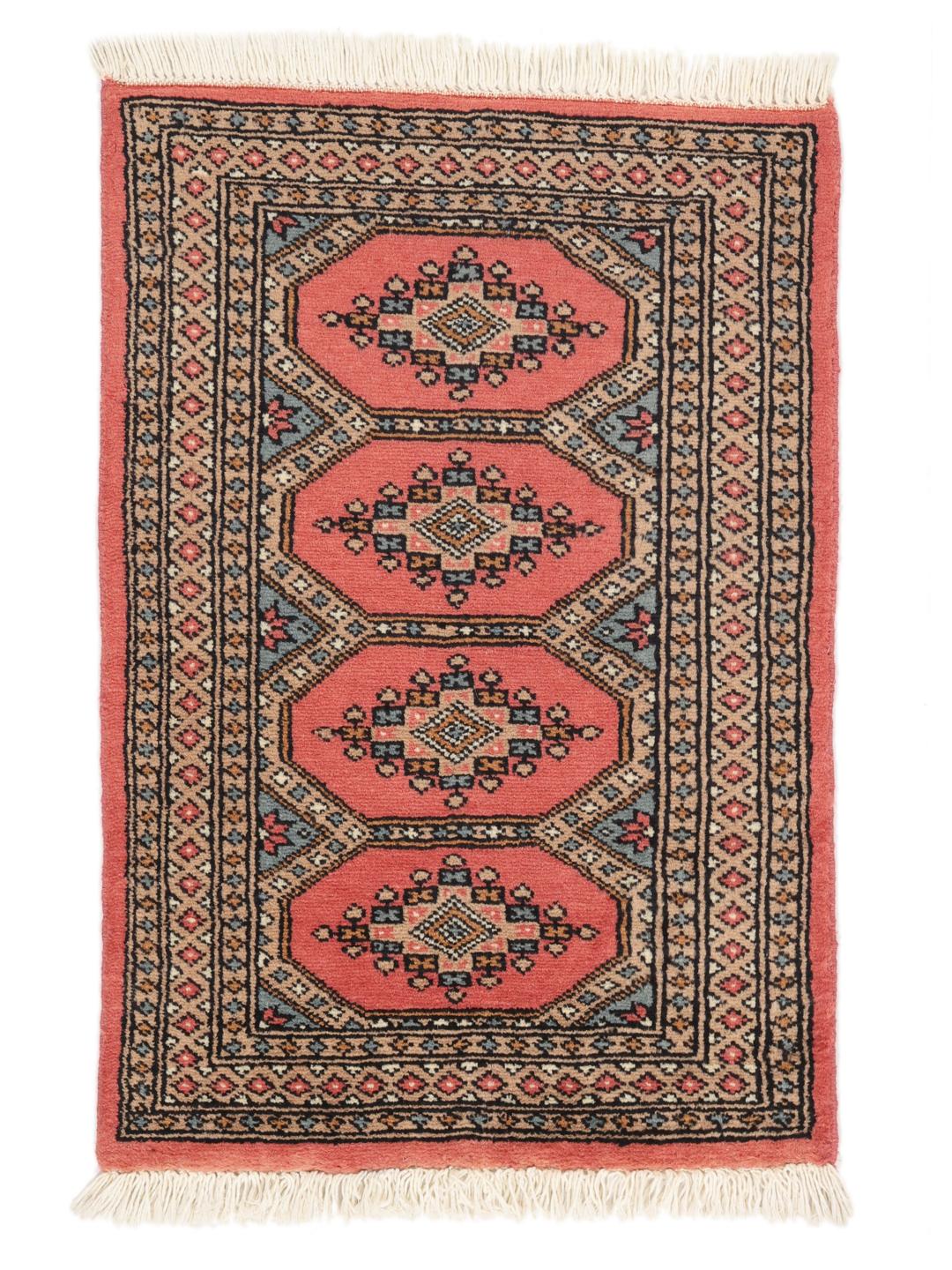
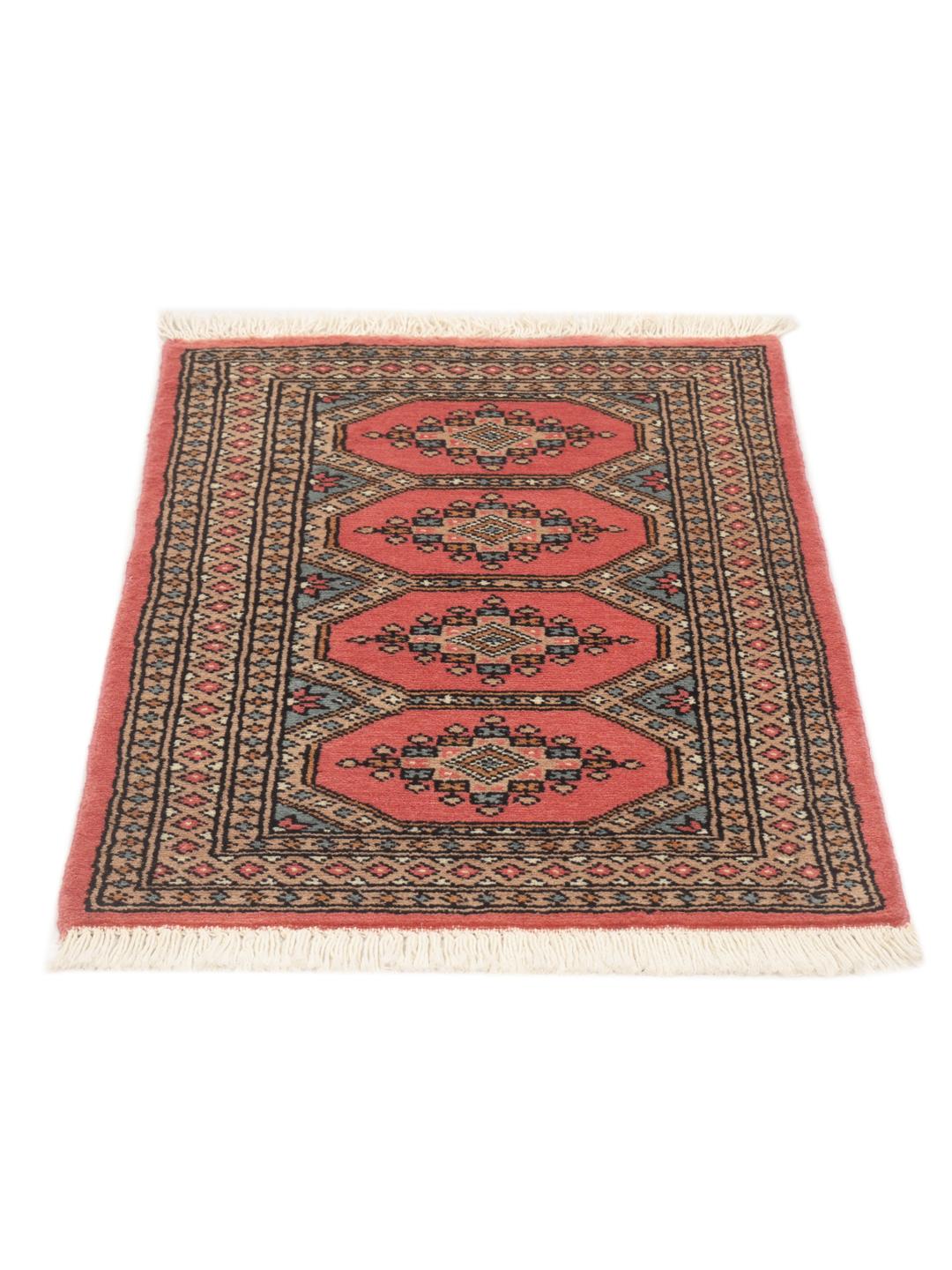
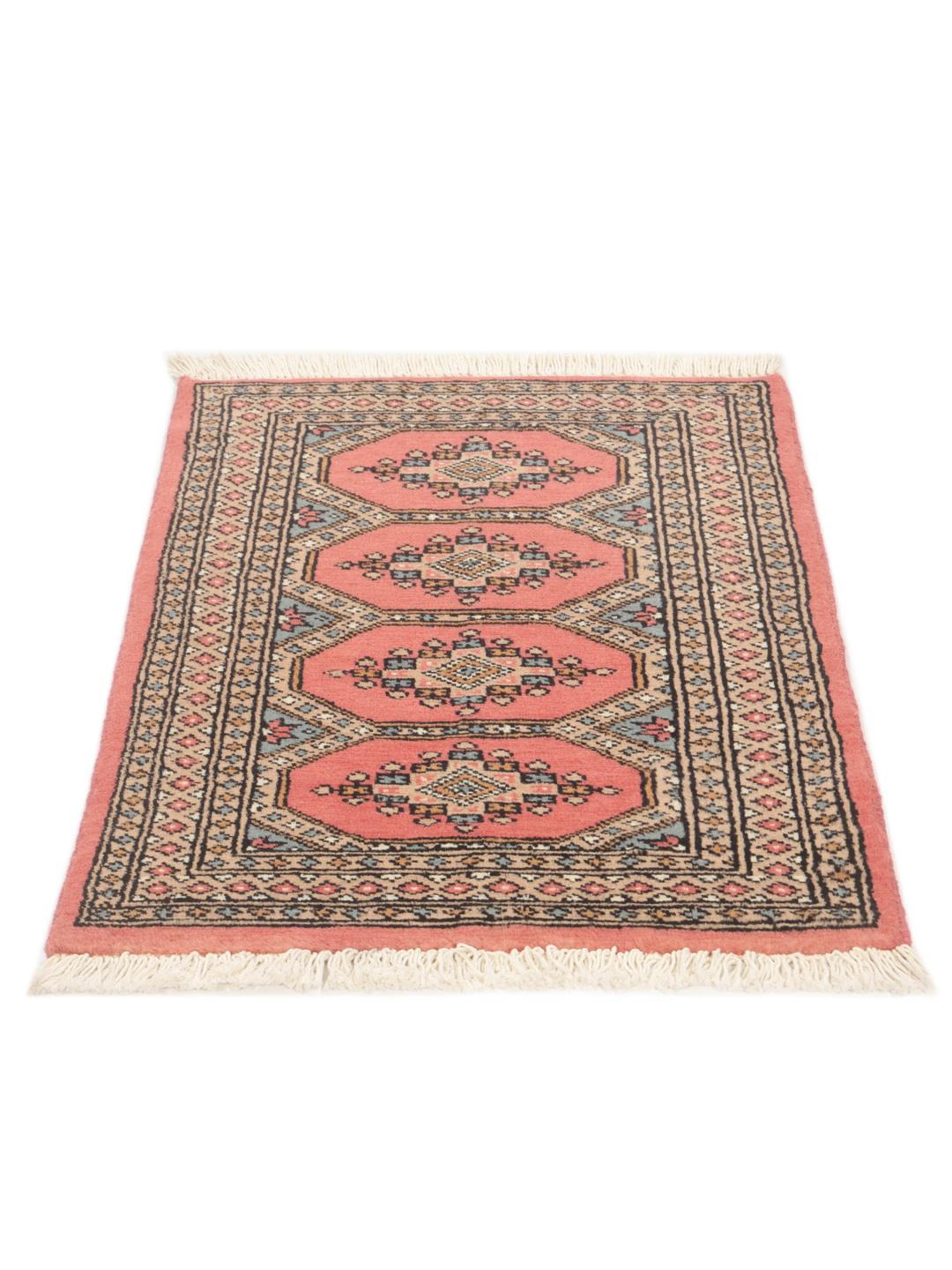
The Bokhara rug tradition is deeply rooted in the history of the Silk Road, taking its name from the ancient city of Bukhara in Central Asia. While the style originated with nomadic tribes who designed these pieces to be portable and durable, the finest contemporary examples are now primarily woven in Pakistan. This evolution reflects the movement of weaving knowledge across borders, where master artisans have refined the style to reach new levels of sophistication and colour richness.
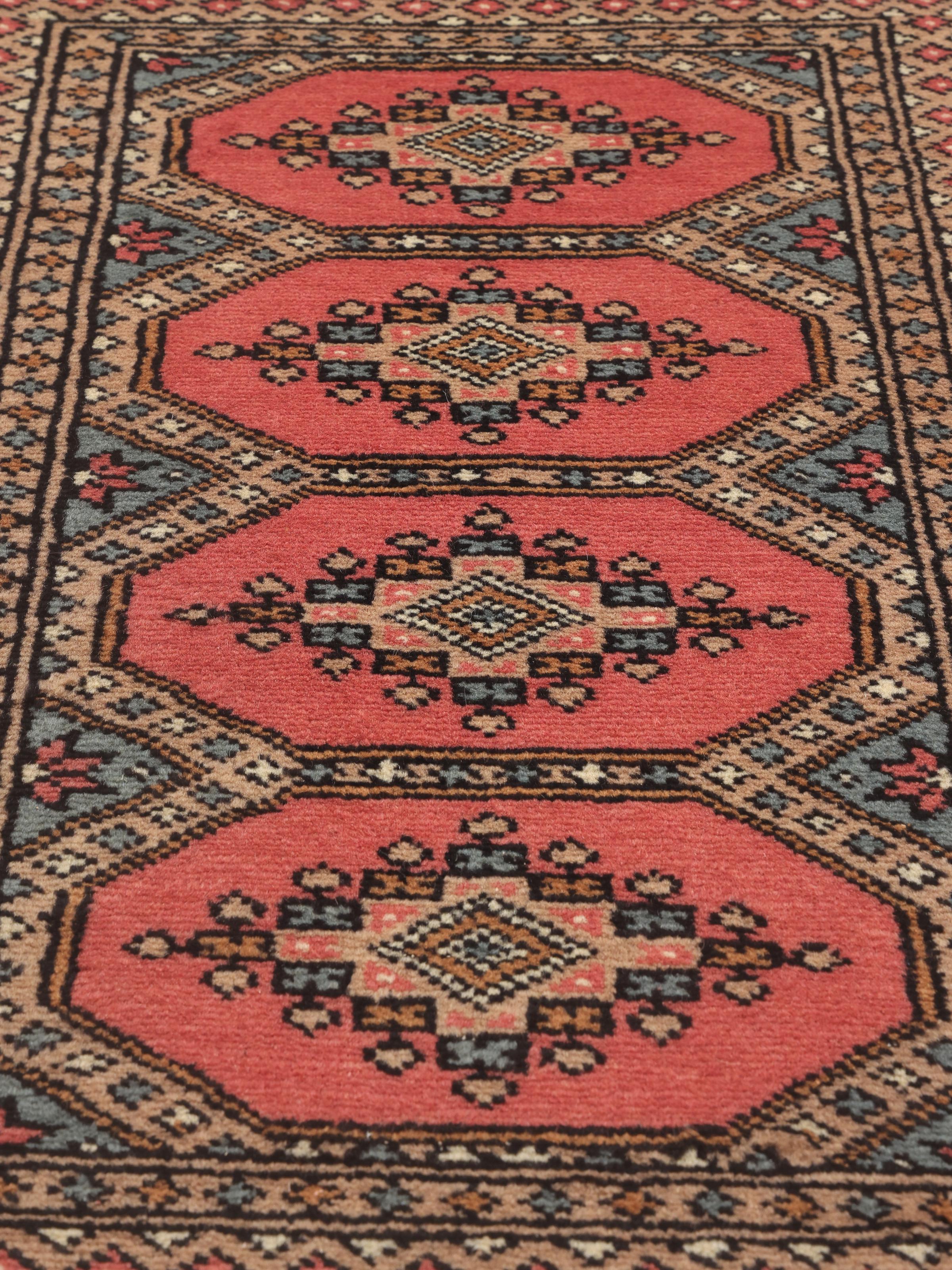
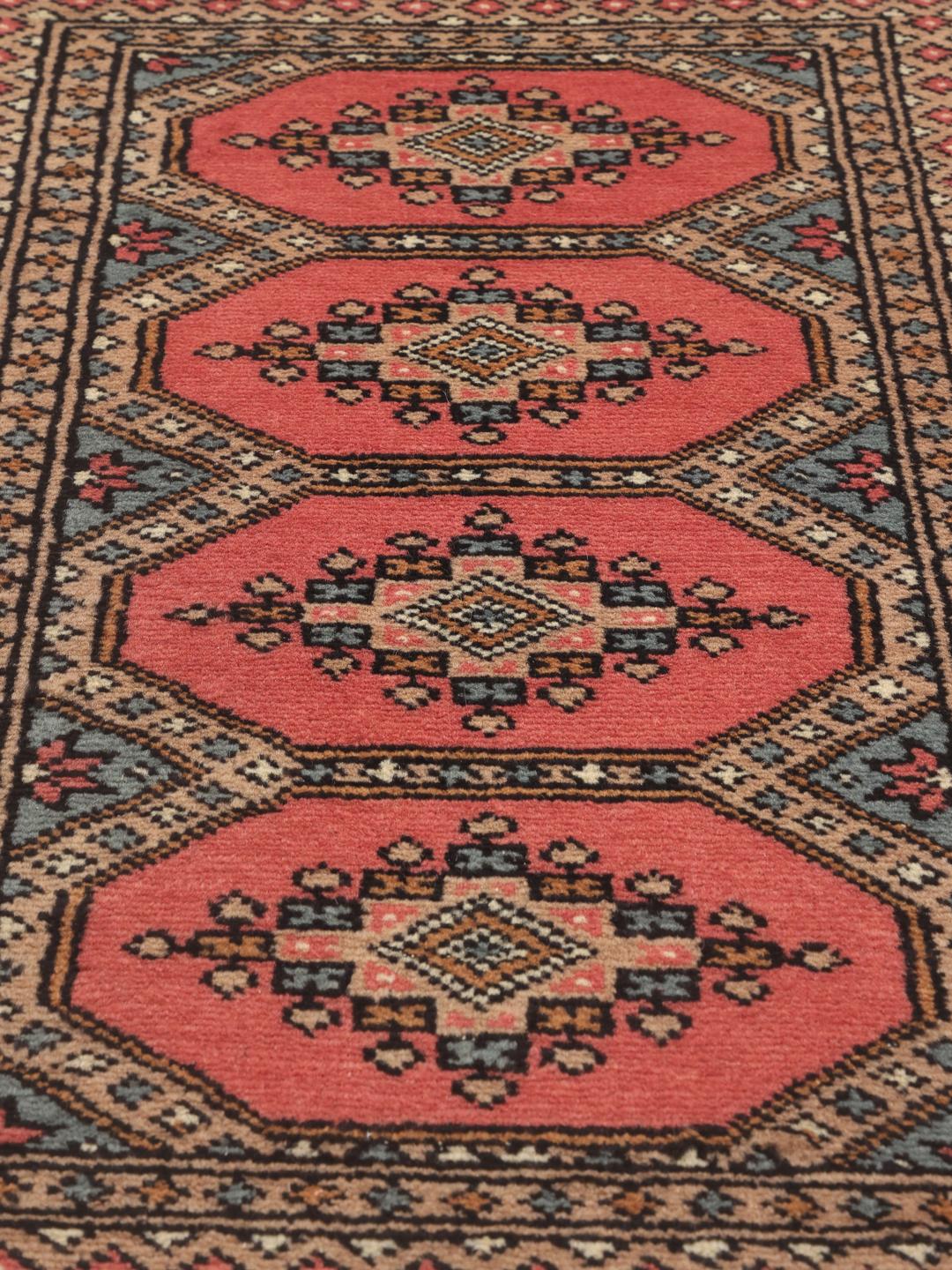
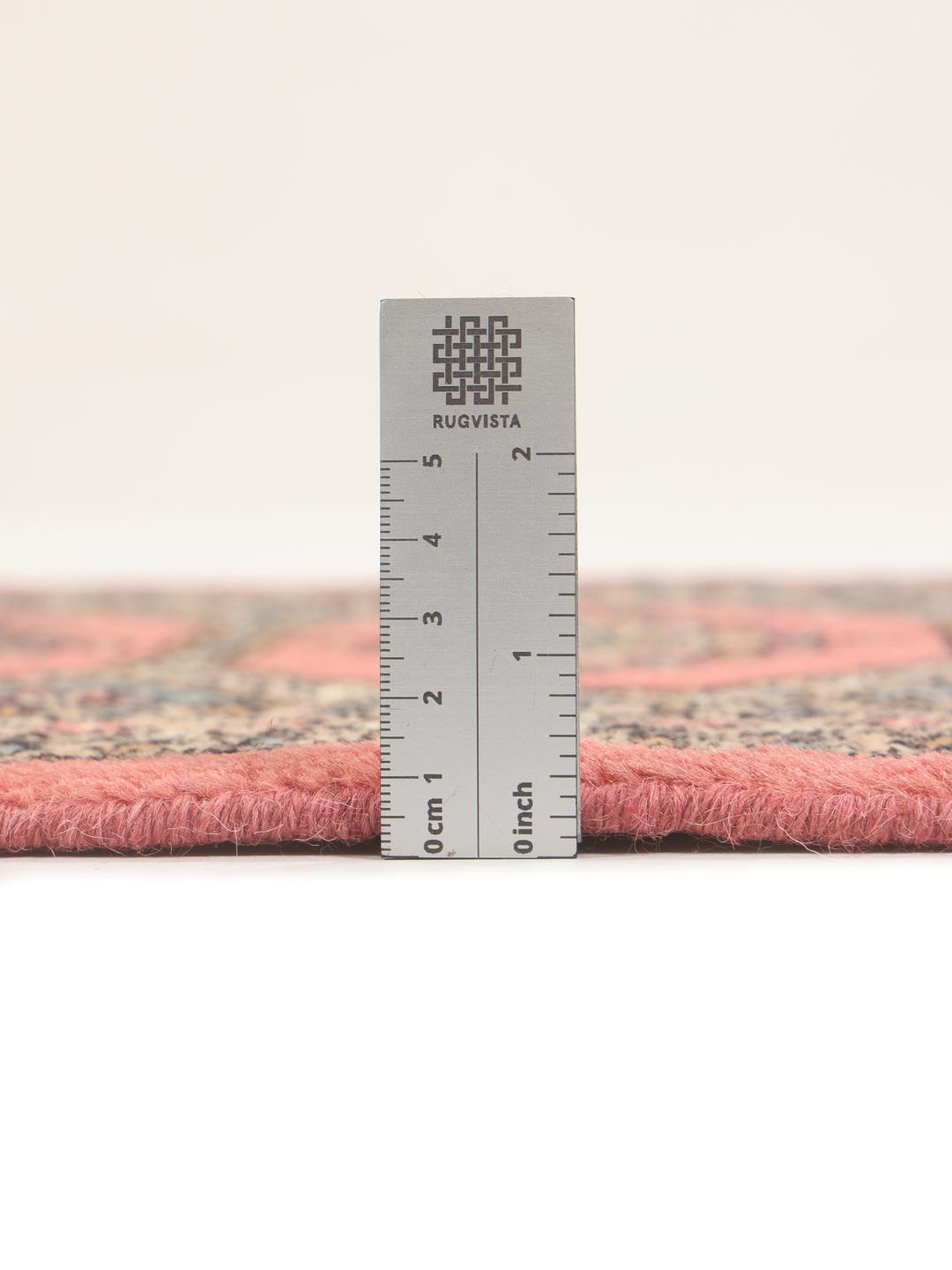
The term '2ply' refers to the construction of the wool yarn, where two individual strands are twisted together before being knotted. This technique is significant because it produces a pile that is not only denser and more lustrous but also far more resilient. By using a 2ply construction, the rug gains an enhanced ability to withstand daily wear while maintaining its soft, inviting texture, making it a practical choice for high-traffic areas.
Signature design elements of the Bokhara style include the repeating gul motifs, which are stylized, octagonal medallions arranged in structured rows across the field. These motifs are often enclosed by elaborate, geometric borders that frame the composition. The use of a rich, warm palette, particularly shades of red, is a hallmark of the tradition, symbolising the vitality and heritage of the region where these patterns were first conceived.
Collectors value these rugs for their combination of rigorous geometric discipline and expressive artistry. Owning a piece from this tradition is an investment in cultural heritage, representing a bridge between ancient craft and modern living. The skill required to execute such precise, repetitive patterns is a testament to the artisan's mastery, ensuring that each rug serves as a lasting piece of history in your home.