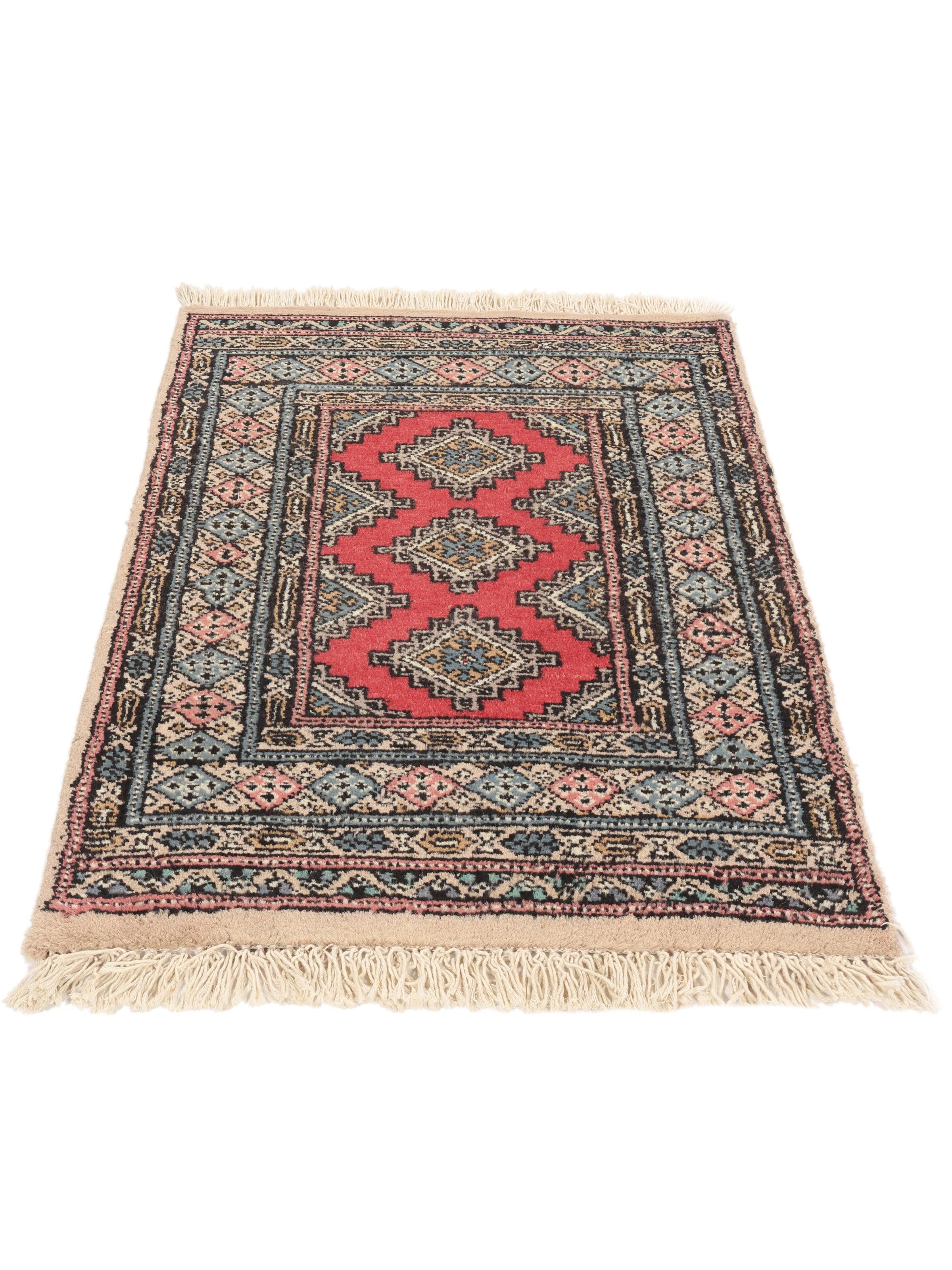
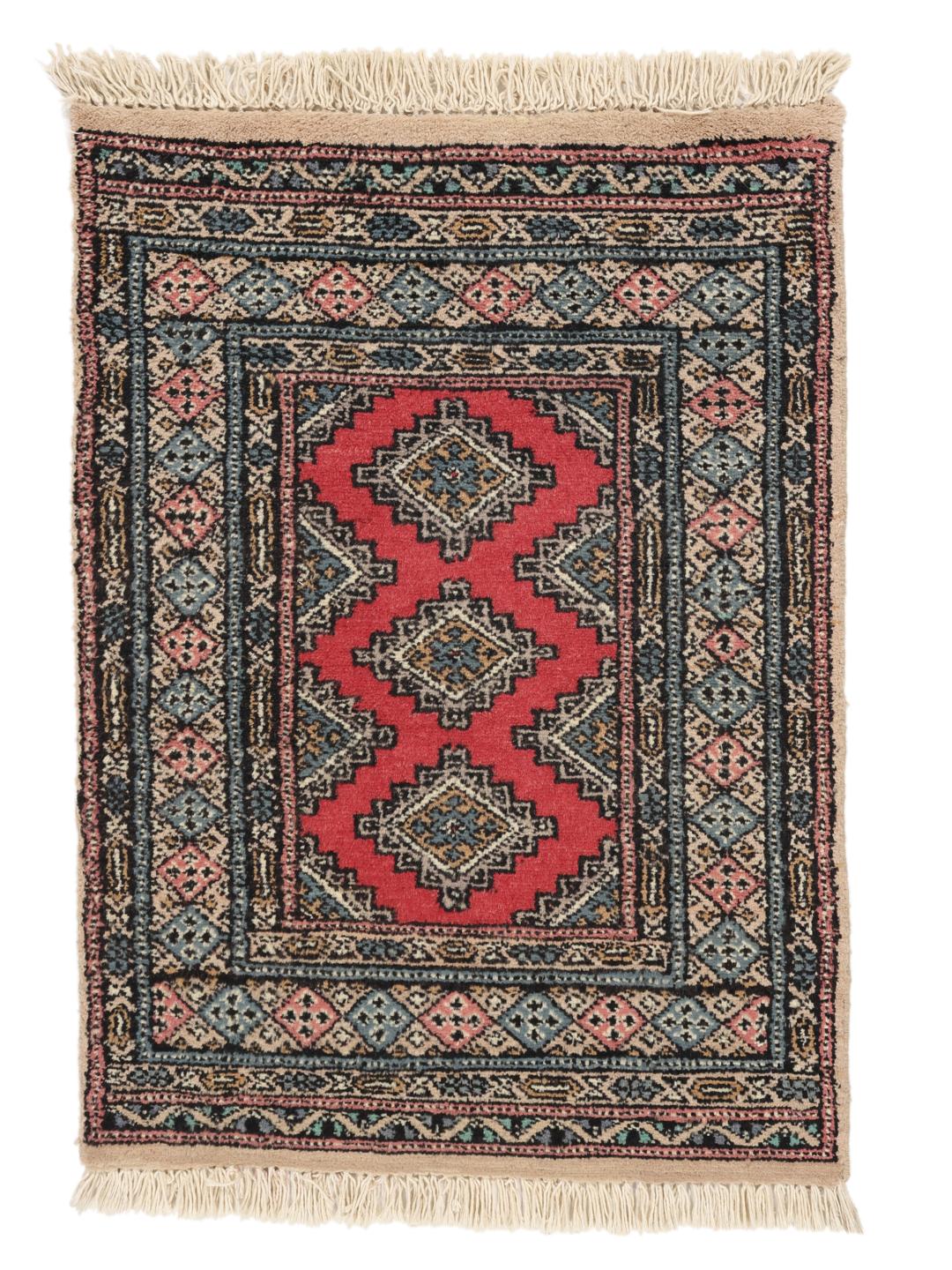
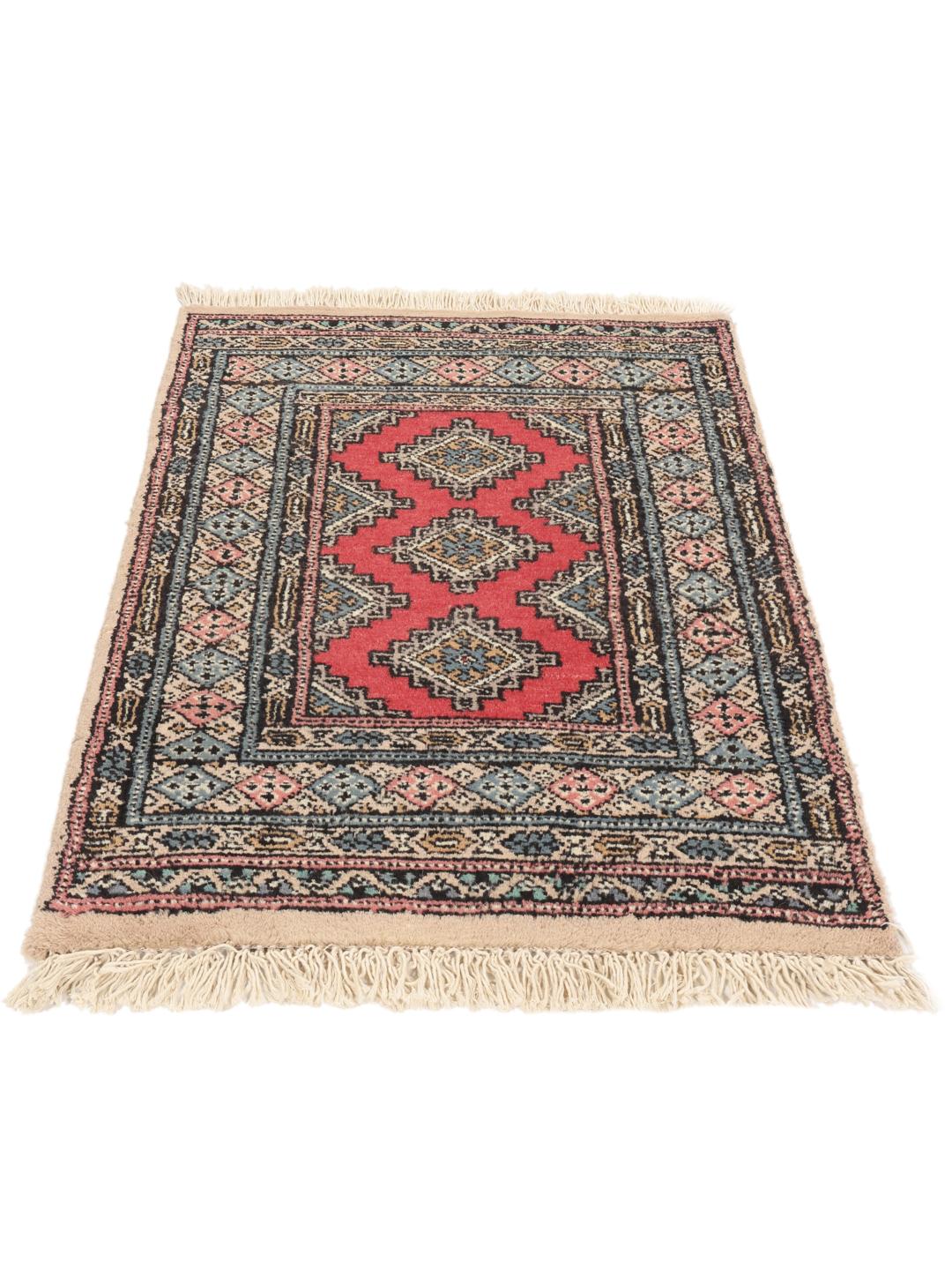
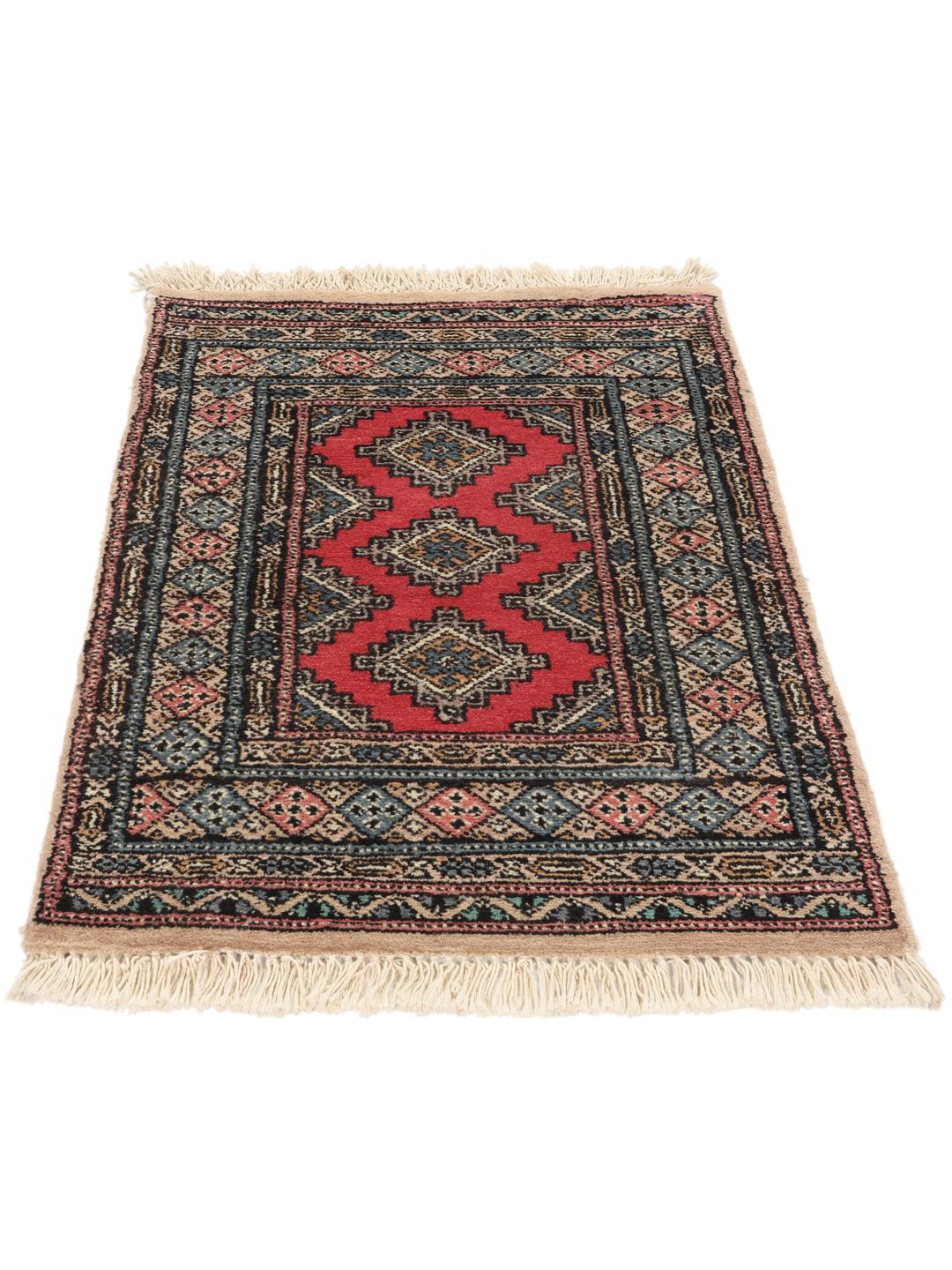
Bokhara rugs are deeply rooted in the ancient traditions of Central Asia, taking their name from the legendary Silk Road city of Bukhara. While these rugs were originally inspired by the nomadic weaving styles of tribes in the region, the finest versions today are predominantly crafted in Pakistan. This migration of technique has allowed the tradition to flourish, blending ancient nomadic aesthetics with a high level of contemporary refinement.
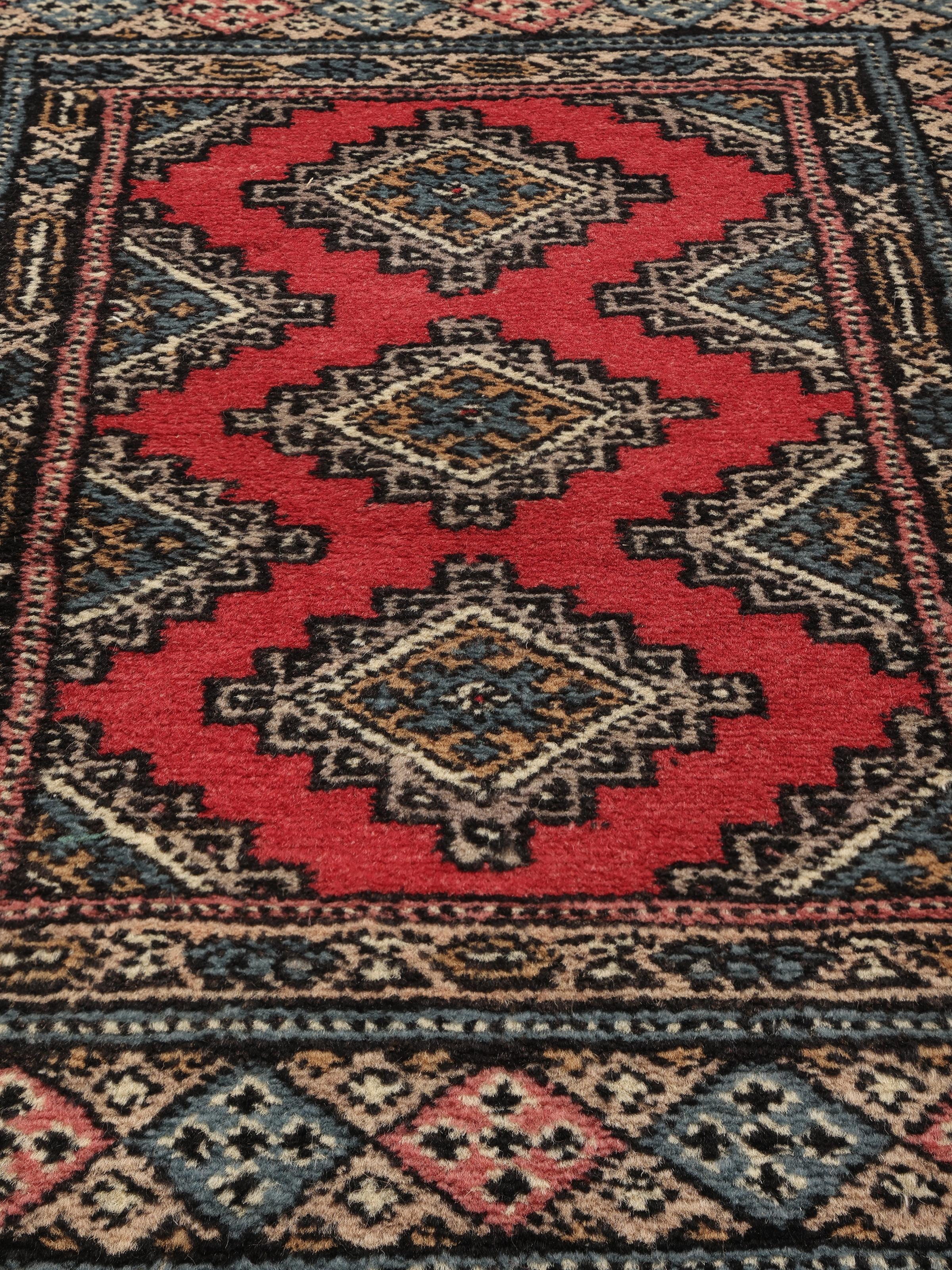
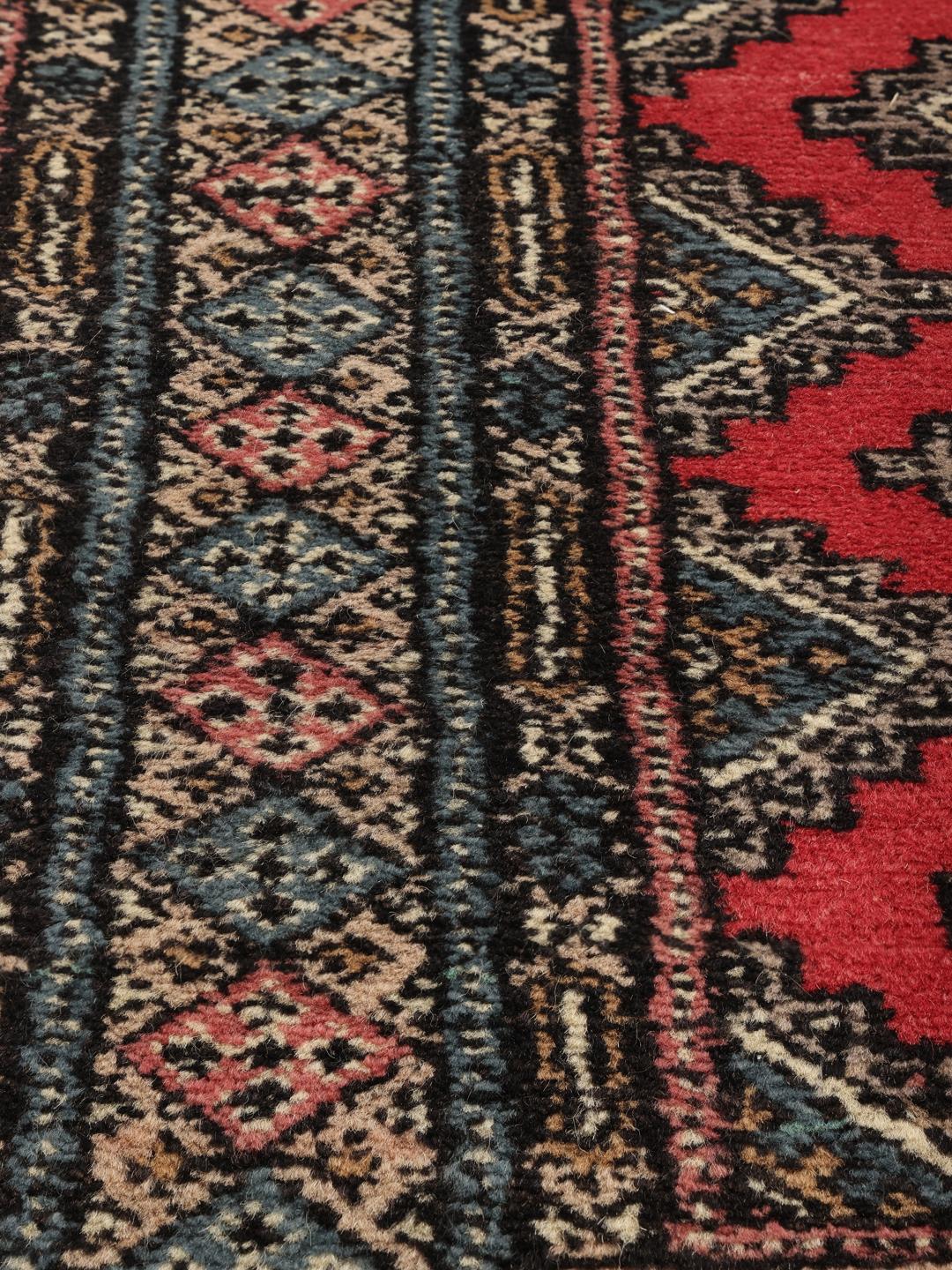
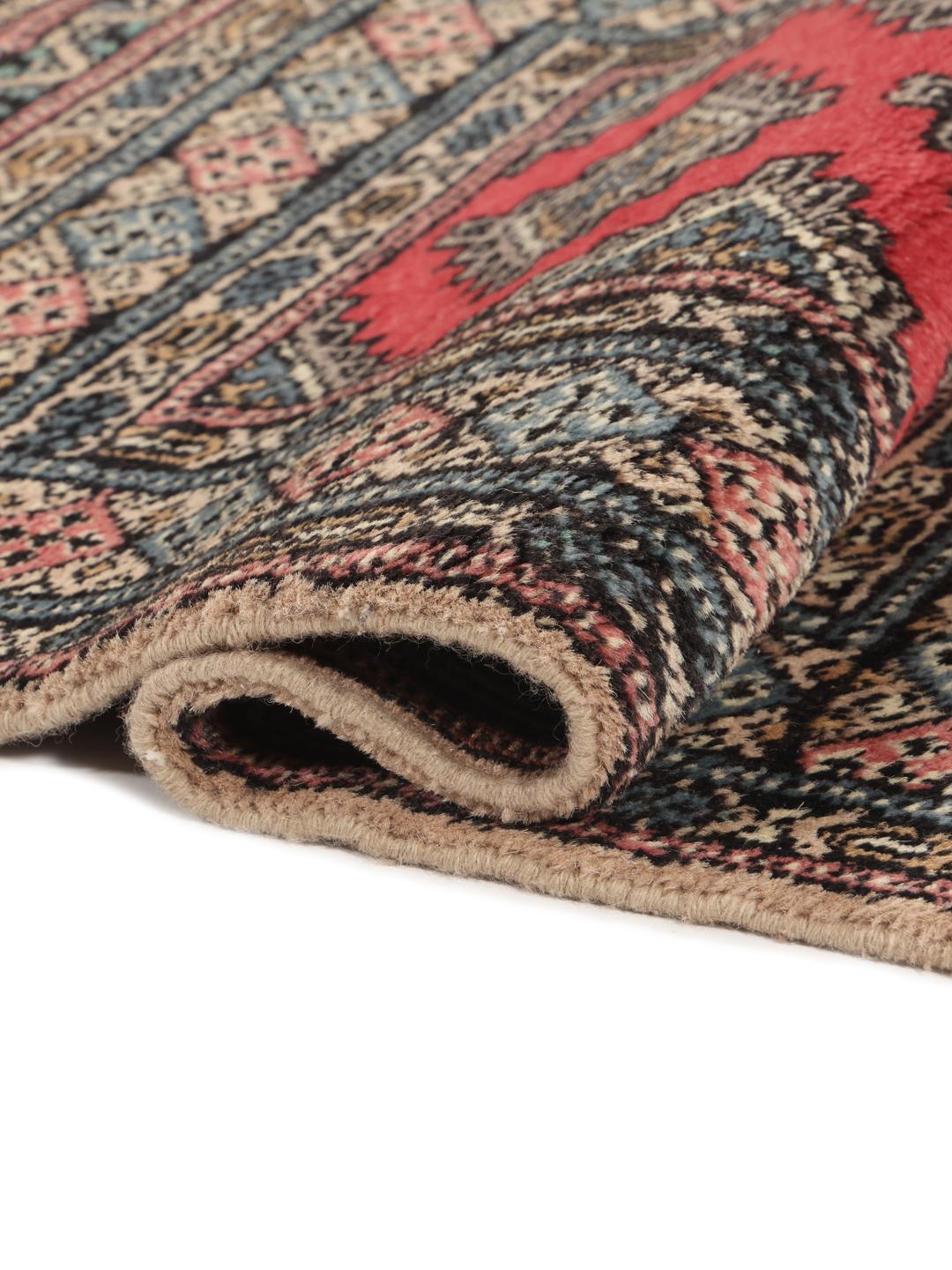
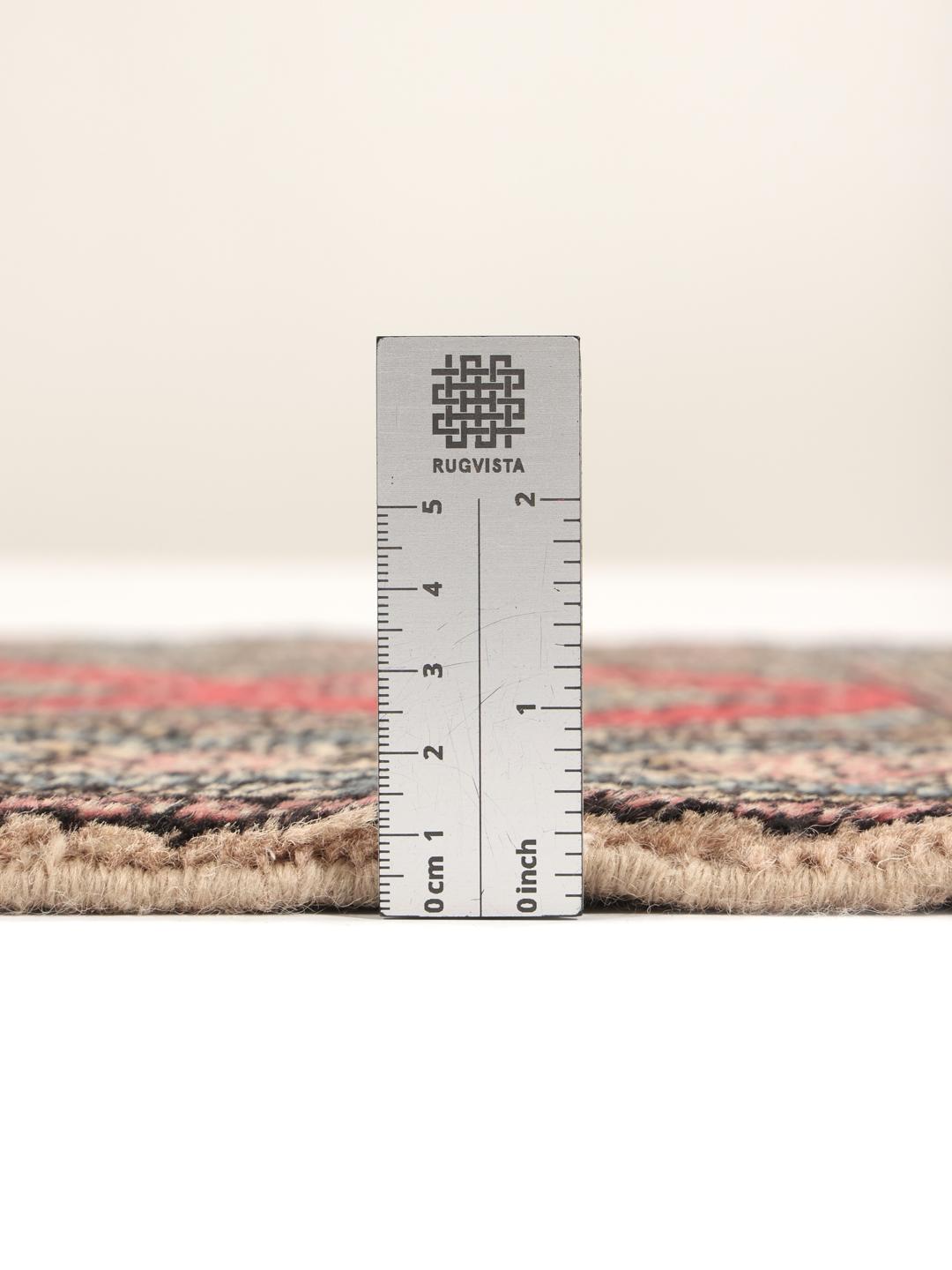
The '2ply' designation is a mark of quality that refers to the construction of the wool pile. In this technique, two strands of wool are twisted together before being knotted into the rug. This method creates a thicker, more durable, and more lustrous pile compared to single-ply alternatives. For the owner, this means a rug that not only feels exceptionally soft and substantial underfoot but also possesses a deeper, richer sheen that catches the light beautifully.
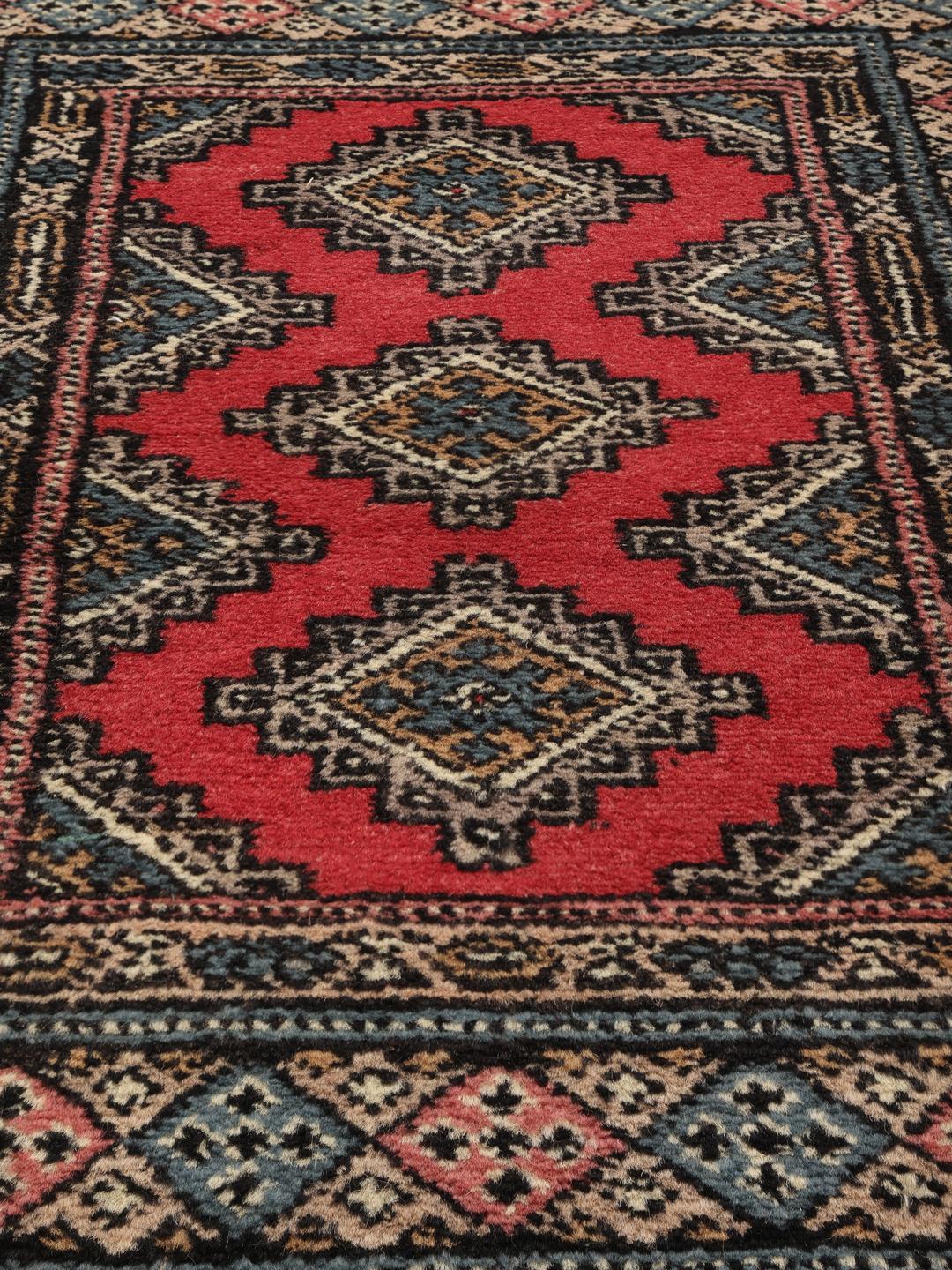
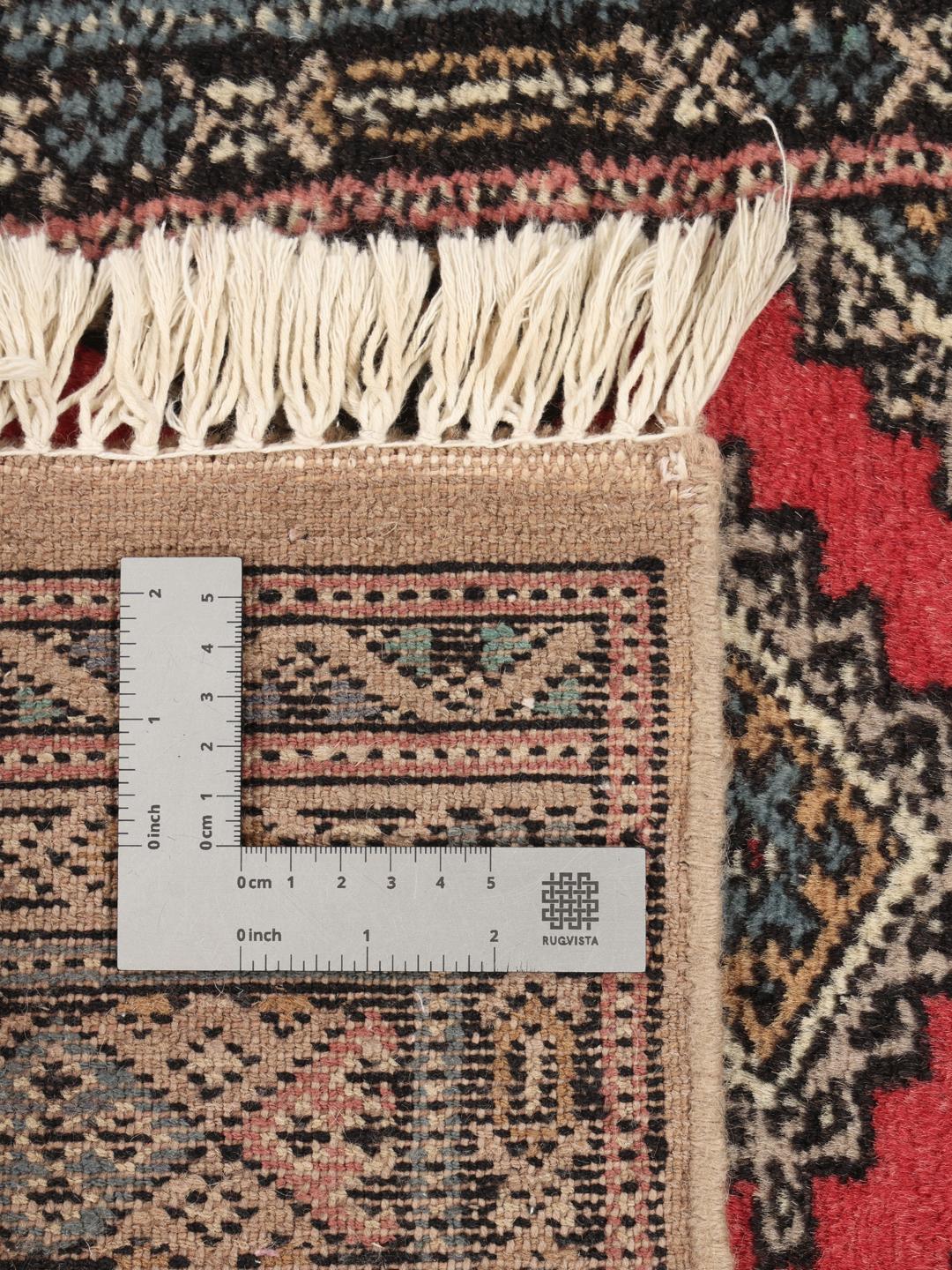
The design of this rug is defined by the iconic gul motif, a repeating, medallion-like shape that has been a hallmark of this tradition for centuries. These patterns are typically arranged in precise, symmetrical rows, enclosed by intricate, multi-layered borders that demonstrate the weaver's mastery of geometry. The use of vibrant red as a primary field colour is a classic signature, often balanced by softer hues of blue and cream in the detailed geometric elements.
Collecting a Pakistan Bokhara rug is an investment in cultural heritage and human skill. These pieces are valued not only for their striking aesthetic but also for the preservation of weaving techniques that have been passed down through generations. To own one is to connect with a history of trade, artistry, and meticulous manual labour, ensuring that your home is enriched with a piece of functional art that carries a story of its own.