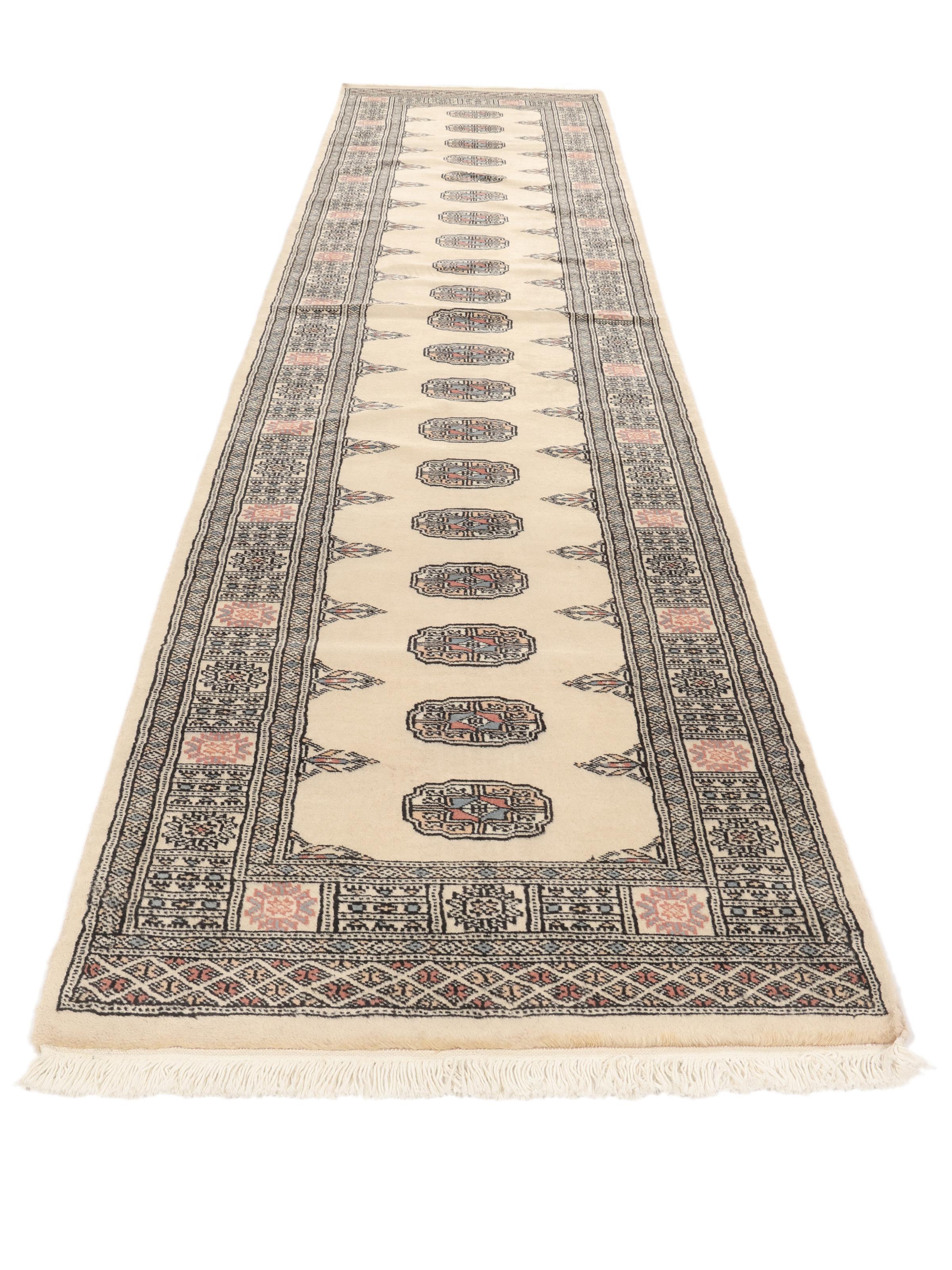
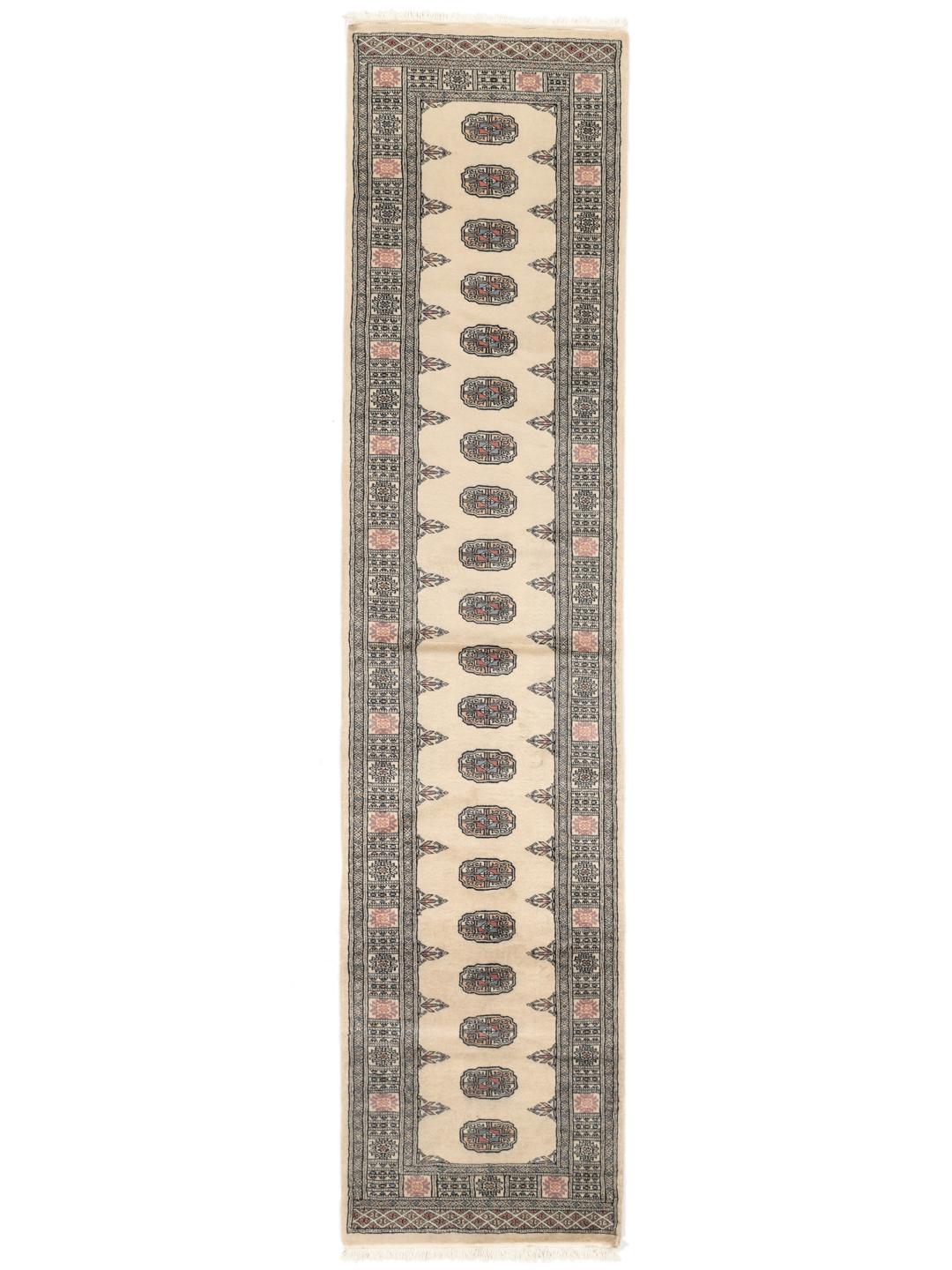
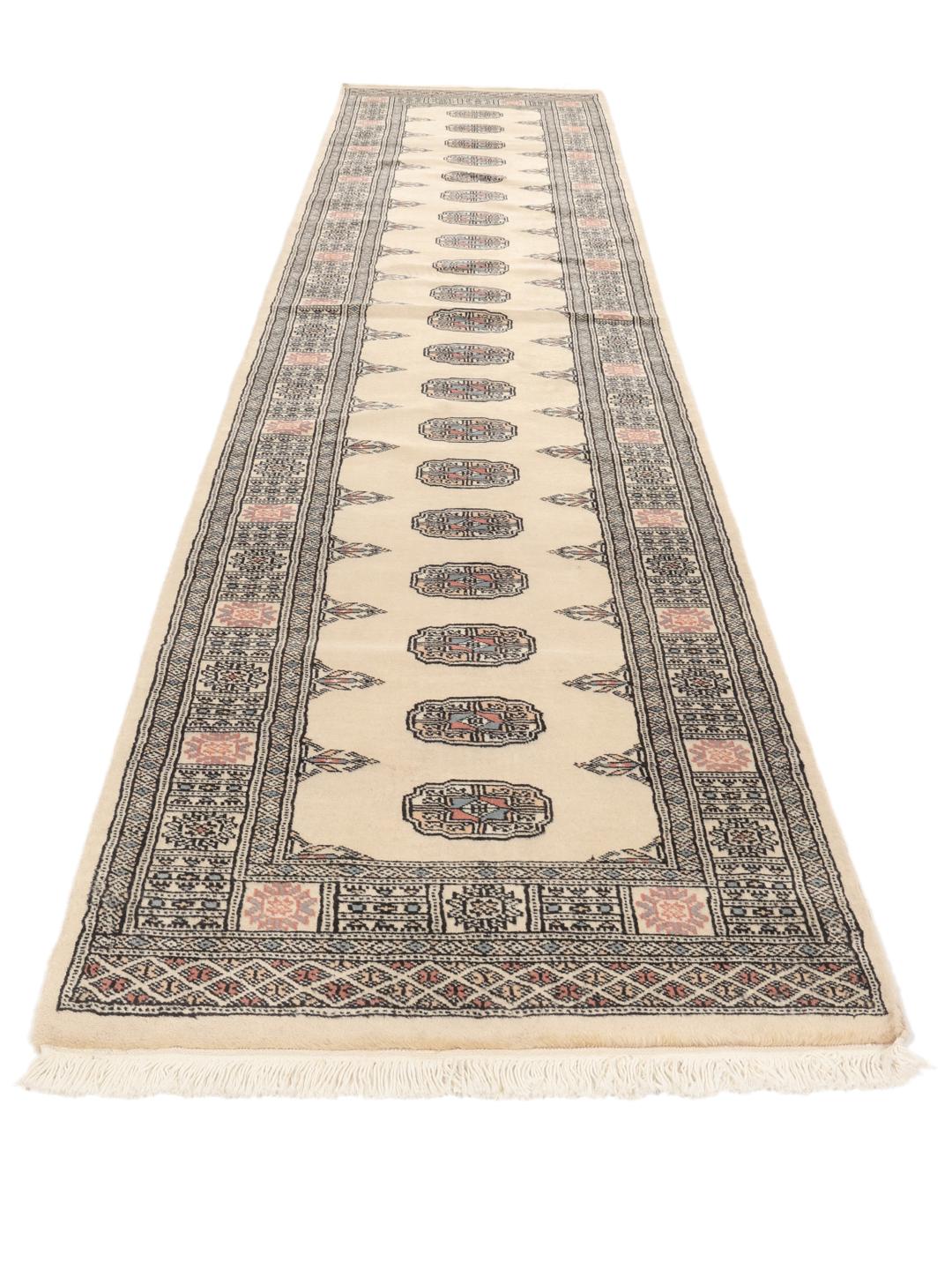
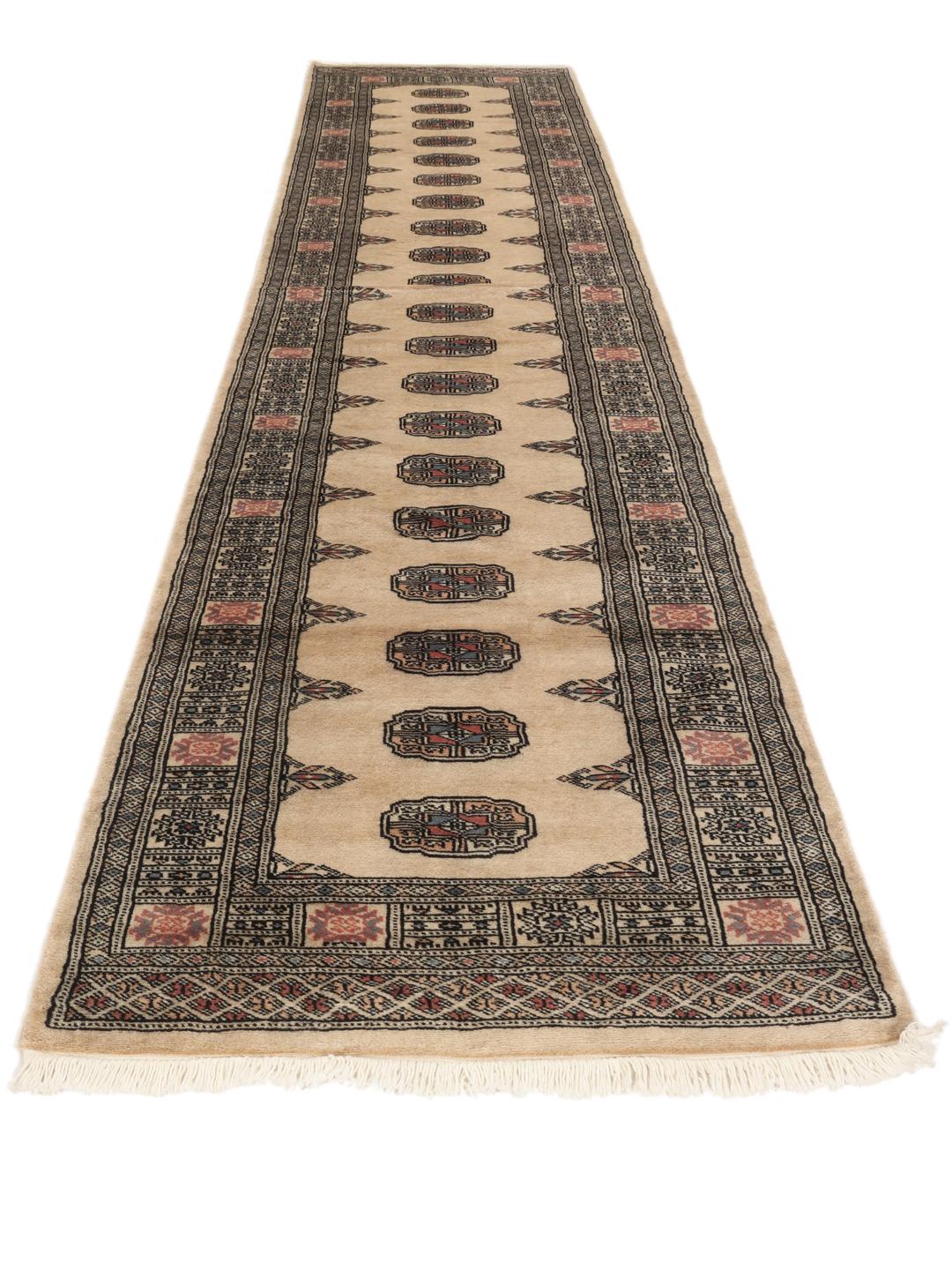
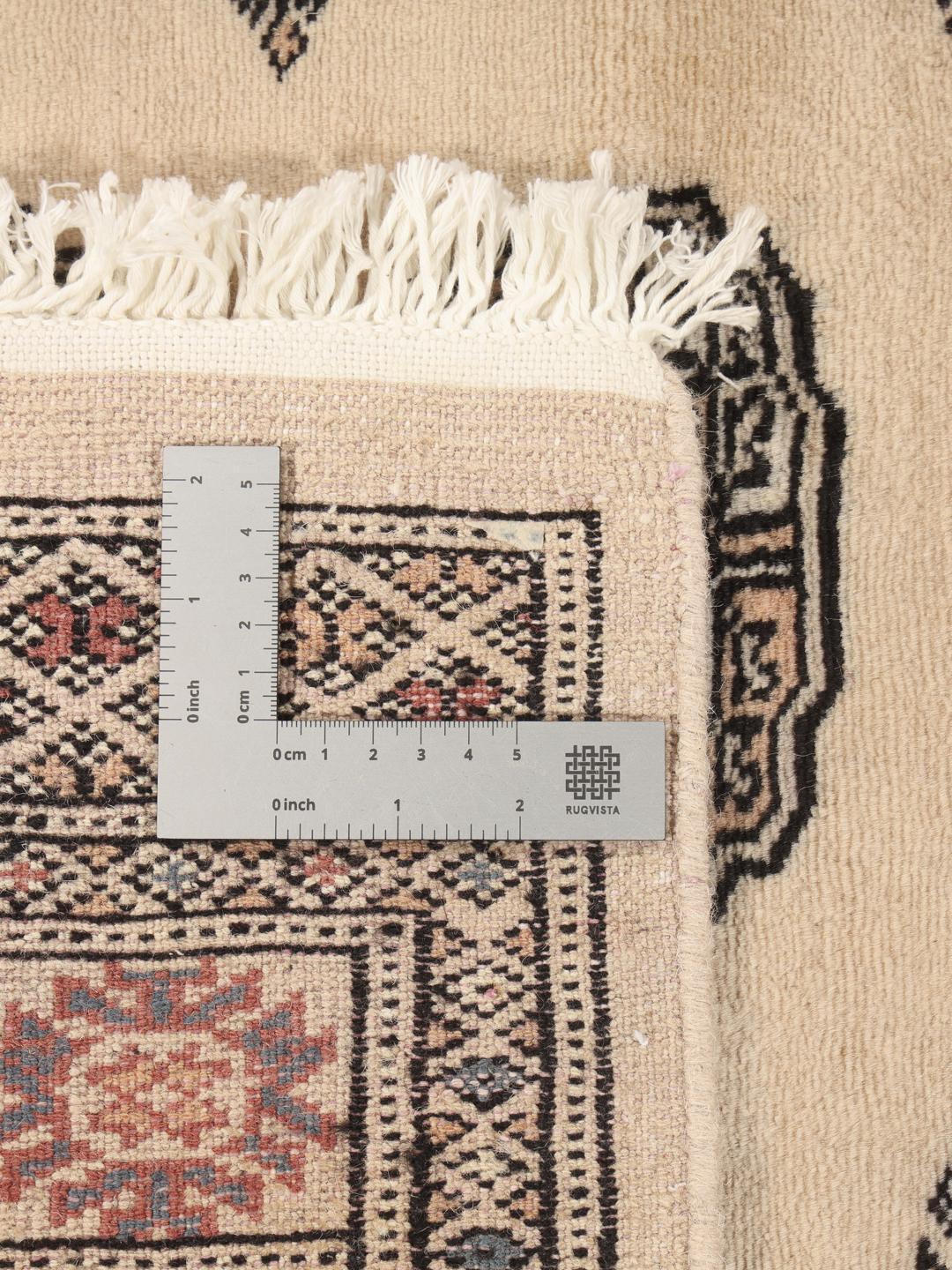
The Bokhara style carries a rich legacy rooted in the ancient Silk Road city of Bukhara, a historic hub for textile trade and craftsmanship. While the style takes its name from this central Asian city, the finest examples of these rugs are today primarily woven in Pakistan. This evolution reflects the migration of weaving traditions across borders, where skilled artisans have continued to refine and perfect the craft over generations.
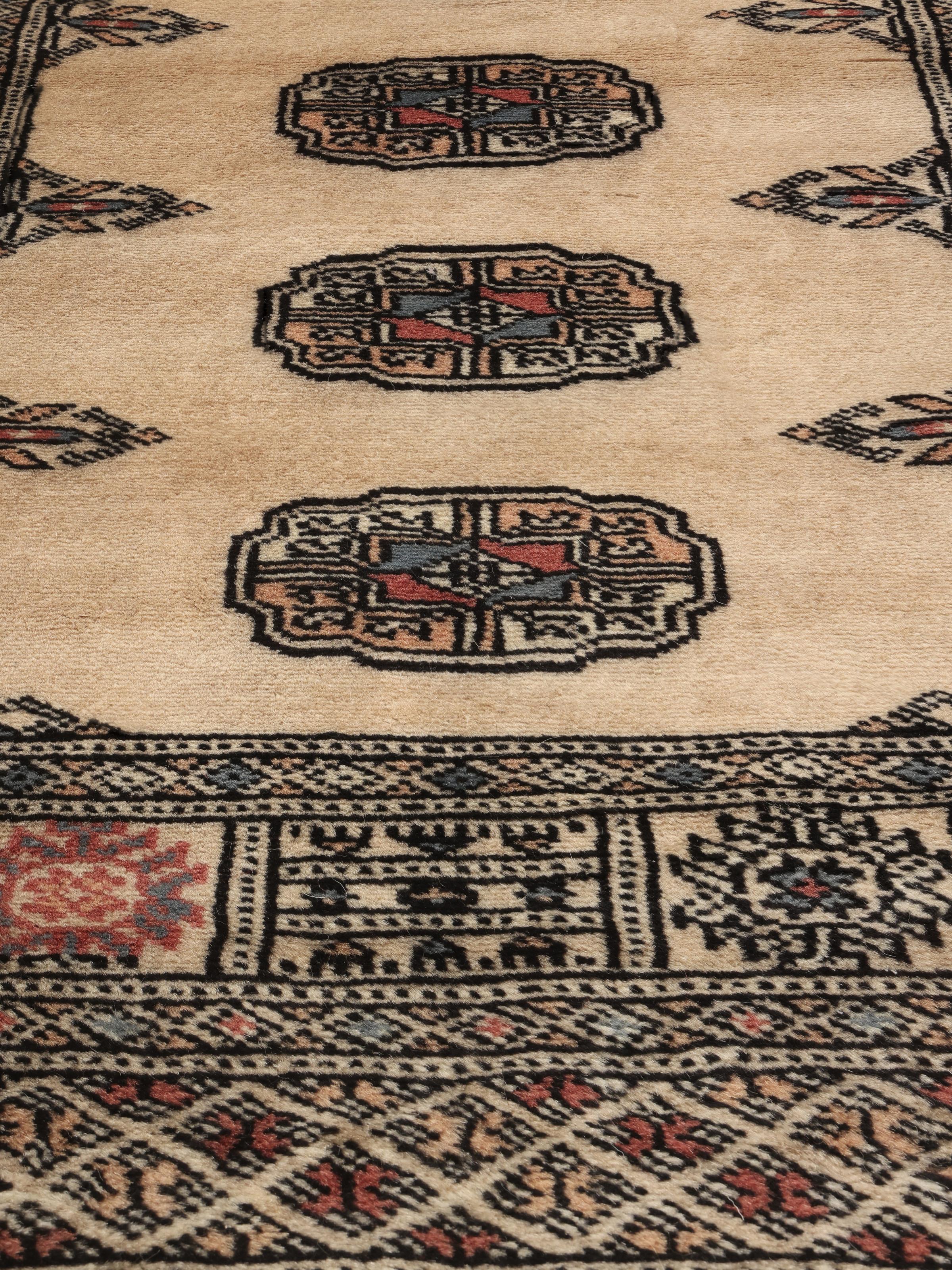
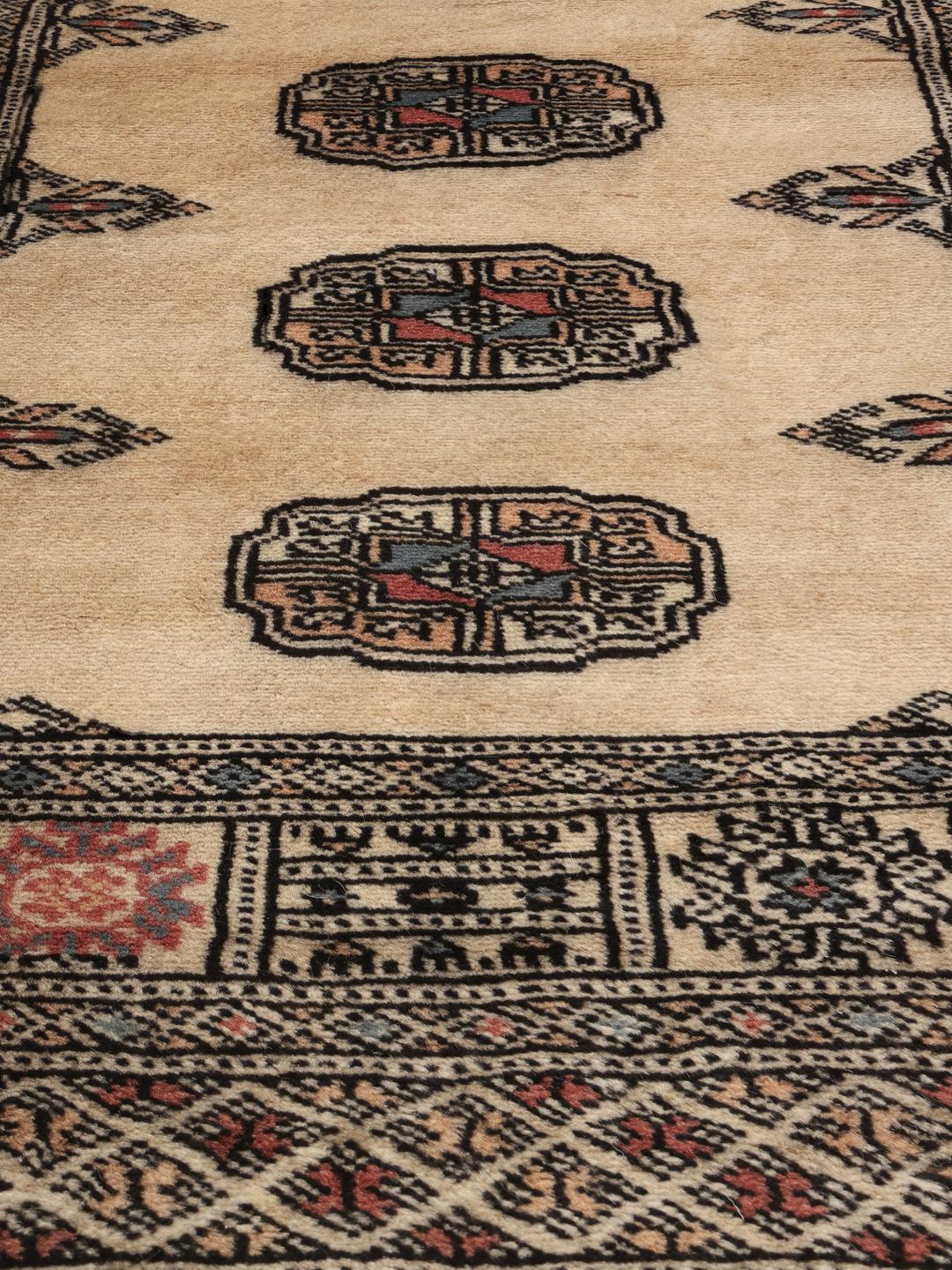
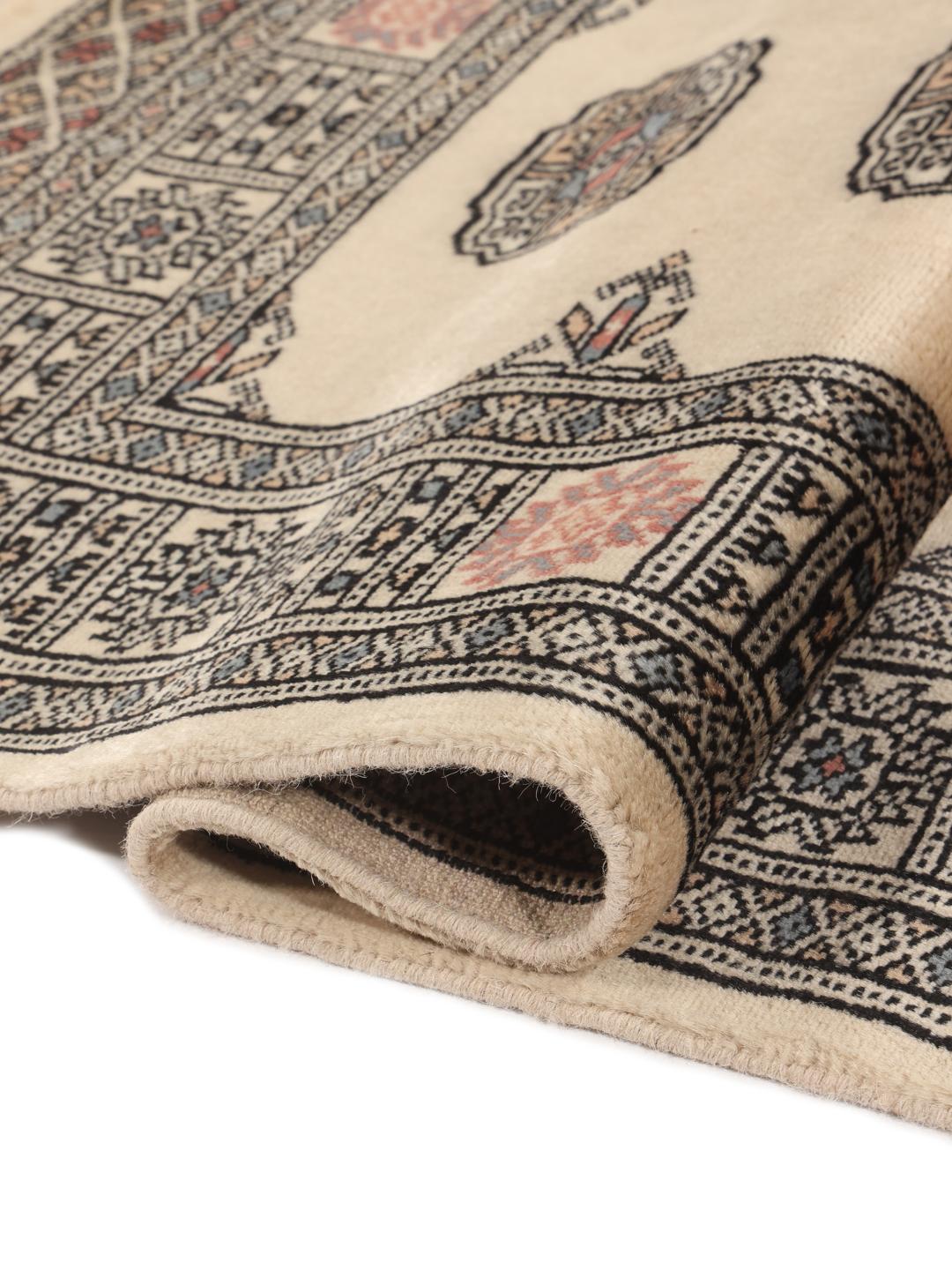
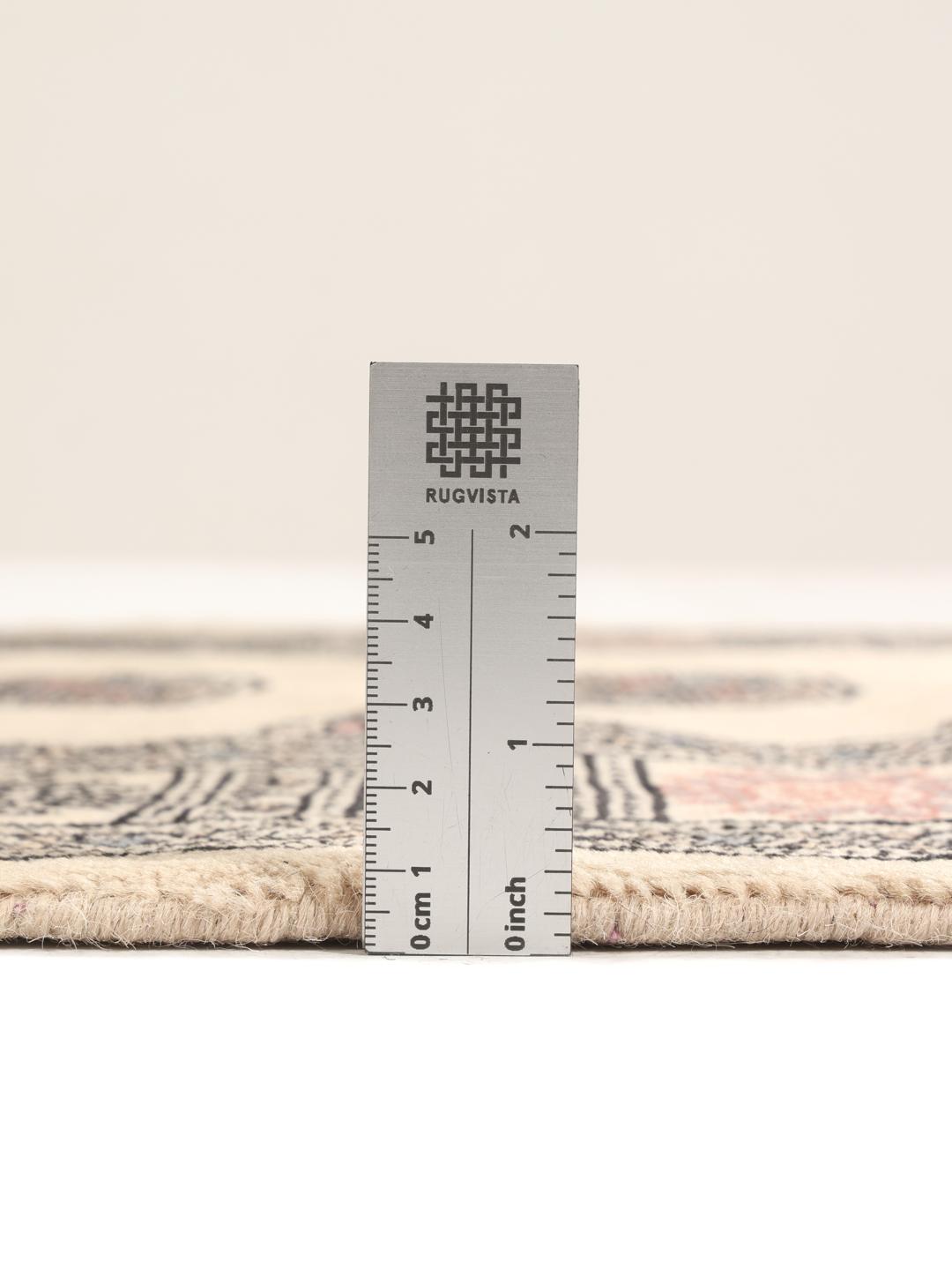
The '2ply' designation refers to the construction of the wool yarn, where two individual strands are twisted together before being knotted. This technique is significant because it produces a pile that is notably denser, more lustrous, and more resilient than single-ply alternatives. For the owner, this means a rug that not only feels exceptionally soft and plush but also holds its beauty and structural integrity for a much longer period.
Visually, these rugs are defined by the iconic 'gul' motif, which translates to a flower or rose. These medallions are typically arranged in clean, repeating rows, creating a sense of balanced order and harmony. The borders are equally important, often featuring intricate geometric patterns that echo the complexity of the central field, providing a formal frame that showcases the precision of the weaver.
Owning a hand-knotted runner from this tradition is an investment in heritage and skill. These rugs are highly valued by collectors and homeowners alike for their ability to bring a sense of history into a contemporary space. Each piece represents countless hours of human effort, embodying a long-standing cultural tradition that prioritises patience, beauty, and the pursuit of lasting quality.