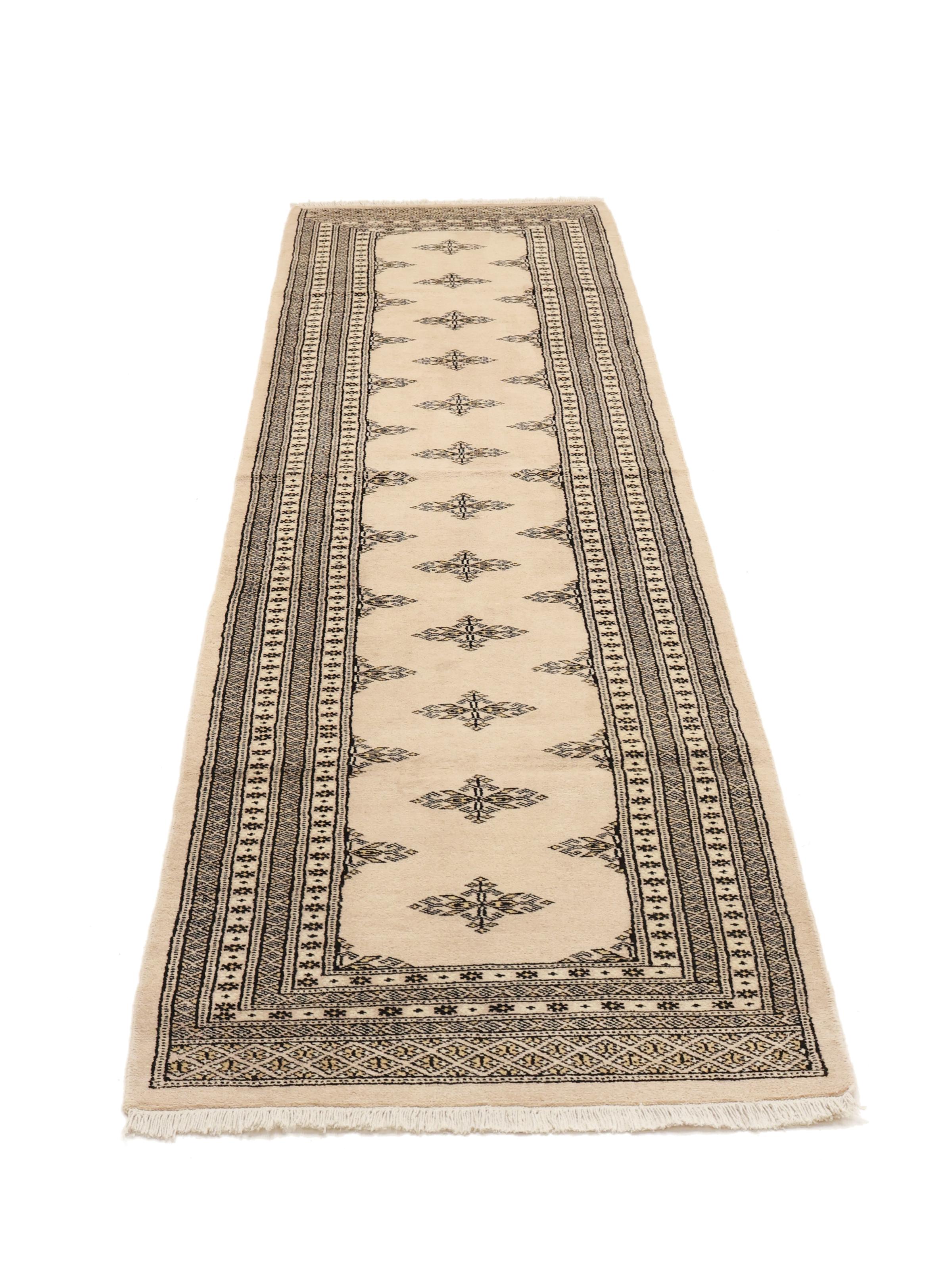
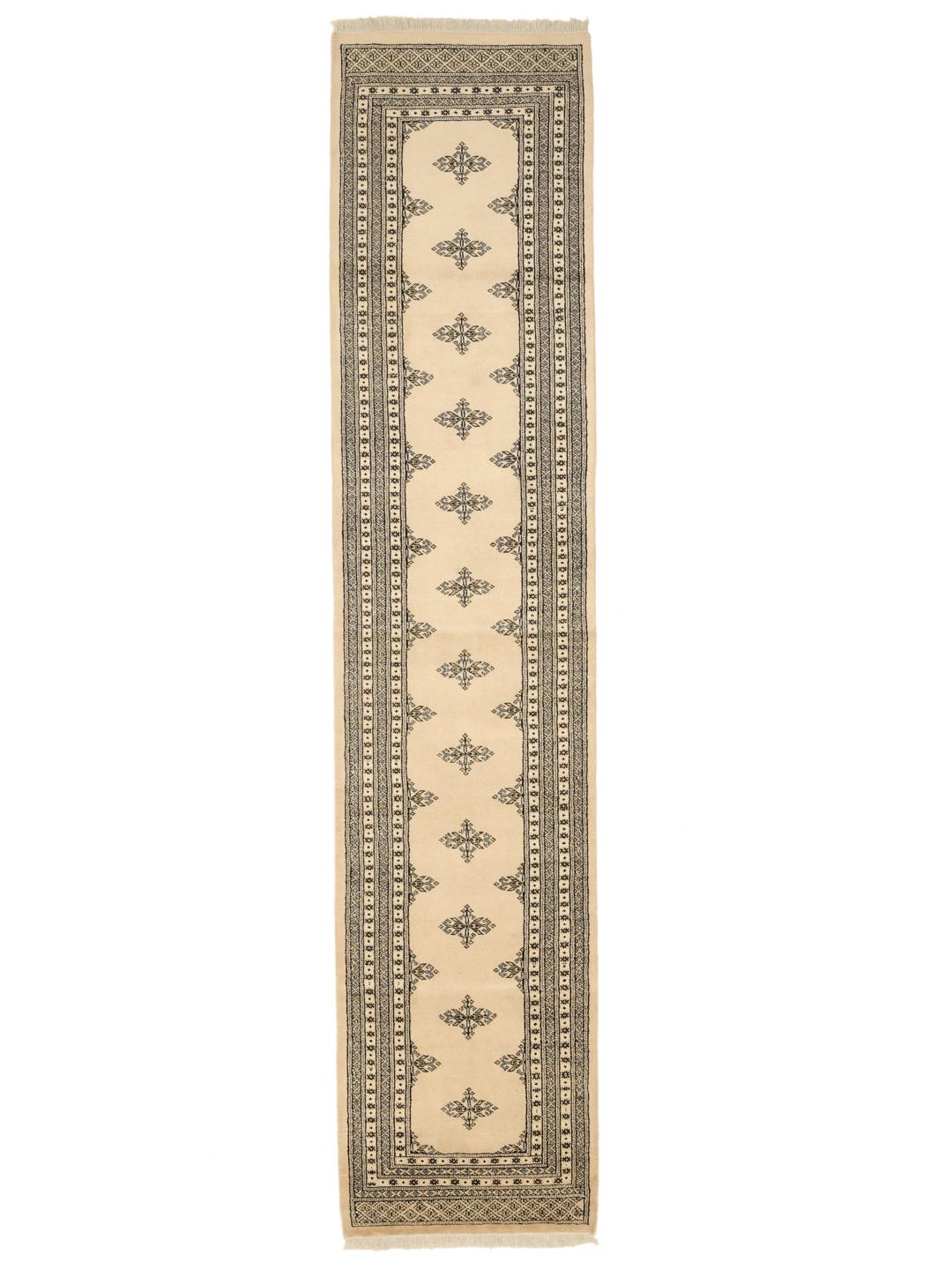
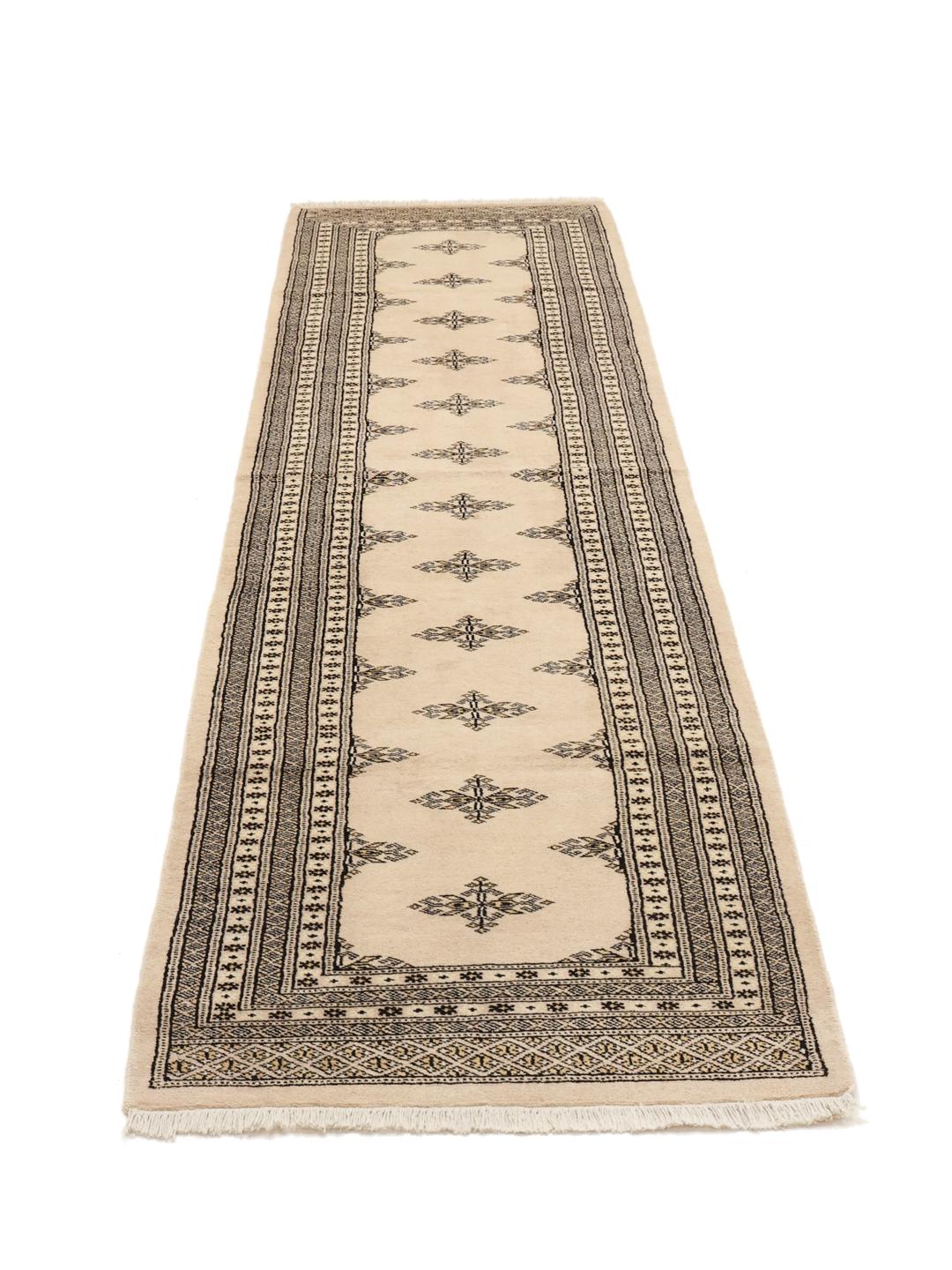
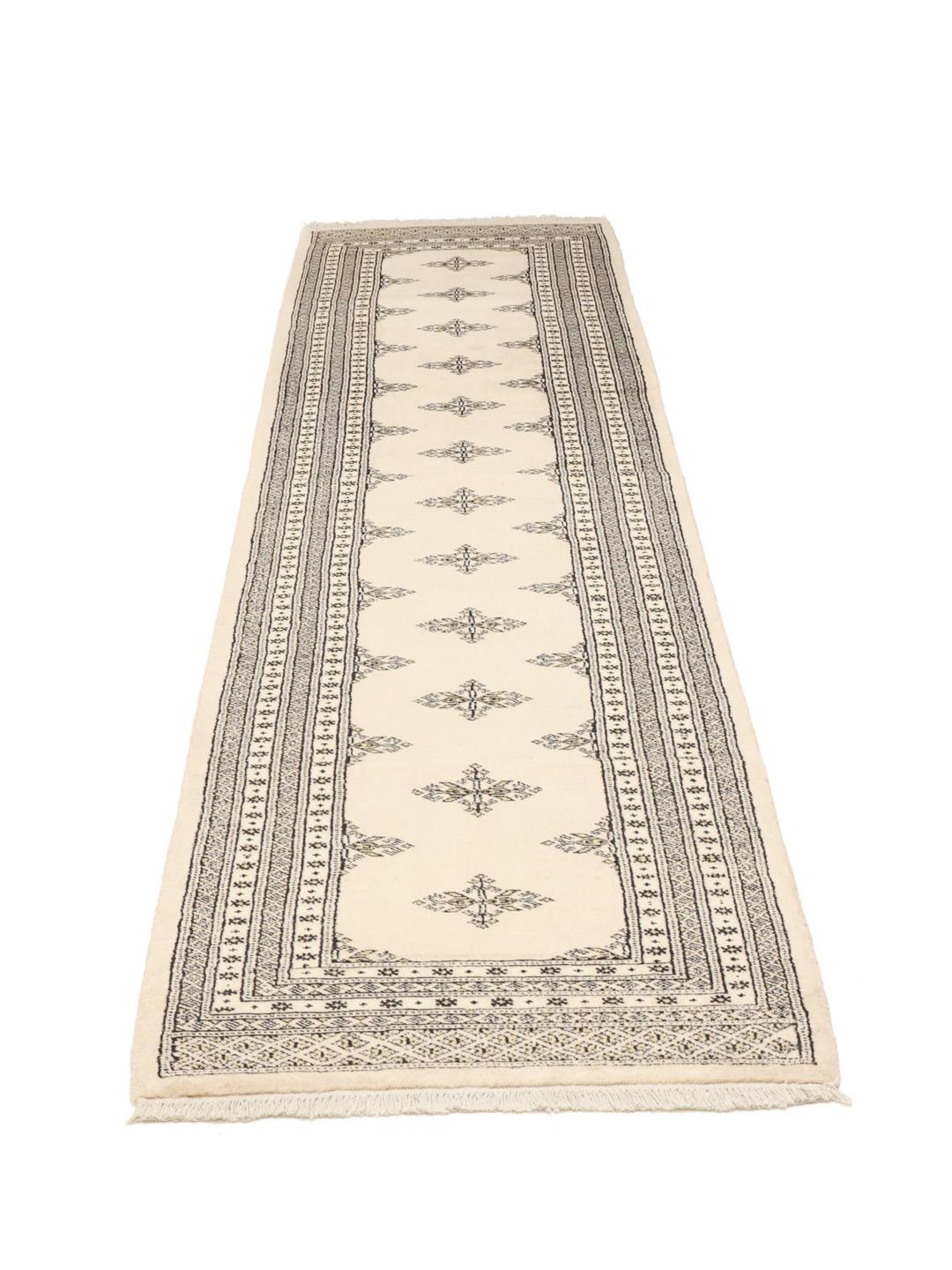
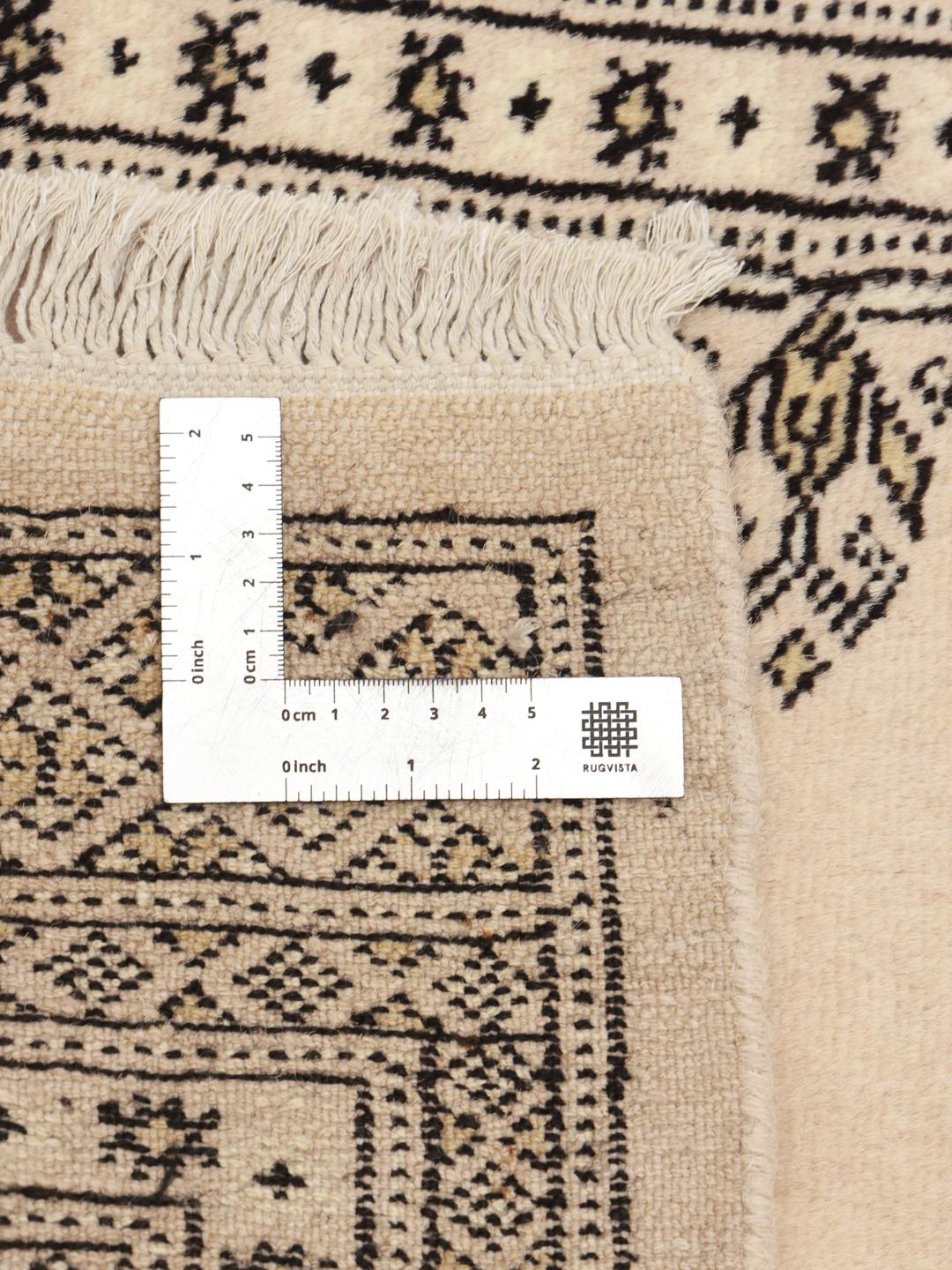
Bokhara rugs take their name from the ancient Silk Road city of Bukhara in Central Asia, a historical hub for trade and textile artistry. While the style originated in this nomadic region, the finest examples today are meticulously woven in Pakistan. This migration of craft reflects the evolution of textile traditions as they moved across borders, blending ancient nomadic aesthetics with refined, settled weaving techniques.
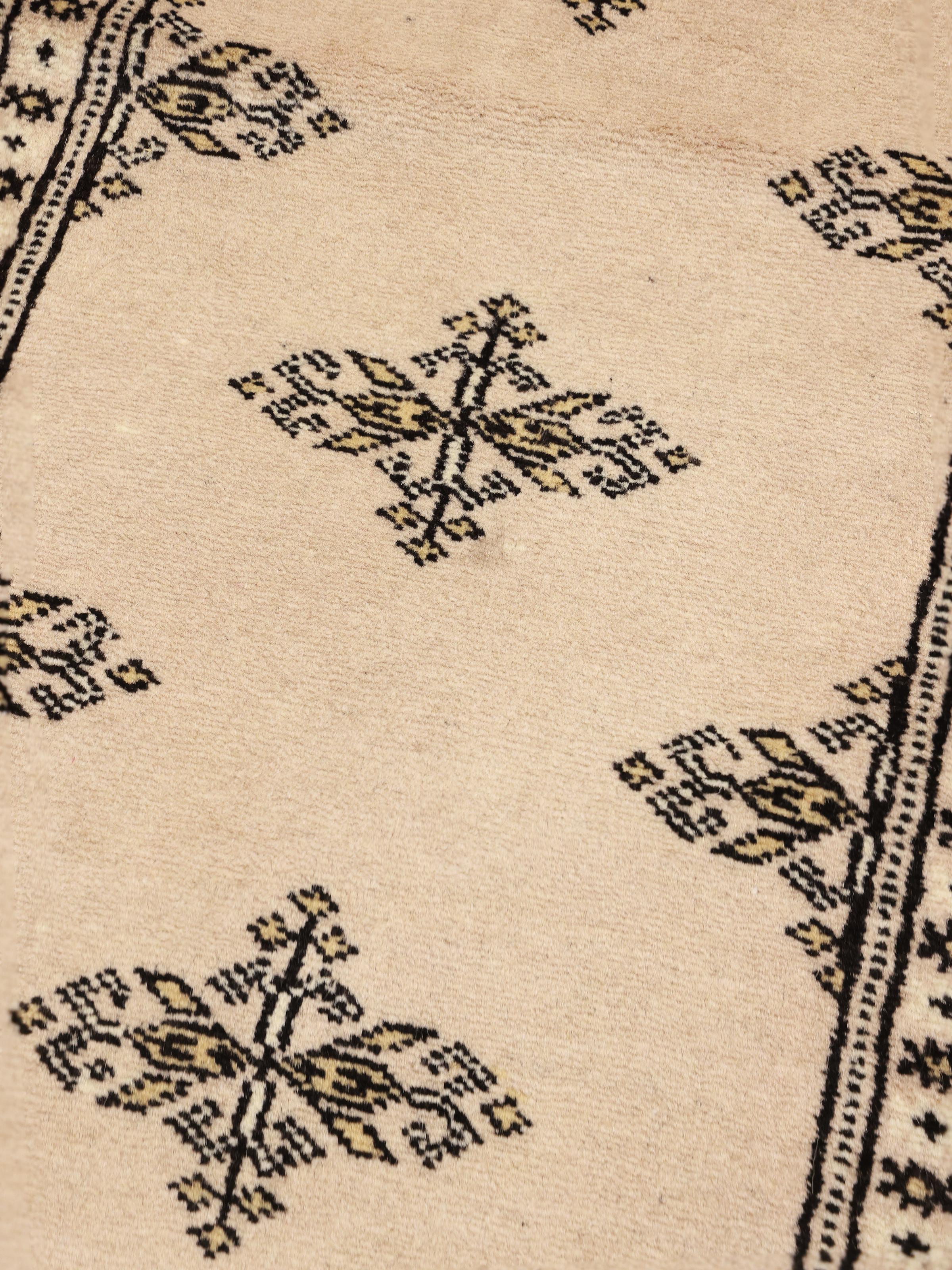
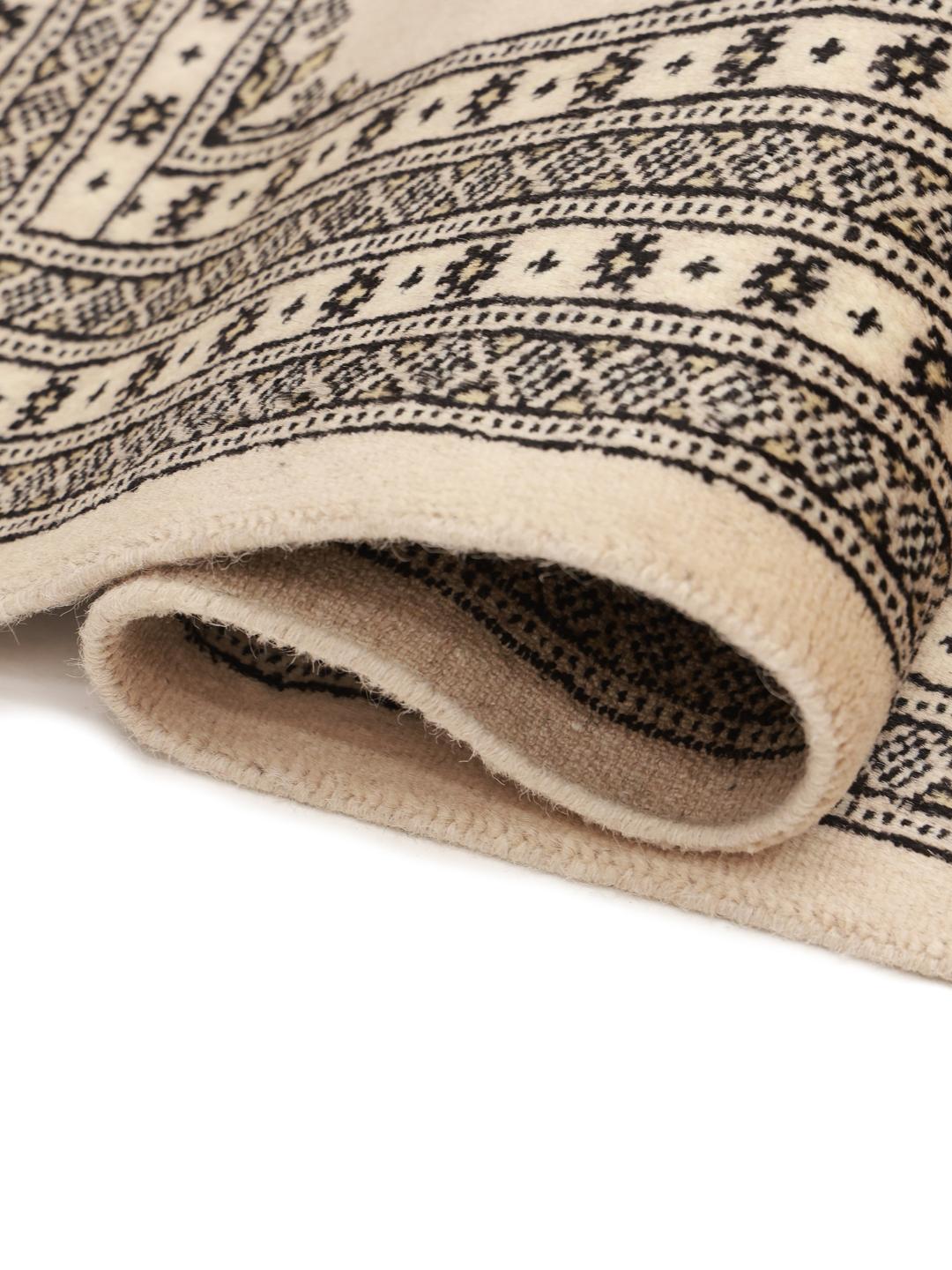
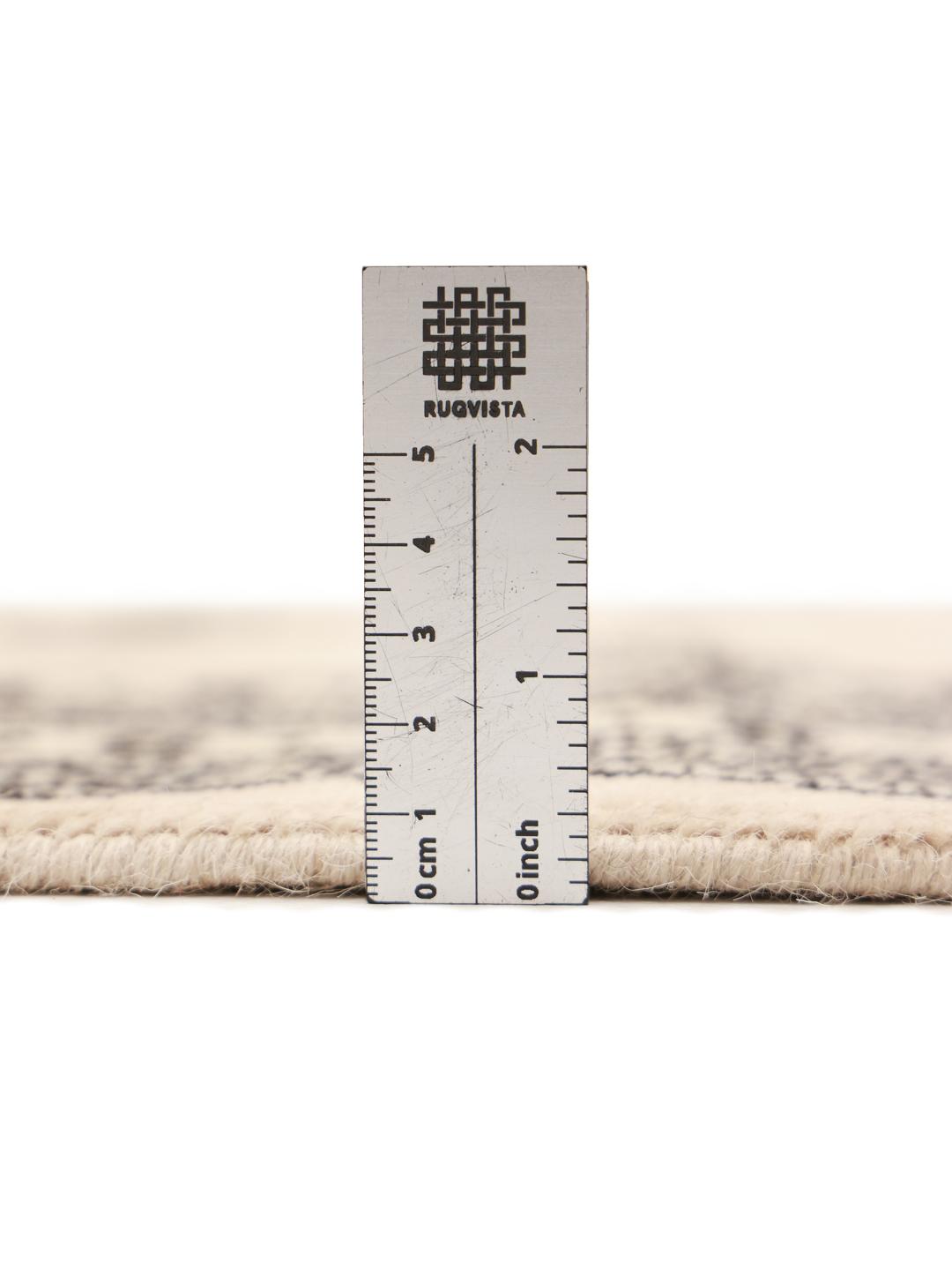
The term 2ply refers to a specific method where two strands of wool are twisted together to create the pile. This construction is highly valued in the rug-making world because it produces a denser, more lustrous, and significantly longer-lasting pile compared to single-ply alternatives. It is a hallmark of quality that ensures the rug remains a durable, beautiful part of your home for many years.
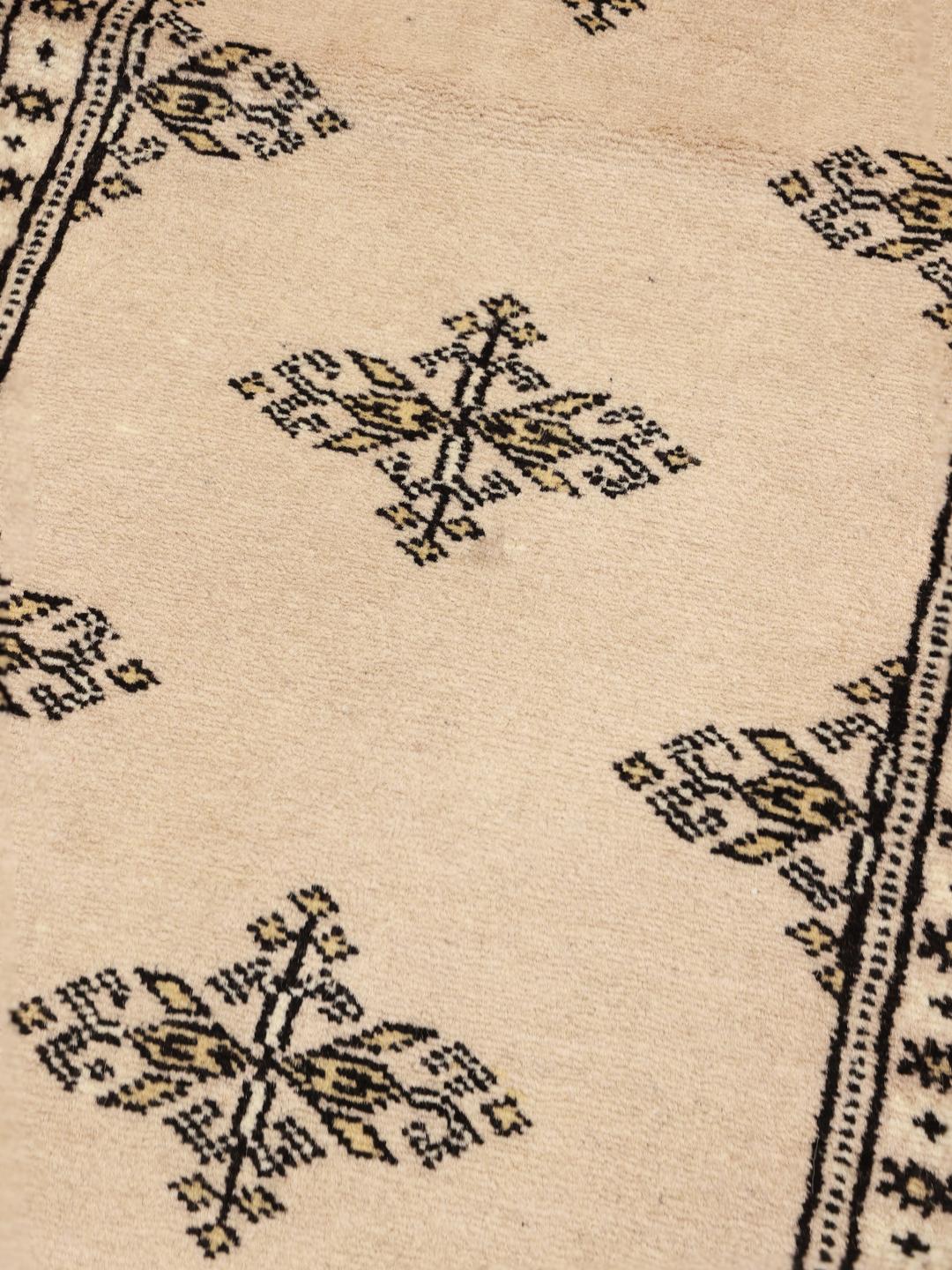
The visual language of this tradition is defined by its repetitive, rhythmic patterns. The field is typically filled with repeating gul motifs—often octagonal or leaf-shaped medallions—arranged in orderly rows and enclosed by complex, formal borders. The symmetry of these patterns creates a sense of balance and harmony that has made this style a favourite for generations of collectors.
These rugs are deeply valued for the immense skill required to produce them. Owning a piece from this tradition is an investment in heritage and human artistry. It represents a connection to a centuries-old craft that prioritises patience, precision, and the preservation of cultural motifs, making every runner a significant and meaningful addition to any collection.