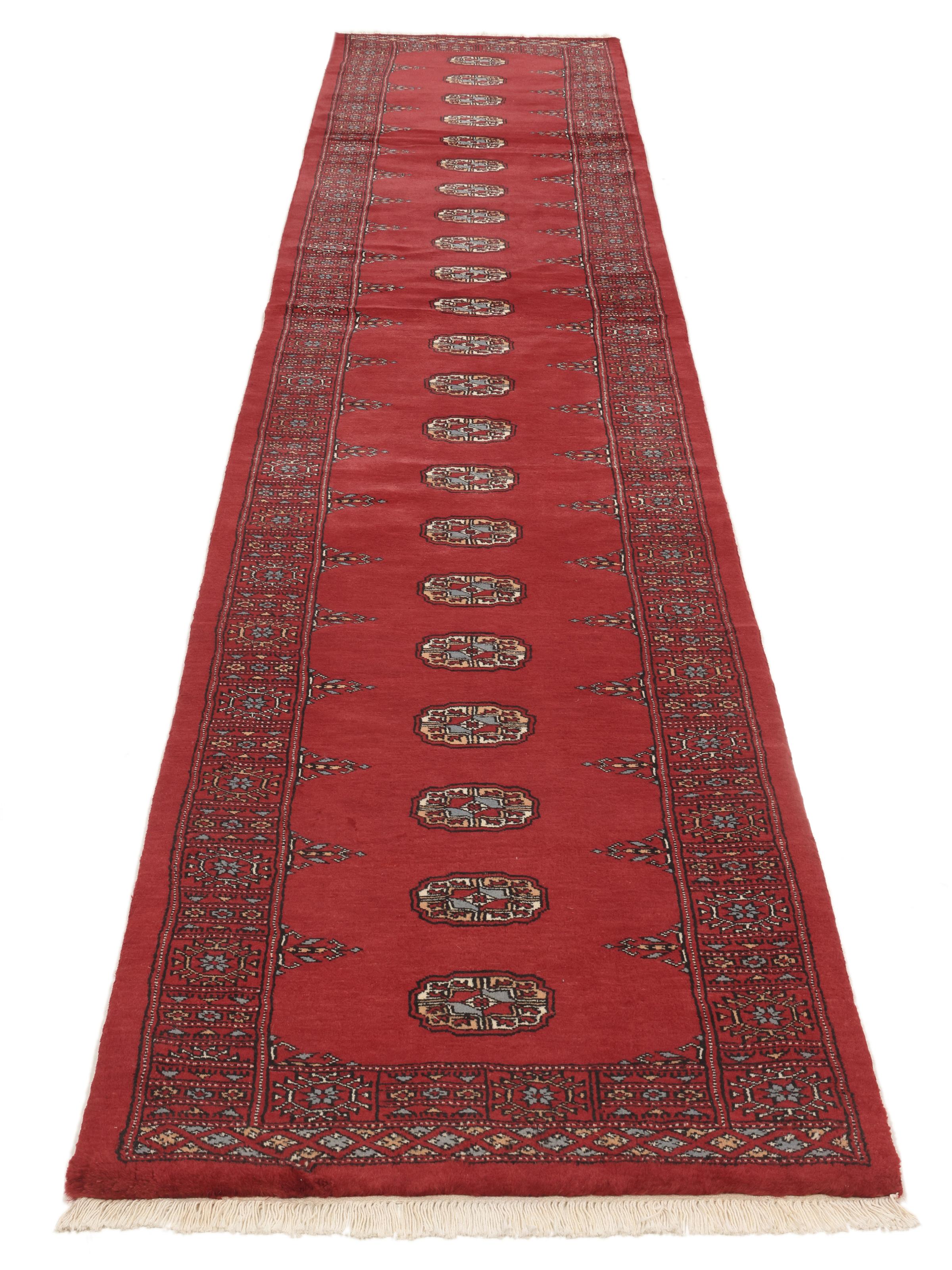
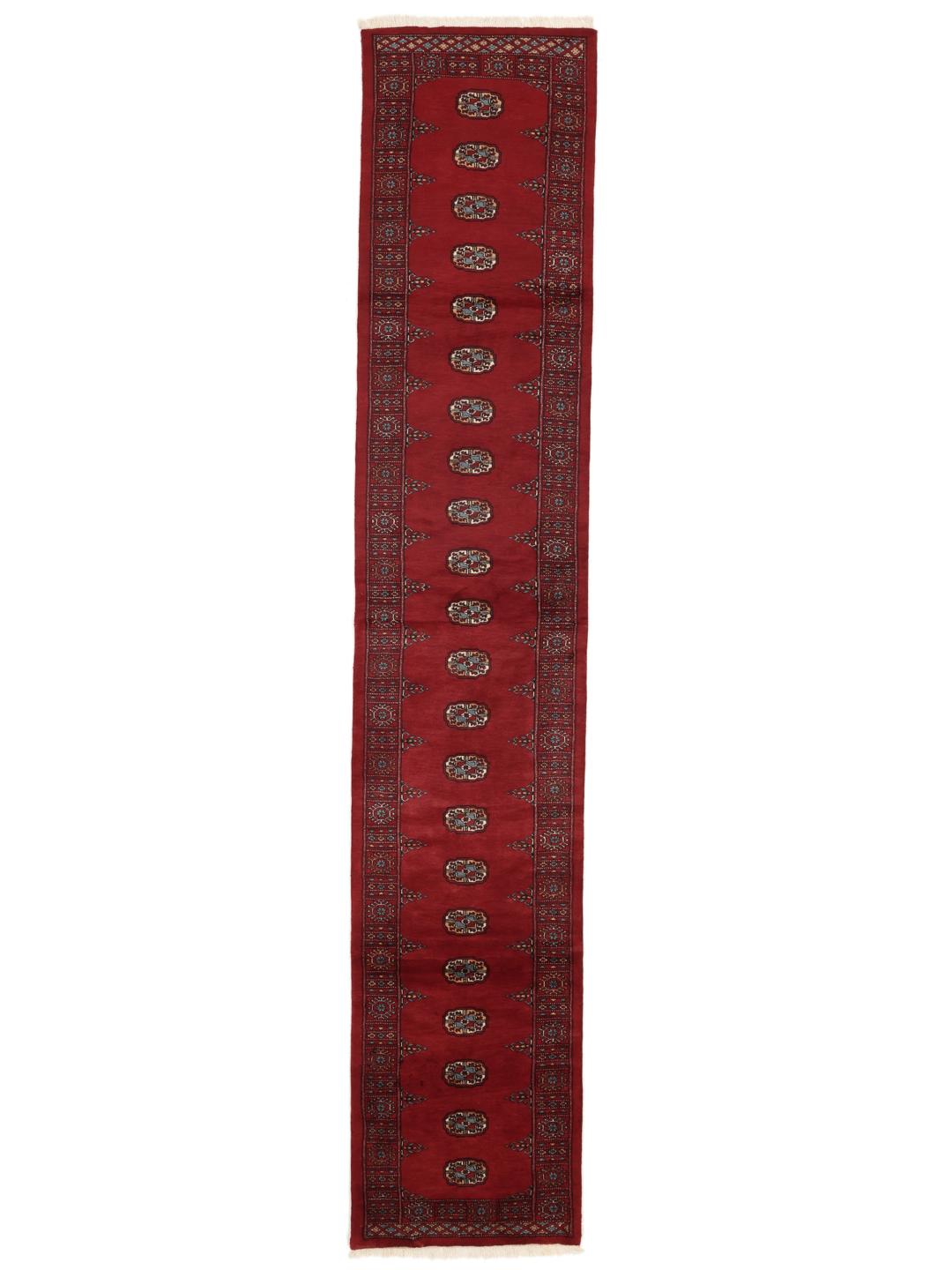
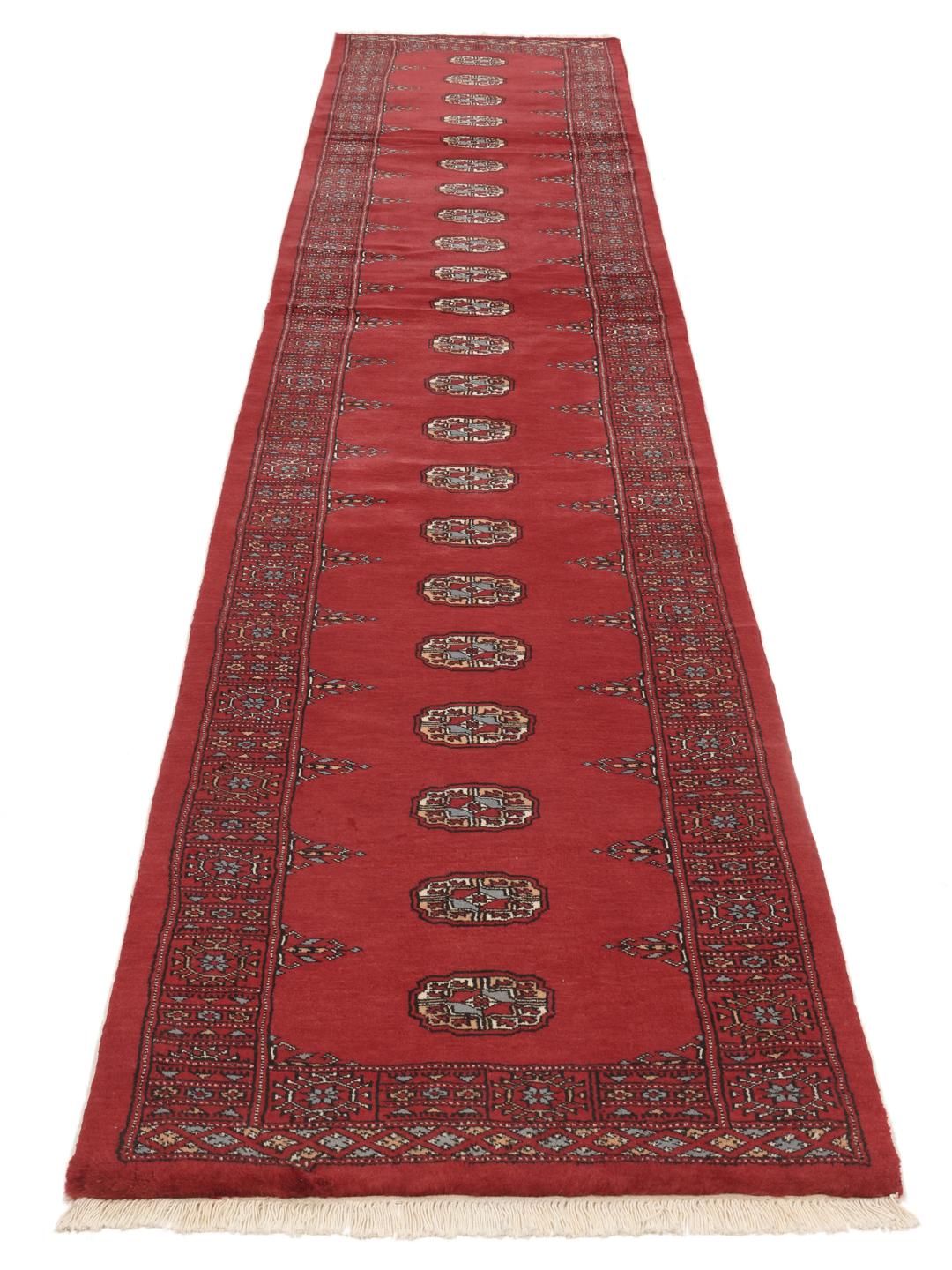
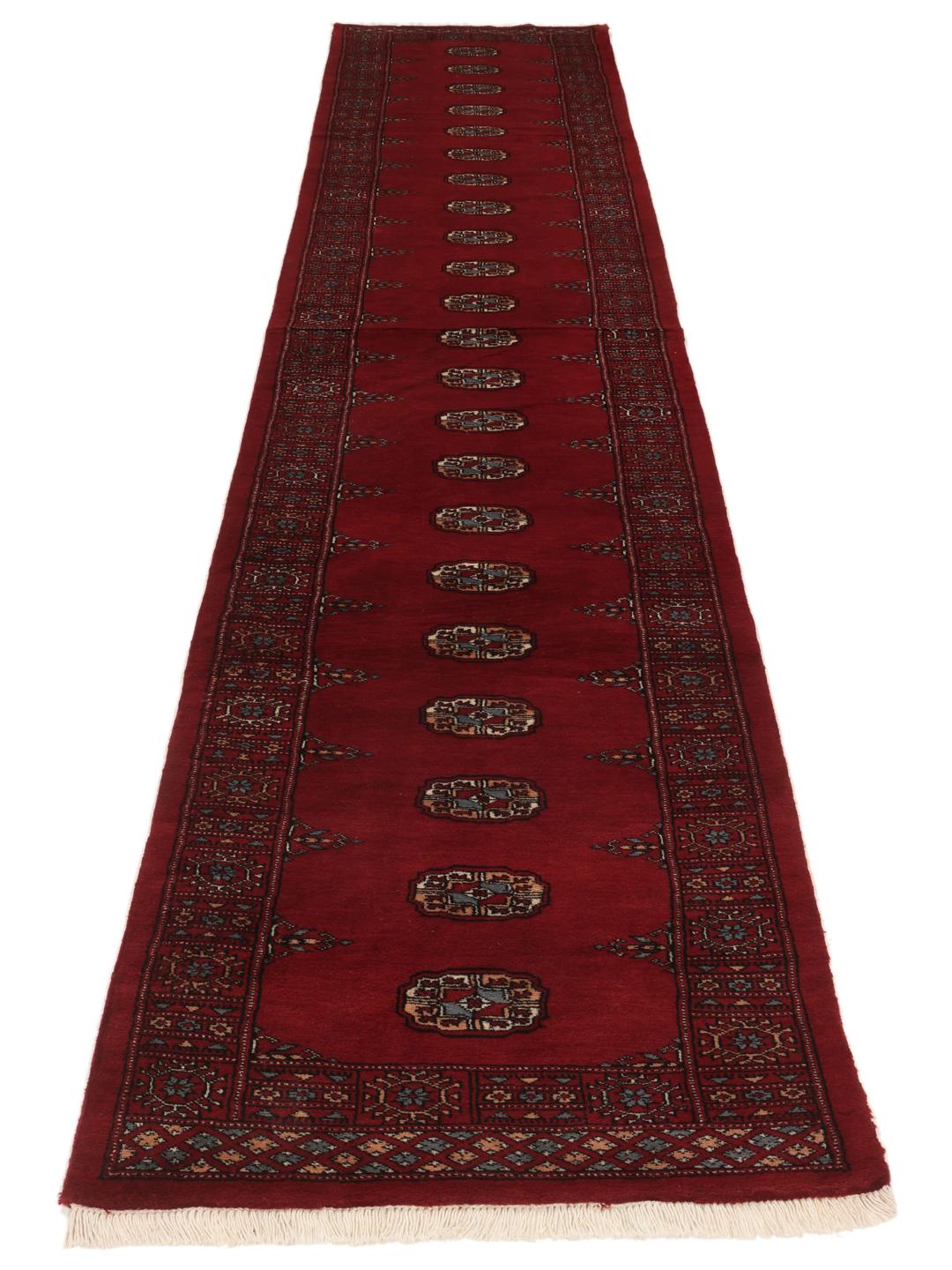
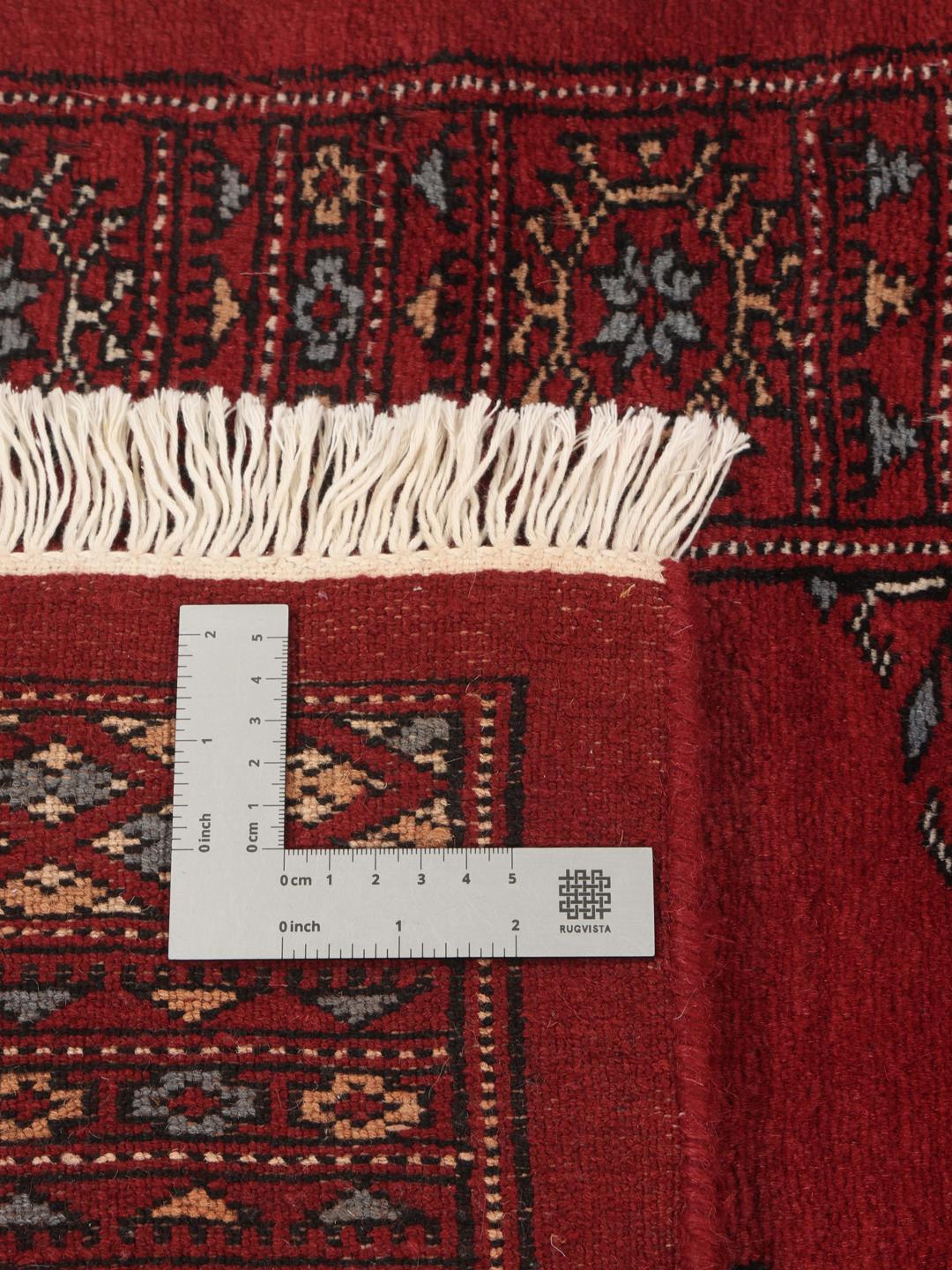
The Bokhara rug is a style with roots in the ancient Silk Road city of Bukhara, though today the finest examples are crafted in Pakistan. This tradition has evolved over centuries, blending influences from various nomadic tribes to create a globally recognised aesthetic that prioritises both beauty and utility.
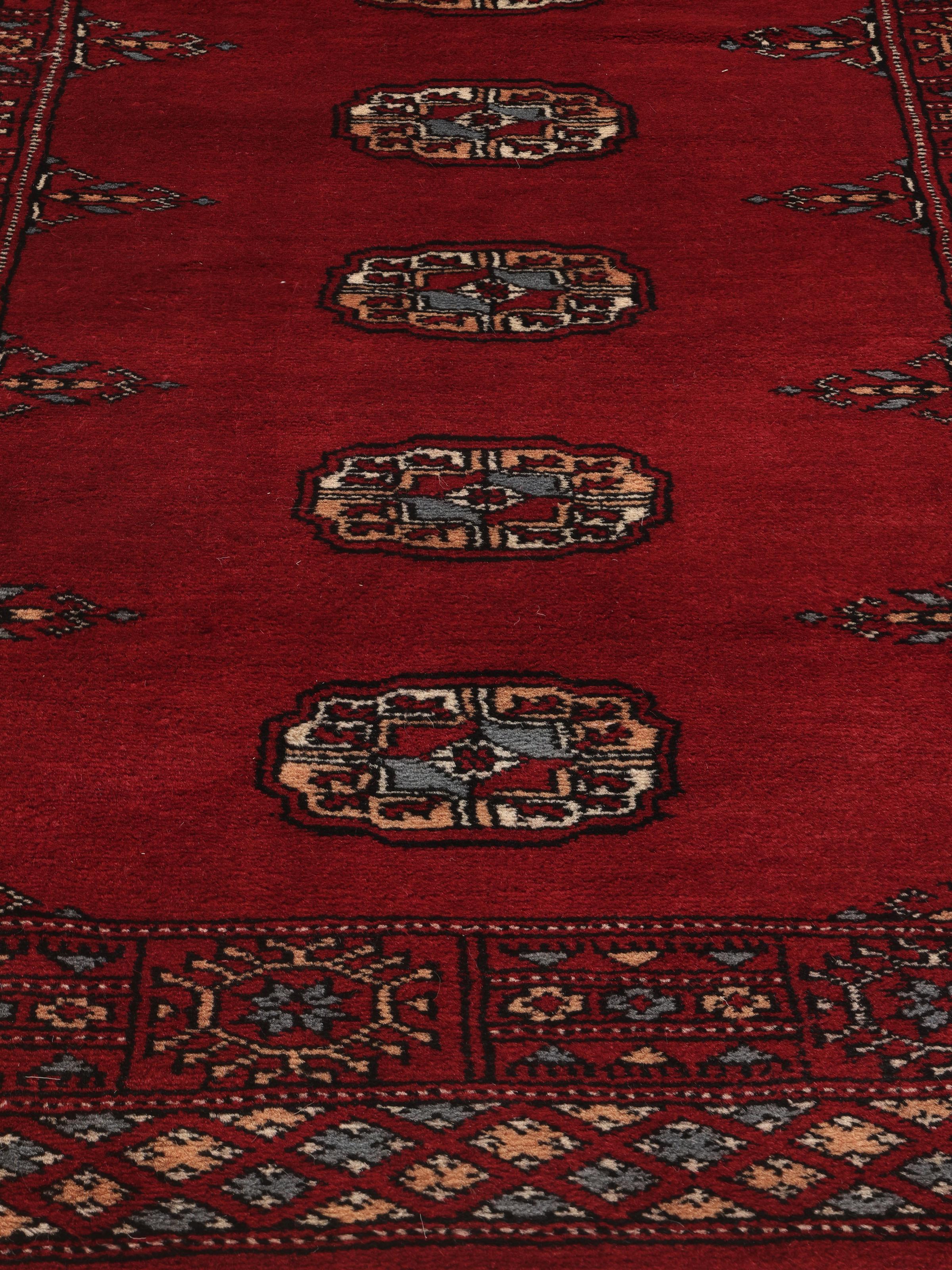
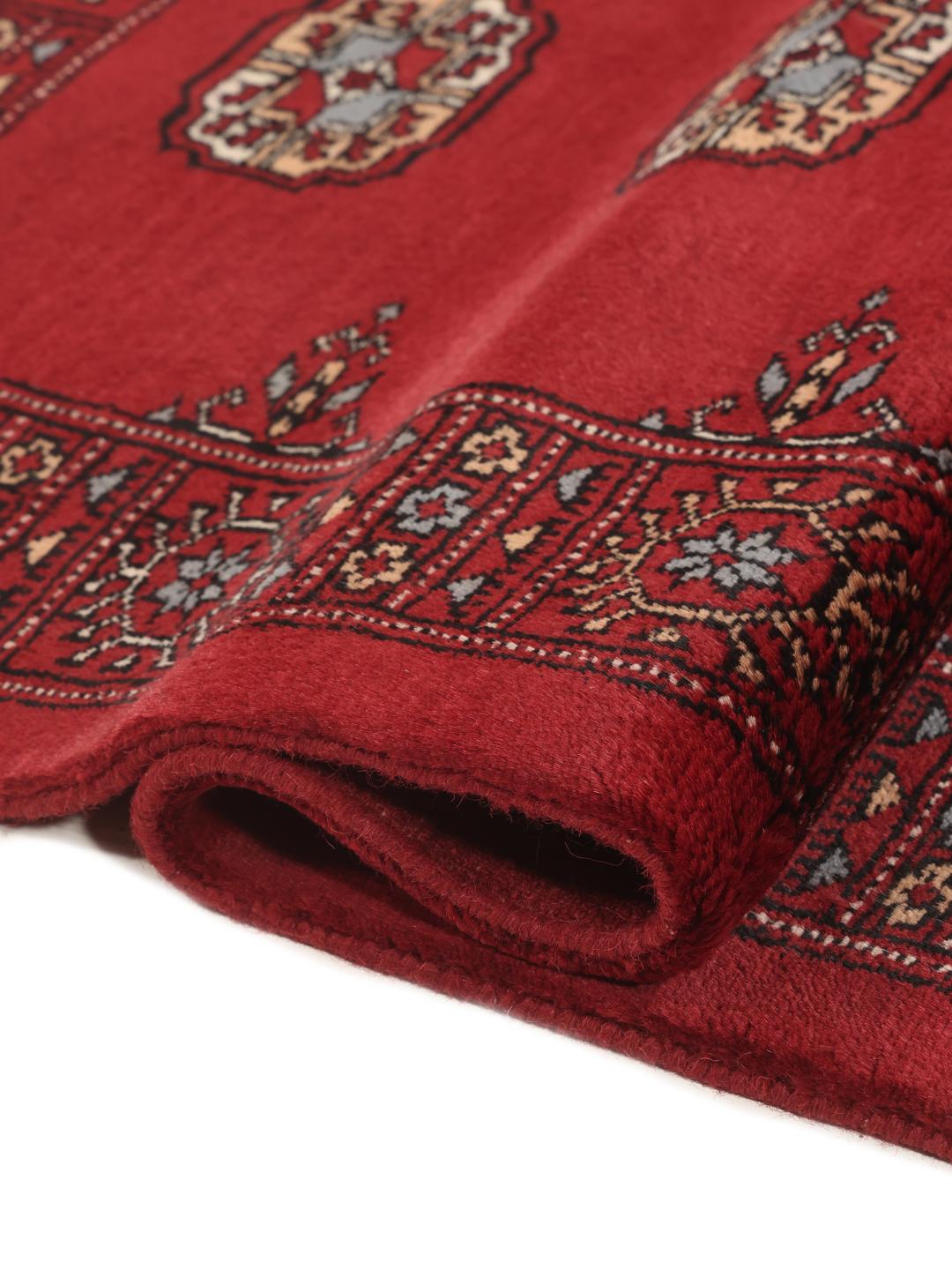
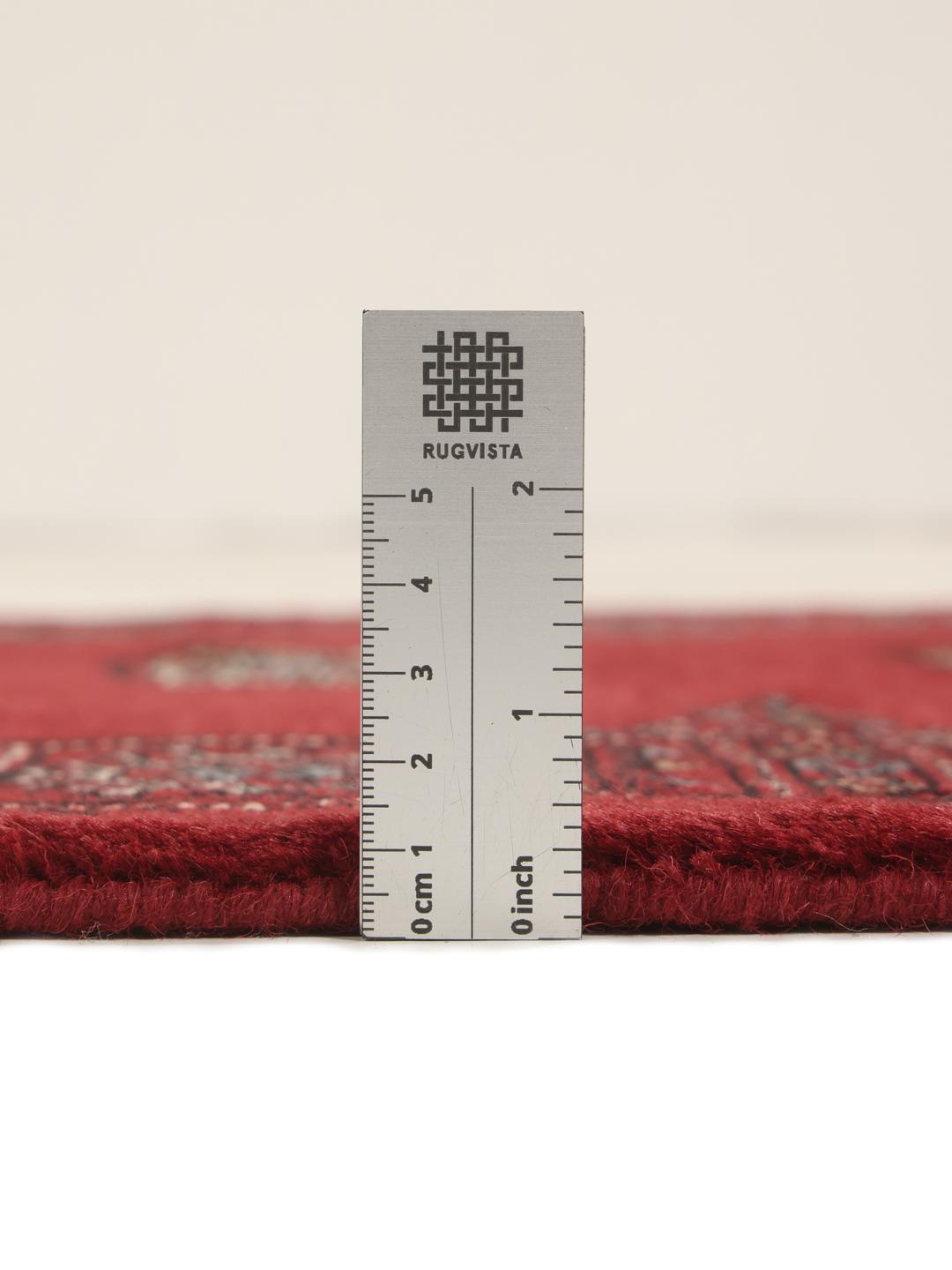
The term '3ply' refers to the construction of the wool pile, where three individual strands are twisted together before being knotted. This technical choice is significant because it results in a much thicker, more durable, and more lustrous pile than standard single-strand alternatives, creating a rug that stands up to heavy use while feeling exceptionally soft.
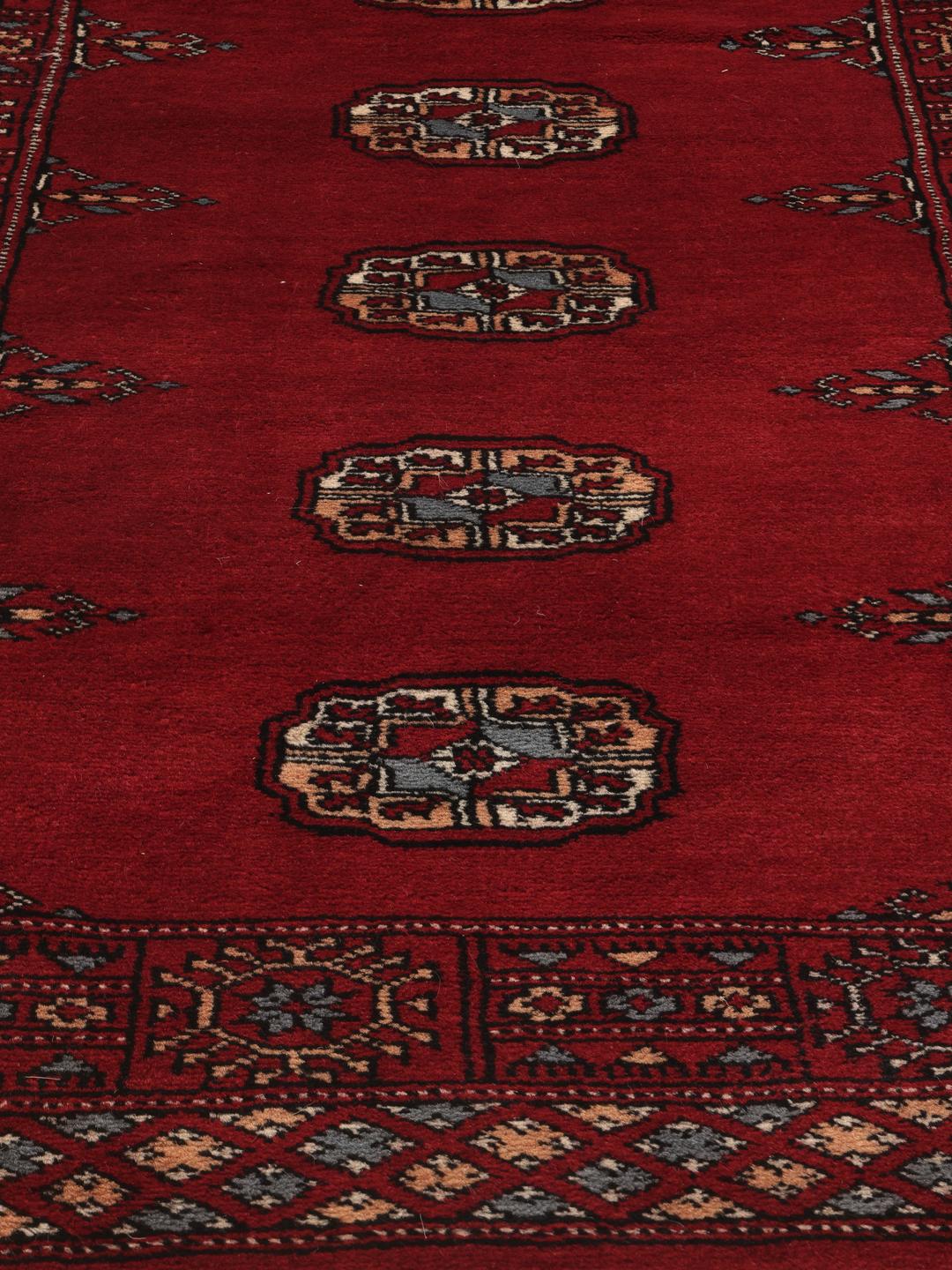
Visually, these rugs are characterised by the iconic 'gul' motif, which are repeating octagonal or elephant-foot shaped medallions arranged in precise rows. These patterns are often enclosed by intricate, formal borders that frame the field, showcasing a disciplined design language that has remained popular for its balanced and harmonious appearance.
Owning a hand-knotted runner from this tradition is about more than just floor decor; it is about acquiring a piece of cultural history. Collectors value these rugs for their technical precision, the depth of their colour, and the immense skill required to produce them, making them a meaningful addition to any home that values craftsmanship.