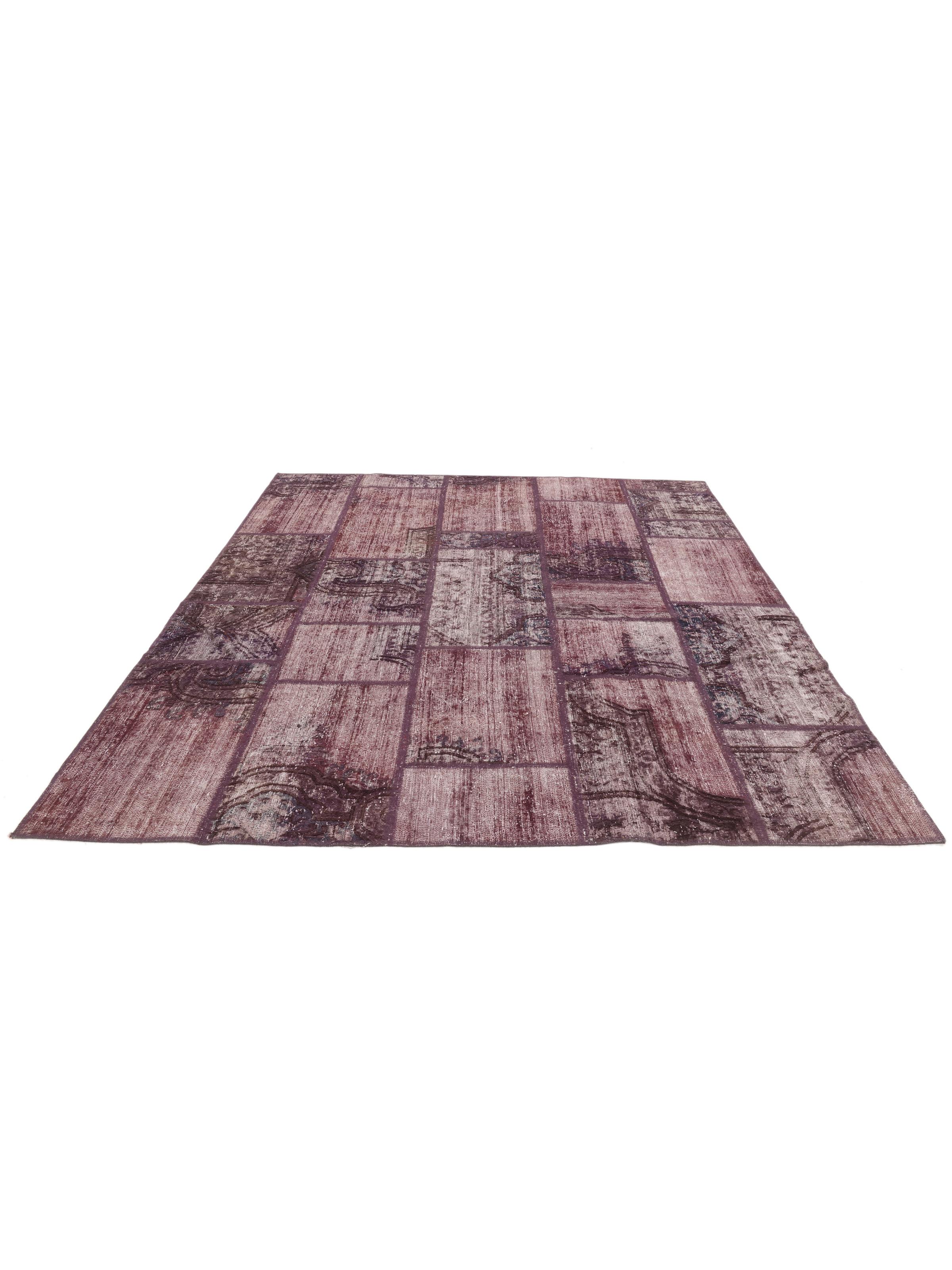
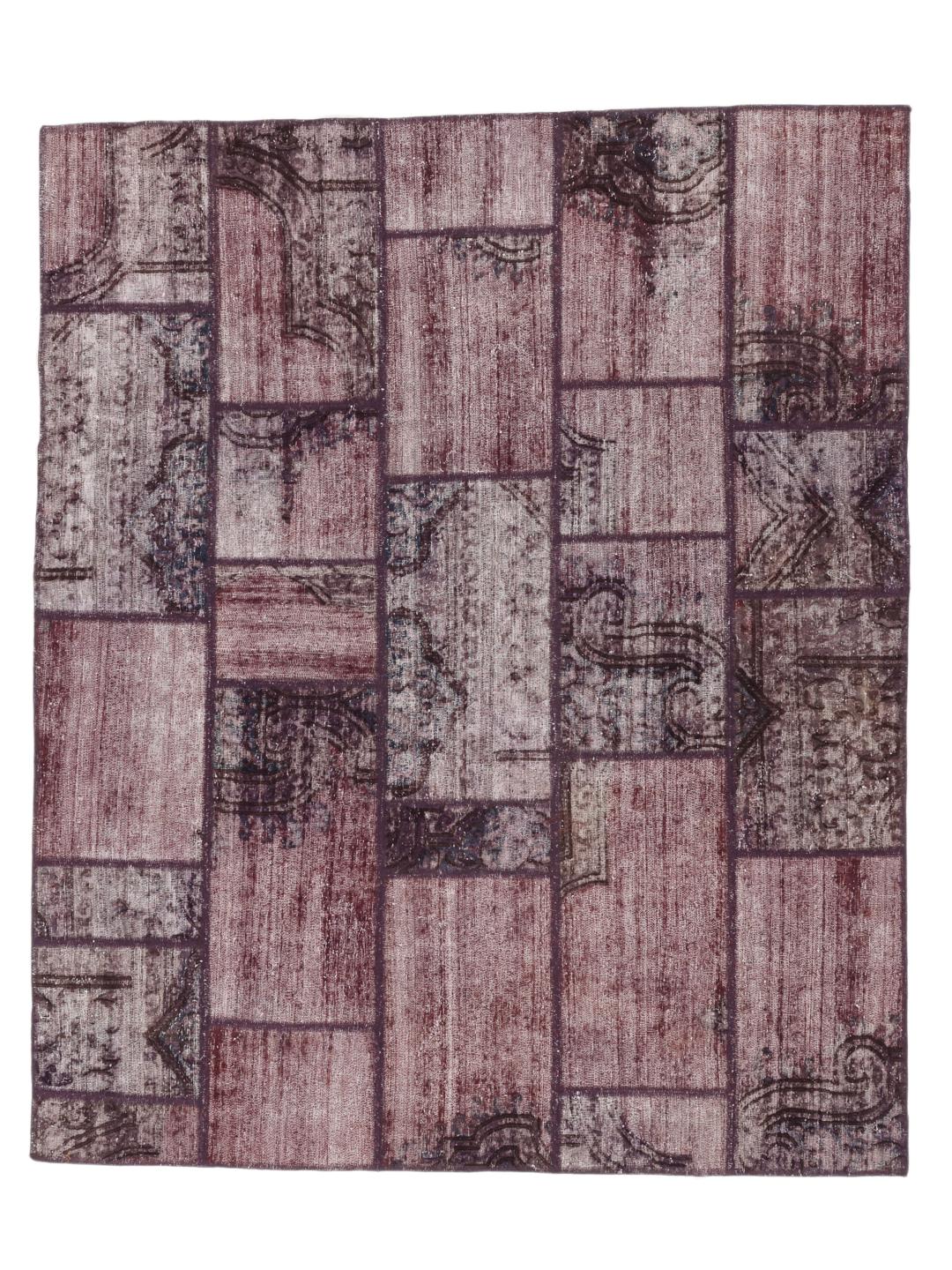
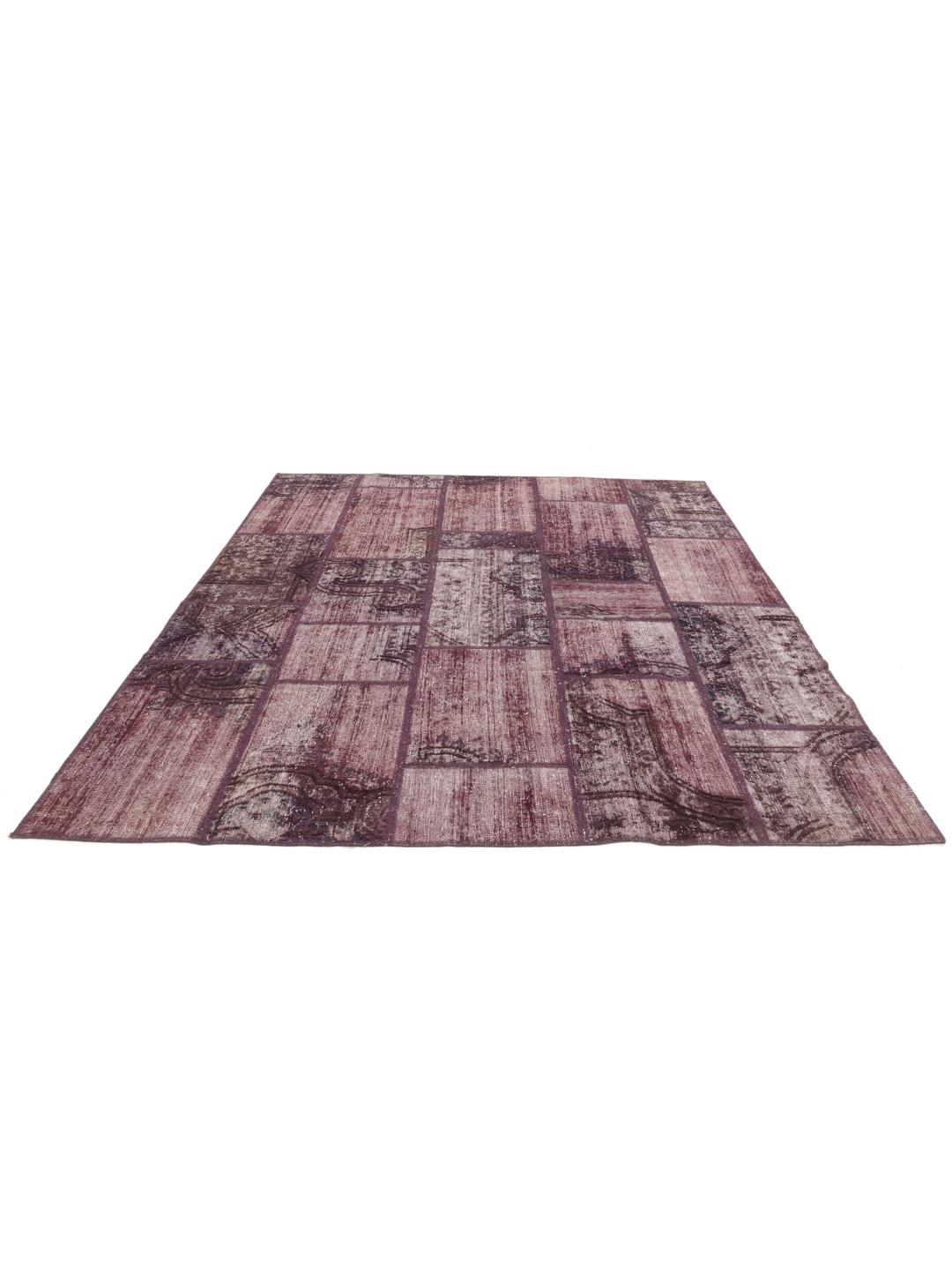
Patchwork rugs represent a fascinating evolution in the history of Middle Eastern floor coverings. Historically, rugs in this region were woven as complete, unified designs, but the tradition of repurposing and re-envisioning older, worn pieces has become a celebrated craft in its own right. By salvaging remnants from rugs that have served families for decades, artisans give these materials a second life, preserving the cultural narratives woven into their fibres.
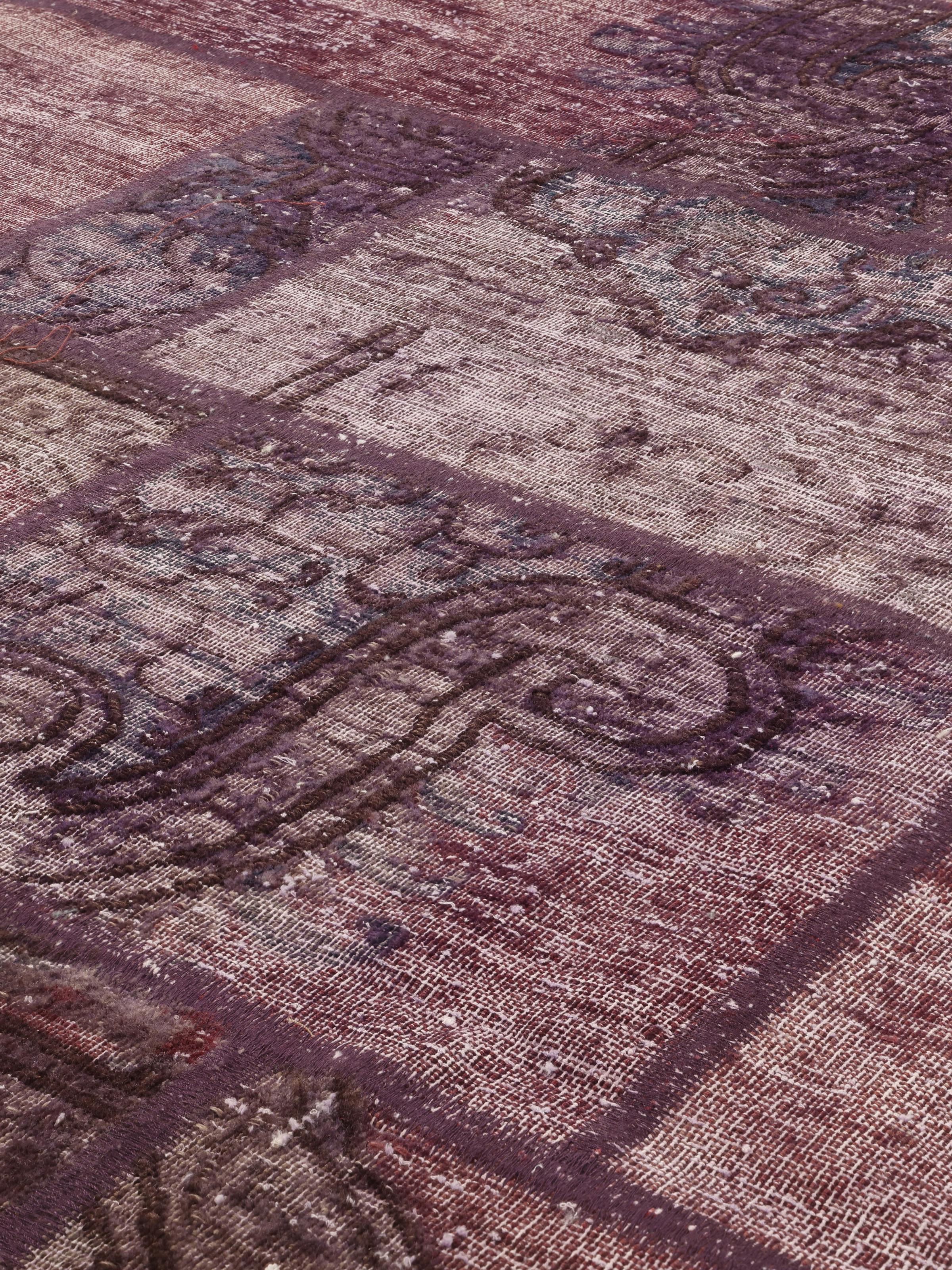
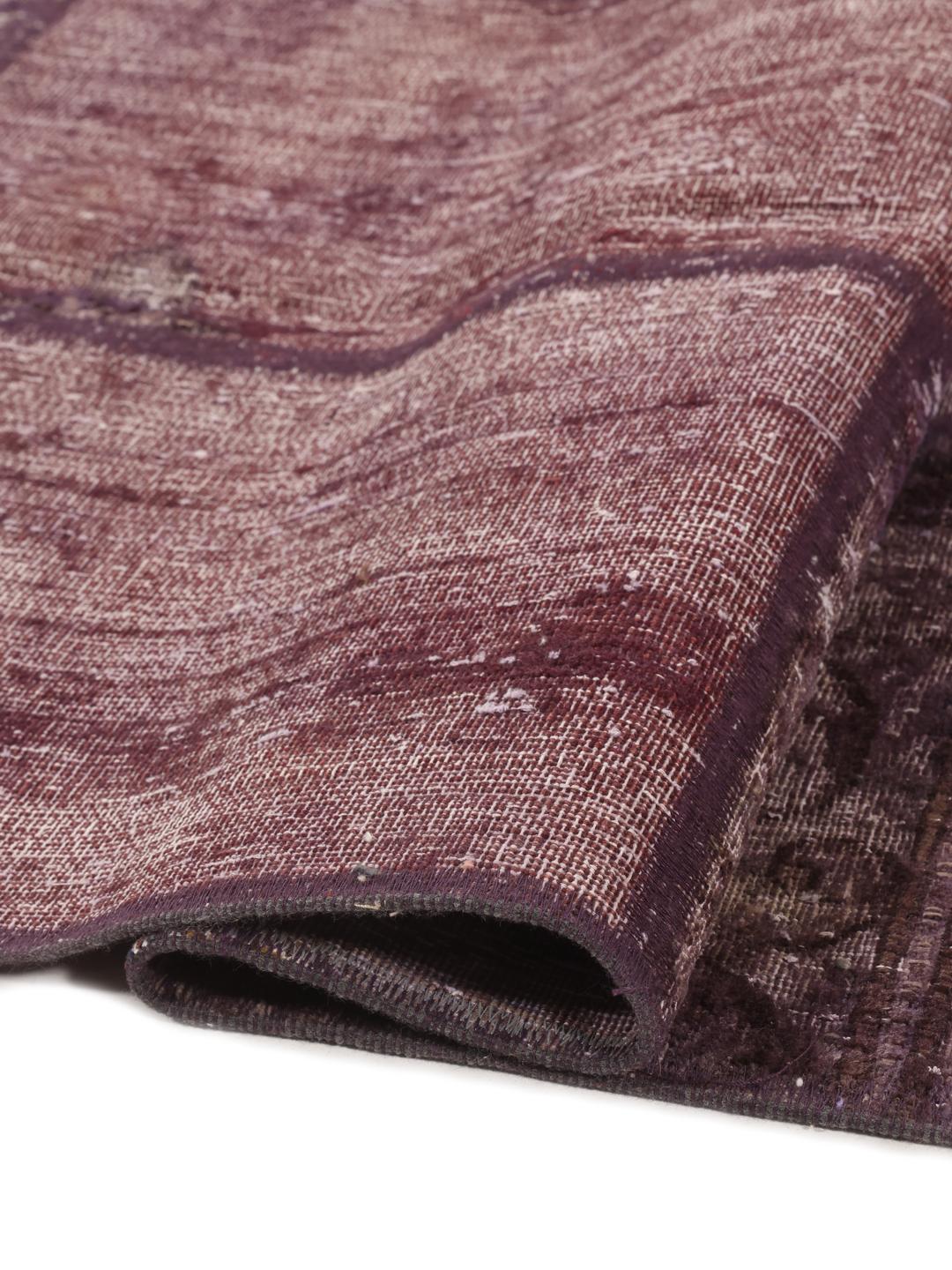
The construction of these pieces relies on the expertise of masters who understand how to harmonise different textures and patterns. Each fragment is chosen not only for its colour but for the quality of the original weave. This process transforms what might have been lost to time into a contemporary statement piece, demonstrating that the value of high-quality hand-knotted wool only grows as it ages and develops its unique character.
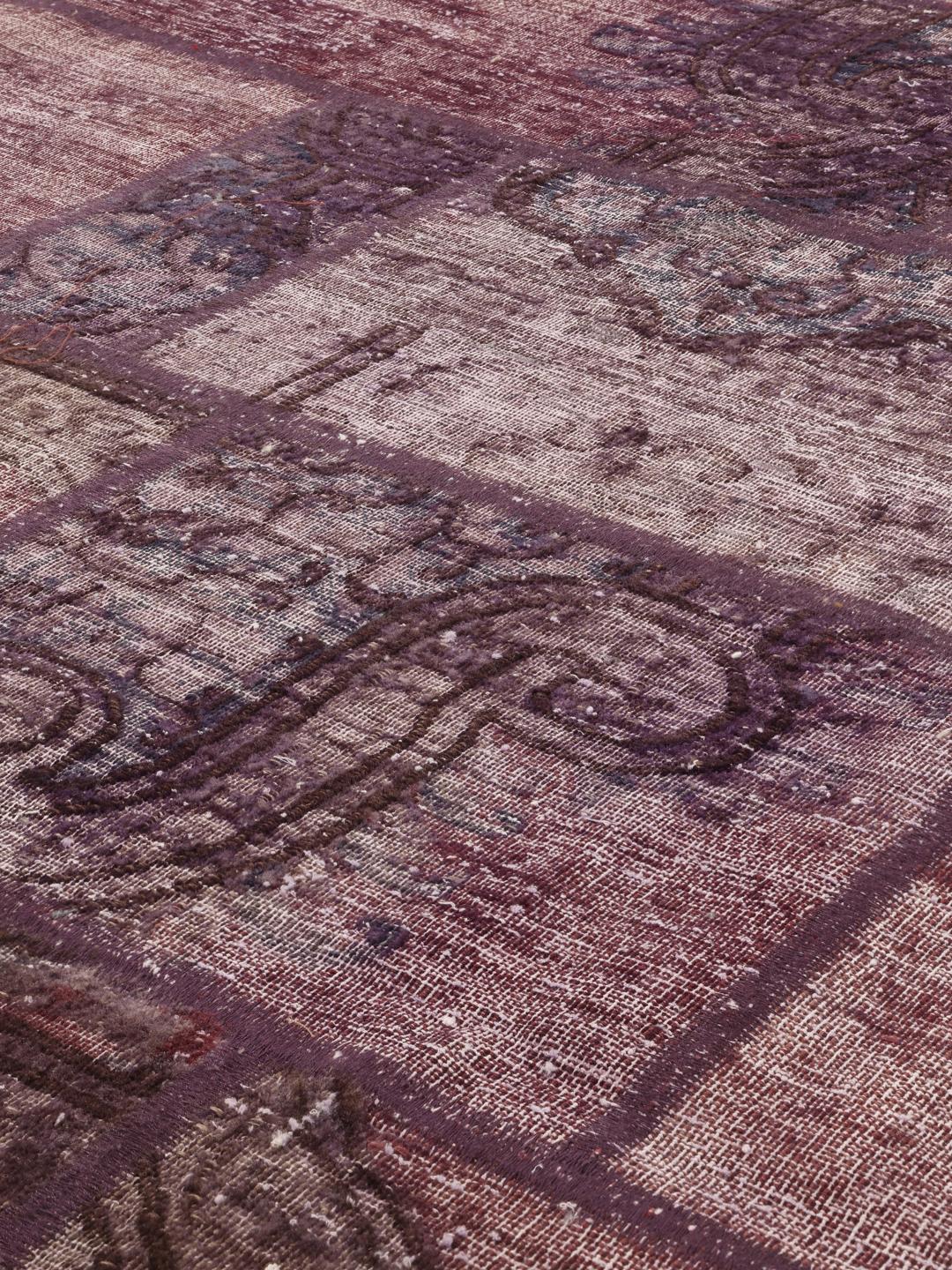
Visually, these rugs often display a collage of traditional motifs, including partial medallions and floral elements that hint at their origins. Because they are composed of varied sections, they often feature a depth of colour that is difficult to replicate, as the dyes in each fragment have aged differently over time. This creates a vibrant, multi-layered look that complements both traditional and modern decor styles.
Collecting a patchwork rug is an act of stewardship, as it honours the immense skill of the original weavers while supporting the modern artisans who curate these compositions. It is a way to bridge the gap between the past and the present, offering a piece of heritage that is as practical as it is meaningful. Each rug tells a story of survival, reinvention, and the enduring nature of fine craftsmanship.