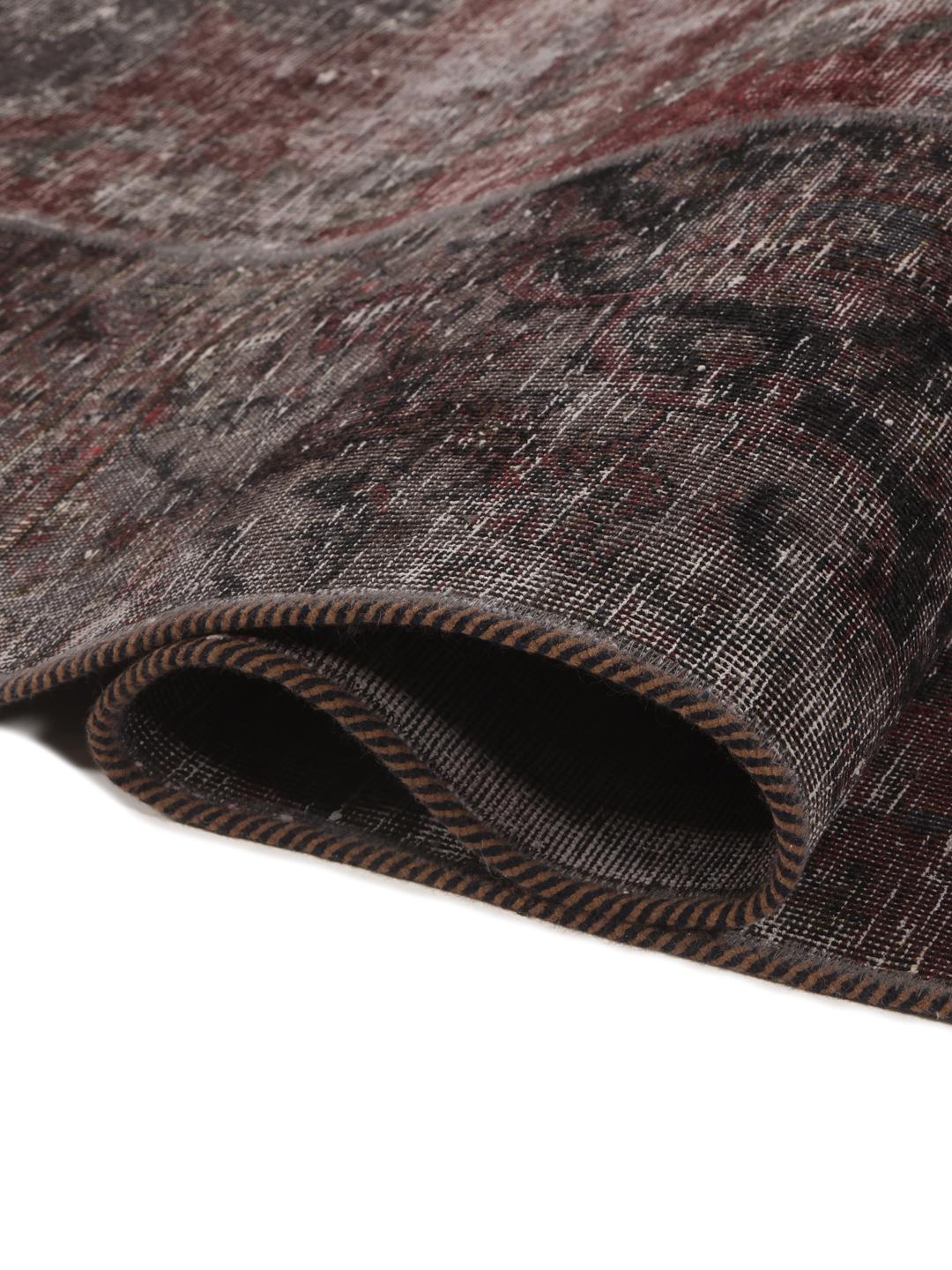
Patchwork rugs are a modern evolution of long-standing textile traditions from the Middle East. Historically, these rugs are created by gathering remnants of older, hand-knotted rugs that have seen years of use, often selecting pieces that retain their structural integrity and vibrant colours. This process is a form of cultural preservation, allowing the legacy of traditional weaving techniques to survive in a new, contemporary format.
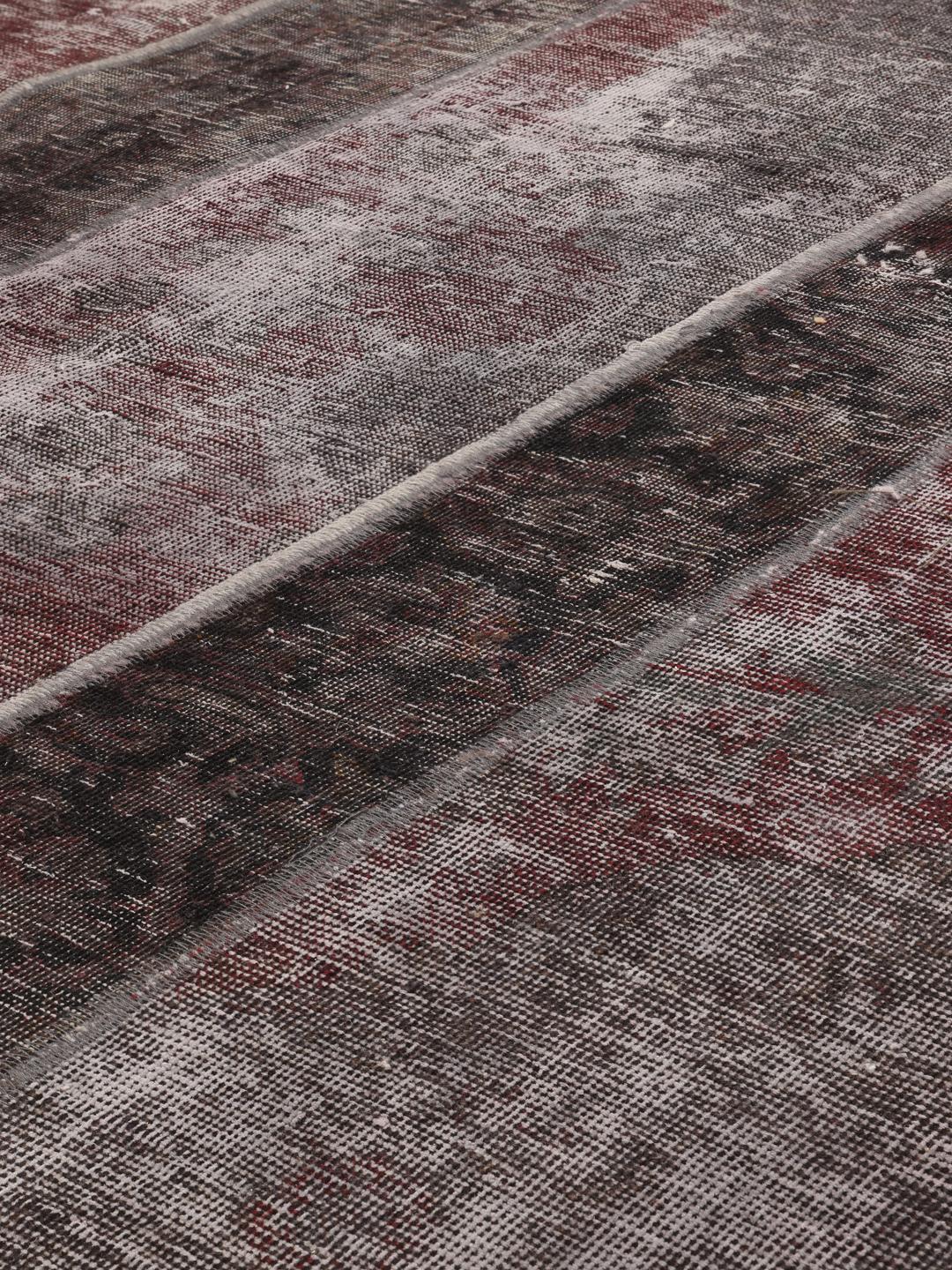
The terminology of patchwork refers to the assembly of diverse textile components into a single, unified design. In this context, the artisan acts as both a weaver and a curator, selecting fragments that complement one another in terms of colour, weave, and texture. This requires a deep understanding of how different Wool types and dye lots will interact, ensuring that the final rug is not just a collection of parts, but a harmonious and durable object.
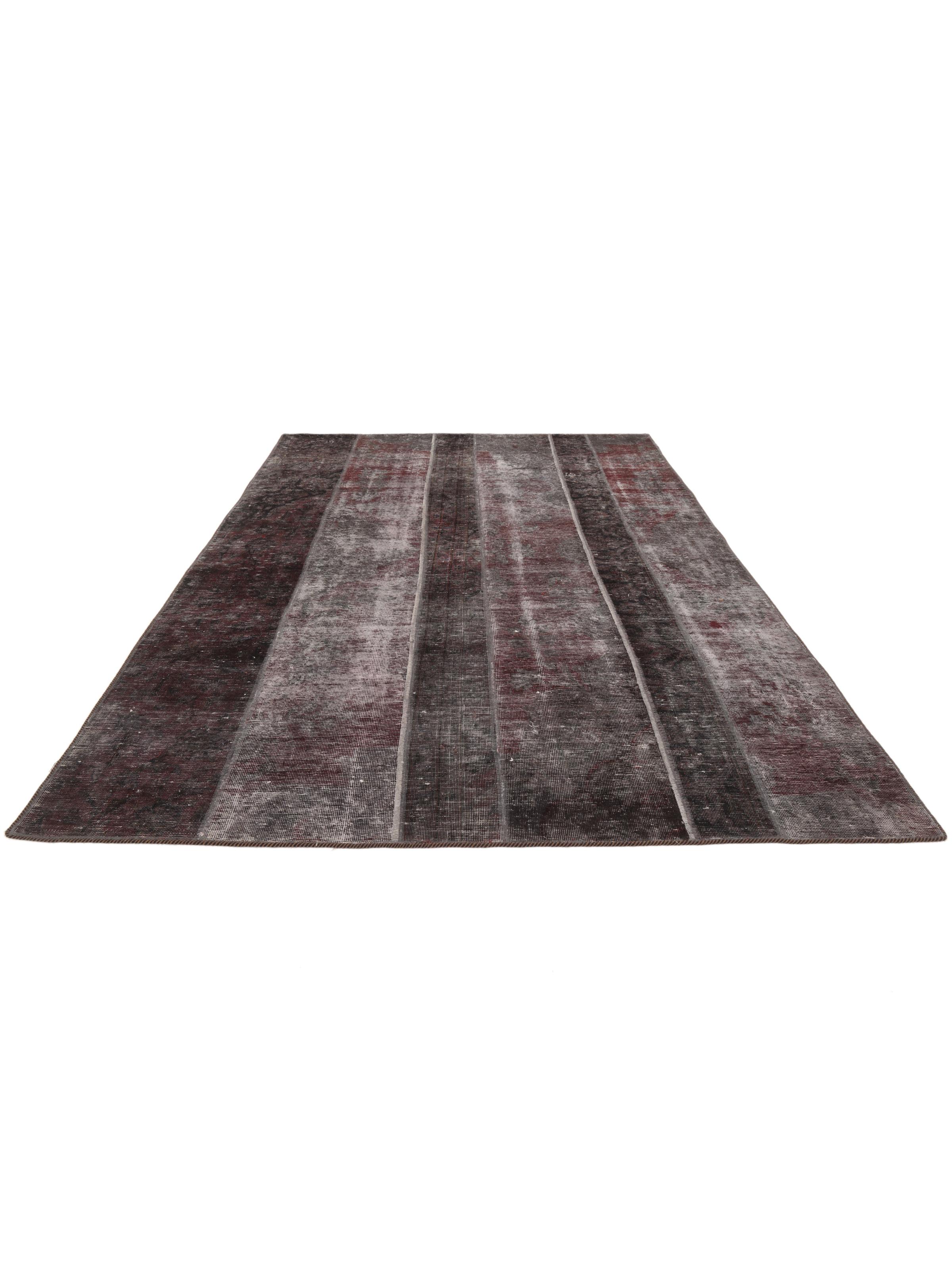
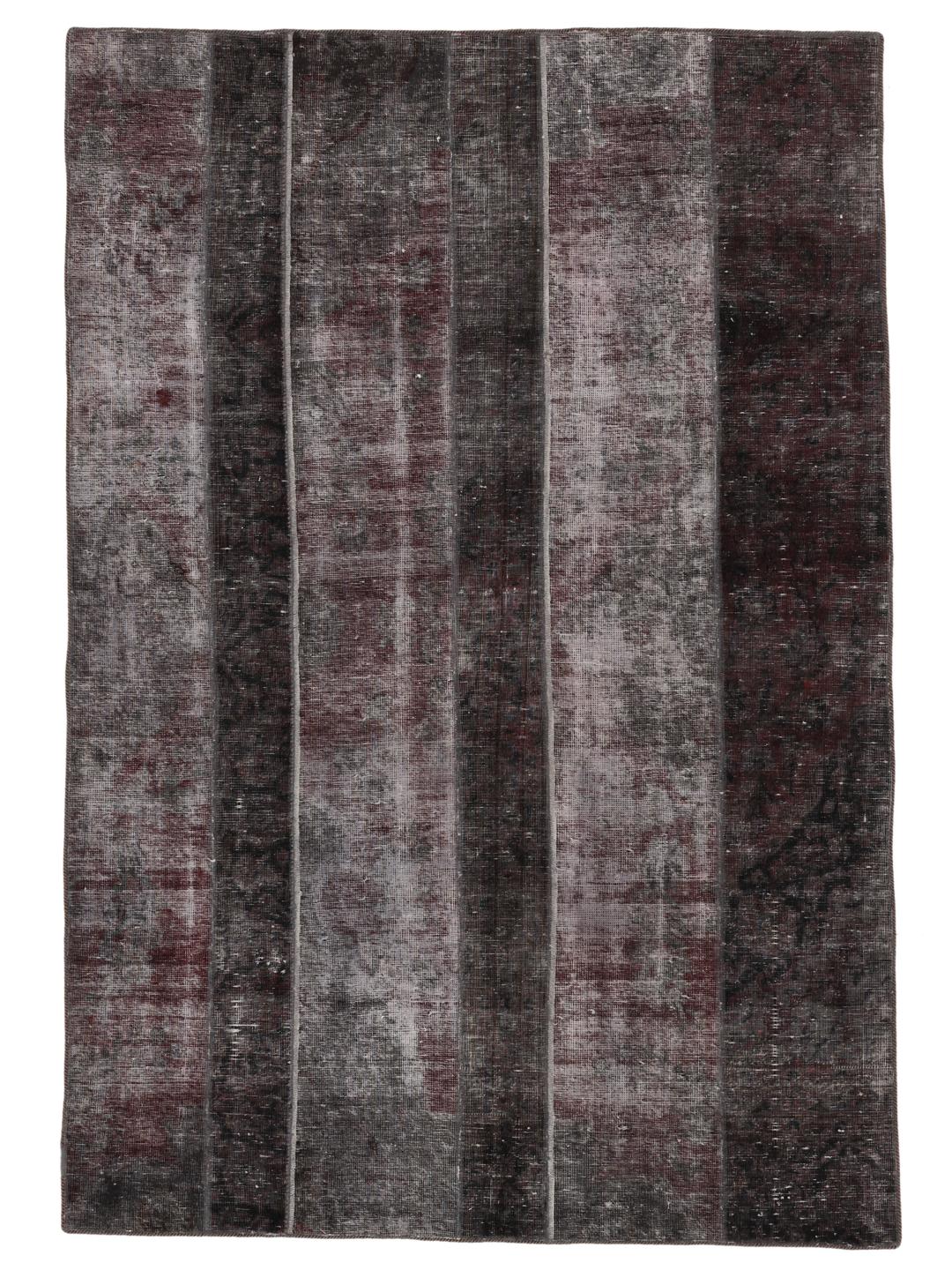
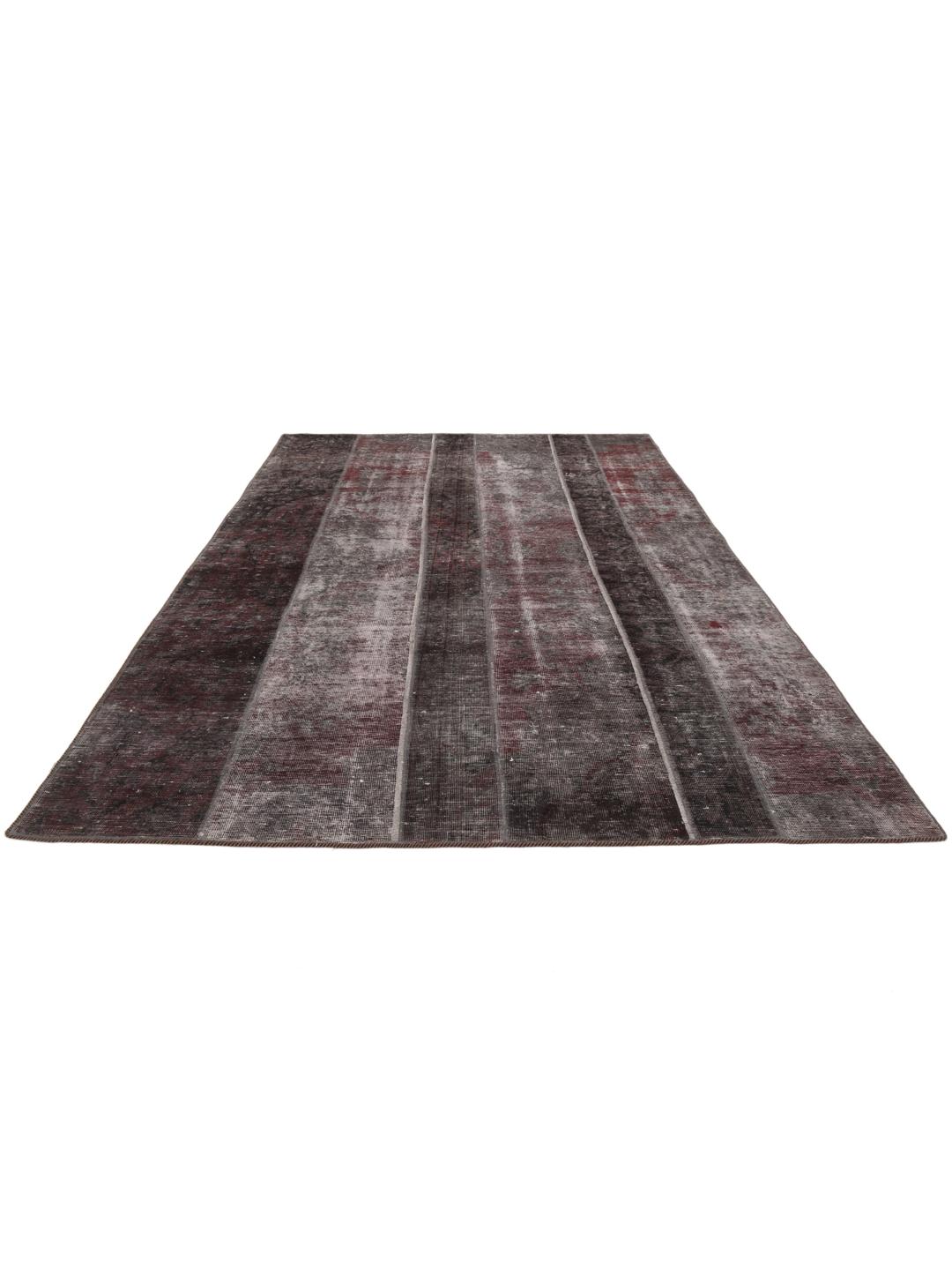
Visually, these rugs often challenge traditional expectations by juxtaposing classic, ornate motifs with a modern, geometric structure. The vertical paneling seen here is a hallmark of this style, providing a clean, architectural look that contrasts beautifully with the intricate, weathered patterns found within each individual patch. It is this tension between the old-world craft of the original rug and the modern, minimalist aesthetic of the layout that makes these pieces so visually compelling.
Owning a patchwork rug is a way to connect with the heritage of Middle Eastern craftsmanship while enjoying a piece that fits perfectly into a modern home. These rugs are highly valued for their individuality, as each fragment holds its own history, often representing different regional styles or weaving traditions. By bringing these disparate pieces together, the rug becomes a testament to the enduring quality of natural Wool and the creative spirit of the artisans who give these textiles a second, beautiful life.