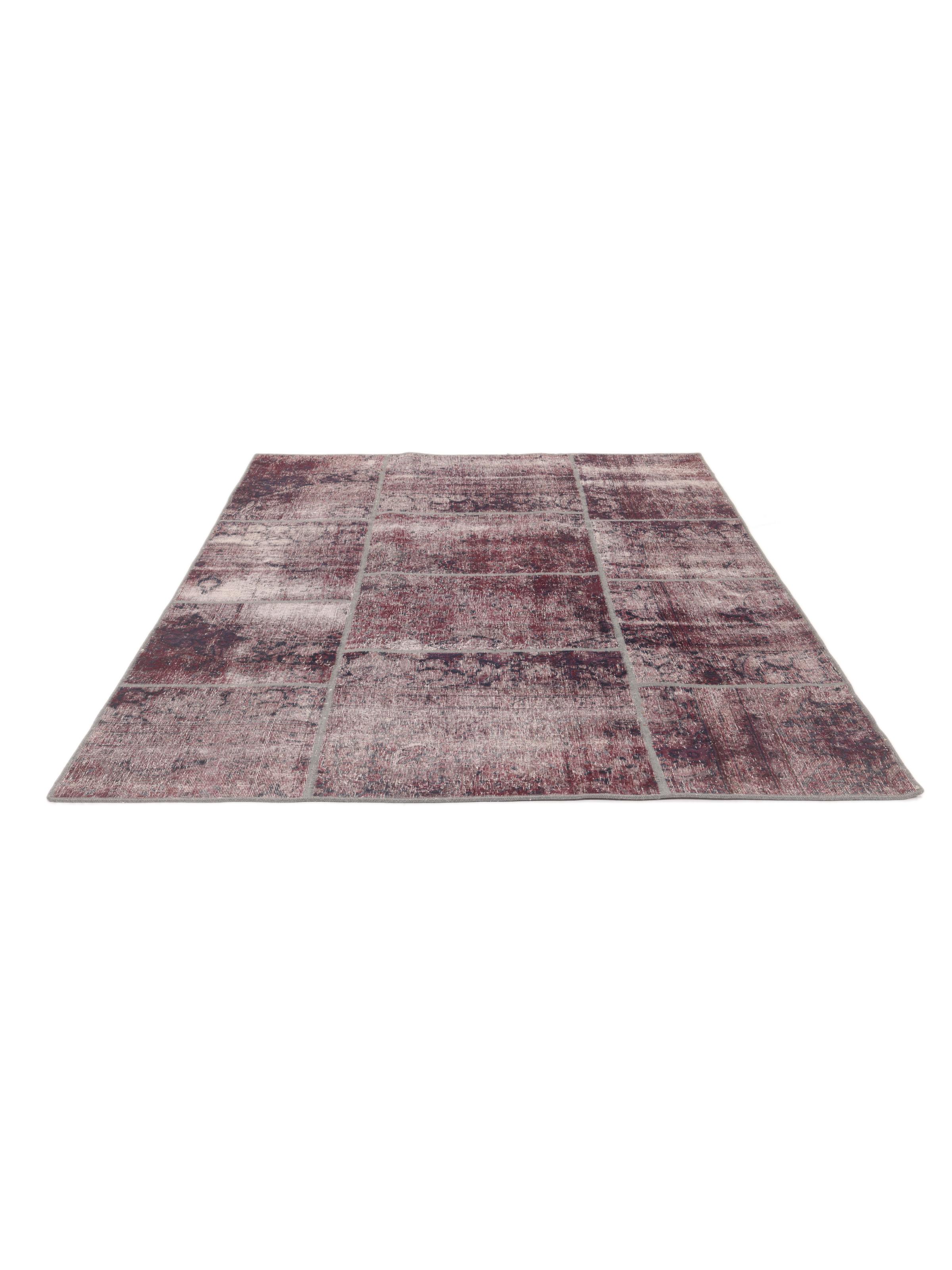
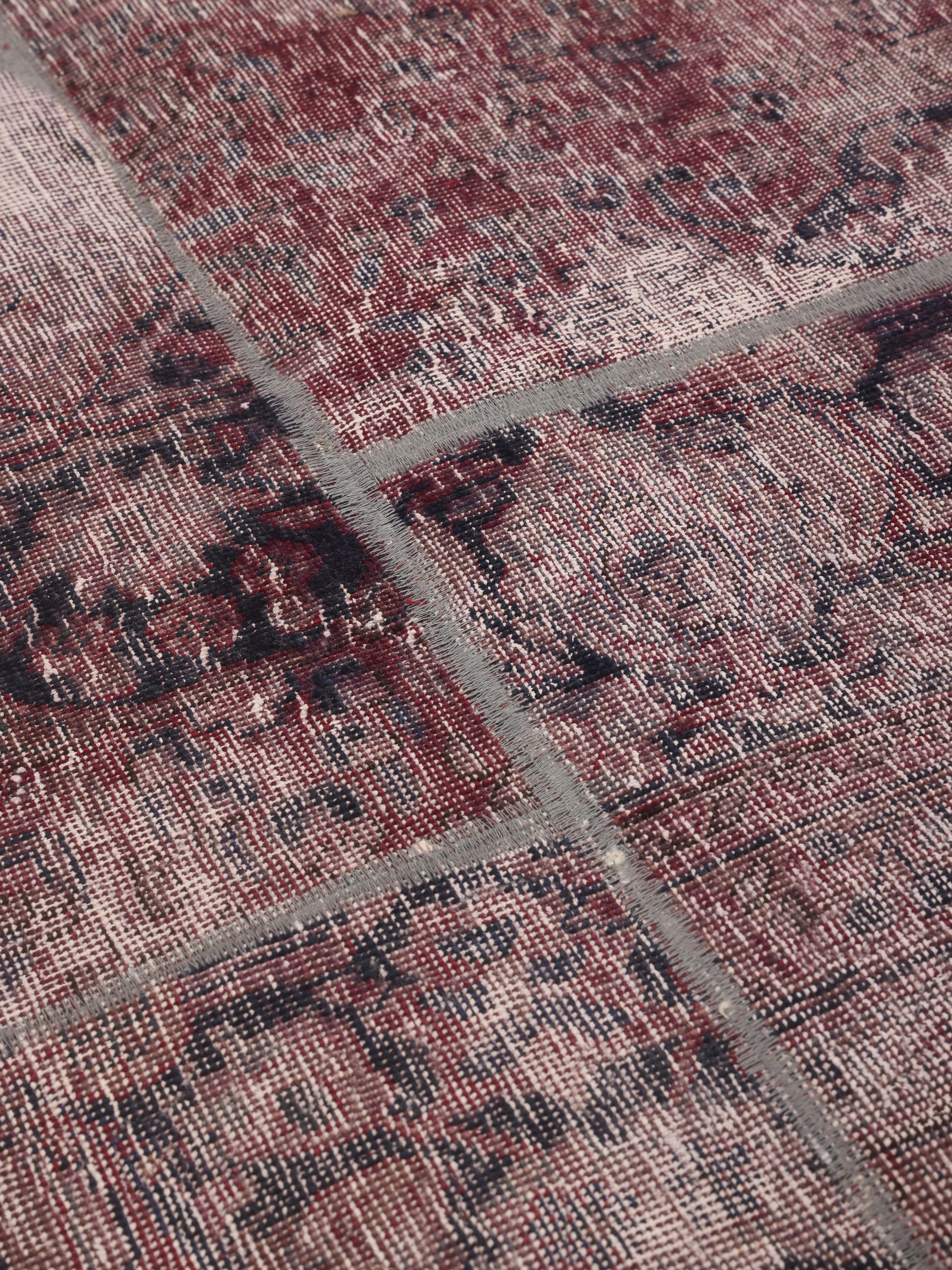
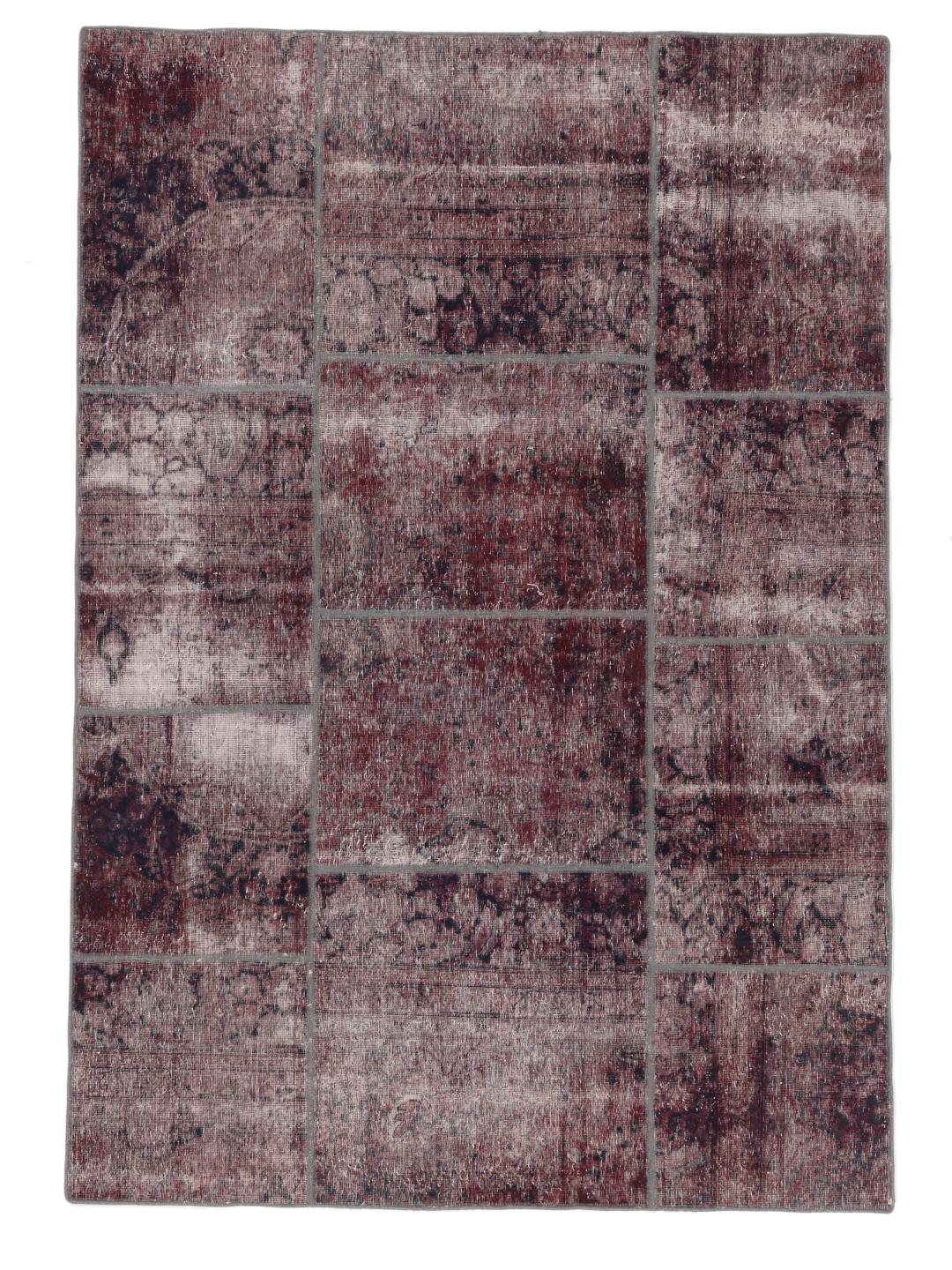
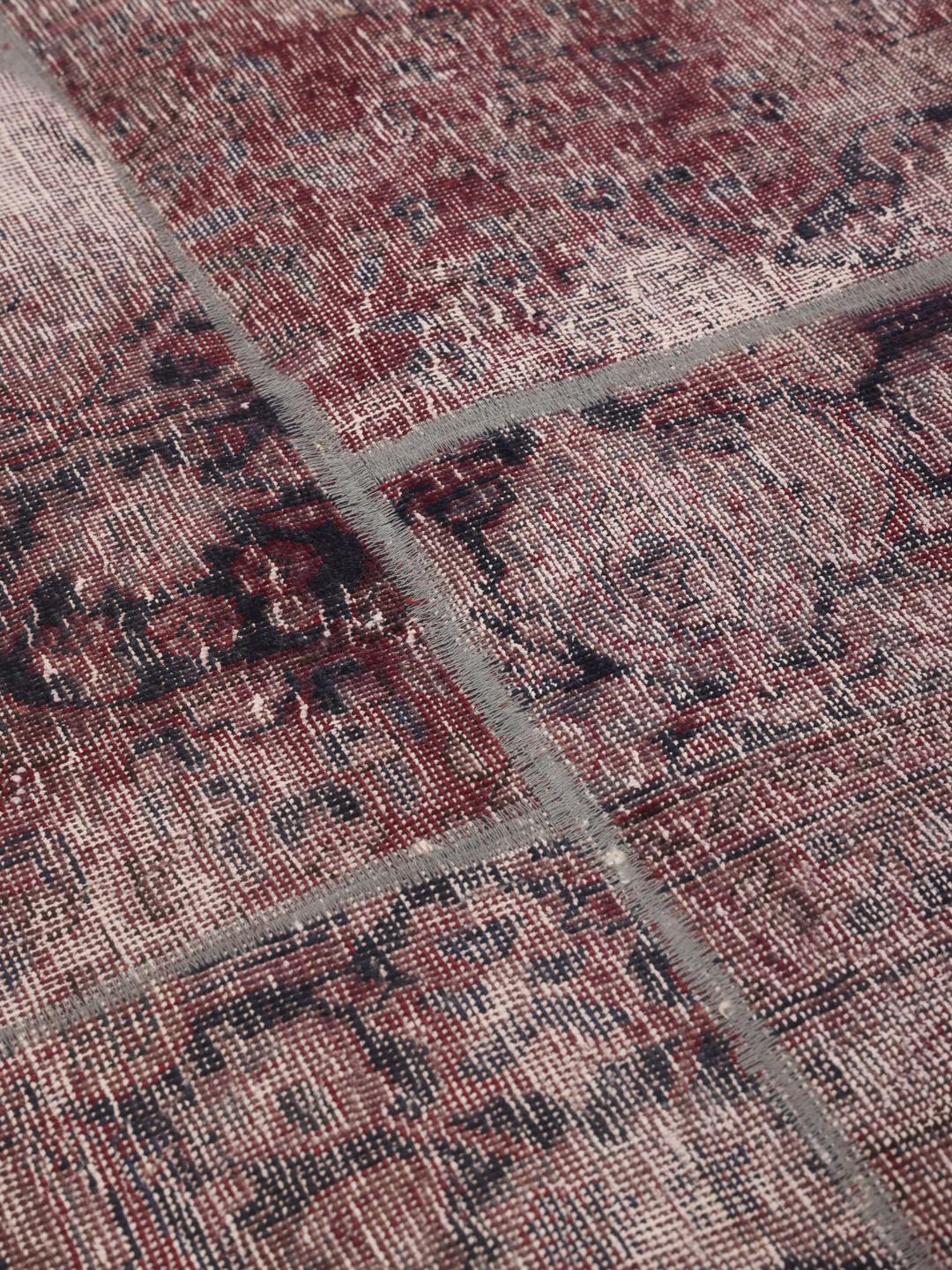
Patchwork rugs represent a fascinating evolution in Middle Eastern textile tradition. While the region is historically renowned for its formal, symmetrical carpet designs, the practice of repurposing older, worn rugs into new, artistic compositions emerged as a creative way to preserve the beauty of these textiles. By rescuing fragments of rugs that have survived decades of use, artisans celebrate the history embedded in every fibre.
The craft relies on a deep understanding of colour theory and pattern continuity. Artisans must have an intuitive sense of how different motifs, borders, and textures will interact when brought together in a new layout. This process is not merely about joining pieces but about curating a new narrative, where the faded remnants of the past are balanced against more vibrant sections to create a cohesive whole.
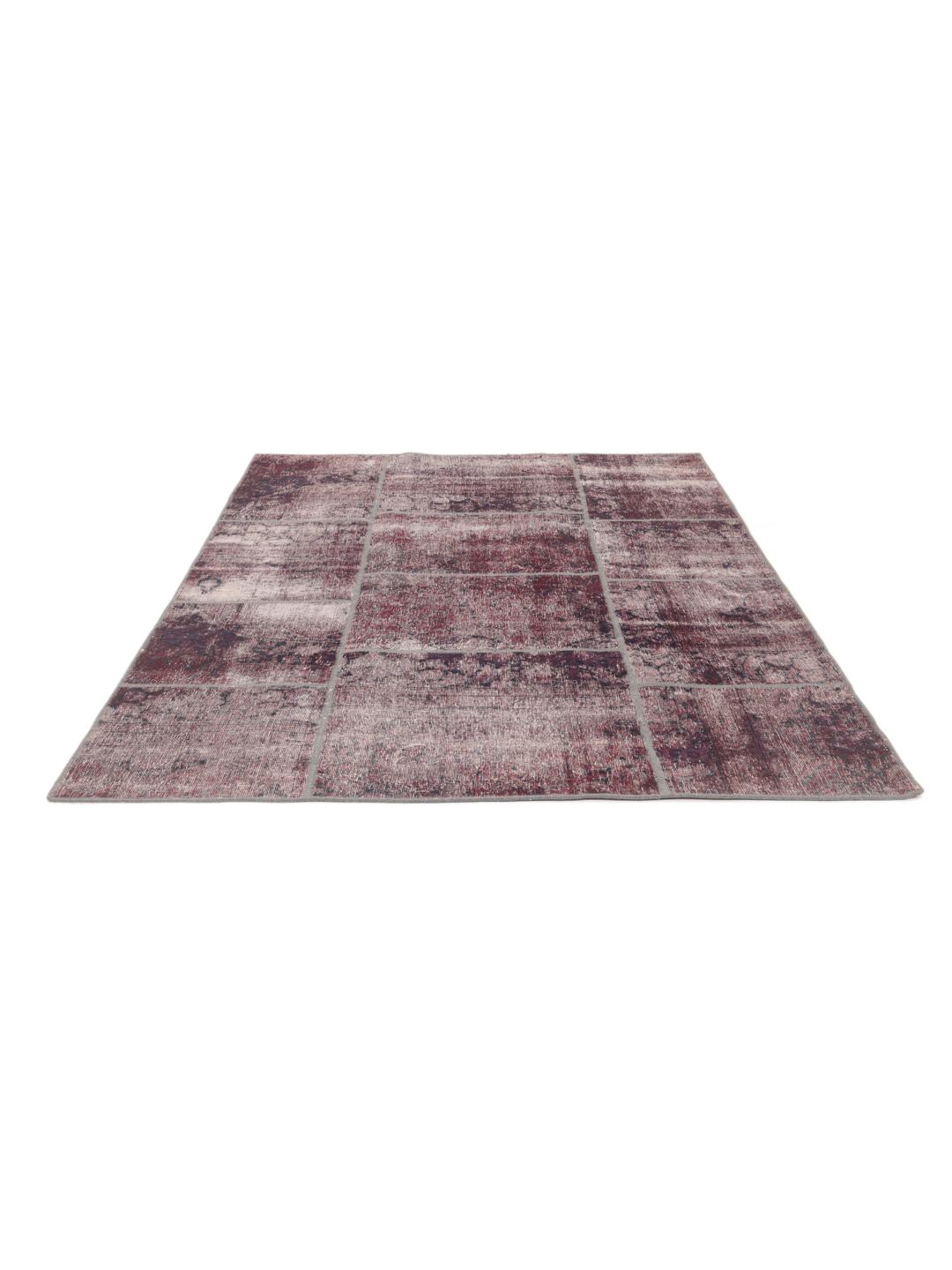
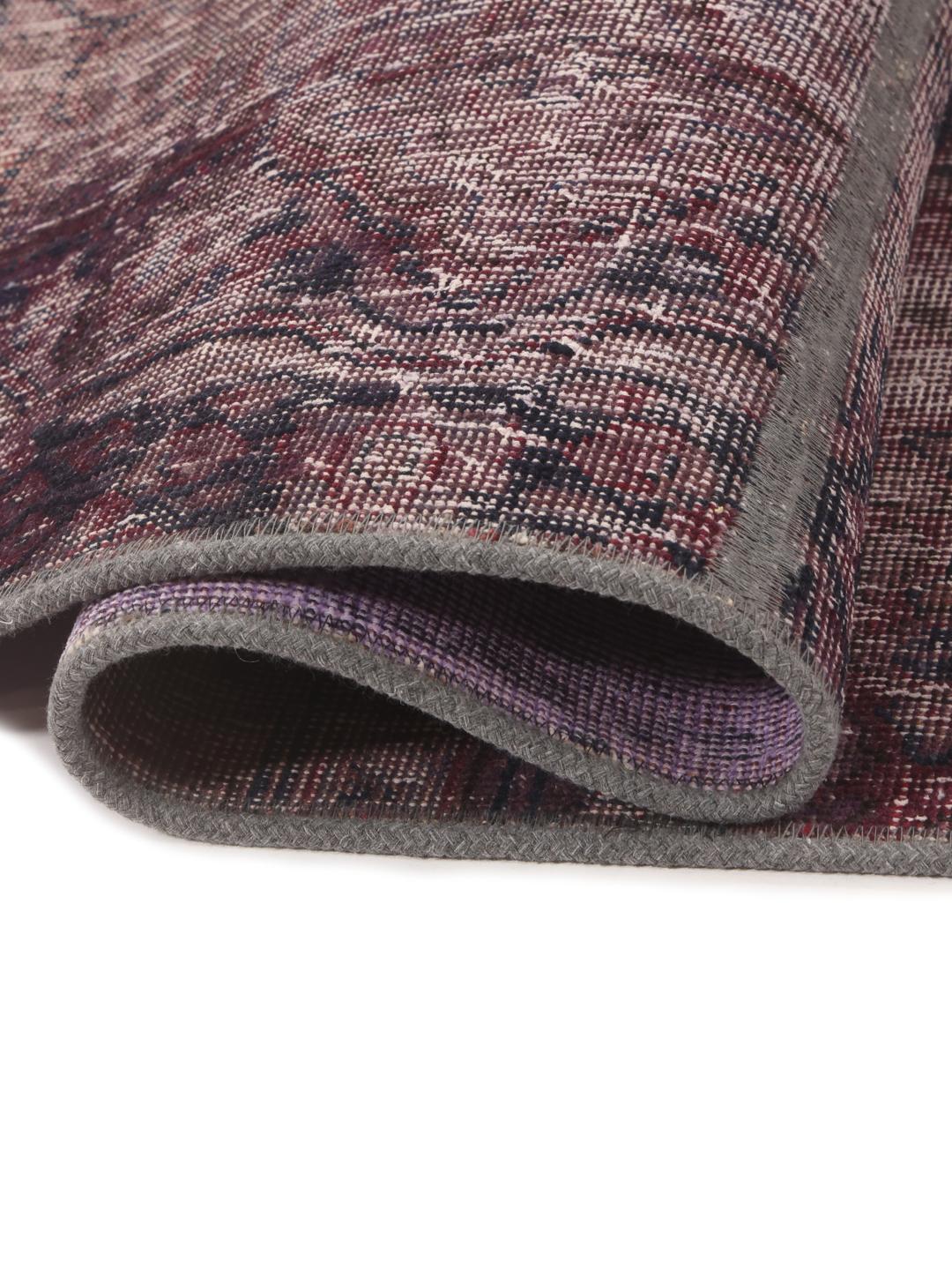
Visually, these rugs often feature a blend of traditional geometric or floral motifs that have been partially obscured by time. This creates a distressed, lived-in appearance that is highly sought after for its ability to soften a room and provide an immediate sense of comfort. The varied patches often reveal glimpses of the original rug's intent, offering a layered visual experience that invites closer inspection.
Collecting a patchwork rug is an investment in both heritage and sustainability. It represents a commitment to the art of upcycling, where the skill of the original weaver is honoured and extended through the vision of the modern creator. Owning one is a way to bridge the gap between ancient craft traditions and contemporary living, ensuring these stories remain a vibrant part of our homes.