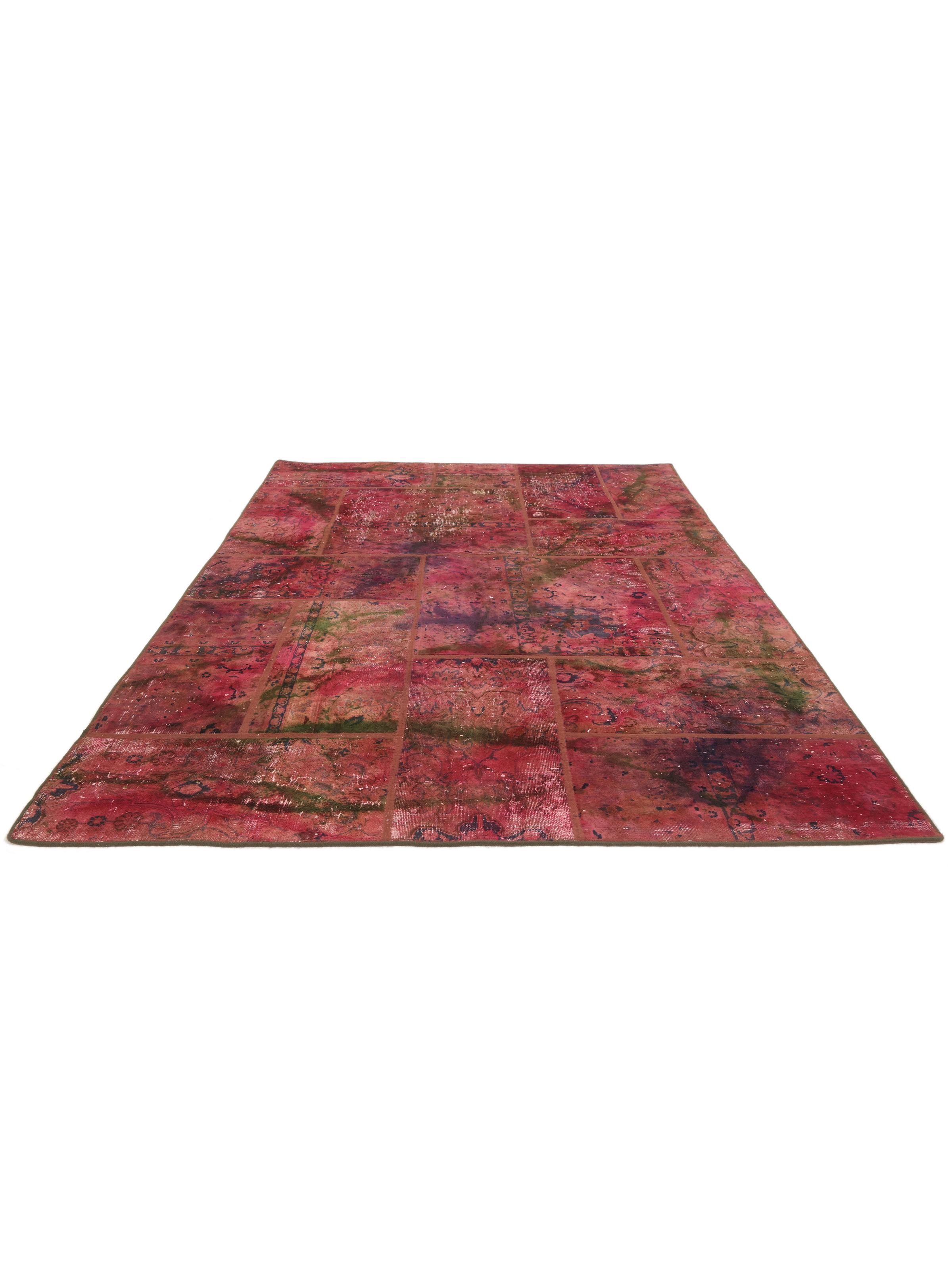
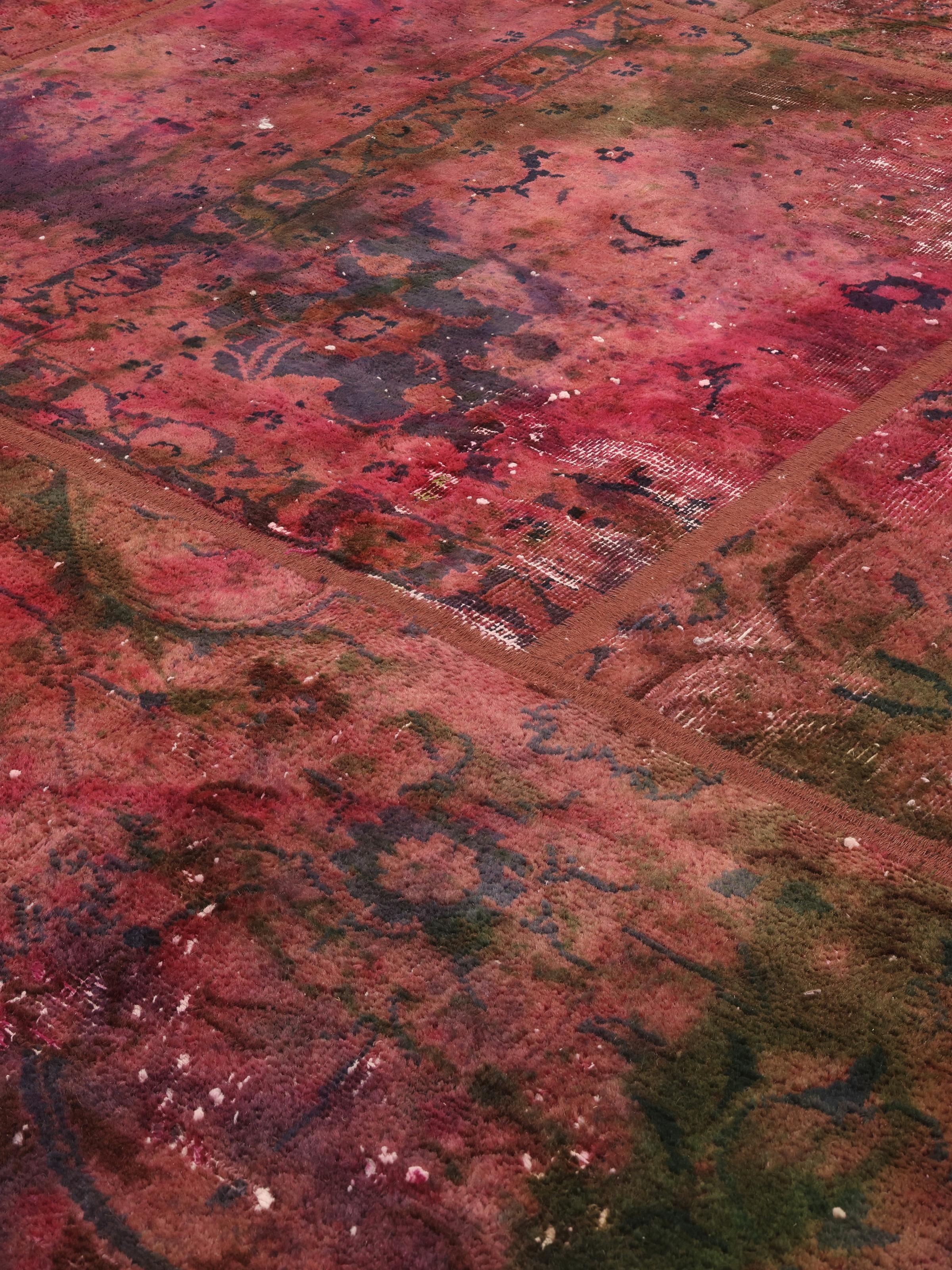
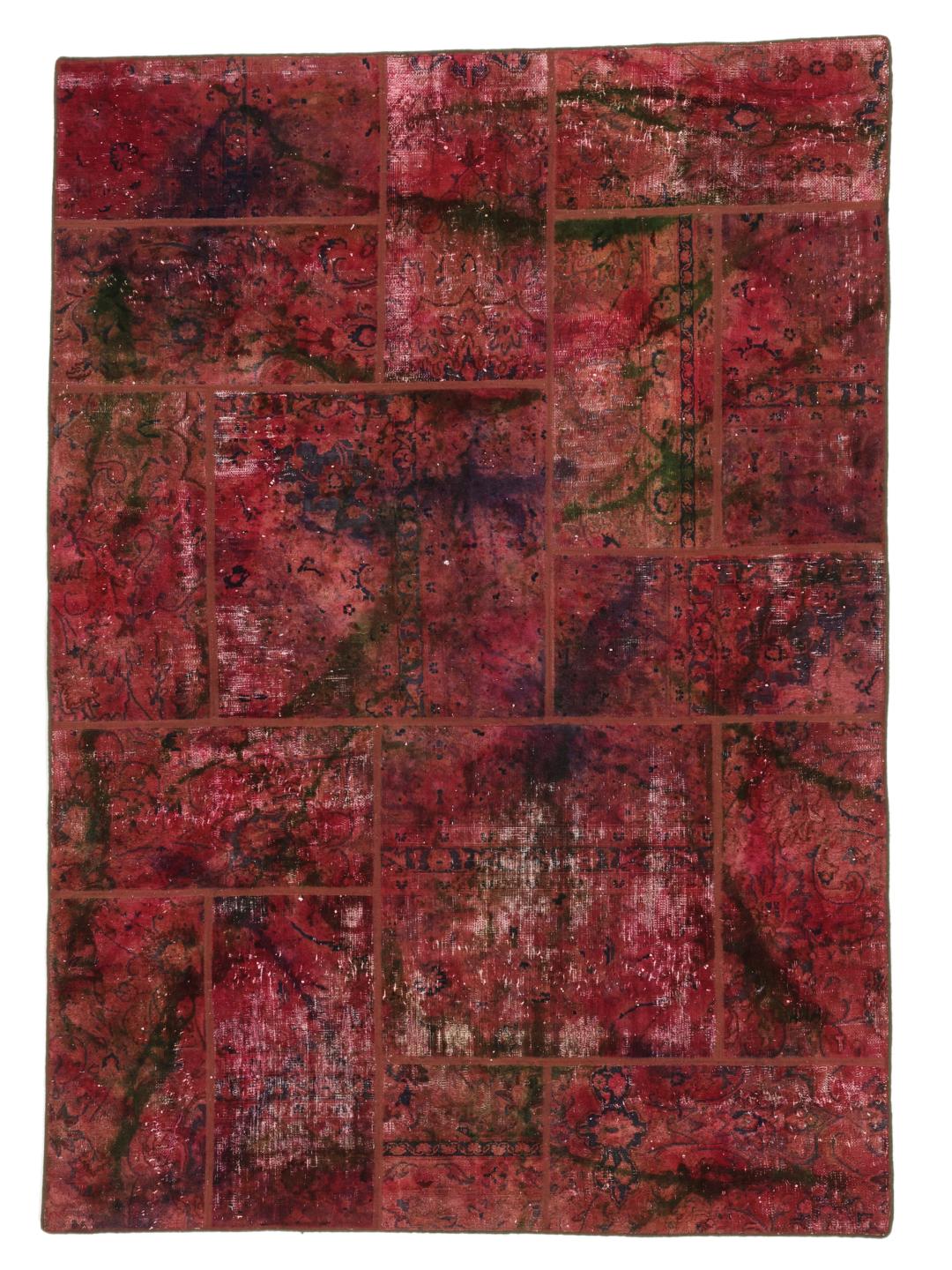
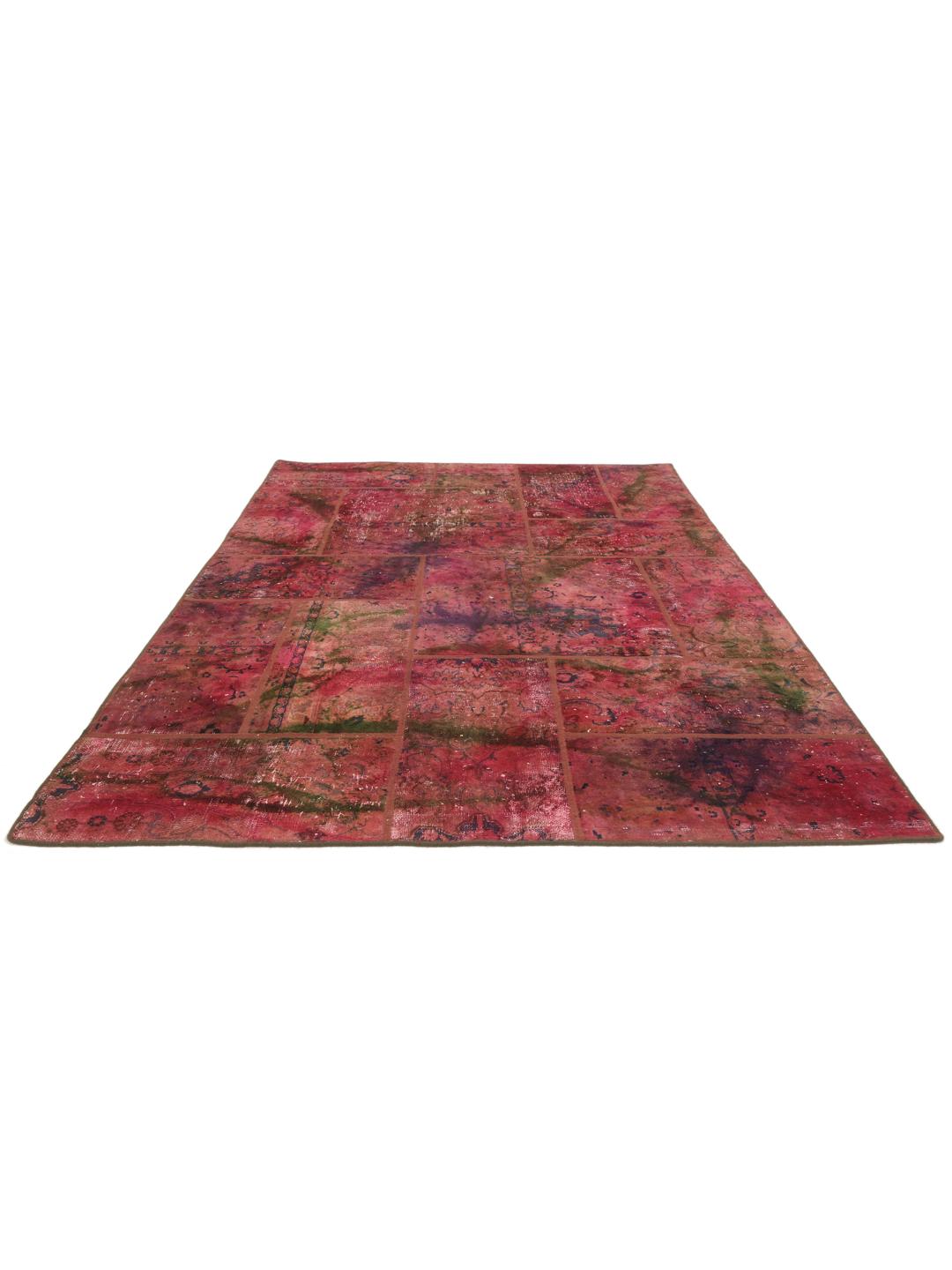
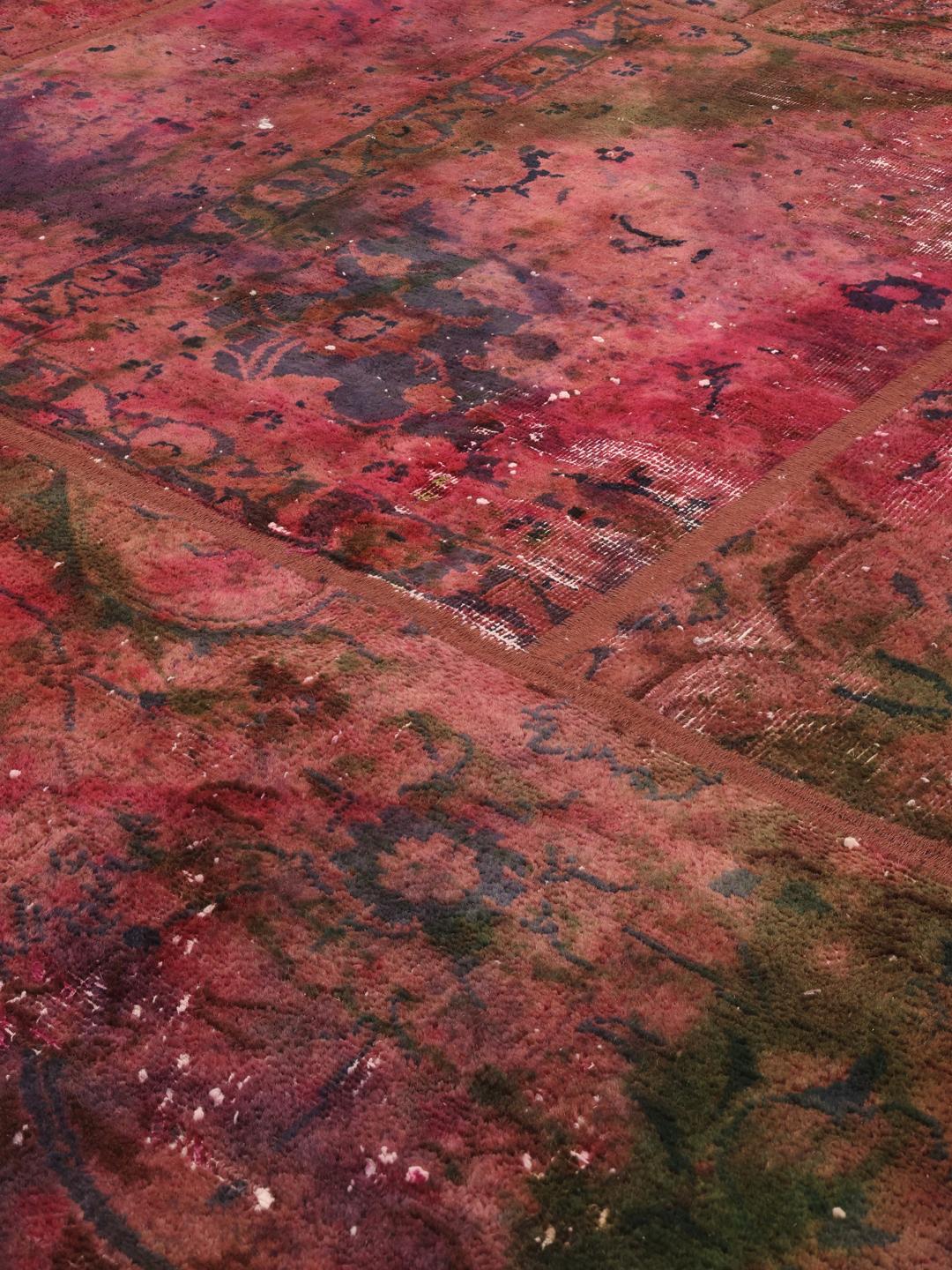
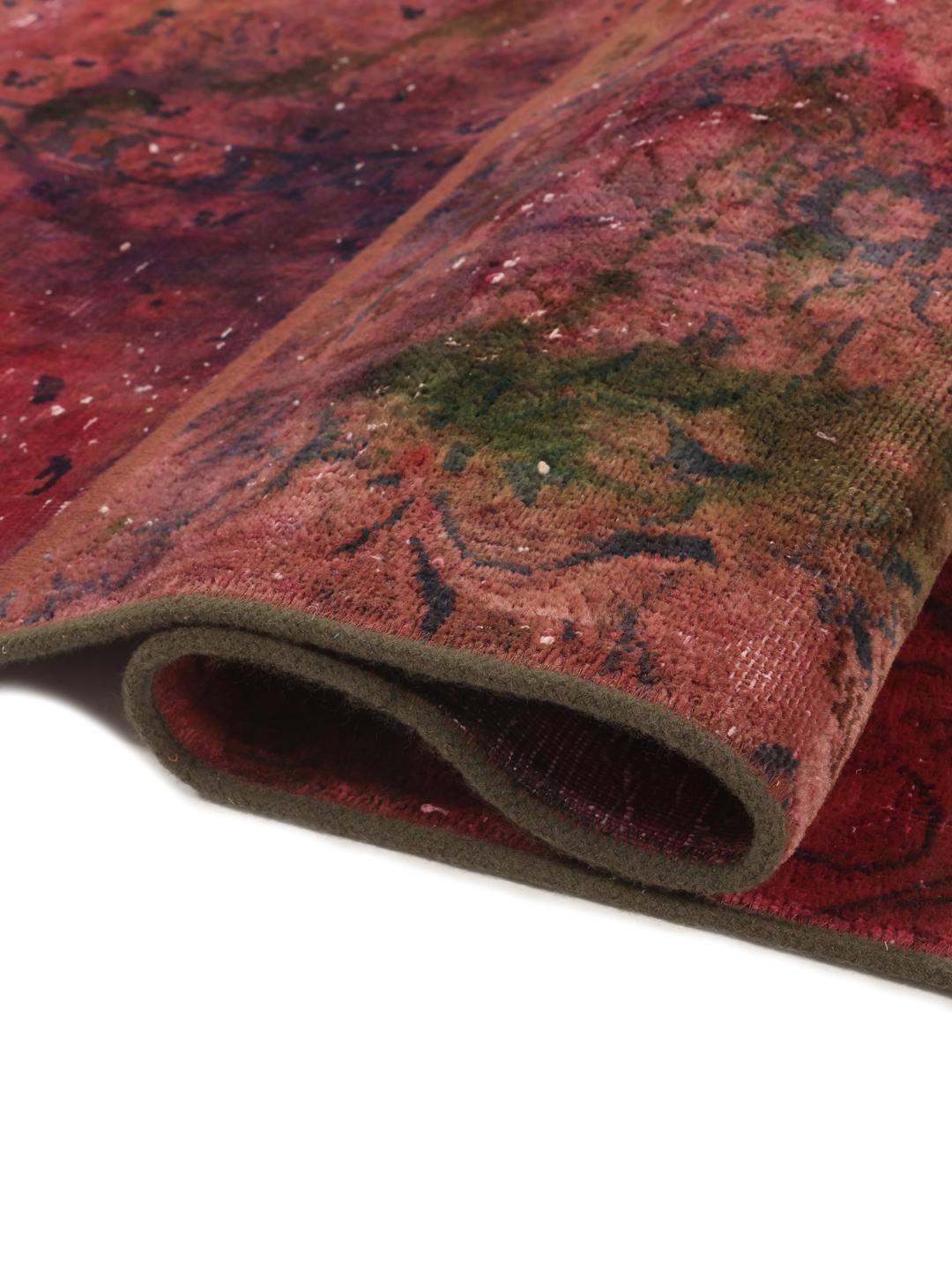
Patchwork rugs represent a fascinating evolution in the history of textile arts within the Middle East. This tradition emerged as a creative way to preserve and honour older, hand-woven rugs that had experienced wear or damage. Instead of discarding these beautiful, time-honoured textiles, artisans began to carefully cut them into smaller sections, selecting the most vibrant and well-preserved motifs to create entirely new compositions.
The craft relies on a deep understanding of traditional design languages. Each segment used in a patchwork rug often features distinct patterns, such as floral motifs or geometric symbols, which were originally intended to tell a story or offer protection. By bringing these disparate pieces together, the artisan creates a new narrative, blending different histories into a single, cohesive design that celebrates the longevity of the original materials.
Signature elements in these rugs include the visible seams that act as a framework for the various patterns, effectively turning the rug into a complex mosaic of colour and design. While traditional Middle Eastern rugs are often defined by their symmetrical borders and central medallions, the patchwork style breaks these rules, offering a more dynamic and eclectic visual experience that feels both familiar and refreshingly modern.
Valued for their unique character, these rugs are highly sought after by collectors who appreciate the blend of historical skill and contemporary design. Owning a patchwork rug is a way of participating in a sustainable cycle of craft, where the value of the textile is not lost over time but is instead transformed and elevated for a new generation to enjoy and treasure.