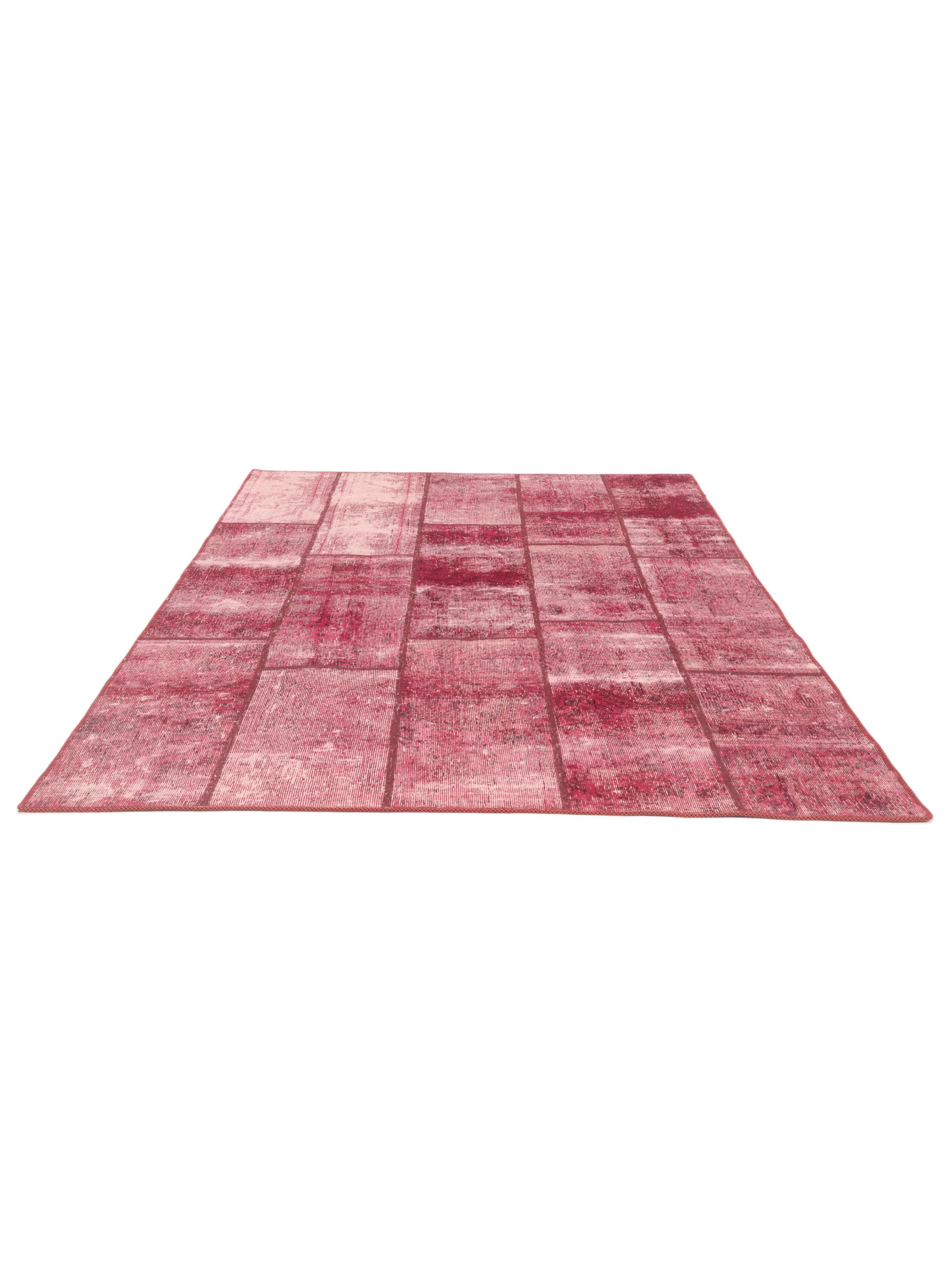
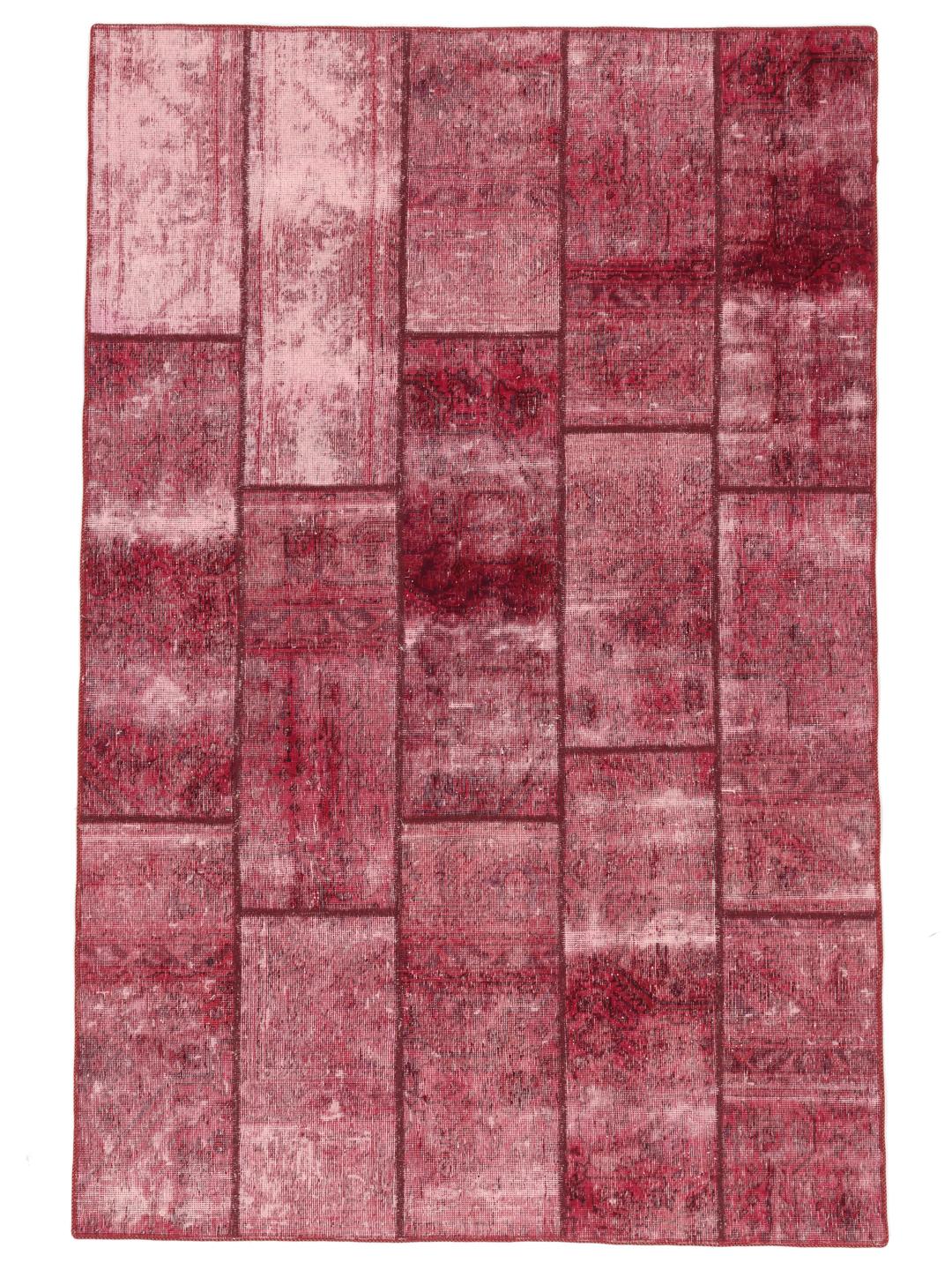
Patchwork rugs represent a fascinating evolution in the textile traditions of the Middle East. Historically, hand-knotted rugs were prized as family heirlooms, but over time, sections could become worn or damaged. Rather than discarding these beautiful, hand-woven pieces, artisans began the practice of selecting the most vibrant and well-preserved segments to create entirely new, contemporary compositions.
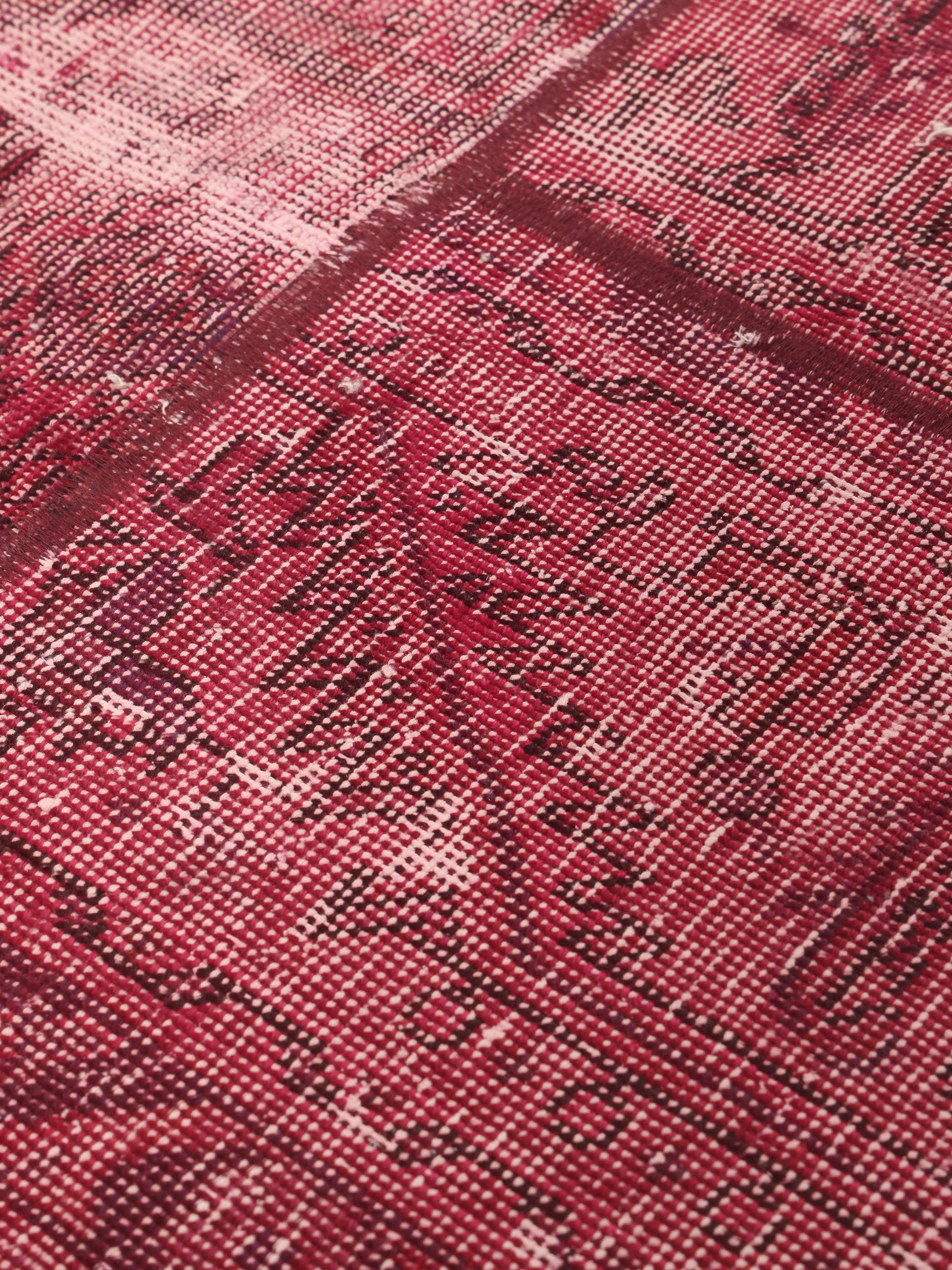
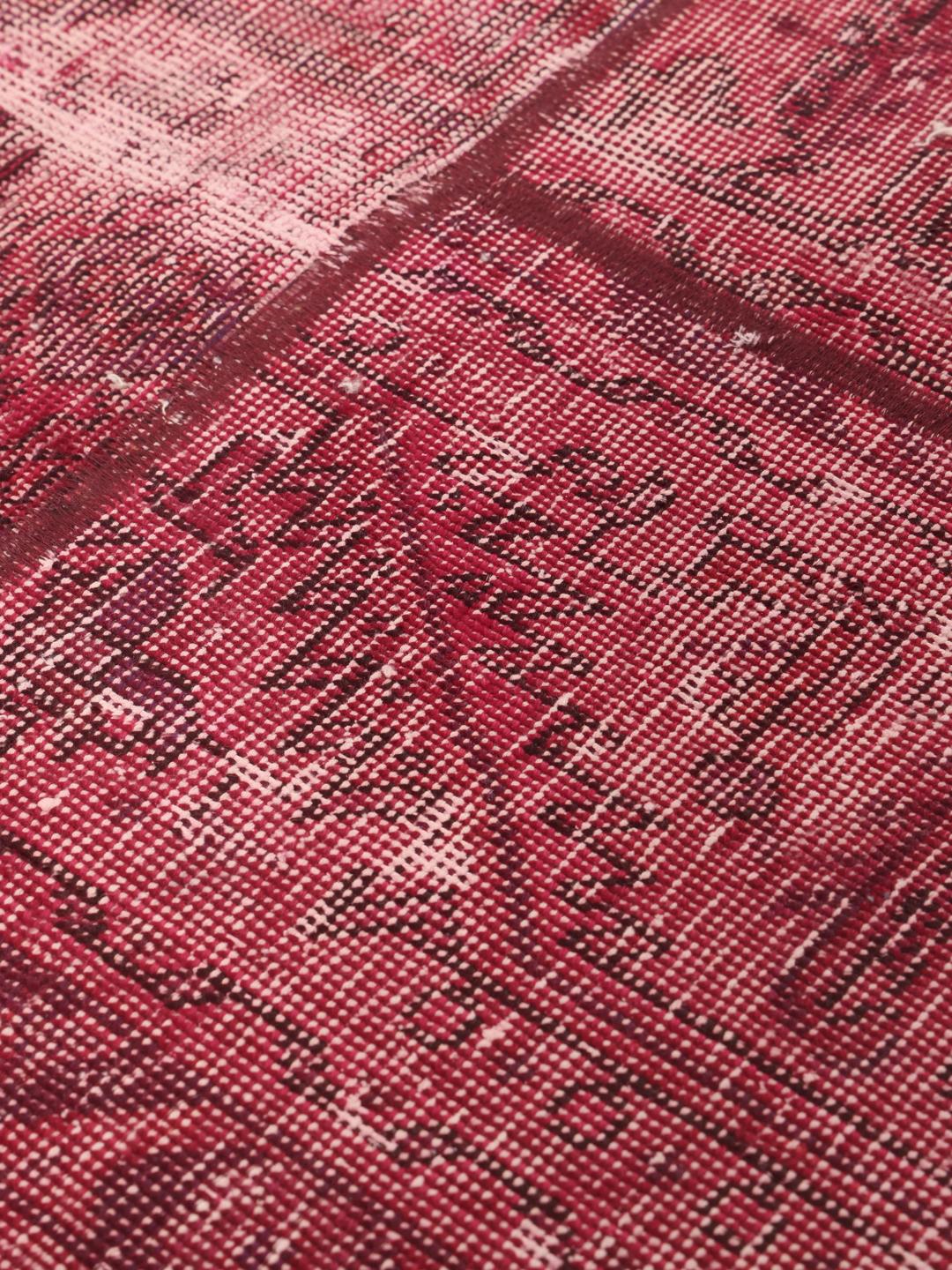
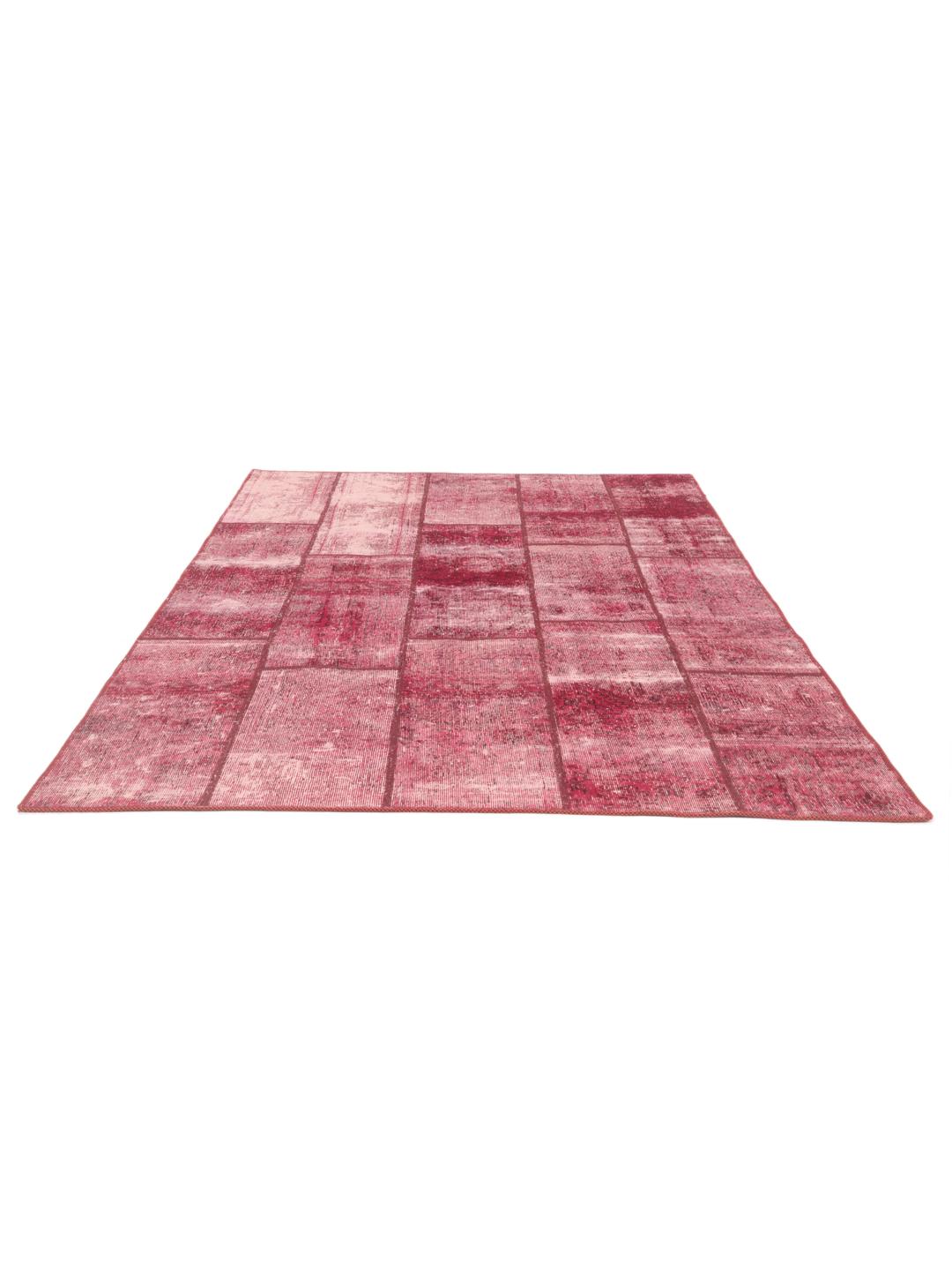
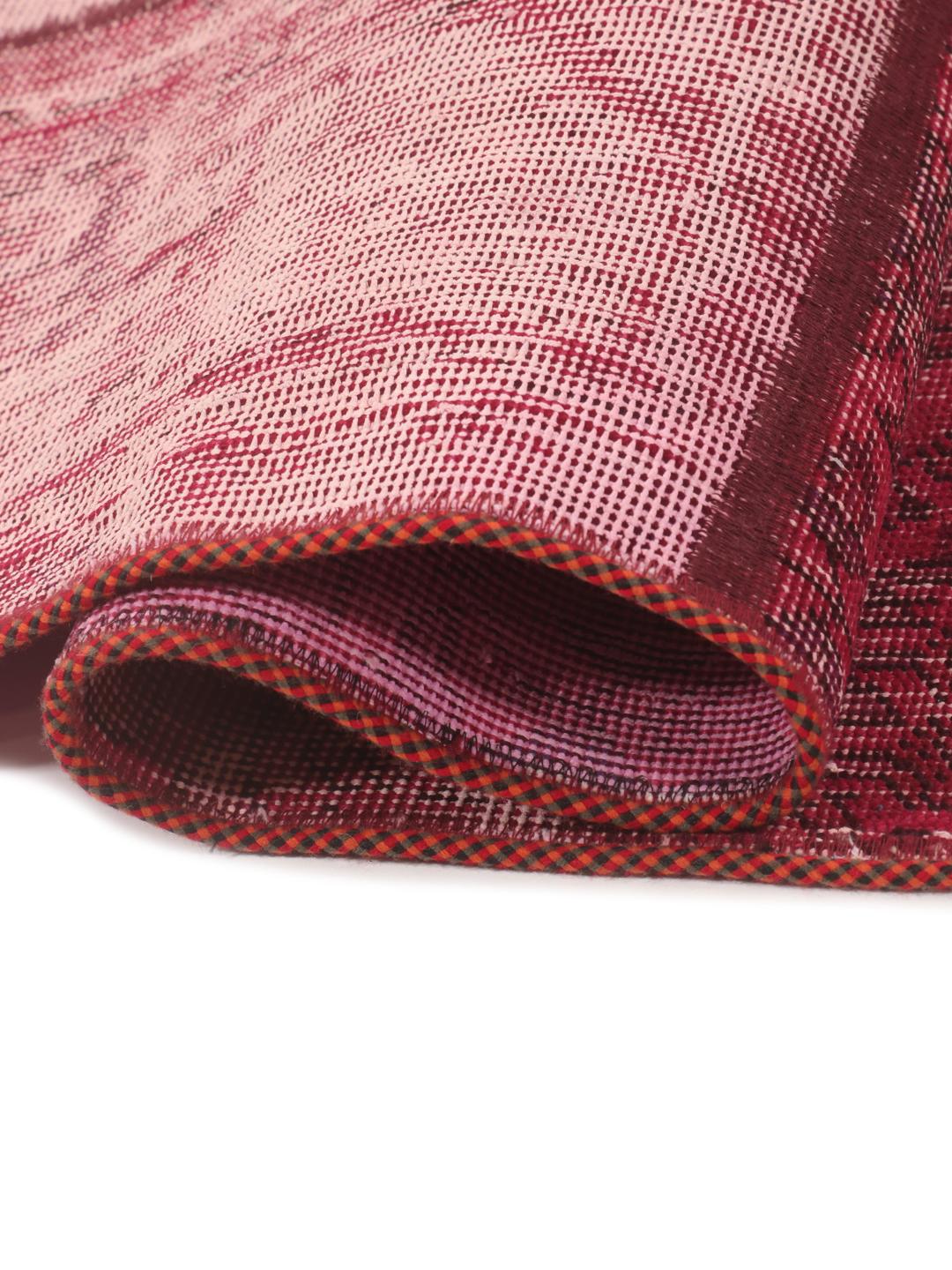
The terminology of patchwork refers to this innovative assembly process where individual, salvaged sections are stitched together to form a larger, unified design. This method relies on the high quality of the original hand-knotted work, as only pieces with resilient Wool and strong foundations are suitable for this transformation. This craft honours the legacy of the original weavers while adapting to the aesthetic needs of the modern home.
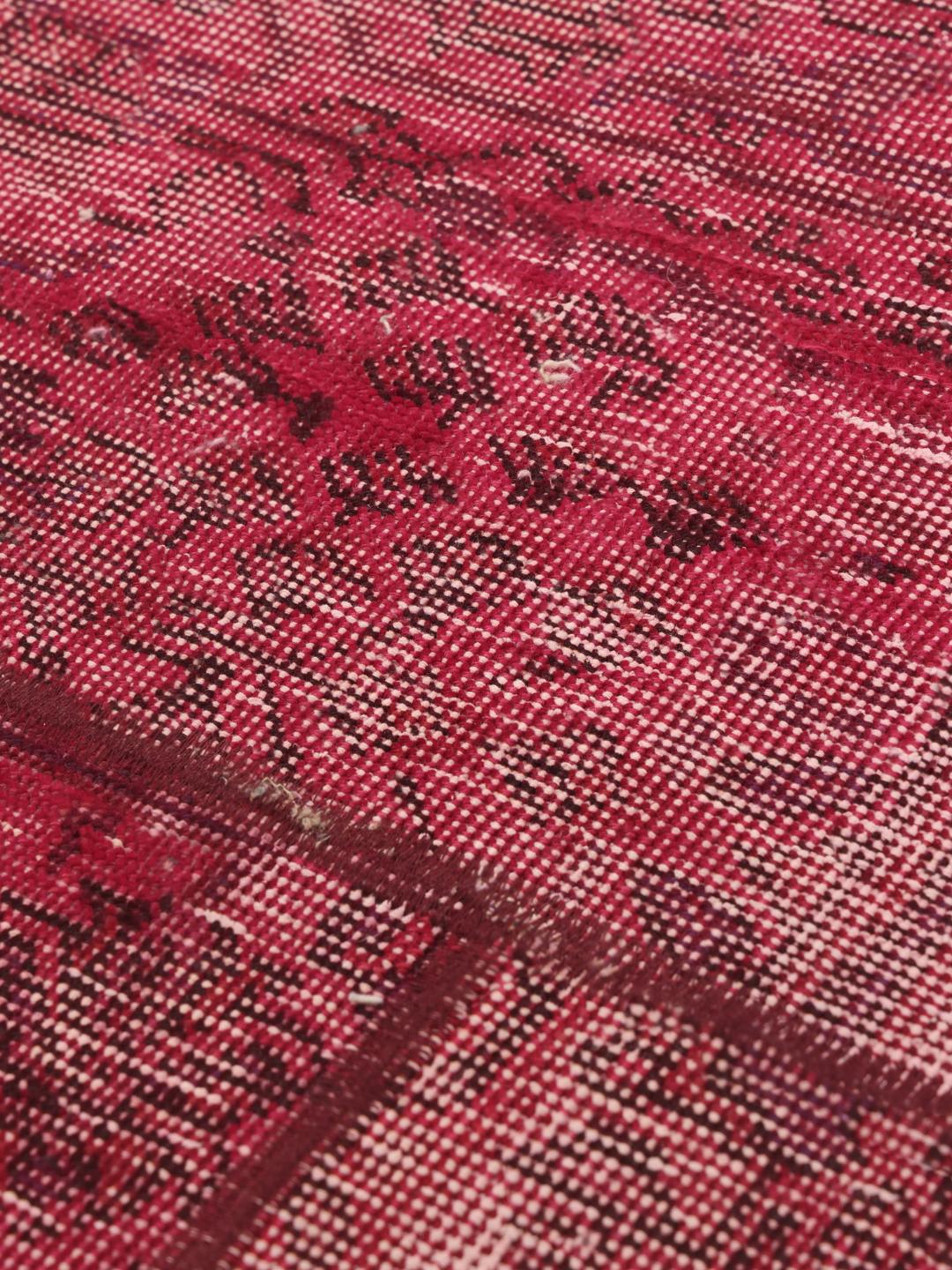
Visually, these rugs are defined by their rhythmic, block-like patterns that break away from traditional central medallions or border-focused designs. The red colour palette seen here is a classic choice in Middle Eastern rug-making, representing energy and warmth. By combining fragments of varying shades and textures, the rug creates a mosaic-like effect that feels both structured and organic at the same time.
Owning a patchwork rug is an act of supporting sustainable craftsmanship and cultural continuity. These pieces are highly valued by collectors and design enthusiasts alike because they capture the essence of multiple traditional rugs in one single, modern format. It is a way to celebrate the skill of past generations while enjoying a piece that feels entirely new and relevant to current interior styles.