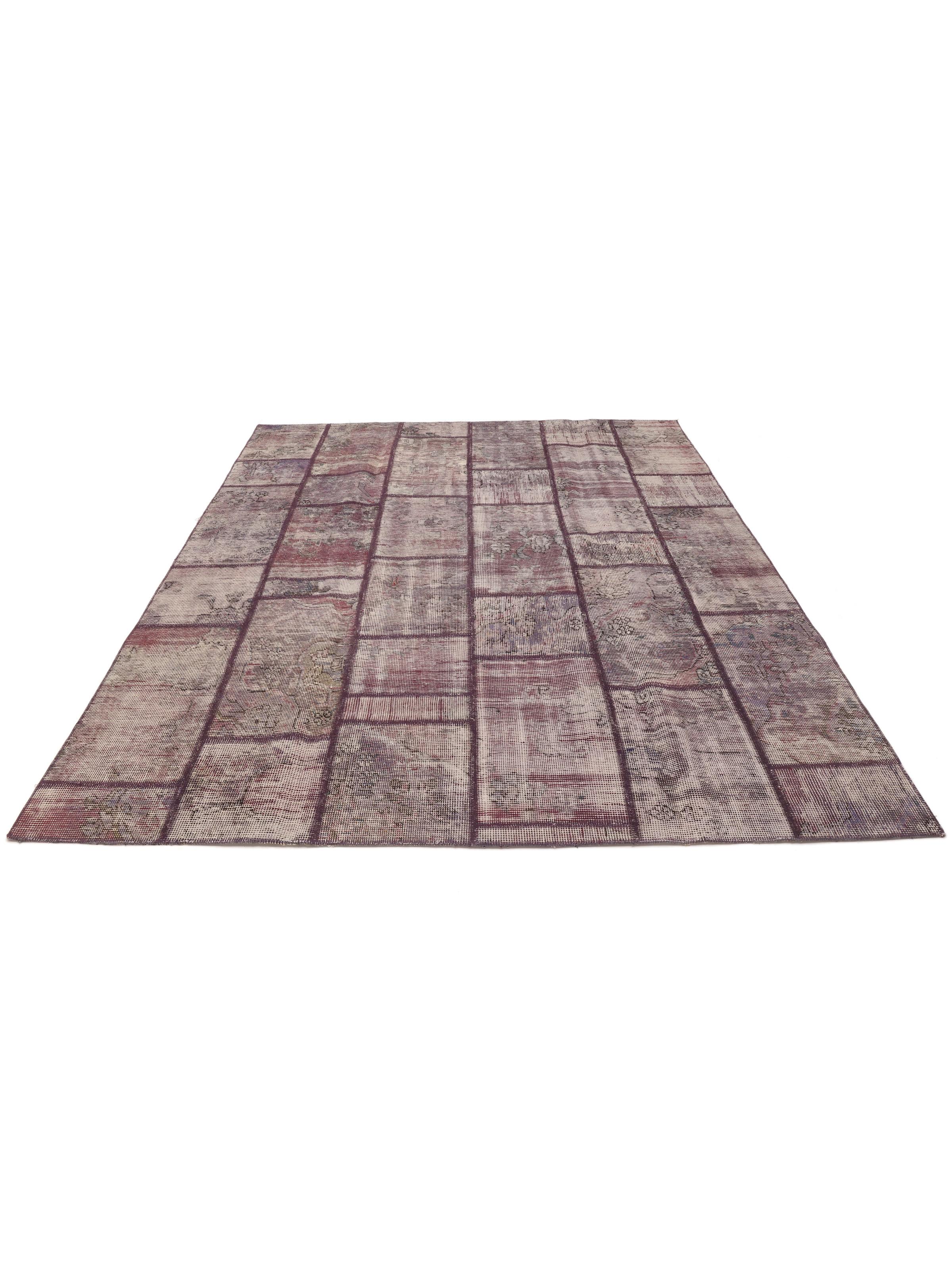
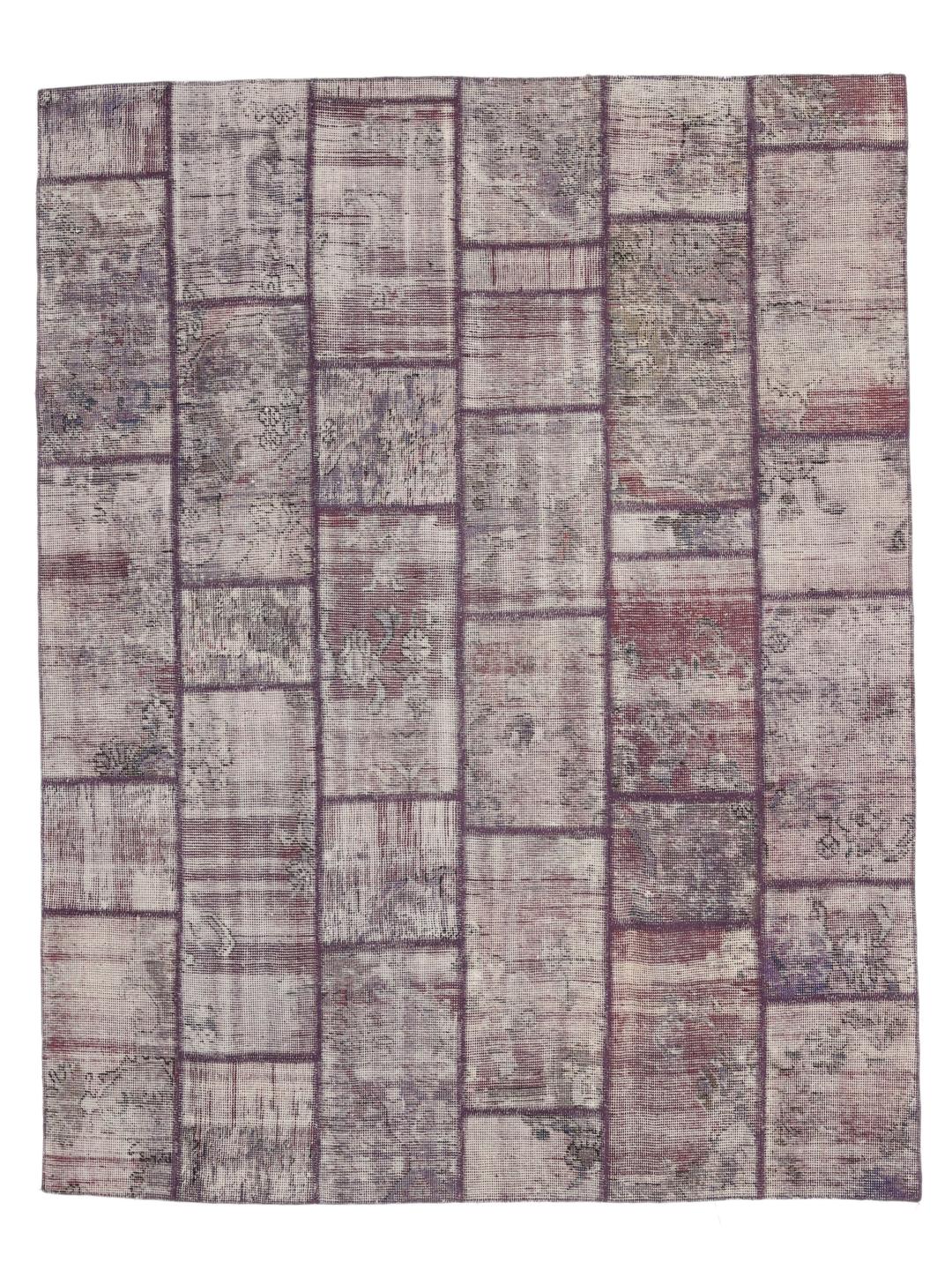
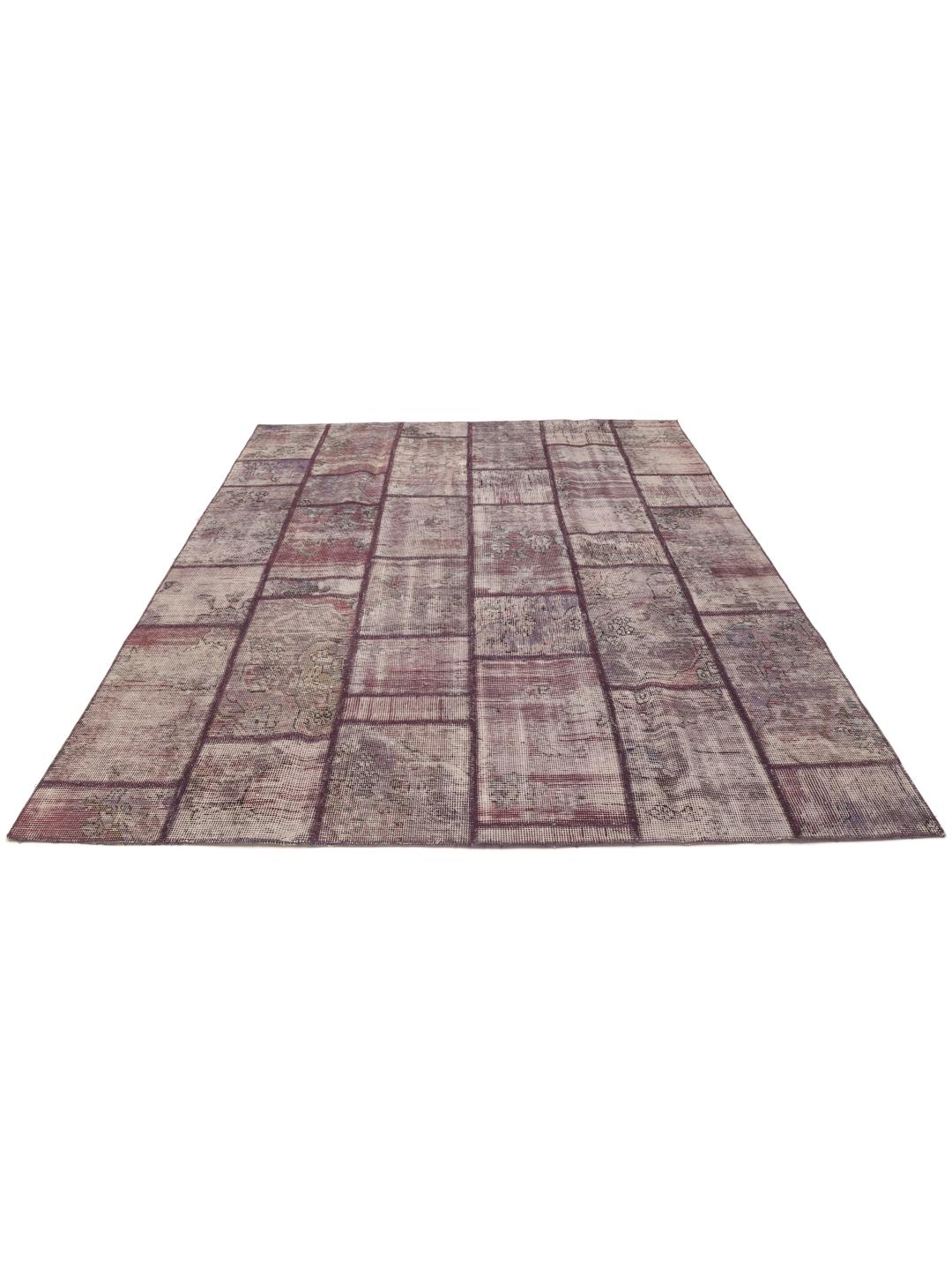
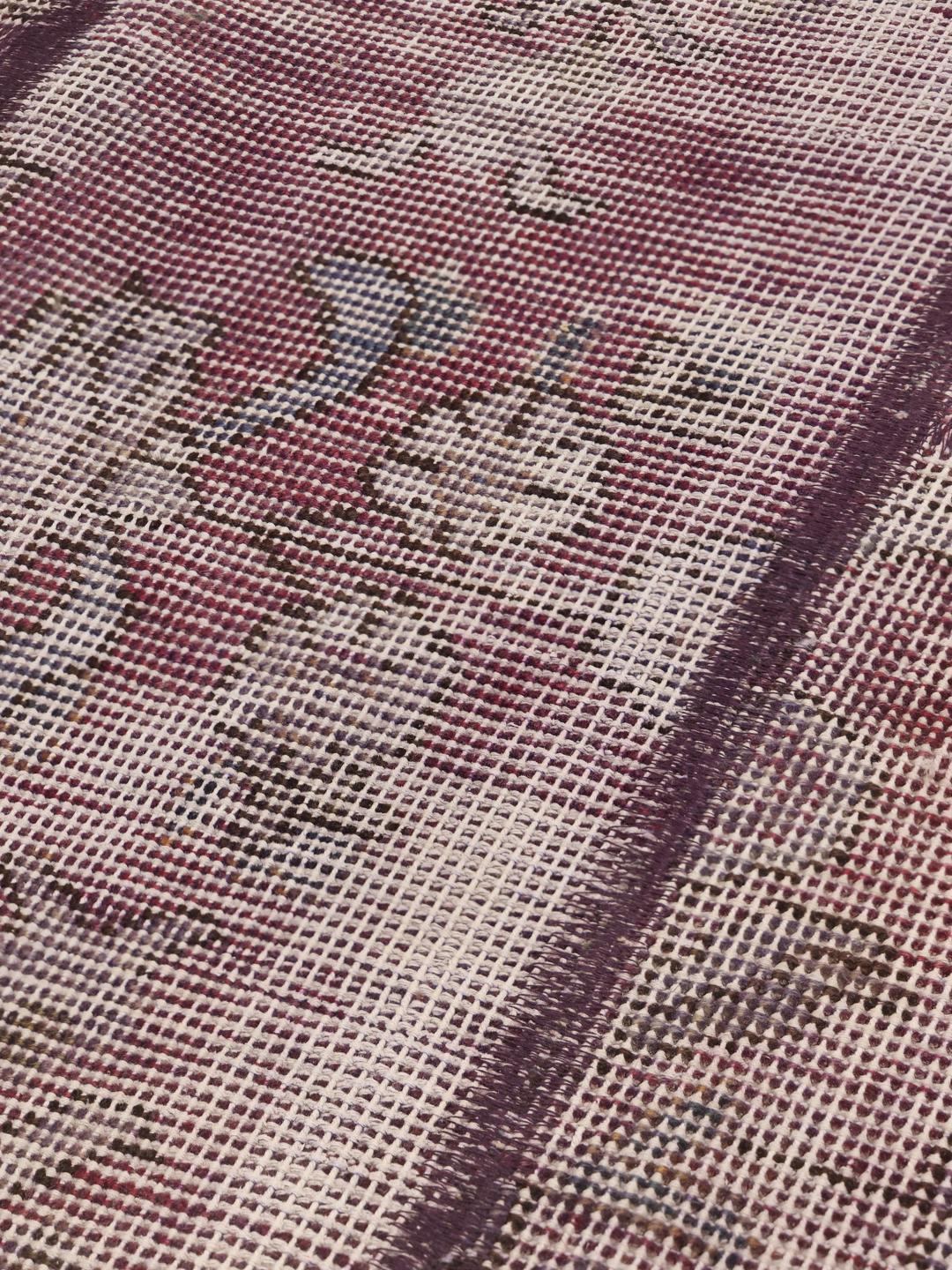
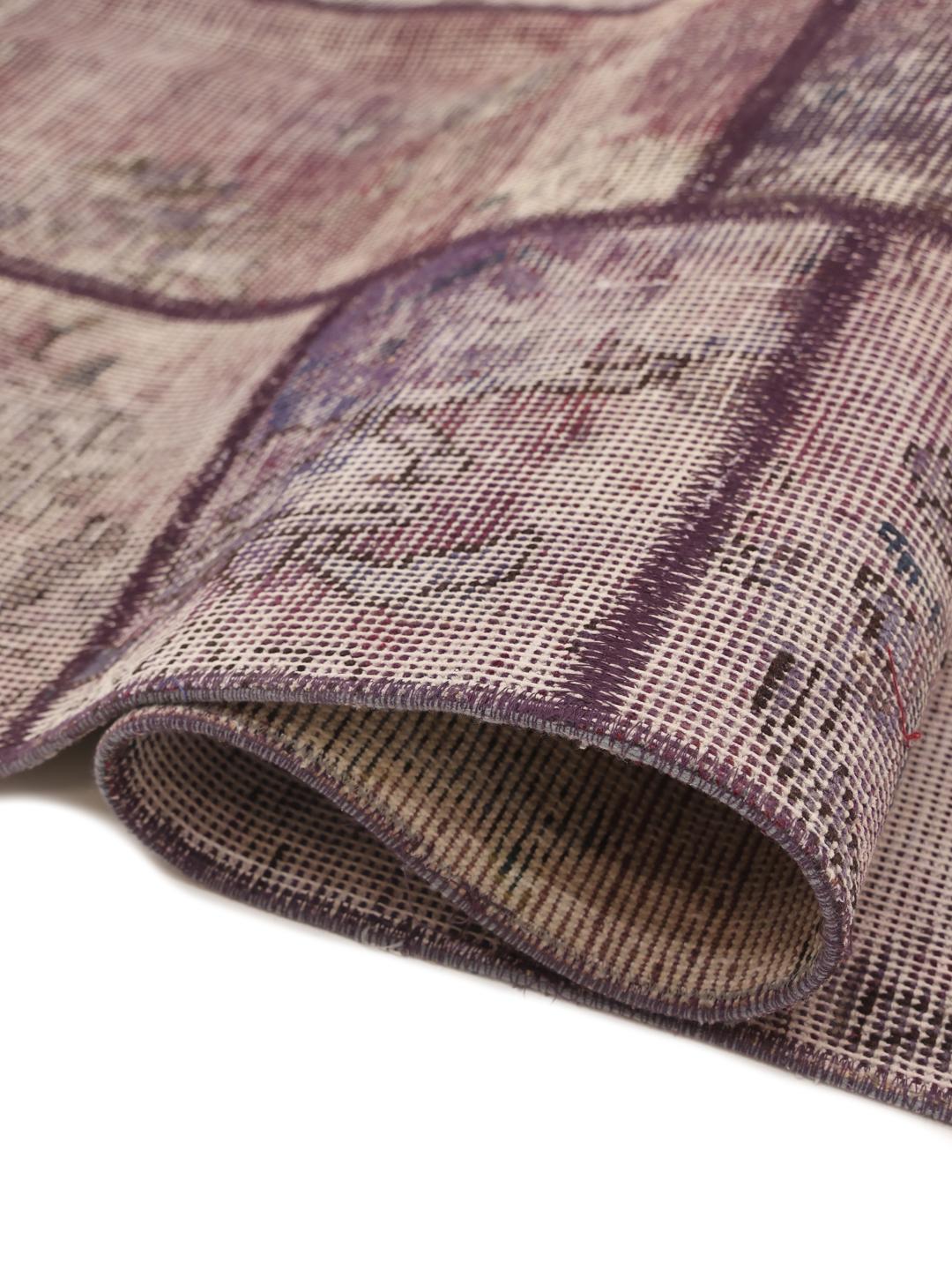
Patchwork rugs represent a fascinating evolution in textile art, emerging from a tradition of sustainability and respect for craftsmanship. By taking fragments from older, hand-knotted rugs that might otherwise be forgotten, artisans give these textiles a second life. This practice honours the history of the original pieces while creating a contemporary design that fits seamlessly into modern homes.
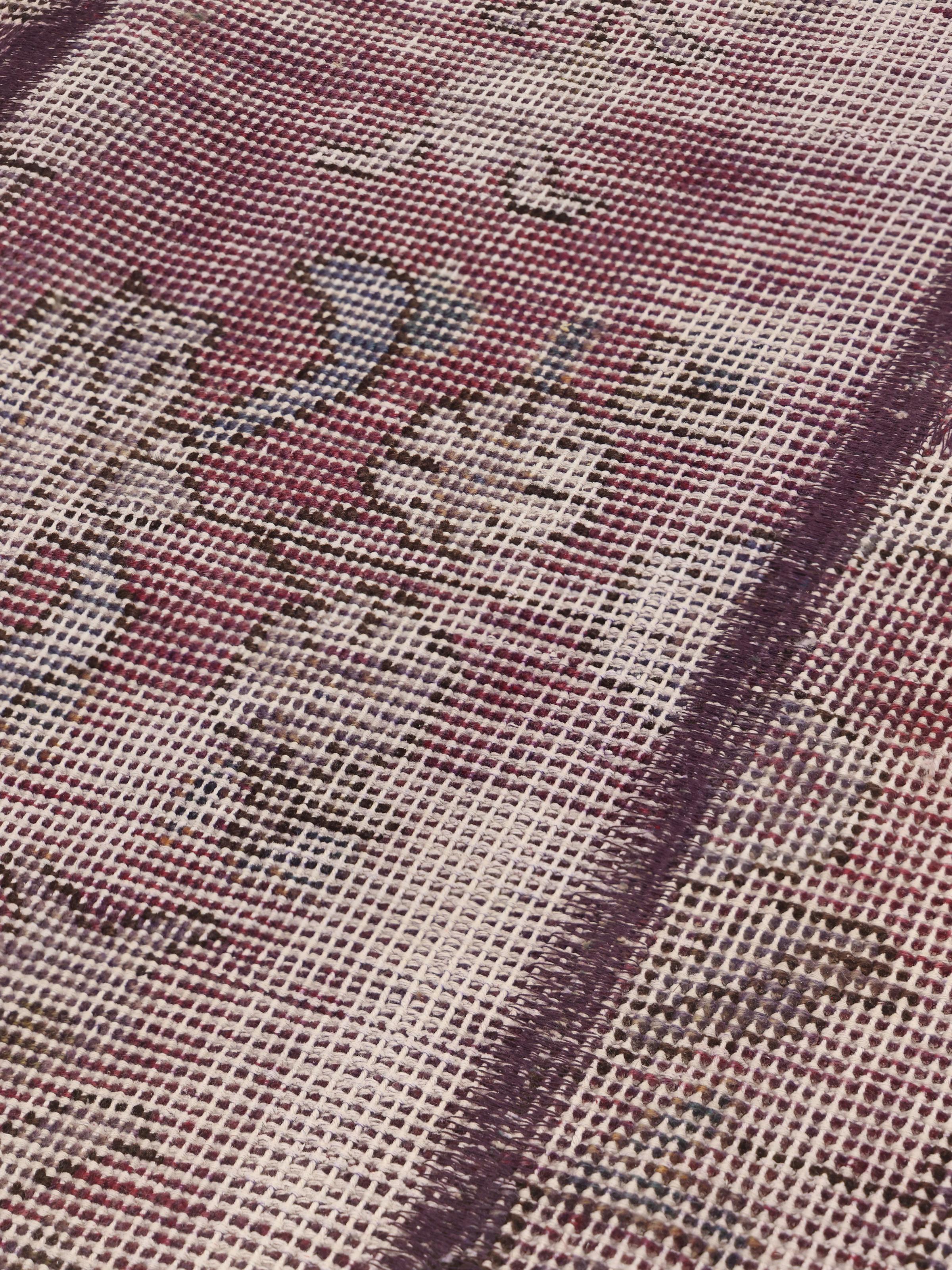
The craft of creating these rugs involves deep knowledge of various regional weaving traditions. Artisans must understand how different pile heights, knot densities, and colour palettes will interact when combined. The term 'hand-knotted' refers to the original construction of the patches, where each knot was tied individually, a technique that has been the hallmark of quality in the Middle East for centuries.
Visually, these rugs are defined by their eclectic yet balanced aesthetic. You will often see a mix of geometric shapes, floral elements, and abstract motifs within a single rug, held together by a thoughtful colour scheme. The faded, distressed look of many patches is not a sign of wear but a testament to the age and provenance of the original textiles, offering a patina that is impossible to mimic with new materials.
Collecting a patchwork rug is an investment in cultural heritage. It represents a connection to the skilled weavers of the past and the creative vision of the artisans who assemble them today. Owning one means participating in a cycle of renewal, where traditional skill is preserved and reimagined, ensuring that these beautiful, storied textiles continue to grace our homes for generations.