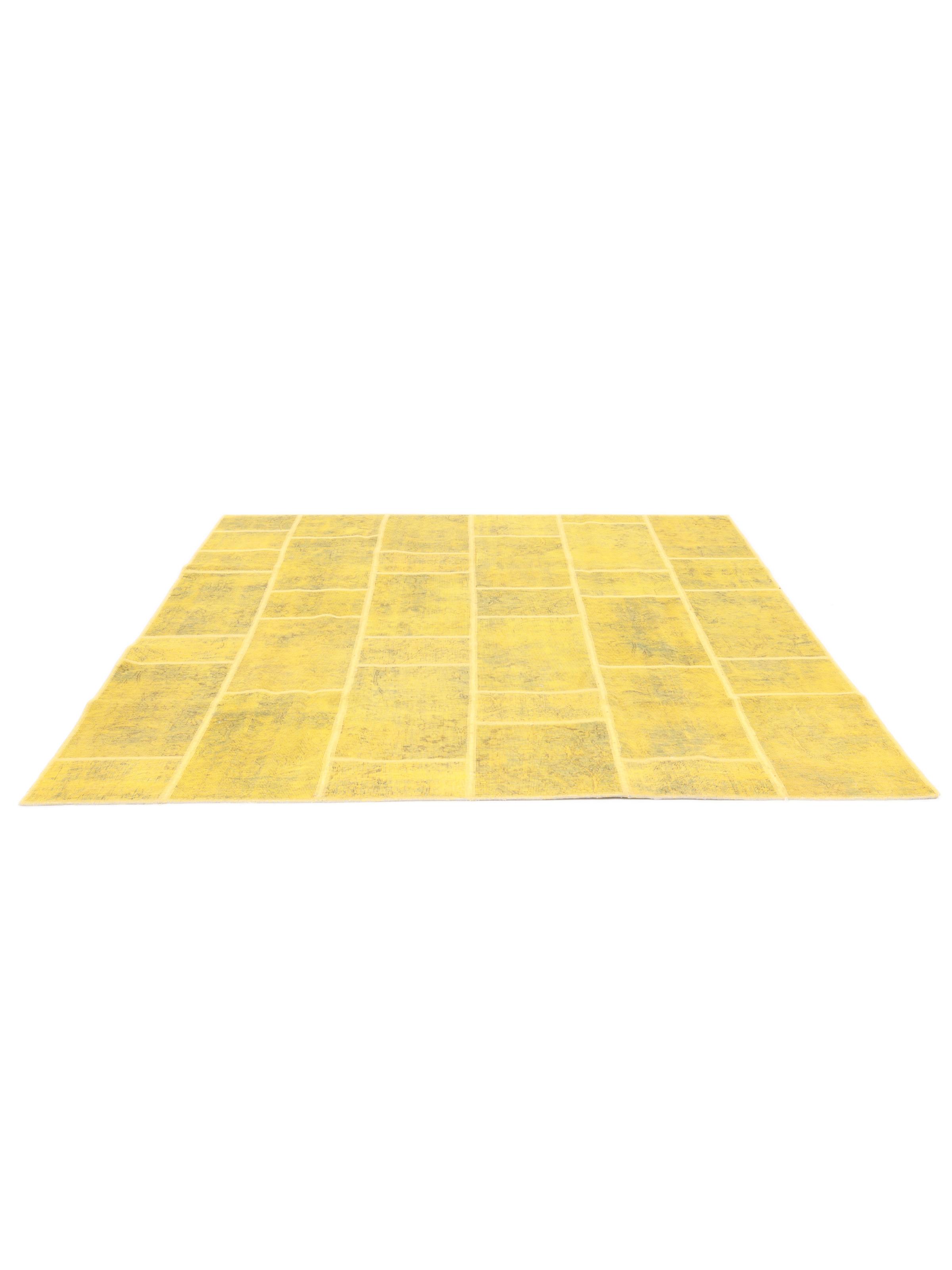
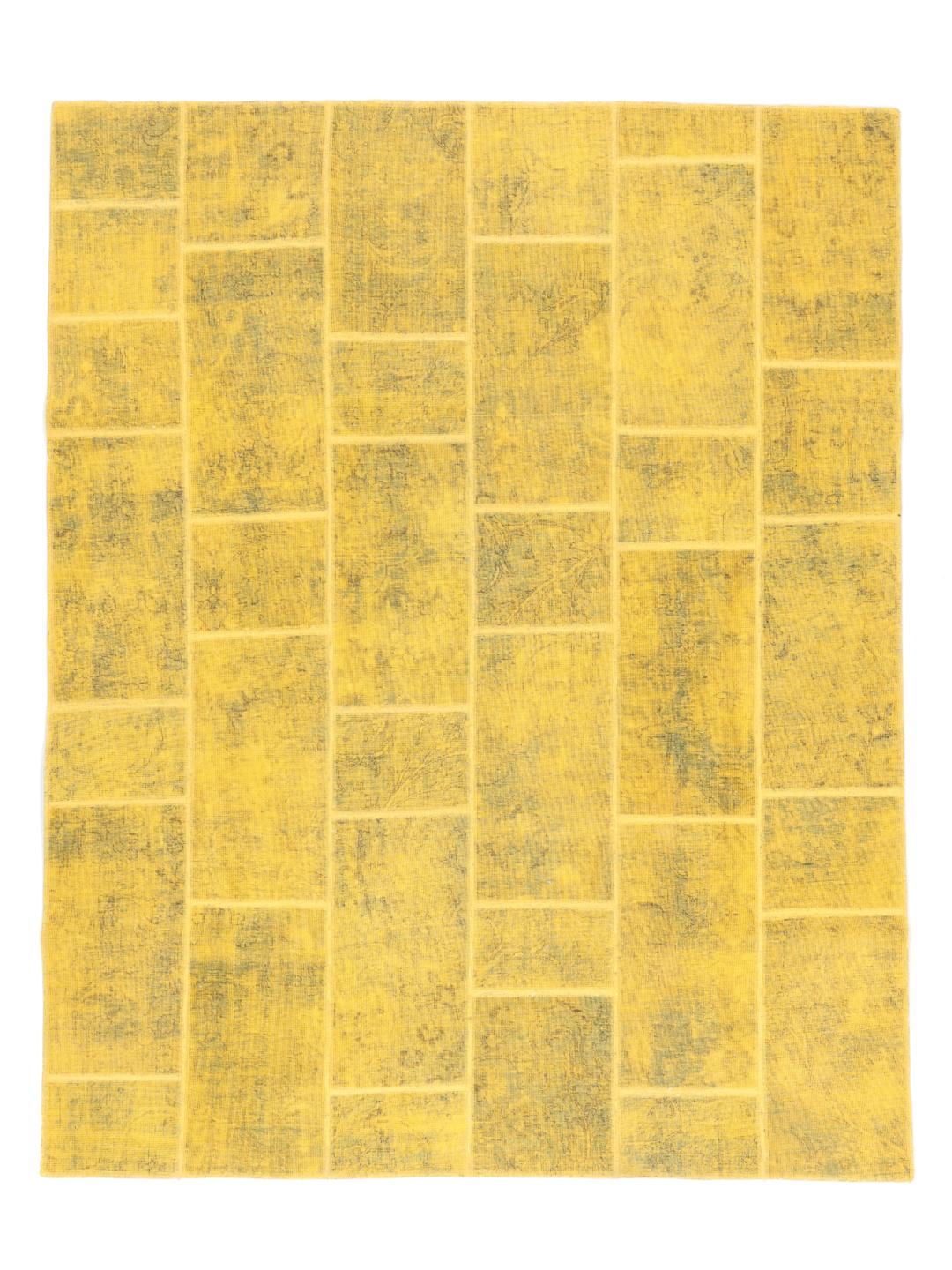
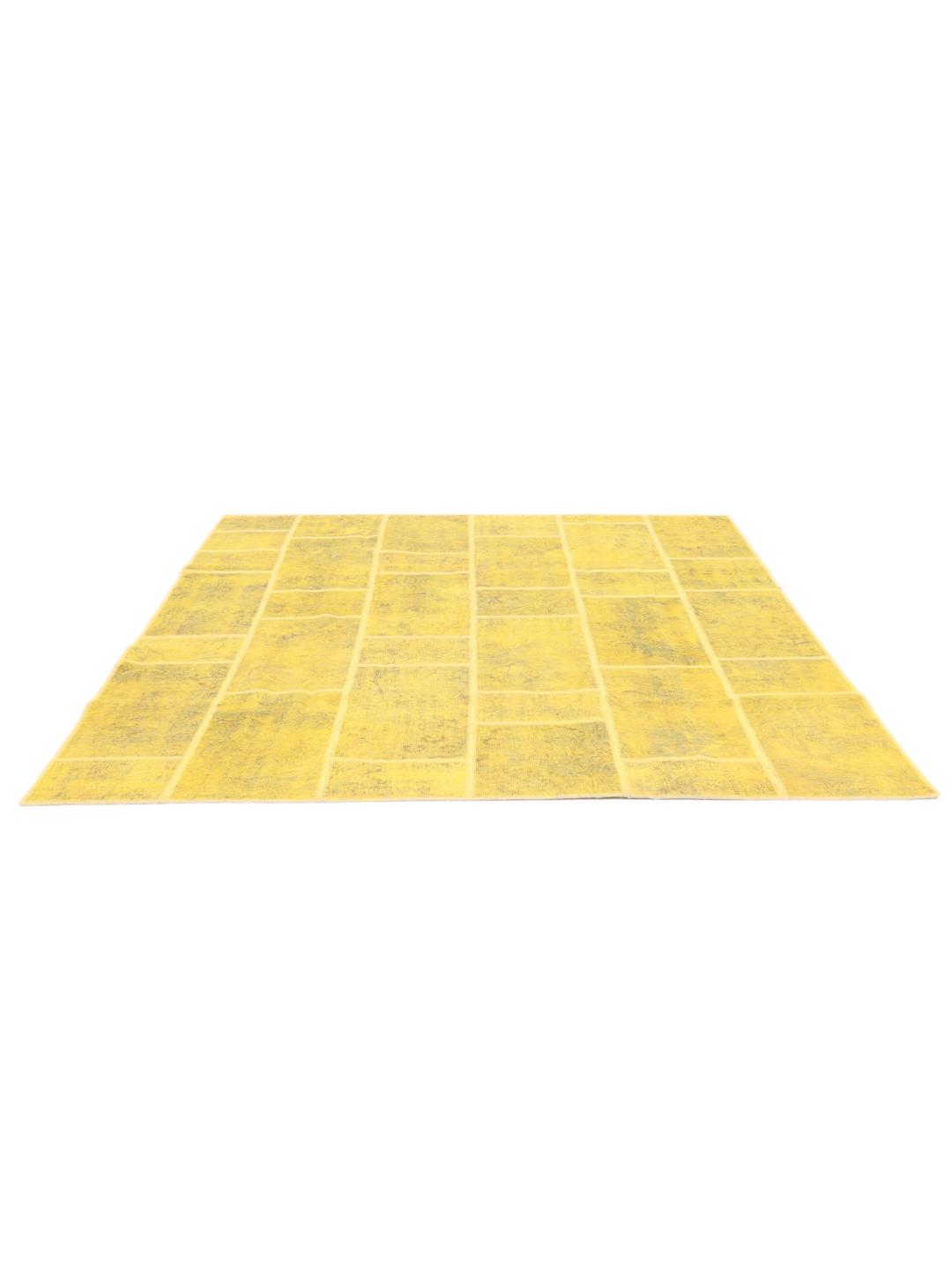
Patchwork rugs represent a fascinating evolution in the long history of Middle Eastern textile arts. Historically, rugs were crafted as singular, cohesive designs, but the patchwork tradition emerged as a creative way to repurpose older, worn, or fragmented rugs that still held immense beauty. By carefully selecting and reassembling these surviving sections, artisans breathe new life into heritage textiles.
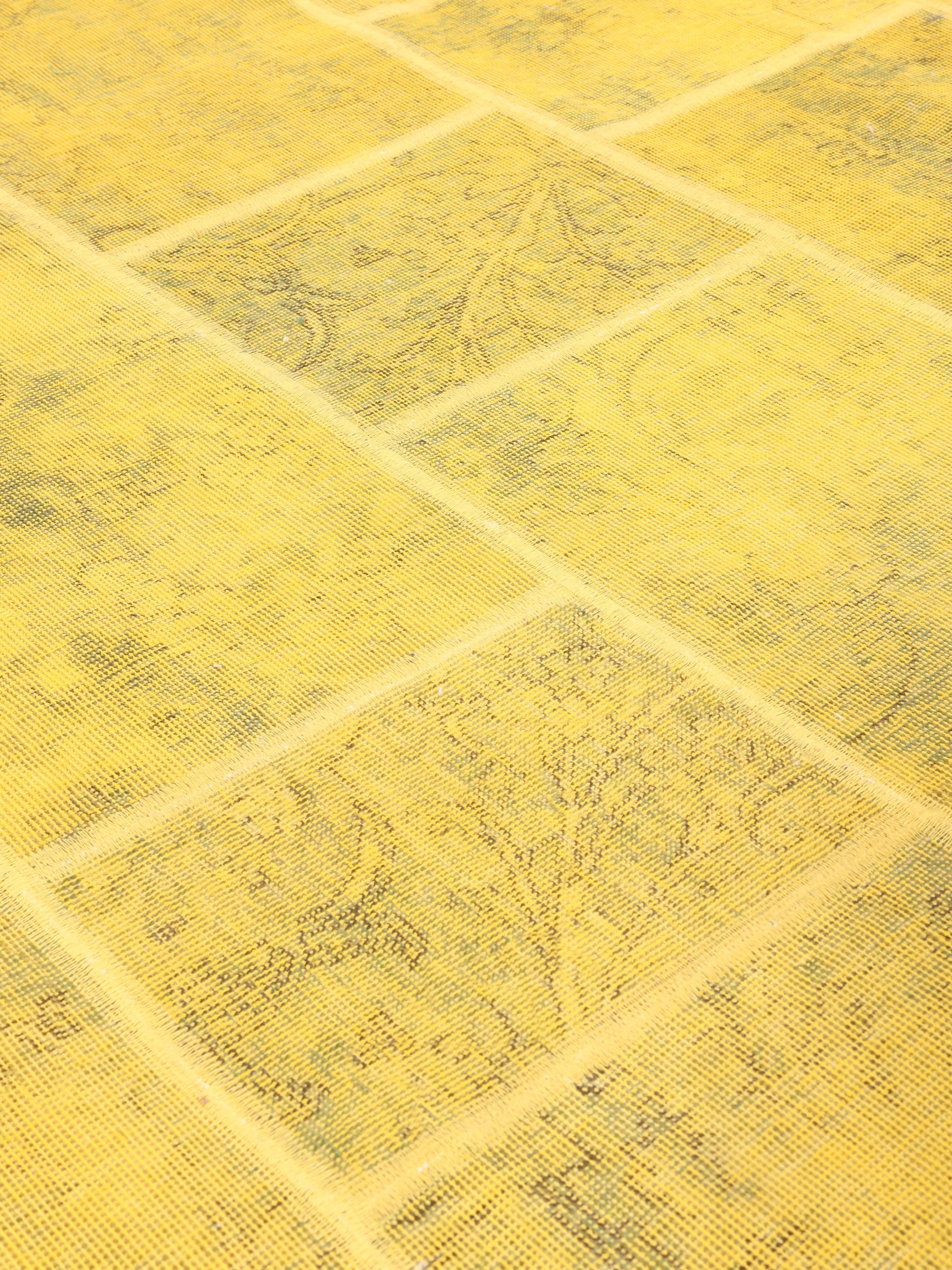
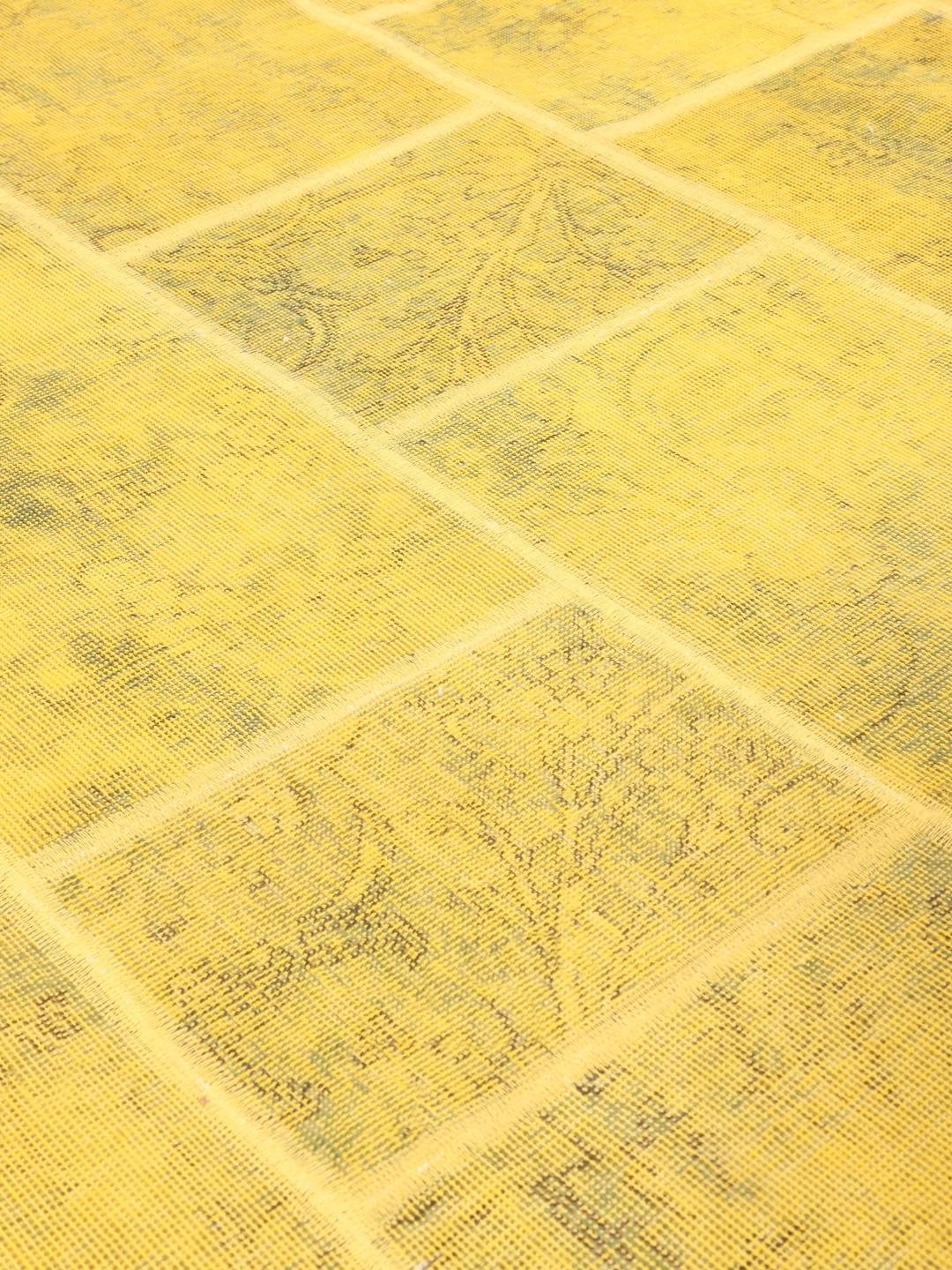
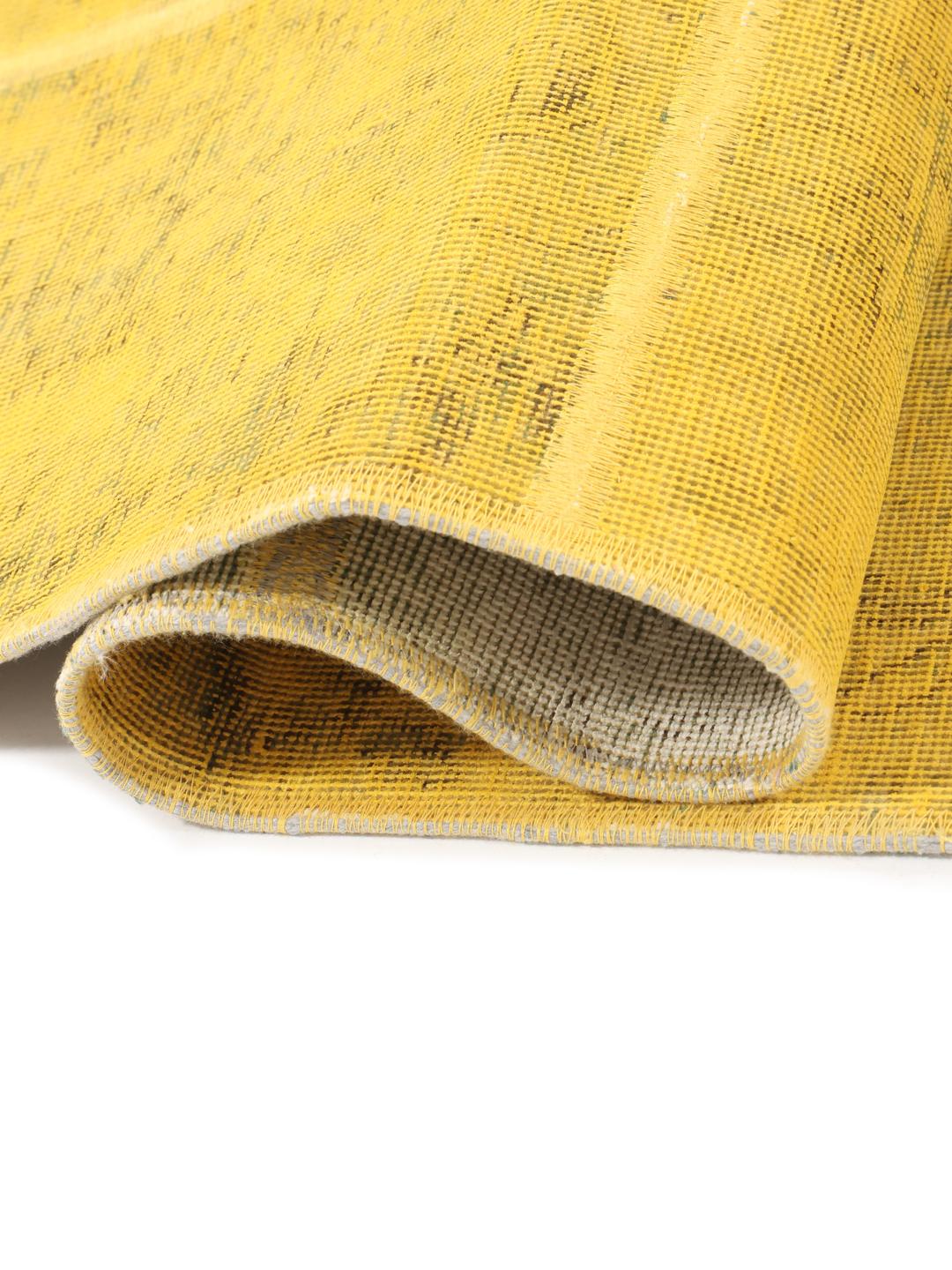
This practice relies on the exceptional durability of traditional hand-knotting. Because these rugs are built to last for generations, the individual segments remain robust even after decades of use. The technique involves trimming the fragments and stitching them together with precision, creating a new, modern narrative while honouring the integrity of the original construction.
Visually, these rugs are characterised by their eclectic and geometric nature. While traditional rugs often follow strict symmetrical patterns, patchwork designs celebrate a more spontaneous, artistic arrangement. The juxtaposition of different patterns and faded shades gives each rug a depth and complexity that tells a story of transformation and renewal.
Owning a patchwork rug is a way of participating in a tradition of sustainability and artistry. It is highly valued by collectors who appreciate the skill required to curate and assemble these pieces into a harmonious whole. These rugs are not just floor coverings but are cultural artefacts that bridge the gap between historical craftsmanship and contemporary interior design.