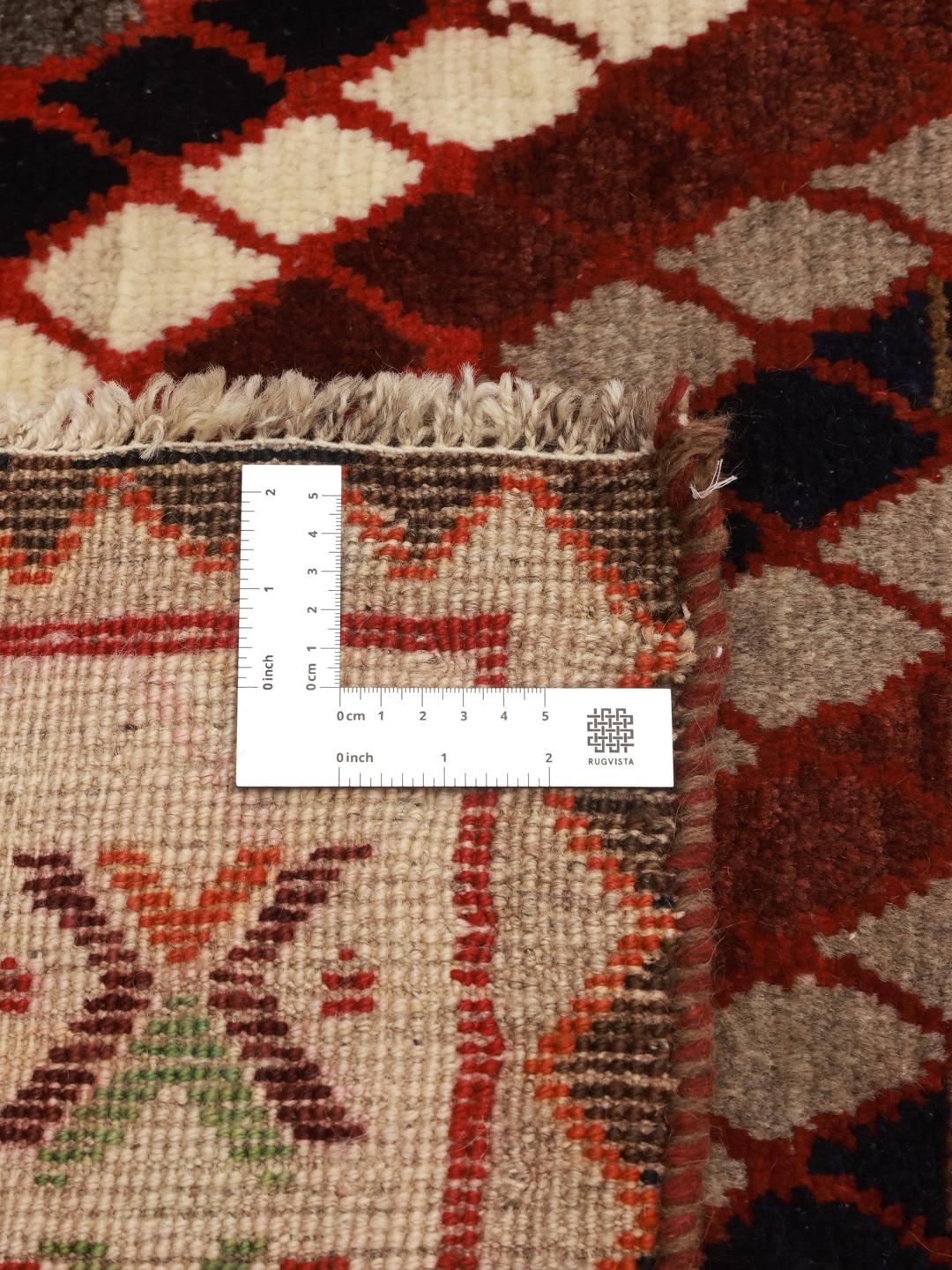
The Ghashghai people are a nomadic tribal confederation of the Middle East, renowned for their long-standing tradition of weaving. For centuries, these rugs have been crafted as functional items for nomadic life, designed to be portable and durable. The patterns often reflect the surroundings, beliefs, and history of the tribe, creating a language of symbols that has been passed down through generations.
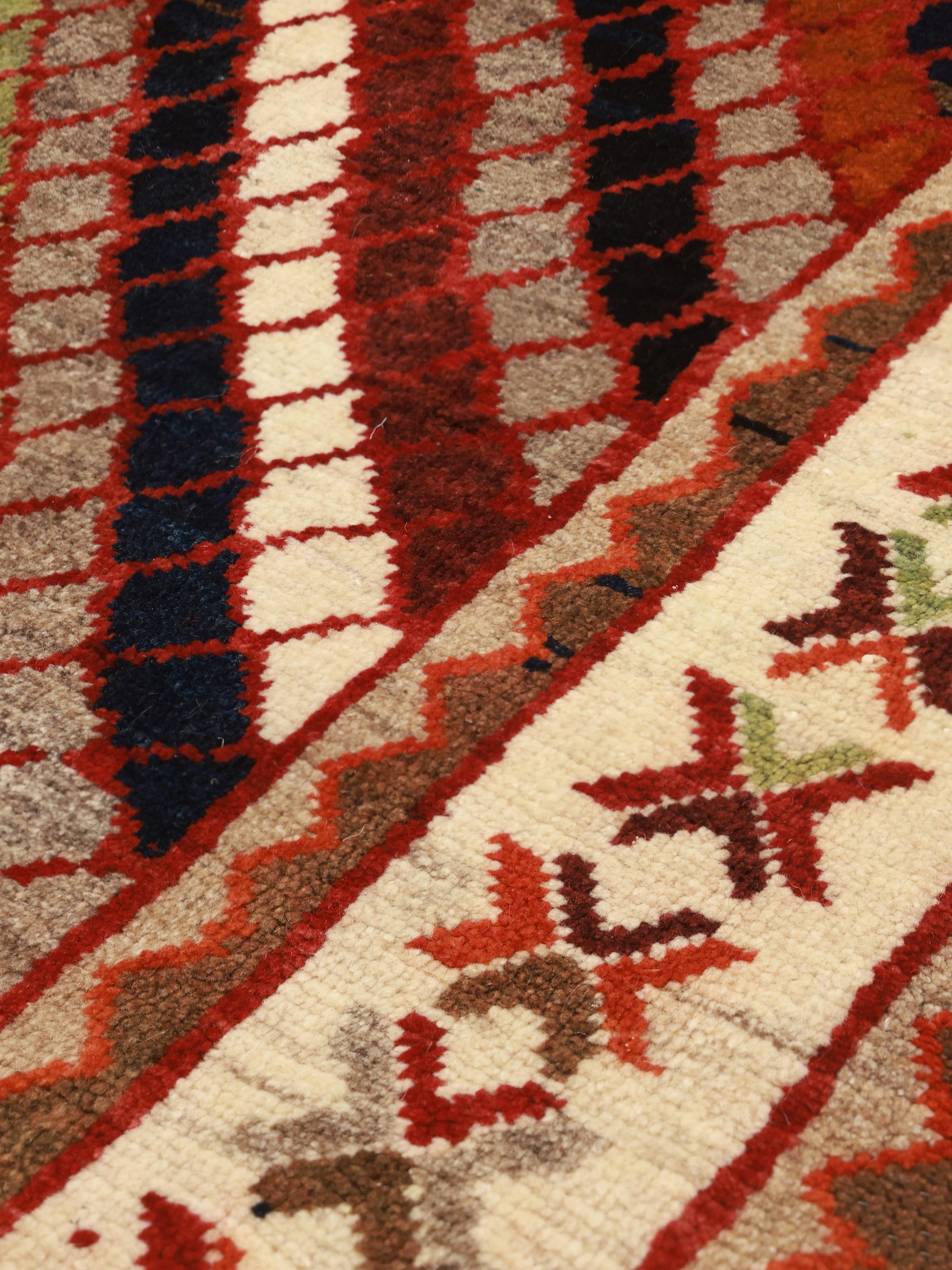
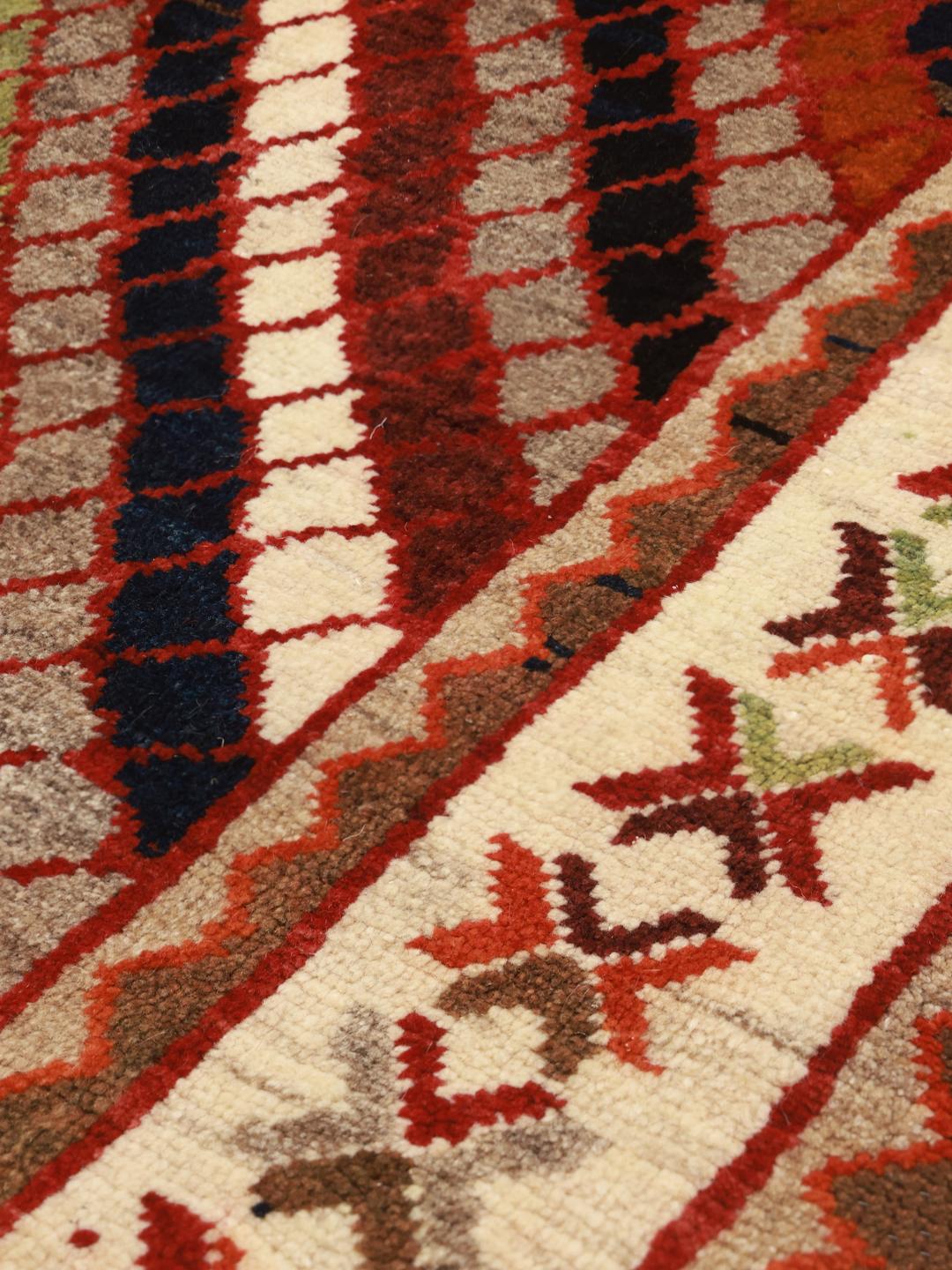
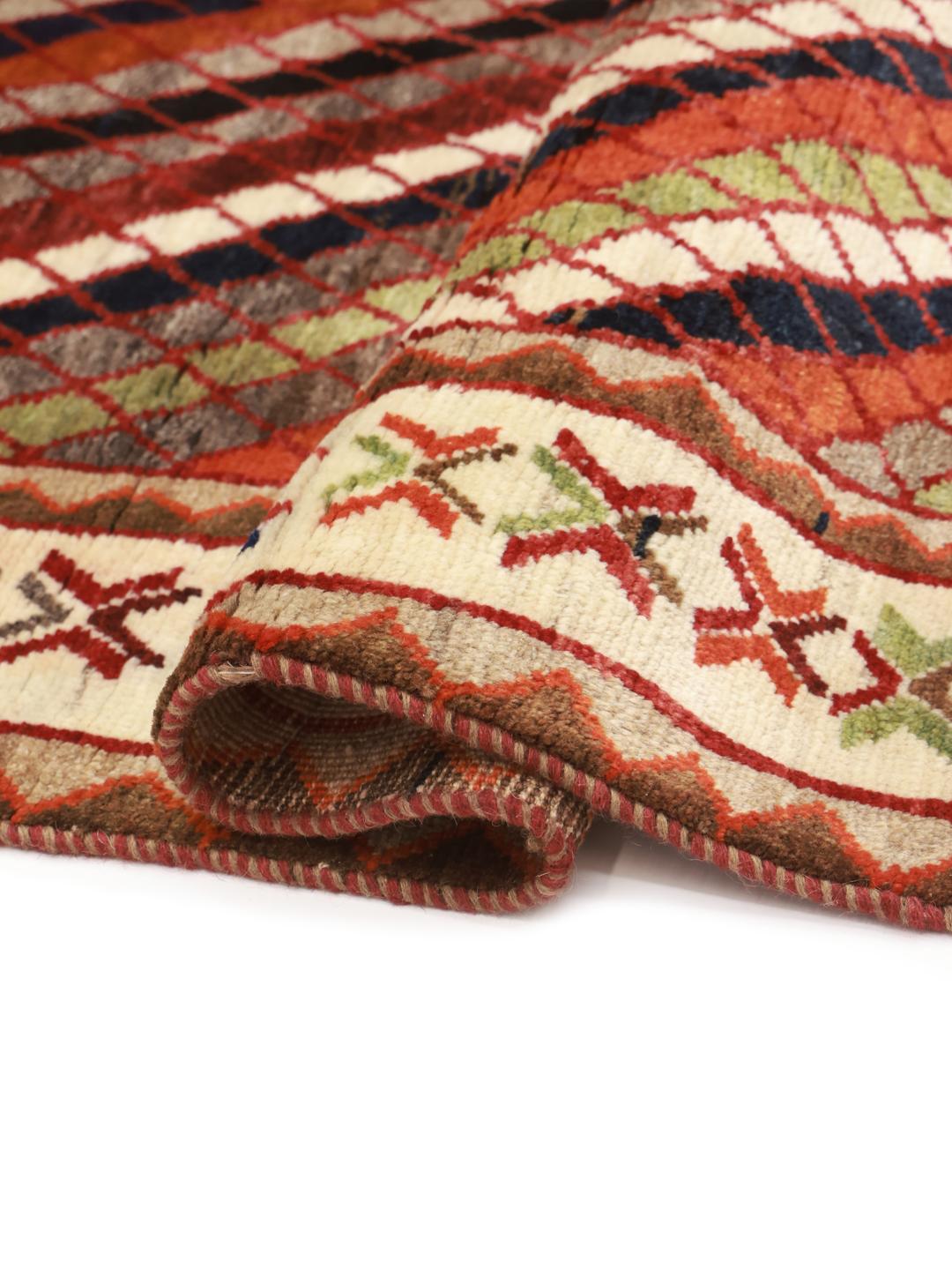
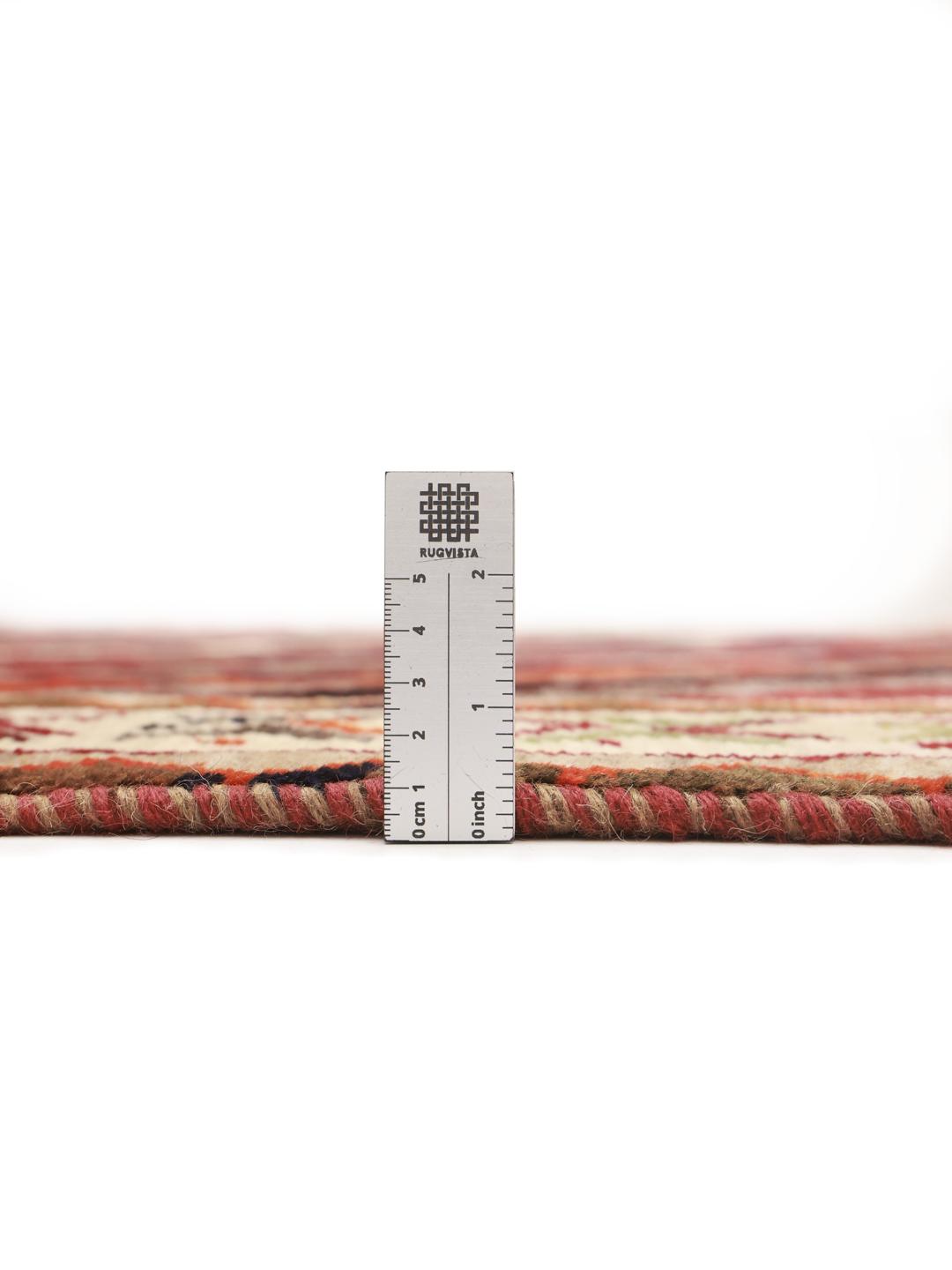
The term Ghashghai refers to both the people and the specific style of weaving that has become highly sought after by collectors worldwide. These rugs are famously known for their robust wool and vibrant, natural dyes. The construction typically involves a sturdy wool foundation, which provides the necessary strength for the dense, hand-knotted pile, ensuring the rug remains a beautiful fixture in a home for many decades.
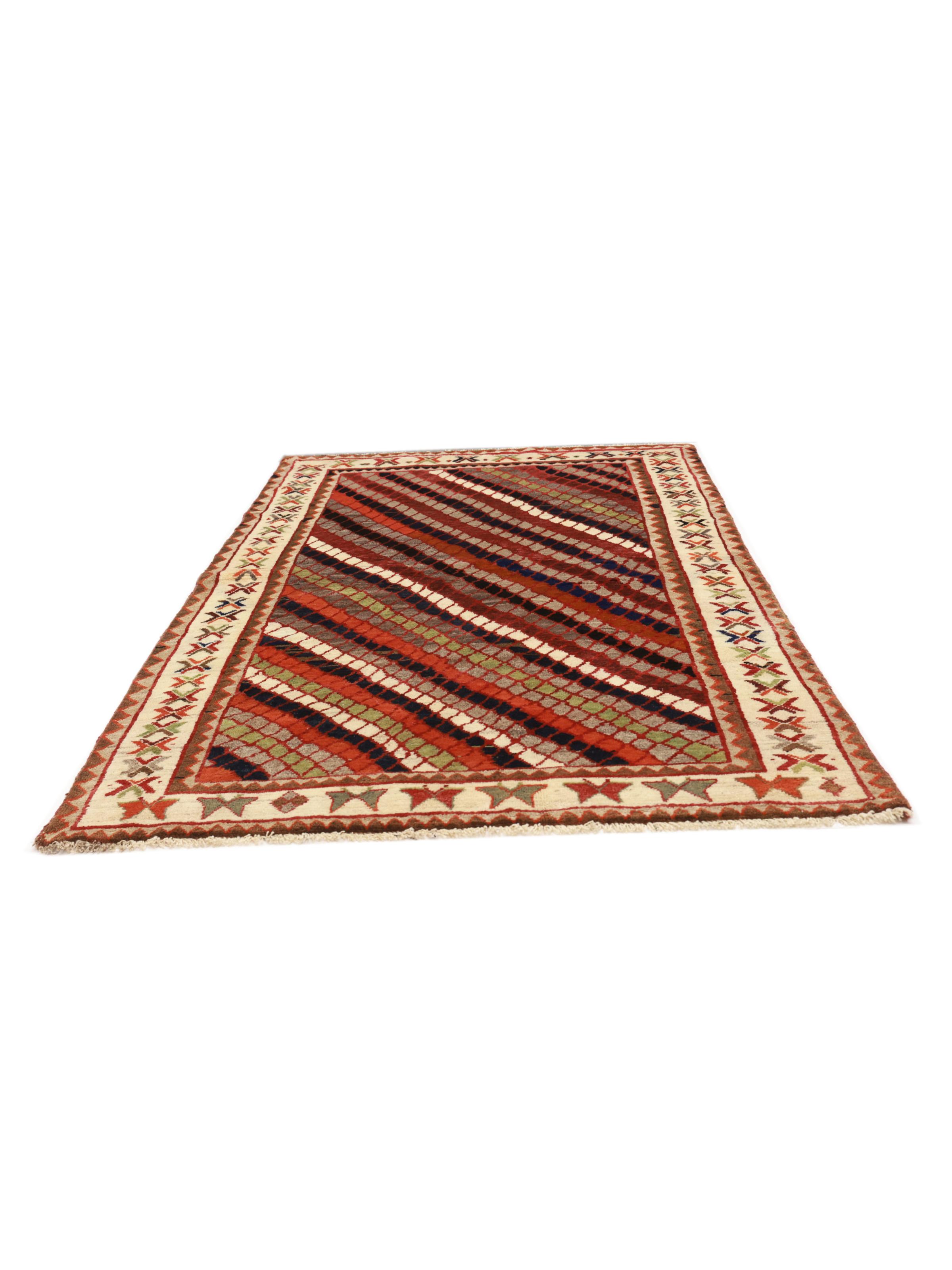
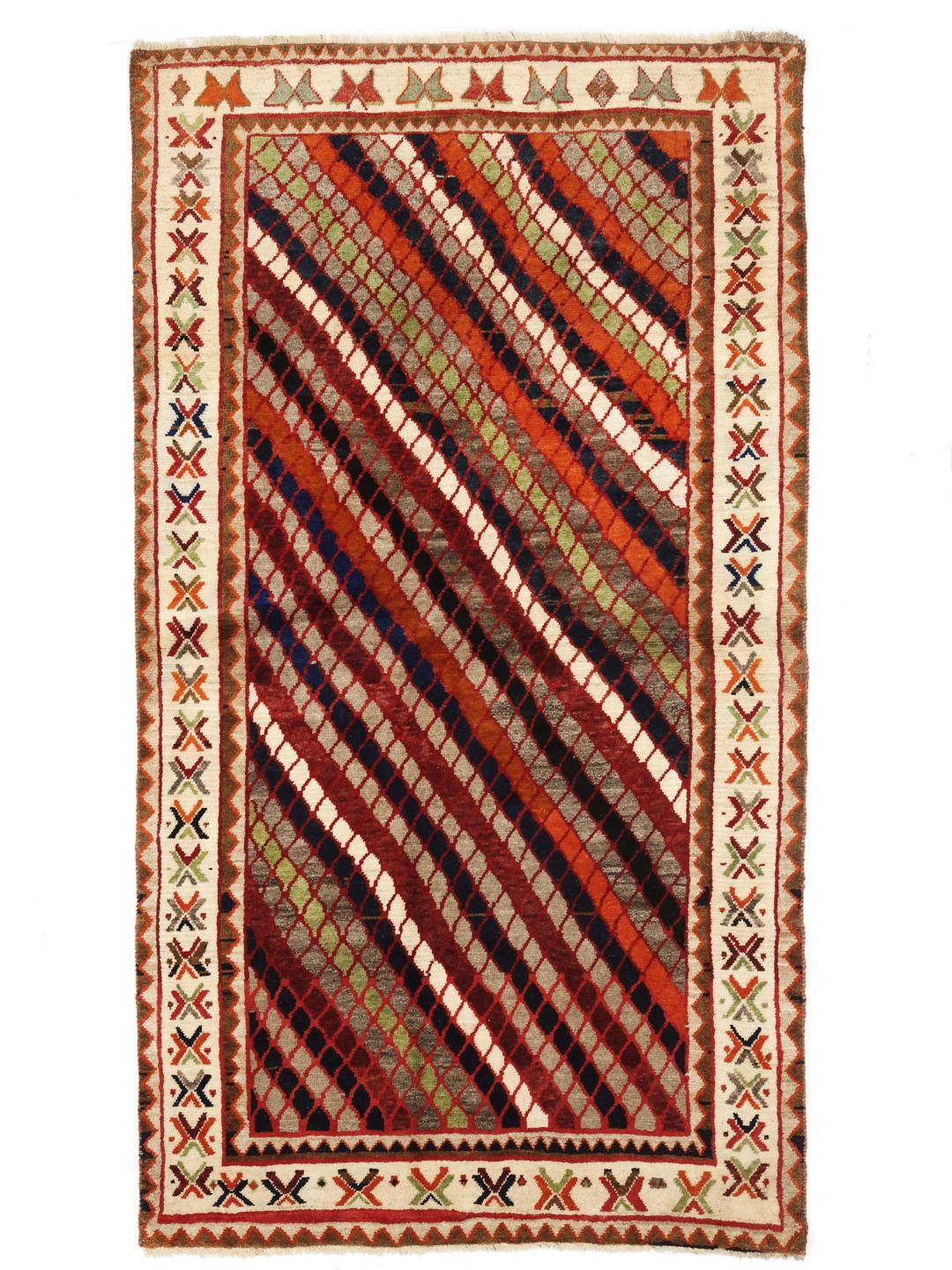
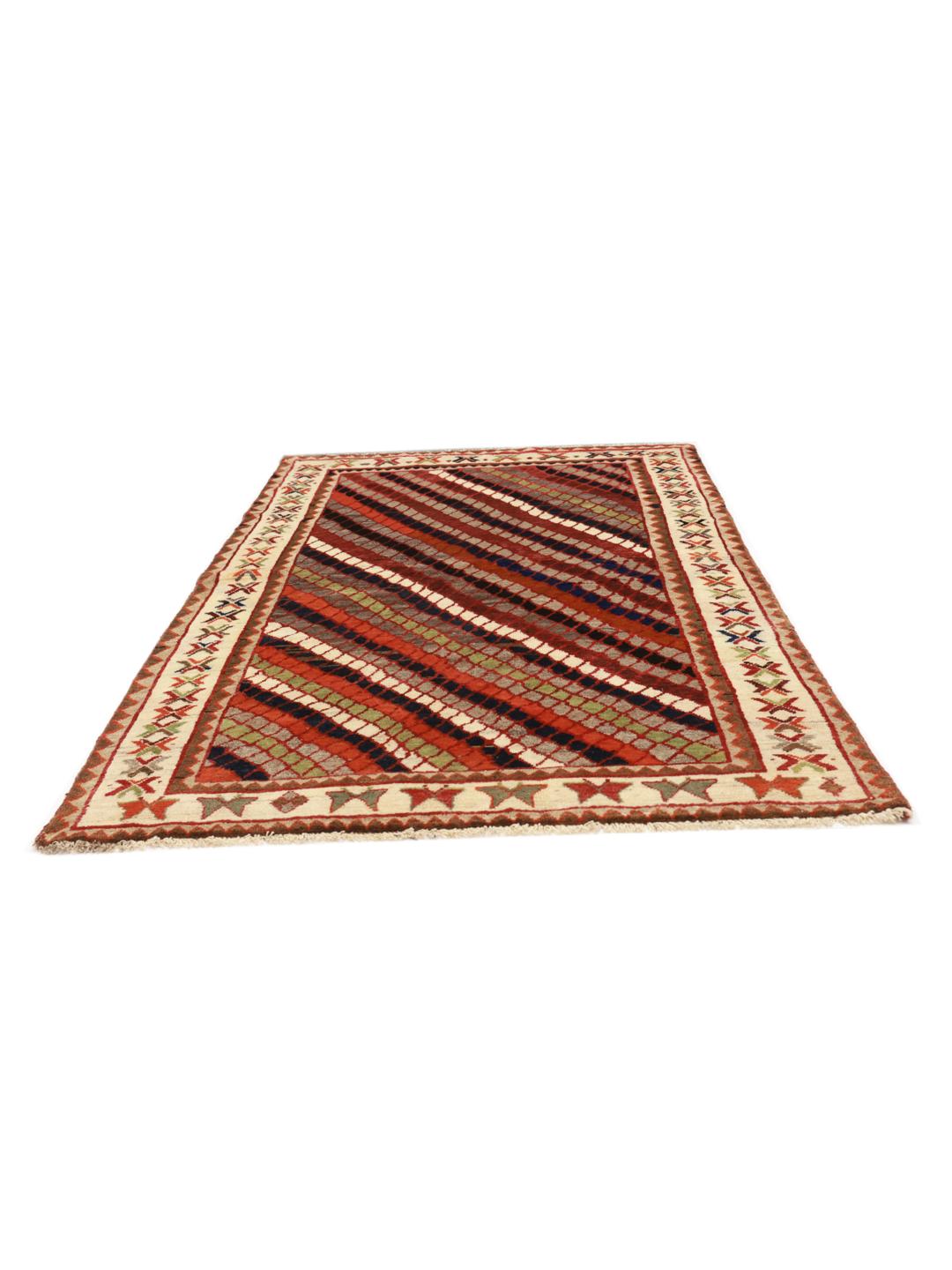
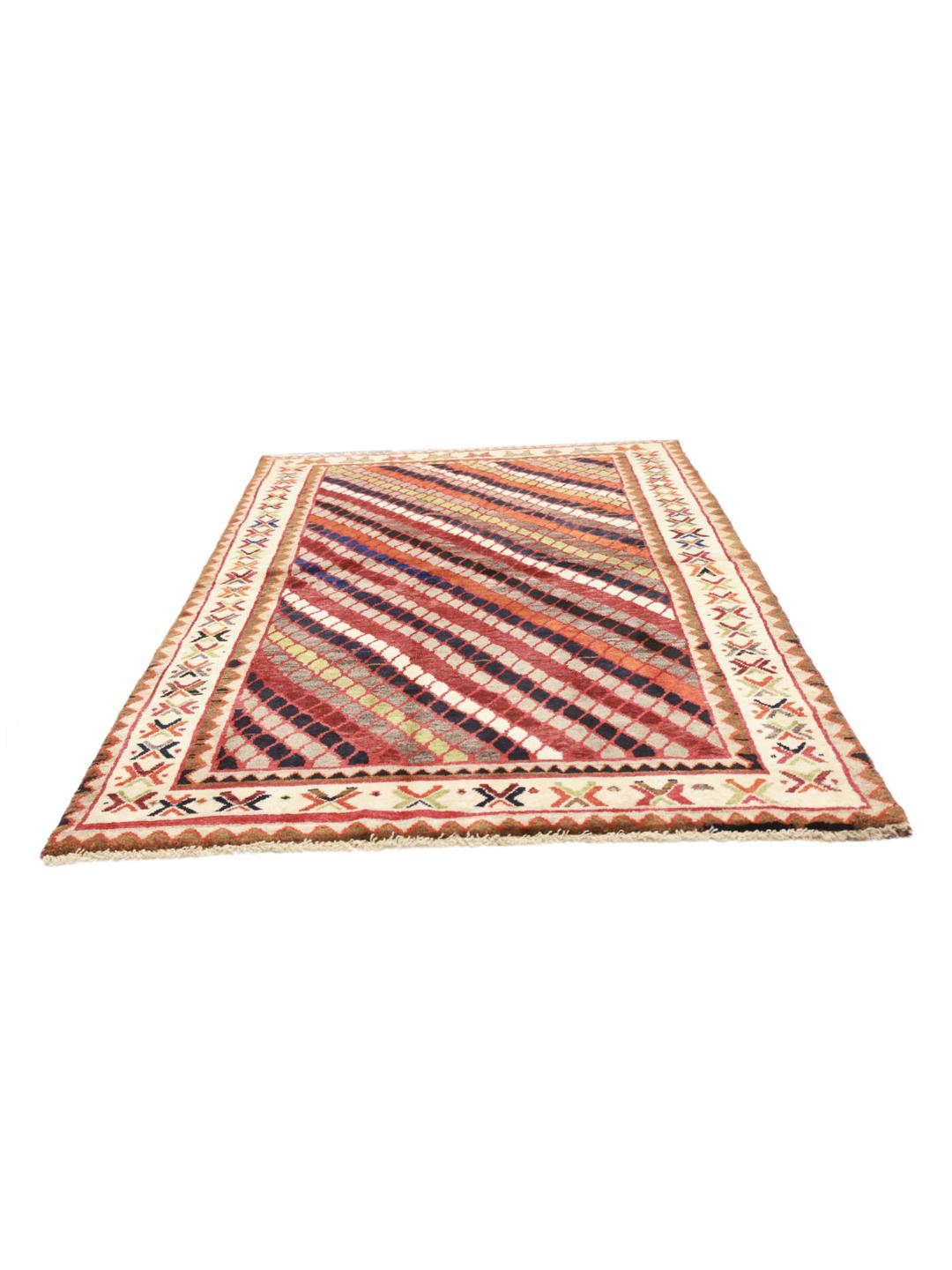
Signature design elements for this tradition often include geometric motifs, stylized flora, and the iconic lattice pattern seen here. These designs are rarely mapped out on paper before weaving begins; instead, they are often memorised and woven from memory, which is why each rug possesses its own slight irregularities and unique character. The diagonal orientation of the lattice in this specific piece creates a sophisticated sense of rhythm that is distinctively characteristic of the region's tribal aesthetic.
Owning a Ghashghai rug is about more than just decor; it is about preserving a cultural heritage. These pieces are valued for their authenticity and the human effort behind them. Collectors prize them because they represent a living tradition, offering a glimpse into the life and artistry of nomadic tribes. When you bring this rug into your home, you are acquiring a piece of history that continues to tell its story long after it leaves the loom.